Spironolactone and Alcohol: What You Need to Know About Safety, Interactions, and Risks
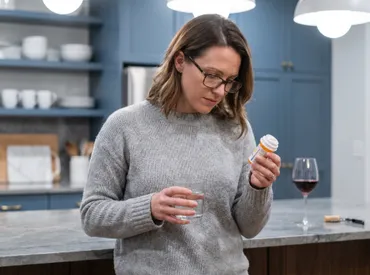
Navigating the complexities of prescription medication management requires a clear understanding of how different substances interact within your physiological systems. When patients begin a new therapeutic regimen, one of the most frequently asked questions involves dietary and lifestyle adjustments, particularly regarding alcohol consumption. Spironolactone, a widely prescribed potassium-sparing diuretic (NIH drug information), plays a crucial role in treating conditions ranging from hypertension and heart failure to hormonal imbalances like polycystic ovary syndrome (PCOS) and severe cystic acne. Because it influences fluid balance, blood pressure regulation, and electrolyte homeostasis, introducing another potent metabolic agent like alcohol requires careful evaluation. Understanding the pharmacological intersection of spironolactone and alcohol is not merely an academic exercise; it directly impacts patient safety, treatment efficacy, and long-term health outcomes. Many individuals assume that because alcohol is a common social beverage, it poses minimal risk when paired with oral medications. However, clinical evidence demonstrates that combining these substances can produce synergistic adverse effects, ranging from amplified dizziness to severe electrolyte disturbances. This comprehensive guide explores the physiological mechanisms, clinical guidelines, and practical safety frameworks you need to make informed decisions about your medication routine. By examining how both substances are processed, how they influence cardiovascular and renal function, and what evidence-based strategies can mitigate potential risks, you will gain the knowledge necessary to prioritize your well-being without sacrificing social wellness unnecessarily.
Understanding Spironolactone: Mechanism and Primary Uses
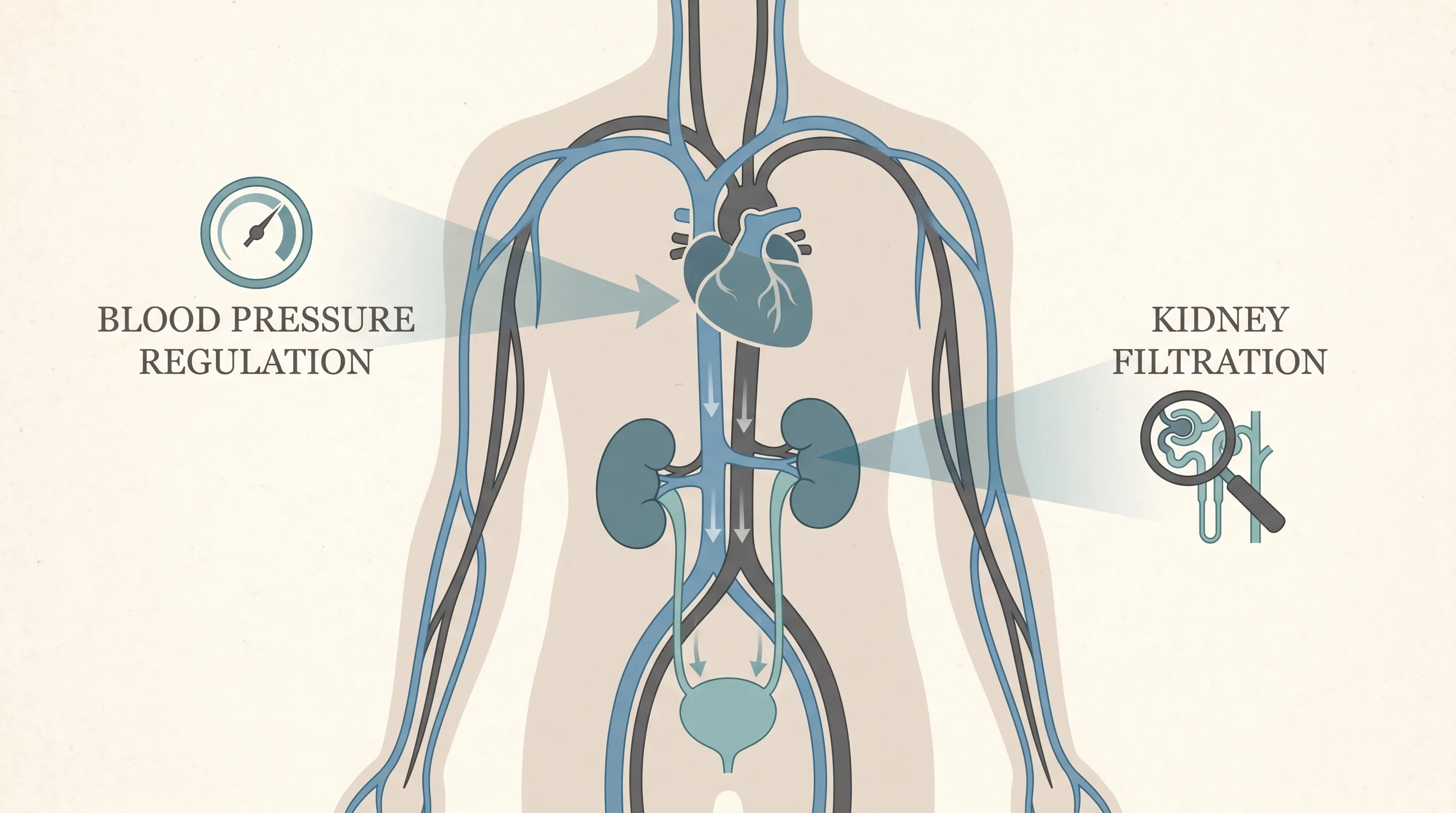
Spironolactone belongs to the class of medications known as aldosterone antagonists, functioning primarily as a potassium-sparing diuretic. Unlike loop diuretics or thiazides that aggressively flush electrolytes from the body, spironolactone operates by competitively inhibiting aldosterone at mineralocorticoid receptors located in the distal convoluted tubules and collecting ducts of the kidneys (Cleveland Clinic medication overview). Aldosterone is a steroid hormone responsible for promoting sodium reabsorption and potassium excretion. By blocking its action, spironolactone encourages the excretion of sodium and water while retaining potassium. This mechanism makes it highly effective for managing fluid retention, lowering blood pressure, and preventing hypokalemia. The drug is extensively metabolized in the liver into active metabolites, most notably canrenone, which contributes to its prolonged pharmacodynamic effects and a half-life that can extend up to nineteen hours. This extended duration of action is a critical consideration when evaluating the spironolactone and alcohol interaction, as the medication remains active in your system well after the initial dose is absorbed.
Free calculatorAnion Gap CalculatorAcid-base status assessmentOpen the calculator
Primary Medical Indications and Clinical Applications
Originally developed for hypertension and congestive heart failure, spironolactone has found extensive off-label applications due to its antiandrogenic properties. By binding to androgen receptors and inhibiting testosterone production, it effectively treats hirsutism, female pattern hair loss, and refractory acne. In cardiology, it remains a cornerstone therapy for heart failure with reduced ejection fraction, significantly reducing hospitalization rates and improving long-term survival. Nephrology utilizes it for nephrotic syndrome and cirrhosis-related ascites, where managing sodium retention is critical. Each indication comes with distinct dosing protocols, ranging from low dermatological doses (25-50 mg daily) to high cardiovascular doses (up to 100-200 mg daily). These dosage variations directly influence how sensitive your body will be to external substances like alcohol. Patients prescribed higher therapeutic doses experience more pronounced diuretic and electrolyte-modulating effects, making them inherently more vulnerable to interactions that disrupt fluid balance or blood pressure regulation.
How Alcohol Affects Human Physiology and Metabolism
To fully grasp the implications of mixing medications with alcoholic beverages, it is essential to understand how ethanol is processed and distributed throughout the body. Upon consumption, alcohol rapidly crosses biological membranes due to its small molecular size and water-soluble properties. It enters the bloodstream primarily through the stomach and small intestine, where it is distributed to virtually every organ. The liver serves as the central metabolic hub, utilizing two primary enzyme systems: alcohol dehydrogenase (ADH) and the microsomal ethanol-oxidizing system (MEOS), particularly cytochrome P450 2E1 (CYP2E1) (NIH research on alcohol metabolism). These pathways convert ethanol into acetaldehyde, a highly toxic intermediate, which is then further metabolized by aldehyde dehydrogenase (ALDH) into acetate. This process generates oxidative stress, depletes cellular antioxidants like glutathione, and temporarily impairs hepatic function. Understanding this metabolic cascade is vital when analyzing spironolactone and alcohol co-administration, as both substances rely heavily on hepatic processing and renal clearance mechanisms.
Short-Term Vasodilatory and Diuretic Effects
Acute alcohol intake triggers immediate physiological changes, most notably peripheral vasodilation. Ethanol stimulates nitric oxide production and inhibits sympathetic nervous system activity, causing blood vessels to relax and drop systemic vascular resistance. This vasodilation explains the characteristic flushed skin and warmth associated with drinking, but it also contributes to transient hypotension. Additionally, alcohol acts as a suppressant of antidiuretic hormone (ADH, also known as vasopressin) released by the posterior pituitary gland. Reduced ADH levels decrease water reabsorption in the kidneys, leading to increased urine output. While alcohol itself is not a classic diuretic like spironolactone, its ADH-suppressing properties create a compounding fluid-loss effect. When combined with a potassium-sparing diuretic, the resulting volume depletion can destabilize blood pressure and strain cardiovascular compensation mechanisms.
Long-Term Hepatic and Renal Considerations
Chronic or heavy alcohol consumption initiates structural and functional changes in both the liver and kidneys. Hepatic steatosis, inflammation, and eventual fibrosis reduce the organ's metabolic capacity, slowing the clearance of medications like spironolactone. Renal function is equally vulnerable; alcohol-induced hypertension, oxidative stress, and altered electrolyte handling can accelerate nephron damage over time (CDC information on alcohol's chronic effects). Impaired kidney function directly compromises the body's ability to regulate potassium, sodium, and fluid balance, which are the exact parameters spironolactone is designed to modulate. Patients with pre-existing hepatic or renal compromise face significantly amplified risks when combining these substances, making baseline organ function assessment a prerequisite for safe usage guidelines.
The Core Interaction: Spironolactone and Alcohol
When evaluating the intersection of these two agents, pharmacologists focus on pharmacodynamic synergies rather than direct pharmacokinetic interference. While alcohol does not significantly inhibit or induce the specific liver enzymes responsible for spironolactone metabolism, it dramatically amplifies the physiological outcomes of the medication. The most immediate and clinically relevant concern involves additive hypotension. Both substances independently lower blood pressure through different pathways: spironolactone reduces plasma volume and vascular resistance, while alcohol causes rapid vasodilation and suppresses sympathetic tone. Together, they can precipitate orthostatic hypotension, characterized by lightheadedness upon standing, blurred vision, and in severe cases, syncope (Mayo Clinic guidelines on orthostatic hypotension). This risk is particularly pronounced in older adults, patients with compromised cardiovascular reflexes, and individuals who consume alcohol on an empty stomach. Understanding the spironolactone and alcohol dynamic is essential for preventing preventable falls and acute hemodynamic instability.
Synergistic Side Effects: Dizziness and Cognitive Impairment
Beyond cardiovascular impacts, the combination frequently exacerbates central nervous system depression. Spironolactone can cause fatigue, lethargy, and mild cognitive slowing, particularly during the initial titration phase. Alcohol, as a known central depressant, magnifies these symptoms by enhancing gamma-aminobutyric acid (GABA) activity while suppressing excitatory glutamate pathways. Patients often report disproportionate levels of drowsiness, reduced reaction times, and impaired coordination when consuming alcohol while on this medication. This synergistic sedation significantly increases the risk of accidents, particularly when driving or operating machinery. Medical guidelines consistently warn against activities requiring heightened alertness until individuals understand their personal tolerance threshold.
Electrolyte Imbalances and the Potassium Paradox
The most insidious risk associated with combining these agents lies in electrolyte homeostasis. Spironolactone's primary therapeutic benefit—potassium retention—becomes a liability when compounded by alcohol-induced physiological stress. Alcohol consumption can lead to dehydration, gastrointestinal fluid losses, and altered renal tubular function, all of which concentrate serum electrolytes. Additionally, heavy drinking may cause metabolic acidosis, which shifts potassium from intracellular to extracellular spaces. When combined with a potassium-sparing diuretic, these mechanisms can rapidly elevate serum potassium levels beyond the normal range (3.5 to 5.0 mmol/L), leading to hyperkalemia (Cleveland Clinic clinical overview of hyperkalemia). Mild hyperkalemia is often asymptomatic, but levels exceeding 5.5 mmol/L can trigger dangerous cardiac arrhythmias, muscle weakness, and paresthesia. Regular electrolyte monitoring becomes non-negotiable for patients navigating the spironolactone and alcohol combination.
Blood Pressure Fluctuations and Compensatory Mechanisms
The human body employs baroreceptor reflexes and renin-angiotensin-aldosterone system (RAAS) activation to counteract hypotension. Alcohol blunts baroreceptor sensitivity and disrupts RAAS feedback loops, making it harder for the body to self-regulate blood pressure after a drop. Spironolactone already suppresses aldosterone, removing a key compensatory pathway. The resulting loss of physiological buffering capacity means that even moderate fluid shifts or postural changes can cause symptomatic hypotension. Patients often experience morning dizziness, exercise intolerance, and increased fall risk. Clinicians emphasize gradual position changes, adequate sodium intake (unless contraindicated), and avoiding alcohol during periods of illness, fever, or heavy sweating when blood volume is already compromised.
Dosage-Dependent Considerations and Clinical Context
Risk stratification for medication interactions heavily depends on prescribed dosage and underlying health status. A uniform recommendation for all spironolactone users fails to account for the vast clinical spectrum between dermatological management and life-saving cardiac therapy. Low-dose regimens primarily target androgen receptors, with minimal diuretic activity. High-dose protocols aggressively modulate renal excretion, fluid balance, and neurohormonal pathways. The intensity of the spironolactone and alcohol interaction scales proportionally with dosage, making it crucial for patients and prescribers to evaluate individual therapeutic contexts.
Low-Dose Dermatological and Hormonal Applications
Doses ranging from 25 to 50 mg daily are typically prescribed for PCOS-related symptoms, acne, and androgenetic alopecia. At this level, diuretic effects are mild, and potassium retention remains largely physiological. However, the medication still undergoes hepatic metabolism and maintains anti-hormonal activity. Alcohol consumption at low doses may not immediately cause severe hypotension, but it can still trigger dehydration, exacerbate fatigue, and interfere with dermatological outcomes. Alcohol is a known inflammatory trigger and depletes B-vitamins and zinc, which are essential for skin barrier repair. Patients using spironolactone for skin health often notice increased breakouts or delayed wound healing when alcohol intake exceeds one to two standard drinks weekly. Maintaining strict hydration and limiting ethanol exposure supports both hormonal balance and cutaneous recovery.
High-Dose Cardiovascular and Renal Management
Patients prescribed 50 to 100 mg daily or higher are typically managing heart failure, hypertension, cirrhosis, or nephrotic edema. At these levels, the medication profoundly influences volume status, cardiac preload, and electrolyte equilibrium. Introducing alcohol into this delicate system dramatically increases the likelihood of clinical instability. Even a single episode of moderate drinking can precipitate syncope, worsen congestive symptoms, or trigger acute kidney injury due to combined volume depletion and reduced renal perfusion. Guidelines from major cardiology societies strongly discourage alcohol consumption in patients with heart failure, independent of medication use, because ethanol has direct negative inotropic effects on the myocardium. When paired with high-dose spironolactone, the compound risk of arrhythmia, electrolyte crisis, and hemodynamic collapse becomes medically significant. Strict avoidance is often the safest protocol for this patient population.
| Dosage Tier | Primary Indication | Diuretic Intensity | Potassium Retention Risk | Alcohol Interaction Severity |
|---|---|---|---|---|
| Low (25-50 mg) | Acne, PCOS, Hair Loss | Mild | Low to Moderate | Mild; mainly dehydration & fatigue |
| Moderate (50-100 mg) | Hypertension, Mild Edema | Moderate | Moderate | Moderate; notable hypotension & dizziness |
| High (100-200 mg+) | Heart Failure, Cirrhosis, Nephrotic Syndrome | Severe | High | Severe; syncope, hyperkalemia, cardiac risk |
Practical Guidelines for Safe Use and Risk Mitigation
While complete avoidance is the gold standard for eliminating interaction risks, many patients seek realistic, harm-reduction frameworks for navigating social or cultural occasions where alcohol is present. Implementing evidence-based mitigation strategies can significantly reduce adverse outcomes without compromising therapeutic goals (WHO fact sheets on alcohol consumption). The following protocols are designed to help patients who have received medical clearance for occasional consumption.
Strategic Timing and Dosage Scheduling
Because spironolactone has active metabolites with extended half-lives, complete pharmacological separation is impossible. However, spacing intake can minimize peak-effect overlap. If your physician approves occasional drinking, schedule your medication in the morning when possible, and avoid alcohol until the afternoon. Alternatively, skip the dose on the day you plan to drink only if explicitly permitted by your provider, though this is generally discouraged due to rebound sodium retention and blood pressure spikes. Consistent timing is more valuable than erratic skipping. Always take the medication with a full glass of water and never consume alcohol on an empty stomach. Food slows gastric emptying, moderates ethanol absorption, and provides a buffer for gastrointestinal lining protection.
Proactive Monitoring and Symptom Tracking
Vigilance is your strongest defense against adverse interactions. Keep a daily log tracking fluid intake, urine output, weight fluctuations, and any neurological or cardiovascular symptoms. A sudden drop of two or more pounds in a day may indicate excessive fluid loss, requiring immediate rehydration and medical consultation. Monitor for early signs of electrolyte disturbance: muscle cramps, tingling in extremities, irregular heartbeats, or unexplained fatigue. Blood pressure tracking at home is equally critical; readings consistently below 90/60 mmHg accompanied by dizziness warrant immediate cessation of alcohol and prompt physician evaluation. Regular laboratory testing for serum potassium, sodium, creatinine, and BUN should continue on schedule, regardless of alcohol consumption patterns. Early detection allows clinicians to adjust dosages or recommend dietary modifications before complications escalate.
Hydration Protocols and Nutritional Support
Alcohol and diuretics create a dual pathway for fluid and electrolyte loss. Counteract this by prioritizing structured hydration. Aim for two to three liters of water daily, adjusting for activity level, climate, and baseline kidney function. Incorporate electrolyte-rich foods like bananas, avocados, spinach, and coconut water to support physiological balance, but remain cautious about excessive potassium if lab values trend high. Avoid sugary sports drinks unless exercising heavily, as high carbohydrate loads can trigger insulin spikes that worsen potassium shifts. Limit caffeine, which acts as an additional mild diuretic and can compound dehydration. If you experience persistent dry mouth, dark urine, or reduced urination frequency, these are early warning signs requiring immediate fluid replenishment and medical guidance.
Recognizing Warning Signs and When to Seek Care
Understanding the spectrum of interaction severity empowers patients to respond appropriately before a manageable situation becomes a medical emergency. While mild symptoms can often be managed with rest and hydration, certain clinical signs demand immediate intervention. Recognizing the difference between expected side effects and dangerous complications is a cornerstone of medication safety.
Red Flag Symptoms Requiring Immediate Attention
Certain presentations indicate that the spironolactone and alcohol combination has pushed physiological parameters into unsafe territory. Severe or worsening dizziness that prevents standing or walking safely, fainting episodes, or near-syncope upon minor exertion are urgent warning signs. Cardiac symptoms such as palpitations, irregular pulse, chest pressure, or unexplained shortness of breath require immediate evaluation, as they may indicate arrhythmia or acute myocardial strain. Neurological changes including confusion, extreme lethargy, slurred speech unrelated to intoxication level, or severe muscle weakness suggest profound electrolyte disruption or hepatic impairment. Gastrointestinal red flags like persistent vomiting, inability to retain fluids, or severe abdominal pain may indicate acute pancreatitis or hepatic stress, both of which are exacerbated by alcohol. If any of these symptoms develop, discontinue alcohol immediately, assume a supine position to improve cerebral perfusion, and contact emergency services.
Emergency Response and Medical Communication
When seeking care for suspected medication interaction, clear communication dramatically improves clinical outcomes. Bring your medication bottle, dosing schedule, and a detailed log of alcohol consumption (type, quantity, timing). Inform healthcare providers of any over-the-counter supplements, particularly potassium chloride, NSAIDs, or herbal products like licorice root, which further influence electrolyte balance. Emergency departments frequently administer intravenous fluids with carefully titrated potassium concentrations to stabilize serum levels rapidly. In severe hyperkalemia, calcium gluconate, insulin-dextrose therapy, and sodium polystyrene sulfonate may be required to shift or eliminate excess potassium. Transparency about lifestyle habits allows clinicians to tailor interventions accurately and avoid unnecessary diagnostic delays.
Frequently Asked Questions
Can I drink alcohol in moderation while taking spironolactone?
Moderate alcohol consumption may be tolerated by some patients on stable, low-dose spironolactone regimens, but it requires explicit medical clearance. Even occasional drinking can amplify dizziness, dehydration, and electrolyte fluctuations. Always consult your prescribing physician before combining spironolactone and alcohol, and never self-adjust your dosage to compensate for planned drinking. Individual factors such as age, kidney function, and concurrent medications heavily influence tolerance thresholds.
Does mixing spironolactone and alcohol cause dangerous potassium levels?
Yes, there is a heightened risk of hyperkalemia. Spironolactone is potassium-sparing by design, and alcohol can impair kidney function while causing dehydration that concentrates serum potassium. Combined, these effects may push potassium to unsafe levels, potentially triggering cardiac arrhythmias, muscle weakness, and fatigue. Regular blood testing remains essential for early detection and prevention of clinically significant elevations.
Should I space out my spironolactone dose and alcoholic drinks?
If your healthcare provider approves occasional drinking, spacing your dose by at least four to six hours before and after consuming alcohol can help minimize peak-effect overlap. However, because spironolactone has a long half-life and active metabolites that remain active for up to 48 hours, complete separation is physiologically impossible. Consistent hydration, food intake, and monitoring remain more impactful than timing adjustments alone.
Are there different risks between beer, wine, and spirits?
The primary interaction driver is ethanol concentration, not the beverage type. However, sugary cocktails can impact hydration and blood sugar regulation, while craft beers may contain higher carbohydrate loads that affect fluid balance. Pure ethanol dictates vasodilation and diuretic effects, so standard drink equivalents apply across all categories. Choose lower-concentration options, alternate alcoholic drinks with water, and avoid consuming on an empty stomach to mitigate risks.
What should I do if I accidentally drink while on spironolactone?
Stop consuming additional alcohol immediately, drink a full glass of water, and avoid standing up quickly to prevent orthostatic hypotension. Monitor for severe dizziness, rapid heartbeat, confusion, or muscle weakness. If symptoms escalate, seek urgent medical care. Do not skip your next scheduled dose unless explicitly directed by a physician, as abrupt discontinuation can cause rebound hypertension and fluid retention. Contact your healthcare provider to discuss the incident and receive personalized guidance.
Conclusion
Navigating the intersection of prescription therapy and lifestyle choices demands informed, evidence-based decision-making. The relationship between spironolactone and alcohol is characterized by pharmacodynamic synergies that can destabilize blood pressure, disrupt electrolyte homeostasis, and amplify central nervous system depression. While low-dose dermatological users may occasionally tolerate minimal consumption under strict medical supervision, high-dose cardiovascular and renal patients face substantially elevated risks that typically warrant complete avoidance. Success in managing this medication relies on consistent dosing, proactive hydration, vigilant symptom tracking, and transparent communication with healthcare providers. By prioritizing physiological balance over social convenience, patients can protect their therapeutic progress while maintaining long-term cardiovascular and metabolic health. Always consult your prescribing physician before making changes to your routine, and remember that personalized medical guidance will always outweigh generalized internet advice. Your safety, stability, and treatment efficacy depend on respecting the powerful pharmacological nature of this medication.
How we work
Researched and drafted with AI assistance, then reviewed by a human editor against the cited sources.
This article is general health information, not medical advice. Consult a qualified healthcare professional about your own situation.