Vaginal Chafing: Causes, Prevention, and Proven Relief Strategies
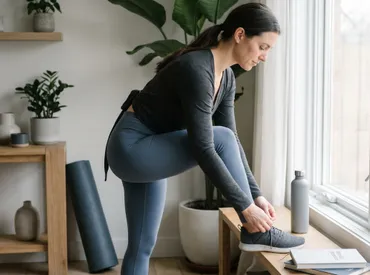
Experiencing persistent discomfort in your most sensitive areas can quickly disrupt daily life, but you are certainly not alone in dealing with this common yet frequently misunderstood issue. Vaginal chafing affects millions of individuals across all age groups and activity levels, often arising from everyday movements, exercise routines, or environmental conditions. While it may seem like a minor inconvenience initially, untreated irritation can escalate into painful abrasions, secondary infections, and chronic skin sensitivity. Understanding the underlying mechanics, recognizing early warning signs, and implementing evidence-based preventive measures are essential steps toward restoring comfort and maintaining optimal reproductive health. This comprehensive guide explores the physiological factors, practical solutions, and medical insights needed to effectively manage and prevent vaginal chafing. By integrating strategies into your daily routine, you can protect delicate tissue, accelerate healing, and enjoy uninterrupted comfort during workouts, workdays, and leisure activities alike. Whether you are an athlete, a busy professional, or simply someone seeking better intimate care habits, mastering friction management will transform how you approach skin wellness and overall physical confidence.
Understanding Vaginal Chafing: Causes, Symptoms, and Anatomy
What Exactly Is Vaginal Chafing?
Vaginal chafing refers to the irritation and micro-trauma of the delicate skin surrounding the vulvar and inner thigh regions caused by repeated friction. Unlike typical rashes that stem from allergic reactions or systemic inflammation, chafing is fundamentally a mechanical injury. The constant rubbing action strips away the skin's protective outer layer, known as the stratum corneum, exposing sensitive nerve endings and underlying tissues to air, moisture, and external irritants. This process triggers an inflammatory response, resulting in redness, swelling, stinging sensations, and sometimes minor bleeding or raw patches (Cleveland Clinic). The condition is particularly common in areas where skin folds meet or where clothing creates persistent contact during movement. Because the vulvar region contains highly vascularized and densely innervated tissue, even mild friction can produce disproportionately intense discomfort compared to other body parts.
Free calculatorWater Intake CalculatorCalculate daily water needsOpen the calculatorThe Role of Friction and Moisture in Tissue Damage
The combination of friction and moisture creates a perfect environment for skin breakdown. When sweat, natural vaginal discharge, or residual cleansing products accumulate, they soften the keratinized outer skin layer, a process dermatologists refer to as maceration. Macerated skin loses its structural integrity and becomes significantly more prone to tearing under minimal stress. As movement continues, the compromised barrier experiences repetitive shearing forces that deepen micro-abrasions. This cycle explains why chafing frequently worsens during prolonged physical activity, in hot and humid climates, or when wearing non-breathable garments. Proper moisture management and friction reduction work synergistically to preserve skin resilience and prevent the cascade of tissue damage.
Differentiating Vaginal Chafing from Other Conditions
Accurate identification is crucial because several gynecological and dermatological conditions mimic chafing. Contact dermatitis from soaps, detergents, or lubricants often presents with similar redness and itching but typically spreads beyond friction zones. Yeast infections cause intense pruritus and thick discharge, while bacterial vaginosis produces a distinct odor and watery secretions (CDC). Lichen sclerosus and lichen planus are chronic inflammatory disorders that cause thinning, whitening, or painful lesions in the genital area and require specialized medical intervention (Mayo Clinic). True vaginal chafing is localized strictly to areas of physical contact, lacks abnormal discharge or odor, and improves rapidly with friction elimination and barrier protection. When in doubt, a clinical evaluation ensures appropriate treatment and prevents mismanagement of serious underlying conditions.
Common Triggers: Why This Condition Occurs
High-Impact Movement and Exercise Friction
Physical activity is one of the most frequent catalysts for vaginal chafing. Running, cycling, weightlifting, high-intensity interval training, and dance routines all involve repetitive leg movements, pelvic stabilization, and sustained muscle engagement that increase skin-to-skin and skin-to-fabric contact. The biomechanics of these exercises naturally compress the groin and inner thigh areas against each other or against tight athletic wear. Without adequate preparation, the cumulative effect of hundreds of micro-friction cycles during a single workout session rapidly degrades skin integrity. Athletes and fitness enthusiasts often report worsening symptoms during seasonal training peaks or when increasing mileage, intensity, or duration without adjusting protective strategies.
Clothing Choices and Fabric Composition
What you wear directly impacts your risk of developing vaginal chafing. Tight-fitting jeans, synthetic leggings, underwear with rough elastic bands, and garments featuring raised seams or decorative tags create concentrated pressure points and continuous rubbing. Synthetic materials like polyester, nylon, and spandex trap heat and moisture against the skin rather than allowing evaporation. Conversely, overly loose clothing can bunch up during movement, creating unpredictable friction zones and trapping dampness. The ideal garment balances compression where needed with breathability, moisture transport, and smooth interior surfaces. Flat-lock stitching, tagless designs, and gusseted crotches significantly reduce mechanical stress on sensitive areas.
Hormonal Fluctuations and Vaginal Tissue Sensitivity
Estrogen plays a vital role in maintaining skin thickness, elasticity, collagen density, and moisture retention in the vulvovaginal region (Mayo Clinic). Significant hormonal shifts during menstruation, pregnancy, postpartum recovery, breastfeeding, perimenopause, and menopause directly impact tissue resilience. Low estrogen states thin the skin, reduce natural lubrication, and decrease blood flow to the area, making it far more vulnerable to friction injury. Many individuals notice increased sensitivity or recurrent chafing during these transitional periods. Understanding this hormonal connection allows for targeted interventions, such as incorporating gentle hydrating agents, adjusting clothing choices, and discussing localized estrogen therapy options with a healthcare provider when appropriate.
Body Weight, Anatomy, and Environmental Factors
Natural anatomical variations, including wider hip structures, fuller inner thighs, or prominent labial tissue, create inherent contact points that experience higher friction loads during movement. Gradual or sudden weight changes can also alter how garments fit and how skin surfaces interact. Additionally, external environmental conditions heavily influence chafing risk. Hot weather increases perspiration, winter layering adds bulky seams, and humidity prevents moisture evaporation. Travel, prolonged sitting, and occupational demands like extended standing or walking on uneven surfaces further compound friction exposure. Recognizing these modifiable and non-modifiable factors empowers individuals to tailor their prevention strategies effectively.
Prevention Strategies: Daily Habits for Lasting Comfort
Selecting the Right Underwear for Optimal Protection
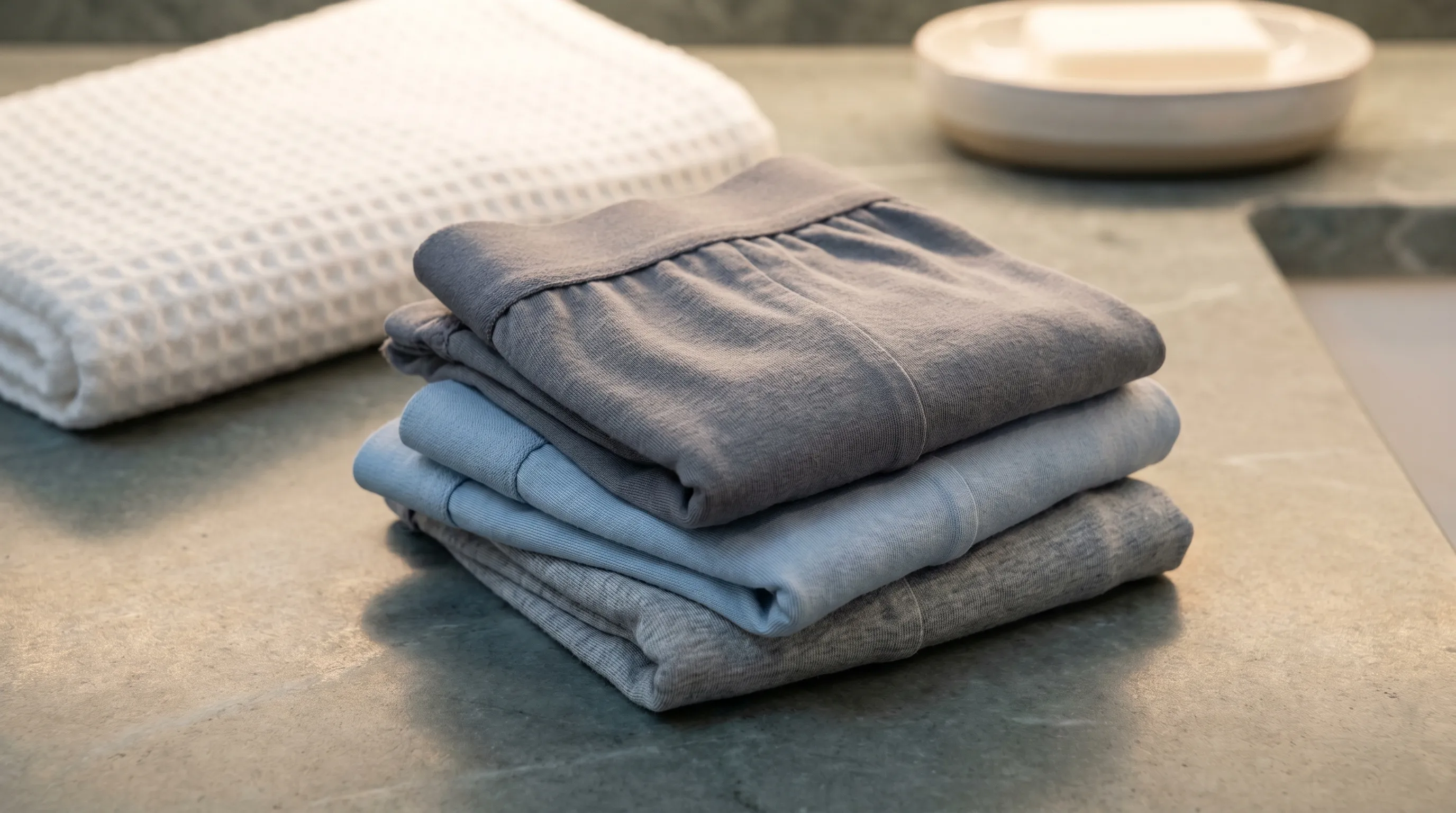
Underwear choice is the foundation of vaginal chafing prevention. Prioritize seamless, flat-stitched designs made from breathable, moisture-managing fabrics like bamboo viscose, modal, or high-quality cotton blends. Avoid lace edges, elastic bands that dig into the skin, and synthetic panels that trap sweat. Look for styles with extended leg coverage or built-in liners specifically engineered to separate skin surfaces. Many athletes benefit from compression shorts or anti-chafing leggings that create a stable, friction-reducing barrier during intense movement. Always ensure proper sizing; garments should fit snugly enough to stay in place without constricting blood flow or creating tension points that exacerbate rubbing.
Pre-Activity Barrier Protection and Lubrication Techniques
Proactive application of protective products before exercise or prolonged walking dramatically reduces friction damage. Anti-chafing sticks, balms, and powders create an invisible shield that allows skin surfaces to glide smoothly rather than rub abrasively. Zinc oxide-based creams, petroleum-free barrier pastes, and silicone-based glide lotions are highly effective for sensitive genital skin. Apply a generous, even layer to all potential contact zones before dressing and reapply as needed during extended activity. Avoid talcum-based powders, which can cause granuloma formation and respiratory irritation. Modern starch-free, corn-based alternatives provide excellent moisture absorption without compromising skin health or introducing harmful particulate matter.
Optimizing Personal Hygiene Without Over-Cleansing
Proper hygiene supports skin integrity but excessive washing strips away natural protective oils and disrupts the delicate vaginal microbiome. Use lukewarm water and a gentle, fragrance-free, pH-balanced cleanser specifically formulated for external intimate areas. Avoid harsh soaps, exfoliating scrubs, douches, and antibacterial washes that cause chemical irritation and dryness. After bathing or swimming, pat the area completely dry with a soft, clean towel rather than rubbing. Consider using a dedicated cotton towel for intimate areas to prevent cross-contamination. Change out of damp workout clothes or wet swimwear immediately, as prolonged moisture exposure softens tissue and dramatically accelerates friction injury. Maintaining consistent, gentle cleansing routines preserves the skin's natural acid mantle and barrier function.
Environmental Adjustments and Seasonal Preparation
Weather and climate require adaptive strategies to maintain comfort year-round. During summer months or tropical travel, carry travel-sized anti-chafing products, change underwear twice daily if sweating heavily, and opt for looser, ventilated clothing layers. In winter, avoid thick thermal leggings with rough interior seams; instead, choose smooth-lined base layers and apply barrier creams before dressing in multiple garments. When flying or during long commutes, take short standing or stretching breaks to reduce prolonged seated friction and pressure. Airplane cabins and heated vehicles create dry environments that paradoxically increase static friction and skin irritation. Staying hydrated, adjusting seating position, and using portable seat cushions with smooth covers minimize contact stress during transit.
Treatment Options: Soothing Relief and Healing Protocols
Immediate First Aid for Active Irritation
When you notice early signs of vaginal chafing, prompt intervention prevents worsening tissue damage. Stop the activity causing friction immediately and move to a clean, private space. Rinse the affected area gently with cool or lukewarm water to remove sweat, salt, and residual irritants. Avoid scrubbing, which exacerbates micro-tears. Use a soft, clean cloth or gauze to absorb moisture, never rubbing. Allow the skin to air-dry completely before applying any product. If you experience stinging, a cold compress wrapped in a thin cotton cloth applied for ten to fifteen minutes constricts superficial blood vessels, reduces inflammation, and provides immediate numbing relief. Do not apply ice directly to mucosal or delicate skin tissue, as it can cause secondary cold injury.
Evidence-Based Topical Treatments and Ingredients
Pharmacological and over-the-counter interventions should prioritize healing, protection, and infection prevention. Barrier creams containing zinc oxide create a waterproof shield that allows underlying tissue to regenerate while repelling moisture and friction. Dimethicone-based lotions provide long-lasting glide and occlusion without clogging pores. Pure aloe vera gel with minimal additives soothes inflammation and delivers cooling hydration. For severe redness and itching, a short course of one percent hydrocortisone cream applied twice daily for no more than three days reduces immune-mediated inflammation (Mayo Clinic). Always verify product ingredients for hidden fragrances, alcohol, or menthol, which trigger stinging reactions on compromised skin. Follow packaging instructions carefully and discontinue use if burning or worsening rash occurs.
Cooling, Soothing Home Remedies and Natural Support
Several accessible home strategies complement clinical treatments safely. Oatmeal baths, utilizing colloidal oatmeal dissolved in lukewarm water, contain avenanthramides and beta-glucans that clinically reduce itching and inflammation. Coconut oil and shea butter offer natural emollient properties, though they should be used cautiously as heavy oils can sometimes disrupt natural flora if applied internally. Diluted apple cider vinegar sitz baths (one tablespoon per cup of warm water) restore acidic pH and inhibit bacterial overgrowth, but must be avoided on open wounds due to potential stinging. Consuming omega-3 fatty acids, vitamin C, and zinc supports systemic skin repair and collagen synthesis. Prioritizing restful sleep during recovery phases allows cellular regeneration and hormonal balance to accelerate tissue restoration naturally.
Common Mistakes to Avoid During the Healing Phase
Recovery fails when individuals unknowingly sabotage the healing process. Scratching irritated areas introduces bacteria from fingernails and deepens abrasions into potential cellulitis or folliculitis. Continuing high-impact exercise before full tissue recovery guarantees re-injury and chronic inflammation cycles. Using scented wipes, harsh laundry detergents, or fabric softeners on undergarments introduces chemical irritants to already compromised skin. Applying antibiotic ointments like neomycin without medical indication increases contact allergy risk without proven benefit for simple friction injuries. Finally, wearing tight clothing to "hold everything together" actually concentrates pressure and moisture against healing tissue. Patience, strict friction avoidance, and gentle care yield the fastest, most complete recovery.
| Product Type | Key Ingredients | Best Use Case | Application Frequency | Precautions |
|---|---|---|---|---|
| Barrier Paste | Zinc Oxide, Petrolatum | Active chafing prevention & healing | Before activity, 2x daily during recovery | Avoid on deep open wounds |
| Glide Balm | Dimethicone, Beeswax | High-friction sports & exercise | Before activity, reapply every 3-4 hours | Test for silicone sensitivity first |
| Soothing Lotion | Aloe Vera, Allantoin, Vitamin E | Post-activity inflammation & redness | 3-4 times daily until symptoms subside | Avoid alcohol-based formulations |
| Anti-Itch Cream | 1% Hydrocortisone, Pramoxine | Intense itching & allergic response | Max 3 days, twice daily | Do not use if infection suspected |
| Moisture Powder | Cornstarch, Kaolin Clay, Tea Tree Oil | Humid climates & sweat management | Light dusting before dressing | Keep away from internal vaginal opening |
When to Consult a Healthcare Professional
Recognizing Signs of Secondary Infection
While most cases of vaginal chafing resolve with conservative care, broken skin provides an entry point for pathogens. Watch for spreading redness extending beyond friction zones, yellow or green purulent discharge, increasing pain rather than gradual improvement, fever, chills, swollen inguinal lymph nodes, or foul odor. These symptoms indicate bacterial invasion, often requiring prescription topical or oral antibiotics (CDC). Fungal overgrowth in compromised tissue can also develop, presenting with satellite lesions and intense itching that resists standard barrier creams. Prompt medical evaluation prevents complications like abscess formation, cellulitis, or chronic dermatological conditions that require specialized management protocols.
Chronic Conditions Mimicking Chafing
Persistent genital discomfort may not be chafing at all. Conditions like vulvodynia, pudendal neuralgia, and desquamative inflammatory vaginitis present with burning, stinging, or raw sensations that worsen with contact but stem from nerve dysfunction, autoimmune responses, or microbiome disruption rather than mechanical friction (Mayo Clinic). Lichen sclerosus causes progressive skin thinning, white patchy lesions, and tearing that mimics severe chafing but requires potent topical corticosteroids and long-term monitoring. If symptoms persist despite rigorous friction elimination and proper skincare, a dermatological or gynecological consultation including possible biopsy, pH testing, or culture swabs ensures accurate diagnosis and targeted therapy rather than continued ineffective self-treatment.
Navigating Recurrent Chafing and Long-Term Management
Frequent episodes suggest underlying modifiable factors that require systematic adjustment. Recurrence often ties to persistent garment issues, undiagnosed hormonal imbalances, weight distribution changes, or high-risk occupational activities. A structured approach involving a symptom diary, fabric audit, hormonal panel testing, and physical therapy evaluation for pelvic floor or biomechanical abnormalities addresses root causes rather than surface symptoms. Customized exercise modifications, professional fitting consultations for athletic wear, and targeted barrier regimens tailored to your specific activity profile prevent chronic cycling. Working collaboratively with healthcare providers builds sustainable protocols that protect tissue integrity throughout life transitions, aging processes, and fitness evolution.
Long-Term Lifestyle Adjustments for Sustained Comfort
Nutrition, Hydration, and Skin Resilience
What you consume directly impacts tissue elasticity and healing capacity. Chronic dehydration reduces skin pliability, making it more prone to micro-tears. Aim for consistent water intake throughout the day, adjusting upward during exercise, heat exposure, or illness. Prioritize anti-inflammatory nutrients: omega-3 fatty acids from fatty fish, flaxseeds, and walnuts reduce systemic inflammation; vitamin C and zinc support collagen cross-linking and wound closure (NIH); antioxidants from colorful vegetables combat oxidative stress that weakens skin structure. Limit excessive sugar and alcohol, which deplete tissue hydration, disrupt microbiome balance, and delay cellular repair. Consistent nutritional support from within creates resilient tissue that withstands external mechanical stress far more effectively than topical care alone.
Mindful Movement and Activity Modification
Exercise should enhance wellness, not compromise intimate health. Incorporate cross-training to distribute mechanical stress across different muscle groups rather than concentrating friction in identical contact zones daily. Utilize proper warm-up routines that increase tissue elasticity and synovial fluid production before high-friction movements. Pay attention to form and biomechanics; inefficient stride patterns, improper bike saddle positioning, or excessive hip internal rotation during squats dramatically increase groin and thigh rubbing. Invest in professional coaching or gait analysis if recurrent issues persist. Listen to your body's feedback loops: mild discomfort signals the need for adjustment, while sharp pain indicates active tissue breakdown requiring immediate rest and intervention.
Building a Consistent Self-Care Routine
Preventative success relies on habitual consistency rather than reactive crisis management. Establish a daily intimate skincare protocol that includes gentle cleansing, complete drying, light barrier application before anticipated friction, and nighttime tissue recovery time. Audit your wardrobe seasonally, replacing worn elastic, fraying seams, and stretched-out garments that no longer fit properly. Rotate underwear types to allow materials to recover and maintain their moisture-wicking properties. Incorporate stress management techniques like deep breathing, yoga, or meditation, as chronic cortisol elevation impairs immune function, slows wound healing, and heightens pain perception. Tracking symptom patterns alongside menstrual cycles, activity logs, and dietary changes reveals personal triggers and empowers proactive lifestyle adjustments that maintain lasting comfort.
Frequently Asked Questions
What causes vaginal chafing?
Vaginal chafing is primarily caused by repetitive friction between skin surfaces or skin and clothing, compounded by moisture from sweat or natural secretions. Common triggers include high-impact exercise, tight or synthetic garments, weight fluctuations, hormonal changes affecting tissue elasticity, and prolonged exposure to humid environments.
How can I safely treat vaginal chafing at home?
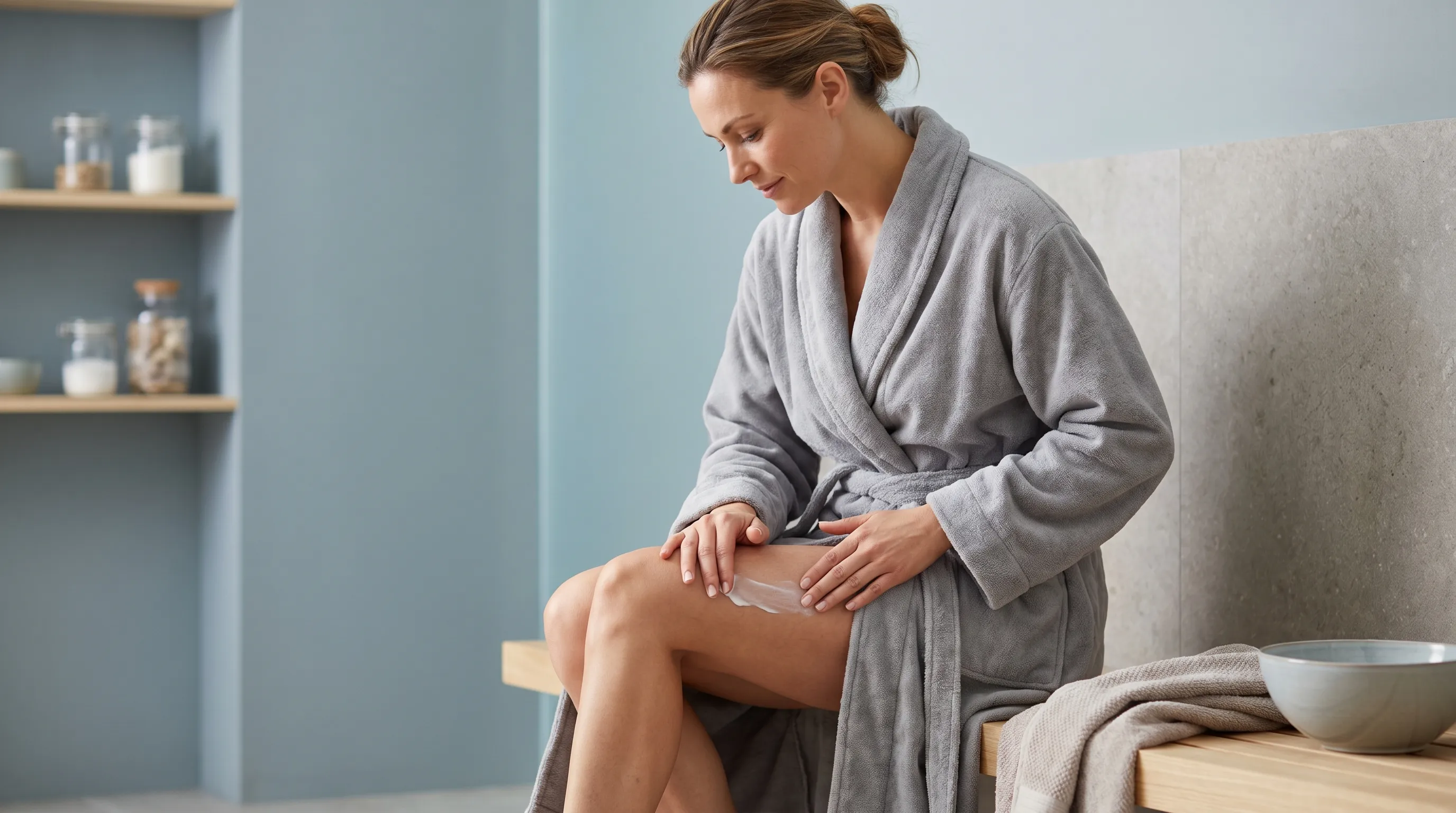
Begin by gently cleansing the area with lukewarm water and a fragrance-free cleanser, then pat completely dry. Apply a protective barrier cream containing zinc oxide or dimethicone, wear loose breathable cotton underwear, and avoid further friction. Cold compresses reduce inflammation, and over-the-counter hydrocortisone cream may be used sparingly for severe itching. Discontinue any product causing stinging or worsening symptoms.
Is vaginal chafing a sign of an underlying infection?
Chafing itself is a mechanical injury, but broken skin can mimic or lead to infections. If you experience abnormal discharge, strong odor, persistent burning during urination, fever, or symptoms unresponsive to friction-reducing care after a week, consult a healthcare provider to rule out yeast infections, bacterial vaginosis, or dermatological conditions.
How long does it take for chafed vaginal skin to heal?
Mild cases typically resolve within three to seven days with strict friction avoidance and proper barrier care. Deeper abrasions or cases complicated by persistent moisture may require ten to fourteen days. Healing depends on consistent protection, avoiding harsh products, and supporting tissue repair through hydration, nutrition, and adequate rest.
Can tight clothing cause vaginal chafing?
Yes, tight or restrictive clothing significantly increases risk by trapping moisture, increasing skin contact, and creating constant rubbing during movement. Synthetic fabrics worsen this by preventing sweat evaporation. Switching to properly fitted, breathable, moisture-wicking garments with flat seams and tagless designs drastically reduces friction exposure and promotes healthier skin.
Conclusion
Vaginal chafing may be common, but it should never be accepted as inevitable or ignored until it severely impacts your quality of life. By understanding the physiological mechanisms behind friction injury, recognizing personal triggers, and implementing proactive protection strategies, you can maintain optimal intimate comfort and skin integrity. Prioritize breathable materials, gentle hygiene practices, evidence-based barrier products, and mindful movement modifications to build a sustainable defense against recurrent irritation. When self-care measures prove insufficient or symptoms suggest underlying complications, seek timely professional guidance to ensure accurate diagnosis and targeted treatment. With consistent attention to these foundational wellness principles, you can confidently navigate exercise, daily activities, and seasonal changes without compromising your comfort or health. Empower yourself with knowledge, respect your body's signals, and cultivate lasting habits that support both physical resilience and everyday confidence.
How we work
Researched and drafted with AI assistance, then reviewed by a human editor against the cited sources.
This article is general health information, not medical advice. Consult a qualified healthcare professional about your own situation.