Mupirocin vs Neosporin: Choosing the Right Topical Antibiotic for Wound Care

Choosing the right topical antibiotic for minor skin injuries or localized bacterial infections is a common dilemma faced by patients, parents, and caregivers. The debate surrounding mupirocin vs neosporin is one of the most frequently discussed topics in dermatology and primary care, primarily because both products are widely recognized for wound healing yet function through fundamentally different mechanisms, regulatory pathways, and clinical indications. Understanding the nuanced differences between these two medications is essential for safe self-care, optimal recovery, and prevention of antibiotic resistance. When evaluating mupirocin vs neosporin, it becomes clear that one size does not fit all. Factors such as the type of wound, underlying bacterial susceptibility, patient allergy history, and prescription availability all play decisive roles in clinical decision-making. This comprehensive guide explores the pharmacological profiles, clinical applications, safety considerations, and evidence-based usage guidelines to help you navigate the complexities of topical antibiotic selection. By the end of this article, you will have a clear, medically grounded framework for determining when to rely on over-the-counter convenience versus prescription-strength intervention.
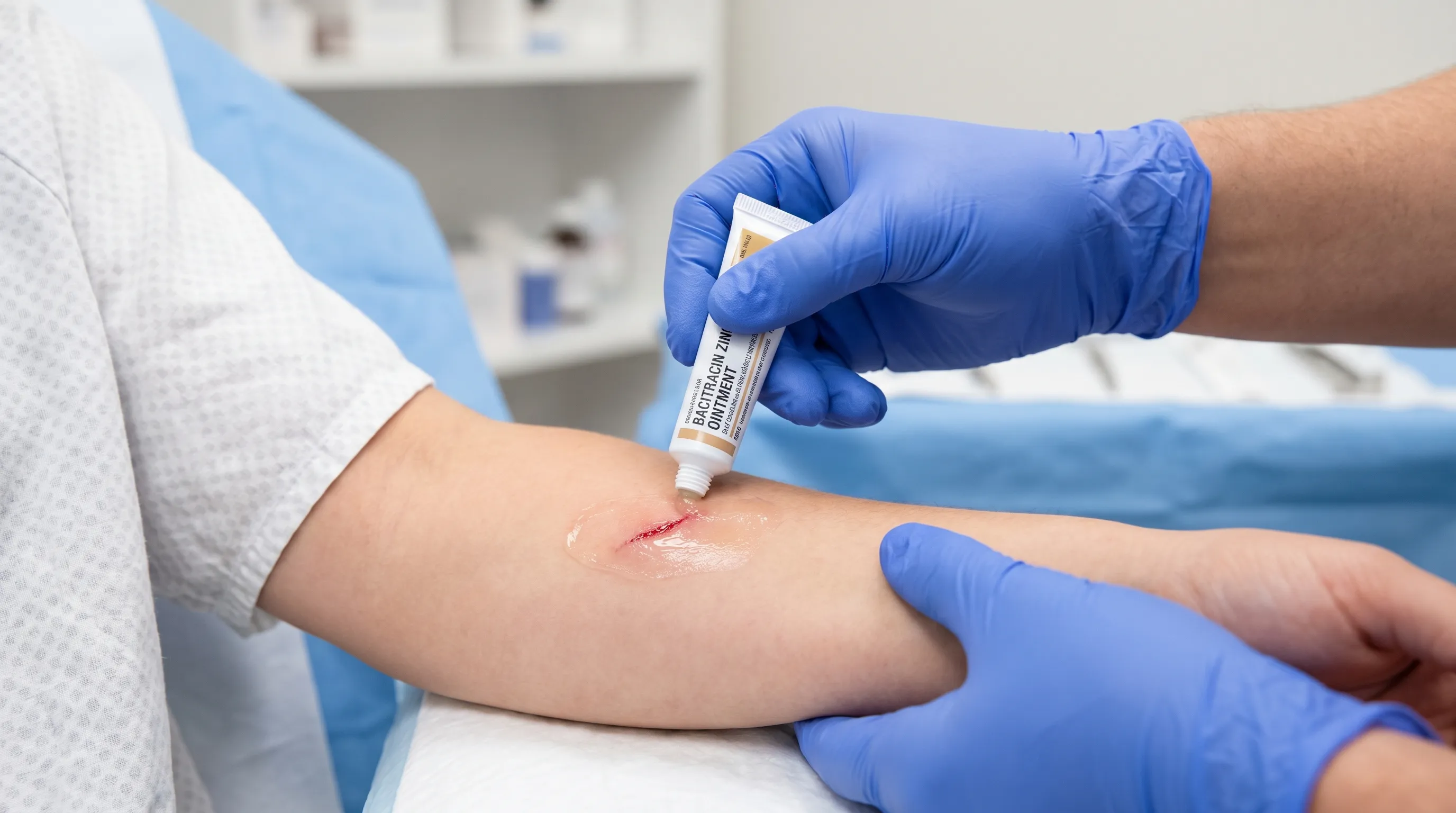
Understanding the Basics: What Are They?
Topical antibiotics are formulations designed to deliver antimicrobial agents directly to the skin surface, creating a localized environment that inhibits bacterial proliferation while minimizing systemic exposure. The comparison between mupirocin vs neosporin begins with their fundamental pharmacological classifications and intended therapeutic purposes. While both fall under the umbrella of antibacterial ointments, they differ significantly in their active components, mechanisms of bacterial inhibition, and regulatory status within the healthcare system.
Free calculatorLab Values Reference ChartComplete reference chart for medical lab valuesOpen the calculatorHow Mupirocin Works
Mupirocin is a prescription-only topical antibiotic that belongs to the carboxylic acid class of antimicrobials. It was originally derived from the fermentation of Pseudomonas fluorescens and has since become a cornerstone in dermatological and infectious disease management. Clinical studies and prescribing information consistently demonstrate its superiority in treating conditions like impetigo, folliculitis, and localized surgical site infections when compared to older antibiotic formulations. Its primary mechanism of action involves the inhibition of bacterial isoleucyl-transfer RNA synthetase. This enzyme is critical for protein synthesis within bacterial cells. By competitively binding to this target site, mupirocin disrupts the incorporation of isoleucine into newly formed polypeptide chains, ultimately halting bacterial replication. This process is highly bactericidal, meaning it actively kills susceptible organisms rather than merely stopping their growth.
Mupirocin exhibits exceptional activity against Gram-positive bacteria, particularly Staphylococcus aureus (including many methicillin-resistant strains) and Streptococcus pyogenes. Its efficacy against Gram-negative organisms is notably limited due to intrinsic resistance mechanisms in those species. Because of its targeted potency, mupirocin is frequently reserved for confirmed or highly suspected bacterial skin infections rather than routine wound maintenance. The medication is available in two primary forms: a 2 percent ointment and a 2 percent cream, with the ointment formulation typically preferred for its enhanced occlusive properties that improve skin penetration and moisture retention during the healing process.
The Neosporin Triple Antibiotic Formula
Neosporin is an over-the-counter topical preparation that combines three distinct antibiotics into a single ointment formulation. The triple antibiotic blend consists of bacitracin zinc (targeting Gram-positive bacteria), neomycin sulfate (providing broad-spectrum coverage), and polymyxin B sulfate (effective against Gram-negative organisms). This synergistic combination was designed to provide a wide net of antibacterial protection against the most common environmental contaminants that could infect minor wounds. Unlike mupirocin, which acts through a single highly specific enzymatic inhibition pathway, Neosporin relies on multiple overlapping mechanisms. Bacitracin disrupts bacterial cell wall synthesis by interfering with peptidoglycan transport, neomycin binds to the 30S ribosomal subunit causing misreading of genetic code and protein dysfunction, and polymyxin B acts as a detergent-like agent that compromises the bacterial cell membrane.
The broad-spectrum nature of this combination makes Neosporin highly effective for prophylaxis. When applied to fresh scrapes, minor burns, or superficial lacerations, it creates an antimicrobial barrier that prevents opportunistic pathogens from colonizing vulnerable tissue. However, this wide net also introduces several pharmacological considerations. The inclusion of neomycin is historically significant because it carries a well-documented risk of allergic contact dermatitis, affecting approximately 8 to 10 percent of regular users. Furthermore, the triple antibiotic approach does not specifically target resistant Gram-positive strains with the same precision as mupirocin. When clinicians evaluate mupirocin vs neosporin for established infections, the distinction between broad preventive coverage and targeted therapeutic intervention becomes immediately apparent.
Key Differences Between Mupirocin and Neosporin
The clinical decision-making process regarding topical antibiotic selection hinges on several critical variables. Examining the structural and functional disparities between these two medications reveals why one may be vastly superior for a given scenario while the other remains the appropriate first-line choice for another. Understanding mupirocin vs neosporin requires a systematic analysis of availability, microbial coverage, and pharmacokinetic behavior.
Prescription Status and Availability
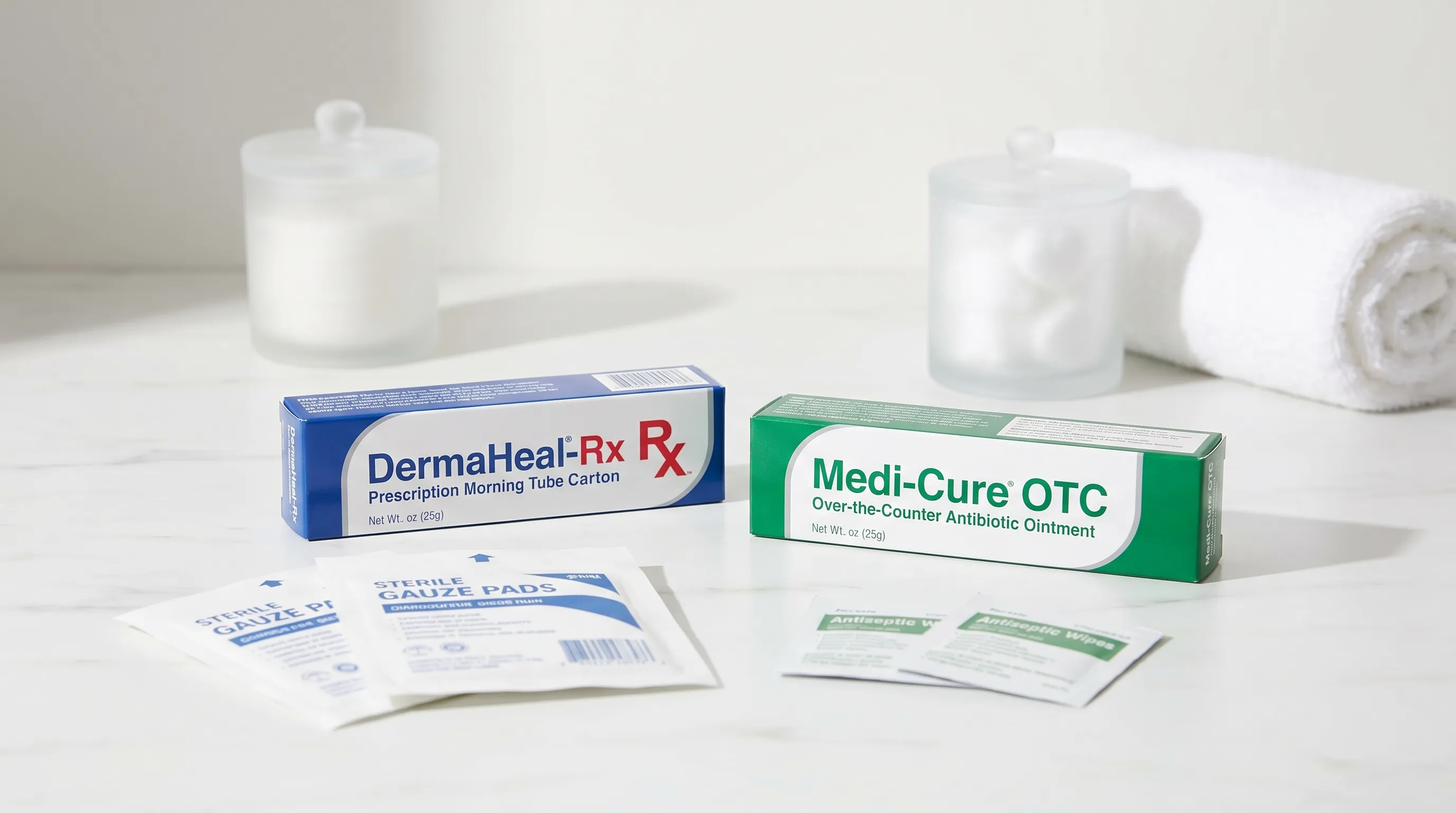
Regulatory classification is one of the most immediate differentiators. Mupirocin requires a prescription in the United States, Canada, and most European jurisdictions. This requirement is not arbitrary; it exists to prevent inappropriate use that could accelerate the emergence of resistant bacterial strains. Prescribers must evaluate the wound characteristics, patient medical history, and likelihood of bacterial etiology before authorizing treatment. In contrast, Neosporin is classified as an over-the-counter medication, allowing consumers to self-select and self-administer without clinical evaluation. While this convenience supports rapid first aid intervention, it also increases the risk of misuse, prolonged unnecessary application, and delayed diagnosis of wounds that require systemic antibiotics or professional debridement.
Spectrum of Bacterial Coverage
The antimicrobial spectrum represents the core pharmacological distinction. Mupirocin's narrow but highly potent Gram-positive coverage makes it ideal for infections caused by Staphylococcus and Streptococcus species. It maintains reliable efficacy against community-acquired methicillin-resistant Staphylococcus aureus (CA-MRSA), which frequently causes skin abscesses, impetigo, and cellulitis. Neosporin's triple formula provides broader coverage but lacks consistent activity against MRSA and certain deep-seated staphylococcal strains. Additionally, environmental and soil-derived Gram-negative organisms are theoretically susceptible to polymyxin B and neomycin, yet these infections rarely manifest on intact or minimally compromised skin without underlying immunocompromise or traumatic contamination.
| Feature | Mupirocin | Neosporin |
|---|---|---|
| Regulatory Status | Prescription Only | Over-the-Counter |
| Active Ingredients | Mupirocin calcium or sodium | Bacitracin, Neomycin, Polymyxin B |
| Primary Spectrum | Narrow (Gram-positive focused) | Broad (Gram-positive and Gram-negative) |
| MRSA Coverage | Clinically effective against most strains | Inconsistent to ineffective |
| FDA-Approved Indications | Impetigo, localized skin infections | Minor cuts, scrapes, burns |
| Allergic Potential | Low contact dermatitis rate | Moderate to high (neomycin sensitivity) |
| Recommended Duration | 5 to 14 days (clinical guidance) | Up to 7 days for prophylaxis |
Chemical Composition and Active Ingredients
Beyond the active molecules, the base formulations influence therapeutic outcomes. Mupirocin ointment utilizes polyethylene glycol as its carrier vehicle, which enhances drug delivery into the stratum corneum while providing a protective moisture barrier. This hydrophilic base is particularly beneficial for crusted or exudative wounds. Neosporin relies on a petroleum jelly base that creates an occlusive seal, trapping moisture and preventing environmental contamination. While effective for superficial protection, petroleum-based vehicles can sometimes macerate surrounding tissue if applied excessively. The concentration ratios in Neosporin are standardized to deliver subtherapeutic but prophylactic doses of each component, whereas mupirocin delivers a concentrated therapeutic dose specifically calibrated for active bacterial eradication.
Clinical Applications: When to Use Which
The practical utility of any medication becomes clear only when applied to specific clinical scenarios. Evaluating mupirocin vs neosporin in real-world wound management highlights how contextual factors dictate optimal therapeutic pathways. Patient education regarding appropriate indication matching is crucial for maximizing healing outcomes and minimizing complications.
Treating Minor Cuts, Scrapes, and Burns
For minor household injuries such as kitchen knife slips, playground abrasions, or superficial thermal burns, Neosporin remains a widely recommended first-line option. After thorough cleansing with mild soap and cool running water to remove debris and reduce initial bacterial load, a thin layer of triple antibiotic ointment creates a protective environment that supports moist wound healing. The American Academy of Dermatology notes that keeping a wound moist accelerates epithelialization and reduces scarring compared to dry scab formation. Neosporin serves this purpose while simultaneously suppressing environmental bacteria during the critical first 48 to 72 hours of tissue repair. However, evidence increasingly supports that plain petrolatum alone often provides equivalent healing outcomes without the allergy risks associated with neomycin. Clinicians frequently advise patients to transition to non-medicated ointments after the initial protective phase if no signs of infection emerge.
Managing Bacterial Skin Infections and Impetigo
When a wound progresses beyond superficial irritation and develops signs of active infection—such as purulent drainage, expanding erythema, honey-colored crusting, or localized warmth—prescription intervention becomes necessary. Impetigo, a highly contagious superficial skin infection predominantly affecting children, responds exceptionally well to topical therapy. In this context, mupirocin vs neosporin clearly favors mupirocin as the gold standard. Clinical trials published in dermatology journals consistently demonstrate that twice-daily application of mupirocin ointment for seven to ten days achieves complete lesion clearance in over 85 percent of impetigo cases. The medication penetrates dried exudate and crusts effectively, reaching bacteria embedded beneath the surface. Neosporin is not FDA-approved for impetigo treatment and may inadvertently delay appropriate care if used as a substitute when bacterial colonization has already established itself. Healthcare providers emphasize the importance of completing the full prescribed course even after visible symptoms resolve to prevent relapse.
Addressing MRSA and Resistant Strains
Methicillin-resistant Staphylococcus aureus poses a significant challenge in modern dermatology. Community-acquired MRSA frequently presents as recurrent boils, abscesses, or cellulitis in otherwise healthy individuals. When evaluating mupirocin vs neosporin for suspected MRSA involvement, the prescription agent demonstrates clear superiority. Mupirocin maintains high susceptibility rates against most community strains, making it an appropriate topical adjunct alongside oral antibiotics or incision and drainage procedures. It is also routinely prescribed for nasal decolonization protocols in patients with recurrent MRSA skin infections. Neosporin offers no reliable activity against resistant staphylococcal isolates due to widespread cross-resistance and the inherent limitations of its aminoglycoside and polypeptide components. Patients with a history of recurrent furunculosis should never rely on over-the-counter triple antibiotics for decolonization and should instead seek targeted antimicrobial strategies from a qualified medical professional.
Safety Profile, Side Effects, and Contraindications
Medication safety extends far beyond immediate efficacy. Understanding the adverse effect profile of each option is essential for informed consent, particularly when considering long-term or repeated exposure. The comparison between mupirocin vs neosporin reveals distinct risk patterns that directly influence clinical prescribing habits and patient self-care decisions.
Common and Rare Adverse Reactions
Mupirocin is generally well tolerated across all age groups. The most frequently reported adverse events are localized and mild, including transient burning, itching, stinging, or mild dryness at the application site. These symptoms typically resolve within minutes to hours as the skin acclimates to the medication. Rare systemic side effects are uncommon due to minimal cutaneous absorption. In extensive burn applications or large surface area coverage, however, clinicians exercise caution to prevent potential toxicity from polyethylene glycol accumulation, particularly in pediatric or renally impaired patients.
Neosporin carries a more complex safety profile due to its triple-component formulation. Localized erythema, pruritus, and contact dermatitis represent the most common complaints. More concerning is the risk of delayed hypersensitivity reactions, particularly to neomycin. This aminoglycoside has a well-documented tendency to sensitize immune T-cells upon repeated exposure. Some patients experience worsening inflammation, blistering, or weeping skin several days after initiating therapy, often mistaking it for a worsening infection rather than an allergic response. Recognizing the difference between infection progression and allergic contact dermatitis is a critical clinical skill. If symptoms expand beyond the wound margins without purulence or systemic signs, discontinuation and switch to plain petrolatum or mupirocin under medical supervision becomes necessary.
Allergic Contact Dermatitis and Neomycin Sensitivity
The neomycin cross-reactivity phenomenon deserves particular attention. Neomycin belongs to the aminoglycoside class, and sensitization to this compound frequently correlates with allergy to other structurally related medications, including gentamicin and tobramycin. Patients who develop persistent rashes after using over-the-counter antibiotic ointments should undergo formal patch testing to confirm the allergen. Once sensitized, individuals must avoid neomycin-containing products indefinitely, as subsequent exposures typically trigger more rapid and severe inflammatory cascades. In these cases, the debate of mupirocin vs neosporin becomes irrelevant for that patient, and alternative non-neomycin topical therapies must be utilized. Education regarding ingredient label reading and pharmacy consultation is vital for preventing recurrent allergic episodes.
Pregnancy, Breastfeeding, and Pediatric Considerations
Both medications are generally considered safe for use during pregnancy and lactation when applied topically in limited quantities. Mupirocin falls under FDA Pregnancy Category B, indicating animal studies have not demonstrated fetal risk, and human data suggest minimal systemic absorption. Breastfeeding individuals can safely use it on localized skin areas while avoiding the nipple region to prevent infant ingestion. Neosporin is similarly categorized as safe for pregnancy use in small amounts, though pediatricians often recommend caution in infants under two years due to thinner stratum corneum and increased systemic absorption potential. Parents should always consult a pediatrician before applying any medicated ointment to infants, particularly on the face or near mucous membranes.
Application Guidelines and Wound Care Best Practices
Proper technique significantly influences therapeutic outcomes. Regardless of whether you are using a prescription formulation or an over-the-counter product, adherence to evidence-based wound care principles minimizes complications and accelerates tissue repair. When comparing mupirocin vs neosporin, application methodology remains consistent, though duration and frequency are dictated by the specific indication.
Step-by-Step Application Instructions
Begin by washing your hands thoroughly with soap and water or using an alcohol-based sanitizer. Gently cleanse the affected area with mild, fragrance-free soap and lukewarm water to remove debris, dried exudate, and transient environmental bacteria. Pat the skin dry with a clean, disposable towel or sterile gauze. Avoid rubbing, as friction can damage fragile new epithelial tissue. Apply a thin, even layer of the prescribed or selected ointment directly to the wound surface using a clean fingertip or sterile cotton swab. Do not apply excessive quantities; a pea-sized amount for a coin-sized wound is typically sufficient. Cover the area with a sterile adhesive bandage or non-stick gauze pad to maintain moisture and prevent environmental contamination. Secure the dressing loosely to allow circulation while protecting the site from trauma. Repeat according to prescribed frequency, typically two to three times daily for mupirocin and one to three times daily for Neosporin, unless otherwise directed by a healthcare provider.
How Long to Use and When to Seek Medical Help
Duration of therapy is critical to preventing resistance and complications. Mupirocin should be used for the exact duration prescribed, usually seven to ten days, even if lesions appear healed earlier. Premature discontinuation increases the risk of bacterial recolonization and treatment failure. Neosporin should not be used continuously for more than seven days unless specifically advised by a clinician. If the wound shows no signs of improvement after three days of Neosporin application, or if symptoms worsen, medical evaluation is required.
Seek immediate medical attention if you experience expanding redness radiating from the wound, fever or chills, increasing pain disproportionate to the injury size, foul-smelling drainage, or the development of red streaks tracking toward regional lymph nodes. These signs indicate possible cellulitis or systemic infection that requires oral or intravenous antibiotics rather than topical therapy alone.
Practical Tips for Faster Healing and Infection Prevention
Maintain a balanced diet rich in protein, vitamin C, and zinc to support collagen synthesis and immune function. Avoid picking at scabs or peeling skin, as this disrupts the epithelialization process and reintroduces bacteria. Keep the wound elevated when possible to reduce edema and promote venous return. Change dressings daily or whenever they become wet or soiled. Store topical antibiotics at room temperature away from direct sunlight and moisture. Always replace caps tightly to prevent contamination. Do not share medication tubes with family members or friends, as cross-contamination can spread resistant bacteria. When evaluating mupirocin vs neosporin for household first aid kits, consider keeping Neosporin for minor daily injuries and reserving mupirocin exclusively for prescription-directed treatment of diagnosed infections.
Cost, Accessibility, and Insurance Coverage
Economic factors often influence medication adherence and accessibility. Mupirocin, as a prescription medication, typically incurs higher upfront costs without insurance coverage, though generic formulations have significantly reduced prices in recent years. Most commercial insurance plans cover mupirocin with standard copayments when prescribed for FDA-approved indications like impetigo or confirmed skin infections. Neosporin remains widely accessible at pharmacies, grocery stores, and online retailers for approximately three to six dollars per tube. While affordable, frequent purchases can accumulate costs, and patients should recognize that inappropriate use does not substitute for professional care when indicated. When comparing mupirocin vs neosporin from a health economics perspective, targeted prescription use prevents costly complications from untreated infections, justifying its utilization despite higher initial expense.
Recommendations and Clinical Guidelines
Professional medical organizations consistently advocate for antimicrobial stewardship in topical therapy. The Infectious Diseases Society of America and the American Academy of Family Physicians emphasize that topical antibiotics should not be used indiscriminately. The consensus surrounding mupirocin vs neosporin favors reserving the prescription agent for confirmed or highly probable bacterial infections, while recommending plain petrolatum or targeted triple antibiotics for minor superficial prophylaxis. Overuse of broad-spectrum topical combinations contributes to rising resistance rates and increases allergic sensitization across populations. Clinicians advise patients to cleanse wounds thoroughly as the primary infection prevention strategy, recognizing that mechanical removal of pathogens often surpasses chemical inhibition in effectiveness for minor injuries. Educational campaigns focusing on proper wound care techniques, early recognition of infection signs, and appropriate antibiotic selection significantly improve public health outcomes and reduce unnecessary healthcare utilization.
Frequently Asked Questions
Is mupirocin stronger than Neosporin?
Mupirocin is generally considered more potent against specific Gram-positive bacteria like Staphylococcus and Streptococcus, including MRSA. Neosporin contains three antibiotics that cover a broader but less targeted range of bacteria, making it better suited for minor superficial wound prevention rather than established infections.
Can I use Neosporin on a prescription mupirocin site?
It is not recommended to combine or alternate these without medical guidance. Overlapping topical antibiotics can increase the risk of contact dermatitis, disrupt local skin flora, and potentially promote bacterial resistance. Follow your prescriber's exact instructions for application duration and frequency.
How long should I use mupirocin or Neosporin?
Mupirocin is typically prescribed for 5 to 14 days depending on the infection severity. Neosporin is intended for short-term use, usually no longer than 7 days for minor cuts. Prolonged use beyond recommended timeframes increases the risk of allergic reactions and fungal overgrowth.
Why do doctors prefer mupirocin for impetigo?
Impetigo is primarily caused by Staphylococcus aureus and Streptococcus pyogenes. Mupirocin demonstrates superior targeted efficacy against these organisms, penetrates infected crusts effectively, and is explicitly FDA-approved for primary and secondary impetigo. Clinical trials consistently show higher clearance rates compared to triple-antibiotic formulations.
What should I do if I develop a rash from Neosporin?
Discontinue use immediately, gently wash the area with mild soap and water, and apply a plain emollient like petroleum jelly to support barrier healing. Neomycin allergy affects up to 10 percent of users. If the rash spreads, becomes painful, or shows signs of systemic involvement, seek prompt medical evaluation.
Conclusion
Navigating the decision between mupirocin vs neosporin ultimately depends on accurate wound assessment, bacterial susceptibility, and individualized patient factors. While Neosporin serves as a convenient over-the-counter option for minor wound prophylaxis, its triple-antibiotic composition carries notable allergy risks and limited efficacy against resistant pathogens. Mupirocin, as a prescription-strength agent, delivers targeted bactericidal activity against Gram-positive infections, making it indispensable for treating impetigo, localized staphylococcal infections, and MRSA decolonization protocols. Both medications play vital roles in modern dermatological care, but their appropriate use requires adherence to clinical guidelines, recognition of infection signs, and respect for antimicrobial stewardship principles. By understanding the distinct mechanisms, safety profiles, and optimal application strategies, patients and caregivers can make informed decisions that promote faster healing, minimize adverse reactions, and preserve antibiotic efficacy for future generations. Always consult a qualified healthcare provider when wounds fail to improve, show signs of spreading infection, or require prolonged antimicrobial therapy.
How we work
Researched and drafted with AI assistance, then reviewed by a human editor against the cited sources.
This article is general health information, not medical advice. Consult a qualified healthcare professional about your own situation.