Understanding COVID Ear Pain: Causes, Symptoms, and Evidence-Based Relief Strategies

While fever, persistent cough, and profound fatigue remain the most widely recognized clinical indicators of SARS-CoV-2 infection, a growing body of otolaryngological research highlights a broader and more nuanced symptom profile. Among these emerging manifestations, ear-related complaints have surfaced with notable consistency across diverse patient cohorts. Many individuals report experiencing pressure, dull aching, or sharp, intermittent discomfort that closely tracks with the progression of upper respiratory involvement. Understanding covid ear pain requires clinicians and patients alike to look beyond the anatomical boundaries of the external and middle ear. Instead, the focus must shift toward the complex interplay between nasopharyngeal inflammation, neural referral pathways, and the delicate pressure-regulation mechanisms that govern auditory function. This comprehensive guide delves into the pathophysiological mechanisms, clinical prevalence, evidence-based management protocols, and critical warning signs that differentiate routine post-viral otalgia from complications requiring urgent specialist intervention. By synthesizing current guidance from leading public health agencies like the CDC and WHO, peer-reviewed clinical studies, and established ear, nose, and throat professional societies, we provide a medically rigorous, patient-centered framework for navigating this frequently overlooked symptom safely and effectively.
Understanding the Link Between COVID-19 and Ear Pain
The auditory system does not typically serve as a primary replication site for SARS-CoV-2, yet clinical reports consistently document otologic manifestations during and following acute infection. The underlying pathophysiology of covid ear pain is predominantly indirect, driven by the virus's profound impact on the upper respiratory mucosa and associated neural networks. When the respiratory epithelium is invaded, it triggers a robust localized immune response characterized by cytokine release, vascular permeability, and significant mucosal edema. This inflammatory cascade extends rapidly into the nasopharynx, directly compromising the function of adjacent anatomical structures.
Free calculatorWater Intake CalculatorCalculate daily water needsOpen the calculatorWhy Does COVID-19 Cause Ear Discomfort?
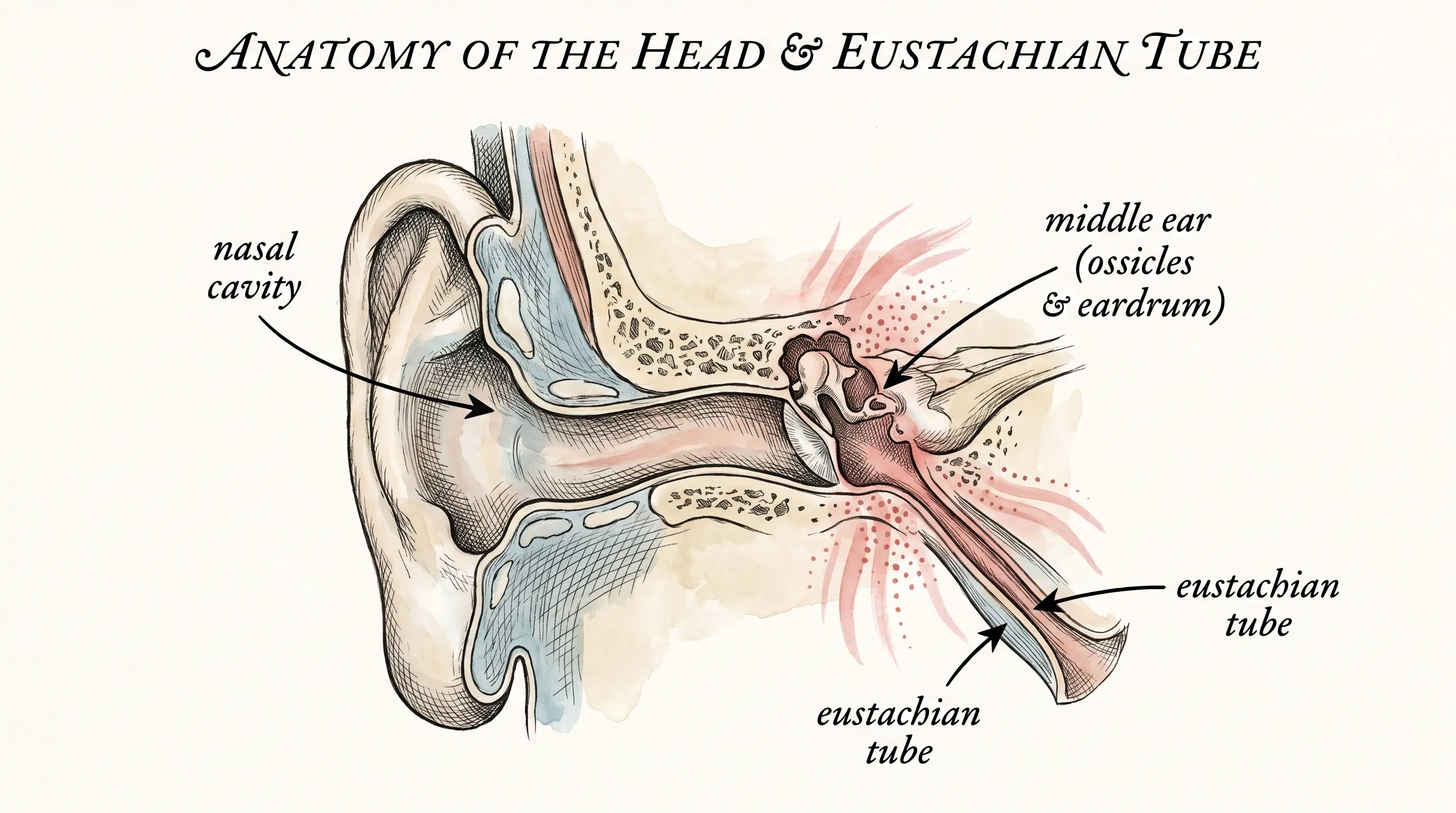
The primary driver of auditory discomfort in this context is inflammation-induced obstruction. The nasopharynx shares a continuous mucosal lining with the posterior nasal cavity and the proximal opening of the Eustachian tubes. As viral replication and immune activation progress, swelling narrows these delicate passageways, disrupting normal air exchange. Patients frequently describe a sensation of fullness, muffled hearing, or dull pressure that closely mirrors sinus congestion. Additionally, the inflammatory mediators released during infection can sensitize peripheral nerve endings, lowering the threshold for pain perception in the surrounding tissue.
The Role of Eustachian Tube Dysfunction
The Eustachian tube serves a critical physiological role: it equalizes middle ear pressure, drains secretions, and protects the auditory system from nasopharyngeal reflux. During a respiratory infection, mucosal swelling at the torus tubarius (the cartilaginous opening) can completely occlude the tube. When the tube fails to open properly during swallowing or yawning, negative pressure develops within the middle ear cavity. This pressure differential pulls on the tympanic membrane, causing significant discomfort. Over time, the trapped negative pressure may draw fluid from the mucosal lining into the middle ear space, resulting in serous effusion. This fluid accumulation amplifies the sensation of heaviness, distorts sound transmission, and creates the characteristic symptoms associated with Eustachian tube dysfunction.
Referred Pain and Shared Nerve Pathways
Neurological cross-talk plays a substantial role in the presentation of otalgia. The sensory innervation of the middle ear, pharynx, tonsillar region, and upper airway converges along shared cranial nerve pathways, specifically the glossopharyngeal nerve (CN IX) and the vagus nerve (CN X). When SARS-CoV-2 induces severe pharyngitis, tonsillar swelling, or significant sinus pressure, pain signals travel along these shared neural tracts. The brain frequently misinterprets or projects these signals to the ear region, resulting in what clinicians term referred pain. In many cases, the external ear and ear canal remain completely healthy upon examination, while the true source of discomfort lies entirely within the throat or sinuses.
How Common Is Ear Pain During and After Infection?
Despite its exclusion from the earliest CDC-listed core symptom profiles, otologic involvement has been consistently documented in clinical cohorts worldwide. Recognizing the true prevalence of covid ear pain is essential for accurate patient education, appropriate resource allocation, and realistic expectation management during recovery.
Prevalence Statistics in Clinical Studies
Peer-reviewed literature published throughout the pandemic indicates that approximately 2.8% to 7.5% of symptomatic patients report some form of ear discomfort. A prominent 2020 multinational analysis coordinated by ENT UK and the British Rhinological Society noted that roughly 7.5% of infected individuals experienced ear-related symptoms, including pain, pressure, and tinnitus. Additional otolaryngological reviews, including seminal work published through the NIH/PubMed database, corroborate these findings, positioning ear pain as a recognized though less common manifestation of the viral syndrome. The variation in reported rates largely stems from differences in patient demographics, viral strain characteristics, and whether cohorts included only hospitalized patients or captured broader community-level illness.
Long COVID and Persistent Otologic Symptoms
A subset of individuals transitions from acute infection into post-acute sequelae, commonly referred to as Long COVID. Otolaryngological follow-up studies reveal that approximately 3% to 5% of patients continue experiencing eustachian tube dysfunction, mild otalgia, or tinnitus well beyond the initial viral clearance phase. These prolonged symptoms frequently cluster alongside fatigue, cognitive fog, dysautonomia, and persistent inflammatory markers. Researchers hypothesize that sustained neuroinflammation, microvascular compromise, or prolonged immune system dysregulation may contribute to these chronic otologic changes, as outlined in NIH research on post-viral syndromes. Understanding this overlap is crucial, as long-standing ear pressure often requires a different therapeutic approach than acute viral management.
When Symptoms Become a Red Flag
While statistical prevalence highlights the commonality of mild cases, clinical triage protocols emphasize that prevalence alone should not dictate management. Even though most instances resolve spontaneously, certain demographic groups and clinical scenarios demand heightened vigilance. Patients with pre-existing sinus disease, chronic allergies, or structural nasal abnormalities often experience more severe Eustachian tube obstruction. In these populations, what begins as routine viral inflammation can rapidly escalate into bacterial superinfection or significant conductive hearing impairment. Recognizing the statistical baseline helps frame the expected recovery trajectory, but it never replaces individualized clinical assessment.
Clinical Presentation: What COVID Ear Pain Feels Like
Accurately characterizing the clinical presentation of covid ear pain is vital for differentiating it from other common otologic conditions such as acute otitis media, otitis externa, or temporomandibular joint dysfunction. The symptom profile typically follows a predictable yet variable pattern that mirrors the patient's overall respiratory recovery timeline.
Differentiating Viral from Bacterial Ear Infections
Primary bacterial acute otitis media usually presents with severe, constant, throbbing pain, often accompanied by high fever and significant tympanic membrane bulging or erythema upon otoscopic examination. In contrast, viral-associated ear discomfort tends to be intermittent, pressure-dominant, and closely tied to swallowing or positional changes. The pain typically ranges from mild to moderate, rarely causing systemic toxicity unless a secondary bacterial process develops. Fluid associated with viral Eustachian tube dysfunction is generally clear and sterile, whereas bacterial infections produce purulent exudate. Distinguishing between these entities prevents unnecessary antibiotic prescribing while ensuring appropriate escalation of care when indicated.
Associated Symptoms to Monitor
Patients rarely experience isolated ear pain during a respiratory infection. The symptom cluster typically includes nasal congestion, postnasal drip, sore throat, dry or productive cough, and frontal or maxillary facial pressure. Some individuals report popping or crackling sounds in the ear during jaw movement, a classic indicator of Eustachian tube attempting to equalize against resistance. Mild, transient tinnitus or subjective hearing reduction may accompany the acute phase but usually normalizes as mucosal swelling recedes. Tracking these co-occurring symptoms helps clinicians map the inflammatory progression and tailor supportive interventions accordingly.
Symptom Comparison: Viral vs. Bacterial vs. Pure Eustachian Dysfunction
| Feature | Viral-Related Ear Pain (Typical) | Secondary Bacterial Otitis Media | Primary Eustachian Tube Dysfunction |
|---|---|---|---|
| Pain Quality | Dull, pressure-like, intermittent | Severe, throbbing, constant | Fullness, popping, mild ache |
| Hearing Impact | Muffled, mild conductive loss | Moderate to severe conductive loss | Fluctuating, positional |
| Fever | Absent or low-grade | Often >101.5°F (38.6°C) | Absent |
| Ear Drainage | Rare | Common if TM perforates | None |
| Onset | Parallels cold/sinus symptoms | Often follows URI by 5-7 days | Gradual, allergy/URI-triggered |
| Primary Driver | Mucosal swelling, referred pain | Bacterial proliferation | Mechanical blockage, negative pressure |
Evidence-Based Home Care and Management Strategies
Managing covid ear pain effectively relies on a multi-modal approach that targets inflammation, restores pressure equilibrium, and minimizes secondary complications. Conservative home care remains the cornerstone of treatment for the vast majority of patients. The following protocols align with guidelines published by the American Academy of Otolaryngology-Head and Neck Surgery (AAO-HNS), the Cleveland Clinic, and established ENT clinical pathways.
First-Line Pain Relief and OTC Medications
Over-the-counter analgesics serve as the foundational intervention for symptom control. Nonsteroidal anti-inflammatory drugs (NSAIDs) such as ibuprofen (400-600 mg every 6-8 hours) directly reduce prostaglandin-mediated inflammation, offering dual benefits of pain relief and mucosal edema reduction. Alternatively, acetaminophen (500-1000 mg every 6 hours) provides effective analgesia and antipyretic action for patients who cannot tolerate NSAIDs due to gastrointestinal, renal, or cardiovascular contraindications. It is critical to adhere strictly to maximum daily dosing limits to prevent hepatotoxicity or renal strain. Combining analgesics without medical supervision is strongly discouraged. As noted in Mayo Clinic guidance, most COVID-related ear pain resolves within 10-14 days with conservative care, and appropriate OTC use significantly improves patient comfort during this window.
Eustachian Tube Decompression Techniques
Restoring normal middle ear pressure requires active patient participation in gentle decompression maneuvers. The modified Valsalva technique remains highly effective: patients pinch their nostrils shut, close their mouth, and gently exhale as if blowing their nose. This should never be performed forcefully, as excessive pressure can traumatize the tympanic membrane or force pathogens into the middle ear. Passive techniques include frequent swallowing, chewing sugar-free gum, and intentional yawning. These actions naturally contract the tensor veli palatini and levator veli palatini muscles, which actively pull open the cartilaginous Eustachian tube. Consistent practice, spaced throughout the day, prevents chronic pressure differentials and promotes fluid clearance.

Nasal Irrigation and Decongestion Protocols
Targeting the nasopharynx directly yields significant downstream benefits for middle ear function. Daily saline nasal irrigation, using isotonic or slightly hypertonic solutions delivered via squeeze bottles or neti pots, mechanically flushes viral debris, thick mucus, and inflammatory cytokines from the nasal passages. Sterile water preparation and proper device hygiene are non-negotiable safety requirements. For acute relief of severe obstruction, topical decongestant sprays containing oxymetazoline or phenylephrine may be used for a maximum of three consecutive days. Prolonged use invariably triggers rebound mucosal congestion (rhinitis medicamentosa), which paradoxically worsens Eustachian tube dysfunction and amplifies ear discomfort. Oral decongestants like pseudoephedrine may be considered for patients without hypertension or cardiac risk factors, but saline irrigation remains the safest first-line mechanical intervention.
Warm Compresses, Hydration, and Sleep Positioning
Supportive lifestyle modifications accelerate natural drainage and reduce neuromuscular tension. Applying a warm, damp compress to the affected ear for 10-15 minutes several times daily improves localized microcirculation and soothes referred nerve pain. Systemic hydration plays an equally critical role; consuming warm fluids such as herbal teas, broths, or water thins respiratory secretions, making them easier to clear and less likely to obstruct the Eustachian tube. Steam inhalation over a bowl of hot water (or using a humidifier) further reduces mucosal viscosity. During rest, elevating the head with two or more pillows utilizes gravity to minimize nocturnal fluid pooling in the nasopharynx and middle ear, dramatically reducing morning pressure and stiffness.
When to Seek Professional Medical Evaluation
While conservative management successfully addresses most cases of covid ear pain, clinical vigilance remains paramount. Certain symptom patterns indicate complications that extend beyond routine post-viral inflammation and require prompt medical or specialist intervention.
Warning Signs Requiring Immediate ENT Referral
Patients should transition from self-care to professional evaluation if pain becomes severe or unresponsive to optimized OTC therapy after 48-72 hours. The appearance of purulent, bloody, or foul-smelling drainage from the ear canal strongly suggests acute otitis media with tympanic membrane perforation or a concurrent bacterial external ear infection. Sudden, profound hearing loss represents a neuro-otologic emergency; rapid administration of corticosteroids and specialist assessment within days significantly improves long-term auditory outcomes. Similarly, new-onset severe vertigo, spinning sensations, or persistent nausea indicate potential labyrinthine involvement or perilymph fistula, necessitating urgent imaging and vestibular testing.
Understanding Post-COVID Otologic Complications
Symptoms persisting beyond three to four weeks transition into the realm of post-acute evaluation. At this stage, clinicians assess for chronic Eustachian tube dysfunction, unresolved middle ear effusion, or sensorineural changes linked to prolonged neuroinflammatory pathways. As highlighted in the Journal of Otolaryngology-Head and Neck Surgery, patients with persistent otologic symptoms beyond 4 weeks post-COVID should be evaluated for Long COVID-related autonomic or inflammatory sequelae. Management at this stage may involve tympanometry to objectively measure middle ear pressure, audiometric testing to map hearing thresholds, or targeted interventions such as prescription nasal corticosteroids, antihistamines, or, in refractory cases, minor procedural interventions like tympanostomy tube placement.
Expert Clinical Guidance and Safety Warnings
Professional societies consistently emphasize conservative safety protocols. Patients should never insert cotton swabs, hairpins, or over-the-counter ear candles into the canal, as these practices cause microtrauma, push debris deeper, and introduce secondary infection risks. Furthermore, self-diagnosing bacterial infections and initiating leftover antibiotics promotes antimicrobial resistance and masks underlying pathology. Following established guidance from the CDC, Mayo Clinic, and ENT UK ensures that care remains evidence-based and appropriately escalated.
Frequently Asked Questions
How quickly should covid ear pain improve with home treatment?
Most patients experience noticeable symptom reduction within 48 to 72 hours of initiating consistent OTC analgesics, saline irrigation, and pressure-equalization techniques. Complete resolution typically occurs within 10 to 14 days. If discomfort remains unchanged or worsens after three days of diligent home care, clinical re-evaluation is recommended to rule out secondary infection or severe mucosal obstruction.
Can allergies make covid ear pain worse?
Yes. Patients with underlying allergic rhinitis already experience baseline Eustachian tube swelling and mucosal irritation. When SARS-CoV-2 infection adds a secondary layer of viral inflammation, the cumulative edema significantly increases the likelihood of severe pressure, prolonged fluid retention, and heightened pain perception. Managing baseline allergies with antihistamines or nasal steroid sprays during recovery can mitigate this compounding effect.
Is it safe to fly or dive while experiencing post-COVID ear discomfort?
No. Air travel and scuba diving involve rapid ambient pressure changes that require fully functional Eustachian tubes for safe middle ear equalization. Flying with active congestion or eustachian blockage frequently results in barotrauma, which can cause extreme pain, tympanic membrane rupture, or permanent vestibular damage. Patients should wait until nasal breathing is completely unobstructed and ear pressure has fully normalized for at least 24 to 48 hours before engaging in pressure-changing activities.
Should antibiotics be prescribed for routine covid ear pain?
No. Since covid ear pain is predominantly driven by viral inflammation and mechanical obstruction, antibiotics offer no therapeutic benefit and carry unnecessary risks of adverse effects and microbiome disruption. Antibiotics are only indicated when a healthcare provider confirms a secondary bacterial superinfection through clinical examination, otoscopic findings, and symptom duration. Inappropriate antibiotic use does not accelerate viral clearance and may complicate recovery.
What should I expect during an ENT evaluation for persistent symptoms?
A specialist will typically perform a comprehensive otoscopic examination to assess tympanic membrane integrity, middle ear fluid presence, and canal health. They may utilize tympanometry to objectively measure middle ear compliance and pressure, alongside pure-tone audiometry to evaluate hearing thresholds. Depending on findings, treatment may include prescription anti-inflammatory nasal sprays, short-course oral steroids for severe inflammation, targeted allergy management, or referral for audiological rehabilitation if sensorineural changes are detected.
Conclusion
Navigating the recovery process from SARS-CoV-2 involves recognizing that respiratory infections rarely confine themselves to a single organ system. The auditory complaints many patients experience are logical extensions of upper airway inflammation, neural cross-talk, and mechanical pressure dysregulation rather than isolated ear pathology. By implementing evidence-based conservative strategies, maintaining strict adherence to safety guidelines, and monitoring for clinical red flags, individuals can effectively manage covid ear pain while minimizing the risk of complications. Professional guidance from established institutions like the Mayo Clinic, Cleveland Clinic, and AAO-HNS continues to evolve, reinforcing the importance of patient education and measured care escalation. As research into post-viral syndromes expands, clinicians and patients alike will benefit from a deeper understanding of how to protect auditory health during and after systemic illness. Always consult a licensed healthcare provider for personalized diagnosis, particularly when symptoms deviate from the expected recovery trajectory or when underlying medical conditions are present.
Disclaimer: This article is intended for informational purposes only and does not constitute professional medical advice, diagnosis, or treatment. Always seek the guidance of your physician or qualified health provider with any questions regarding a medical condition. Never disregard professional medical advice or delay seeking care because of something you have read here.
How we work
Researched and drafted with AI assistance, then reviewed by a human editor against the cited sources.
This article is general health information, not medical advice. Consult a qualified healthcare professional about your own situation.