The Ultimate Guide to Trap Stretches for Neck and Shoulder Relief

Neck stiffness and shoulder tension have become defining characteristics of modern sedentary life. Whether you spend long hours hunched over a keyboard, commute daily, or experience chronic stress, the trapezius muscle is almost always the primary site of accumulated tension. Incorporating targeted trap stretches into your daily routine is one of the most scientifically validated, accessible, and cost-effective methods for restoring mobility, alleviating discomfort, and preventing musculoskeletal imbalances. Unlike temporary fixes that rely on medication or passive treatments, consistent stretching addresses the root biomechanical and neurological drivers of muscle tightness. By understanding how to properly lengthen, activate, and maintain the trapezius complex, you can reclaim your comfort and optimize your posture for long-term health. This comprehensive guide explores the anatomy behind trap tension, provides evidence-based stretching protocols, outlines daily integration strategies, and highlights crucial safety considerations to ensure you achieve sustainable relief without risking injury.
Understanding the Trapezius Muscle and Its Functions
The trapezius is a broad, superficial muscle that spans the upper back and neck, forming a distinctive kite-like shape (Cleveland Clinic). It is not a single homogeneous structure but rather a complex arrangement of three distinct fiber regions, each with unique anatomical origins, insertions, and functional roles. Understanding this tripartite division is essential for selecting the appropriate trap stretches that target specific areas of discomfort rather than applying a generic approach that may exacerbate existing imbalances.
Free calculatorBMI CalculatorCalculate Body Mass IndexOpen the calculatorAnatomy of the Upper, Middle, and Lower Traps
The upper trapezius originates from the occipital bone of the skull and the nuchal ligament, inserting onto the lateral third of the clavicle and the acromion process of the scapula. Its primary actions include elevating the shoulder girdle, assisting in neck extension, and laterally flexing the cervical spine. This region is highly susceptible to chronic tension because it acts as a stabilizer during nearly all upper-body movements and is heavily recruited during emotional stress, often manifesting as the classic "weight on the shoulders" sensation.
The middle trapezius spans horizontally from the spinous processes of the thoracic vertebrae to the acromion and the spine of the scapula. It functions primarily in scapular retraction, pulling the shoulder blades toward the midline of the spine. Weakness in this region often leads to rounded shoulders and compensatory overuse of the anterior chest muscles.
The lower trapezius extends from the lower thoracic spine down to the medial border of the scapula, specifically anchoring near the scapular spine. Its critical role is scapular depression and upward rotation. Dysfunction in the lower fibers frequently results in the upper traps becoming overactive to stabilize the shoulder girdle, creating a biomechanical cascade of tension. Recognizing these distinct regions allows for precise application of therapeutic stretching techniques.
Common Causes of Trapezius Tension
Trapezius hypertonicity rarely develops in isolation. It is typically the product of repetitive micro-traumas, postural deviations, and neurophysiological adaptations. Prolonged static postures, such as looking down at a smartphone or leaning forward toward a computer screen, force the cervical spine into anterior translation (CDC). The trapezius must continuously engage isometrically to prevent the head from collapsing further forward, leading to metabolic exhaustion, localized ischemia, and the formation of myofascial trigger points.
Psychological stress plays an equally significant role. The sympathetic nervous system response to chronic anxiety increases resting muscle tone, particularly in the upper trapezius and levator scapulae. This neurogenic tension persists even when no physical load is present, explaining why many individuals experience tightness during periods of high mental demand despite minimal physical activity. Sleep positioning also contributes significantly, as poorly supported cervical alignment during rest phases prevents tissue recovery and prolongs inflammatory cycles.
The Science and Benefits of Targeted Trap Stretches
Implementing a consistent regimen of trap stretches does more than temporarily loosen stiff muscles. It initiates a cascade of physiological adaptations that enhance neuromuscular efficiency, improve circulatory dynamics, and restore optimal length-tension relationships across the shoulder girdle. Clinical research consistently demonstrates that structured flexibility protocols significantly reduce pain scores and improve functional capacity in individuals suffering from cervical-thoracic discomfort (NIH).
Improving Posture and Reducing Chronic Discomfort
Chronic tension alters the resting length of muscle fibers, creating adaptive shortening. When the upper trapezius becomes chronically shortened, it pulls the clavicle and scapula into an elevated position, disrupting the natural scapulohumeral rhythm. This misalignment forces surrounding musculature to work inefficiently, accelerating joint wear and increasing the likelihood of impingement syndromes. Regular stretching reverses this adaptation through a process known as viscoelastic creep, where sustained mechanical load causes collagen fibers to gradually realign along the lines of stress. Over time, this increases the functional range of motion and allows the spine to maintain a more neutral, balanced alignment.
Furthermore, stretching interrupts the pain-spasm-pain cycle. When muscles remain tight, they compress local nociceptors and restrict blood flow, which generates further protective contraction. Gentle, sustained elongation resets the gamma motor neuron activity, promoting autogenic inhibition via the Golgi tendon organs. This neurological reset signals the central nervous system to downregulate muscle tone, providing immediate relief and preventing the recurrence of spasms.
Enhancing Blood Flow and Tissue Repair
Muscle tension acts as a mechanical barrier to optimal perfusion. Compressed microvasculature limits oxygen delivery and impairs the removal of metabolic byproducts like lactic acid and inflammatory cytokines. Effective trap stretches function as a physiological pump, alternating between mild compression and release to stimulate venous return and arterial inflow. This enhanced circulation delivers essential nutrients required for tissue repair while flushing out irritants that perpetuate soreness.
Additionally, improved lymphatic drainage from consistent stretching reduces localized edema and inflammation in the cervical-thoracic junction. Studies in sports medicine and rehabilitation consistently show that individuals who prioritize flexibility protocols experience faster recovery times between training sessions, lower resting cortisol levels, and superior overall musculoskeletal resilience.

Step-by-Step Guide to Effective Trap Stretches
Executing stretch protocols correctly is paramount. Improper technique can lead to compensatory movements, joint compression, or exacerbated muscle guarding. The following techniques isolate the three regions of the trapezius while incorporating foundational movement principles that maximize tissue elongation and neurological relaxation.
Upper Trapezius Release
Begin by sitting tall in a neutral position with your spine stacked, shoulders relaxed away from your ears, and feet flat on the floor. Gently tuck your chin slightly to maintain cervical alignment. Place your right hand on the top of your head, fingers resting just above the left ear. Slowly tilt your head to the right while keeping your left shoulder actively pressed downward toward the floor. Do not force the stretch; allow gravity and gentle manual assistance to guide your range of motion. Hold for thirty to sixty seconds while breathing deeply into your ribcage, ensuring your breath remains slow and rhythmic to maintain parasympathetic dominance. Return to center, rest for five seconds, and repeat three times before switching to the opposite side. Focus on feeling a gentle pull along the lateral neck and superior shoulder blade.
Middle and Rhomboid Stretch
The middle trapezius requires a slightly different mechanical approach to achieve optimal elongation. Stand facing a sturdy wall or doorframe at a slight angle. Extend both arms forward and place your palms flat against the surface. Step one foot back into a staggered stance, allowing your torso to lean gently forward while keeping your arms straight and your elbows unlocked. As your chest moves toward the wall, actively push your shoulder blades apart and down, creating a broad opening across the upper back. You should feel a deep, diffuse stretch between the scapulae and along the mid-spine. Maintain this position for forty-five to sixty seconds, focusing on expanding your thoracic cavity with each inhalation. This position not only lengthens the middle fibers but also counteracts the internal rotation associated with forward posture.
Lower Trapezius Activation and Lengthening
Isolating the lower trapezius requires combining gentle elongation with subtle neuromuscular activation. Lie supine on the floor with your knees bent and feet flat. Extend your arms overhead in a relaxed "Y" shape, thumbs pointing toward the ceiling. Slowly slide your shoulder blades down your back toward your hips, as if tucking your thumbs into your back pockets. Maintain this depressed scapular position while gently rotating your palms outward and reaching slightly further overhead. Hold for twenty to thirty seconds, then release. Repeat eight to ten times. This dynamic lengthening technique trains the nervous system to recruit the lower fibers while simultaneously stretching them, addressing both flexibility and weakness simultaneously.
Neck and Shoulder Combo Stretch
For comprehensive tension release, integrate a multi-planar stretch that addresses the interconnected fascial lines spanning the neck, shoulder, and upper back. Sit upright and cross your right arm over your chest. Use your left hand to gently pull the right elbow closer to your torso while simultaneously rotating your head to look left. Add a gentle downward tilt of the chin to engage the cervical spine fully. Hold for forty seconds, breathing steadily. This combination stretch targets the trapezius, posterior deltoid, and levator scapulae in unison, making it an exceptionally efficient option for individuals with limited time. Always switch sides and maintain symmetrical training volume to prevent muscular imbalances.
How to Incorporate Trap Stretches Into Your Daily Routine
Consistency outweighs intensity when it comes to flexibility training. Sporadic, aggressive stretching sessions often yield minimal results and can even provoke defensive muscle guarding. Instead, integrate brief, frequent sessions throughout your day to reinforce neuromuscular patterns and maintain optimal tissue hydration (WHO).
Morning Mobility Sequence
Begin your day with five to ten minutes of targeted movement before engaging in demanding physical or cognitive tasks. After waking, perform gentle neck rotations, shoulder rolls, and the upper trapezius release to restore tissue length lost during sleep. Hydration plays a crucial role here; drinking a full glass of water before stretching improves fascial glide and reduces morning stiffness. Follow your mobility work with a warm shower to elevate tissue temperature, preparing your muscles for optimal performance throughout the day.
Midday Desk Breaks
Prolonged sitting is the primary antagonist to spinal health. Implement the twenty-ten rule: every twenty minutes, spend ten seconds performing a micro-stretch for your neck and shoulders. Stand up, perform scapular retractions, execute the middle trapezius wall stretch, and reset your posture. These micro-interventions prevent the accumulation of static load and maintain blood flow to the cervical region. Set recurring reminders on your phone or computer to build automatic habit formation without disrupting workflow.
Evening Wind-Down Routine
The hours before bed are ideal for nervous system regulation and tissue recovery. Perform a longer, more relaxed stretching sequence incorporating all three trapezius regions, followed by diaphragmatic breathing exercises. Avoid bright screens and stimulating conversations for at least thirty minutes prior. The combination of mechanical elongation and parasympathetic activation signals your body to transition into restorative sleep phases, where human growth hormone release facilitates muscle repair and fascial remodeling.
Common Mistakes and Safety Guidelines
Even well-intentioned flexibility routines can become counterproductive if executed with flawed biomechanics or excessive force. Understanding common pitfalls and adhering to evidence-based safety parameters ensures long-term musculoskeletal health.
Avoiding Overstretching and Nerve Compression
One of the most frequent errors is using momentum or ballistic bouncing to force a deeper stretch. This triggers the myotatic reflex, causing involuntary muscle contraction that directly opposes your efforts. Stretch only to the point of mild tension, never into sharp or radiating pain. The cervical spine houses critical neurovascular structures; aggressive side-bending or rotation can compress the vertebral arteries or irritate cervical nerve roots. Always move slowly, maintain controlled breathing, and stop immediately if you experience tingling, numbness, or dizziness.
When to Seek Professional Medical Advice
While mild stiffness responds excellently to self-directed care, certain symptoms warrant professional evaluation. Seek immediate medical attention if trap tension is accompanied by sudden severe headaches, visual disturbances, arm weakness, or unexplained weight loss (Mayo Clinic). These may indicate underlying neurological, vascular, or systemic conditions that require specialized intervention. Chronic pain persisting beyond four weeks despite consistent stretching and ergonomic modifications should be assessed by a physical therapist or orthopedic specialist to rule out disc herniation, arthritis, or myofascial pain syndrome.
Complementary Strategies for Long-Term Trapezius Health
Stretching represents only one component of a comprehensive musculoskeletal wellness strategy. Integrating ergonomic optimization, targeted strengthening, and myofascial therapies creates a synergistic effect that prevents tension from returning.
Ergonomic Adjustments and Workspace Optimization
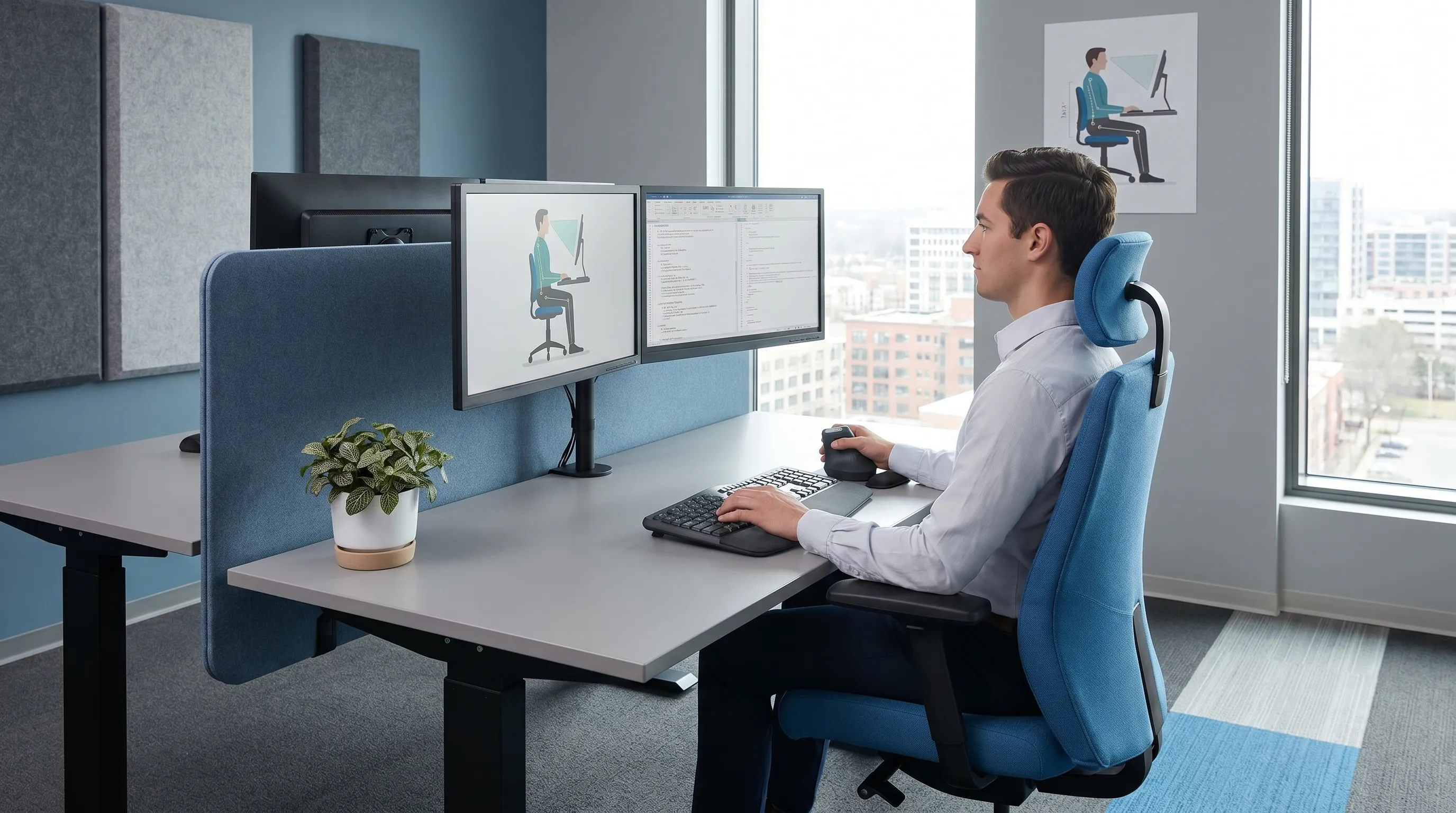
Your physical environment dictates your posture. Position your monitor so the top third aligns with eye level, eliminating the need to tilt your neck downward. Keep your elbows at a ninety-degree angle with wrists neutral and forearms supported. Invest in a chair with adjustable lumbar support and armrests to distribute gravitational load across your pelvis rather than your shoulders. Small adjustments, such as using a headset for frequent calls or placing documents at eye level, significantly reduce cumulative trapezius activation throughout the workday.
Strengthening and Myofascial Release Techniques
Tight muscles are often compensating for weak antagonists. Incorporate rows, face pulls, and YTW exercises into your strength training to reinforce the lower and middle trapezius while stretching the upper fibers. Pair this with foam rolling or trigger point therapy using a massage ball. Apply sustained, tolerable pressure to identified knots for sixty to ninety seconds, allowing the tissue to melt and release. This combination of strengthening, elongating, and releasing creates balanced force couples around the shoulder girdle, dramatically improving movement quality and pain resilience.
| Stretch Type | Target Region | Recommended Hold Time | Frequency | Key Focus Area |
|---|---|---|---|---|
| Upper Trapezius Lateral Tilt | Upper fibers | 30-60 seconds | 3x daily | Active shoulder depression, gentle neck side-bending |
| Middle Trap Wall Stretch | Middle fibers | 45-60 seconds | 2-3x daily | Thoracic extension, scapular separation |
| Lower Trap "Y" Lengthening | Lower fibers | 20-30 seconds | 3x daily | Scapular depression, controlled overhead reach |
| Neck-Shoulder Combo | All regions | 40 seconds | 2x daily | Multi-planar tension, integrated fascial release |
Frequently Asked Questions
How often should I perform trap stretches for optimal relief?
For chronic tension or desk-related stiffness, performing trap stretches two to three times daily is highly effective. Hold each stretch for thirty to sixty seconds, focusing on gentle tension rather than pain. Consistency over several weeks yields the best neuromuscular adaptation and tissue remodeling.
Can stretching my trapezius muscles cause injury?
When performed correctly with proper breathing and controlled tension, stretching the trapezius is very safe. Injury typically occurs when individuals bounce aggressively, force the neck beyond its natural range of motion, or ignore sharp pain. Always stretch to a mild discomfort threshold, never into acute pain.
Why do my traps feel tight after exercising my back and shoulders?
The upper and middle trapezius act as synergists during pulling movements like rows and pull-ups. Heavy compound exercises can cause temporary hypertonicity. Additionally, if the lower trapezius is weak, the upper traps compensate by overworking, leading to post-workout tightness. Balanced training and proper stretching mitigate this effect.
Are trap stretches enough to fix forward head posture?
Stretching alone provides temporary relief but does not permanently correct forward head posture. Long-term correction requires a combination of stretching tight anterior and upper posterior chains, strengthening weakened deep neck flexors and lower traps, and conscious postural habit modification throughout the day.
Should I apply heat or ice before performing trap stretches?
Applying a warm compress or taking a hot shower for ten to fifteen minutes before stretching increases tissue elasticity and blood flow, allowing for a deeper, more comfortable stretch (Mayo Clinic). Ice is better reserved for acute inflammatory flare-ups within forty-eight hours of a strain, not for routine mobility work.
Key Takeaways
The trapezius muscle plays a foundational role in upper-body mechanics, posture, and overall musculoskeletal comfort. Chronic tension in this area rarely resolves without deliberate, consistent intervention. By integrating targeted trap stretches into your daily routine, you address both the mechanical shortening of muscle fibers and the neurological feedback loops that perpetuate stiffness. Understanding the distinct roles of the upper, middle, and lower regions ensures you apply the correct technique to each problem area. Pair your flexibility work with ergonomic optimization, balanced strengthening, and proper recovery protocols to create lasting structural improvements. Remember that effective mobility training prioritizes consistency, controlled tension, and breath awareness over aggressive force. Start with gentle sessions, track your progress, and adjust as your flexibility improves. With patience and adherence to these evidence-based principles, you will experience measurable reductions in neck discomfort, enhanced shoulder mobility, and a renewed sense of physical ease that supports every aspect of your daily life.
How we work
Researched and drafted with AI assistance, then reviewed by a human editor against the cited sources.
This article is general health information, not medical advice. Consult a qualified healthcare professional about your own situation.