Tattoo Removal Timeline: Phases, Science & Clinical Expectations
Key points
- American Academy of Dermatology: https://www.aad.org/public/diseases/a-z/tattoo-removal-laser
- Mayo Clinic Laser Tattoo Removal Guide: https://www.mayoclinic.org/procedures/laser-tattoo-removal/about/pac-20384853
- Cleveland Clinic Treatment Overview: https://my.clevelandclinic.org/health/treatments/22369-laser-tattoo-removal
- NIH / PubMed Systematic Review on Complications: https://pubmed.ncbi.nlm.nih.gov/28580944/
- FDA Aesthetic Device Guidance: https://www.fda.gov/medical-devices/aesthetic-cosmetic-devices/laser-tattoo-removal
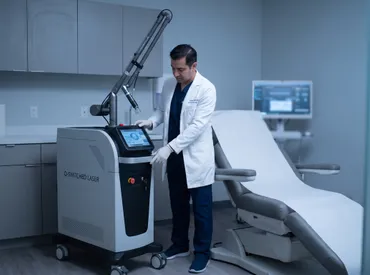
Choosing to undergo laser tattoo clearance is a significant medical and aesthetic decision that requires realistic expectations, patience, and a clear understanding of human physiology. Whether motivated by a career change, an allergic reaction to specific ink compounds, or simply a shift in personal style, individuals seeking ink elimination quickly discover that the process is fundamentally biological rather than instantaneous. A comprehensive tattoo removal timeline is dictated not by the laser device alone, but by the intricate, multi-phase cellular clearance mechanisms your body must orchestrate to safely eliminate foreign pigment particles. Modern dermatological protocols emphasize a staged, evidence-based approach that prioritizes tissue integrity, minimizes adverse outcomes, and aligns clinical interventions with your immune system’s natural processing speed. Understanding the physiological milestones, clinical variables, and post-treatment requirements will empower you to navigate this journey safely and successfully.
The Photobiological Mechanism of Tattoo Ink Clearance
To fully appreciate the tattoo removal timeline, it is essential to understand the underlying photobiology that drives the process. Tattoo ink is permanently deposited in the dermis, the thick layer of living tissue located beneath the epidermis. Unlike epidermal cells, which naturally shed every 28 to 40 days, dermal cells and the encapsulated ink particles they contain do not migrate to the surface. Traditional topical or abrasive methods fail to reach these deeply embedded pigments and often cause severe scarring. Laser technology circumvents this limitation through the principle of selective photothermolysis and photoacoustic shockwave generation.
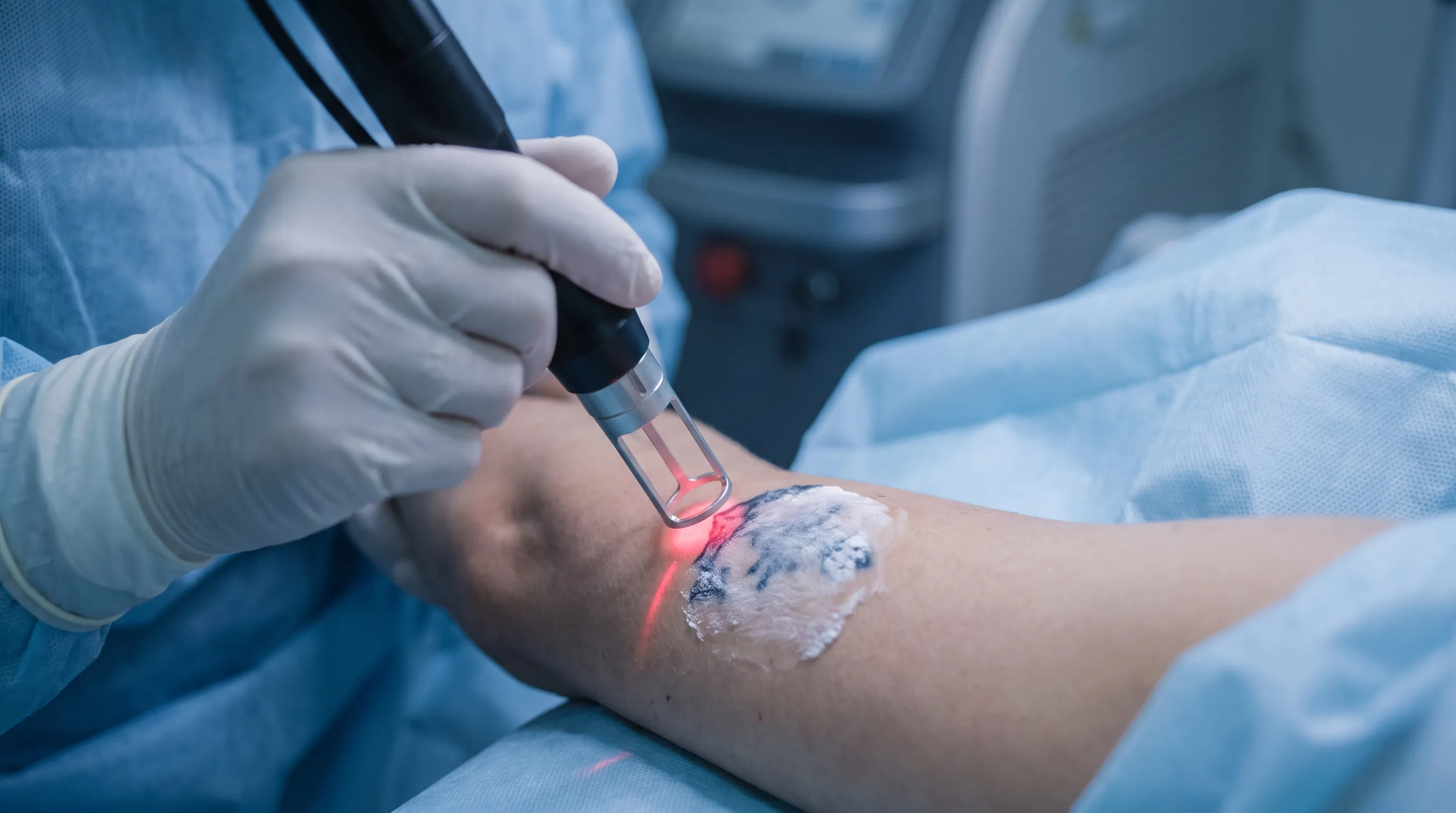
Free calculatorTattoo Pain ChartTattoo pain levels by body locationOpen the calculatorQ-switched lasers (Nd:YAG, Alexandrite, and Ruby wavelengths) and modern picosecond platforms deliver energy in ultra-short, nanosecond or picosecond pulses. When these precise light wavelengths penetrate the epidermis and target specific ink chromophores, the pigment particles rapidly absorb the energy. This instantaneous absorption creates intense localized heating and steam formation within and around the ink particles, generating massive photomechanical (photoacoustic) pressure waves. These acoustic shockwaves shatter large ink aggregates into microscopic fragments small enough for cellular processing. The epidermis typically remains largely unharmed because laser wavelengths are specifically tuned to bypass melanin and water, focusing exclusively on the target pigment.
Once fragmented, the biological clearance phase begins. Specialized immune cells called dermal macrophages engulf the microscopic pigment shards through phagocytosis. These macrophages then transport the ink fragments into the lymphatic capillaries, where they are gradually filtered out through lymph nodes and eventually metabolized or excreted. This immunological processing is inherently gradual. Research published in the Journal of the American Academy of Dermatology and systematic reviews from dermatologic surgery literature consistently demonstrate that attempting to accelerate this biological window compromises skin architecture and increases complication rates (NIH systematic review on laser complications). Consequently, the clinical tattoo removal timeline is structured around physiological recovery intervals rather than arbitrary scheduling preferences.
Breaking Down the Clinical Tattoo Removal Timeline
Dermatological consensus divides the complete tattoo removal timeline into three distinct physiological phases. Each phase represents a critical period of tissue remodeling, immune activation, and visible clinical change. Understanding these stages helps patients anticipate symptoms, adhere to aftercare protocols, and maintain appropriate treatment pacing.
Phase 1: Immediate Response and Epidermal Recovery (Days 1–14)
The first phase begins the moment the laser device is deactivated. During the actual treatment, which typically lasts between 10 and 30 minutes depending on tattoo size and complexity, patients experience a snapping or rubber-band sensation. Immediately upon energy delivery, the treated area undergoes "frosting," a transient whitish or ashen appearance caused by rapid epidermal heating, microscopic steam formation, and localized protein denaturation. This clinical sign confirms effective photomechanical disruption of the target chromophores and typically resolves within 30 to 60 minutes post-procedure.
Within the first 24 to 72 hours, the skin enters an acute inflammatory phase. Erythema (redness), localized edema (swelling), and mild serous exudate (clear fluid oozing) are normal physiological responses. Microscopic epidermal injury triggers the coagulation cascade and recruits neutrophils to prevent infection while preparing the tissue for repair. Patients may experience mild tenderness, heat sensation, or pinpoint bleeding. Dermatological guidelines emphasize that blistering, though sometimes concerning to patients, is a common and expected reaction, particularly in densely inked areas or when higher energy densities are required for resistant pigments.
Between days 7 and 14, the acute inflammation subsides, and the proliferative phase takes over. Keratinocytes migrate to close microscopic epidermal gaps, and temporary scabbing or crusting forms over the treated area. It is medically critical that patients do not pick, scratch, or prematurely remove these natural scabs, as doing so disrupts re-epithelialization and significantly increases the risk of post-inflammatory hyperpigmentation or permanent textural scarring. By the end of the second week, the epidermal barrier is typically restored, though deeper dermal remodeling and macrophage recruitment continue actively beneath the surface.
Phase 2: The Systemic Immune Clearance Window (Weeks 2–8)
Once the epidermis has healed, the tattoo removal timeline enters its most critical biological phase: systemic clearance. The visible fading that patients begin to notice between weeks 3 and 4 is not the result of the laser itself, but rather the culmination of weeks of macrophage activity and lymphatic drainage. During this window, phagocytic cells continuously engulf fragmented ink, migrate toward superficial capillaries and lymphatic vessels, and transport particles to regional lymph nodes.
Clinical guidelines universally recommend spacing laser sessions between 6 and 8 weeks for standard cases. This interval is not arbitrary; it directly correlates with the known lifespan and recycling rate of dermal macrophages. When a laser session is performed too frequently (e.g., every 3 to 4 weeks), the immune system has not completed clearance from the previous treatment. Treating tissue during this overlap phase causes cumulative dermal trauma, overwhelms local lymphatic drainage, and traps unprocessed ink fragments in the dermis, paradoxically leading to prolonged fading and increased fibrosis risk (Mayo Clinic laser tattoo removal protocols).
For patients with Fitzpatrick skin types IV through VI, older tattoos, or highly concentrated ink deposits, many board-certified dermatologists now advocate extending this interval to 8 to 12 weeks. Longer intervals allow melanocytes additional time to recover, minimizing the risk of laser-induced hypopigmentation. Furthermore, darker skin types possess higher baseline melanin concentrations that compete with tattoo ink for laser energy absorption. Extended spacing allows the epidermis and papillary dermis to fully restore baseline pigmentation equilibrium before the next photomechanical challenge.
Phase 3: Long-Term Clearance and Treatment Completion (Months 6–24+)
The final phase of any comprehensive tattoo removal timeline spans from approximately six months to two or more years. Clinical literature, including systematic reviews from Laughter et al. (2017) and consensus statements from the American Academy of Dermatology, indicates that complete clearance typically requires 6 to 12 sessions for amateur or lightly inked tattoos, while dense, multi-layered professional tattoos may require 10 to 15 or more interventions.
The most frustrating aspect for many patients is the diminishing return phenomenon observed in later stages. The initial 50% to 70% of ink often clears relatively quickly because surface and superficial dermal fragments are easily targeted and removed. However, the remaining 10% to 30% frequently consists of deeply embedded, densely packed, or fibrosed ink particles that have been encapsulated by collagen over decades. Clearing this residual pigment requires precise, lower-fluence targeting and extended clearance windows. Some patients experience complete resolution within a year, while others with historical ink compositions, deep placement, or compromised circulatory function may require ongoing maintenance or "touch-up" sessions over several years.
Anatomical and Pigment Factors Influencing Your Personal Timeline
While the biological framework of the tattoo removal timeline remains consistent across populations, individual variability is substantial. Dermatologists evaluate multiple variables before projecting personalized clearance schedules. Ignoring these factors often leads to unrealistic expectations, premature treatment discontinuation, or preventable complications.
Chromophore Absorption and Color-Specific Challenges
Ink composition dictates laser wavelength selection and treatment efficacy. Black and dark blue pigments contain carbon-based compounds that broadly absorb multiple laser wavelengths (1064nm Nd:YAG being the gold standard), making them the most responsive to photomechanical disruption. These colors typically clear at an accelerated rate and respond well to both Q-switched and picosecond platforms.
Conversely, colored pigments present significant optical challenges. Red inks absorb 532nm wavelengths effectively but require careful energy titration to avoid excessive epidermal heating. Green, yellow, and orange pigments possess narrower absorption spectra, often requiring frequency-doubling lasers or picosecond technology to achieve adequate photomechanical disruption without collateral thermal damage. White, titanium dioxide, and certain flesh-toned inks are notoriously problematic. When struck by laser energy, titanium dioxide frequently undergoes chemical reduction to a darker oxidation state, resulting in paradoxical hyperpigmentation that is extremely difficult to reverse. Patients with multicolored tattoos must be counseled that their tattoo removal timeline will inherently be prolonged due to the necessity of wavelength switching, conservative energy dosing for light-sensitive pigments, and mandatory clearance intervals between color-specific treatment passes.
Tattoo Age, Depth, and Ink Density
The chronological age of a tattoo directly impacts clearance velocity. Professional tattoos applied by licensed artists typically deposit ink at consistent depths (1.5 to 2mm into the dermis) using high-concentration, stable pigments designed for longevity. These attributes necessitate higher treatment counts. In contrast, amateur tattoos, often applied at irregular depths with homemade or lower-concentration inks, frequently respond more rapidly because the ink is either more superficial, less densely packed, or composed of unstable pigments that degrade faster.
Additionally, tattoos that have undergone natural aging exhibit microscopic ink migration. Over decades, ink particles slowly disperse along dermal collagen bundles and are partially absorbed or encapsulated by fibrous tissue. While this natural degradation means older tattoos sometimes require fewer high-energy pulses, the residual ink is often more diffusely distributed, making it challenging to target with precision. Heavy layering, cover-up work, or previous incomplete removal attempts significantly extend the tattoo removal timeline due to compounded dermal density and altered optical scattering properties.
Fitzpatrick Skin Typing and Circulatory Variations
Dermatological skin typing (Fitzpatrick scale I through VI) plays a pivotal role in safety and scheduling (NIH Fitzpatrick skin classification guide). Types I through III contain less competitive melanin, allowing practitioners to safely utilize higher fluences and shorter intervals while minimizing pigmentary complications. Types IV through VI possess higher epidermal melanin concentrations that absorb stray laser energy, increasing the risk of burns, post-inflammatory hyperpigmentation, or hypopigmentation. To mitigate these risks, clinicians must lower energy density, utilize longer pulse durations, and extend intervals to 8 to 12 weeks, naturally prolonging the overall timeline.
Anatomical location also dramatically influences clearance speed due to regional variations in microcirculation and lymphatic density. The upper torso, neck, and facial regions possess robust vascular networks and lymphatic drainage pathways, facilitating rapid macrophage trafficking. In contrast, distal extremities such as the ankles, lower legs, forearms, and hands exhibit slower circulatory return and higher interstitial fluid pressure. Ink fragments in these areas remain localized longer, slowing immune clearance. Patients with lower-leg tattoos should anticipate a notably extended timeline and prioritize elevation, compression therapy, and lymphatic massage to optimize drainage.
Medical Safety Protocols, Pain Management, and Complication Mitigation
Navigating the tattoo removal timeline safely requires strict adherence to evidence-based medical protocols. Modern dermatology prioritizes complication prevention through pre-treatment screening, intra-procedural comfort optimization, and vigilant post-procedural monitoring.
Anesthetic Modalities and Comfort Optimization
Laser tattoo removal consistently ranks among the more uncomfortable dermatological procedures, typically described by patients as a 4 to 7 out of 10 on pain scales. The sensation combines sharp photomechanical snapping with underlying thermal buildup. To maintain patient compliance and prevent movement-induced injury, practitioners employ tiered analgesic strategies. Topical anesthetics containing 4% to 5% lidocaine are applied under occlusion 30 to 60 minutes pre-procedure to numb superficial nerve endings. Concurrent contact cooling devices, cryogen spray cooling, and localized air cooling significantly reduce epidermal temperature during energy delivery.
For larger, densely packed, or highly sensitive areas (e.g., ribs, sternum, inner thighs, or joint regions), local infiltration anesthesia or nerve blocks may be utilized. Picosecond lasers inherently generate less thermal buildup than traditional Q-switched devices due to their shorter pulse duration, often resulting in improved patient tolerance and reduced post-treatment erythema. Regardless of the modality, pain must never dictate rushing sessions. Comfort protocols exist to enable adherence to safe, spaced-out treatment schedules, not to accelerate the biological timeline unsafely.
Normal Healing vs. Adverse Reactions
Distinguishing between expected physiological responses and pathological complications is critical for timeline success. Normal post-laser reactions include transient frosting, mild blistering, serous weeping, crusting, and temporary textural roughness. These typically resolve within 14 to 21 days with proper aftercare.
Adverse reactions requiring immediate medical evaluation include expanding erythema with purulent drainage, severe localized heat, escalating pain beyond 72 hours, fever, or rapidly spreading infection. Scarring occurs in approximately 1% to 5% of modern laser cases, primarily resulting from overly aggressive fluences, insufficient treatment intervals, poor patient compliance with aftercare, or secondary infections from picking. Pigmentary alterations are more common. Temporary hyperpigmentation usually resolves over 3 to 6 months with strict sun avoidance and topical agents like hydroquinone or tranexamic acid (prescribed by a physician). Hypopigmentation, particularly in darker skin types, may persist longer and occasionally requires targeted photobiomodulation or micropigmentation restoration after complete laser healing (Cleveland Clinic post-procedure care guidelines).
Absolute Contraindications and Pre-Treatment Screening
Comprehensive medical screening must precede any laser session. Absolute contraindications include active bacterial, viral, or fungal skin infections at the treatment site, untreated keloid formation tendencies, pregnancy (due to lack of longitudinal safety data and altered wound healing), and recent isotretinoin use (within the past 6 to 12 months, as the drug severely impairs epidermal regeneration and increases scarring risk).
Patients with photosensitizing medications, uncontrolled autoimmune disorders affecting wound healing, history of severe allergic reactions to tattoo pigments, or implanted electronic devices in the treatment zone require modified protocols or specialist clearance. Transparent communication regarding medical history ensures the tattoo removal timeline proceeds without unnecessary delays or preventable injuries.
Evidence-Based Aftercare and Lifestyle Optimization
Patient behavior between sessions accounts for a substantial portion of the tattoo removal timeline variance. Dermatologists increasingly prescribe holistic aftercare protocols that actively support the immune system, accelerate epidermal repair, and minimize pigmentary complications.
Barrier Repair and Photoprotection Strategies
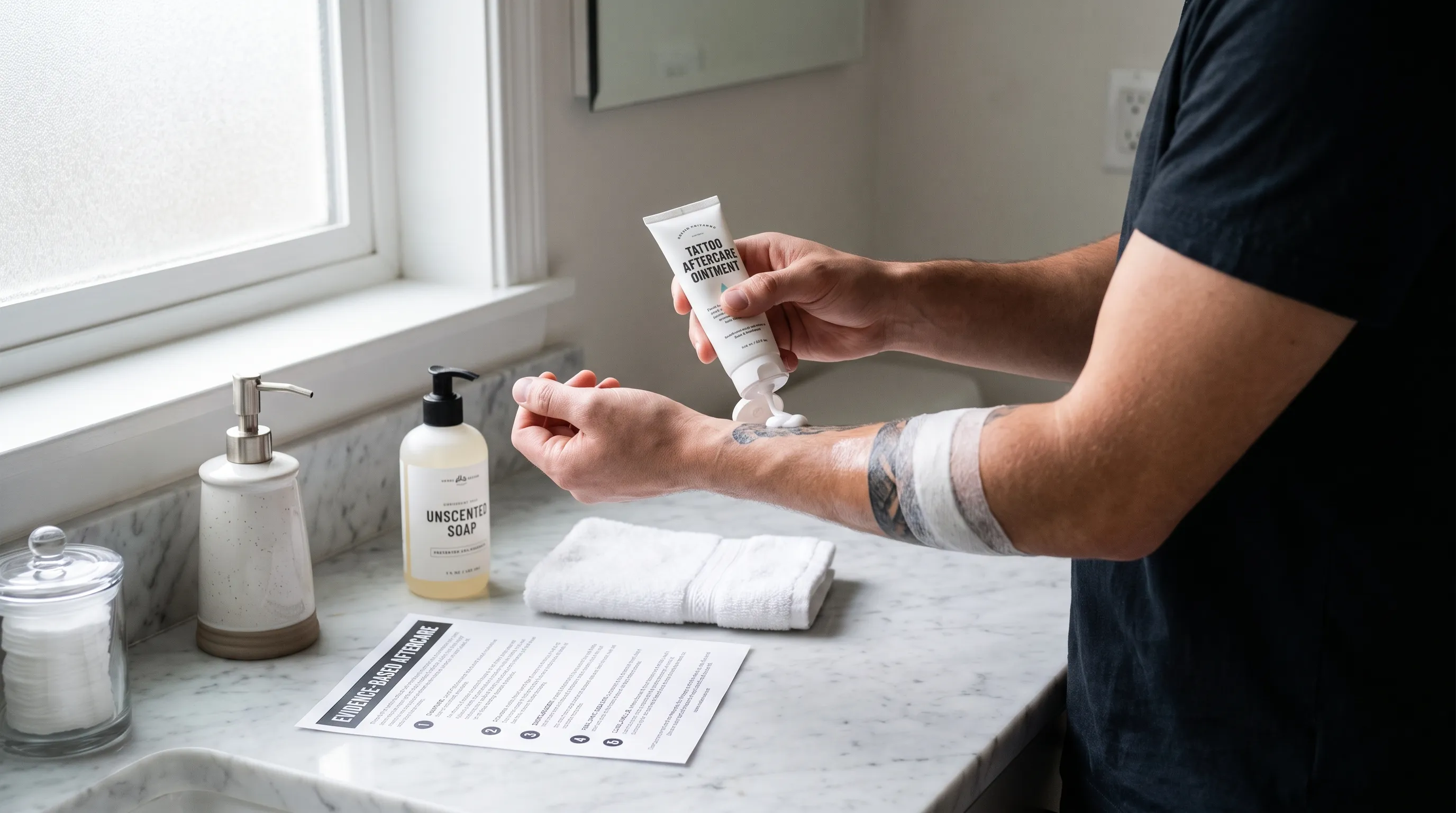
The 14-day post-laser period requires meticulous wound care. Immediately following treatment, practitioners typically apply a sterile, occlusive ointment (such as petroleum jelly or medical-grade silicone barriers) to maintain a moist healing environment, reduce scabbing severity, and prevent bacterial colonization. Gentle cleansing with lukewarm water and fragrance-free, non-soap cleansers should begin after 24 hours. Scrubbing, alcohol-based toners, retinoids, or alpha-hydroxy acids must be avoided until full re-epithelialization occurs.
Ultraviolet exposure is the single most preventable factor that disrupts healing and extends the clearance timeline. UV radiation stimulates melanocytes to produce excess melanin, leading to post-inflammatory hyperpigmentation that masks fading progress and necessitates additional corrective treatments. Strict broad-spectrum SPF 30+ application, protective clothing, and complete sun avoidance for at least 4 to 6 weeks post-session are non-negotiable components of successful clearance (CDC sun safety and photoprotection guidelines).
Lymphatic Support, Hydration, and Microcirculation
Because macrophage-mediated ink clearance depends entirely on lymphatic and microvascular transport, optimizing systemic fluid dynamics directly influences your tattoo removal timeline. Clinical evidence supports that adequate hydration (consuming 2 to 3 liters of water daily, adjusted for body weight and activity level) maintains interstitial fluid viscosity at optimal levels, facilitating easier macrophage migration and lymphatic drainage.
Light aerobic exercise, gentle lymphatic drainage massage (performed only after complete epidermal closure), and elevation of treated extremities enhance venous return and reduce localized edema. These practices do not replace laser treatments but actively support the biological clearance window, ensuring that fragmented ink particles are efficiently transported rather than lingering in treated tissue. Patients who maintain consistent cardiovascular fitness typically report slightly faster visible fading and experience fewer prolonged inflammatory episodes between sessions.
The Impact of Nicotine and Vascular Health
Smoking and nicotine consumption represent the most significant modifiable risk factors that negatively impact the tattoo removal timeline. Nicotine induces peripheral vasoconstriction, reducing oxygen delivery, nutrient transport, and immune cell mobility to the dermis. Carbon monoxide from combusted tobacco products displaces oxygen in hemoglobin, further starving healing tissue. Vaping products containing nicotine exhibit similar vasoconstrictive properties.
Studies consistently demonstrate that smokers require more sessions, experience slower clearance rates, and face higher scarring and pigmentary complication rates compared to non-smokers. Cessation, even temporary during the active treatment window, dramatically improves microcirculation, accelerates macrophage activity, and enhances epidermal recovery. Patients committed to optimal clearance should prioritize tobacco and nicotine cessation as a core component of their dermatological treatment plan (WHO tobacco cessation and wound healing resources).
Financial Considerations, Clinical Outcomes, and Psychological Benefits
Understanding the tattoo removal timeline also involves realistic financial and psychological preparation. While costs vary significantly by geographic location, clinic expertise, device technology, and tattoo dimensions, patients should anticipate per-session fees ranging from $200 to $500. Full clearance protocols therefore represent a substantial long-term investment. However, prioritizing board-certified dermatology or licensed medical laser facilities over bargain cosmetic studios prevents costly complication management and ensures adherence to evidence-based pacing.
Beyond aesthetic restoration, complete or partial clearance delivers measurable clinical and psychological advantages. Many patients seek removal due to delayed allergic reactions, particularly to red pigments containing mercury sulfide or iron oxide, which can manifest years later as chronic itching, raised nodules, or granulomatous inflammation. Laser elimination resolves these immune-mediated responses definitively. Additionally, dense black tattoos can create significant artifacts during magnetic resonance imaging (MRI), obscuring diagnostic evaluation of underlying musculoskeletal or neurological structures. Removal restores imaging clarity.
Dermatological screenings also benefit significantly from clearance. Tattoos can obscure early melanomas, basal cell carcinomas, or suspicious dysplastic nevi. Eliminating surface pigment allows dermatologists to conduct thorough total-body skin exams. Psychologically, many patients report profound relief, improved self-image, and elimination of past trauma associations following successful clearance. The tattoo removal timeline, while lengthy, often marks a transformative transition toward personal and professional autonomy.
Quick Reference: Sessions, Costs, and Success Metrics
| Factor | Typical Clinical Range |
|---|---|
| Sessions required | 6–12 (amateur/light), 10–15+ (professional/dense) |
| Inter-session interval | 6–12 weeks (extended for Fitzpatrick IV–VI) |
| Total timeline duration | 6–24+ months |
| Pain level during treatment | 4–7/10 (effectively managed with topical/local anesthesia) |
| Expected clearance rate | 75–95% significant fading; 100% absolute clearance rare |
| Average cost per session | $200–$500 (varies by size, location, technology) |
| Major complication risk | <5% scarring, <10% temporary pigment changes (low with proper care) |
Frequently Asked Questions
How long will it actually take to completely remove my tattoo?
The complete tattoo removal timeline typically spans 12 to 24 months for most professional tattoos, though heavily inked or multi-layered designs may require longer. Amateur or superficial tattoos often clear within 6 to 12 months. Individual variation depends on ink depth, color composition, skin type, and how consistently you adhere to recommended 8 to 12 week intervals between sessions.
Does picosecond laser technology shorten the tattoo removal timeline?
Yes, but with realistic expectations. Clinical studies, including research published in the Journal of the American Academy of Dermatology (Ross et al., 2019), demonstrate that picosecond lasers generate shorter, more intense photomechanical shockwaves than traditional Q-switched devices. This often reduces the total number of sessions by approximately 25% to 30% and improves clearance efficiency for historically resistant colors like blue and green. However, the fundamental biological clearance rate remains tied to macrophage activity, meaning spacing intervals cannot be safely compressed.
Why does my tattoo sometimes look darker immediately after laser treatment?
Temporary darkening or "graying" can occur due to several mechanisms. First, the laser may oxidize certain ink compounds (particularly titanium dioxide or iron oxide), causing a transient color shift. Second, acute inflammation and microscopic epidermal disruption can temporarily alter how light scatters through the skin, making remaining pigment appear denser. Finally, trapped carbon particles or superficial crusting may create a darker appearance until normal healing completes. This phenomenon typically resolves within 2 to 4 weeks as the epidermis sheds and macrophage clearance resumes.
Can I undergo tattoo removal if I am currently pregnant or breastfeeding?
Dermatological guidelines strongly advise against elective laser tattoo removal during pregnancy and breastfeeding. While there is no definitive evidence proving laser energy or fragmented ink directly harms the fetus or transfers significantly to breast milk, pregnancy alters hormonal balance, increases skin sensitivity, and modifies immune responses. Additionally, local anesthetics and certain topical agents used during treatment lack comprehensive pregnancy safety data. Treatment can safely commence once lactation concludes and hormonal stabilization occurs.
What happens if I stop the tattoo removal timeline halfway through?
Ceasing treatment mid-course is completely safe and carries no medical penalty. Your immune system will continue slowly clearing remaining fragmented ink particles, though the pace will naturally decelerate without further laser intervention. The tattoo will stabilize at its current faded state. You may resume treatments years later if desired, though your dermatologist will need to reassess skin integrity, pigment density, and interval scheduling to ensure safe progression.
Conclusion
Navigating a successful tattoo removal timeline demands patience, physiological literacy, and strict adherence to dermatological best practices. The process is fundamentally a marathon of cellular clearance, immune system coordination, and tissue remodeling, not a quick cosmetic fix. By respecting 6 to 12 week spacing intervals, prioritizing barrier repair and photoprotection, optimizing lymphatic health, and selecting board-certified practitioners who utilize FDA-cleared Q-switched or picosecond platforms, patients maximize their chances of achieving 75% to 95% clearance while minimizing scarring and pigmentary risks. Whether motivated by allergic resolution, professional requirements, imaging clarity, or personal renewal, understanding the science, anticipating the phases, and committing to comprehensive aftercare ensures a safe, predictable, and medically sound journey. Always consult a licensed dermatologist to develop a personalized treatment protocol tailored to your specific ink composition, skin type, and healing capacity.
For additional clinical education and visual breakdowns of the laser clearance process, reputable medical organizations provide extensive patient resources:
- American Academy of Dermatology: https://www.aad.org/public/diseases/a-z/tattoo-removal-laser
- Mayo Clinic Laser Tattoo Removal Guide: https://www.mayoclinic.org/procedures/laser-tattoo-removal/about/pac-20384853
- Cleveland Clinic Treatment Overview: https://my.clevelandclinic.org/health/treatments/22369-laser-tattoo-removal
- NIH / PubMed Systematic Review on Complications: https://pubmed.ncbi.nlm.nih.gov/28580944/
- FDA Aesthetic Device Guidance: https://www.fda.gov/medical-devices/aesthetic-cosmetic-devices/laser-tattoo-removal
Visual clinical demonstrations and expert dermatological explanations can also enhance patient preparation:
Your tattoo removal timeline is unique to your biology, your ink history, and your commitment to healing. By aligning clinical expectations with physiological reality, you transform a prolonged medical process into a predictable, controlled, and ultimately rewarding pathway toward restored skin integrity.
How we work
Researched and drafted with AI assistance, then reviewed by a human editor against the cited sources.
This article is general health information, not medical advice. Consult a qualified healthcare professional about your own situation.