Itching C Section Wound: Causes, Safe Relief, and Medical Warning Signs

Bringing new life into the world through surgical delivery requires immense physical resilience, and navigating the recovery phase often involves unexpected sensory changes. Many postpartum parents notice persistent itching c section wound sensations that range from mild annoyance to intense discomfort. While this symptom is overwhelmingly a standard component of tissue repair, understanding the physiological mechanisms behind it empowers you to manage symptoms safely and recognize genuine warning signs. Proper postpartum incision care directly impacts long-term scar appearance, core function restoration, and overall maternal wellness, aligning with established postpartum recovery guidelines. This comprehensive guide explores why surgical wounds itch during the healing timeline, evidence-based strategies to soothe irritation without disrupting recovery, and the exact clinical red flags that warrant immediate professional evaluation.
Understanding the Biological Mechanisms Behind Post-Cesarean Itching
The sensation of an itching c section wound is rarely random. It is a carefully orchestrated biological signal indicating that cellular repair processes are actively underway. Surgical trauma initiates a complex cascade involving inflammatory mediators, vascular responses, and neurological adaptation, as detailed in clinical wound healing literature. When obstetric surgeons perform a low transverse incision, they carefully navigate through the dermis, subcutaneous fat, and muscular layers to reach the uterus. Each tissue plane contains specialized nerve fibers, blood vessels, and immune cells that must coordinate their efforts during the weeks following delivery.
Free calculatorLab Values Reference ChartComplete reference chart for medical lab valuesOpen the calculatorNerve Regrowth and Neuropathic Itch Pathways
Cutaneous sensory nerves, particularly unmyelinated C-fibers, play a central role in transmitting pruritic signals to the central nervous system. During the initial incision, these delicate fibers are intentionally severed. As part of the proliferative and remodeling phases of wound healing, peripheral nerves begin sprouting and attempting to reinnervate the surrounding tissue. This regrowth process frequently generates aberrant electrical impulses that the brain interprets as tingling, crawling, or intense itching. Studies published in dermatological research consistently demonstrate that neuropathic pruritus peaks during weeks three through eight postpartum, coinciding with rapid axonal regeneration and myelin sheath reconstruction, a process well-documented in nerve regeneration studies.
The neurobiology of post-surgical itch involves multiple neurotransmitters. Histamine, substance P, serotonin, and nerve growth factor (NGF) interact at the peripheral nerve terminals to lower the itch threshold. As these chemicals fluctuate during the healing cascade, even gentle clothing friction or mild temperature shifts can trigger disproportionate sensory responses. Recognizing that an itching c section wound often stems from neurological rehabilitation rather than active inflammation helps patients avoid aggressive scratching, which can damage newly forming epithelium and increase the risk of hypertrophic scarring.
Histamine Release and Inflammatory Cascades
Mast cells residing in the dermis become highly active following surgical tissue disruption. Upon activation, they degranulate and release histamine into the extracellular matrix. Histamine binds primarily to H1 and H4 receptors on sensory nerve endings, triggering vasodilation, localized edema, and the unmistakable urge to scratch. While histamine is traditionally associated with allergic reactions, it serves a vital physiological purpose in postoperative recovery by increasing vascular permeability, allowing immune cells and oxygen to flood the wound site and accelerate tissue granulation, per Cleveland Clinic research on inflammation.
In addition to histamine, prostaglandins and leukotrienes modulate local inflammation and pruritus intensity. The balance between pro-inflammatory and anti-inflammatory mediators determines whether the itching remains manageable or escalates into persistent discomfort. Environmental factors such as low humidity, hot shower water, or harsh detergents can further deplete the stratum corneum barrier, amplifying mast cell responsiveness. Implementing a targeted skin barrier restoration routine alongside gentle medical-grade moisturizers often reduces histamine-mediated itching c section wound severity without interfering with natural collagen synthesis.
Differentiating Normal Healing from Postoperative Complications
Postpartum recovery requires careful observation to distinguish between expected healing milestones and potential complications that demand clinical intervention. The surgical incision undergoes predictable physiological transitions, but individual variability in immune response, genetic predisposition to scarring, and adherence to wound care protocols heavily influence symptom intensity and duration.
Timeline of Surgical Wound Maturation
Wound healing follows a highly regulated sequence: hemostasis, inflammation, proliferation, and remodeling. During the first forty-eight hours, vasoconstriction and platelet aggregation form a stable clot, while neutrophils migrate to clear debris. By days three through seven, macrophages orchestrate the transition to the proliferative phase, stimulating fibroblast migration and new capillary formation. At this stage, the itching c section wound typically becomes most noticeable as granulation tissue fills the defect and epithelial cells migrate across the surface.
Between weeks two and six, collagen deposition peaks and wound tensile strength gradually increases. Remodeling continues for up to twelve to eighteen months, during which type III collagen is replaced by stronger type I fibers, and scar tissue matures from erythematous and raised to pale and flattened. Throughout this extended timeline, intermittent itching, tightness, and mild hypersensitivity remain normal. Understanding this prolonged remodeling window prevents unnecessary anxiety and encourages consistent, gentle scar management practices that support optimal aesthetic and functional outcomes.
Scar Tissue Architecture Versus Hypertrophic Scarring
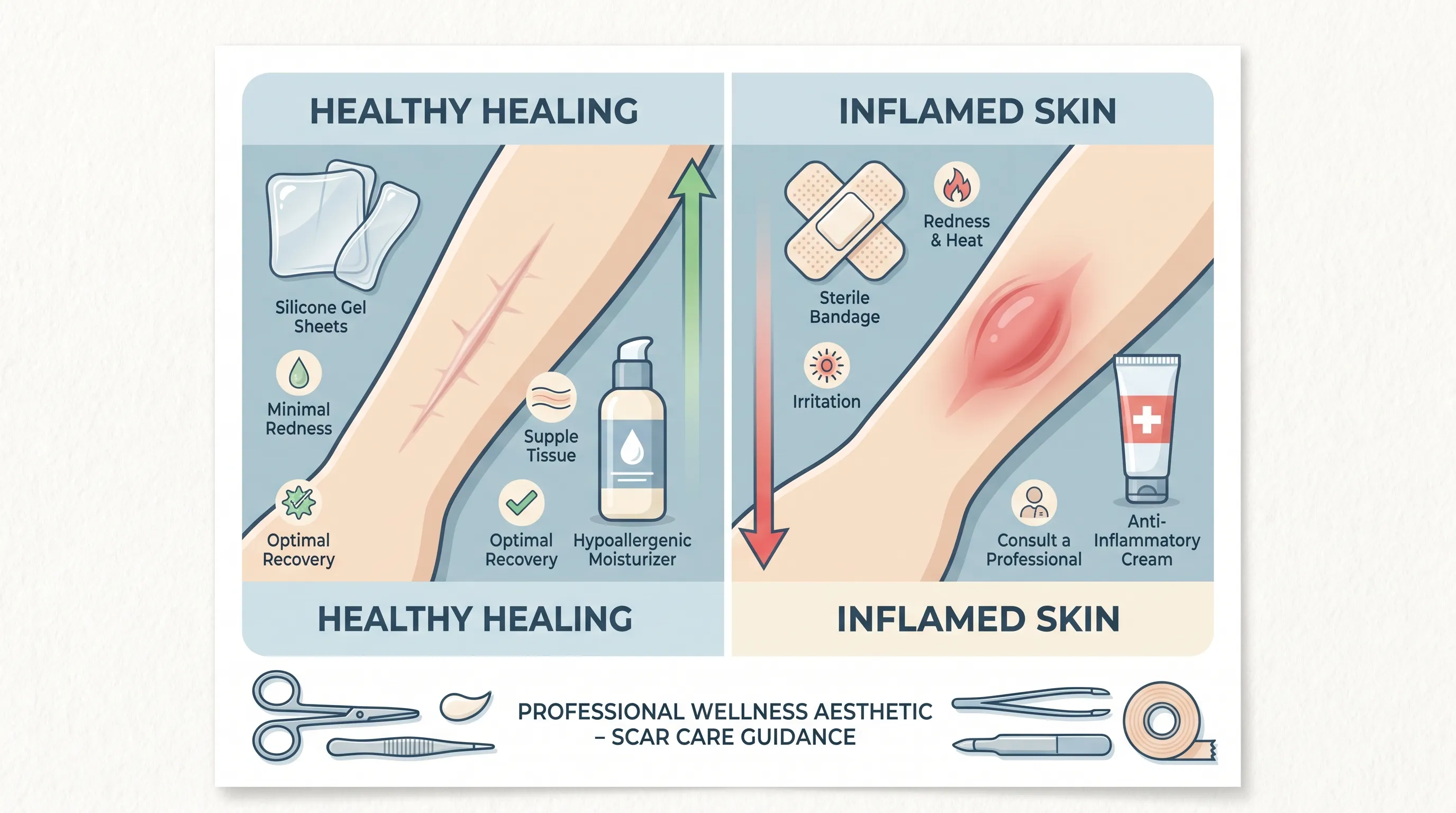
Normal postoperative scars exhibit organized collagen alignment, minimal elevation, and gradual fading over months. Hypertrophic scars, conversely, remain confined to the original incision line but appear thick, erythematous, and intensely pruritic due to excessive myofibroblast activity and disrupted collagen cross-linking, as explained in Mayo Clinic scar management guidelines. Keloid formation extends beyond the wound borders and involves genetic predisposition, particularly in individuals with darker skin tones or specific human leukocyte antigen markers.
Both abnormal scarring patterns generate heightened itching c section wound sensations because disorganized collagen bundles trap nerve endings and restrict local lymphatic drainage, causing mechanical tension that stimulates mechanoreceptors. Early intervention using silicone gel sheeting, pressure therapy, or corticosteroid modulation can significantly reduce pruritus and prevent permanent dermal distortion. Patients with a history of keloids should discuss prophylactic scar management with their dermatologist or obstetric surgeon before the incision fully closes.
Evidence-Based Home Management Strategies
Implementing a structured, medically sound self-care protocol dramatically reduces discomfort and accelerates comfortable tissue adaptation. The following strategies are supported by CDC surgical site care recommendations and dermatological best practices for postpartum surgical recovery.
Proper Wound Hygiene and Moisturization
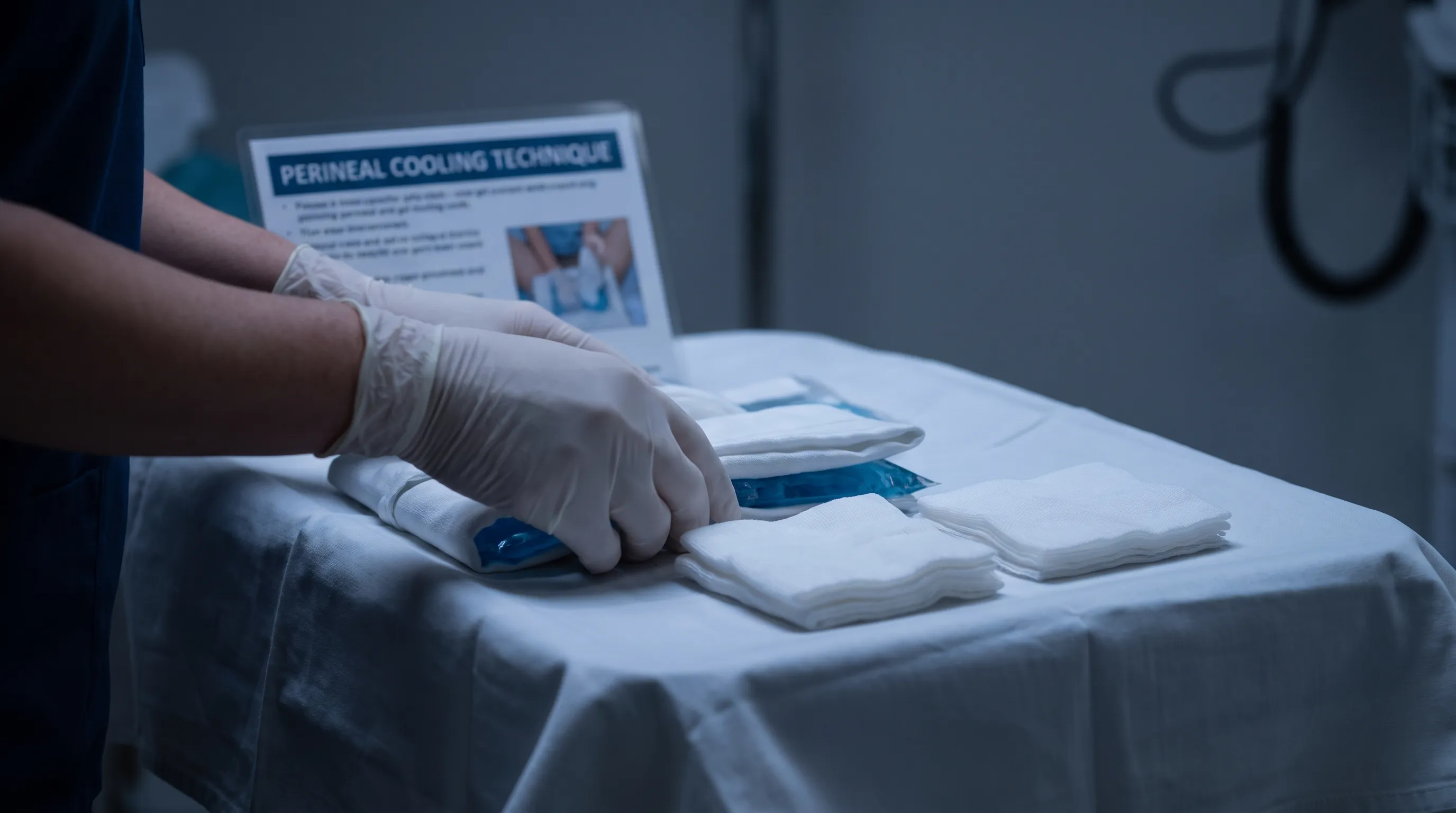
Maintaining a clean, optimally hydrated incision site prevents desiccation-related itching and microbial colonization. Begin by washing your hands thoroughly before any contact with the lower abdomen. During your first postpartum week, shower rather than bathe to avoid prolonged submersion of healing tissue. Use a fragrance-free, pH-balanced cleanser to gently rinse the area, allowing water to flow downward without direct high-pressure sprays. Pat the region dry using a clean, absorbent gauze pad or lint-free towel; never rub, as mechanical friction can disrupt newly forming epithelial bridges.
Once cleared by your healthcare provider, typically around day ten to fourteen, apply a thin layer of medical-grade petrolatum or ceramide-rich barrier cream to maintain transepidermal moisture balance. Avoid products containing retinoids, alpha hydroxy acids, or essential oils, which can induce contact dermatitis and worsen an itching c section wound. Reapply moisturizer twice daily or after showering to preserve skin elasticity and reduce histamine-triggered sensory firing.
Temperature Therapy and Gentle Tissue Mobilization
Controlled thermal modulation effectively dampens pruritic nerve signaling. Apply a cool compress wrapped in a soft cotton cloth to the surrounding lower abdomen for ten to fifteen minutes, two to three times daily. The cold temperature temporarily reduces nerve conduction velocity and constricts superficial capillaries, diminishing inflammatory mediator delivery to the incision site. Never place ice directly against healing tissue or use heating pads prematurely, as excessive heat can increase vascular permeability and intensify swelling.
After the incision has fully epithelialized and your obstetrician approves tissue mobilization, begin gentle scar massage techniques using sterile silicone-based gels or hypoallergenic oil. Using two fingers, apply light circular pressure along and adjacent to the scar line, gradually incorporating cross-friction movements. This mechanical stimulation aligns collagen fibers, improves local microcirculation, and desensitizes hyperreactive cutaneous receptors. Perform massage for three to five minutes daily, progressively increasing pressure as tolerance improves. Consistent manual therapy significantly decreases the duration and severity of itching c section wound episodes while preventing deep fascial adhesions that can restrict future mobility.
Clothing Choices and Friction Reduction
External mechanical irritation is a primary exacerbator of postoperative pruritus. High-waisted compression garments designed specifically for cesarean recovery provide gentle, even pressure that supports the abdominal wall and minimizes fabric dragging across sensitive nerve endings. Avoid elastic bands that dig into the incision line, tight denim seams, or synthetic fabrics that trap moisture and promote bacterial proliferation.
Opt for breathable, moisture-wicking materials such as bamboo blends, organic cotton, or medical-grade modal. Ensure underwear and postpartum briefs feature wide, seamless waistbands that rest comfortably above or below the surgical site without creating shear forces. When changing dressings or adjusting garments, move deliberately to prevent sudden tugging on healing tissue. Layering soft abdominal binders beneath loose-fitting maternity wear can further stabilize the region and reduce wind-induced or movement-triggered itching.
Clinical Treatments and Medical Interventions
When conservative measures prove insufficient, targeted clinical therapies provide rapid symptom relief while preserving tissue integrity. Consulting a board-certified obstetrician, dermatologist, or pelvic rehabilitation specialist ensures appropriate intervention selection based on individual healing trajectories.
Over-the-Counter and Prescription Pharmacotherapy
First-line topical management includes low-potency corticosteroids such as hydrocortisone 1% cream, applied sparingly to perilesional skin for up to seven consecutive days. These formulations suppress localized inflammatory cascades and stabilize mast cell membranes without significantly impairing fibroblast proliferation. Oral second-generation antihistamines like cetirizine or loratadine may be recommended for nighttime symptom control, particularly when histamine-mediated pruritus disrupts postpartum sleep architecture, as reviewed by NIH medication safety databases.
For refractory neuropathic itching c section wound cases, clinicians may prescribe topical calcineurin inhibitors or gabapentinoid compounds that modulate aberrant nerve signaling. These medications require careful dosing adjustments, especially during lactation, to ensure maternal and infant safety. Always disclose breastfeeding status and current medication regimens before initiating new pharmacological therapies. Compounded topical formulations containing menthol, camphor, and pramoxine can also provide temporary cooling and anesthetic effects when applied according to dermatological guidelines.
Advanced Scar Therapies and Dermatology Referrals
Patients experiencing prolonged pruritus beyond three months, combined with raised or discolored scar tissue, benefit from advanced interventional approaches. Fractional laser resurfacing stimulates controlled collagen remodeling and reduces superficial nerve hypersensitivity by precisely vaporizing micro-columns of dysplastic tissue while preserving surrounding healthy dermis. Multiple clinical trials confirm significant reductions in postoperative itching following targeted laser protocols, with optimal results observed after two to four spaced sessions.
Silicone-based occlusive dressings represent another gold-standard intervention for persistent an itching c section wound. By creating a hydrated microenvironment, silicone sheets downregulate collagen synthesis, normalize keratinocyte proliferation, and decrease transepidermal water loss. Wear medical-grade silicone gel strips for twelve hours daily over three to six months for maximum efficacy. Microneedling procedures, when performed after complete epithelialization and medical clearance, introduce controlled dermal microtrauma that triggers balanced tissue regeneration and desensitizes overactive peripheral receptors. Combining these modalities under dermatological supervision often resolves chronic postoperative pruritus while improving scar pliability and cosmetic appearance.
Red Flags and Warning Signs That Require Immediate Professional Care
While itching is predominantly benign, specific symptom combinations indicate underlying pathology that demands prompt clinical evaluation. Postpartum patients must remain vigilant for systemic indicators of infection, allergic hypersensitivity, or wound compromise.
Differentiating Normal Pruritus from Surgical Site Infection
Infection represents the most critical complication to identify early. Normal itching occurs without escalating pain, thermal warmth, or purulent exudate. Conversely, a compromised incision frequently presents with spreading erythema extending more than two centimeters from the margin, localized induration, foul-smelling serosanguinous or yellow-green drainage, and persistent fever exceeding 100.4°F (38°C). Wound dehiscence, characterized by visible separation of tissue edges or protruding suture material, requires immediate surgical assessment, per CDC guidelines on surgical site infections.
If you notice escalating tenderness that interferes with mobility, coughing, or infant care, or if the surrounding skin develops mottled purple discoloration indicating impaired perfusion, contact your obstetric provider without delay. Early antibiotic therapy, professional debridement, or vacuum-assisted closure interventions can prevent progression to deep fascial infection, endometritis, or systemic sepsis. Never attempt to drain fluid or remove exposed sutures at home, as this introduces opportunistic pathogens and compromises sterile healing environments.
Recognizing Allergic Reactions and Contact Dermatitis
Surgical adhesives, antiseptic solutions, topical anesthetics, and latex-based medical devices frequently trigger delayed-type hypersensitivity reactions. Allergic contact dermatitis manifests as intense burning, vesicle formation, well-demarcated erythema, and severe pruritus confined to the area of allergen exposure. If you suspect an allergic etiology, discontinue all non-essential topical applications immediately and document the timeline of symptom onset.
Patch testing through an allergist or dermatologist can identify specific chemical triggers, enabling personalized avoidance strategies for future medical procedures. In acute flare-ups, clinicians may prescribe short courses of oral prednisone or topical tacrolimus to rapidly quell immune-mediated inflammation while monitoring for secondary bacterial colonization. Understanding that an allergic reaction can mimic or exacerbate an itching c section wound prevents delayed diagnosis and ensures appropriate immunomodulatory treatment.
Frequently Asked Questions
Is it normal for my c section incision to itch weeks after surgery?
Yes, persistent itching for several weeks to months is a standard physiological response during nerve regeneration and collagen remodeling. As peripheral axons reconnect and histamine levels fluctuate, pruritic signaling naturally occurs. However, sudden escalation paired with redness, swelling, or purulent discharge warrants prompt obstetric evaluation to exclude infection or suture rejection.
What is the safest method to cleanse a healing surgical incision?
Gently rinse the area with lukewarm water and a mild, fragrance-free cleanser once or twice daily. Avoid vigorous scrubbing, hydrogen peroxide, iodine solutions, or alcohol-based antiseptics, which strip protective lipids and delay epithelial migration. Always pat the region completely dry with a sterile gauze pad before applying barrier ointments or silicone dressings to prevent moisture accumulation and microbial proliferation.
Can I safely apply over-the-counter anti-itch creams near my scar?
You may use topical antihistamines, 1% hydrocortisone, or calamine formulations only after full wound closure and explicit provider approval. Apply a thin layer strictly to perilesional skin, avoiding direct contact with open defects, dissolving sutures, or scab formations. Overapplication or prolonged steroid use can cause dermal thinning, delayed tensile strength recovery, and paradoxical rebound pruritus upon discontinuation.
Does intense itching indicate that my dissolvable stitches are breaking down prematurely?
Dissolvable sutures typically require ten to fourteen days to undergo hydrolysis and may produce mild localized tingling during absorption. However, pronounced pruritus usually correlates with rapid nerve regrowth, histamine-mediated vascular responses, or xerosis rather than accelerated suture degradation. If the wound edges separate, bleed persistently, or exhibit purulent drainage, contact your surgeon immediately to assess for delayed union or infection.
When should I seek emergency medical attention for postoperative incision symptoms?
Seek urgent care if itching transitions into severe burning pain, is accompanied by fever above 100.4°F, produces thick yellow or foul-smelling drainage, spreads rapidly with warm indurated borders, or triggers systemic hives, facial swelling, and respiratory distress. Early intervention prevents wound dehiscence, necrotizing fasciitis, postpartum sepsis, and permanent scar distortion. Never hesitate to call your labor and delivery triage line or visit the emergency department when symptoms escalate, aligning with Mayo Clinic postpartum warning signs.
How does postpartum breastfeeding affect medication choices for surgical itching?
Many topical and oral anti-pruritic medications transfer into breast milk at varying concentrations. Second-generation antihistamines like cetirizine and loratadine are generally considered compatible with lactation, while topical corticosteroids applied sparingly to intact skin pose minimal systemic risk. Always verify medication safety with your pediatrician and lactation consultant using resources like NIH LactMed, and prioritize non-pharmacological cooling, moisturization, and silicone barrier techniques during early nursing periods.
| Symptom Category | Normal Healing Indicators | Warning Signs Requiring Medical Evaluation |
|---|---|---|
| Sensation | Mild to moderate itching, occasional tingling, gradual sensitivity reduction | Severe burning, constant pain unrelieved by rest, electric shock-like nerve pain |
| Skin Appearance | Pink to light brown discoloration, gradual flattening, dry surface peeling | Spreading redness >2cm, dark purple/black tissue, blistering, open wound edges |
| Discharge | Minimal clear or slightly yellow fluid, no odor, decreases daily | Thick pus, foul smell, persistent serosanguinous flow, visible suture protrusion |
| Systemic Signs | Normal body temperature, stable appetite, improving energy levels | Fever >100.4°F, chills, nausea, rapid heart rate, dizziness, confusion |
| Mobility/Function | Gradual return to walking, comfortable sitting with support, mild core tightness | Inability to bear weight, severe abdominal rigidity, sudden swelling, wound separation during movement |
Conclusion
Navigating postpartum recovery demands patience, informed self-advocacy, and consistent adherence to evidence-based wound care protocols. Recognizing that an itching c section wound predominantly reflects active tissue repair, nerve reinnervation, and histamine regulation empowers you to respond with targeted cooling, gentle moisturization, and medically approved barrier therapies rather than harmful scratching. By differentiating standard healing milestones from genuine complications, you protect your long-term pelvic integrity, optimize scar aesthetics, and safeguard your ability to care for your newborn comfortably. Always maintain open communication with your obstetric care team, prioritize sterile hygiene practices, and integrate gradual physical rehabilitation under professional guidance. With disciplined self-care and timely clinical intervention when necessary, postoperative discomfort transforms into a manageable phase of your broader maternal wellness journey, ultimately supporting your return to full strength and confidence.

How we work
Researched and drafted with AI assistance, then reviewed by a human editor against the cited sources.
This article is general health information, not medical advice. Consult a qualified healthcare professional about your own situation.