Mupirocin vs Bacitracin: A Complete Guide to Topical Antibiotic Selection

Navigating the landscape of topical wound care can be confusing, especially when two popular antibacterial agents are frequently mentioned but serve fundamentally different clinical purposes. Understanding the distinct pharmacological profiles, indications, and safety considerations of these medications is essential for making informed healthcare decisions. The comparison of mupirocin vs bacitracin reveals critical differences in spectrum, prescription status, resistance patterns, and optimal clinical applications. While both are applied directly to the skin, their mechanisms of action, efficacy against specific pathogens, and regulatory classifications set them apart. This article provides a comprehensive, evidence-based analysis to help patients, caregivers, and healthcare professionals determine the appropriate choice for various dermatological conditions.
Understanding Topical Antibiotics: Mechanisms and Clinical Roles
Topical antibiotics are designed to deliver localized antimicrobial therapy without systemic absorption. They serve as first-line interventions for superficial bacterial infections, prophylactic wound management, and targeted decolonization protocols. However, their clinical utility is heavily dependent on the specific pathogen involved, the depth of tissue involvement, and the patient's allergic history.
Free calculatorLab Values Reference ChartComplete reference chart for medical lab valuesOpen the calculatorHow Topical Antibiotics Work on the Skin
Skin infections typically occur when pathogenic bacteria breach the stratum corneum, the outermost protective layer. Once inside, these microorganisms multiply and trigger an inflammatory response, leading to erythema, purulence, and discomfort. Topical antibiotics function by inhibiting essential bacterial processes such as protein synthesis, cell wall formation, or membrane integrity. The localized delivery ensures high concentrations at the infection site while minimizing systemic side effects. Proper wound cleaning, drying, and appropriate dressing selection remain foundational to successful treatment. Topical agents are most effective when applied to clean, dry tissue and used within the recommended timeframe. For detailed guidance on safe wound management, refer to the CDC's infection control and wound care guidelines.
The Pharmacological Differences Between Mupirocin and Bacitracin
The core distinction between these two agents lies in their biochemical targets. Mupirocin binds selectively to bacterial isoleucyl-tRNA synthetase, an enzyme responsible for attaching isoleucine to transfer RNA during protein synthesis. This inhibition halts bacterial replication and leads to cell death. Conversely, bacitracin interferes with the transport of peptidoglycan precursors across the bacterial cytoplasmic membrane, disrupting cell wall synthesis and causing structural collapse. Because of these divergent mechanisms, their antibacterial spectra and clinical applications differ substantially. When evaluating mupirocin vs bacitracin, clinicians prioritize pathogen specificity, resistance rates, and patient safety profiles, as outlined in NIH pharmacological reviews on topical antimicrobials.
Mupirocin: Clinical Profile, Indications, and Evidence
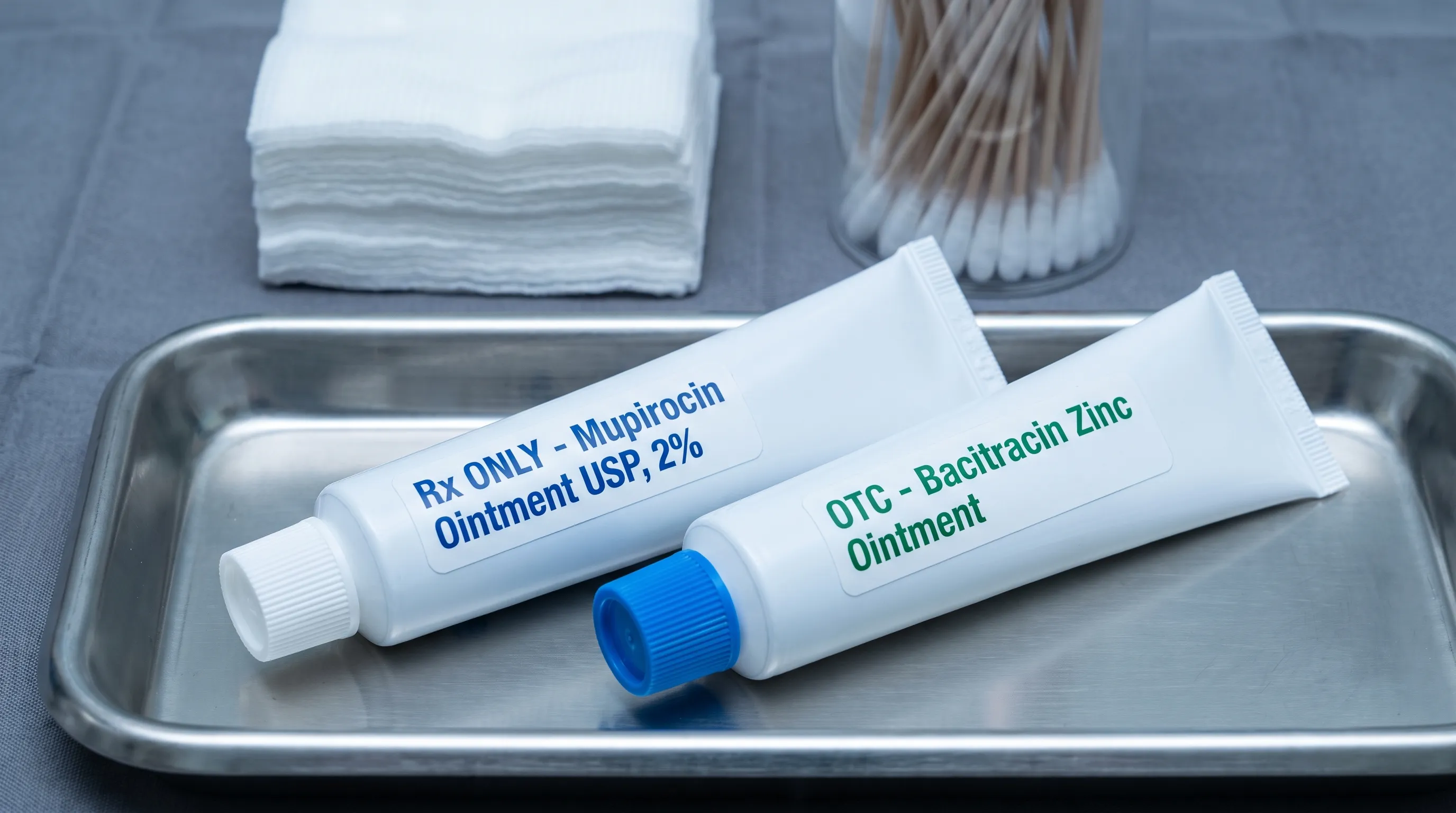
Mupirocin, marketed under brand names like Bactroban and Centany, is a prescription-only topical antibiotic approved by the FDA and recognized globally for its targeted efficacy against Gram-positive pathogens. It is primarily formulated as a 2% cream or ointment for dermatological use and as a nasal formulation for decolonization protocols.
FDA-Approved Indications and Off-Label Applications
The primary FDA-approved indications for mupirocin include impetigo caused by Staphylococcus aureus and Streptococcus pyogenes, as well as secondary skin infections from trauma or minor surgical procedures. Beyond these approvals, dermatologists frequently prescribe it off-label for folliculitis, small abscesses, and localized cellulitis. The intranasal formulation is widely utilized in hospital and surgical settings to eradicate nasal carriage of S. aureus, reducing postoperative infection rates. Its pharmacokinetic profile demonstrates minimal systemic absorption when applied to intact skin, though broken skin may increase absorption slightly. This localized activity makes it an ideal candidate for targeted therapy. Comprehensive prescribing details are available through the NIH MedlinePlus mupirocin database.
Efficacy Against Staphylococcus and MRSA
Mupirocin remains one of the most effective topical agents against methicillin-sensitive S. aureus (MSSA) and many community-associated MRSA strains. Clinical trials have consistently demonstrated cure rates exceeding 90% when used appropriately for impetigo and minor pyodermas. Its activity against MRSA is particularly valuable, as oral antibiotics are often unnecessary for localized infections. However, emerging plasmid-mediated mupirocin resistance (high-level resistance) is increasingly documented, emphasizing the need for antibiotic stewardship. Proper diagnostic confirmation and adherence to prescribed treatment durations help mitigate resistance development. For current clinical guidance on MRSA management, consult the CDC's MRSA prevention and treatment resources.
Dosing Protocols and Application Guidelines
Standard dosing involves applying a thin layer to the affected area three times daily for 5 to 10 days. The duration should never exceed 14 days without clinical reassessment. Patients must wash hands before and after application, avoid contact with eyes and mucous membranes, and refrain from applying it to extensive open wounds unless directed by a physician. The ointment base provides a moist environment that accelerates epithelialization, while the cream formulation is preferred for weeping lesions. Consistent application schedules are critical for optimal bacterial eradication.
Bacitracin: Clinical Profile, Limitations, and Safety
Bacitracin is an older antibiotic derived from Bacillus subtilis. Unlike mupirocin, it is widely available over the counter in the United States, often combined with polymyxin B and neomycin in products like Neosporin. While historically popular for minor wound care, modern dermatological guidelines have revised its role due to efficacy limitations and safety concerns.
Traditional Uses in Wound Care
Bacitracin has long been recommended for prophylactic management of minor cuts, scrapes, and burns. Its bacteriostatic activity against Gram-positive organisms provides temporary protection against superficial contamination. For minor abrasions where infection risk is low, it can serve as a harmless adjunct to standard wound hygiene. However, numerous randomized controlled trials have shown that plain petrolatum ointment is equally effective for promoting wound healing without the allergy risk associated with topical antibiotics.
Allergic Reactions and Hypersensitivity Risks
Bacitracin is recognized as one of the most common causes of allergic contact dermatitis from topical agents. Studies estimate that 5% to 10% of regular users develop type IV hypersensitivity, presenting as erythema, pruritus, vesiculation, or worsening of the original wound. This allergic response is frequently misdiagnosed as infection progression, leading to unnecessary antibiotic escalation. The American Academy of Dermatology advises against routine bacitracin use in favor of inert occlusive agents or targeted prescription therapies when indicated. Detailed patient information on topical allergy symptoms is available from the Cleveland Clinic's guide to contact dermatitis.
Efficacy Limitations and Clinical Guidelines
Modern evidence reveals that bacitracin has limited activity against many clinical strains of Staphylococcus and Streptococcus. Its narrow spectrum and rapid resistance development render it unsuitable for treating active bacterial infections. Clinical guidelines from infectious disease societies recommend reserving topical antibiotics for confirmed bacterial etiologies and prioritizing prescription agents with proven efficacy. When comparing mupirocin vs bacitracin for active impetigo or folliculitis, bacitracin consistently demonstrates inferior clinical cure rates and higher relapse potential.
Head-to-Head Comparison: Efficacy, Safety, and Practical Considerations
Selecting the appropriate topical antibiotic requires evaluating multiple clinical factors. The comparison of mupirocin vs bacitracin extends beyond pharmacological mechanisms to include patient history, infection severity, cost considerations, and resistance patterns. Understanding these variables ensures optimal therapeutic outcomes.
| Feature | Mupirocin (Prescription) | Bacitracin (OTC) |
|---|---|---|
| FDA Approval | Impetigo, secondary skin infections, nasal decolonization | Prophylaxis of minor cuts/scrapes (often combined) |
| Mechanism | Inhibits isoleucyl-tRNA synthetase | Disrupts peptidoglycan cell wall transport |
| Bacterial Spectrum | Broad Gram-positive (Staph, Strep, many MRSA) | Narrow Gram-positive, limited clinical efficacy |
| Prescription Status | Required | Available OTC |
| Allergy Risk | Low (<1% contact dermatitis) | High (5-10% allergic contact dermatitis) |
| Clinical Cure Rate (Impetigo) | >90% | Variable, often inferior to petrolatum alone |
| Resistance Concerns | Emerging plasmid-mediated high-level resistance | Intrinsic and acquired resistance common |
| Cost/Insurance | Higher upfront, often covered by insurance | Low OTC cost, not covered by insurance |
| Recommended Duration | 5-10 days | Until healed, typically 1-3 days |
Cost, Accessibility, and Insurance Coverage
Mupirocin requires a prescription, which may involve a clinic visit or telehealth consultation, adding initial time and cost barriers. However, generic formulations are widely available and typically covered by insurance plans. Bacitracin is inexpensive and readily accessible at retail pharmacies, grocery stores, and online retailers. Despite the lower upfront cost, bacitracin's high allergy rate and limited efficacy can lead to additional clinic visits and secondary treatments, ultimately increasing overall healthcare expenditure. Patients should weigh long-term clinical value against immediate convenience.
Resistance Patterns and Antibiotic Stewardship
The growing prevalence of topical antibiotic resistance is a significant public health concern. When mupirocin is overused or applied for extended durations, high-level resistance genes (mupA and mupB) can be selected and spread. Bacitracin resistance occurs via efflux pumps and enzymatic modification. Dermatologists emphasize targeted use: confirm bacterial etiology, limit treatment duration, and avoid prophylactic antibiotic use on clean wounds. Proper stewardship preserves the clinical utility of mupirocin vs bacitracin for future patients and reduces the spread of resistant organisms in community settings. Learn more about responsible antibiotic use from the CDC's Core Antibiotic Stewardship Resources.
Practical Application Guidelines and Patient Care
Optimal wound healing depends not only on medication selection but also on proper application technique, hygiene, and adherence to clinical recommendations. Misapplication can reduce efficacy, increase adverse effects, or delay recovery.
Step-by-Step Wound Preparation and Application
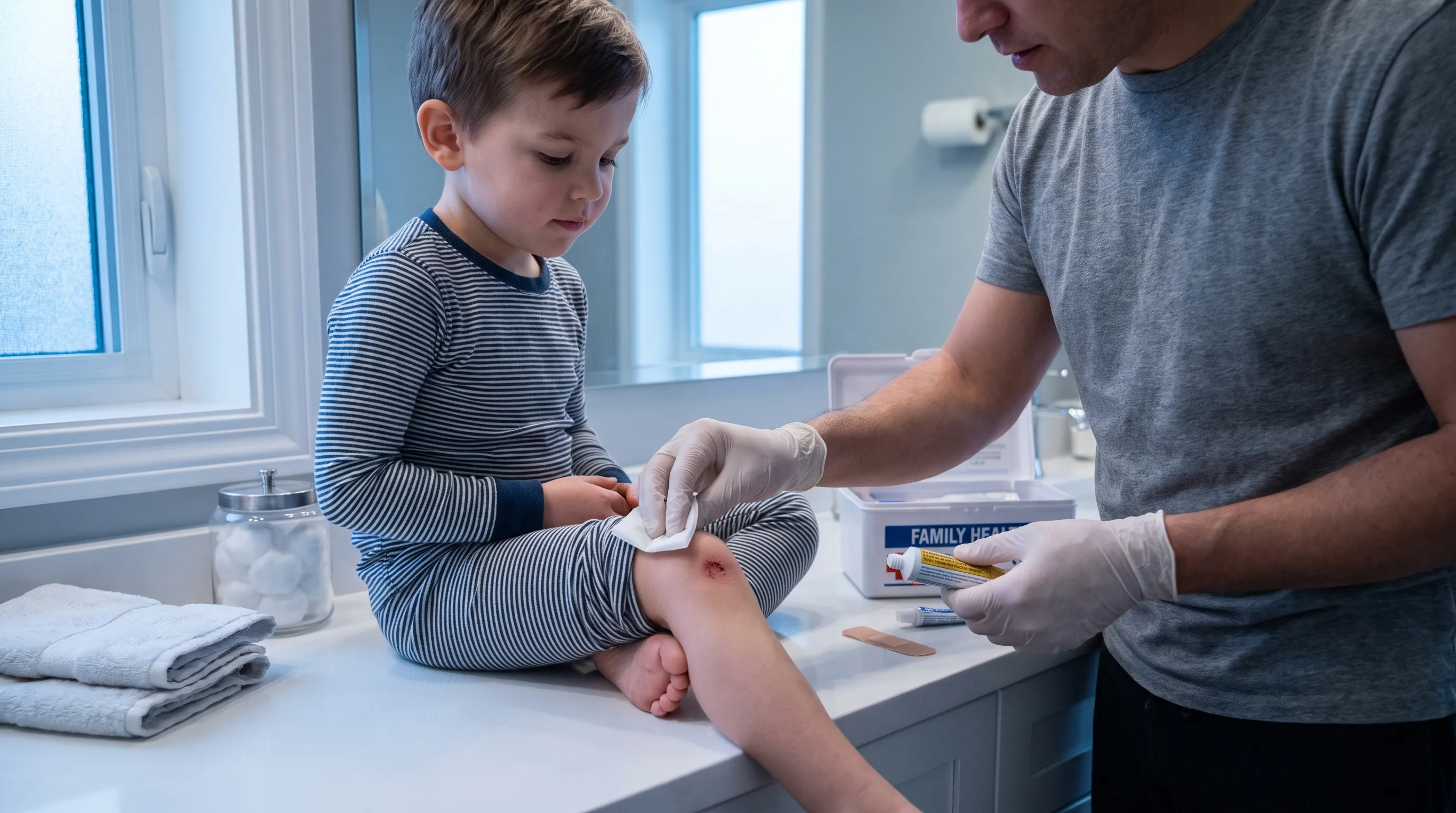
Begin by gently cleansing the affected area with mild soap and lukewarm water. Avoid harsh antiseptics like hydrogen peroxide or iodine, which can damage healthy tissue and impede healing. Pat the area completely dry using a clean gauze pad. Apply a thin layer of the prescribed or selected ointment, covering only the affected region. Rubbing or applying excessive amounts does not improve efficacy and may cause maceration. Cover with a sterile, breathable dressing if recommended. Wash hands thoroughly before and after each application to prevent cross-contamination.
Frequency, Duration, and Sun Exposure Considerations
Consistency is critical for bacterial eradication. Apply medications exactly as directed, maintaining even intervals throughout the day. Discontinue use immediately if signs of allergic reaction appear, such as spreading redness, intense itching, blistering, or worsening drainage. Do not exceed recommended treatment windows. Prolonged use disrupts the skin microbiome and increases resistance risk. Additionally, topical ointments can increase photosensitivity in some individuals. Patients should apply broad-spectrum sunscreen to surrounding skin and avoid prolonged sun exposure during treatment.
Special Populations: Pediatrics, Geriatrics, and Comorbid Conditions
Vulnerable populations require modified treatment approaches due to differences in skin barrier function, metabolism, immune response, and polypharmacy risks. Understanding these nuances ensures safe and effective topical therapy.
Use in Children and Neonates
Pediatric skin is thinner and more permeable than adult skin, increasing systemic absorption potential. Mupirocin is generally considered safe for children over two months when prescribed for impetigo. Dosage frequency and treatment duration remain consistent with adult protocols. Bacitracin use in infants is discouraged due to higher allergy risk and the availability of safer alternatives like plain petrolatum. Parents should monitor for behavioral changes, excessive crying, or localized swelling that may indicate hypersensitivity. Always consult a pediatrician before applying any antibiotic to an infant. NIH pediatric dermatology guidelines recommend prioritizing barrier creams over prophylactic antibiotics in young children.
Contraindications and Drug Interactions
Topical antibiotics generally exhibit minimal systemic interactions, but caution is warranted. Patients with known hypersensitivity to polyethylene glycol (present in some mupirocin creams) or bacitracin should avoid these formulations. Concurrent use of other topical corticosteroids or retinoids may alter absorption and efficacy. Individuals with extensive burns, chronic ulcers, or immunocompromised states (e.g., diabetes, chemotherapy patients) require close medical supervision, as topical monotherapy is often insufficient. In these cases, systemic antibiotics and multidisciplinary wound management are typically necessary.
Addressing Antibiotic Resistance and Future Research
The continuous evolution of bacterial pathogens necessitates vigilant monitoring and research-driven treatment protocols. Comparing mupirocin vs bacitracin in the context of antimicrobial resistance highlights the importance of evidence-based prescribing and patient education.
Why Mupirocin Resistance is a Growing Concern
High-level mupirocin resistance is primarily mediated by the mupA gene, which encodes an alternative isoleucyl-tRNA synthetase unaffected by the drug. This resistance is increasingly reported in healthcare-associated MRSA and community settings. Surveillance data indicates that inappropriate long-term use, decolonization without confirmed carriage, and agricultural antibiotic practices contribute to gene selection. Clinicians are advised to verify MRSA colonization before initiating decolonization protocols and to reserve mupirocin for confirmed bacterial infections rather than prophylactic use.
Why Bacitracin Allergy Outpaces Clinical Failure
Despite widespread availability, bacitracin's clinical relevance is diminishing due to its high allergenicity. Contact dermatitis rates significantly exceed bacterial eradication success, making it a liability in routine wound care. Modern dermatology emphasizes occlusive therapy with white petrolatum, which maintains a moist wound environment without triggering immune responses. Research continues to explore newer topical agents with broader spectra, lower resistance potential, and reduced allergenicity. Patient education remains a cornerstone in shifting clinical practice away from outdated prophylactic antibiotic habits.
Frequently Asked Questions
Is mupirocin stronger than bacitracin?
Yes, mupirocin is generally considered stronger and more targeted than bacitracin. It is a prescription antibiotic specifically engineered to penetrate the skin and eradicate Gram-positive bacteria like Staphylococcus and Streptococcus species, including many MRSA strains. Bacitracin, available over the counter, has a narrower spectrum and is primarily used for preventing minor infection in superficial cuts and scrapes rather than treating established infections.
Can bacitracin treat staph infections?
Bacitracin has limited activity against Staphylococcus aureus and is not recommended for treating active staph infections. Clinical evidence shows that mupirocin is significantly more effective against both methicillin-sensitive and methicillin-resistant Staphylococcus aureus. If a staph infection is suspected, a healthcare provider will typically prescribe mupirocin rather than relying on over-the-counter bacitracin.
How long should I use mupirocin or bacitracin?
Mupirocin is typically applied three times daily for 5 to 10 days, depending on the severity of the infection and physician guidance. Bacitracin is usually applied one to three times daily until the wound has fully healed or as directed. Prolonged use beyond recommended durations increases the risk of resistance or allergic contact dermatitis, particularly with bacitracin.
Why do dermatologists prefer mupirocin over bacitracin for impetigo?
Impetigo is primarily caused by Streptococcus pyogenes and Staphylococcus aureus. Mupirocin demonstrates superior clinical cure rates and faster symptom resolution for impetigo. Additionally, bacitracin has a higher incidence of allergic reactions and is not FDA-approved as a monotherapy for bacterial impetigo, making mupirocin the standard-of-care topical agent. Refer to Mayo Clinic's impetigo treatment guidelines for further clinical context.
Can I use mupirocin and bacitracin together?
Combining mupirocin and bacitracin is generally unnecessary and may increase the risk of skin irritation or reduced efficacy due to chemical incompatibility. Clinical guidelines recommend selecting one appropriate topical antibiotic based on the infection type. If you have a severe or spreading infection, consult a healthcare provider rather than self-combining agents.
When should I stop using a topical antibiotic and see a doctor?
Discontinue use and seek medical attention if the infection spreads, worsens after 48-72 hours of treatment, or if systemic symptoms develop, such as fever, chills, swollen lymph nodes, or red streaking from the wound site. These signs may indicate cellulitis or systemic infection requiring oral or intravenous antibiotics.
Conclusion
The comparison of mupirocin vs bacitracin underscores the critical importance of matching topical therapy to clinical indication, pathogen profile, and patient safety. Mupirocin stands as a potent, prescription-grade agent with proven efficacy against serious Gram-positive skin infections, including MRSA, making it indispensable for targeted bacterial eradication. Bacitracin, while historically popular, has largely been superseded by modern wound care guidelines due to its high allergy potential, narrow spectrum, and limited clinical superiority over plain petrolatum. Optimal skin health relies on accurate diagnosis, appropriate medication selection, adherence to treatment duration, and commitment to antimicrobial stewardship. By understanding the distinct roles, risks, and evidence behind each agent, patients and clinicians can make informed decisions that promote faster healing, minimize adverse reactions, and preserve the long-term effectiveness of topical antibiotics. Always consult a qualified healthcare professional for personalized diagnosis and treatment planning, especially for recurrent, severe, or systemic skin infections.
How we work
Researched and drafted with AI assistance, then reviewed by a human editor against the cited sources.
This article is general health information, not medical advice. Consult a qualified healthcare professional about your own situation.