Labiaplasty Recovery: A Comprehensive, Evidence-Based Guide to Healing and Aftercare

The journey through labiaplasty recovery requires patience, meticulous self-care, and a thorough understanding of the physiological healing processes. For many individuals, the decision to undergo this intimate procedure stems from a desire to alleviate physical discomfort, improve hygiene, or restore aesthetic symmetry. However, achieving optimal results is heavily dependent on how carefully the postoperative phase is navigated. Healing in the vulvar region is uniquely complex due to its rich vascular network, high concentration of nerve endings, and constant exposure to moisture. A well-informed approach to labiaplasty recovery not only minimizes complications but also accelerates tissue regeneration, ensuring that the final outcomes align with both clinical standards for postoperative care and personal wellness goals.
Navigating this healing phase can feel overwhelming without proper guidance. The combination of physical restrictions, emotional fluctuations, and strict hygiene protocols demands a structured, evidence-based strategy. Medical professionals consistently emphasize that successful postoperative care is not merely about following a checklist; it is about fostering an environment that supports natural cellular repair. By integrating clinical recommendations, lifestyle modifications, and psychological preparedness, patients can transition smoothly from initial surgical trauma to long-term comfort. Understanding the biological timeline of tissue repair, recognizing normal healing responses, and knowing when to seek clinical intervention are foundational to a successful recovery.
Understanding the Surgical Procedure and Initial Healing Process
Before diving into the specific protocols of labiaplasty recovery, it is essential to understand how the surgery impacts vulvar anatomy and what occurs during the immediate postoperative window. Labiaplasty is a precision-driven procedure that involves the reduction, reshaping, or reconstruction of the labia minora, and occasionally the labia majora or clitoral hood. The two most common surgical techniques are the trim method, which excises excess tissue along the outer edge, and the wedge method, which removes a V-shaped section to preserve the natural pigmented border. The chosen technique directly influences suture placement, tension distribution, and subsequent healing dynamics.
Free calculatorWater Intake CalculatorCalculate daily water needsOpen the calculatorWhat Happens During Labiaplasty
During the procedure, a board-certified surgeon carefully removes targeted tissue while preserving critical neurovascular structures responsible for sensation and blood supply. Hemostasis is meticulously achieved using electrocautery or fine ligation to minimize postoperative bleeding. The wound edges are then approximated using absorbable sutures, which gradually dissolve over 2 to 4 weeks as the dermal and mucosal layers begin to knit together. Because the vulva lacks thick subcutaneous fat, surgical tension must be carefully balanced to prevent suture pull-through or tissue necrosis. The use of fine, monofilament sutures reduces tissue drag and foreign body reaction, setting a favorable foundation for the labiaplasty recovery process.
Immediate Post-Operative Phase (0-48 Hours)
The first 48 hours represent the hemostasis and acute inflammatory phase of wound healing, as outlined in the National Institutes of Health (NIH) overview of the healing cascade. During this critical window, the body initiates a cascade of physiological responses designed to seal blood vessels, prevent pathogen invasion, and clear cellular debris. Patients typically experience the most pronounced swelling, localized warmth, and mild serosanguinous drainage. Medical guidelines strongly recommend complete rest during this period, with the surgical area elevated when possible to utilize gravity in reducing venous congestion. Cold therapy, applied indirectly through a clean cloth or medical-grade cooling pack, should be cycled for 15 to 20 minutes every hour to constrict capillaries and modulate inflammatory mediators.
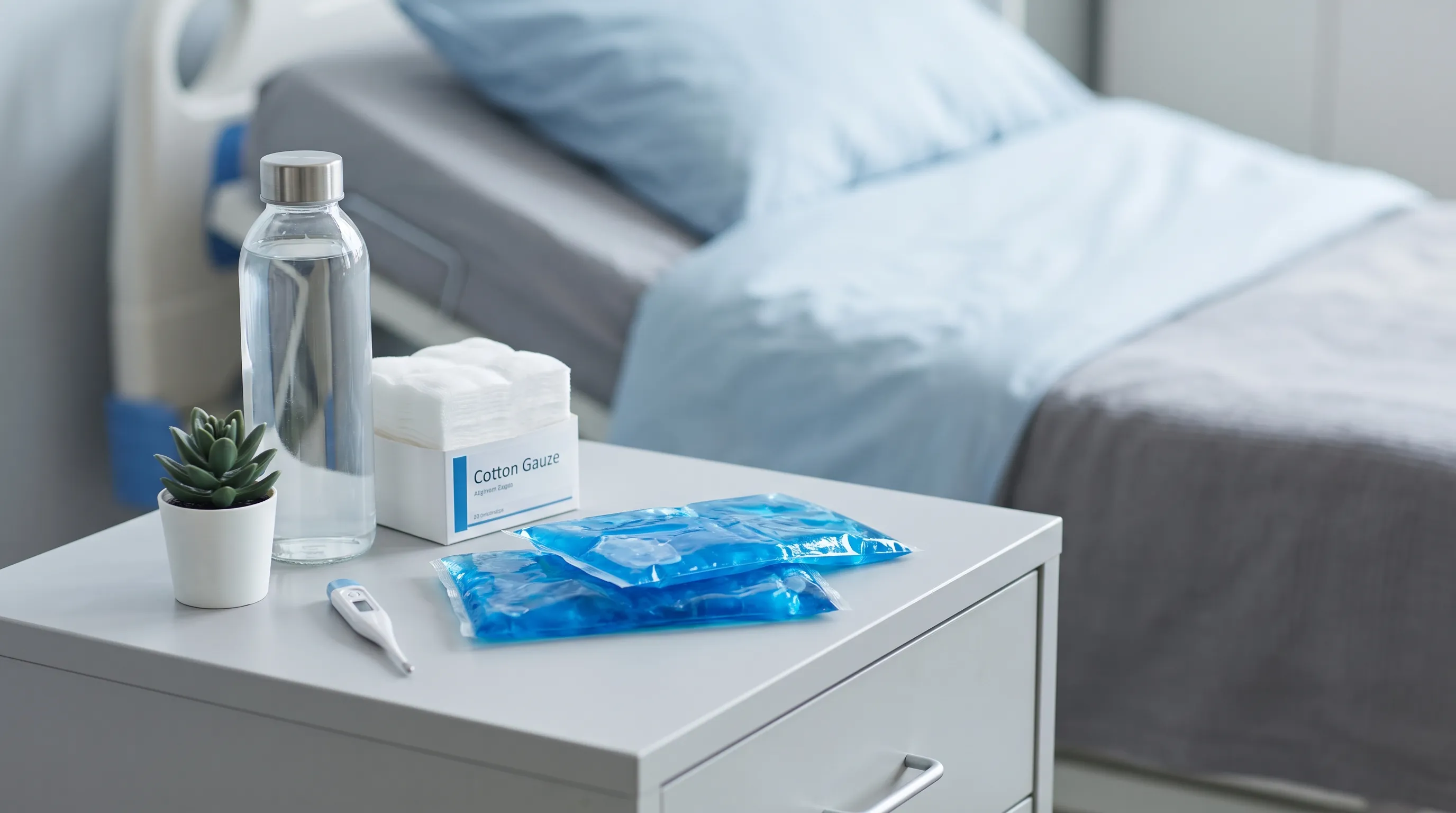
Urination during this phase often causes temporary stinging due to urine acidity contacting fresh incisions. Experts recommend diluting urine by sitting on the toilet with legs comfortably apart, using a peri-bottle filled with lukewarm water to flush the area simultaneously, or applying a thin layer of medical-grade petroleum jelly to the suture line as a protective barrier. Maintaining a strict fluid intake regimen ensures dilute urine production and reduces chemical irritation. Patients must also monitor for excessive bleeding; while light spotting on protective pads is normal, bright red bleeding that soaks through a pad hourly requires immediate clinical contact.
The Labiaplasty Recovery Timeline: Week by Week
Understanding the chronological progression of tissue repair allows patients to set realistic expectations and adjust their daily routines accordingly. The labiaplasty recovery timeline is not linear; it fluctuates based on individual metabolism, surgical complexity, and adherence to postoperative care. Recognizing the distinct biological phases prevents unnecessary anxiety when symptoms temporarily intensify or plateau.
First Week: Managing Discomfort and Swelling
Days 1 through 7 encompass the transition from acute inflammation to the early proliferative phase. Fibroblasts begin migrating into the wound matrix, synthesizing type III collagen and establishing a fragile epithelial seal. Swelling typically peaks between days 3 and 5 before gradually receding. Patients often report a sensation of tightness, especially when sitting or shifting positions, due to localized edema and muscular guarding. During this phase, strict avoidance of straddle positions, heavy lifting, and prolonged standing is medically advised.
Pain levels generally remain manageable with scheduled oral analgesics rather than relying solely on rescue dosing. Maintaining a consistent medication schedule prevents breakthrough pain, which can elevate cortisol levels and impair immune function. The sutures will appear slightly prominent initially but will begin softening as hydrolysis breaks down the polymer chains. Gentle cleansing twice daily with a sterile saline solution or prescribed antiseptic wash helps prevent bacterial colonization without disrupting the fragile granulation tissue.
Weeks 2-4: Gradual Return to Normal Activities
By the second week, angiogenesis and epithelialization accelerate, transforming the wound bed into a more resilient structure. Most patients experience a noticeable reduction in swelling and discomfort, allowing for light ambulation and sedentary work activities. However, the tissue remains vulnerable to mechanical stress. The proliferative phase continues through week 4, characterized by robust collagen deposition and neovascularization. This is why labiaplasty recovery protocols emphasize gradual progression rather than sudden activity resumption.
Patients may notice mild itching around the incision sites as nerve endings regenerate and histamine release accompanies tissue remodeling. This is a normal physiological indicator of healing, not an allergic reaction. Scratching must be avoided entirely; instead, applying a cool compress or taking an oral antihistamine can alleviate discomfort. Follow-up appointments during this window allow the surgeon to assess suture dissolution, check for early signs of delayed healing, and clear patients for incremental increases in daily movement.
Months 2-3: Complete Tissue Maturation and Final Results
The remodeling phase extends well beyond initial comfort restoration. Over weeks 6 to 12, type III collagen is systematically replaced by stronger type I collagen fibers, which align along tension lines to optimize structural integrity and scar appearance. During this stage, the labiaplasty recovery process shifts toward scar maturation, pigment stabilization, and sensory normalization. Some patients experience temporary numbness or heightened sensitivity as cutaneous nerves regenerate; these sensory fluctuations typically resolve spontaneously as neuroplastic adaptation occurs.
Final aesthetic results become visible around month 3, though subtle changes in tissue pliability and symmetry can continue for up to 6 months. Engaging in scar massage with medical-grade silicone gel or fragrance-free emollients after complete epithelialization helps prevent adhesions and promotes flexible tissue architecture. Maintaining patience during this prolonged maturation window is crucial, as premature evaluation can lead to unnecessary concern over temporary asymmetries or residual firmness.
Pain Management and Comfort Strategies
Effective pain modulation is a cornerstone of successful labiaplasty recovery. Discomfort arises from surgical trauma, inflammatory cytokine release, and localized nerve irritation. A multimodal approach that targets different pain pathways ensures comprehensive symptom control without overreliance on a single medication class, consistent with Mayo Clinic guidelines for postoperative pain management.
Medications and Topical Treatments
Prescribed nonsteroidal anti-inflammatory drugs (NSAIDs) and acetaminophen form the foundation of postoperative analgesia. NSAIDs inhibit cyclooxygenase enzymes, reducing prostaglandin synthesis and subsequently diminishing inflammation and pain signaling. Acetaminophen acts centrally to elevate the pain threshold. In cases of significant discomfort, short-term opioid analgesics may be prescribed, though clinical guidelines emphasize cautious use due to side effects like constipation, which can increase pelvic strain. Topical lidocaine gel, applied externally as directed, provides localized anesthetic relief without systemic absorption, making it particularly effective for urinary stinging.
Ice Therapy and Positioning
Cryotherapy remains one of the most effective non-pharmacological interventions during early recovery. Cold exposure causes vasoconstriction, reducing capillary permeability and limiting interstitial fluid accumulation. Patients should use medical-grade cooling packs wrapped in sterile gauze, applying them for 15 minutes followed by a 15-minute rest period to prevent tissue frostbite. Positioning also plays a critical role; lying supine with a pillow beneath the hips or sitting on a donut cushion or wedge pillow distributes pressure away from the surgical site, preventing direct compression of healing incisions.
Sleep and Rest Optimization
Quality sleep is indispensable for tissue regeneration, as growth hormone secretion peaks during deep non-REM sleep stages. Disrupted sleep elevates stress hormones that delay wound closure and increase pain sensitivity. Establishing a consistent bedtime routine, avoiding blue light exposure before sleep, and maintaining a cool, dark bedroom environment supports circadian regulation. Sleeping on the back with knees slightly bent reduces pelvic floor tension and promotes optimal blood flow to the vulvar region.
Hygiene, Wound Care, and Infection Prevention
The vulvar environment is naturally moist and populated by commensal flora, creating unique challenges for wound management during labiaplasty recovery. Meticulous hygiene protocols minimize pathogen proliferation while preserving the beneficial microbiome necessary for healthy tissue repair.
Proper Cleansing Techniques
Patients should cleanse the surgical area twice daily using lukewarm water and a sterile, pH-balanced cleanser specifically formulated for sensitive mucosal tissue. Harsh soaps, antibacterial washes, and vaginal douches disrupt the acidic vaginal pH (typically 3.8 to 4.5), increasing susceptibility to bacterial vaginosis and yeast overgrowth. Cleansing should involve gentle patting with a soft, lint-free cloth or allowing the area to air-dry naturally. Front-to-back wiping remains essential to prevent fecal flora migration toward the incision sites.
Managing Discharge and Bleeding
Mild serous or pink-tinged discharge is expected during the first 10 days as lymphatic vessels clear surgical exudate. Using unscented, breathable cotton panty liners or loose gauze pads is recommended over tampons or menstrual cups, which introduce mechanical friction and increase infection risk. Patients must change absorbent materials frequently to prevent moisture accumulation, which can macerate healing edges and delay epithelial migration.
Recognizing Signs of Complications
Vigilance is required to distinguish normal healing from pathological processes. Red flags include escalating pain unresponsive to medication, foul-smelling or purulent discharge, spreading erythema beyond the incision margins, fever exceeding 100.4°F (38°C), or sudden wound separation. Early detection of surgical site infections allows for prompt antibiotic intervention and prevents progression to deeper tissue involvement, following established CDC surgical site infection prevention protocols. Any concerns regarding abnormal symptoms should be communicated immediately to the operating surgeon rather than self-managing with over-the-counter remedies.
Activity Restrictions and Lifestyle Adjustments
Physical movement during labiaplasty recovery must be carefully calibrated to balance circulation promotion with mechanical stress avoidance. Premature exertion can compromise suture integrity, while prolonged immobilization increases the risk of venous thrombosis and muscular deconditioning.
Exercise, Walking, and Physical Labor
Light walking should commence within 24 hours to stimulate venous return and prevent venous stasis. However, cardiovascular exercises that involve pelvic bouncing, core engagement, or increased intra-abdominal pressure (e.g., running, cycling, weightlifting, yoga poses) must be avoided for a minimum of 4 weeks. Heavy lifting exceeding 10 pounds can strain the pelvic floor and increase hemorrhage risk. Patients should gradually reintroduce low-impact activities only after receiving clinical clearance, monitoring for swelling or discomfort as tolerance markers.
Intimacy and Sexual Activity Guidelines
Sexual intercourse, masturbation, and the use of vaginal inserts or dilators are strictly prohibited during the initial 4 to 6 weeks. The mechanical friction, tissue stretching, and lubricant exposure can disrupt epithelialization, introduce pathogens, and cause suture rupture. Even after clearance, initial intimacy may require generous use of water-based lubricants, gentle positioning, and gradual progression to ensure tissue pliability and comfort. Open communication with partners and realistic expectation setting prevent premature trauma and support healthy psychosexual adjustment.
Clothing Choices for Optimal Healing
Apparel selection significantly influences microclimate regulation around the surgical site. Patients should wear loose-fitting, breathable cotton underwear that minimizes friction and allows air circulation. Avoiding synthetic fabrics, tight leggings, restrictive underwear, and thongs prevents moisture trapping and mechanical irritation. Loose skirts or dresses provide optimal ventilation during the early labiaplasty recovery phase. Changing out of damp swimwear or sweaty exercise clothing immediately reduces maceration risk and maintains tissue integrity.
Nutrition, Hydration, and Tissue Regeneration
Cellular repair is fundamentally a metabolic process requiring specific macronutrients, micronutrients, and hydration to fuel enzymatic pathways and structural synthesis. Dietary optimization directly correlates with wound closure speed and scar quality, as extensively detailed in Cleveland Clinic nutritional guidelines for tissue repair.
Foods That Promote Wound Healing
Protein serves as the foundational substrate for collagen synthesis and fibroblast proliferation. Patients should consume 1.2 to 1.5 grams of protein per kilogram of body weight daily, prioritizing lean poultry, fish, legumes, eggs, and tofu. Vitamin C is essential for hydroxylation of proline and lysine residues during collagen cross-linking; citrus fruits, bell peppers, strawberries, and leafy greens provide adequate concentrations. Zinc and iron facilitate DNA replication and oxygen transport to hypoxic wound beds, while omega-3 fatty acids modulate excessive inflammatory responses. Incorporating antioxidant-rich foods helps neutralize free radicals generated during cellular metabolism.
Supplements to Consider and Avoid
While whole foods remain the primary nutrient source, targeted supplementation can bridge dietary gaps under clinical supervision. Medical-grade collagen peptides, vitamin D3, and probiotics may support tissue regeneration and microbiome balance. Conversely, patients should avoid high-dose vitamin E, fish oil, ginkgo biloba, and garlic supplements during the initial 2 weeks, as these possess mild anticoagulant properties that can prolong bleeding. Always consult the surgical team before initiating any supplement regimen to prevent pharmacological interactions.
Emotional Well-being and Psychological Support During Recovery
The psychological dimension of labiaplasty recovery is frequently underestimated yet profoundly impacts overall healing trajectories. Hormonal fluctuations, pain fatigue, body image adjustments, and temporary activity restrictions can trigger anxiety or mood variations.
Managing Expectations and Body Image
Postoperative swelling often creates temporary asymmetries or a "lumpy" appearance that does not reflect final results. Patients must recognize that tissue edema obscures surgical outcomes for several weeks. Journaling daily comfort levels, tracking gradual improvements, and avoiding mirror fixation help maintain realistic perspectives. Surrounding oneself with supportive individuals and engaging in gentle mindfulness practices reduces stress-induced cortisol elevation, which otherwise delays cellular proliferation.
When to Seek Professional Counseling
While mild emotional sensitivity is normal, persistent distress, intrusive thoughts about surgical outcomes, or significant impairment in daily functioning warrant professional support. Licensed therapists specializing in body image or post-surgical adjustment can provide cognitive-behavioral strategies to reframe negative thought patterns and foster self-compassion. Addressing psychological well-being holistically ensures that labiaplasty recovery encompasses both physical restoration and emotional resilience, a principle strongly supported by Mayo Clinic resources on post-surgical emotional adjustment.
| Healing Phase | Typical Timeline | Primary Physiological Process | Recommended Activity Level | Key Care Focus |
|---|---|---|---|---|
| Hemostasis & Inflammation | Days 1-5 | Vasoconstriction, platelet aggregation, cytokine release | Strict rest, light walking only | Cold therapy, pain control, hygiene |
| Proliferation | Weeks 1-4 | Fibroblast migration, collagen type III synthesis, angiogenesis | Sedentary work, gentle mobility | Wound cleansing, suture monitoring, hydration |
| Early Remodeling | Weeks 4-8 | Collagen cross-linking, epithelial maturation, sensory adaptation | Gradual low-impact exercise | Scar management, activity progression |
| Late Remodeling | Months 3-6 | Type I collagen replacement, scar flattening, pigment stabilization | Full activity clearance | Sun protection, long-term tissue monitoring |
Frequently Asked Questions
How long does complete labiaplasty recovery take?
Complete tissue maturation and scar remodeling after labiaplasty recovery typically takes 12 to 16 weeks. While most patients can return to light daily activities within 5 to 7 days, full structural healing, swelling resolution, and final aesthetic results generally stabilize between months 3 and 4. Patience during the remodeling phase ensures optimal tissue pliability and symmetry.
When can I resume sexual activity after the procedure?
Board-certified surgeons generally recommend waiting a minimum of 4 to 6 weeks before engaging in sexual intercourse or using vaginal inserts. This waiting period allows the delicate mucosal tissues to fully close, reduces the risk of wound dehiscence, and ensures comfortable, pain-free intimacy. Always obtain clinical clearance before resuming any penetrative activities.
What type of pain should I expect during recovery?
Most patients report mild to moderate discomfort, described as a throbbing, stretching, or pulling sensation rather than sharp pain. Peak swelling and discomfort typically occur between days 2 and 4 post-surgery. Pain is effectively managed with prescribed analgesics, topical numbing agents, and consistent cold therapy during the first 72 hours.
Is it normal to have swelling and bruising after labiaplasty?
Yes, localized swelling and mild bruising are expected physiological responses to tissue manipulation and suturing. The vulvar region contains highly vascular and sensitive tissues, which naturally retain fluid during the inflammatory phase of healing. Swelling typically peaks within the first week and gradually subsides over 4 to 6 weeks.
How can I prevent infection during labiaplasty recovery?
Infection prevention relies on strict adherence to postoperative hygiene protocols. Patients should perform gentle external cleansing with lukewarm water, avoid harsh soaps or vaginal douching, wear breathable cotton underwear, and keep the surgical site completely dry. Prophylactic antibiotics are often prescribed, and any signs of pus, increasing redness, or fever warrant immediate medical evaluation.
Conclusion
Navigating labiaplasty recovery successfully requires a harmonious blend of clinical guidance, disciplined self-care, and psychological resilience. By respecting the biological timeline of tissue repair, adhering to evidence-based hygiene and activity protocols, and prioritizing nutritional support, patients create an optimal internal environment for seamless healing. Understanding that swelling, mild discomfort, and temporary sensory changes are normal physiological responses prevents unnecessary anxiety and promotes adherence to postoperative guidelines.
Ultimately, the labiaplasty recovery process is a gradual journey toward restored comfort, enhanced confidence, and improved quality of life. Maintaining open communication with your surgical team, following personalized care instructions, and allowing your body the time it needs to regenerate ensures that the final outcomes align with both clinical excellence and personal wellness objectives. With patience and proactive self-management, the healing phase transitions smoothly into long-term comfort and enduring results.
How we work
Researched and drafted with AI assistance, then reviewed by a human editor against the cited sources.
This article is general health information, not medical advice. Consult a qualified healthcare professional about your own situation.