Can You Pop a Hemorrhoid? Medical Risks, Safe Relief & Guidance
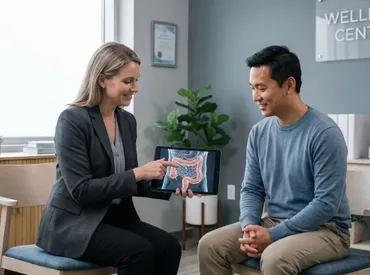
Many individuals experiencing sudden rectal discomfort or visible swelling instinctively wonder whether they can you pop a hemorrhoid to achieve immediate relief, much like treating a stubborn pimple, cyst, or ingrown hair. This natural instinct is completely understandable given the intense pressure and irritation that often accompanies flare-ups. However, this instinct carries severe medical risks that can rapidly transform a manageable, benign condition into a serious infection, uncontrolled hemorrhage, or permanent tissue damage. Hemorrhoids are highly specialized, complex vascular structures, and attempting to rupture them at home completely bypasses critical anatomical safeguards. Understanding the physiological reality behind this common question is absolutely essential for protecting your long-term health and guiding you toward safe, clinically proven relief strategies according to the National Institutes of Health (NIH). In this comprehensive, evidence-based guide, we will explore exactly why healthcare professionals and colorectal surgeons strongly advise against at-home intervention, outline the most effective treatment pathways backed by peer-reviewed research, and provide highly actionable steps to manage symptoms safely. By the end of this detailed overview, you will possess a clear, medically sound roadmap to recovery, symptom management, and long-term prevention.
Understanding Hemorrhoids: What Are They?
To properly address the question of whether you can you pop a hemorrhoid, it is first necessary to establish a foundational understanding of what hemorrhoids actually are. They are frequently misunderstood by the general public as abnormal growths, tumors, or infections, but in reality, hemorrhoids are completely normal anatomical structures that everyone is born with. As detailed by the Mayo Clinic, they are specialized vascular cushions located in the distal rectum and anal canal, composed of dense connective tissue, smooth muscle fibers, arteriovenous anastomoses, and an intricate network of arterioles and venules. Under normal physiological conditions, these cushions play a critical role in fine motor control during bowel movements and contribute significantly to maintaining fecal continence by creating an effective, watertight seal. Clinical problems only arise when these vascular cushions become chronically engorged, inflamed, displaced from their natural anatomical position, or thrombosed.
Free calculatorWater Intake CalculatorCalculate daily water needsOpen the calculatorThe Two Main Types: Internal vs. External
Hemorrhoids are clinically classified by their precise anatomical location relative to the dentate line, which serves as a crucial embryological and histological boundary within the anal canal. Cleveland Clinic medical resources explain that internal hemorrhoids develop above the dentate line and are typically covered by relatively insensitive columnar epithelium. Because this mucosal lining lacks somatic nerve fibers, internal hemorrhoids are rarely painful unless they prolapse significantly outside the anal verge or become severely inflamed. External hemorrhoids develop below the dentate line, where the tissue transitions to anoderm and is heavily innervated by somatic nerves from the inferior rectal branch of the pudendal nerve. This rich nerve supply makes external hemorrhoids highly sensitive to pain, pressure, friction, and irritation. A distinct clinical presentation known as a thrombosed external hemorrhoid occurs when blood pools within the external hemorrhoidal veins and clots, forming a firm, intensely painful, bluish lump beneath the skin.
Why Hemorrhoids Become Symptomatic
The transition from a normal, asymptomatic anatomical structure to a painful, swollen clinical condition is almost always driven by chronically increased intra-abdominal or pelvic pressure. Common physiological triggers include chronic constipation, prolonged sitting on the toilet, habitual straining during bowel movements, repetitive heavy lifting, pregnancy, obesity, and long-term consumption of a low-fiber Western diet. When sustained pressure forces venous blood to pool in these delicate vascular networks, the supportive connective tissue matrix gradually weakens and stretches. Over time, the Treitz muscle fibers that normally anchor these cushions in place become elongated or disrupted, allowing the vascular tissue to slide downward, swell, and eventually protrude. Recognizing these underlying hemodynamic mechanisms is the critical first step toward safe management and effectively eliminates the dangerous misconception that hemorrhoids are simple, drainable lesions that can be safely treated with sharp objects at home.
The Dangerous Reality of Trying to Pop a Hemorrhoid
Medical literature, clinical guidelines, and expert consensus from major gastroenterology organizations consistently and unequivocally warn against attempting to puncture, squeeze, or drain a hemorrhoid without professional supervision. The straightforward medical answer to the question of can you pop a hemorrhoid safely is a definitive no, primarily because doing so violates fundamental principles of sterile wound care and exposes highly vascularized rectal tissue to catastrophic complications. Unlike a superficial cutaneous abscess or comedone that sits isolated within a hair follicle, hemorrhoids lack a protective fibrous capsule and exist in one of the most densely colonized bacterial environments in the entire human gastrointestinal tract. Introducing a non-sterile needle, safety pin, lancet, or any sharp object directly into this area creates a direct, unobstructed pathway for severe, potentially life-threatening infection.
Why Hemorrhoids Are Not Pimples
The overwhelming desire to pop a hemorrhoid stems almost entirely from a superficial visual and tactile similarity to acne, furuncles, or epidermoid cysts, but the underlying pathophysiology is entirely different. A typical pimple forms when a hair follicle becomes obstructed by excess sebum and dead keratinocytes, eventually accumulating a localized pocket of pus that can sometimes be safely expressed after proper surface cleansing and preparation. A thrombosed hemorrhoid, in stark contrast, contains clotted whole blood, inflammatory mediators, and engorged vascular tissue, not purulent exudate. There is no centralized, fluid-filled cavity waiting to be drained. Attempting to rupture the overlying perianal skin will immediately result in active arterial and venous hemorrhage that can be notoriously difficult to control without professional medical intervention, specialized cautery equipment, or hemostatic agents.
The Severe Risks of At-Home Lancing
When individuals proceed with self-lancing despite explicit medical warnings, they expose themselves to a predictable cascade of preventable complications that frequently require emergency department intervention. The most immediate and alarming danger is uncontrolled hemorrhage. The anal region receives a remarkably rich dual blood supply from the superior, middle, and inferior rectal arteries, alongside an extensive venous plexus that lacks the robust venous valves found in peripheral circulation. Piercing this dense vascular network can lead to brisk, continuous bleeding that may only stop after emergency surgical suturing, chemical cauterization, or packing. Furthermore, introducing foreign pathogens and skin flora directly into the subcutaneous rectal tissue can rapidly trigger aggressive cellulitis, deep perirectal abscess formation, or even systemic sepsis. In rare but well-documented clinical case studies, improper at-home drainage has precipitated necrotizing fasciitis, a devastating, rapidly spreading soft tissue infection that demands immediate, extensive surgical debridement, broad-spectrum intravenous antibiotics, and intensive care monitoring.
Safe, Medically Proven Alternatives to Relief
Fortunately, you absolutely do not have to endure unnecessary pain or resort to dangerous, unproven home interventions. Modern gastroenterology, colorectal surgery, and primary care medicine offer a robust, highly effective array of conservative treatments that reliably reduce swelling, alleviate acute discomfort, and promote natural tissue healing without exposing you to invasive risks. By consciously shifting your focus away from the dangerous myth of whether you can you pop a hemorrhoid toward clinically validated management strategies, patients routinely achieve significant symptom relief within a matter of days per NIH treatment guidelines. Understanding how these mechanisms work empowers you to take immediate, safe action.
Over-the-Counter Topical Treatments
The recognized first line of defense for mild to moderate hemorrhoidal flare-ups involves the strategic use of carefully formulated pharmacological agents available without a prescription. Topical hemorrhoid creams, ointments, and suppositories typically feature a synergistic combination of hydrocortisone to powerfully reduce localized inflammation, lidocaine or benzocaine to provide immediate nerve-blocking analgesia, and zinc oxide or calamine to form a protective barrier that soothes irritated mucosal surfaces. It is absolutely crucial to use these medications strictly according to manufacturer package directions or a licensed physician’s guidance, as prolonged, continuous application of potent topical corticosteroids can dangerously thin the delicate perianal epithelium, impair natural healing, and paradoxically exacerbate symptoms over time. Herbal and botanical alternatives containing witch hazel extract, aloe vera, or horse chestnut are also highly regarded by integrative practitioners for their natural astringent, vasoconstrictive, and anti-inflammatory properties, providing gentle yet effective symptom modulation without steroid-related side effects.
Warm Sitz Baths and Cold Therapy
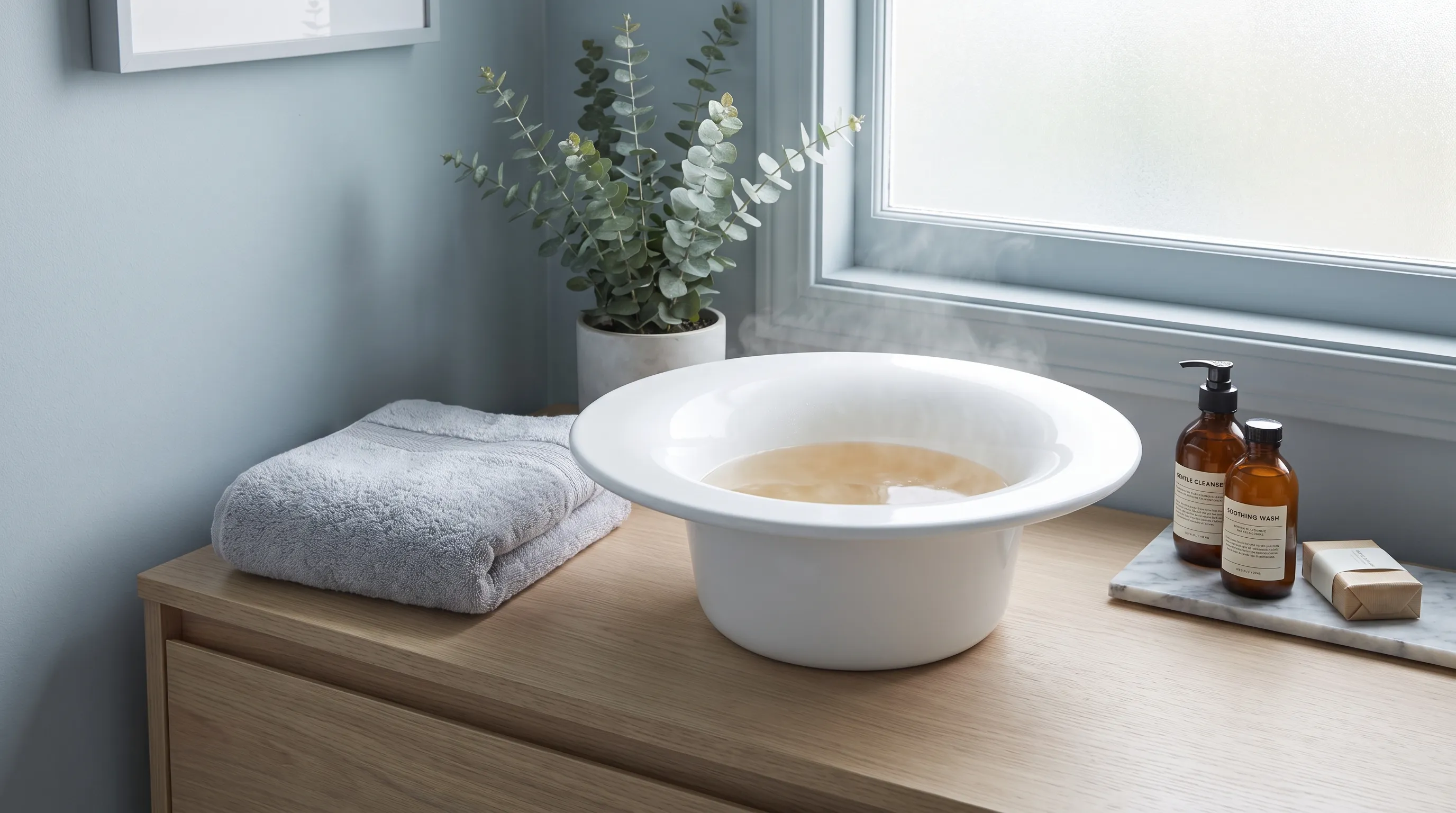
Temperature modulation plays a remarkably effective and clinically validated role in managing acute and chronic hemorrhoidal symptoms. Warm sitz baths, performed consistently two to three times daily for ten to fifteen minutes, promote localized vasodilation, profoundly relax hypertonic anal sphincter muscles, and dramatically improve microcirculation to encourage natural tissue repair and clot reabsorption. This simple, entirely drug-free intervention is universally recommended by colorectal surgeons, gastroenterologists, and pelvic floor physical therapists as an absolute cornerstone of conservative hemorrhoid management endorsed by the Cleveland Clinic. Conversely, applying a cold pack, crushed ice wrapped in a soft cloth, or a commercial ice wrap to the external perianal area for brief intervals can rapidly numb exposed nerve endings, decrease localized edema, and constrict swollen blood vessels, providing immediate, temporary relief from acute throbbing pain. Systematically alternating between gentle warm soaks and targeted cold therapy often yields optimal clinical outcomes during acute exacerbations.
When to See a Healthcare Professional
While the vast majority of hemorrhoidal disease cases respond remarkably well to diligent conservative home care and dietary adjustments, certain clinical presentations absolutely demand prompt, professional evaluation by a licensed healthcare provider. Knowing precisely when to transition safely from self-management protocols to clinical intervention is a critical skill that can prevent unnecessary suffering, permanent complications, and delayed diagnosis of more serious gastrointestinal pathologies.
Warning Signs That Require Immediate Medical Attention
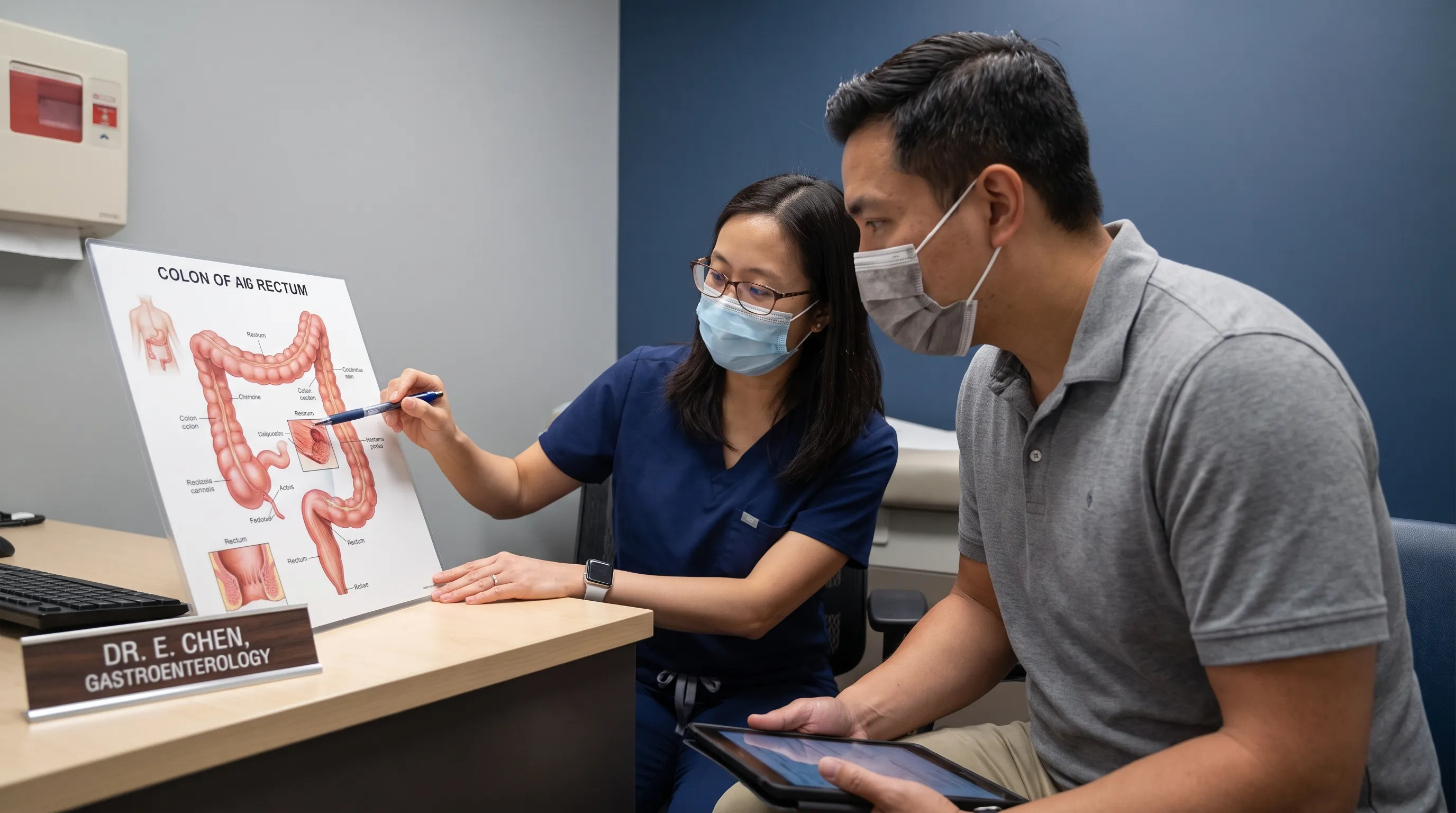
You should promptly schedule a comprehensive appointment with a primary care physician, gastroenterologist, or board-certified colorectal surgeon if you experience persistent rectal bleeding that does not significantly resolve within a week, severe, debilitating pain that actively interferes with sitting, walking, sleeping, or bowel movements, or if the hemorrhoidal tissue prolapses significantly outside the anal canal and cannot be manually reduced back into place using gentle, clean techniques. Additionally, the emergence of systemic symptoms such as unexplained fever, chills, rapidly expanding erythema, intense localized warmth, or foul-smelling purulent discharge strongly indicates a secondary bacterial infection that requires immediate, targeted antibiotic therapy and possible incision and drainage. Crucially, rectal bleeding should never be automatically or complacently attributed to hemorrhoids without a thorough diagnostic evaluation, as it frequently serves as an early, highly significant warning sign of colorectal polyps, inflammatory bowel disease (IBD), or colorectal malignancy, according to CDC colorectal health guidelines.
Diagnostic Procedures You Can Expect
During a comprehensive clinical evaluation, your healthcare provider will typically begin with a careful visual inspection of the external perianal region, followed by a gentle digital rectal examination to accurately assess anal sphincter resting and squeezing tone, while palpating for internal nodules, strictures, or masses. Depending on your chronological age, specific symptom profile, and individual risk factors, an anoscopic or flexible sigmoidoscopic examination may be strongly recommended to directly visualize the lower rectum and distal sigmoid colon. For comprehensive gastrointestinal screening, particularly in patients over the age of forty-five or those with a strong family history of colorectal cancer, a full colonoscopy remains the undisputed gold standard. These minimally invasive procedures allow expert clinicians to accurately grade internal hemorrhoids on the standardized Goligher one-to-four classification scale, rule out concurrent pathologies, and formulate a highly targeted, personalized treatment plan tailored to your specific anatomical presentation.
Lifestyle Changes to Prevent Flare-Ups
Sustainable, long-term hemorrhoid management and prevention are fundamentally rooted in deliberate, consistent lifestyle modifications that systematically address the root physiological causes of increased pelvic pressure, venous congestion, and bowel dysfunction. Adopting these evidence-based, clinically endorsed habits not only dramatically accelerates acute healing but significantly reduces the statistical likelihood of future recurrence, allowing you to maintain optimal digestive comfort and anorectal function indefinitely.
Dietary Modifications for Optimal Bowel Health
Dietary fiber is unequivocally the single most important nutritional component for both hemorrhoid prevention and active clinical management. Current gastroenterology guidelines consistently recommend a daily intake of twenty-five to thirty-five grams of high-quality dietary fiber to dramatically soften stool consistency, increase fecal bulk, and drastically minimize the need for abdominal straining during defecation. Exceptional, bioavailable sources include certified whole grains (such as quinoa, oats, and barley), diverse legumes, fruits with edible skins, dark leafy green vegetables, tree nuts, and seeds like flax or chia. Pharmaceutical-grade fiber supplements like psyllium husk powder, wheat dextrin, or methylcellulose can also effectively bridge the nutritional gap when whole-food dietary intake proves consistently insufficient. Gradual, incremental implementation over several weeks is medically essential to prevent excessive gastrointestinal gas, bloating, and cramping as your enteric microbiome and enzymatic systems safely adapt to the increased fiber load.
Hydration and Physical Activity Guidelines
Fiber simply cannot function optimally or produce soft, easily passable stools without adequate, consistent fluid intake. Consuming a minimum of sixty-four to eighty ounces of pure water daily ensures that soluble and insoluble dietary fibers effectively absorb moisture, creating the ideal stool viscosity for pain-free elimination. Chronic, even mild dehydration directly contributes to hard, desiccated, pellet-like stools that aggressively traumatize swollen hemorrhoidal tissue with every bowel movement. Regular, structured physical activity further supports healthy gastrointestinal motility and systemic venous return. Engaging in at least thirty minutes of moderate-intensity cardiovascular exercise most days of the week vigorously stimulates intestinal peristalsis, helps maintain a metabolically healthy body weight, and significantly reduces pathological venous congestion in the pelvic and splanchnic circulatory regions. Conversely, prolonged sedentary behavior, particularly sitting on hard, unforgiving surfaces for extended periods, should be actively minimized. Individuals with desk-bound occupations should invest in ergonomic, pressure-distributing cushions and commit to standing, stretching, and walking for five minutes every hour.
Medical Treatments and Procedures
When rigorous conservative measures prove clinically insufficient or hemorrhoids progress to an advanced, structurally compromised stage, several highly effective, minimally invasive clinical interventions are readily available. These procedures are routinely performed in specialized outpatient proctology clinics and boast exceptionally high success rates with remarkably short, manageable recovery periods, allowing patients to resume normal daily activities quickly.
Minimally Invasive Office Procedures
Rubber band ligation remains the most widely utilized, rigorously studied, and clinically validated treatment for symptomatic grade I, II, and selected grade III internal hemorrhoids. During this efficient outpatient procedure, a trained clinician utilizes a specialized anoscope and ligator device to place one or two extremely tight medical-grade elastic bands precisely around the base of the target hemorrhoid, effectively and immediately cutting off its arterial and venous blood supply. Within five to seven days, the ischemic, treated tissue naturally necrotizes, painlessly sloughs off during a routine bowel movement, and the resulting fibrotic scar tissue permanently anchors the remaining vascular cushion securely in place. Sclerotherapy offers an alternative approach by carefully injecting a concentrated, FDA-approved chemical sclerosant solution directly into the submucosal layer, which induces localized fibrosis, vascular occlusion, and subsequent tissue shrinkage. Infrared coagulation (IRC) achieves comparable clinical outcomes by using precisely calibrated, targeted thermal energy to seal off the feeding arteriovenous anastomoses, effectively shrinking the hemorrhoid without causing significant mucosal injury.
Surgical Interventions for Severe Cases
For exceptionally large, irreversibly prolapsed, or chronically thrombosed hemorrhoids that consistently fail to respond to office-based procedures or conservative protocols, traditional surgical excision or formal hemorrhoidectomy may become medically necessary. Excisional hemorrhoidectomy involves the highly precise, surgical removal of the entire affected hemorrhoidal tissue using specialized scalpels, electrocautery devices, or harmonic scalpels, followed by meticulous primary closure or intentional open healing depending on surgical preference and anatomical location. While it undeniably carries a longer postoperative recovery period and requires diligent wound care, it remains the definitive, curative treatment with the absolute lowest long-term recurrence rate available in modern medicine. Hemorrhoidopexy, commonly referred to as stapled hemorrhoidopexy or the PPH (Procedure for Prolapse and Hemorrhoids), serves as a tissue-sparing alternative technique that utilizes a circular stapling device to excise a circumferential ring of redundant prolapsed rectal mucosa. This simultaneously lifts the remaining hemorrhoidal tissue back into its normal anatomical position while interrupting the pathological arterial inflow, typically resulting in significantly less postoperative pain, faster sphincter recovery, and a quicker overall return to daily occupational activities.
| Clinical Feature | At-Home Conservative Management | Clinical Interventions & Surgical Procedures |
|---|---|---|
| Target Severity | Grade I-II hemorrhoids, mild discomfort, early-stage flare-ups | Grade III-IV hemorrhoids, thrombosed, prolapsed, or medically refractory cases |
| Primary Methods | Sitz baths, topical analgesics, fiber supplementation, cold therapy, hydration | Rubber band ligation, sclerotherapy, infrared coagulation, hemorrhoidectomy |
| Typical Recovery Timeline | Days to 1 week of consistent symptom modulation | 1 to 4 weeks of structured recovery, varying by procedure complexity |
| Associated Discomfort | Low to moderate, consistently manageable with OTC analgesics and sitz therapy | Moderate to high during initial healing phase, often requiring prescription pain protocols |
| Statistical Recurrence Rate | Moderate to high if underlying dietary and bowel habit triggers remain unaddressed | Significantly lower long-term recurrence, especially following formal surgical excision |
| Optimal Candidate Profile | Patients seeking immediate symptom relief, preventive care, and mild case management | Patients requiring long-term anatomical resolution of advanced, structurally compromised hemorrhoids |
Frequently Asked Questions
Can you pop a hemorrhoid safely at home?
No, it is never medically safe or recommended to pop, lance, or attempt to drain a hemorrhoid using at-home tools. Hemorrhoids are dense, highly vascularized anatomical networks, fundamentally different from pus-filled cysts or superficial skin abscesses. Attempting to puncture them with unsterile objects frequently causes severe, rapid arterial bleeding, introduces pathogenic bacteria that lead to rectal abscesses or systemic sepsis, and risks permanent structural damage to the delicate anal sphincter complex. If a thrombosed hemorrhoid requires evacuation, a qualified healthcare provider must perform it in a sterile clinical environment using appropriate anesthetic and surgical techniques, as confirmed by Mayo Clinic guidelines.
How do I shrink a thrombosed hemorrhoid without popping it?
Thrombosed hemorrhoids can be effectively managed and naturally reduced using a combination of conservative, clinically proven measures. Apply ice packs securely wrapped in a clean cotton cloth directly to the affected area for ten-minute intervals, several times daily, to constrict dilated blood vessels and rapidly reduce localized swelling. Immerse the perianal region in warm sitz baths three times daily for fifteen minutes to dramatically improve regional blood circulation, dissolve the internal clot, and relieve severe sphincter spasm. Supplement this routine with over-the-counter topical treatments containing low-dose hydrocortisone and natural witch hazel extract to safely control inflammation. If the clot remains exceptionally painful, visibly enlarges, or fails to show meaningful improvement within forty-eight to seventy-two hours, consult your physician promptly, as a minor, sterile office-based excision may be required.
Is it normal for a hemorrhoid to bleed?
Yes, painless or mildly uncomfortable bleeding is one of the most frequently reported and clinically normal symptoms of both internal and external hemorrhoids, particularly immediately following the passage of hard stool. The expelled blood is characteristically bright red, appearing prominently on toilet tissue, dripping into the toilet bowl, or lightly coating the exterior of the fecal mass. However, all instances of rectal bleeding warrant serious clinical attention. While most frequently benign and directly attributable to hemorrhoidal disease, it must be professionally evaluated to definitively rule out more severe, potentially life-threatening gastrointestinal conditions such as colorectal adenomatous polyps, chronic inflammatory bowel disease, diverticular hemorrhage, or early-stage colorectal cancer, per CDC screening recommendations.
What happens if you accidentally burst a hemorrhoid while cleaning?
Accidental rupture of the overlying skin during routine wiping, washing, or wiping too aggressively can cause sudden, localized bleeding and a brief spike in pain or burning. If this occurs unexpectedly, immediately apply gentle but continuous, direct pressure using sterile gauze pads or a perfectly clean, soft washcloth for a minimum of five to ten uninterrupted minutes to achieve complete hemostasis. Gently cleanse the surrounding area with lukewarm water only, avoid harsh soaps or scrubbing, and pat the region completely dry using a clean towel. Vigilantly monitor the site over the next forty-eight hours for early signs of secondary infection, including expanding redness, intense swelling, fever, chills, or foul-smelling discharge. If active bleeding fails to cease within fifteen minutes of sustained pressure, or if pain rapidly escalates, seek immediate medical evaluation.
Can hemorrhoids cause permanent damage to the anal canal?
When consistently left untreated, repeatedly traumatized, or chronically infected, severe hemorrhoidal disease can absolutely lead to long-term, permanent structural and functional alterations within the anal canal. Persistent, untreated prolapse frequently progresses to irreversible mucosal prolapse, significant anal stenosis caused by chronic inflammation and subsequent excessive fibrotic scarring, or chronic partial incontinence if the internal anal sphincter muscle becomes mechanically compromised or neurologically damaged over time. Concurrent anal fissures also commonly develop as a direct result of repeated traumatic straining and the passage of hardened stool. Strict adherence to early intervention medical protocols, maintaining a rigorously high-fiber dietary regimen, optimizing hydration, and seeking timely professional treatment can almost entirely prevent permanent anatomical damage and successfully preserve optimal, lifelong anorectal health and bowel control.
Conclusion
Navigating the intense discomfort and anxiety that accompany acute hemorrhoidal flare-ups requires profound patience, highly informed decision-making, and a firm, unwavering commitment to evidence-based, clinically validated care. The persistent, understandable temptation to ask whether you can pop a hemorrhoid safely at home is completely natural given the acute pressure, but the medical and surgical consensus remains absolute: attempting to rupture, puncture, or drain these complex vascular structures without professional supervision is exceptionally dangerous, entirely ineffective, and completely unnecessary. By thoroughly understanding the intricate anatomical reality of hemorrhoidal tissue, deliberately embracing safe, proven home-care routines, and actively partnering with qualified healthcare professionals for advanced clinical interventions when conservative measures reach their limit, you will consistently achieve rapid symptom relief, accelerated healing, and sustainable long-term digestive wellness. Prioritize daily dietary fiber, maintain optimal systemic hydration, actively avoid prolonged sedentary sitting on hard surfaces, and never hesitate to seek expert medical guidance when symptoms persist beyond a few days or significantly impair your daily functioning. Your anorectal health represents a foundational pillar of overall physiological well-being, and fiercely protecting it through safe, scientifically backed practices guarantees a pain-free, highly active, and confidently comfortable future.
Note: This article provides general medical information and educational guidance based on current clinical standards from authoritative sources like the NIH, Mayo Clinic, and Cleveland Clinic. Always consult a licensed physician or board-certified colorectal specialist for personalized diagnosis and treatment.
How we work
Researched and drafted with AI assistance, then reviewed by a human editor against the cited sources.
This article is general health information, not medical advice. Consult a qualified healthcare professional about your own situation.