Calories in a Small Avocado: Complete Nutritional Guide & Health Benefits
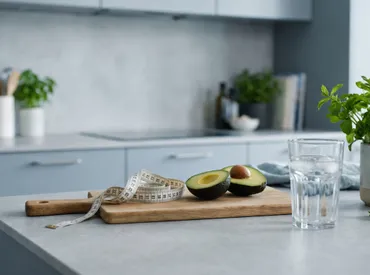
Understanding the exact nutritional profile of the foods you consume is a foundational step toward building sustainable, evidence-based dietary habits. When it comes to nutrient-dense plant foods, few have garnered as much attention as the avocado. While larger varieties dominate grocery aisles, the smaller cultivars are increasingly popular among consumers who prefer portion-controlled servings without sacrificing the rich, creamy texture that makes this fruit so versatile. Knowing the calories in a small avocado helps you make informed meal-planning decisions, whether you are tracking macros, managing metabolic conditions, or simply aiming for a more balanced approach to everyday nutrition. This comprehensive guide will break down the precise caloric composition, explore the biochemical benefits of its unique fat profile, and provide actionable strategies for incorporating this powerhouse fruit into your daily routine. By the end, you will have a clear, medically sound understanding of how this single fruit can positively impact cardiovascular health, digestive function, blood sugar stability, and long-term weight management. Let us explore the science, practical applications, and nutritional realities behind one of nature’s most misunderstood superfoods.
Understanding the Nutritional Profile of Small Avocados
Avocados are botanically classified as single-seeded berries, and their macronutrient composition sets them apart from virtually every other fruit on the market. Unlike apples, berries, or bananas, which derive most of their energy from carbohydrates, avocados are primarily composed of dietary fats, fiber, and a modest amount of natural sugars. When examining the calories in a small avocado, you are looking at a highly concentrated yet nutritionally complex food source. A typical small avocado weighs approximately 100 to 136 grams of edible flesh, depending on skin thickness and pit size. According to data from the Mayo Clinic and USDA FoodData Central, this portion size delivers roughly 150 to 180 calories. The caloric distribution is heavily weighted toward lipids, but these are not just any fats. They consist predominantly of monounsaturated fatty acids, which have been extensively studied for their cardioprotective and anti-inflammatory properties. Alongside healthy fats, a small avocado provides approximately 6 to 7 grams of dietary fiber, making it an exceptional choice for gastrointestinal health. The remaining macronutrient breakdown includes roughly 1.5 grams of protein and 1 to 2 grams of naturally occurring sugars, ensuring minimal blood glucose disruption. This unique combination explains why dietitians and clinical nutritionists frequently recommend avocados as a staple in Mediterranean, DASH, and even plant-forward dietary patterns. The synergy between fat, fiber, and micronutrients creates a food matrix that supports metabolic flexibility and sustained energy release.
Free calculatorA1C CalculatorA1C to average blood glucoseOpen the calculatorMacronutrient Breakdown: Beyond Just Fat
When people focus exclusively on fat content, they often overlook the functional roles of the other macronutrients present in a small serving. The protein in avocados, while modest at 1.5 grams, contains all nine essential amino acids, classifying it as a rare complete plant-based protein source. This makes it particularly valuable for vegetarians, vegans, and individuals seeking to diversify their amino acid intake without relying solely on legumes or animal products. The carbohydrate content, though low, is primarily structural rather than starch-based. This means the minimal sugars present do not spike insulin levels, which is crucial for individuals managing insulin resistance or type 2 diabetes. The true star of the macronutrient profile, however, remains the lipid fraction. Roughly 77 percent of the fat in a small avocado is oleic acid, an omega-9 monounsaturated fat identical to the primary fatty acid found in extra virgin olive oil. Oleic acid has been linked to improved endothelial function, reduced systemic inflammation, and enhanced lipid panel outcomes, as highlighted in NIH cardiovascular health research. The remaining fat content includes polyunsaturated fatty acids and a small percentage of saturated fats, which occur naturally in a balanced ratio that does not negatively impact cardiovascular risk markers when consumed as part of a whole-food diet. Understanding this breakdown clarifies why tracking the calories in a small avocado is less about restriction and more about strategic nutritional optimization.
Fiber Content and Digestive Implications
Dietary fiber plays a critical role in modulating digestion, regulating cholesterol absorption, and supporting a healthy gut microbiome, as detailed in CDC dietary guidelines. A single small avocado delivers nearly 30 percent of the daily fiber recommendation for most adults, primarily through a blend of soluble and insoluble varieties. Soluble fiber dissolves in water to form a gel-like substance in the gastrointestinal tract, slowing digestion, moderating blood glucose responses, and binding to bile acids to support healthy cholesterol metabolism. Insoluble fiber adds bulk to stool and promotes regular intestinal motility, reducing the risk of constipation and diverticular complications. The fiber matrix in avocados also functions as a prebiotic substrate, feeding beneficial gut bacteria such as Bifidobacteria and Lactobacillus strains. These microbes ferment the fiber into short-chain fatty acids like butyrate, which nourish colonocytes, strengthen the gut barrier, and exert systemic anti-inflammatory effects. This prebiotic synergy means that even though the calories in a small avocado are primarily lipid-derived, the net metabolic impact is highly favorable for digestive resilience and long-term gut health. Individuals integrating avocados into their diets often report improved bowel regularity, reduced bloating, and enhanced satiety signals within days of consistent consumption.
How Ripeness and Variety Affect Caloric Values
Not all avocados are nutritionally identical. Agricultural breeding, growing conditions, and cultivar genetics significantly influence water content, oil density, and ultimately, caloric distribution. Understanding these variables helps consumers select the right type for their specific dietary goals and culinary needs. While the average small avocado falls within a predictable caloric range, deviations occur based on botanical variety and harvest timing.
Hass vs. Florida Avocados
The Hass variety dominates global markets due to its extended shelf life, pebbled skin, and high oil concentration. A small Hass avocado typically contains 15 to 20 percent oil by weight, contributing to its dense, creamy texture and slightly higher caloric count per gram. In contrast, Florida avocados, often referred to as Fuerte or Zutano varieties, are larger but contain significantly less fat, averaging only 3 to 5 percent oil by weight. Their flesh is firmer, milder in flavor, and higher in water content, resulting in fewer calories per ounce. If you are specifically tracking the calories in a small avocado for weight management purposes, it is important to note that Florida cultivars generally provide a lighter alternative, though they sacrifice some of the monounsaturated fat density that makes Hass so nutritionally distinct. Both varieties offer valuable micronutrients, but the choice ultimately depends on whether you prioritize fat density for nutrient absorption or a lower-calorie, higher-water profile for hydration and volume eating strategies.
The Science of Water-to-Fat Ratio During Ripening
As avocados mature on the tree and continue to soften after harvest, their internal composition undergoes subtle biochemical shifts. Unripe avocados contain higher proportions of starches, which gradually convert into simple sugars and lipids during the ripening process. Enzymatic activity breaks down complex carbohydrates, while lipid synthesis increases to protect the developing seed. This transformation explains why a firmer avocado may taste slightly astringent, while a fully ripe specimen offers a richer, creamier mouthfeel. Importantly, this ripening phase does not dramatically alter the total caloric value. The calories in a small avocado remain relatively stable regardless of whether it is consumed at peak firmness or optimal softness. However, the perceived caloric density increases slightly because water content gradually decreases, concentrating the fat and fiber per bite. From a nutritional standpoint, this means you can enjoy avocados at any stage of ripeness without worrying about hidden calorie spikes, though selecting fully ripe fruit ensures maximum bioavailability of fat-soluble vitamins and enhanced flavor complexity for culinary applications.
Health Benefits Tied to Avocado Consumption
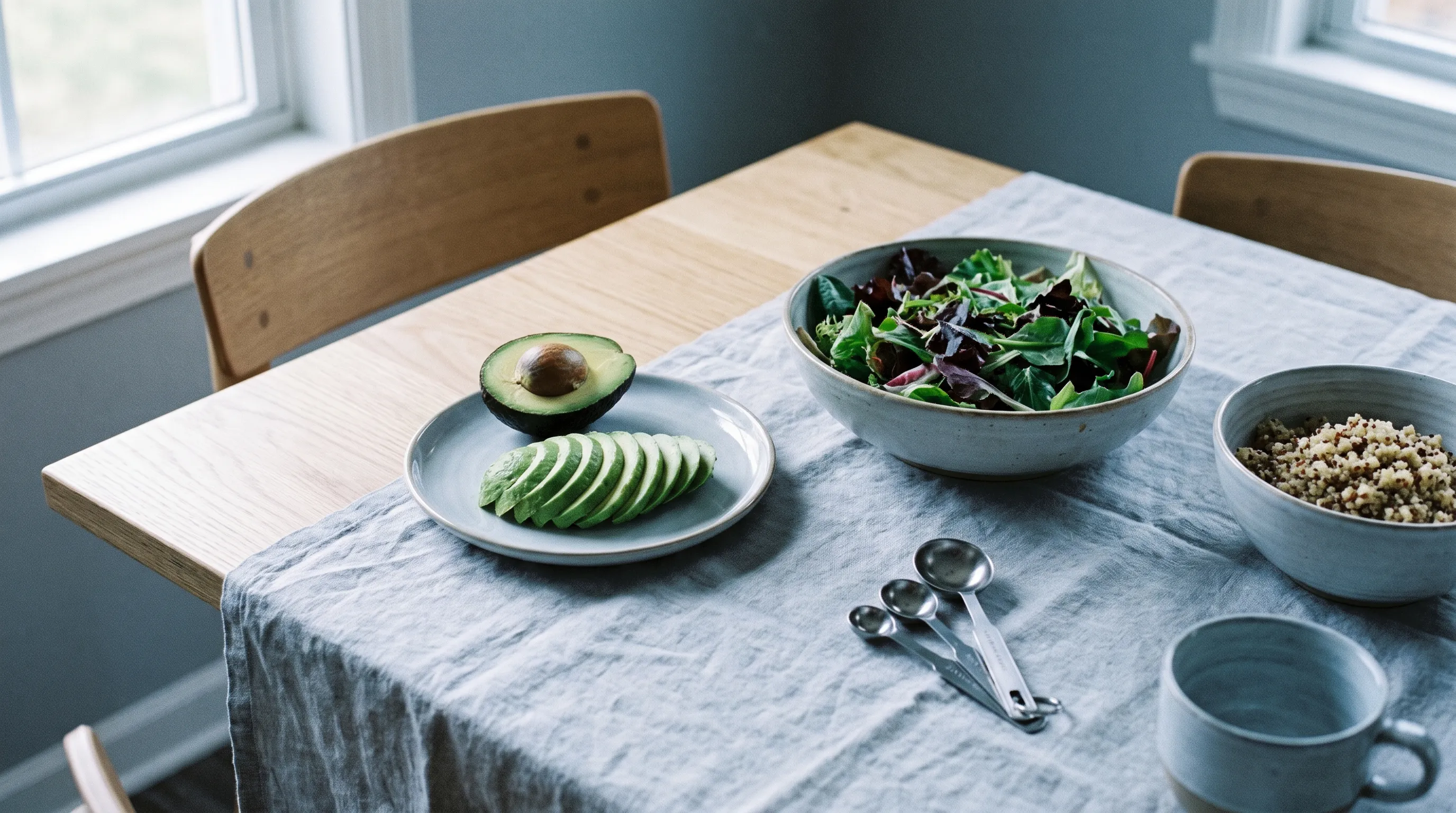
The cardiovascular and metabolic advantages of avocado consumption have been extensively documented in peer-reviewed literature. Clinical trials, observational studies, and systematic reviews consistently highlight the protective effects of regular intake, particularly when whole avocados replace refined carbohydrates or processed seed oils. These benefits extend well beyond basic macronutrient balance and delve into cellular health, inflammatory modulation, and chronic disease prevention.
Cardiovascular Support and Lipid Management
Heart disease remains the leading cause of mortality worldwide, making dietary lipid selection a critical public health priority, according to the World Health Organization. Avocados are rich in oleic acid, potassium, and beta-sitosterol, three compounds that work synergistically to support healthy arterial function. Potassium, an essential electrolyte found abundantly in small avocados, helps counteract sodium-induced fluid retention and promotes vasodilation, which can lower resting blood pressure. Beta-sitosterol, a plant sterol, competes with dietary cholesterol for absorption in the small intestine, effectively reducing LDL cholesterol levels over time. Multiple randomized controlled trials published in reputable journals such as the Journal of the American Heart Association have demonstrated that consuming half an avocado daily can improve LDL-to-HDL ratios, reduce oxidized cholesterol particles, and decrease triglyceride levels. When you account for the calories in a small avocado, you are investing in a cardioprotective lipid profile that actively supports endothelial repair and reduces systemic inflammation markers like C-reactive protein.
Blood Sugar Regulation and Metabolic Health
The modern dietary landscape often contributes to insulin resistance, non-alcoholic fatty liver disease, and metabolic syndrome. Avocados offer a natural intervention strategy through their unique combination of healthy fats, dietary fiber, and low-glycemic carbohydrates. The lipid matrix slows gastric emptying, which flattens postprandial glucose spikes and prevents rapid insulin surges. Research indicates that diets rich in monounsaturated fats improve cellular insulin sensitivity, aligning with NIH metabolic health recommendations. Additionally, the fiber content modulates gut hormone secretion, including glucagon-like peptide-1 (GLP-1), which enhances satiety and supports pancreatic beta-cell function. For individuals following low-carbohydrate, ketogenic, or diabetic-friendly protocols, understanding the calories in a small avocado provides a reliable metric for balancing energy intake while maintaining stable blood glucose levels. Regular consumption has been associated with reduced HbA1c values, improved fasting insulin markers, and lower hepatic fat accumulation in clinical populations.
Micronutrients for Skin, Hair, and Immune Function
Beyond macronutrient density, avocados are packed with vitamins and minerals that support integumentary health and immune resilience. Vitamin E, a potent fat-soluble antioxidant, protects cellular membranes from oxidative damage and supports collagen synthesis. Biotin and folate, both present in meaningful amounts, contribute to keratin production, hair follicle strength, and DNA methylation pathways. Vitamin K plays a crucial role in calcium regulation, bone matrix formation, and vascular integrity. The immune-supportive properties of avocados stem from their high concentration of glutathione, a master antioxidant that assists in phase II liver detoxification, reduces oxidative stress, and enhances leukocyte function. Together, these micronutrients create a comprehensive defense system that complements a balanced diet. When factoring in the calories in a small avocado, it becomes evident that this fruit delivers exceptional micronutrient density per kilocalorie, making it one of the most cost-effective whole foods for promoting radiance, tissue repair, and long-term immunological balance.
Practical Tips for Incorporating Small Avocados into Your Diet
Theoretical knowledge of nutritional benefits only translates to real-world results when paired with actionable implementation strategies. Many individuals struggle to integrate nutrient-dense foods consistently due to lack of planning, improper storage, or uncertainty about portion alignment with personal goals. Below are evidence-based methods for maximizing the utility of avocados in everyday meal construction.
Portion Control for Weight Management Goals
While avocados are undeniably nutritious, their caloric density requires mindful portioning, especially for individuals in a weight-loss phase. A small avocado typically represents a complete single serving, making it easier to track than larger varieties. Instead of consuming half or a full medium avocado, selecting a naturally small cultivar simplifies calorie accounting and prevents inadvertent overconsumption. Dietitians recommend pairing the fruit with high-volume, low-calorie vegetables to create a visually satisfying plate while maintaining a caloric deficit, as advised by the Cleveland Clinic. For example, spreading mashed small avocado on whole-grain toast alongside sliced tomatoes and cucumbers provides balanced macros without exceeding daily energy targets. Tracking the calories in a small avocado within a food diary or nutrition app ensures alignment with macronutrient ratios and supports sustainable progress without restrictive deprivation.
Pairing Strategies for Maximum Nutrient Absorption
Many essential vitamins, including A, D, E, and K, require dietary fat for optimal intestinal absorption. Avocados naturally serve as a bioavailability enhancer for other plant foods. Studies demonstrate that adding avocado to salads or grain bowls increases carotenoid absorption from spinach, tomatoes, and carrots by up to 15-fold. To leverage this synergistic effect, combine avocado with deeply pigmented vegetables, lean proteins, and fermented foods. A practical approach involves creating a balanced macro template: one small avocado, three to four ounces of wild-caught fish or legumes, two cups of leafy greens, and a tablespoon of extra virgin olive oil or vinegar dressing. This combination delivers complementary amino acids, essential fatty acids, and a broad spectrum of phytonutrients. Understanding the calories in a small avocado allows you to allocate fat grams strategically, ensuring you meet micronutrient targets without exceeding lipid recommendations.
Storage and Preservation Techniques to Minimize Waste
Food waste remains a significant barrier to consistent nutrient intake. Avocados are particularly vulnerable to oxidation, which causes browning and degrades polyphenol content. To extend freshness, never store cut avocados in direct oxygen exposure. Immediately apply a thin layer of citrus juice, which contains citric acid and ascorbic acid that inhibit polyphenol oxidase activity. Wrap the exposed surface tightly with cling film, ensuring no air pockets remain, or place it in an airtight glass container filled with cold water before sealing. Refrigeration slows enzymatic browning and extends shelf life to three or four days. For longer preservation, mash the avocado into a smooth paste, portion into silicone molds, and freeze. Frozen puree retains approximately 90 percent of its nutritional profile and can be thawed for smoothies, dressings, or baking. Proper storage techniques ensure you consistently capture the full nutritional benefits without inflating your grocery budget or tracking wasted calories.

Comparing Avocados to Other Dietary Fat Sources
Fat quality matters more than total fat quantity. Modern nutritional science has moved away from low-fat paradigms, recognizing that dietary lipids are essential for hormone synthesis, neural function, and cellular membrane integrity. Comparing avocados to alternative fat sources highlights why whole-food lipids outperform highly processed alternatives in nearly every metabolic metric.
| Nutrient/Fat Source | Serving Size | Calories | Saturated Fat (g) | Monounsaturated Fat (g) | Fiber (g) | Key Micronutrients |
|---|---|---|---|---|---|---|
| Small Avocado | ~100-136g | 150-180 | 2.0 | 10.0 | 6-7 | Potassium, Vit E, Folate |
| Olive Oil | 1 tbsp | 120 | 1.9 | 9.9 | 0 | Vitamin K, E |
| Butter | 1 tbsp | 100 | 7.0 | 3.0 | 0 | Vitamin A, D |
| Almond Butter | 1 tbsp | 100 | 1.0 | 6.0 | 1.5 | Magnesium, Vit E |
| Coconut Oil | 1 tbsp | 120 | 11.0 | 0.8 | 0 | Trace minerals |
Why Whole-Food Fats Outperform Processed Alternatives
The table above illustrates that while isolated oils deliver concentrated lipids, they lack fiber, water content, and the complex phytonutrient matrix found in whole avocados. The calories in a small avocado come packaged with structural fiber, which modulates digestion and slows lipid absorption, preventing rapid caloric utilization that could contribute to hepatic fat storage. In contrast, liquid oils bypass this regulatory mechanism, delivering calories more rapidly. Furthermore, avocados contain glutathione, chlorophyll, and sterols that support detoxification pathways and cellular repair, whereas refined oils often contain trace amounts of oxidation products from processing. Replacing butter or margarine with mashed avocado in baking or sandwiches not only reduces saturated fat intake but also introduces functional nutrients that actively support metabolic health. This whole-food advantage explains why clinical guidelines increasingly prioritize intact plant fats over extracted alternatives for long-term disease prevention.
Common Myths and Misconceptions About Avocado Calories
Despite decades of nutritional research, several persistent myths continue to deter individuals from incorporating avocados into their diets. These misconceptions often stem from outdated low-fat messaging, misinterpreted studies, or oversimplified macro-tracking approaches. Addressing these inaccuracies with evidence-based clarification restores confidence and encourages optimal dietary inclusion.
Debunking the High-Fat Means High-Calorie Fallacy
Many people assume that high-fat foods automatically lead to weight gain, ignoring the critical distinction between dietary context and energy balance. Avocados derive most of their energy from lipids, but these fats are highly satiating, meaning they reduce hunger hormones like ghrelin while stimulating cholecystokinin and peptide YY. This hormonal response naturally limits subsequent food intake, often creating a spontaneous caloric deficit without conscious restriction. Clinical trials demonstrate that participants consuming avocado-based meals report significantly lower hunger scores, consistent with satiety principles outlined by the Mayo Clinic. When you properly account for the calories in a small avocado within your daily macro framework, the net effect supports weight neutrality or gradual fat loss rather than accumulation. The key lies in recognizing that fat is not inherently fattening; chronic caloric surplus and refined carbohydrate overload drive adipose storage, not whole-food lipids.
Addressing Satiety and Long-Term Weight Control
Sustainability in weight management depends heavily on meal satisfaction and metabolic adaptability. Avocados excel in both categories by delivering a balanced ratio of fat, fiber, and minimal carbohydrates. This combination stabilizes blood glucose, prevents energy crashes, and extends inter-meal intervals without triggering cravings. Unlike highly processed snacks that deliver rapid dopamine spikes followed by insulin-driven hunger rebounds, avocados promote steady energy release and enhanced mental clarity. Long-term observational data from cohorts practicing Mediterranean-style eating patterns reveal that regular avocado consumers maintain healthier waist circumferences, lower visceral fat percentages, and improved metabolic flexibility over decades. Understanding the calories in a small avocado empowers you to use it strategically as a metabolic anchor in meals, ensuring that hunger regulation remains intact while nutrient density maximizes physiological repair and resilience.
Frequently Asked Questions
How many calories in a small avocado compared to a medium one?
A small avocado generally contains between 150 and 180 calories, depending on exact weight and cultivar. A medium avocado typically ranges from 230 to 250 calories. Choosing the smaller size allows for precise portion control while delivering nearly identical micronutrient benefits per gram of edible flesh.
Are the calories in a small avocado mostly from fat?
Yes, approximately 75 to 80 percent of the caloric content in a small avocado comes from dietary fats. The majority is monounsaturated oleic acid, which supports cardiovascular health, reduces systemic inflammation, and enhances lipid panel outcomes without negatively impacting metabolic markers.
Can eating a small avocado support weight loss despite the calorie count?
Absolutely. The high fiber and healthy fat content promote prolonged satiety, stabilize blood sugar, and reduce subsequent calorie intake. Multiple clinical studies confirm that incorporating avocados into a balanced diet supports sustainable fat loss and improved metabolic flexibility when consumed within individualized energy targets.
Does ripeness change the calories in a small avocado?
No, ripeness does not significantly alter total caloric values. While the water-to-fat ratio shifts slightly during maturation, the overall macro composition remains stable. Riper avocados may feel more calorie-dense due to reduced water content and softer texture, but the actual nutritional breakdown stays consistent.
How should small avocados be stored to maintain freshness?
Store unripe avocados at room temperature until they yield gently to pressure. Once ripe, refrigeration extends freshness by three to five days. For cut portions, apply lemon or lime juice, wrap tightly to exclude oxygen, and refrigerate. Freezing mashed avocado in airtight containers preserves nutritional quality for up to six months.
Conclusion
Navigating modern nutrition requires moving beyond outdated dietary dogmas and embracing evidence-based whole-food strategies. Understanding the exact nutritional profile, metabolic impact, and practical applications of this remarkable fruit empowers you to make informed, sustainable dietary choices. The calories in a small avocado represent a highly efficient investment in cellular health, cardiovascular function, and long-term metabolic resilience. By prioritizing whole-food fats, leveraging synergistic nutrient pairings, and implementing mindful portioning techniques, you can seamlessly integrate this nutrient-dense fruit into everyday meals without compromising weight management or dietary balance. Whether you are optimizing athletic recovery, supporting digestive regularity, stabilizing blood glucose, or simply seeking more satisfying meals, avocados offer a scientifically validated, culinarily versatile solution that aligns with contemporary health guidelines. Start with one small avocado per day, track how your body responds, and gradually refine your approach based on individual energy needs and wellness goals. Nutrition is highly personal, but the foundational principles of quality over quantity, synergy over isolation, and sustainability over restriction remain universally effective. With consistent application and evidence-based awareness, you can unlock the full metabolic potential of one of nature’s most remarkable gifts.
How we work
Researched and drafted with AI assistance, then reviewed by a human editor against the cited sources.
This article is general health information, not medical advice. Consult a qualified healthcare professional about your own situation.