Yellow Soles of Feet: Medical Causes, Treatments, and Prevention

Noticing unexpected changes in your skin tone can be unsettling, especially when it involves areas of the body that bear significant weight and friction. If you have recently observed a distinct yellowing beneath your feet, you are likely searching for clear, medically accurate explanations rather than alarmist speculation. Yellow soles of feet are a surprisingly common concern that spans across all age groups, from active children to older adults managing chronic conditions. While the phenomenon often stems from completely harmless lifestyle factors, it can occasionally serve as a subtle clinical indicator of underlying metabolic or dermatological shifts. Understanding the difference between benign dietary influences, mechanical skin changes, and systemic health markers is essential for peace of mind and proper self-care. In this comprehensive guide, we will explore the anatomical reasons behind foot discoloration, examine evidence-based treatment pathways, and provide actionable strategies for restoring healthy skin tone. By the end of this article, you will have a thorough understanding of why this occurs and exactly when it warrants professional medical evaluation.
Understanding Discoloration on Your Feet
The human foot is an engineering marvel, designed to absorb millions of pounds of pressure over a lifetime while adapting to uneven terrain, varying temperatures, and constant mechanical stress. To fulfill these demanding functions, the plantar skin possesses unique histological characteristics that directly influence how discoloration manifests. Recognizing these biological foundations is the first step in differentiating between normal physiological variations and genuine pathological signs.
Free calculatorWater Intake CalculatorCalculate daily water needsOpen the calculatorHow Foot Skin Differs from Other Areas
The epidermis on your soles is significantly thicker than skin found elsewhere on your body, often reaching up to 1.4 millimeters in heavily stressed areas like the heels and metatarsal heads. This thickened barrier, scientifically referred to as the stratum corneum, contains densely packed keratinocytes that continuously migrate upward and flatten into hardened corneocytes. Because this layer lacks the sebaceous glands present in most other cutaneous regions, it relies entirely on eccrine sweat glands for moisture and thermoregulation. When this hyperkeratotic layer accumulates, dead skin cells can trap environmental pigments, dietary compounds, and oxidative byproducts more readily than thinner skin. Additionally, the soles contain a unique arrangement of dermal collagen bundles that restrict elasticity but enhance shock absorption. These structural adaptations mean that any pigment deposition, whether from circulating carotenoids, fungal byproducts, or localized blood flow changes, will remain concentrated and highly visible. Understanding this specialized anatomy helps contextualize why the exact same physiological process might appear subtle on the arms but pronounced as yellow soles of feet.
When to Seek Immediate Medical Attention
While most plantar discoloration resolves with conservative care or dietary adjustments, certain red flags demand prompt clinical evaluation. Sudden onset accompanied by yellowing of the sclera (whites of the eyes), darkened urine, pale stools, or abdominal pain may indicate hepatic dysfunction requiring urgent blood work and imaging, as detailed by the Mayo Clinic. Additionally, if the discoloration is localized to one foot only, accompanied by severe swelling, warmth, throbbing pain, or an open ulcer, immediate podiatric or emergency care is warranted to rule out acute infection, peripheral arterial occlusion, or deep vein thrombosis. Patients with preexisting conditions such as uncontrolled diabetes mellitus (CDC), chronic kidney disease, or immunosuppressive therapy should never ignore new skin changes on the lower extremities, as minor alterations can rapidly progress to serious complications. Establishing clear boundaries between routine self-monitoring and professional intervention protects both skin integrity and systemic health.
Common Causes of Yellow Soles of Feet
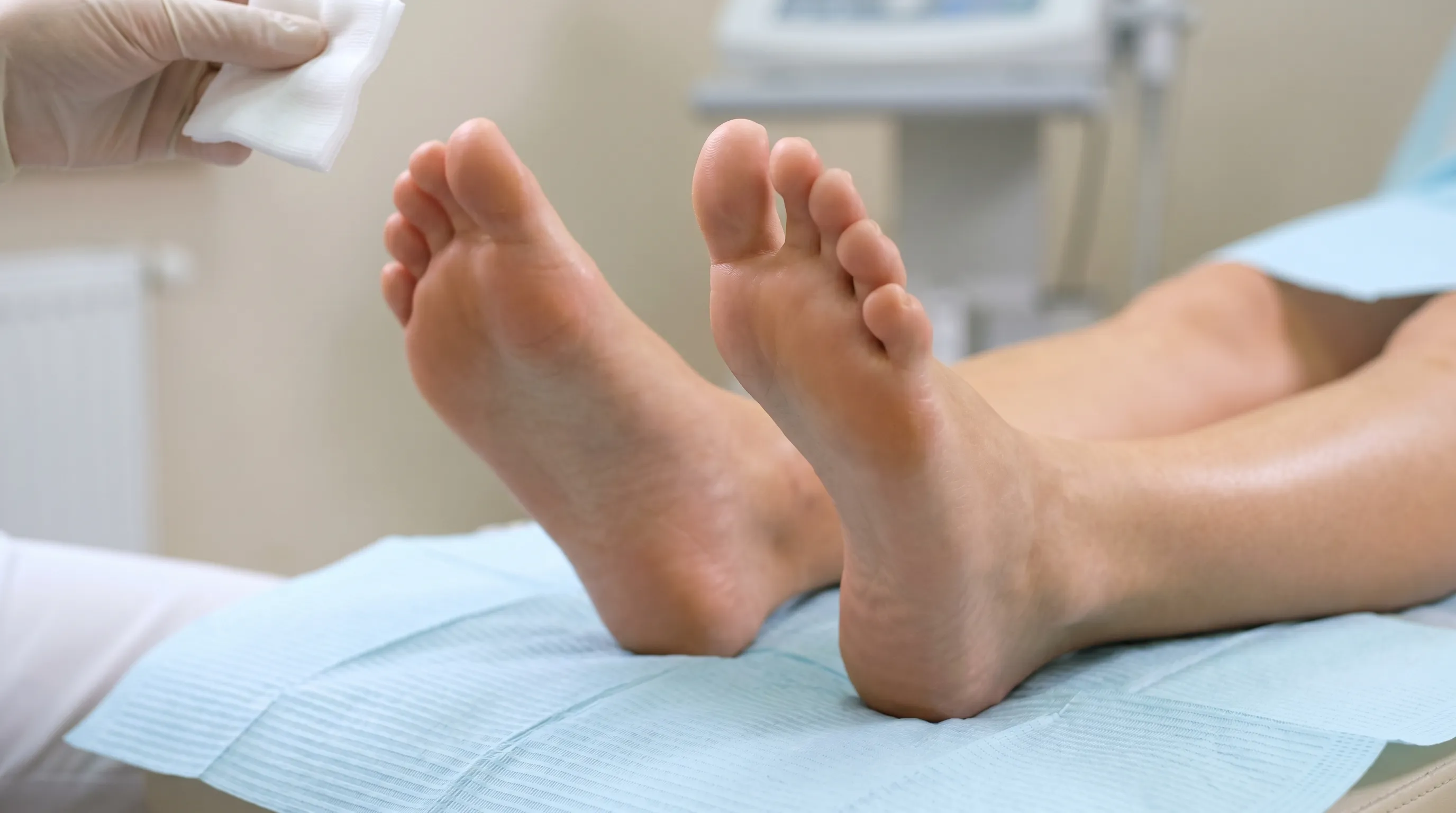
Plantar discoloration rarely occurs in isolation. Instead, it represents the visible endpoint of a complex interplay between environmental exposure, nutritional intake, biomechanical stress, and internal metabolic regulation. By categorizing these triggers into distinct etiological pathways, patients and practitioners can systematically identify the most probable drivers and implement targeted interventions.
Carotenemia and Dietary Factors
Diet-induced hyperpigmentation, clinically termed carotenemia, is one of the most frequent culprits behind yellow discoloration on pressure-bearing skin surfaces (Cleveland Clinic). Beta-carotene and related provitamin A carotenoids are lipid-soluble pigments found abundantly in carrots, pumpkin, butternut squash, mangoes, and dark leafy greens. When consumed in high quantities, these compounds accumulate in adipose tissue and the stratum corneum. Because the palms and soles possess exceptionally thick keratinized layers and reduced sebaceous secretion, they become natural reservoirs for carotenoid deposition. Unlike jaundice, carotenemia does not cause scleral yellowing, and liver function panels remain entirely within normal limits. The condition is entirely benign and typically resolves within four to twelve weeks after reducing intake of high-carotene foods. It is particularly prevalent in populations following strict vegetarian or vegan diets, individuals using carotenoid-based tanning supplements, or parents introducing pureed orange and yellow vegetables to young children. Documenting dietary habits alongside symptom onset often provides immediate clarity and eliminates unnecessary diagnostic procedures.
Calluses, Thickened Skin, and Friction
Mechanical stress plays an equally significant role in plantar discoloration. When repetitive pressure or abnormal gait patterns continuously compress specific foot regions, the epidermis responds by producing excess keratin, forming hyperkeratotic plaques commonly known as calluses (Cleveland Clinic). As these dead cell layers thicken, they undergo oxidative changes and trap environmental debris, sweat residues, and dead hemoglobin breakdown products, collectively shifting the visual tone toward a dull yellow or amber hue. Biomechanical abnormalities such as pes planus, hallux valgus, or improperly fitted footwear exacerbate localized pressure points, creating predictable discoloration patterns along the medial heel, lateral fifth metatarsal, and ball of the foot. The thickened keratin matrix lacks adequate blood flow and natural exfoliation, causing the yellow pigment to persist until mechanical debridement and chemical keratolysis restore normal epidermal turnover.
Fungal Infections and Yellow Nail Syndrome
Dermatophyte fungi, particularly Trichophyton rubrum and Epidermophyton floccosum, thrive in warm, moist environments and readily colonize the plantar surface and nail beds (CDC). Tinea pedis (athlete’s foot) frequently presents with scaling, maceration, and interdigital involvement, but chronic hyperkeratotic variants can manifest as a diffuse yellowish thickening across the sole without significant itching. Additionally, yellow nail syndrome is a rare but well-documented clinical triad encompassing slow-growing, discolored nails, lymphatic dysfunction (often presenting as lower extremity edema), and recurrent respiratory tract issues. While the exact etiology remains under investigation, genetic predispositions, immune dysregulation, and secondary fungal colonization frequently intersect to produce persistent yellow discoloration. Accurate diagnosis requires microscopic examination and culture, as antifungal therapy differs significantly from treatments for friction-induced hyperkeratosis or metabolic pigmentation.
Underlying Systemic Conditions and Metabolic Shifts
Beyond localized dermatological and dietary factors, certain systemic pathologies can manifest through plantar skin changes. Hepatic conditions that impair bilirubin conjugation and excretion typically cause widespread jaundice, but early or mild presentations may occasionally appear more pronounced in areas with thicker skin or reduced microvascular perfusion. Hypothyroidism slows epidermal turnover, leading to xerosis, coarse texture, and a sallow, yellowish undertone that becomes especially noticeable on the soles (NIH). Poorly controlled diabetes mellitus can cause peripheral neuropathy and microangiopathy, altering local oxygenation and leading to glycosylated protein accumulation that subtly shifts skin color (NIH). Chronic smoking reduces peripheral circulation and introduces thousands of oxidative compounds into the bloodstream, frequently causing yellow-stained fingertips and plantar surfaces (WHO). Even prolonged use of certain medications, including amiodarone, antimalarials, or high-dose beta-carotene supplements, can trigger drug-induced hyperpigmentation localized to friction-prone areas. A comprehensive clinical history remains indispensable for distinguishing these overlapping etiologies.
Medical Diagnosis and Testing Procedures
When conservative measures fail to resolve yellow soles of feet, or when accompanying symptoms raise clinical suspicion, a structured diagnostic pathway ensures accurate identification and safe management. Modern dermatological and podiatric evaluation integrates visual assessment, non-invasive imaging, and targeted laboratory screening.
Physical Examination and Dermatological Assessment
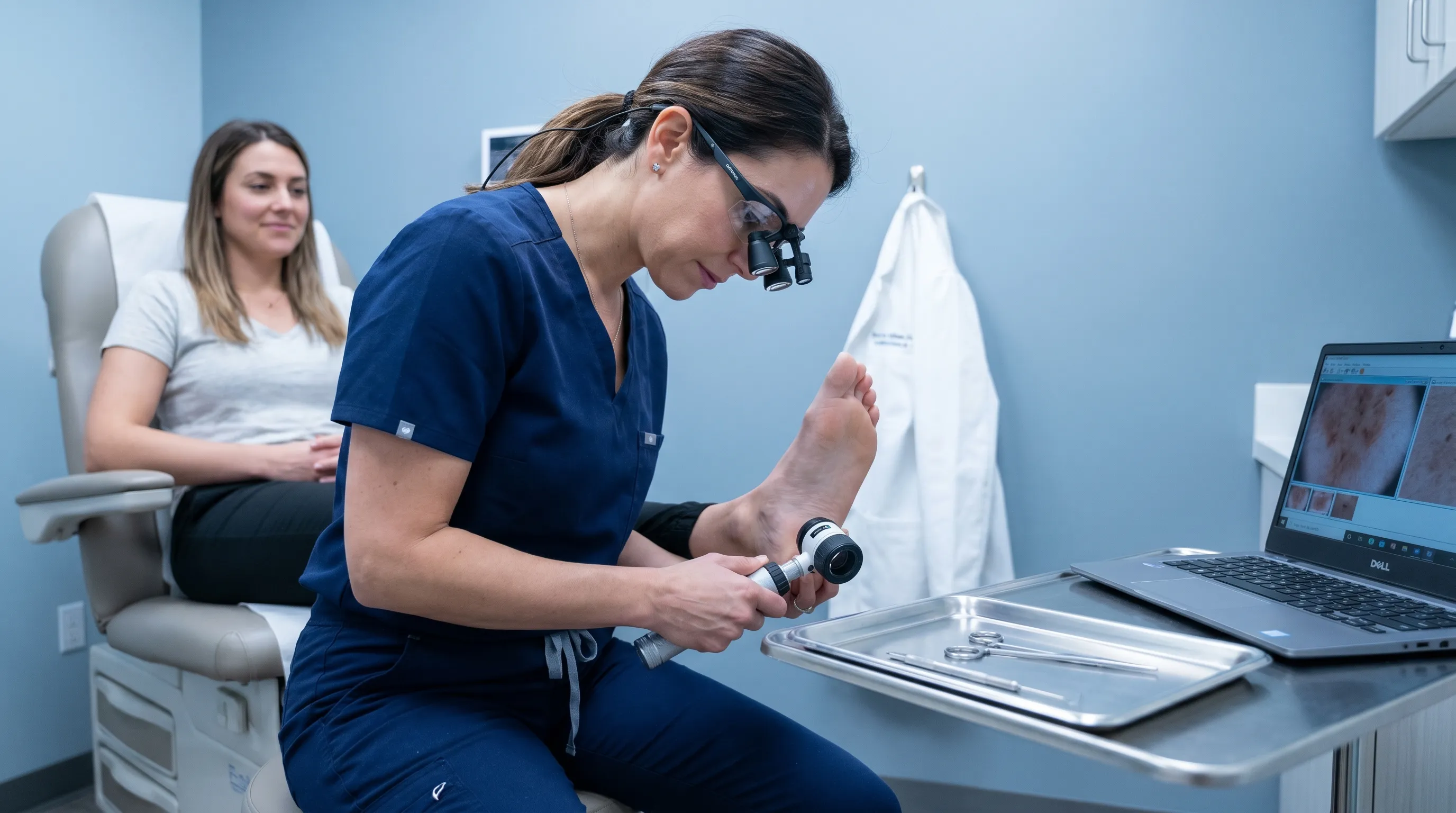
The diagnostic process begins with a thorough inspection under controlled lighting. Practitioners evaluate the distribution, symmetry, texture, and border characteristics of the discoloration. A dermatoscope magnifies superficial skin structures, allowing clinicians to distinguish between pigment deposition within the stratum corneum versus deeper dermal involvement. Gentle scraping of the affected area followed by a potassium hydroxide (KOH) preparation rapidly identifies fungal hyphae under light microscopy. A Wood’s lamp examination can detect specific bacterial or fungal metabolites that fluoresce under ultraviolet light. Gait analysis and pressure mapping identify abnormal weight distribution contributing to hyperkeratosis. If the presentation appears atypical, a shallow shave or punch biopsy provides definitive histological assessment, ruling out rare conditions like localized amyloidosis, epidermolysis bullosa, or malignant melanoma with unusual pigment patterns.
Blood Tests and Laboratory Analysis
Systemic evaluation becomes necessary when localized treatments prove ineffective or when red flag symptoms emerge. A comprehensive metabolic panel assesses liver enzymes, bilirubin fractions, and kidney function to exclude hepatic or biliary pathology (Mayo Clinic). Thyroid function tests, including TSH, free T4, and free T3, evaluate metabolic slowdowns that alter skin turnover. Serum carotene levels can be quantified if dietary carotenemia requires objective confirmation, though this is rarely necessary when history aligns with classic presentation. Inflammatory markers such as C-reactive protein and erythrocyte sedimentation rate help identify underlying autoimmune or lymphatic dysfunction. For patients with diabetes, hemoglobin A1c and fasting glucose measurements establish glycemic control, directly influencing peripheral microcirculation and skin integrity. These laboratory results guide interdisciplinary collaboration between dermatologists, podiatrists, endocrinologists, and primary care physicians, ensuring holistic management.
Evidence-Based Treatment Options
Therapeutic strategies for yellow soles of feet must align precisely with the underlying etiology. One-size-fits-all approaches frequently fail or inadvertently worsen the condition, whereas targeted interventions restore normal epidermal architecture and prevent recurrence.
Topical and Systemic Medications
For hyperkeratotic discoloration, keratolytic agents form the cornerstone of pharmacological management. Topical urea at concentrations of 10 to 25 percent effectively hydrates the stratum corneum while disrupting hydrogen bonds between dead corneocytes, promoting gentle exfoliation (Cleveland Clinic). Salicylic acid formulations at 17 to 40 percent accelerate desquamation and penetrate thick callus matrices, though they require careful application to avoid chemical burns in diabetic patients (Mayo Clinic). When fungal etiology is confirmed, topical azoles like clotrimazole or terbinafine cream applied twice daily for two to four weeks typically eradicate mild infections. Chronic or hyperkeratotic fungal involvement may necessitate oral antifungal therapy such as terbinafine or itraconazole under strict hepatic monitoring (CDC). Carotenemia requires no pharmacological intervention, as pigment clearance occurs naturally through dietary modification and normal epidermal shedding. Systemic jaundice, thyroid dysfunction, or medication-induced pigmentation demand addressing the primary pathology, after which plantar tone typically normalizes gradually.
Home Remedies and Foot Care Routines
Consistent at-home maintenance significantly accelerates recovery and prevents relapse (Mayo Clinic). Begin with a daily warm water soak containing Epsom salts and a mild surfactant to soften accumulated keratin. Limit soaking to 15 minutes to avoid maceration and barrier disruption. After patting the skin completely dry, apply a thick emollient containing ceramides, hyaluronic acid, and 15 to 20 percent urea. Wear moisture-wicking cotton or merino wool socks overnight to enhance product penetration. Twice weekly, use a sterilized pumice stone or microdermabrasion foot file, moving gently in one direction rather than sawing back and forth, which can create microtears and trigger compensatory hyperkeratosis. Incorporate antifungal foot powders or sprays into daily shoe routines, particularly after exercise or prolonged wear. Maintain a balanced diet with adequate essential fatty acids, zinc, and vitamins A, C, and E to support lipid barrier synthesis and cellular turnover.
Professional Podiatric Interventions
When over-the-counter approaches plateau, clinical debridement provides immediate mechanical relief. Podiatrists utilize sterile surgical blades to precisely remove hyperkeratotic tissue without damaging viable epidermis or dermis. This controlled exfoliation reveals the underlying skin tone and immediately reduces pressure-related discomfort. Gait retraining and custom orthotics address the biomechanical drivers of callus formation, redistributing weight away from vulnerable plantar regions. Cryotherapy, laser resurfacing, or chemical peels may be indicated for persistent, localized pigment abnormalities after thorough dermatological evaluation. Regular maintenance visits every six to eight weeks ensure continuous epidermal optimization, particularly for patients with diabetes, rheumatoid arthritis, or occupational standing requirements.
Prevention Strategies for Long-Term Foot Health
Sustained plantar health requires proactive habits that address footwear mechanics, environmental exposure, nutritional status, and daily hygiene routines. Prevention remains significantly more efficient than reactive treatment, particularly for conditions that involve chronic mechanical stress or metabolic pigmentation.
Footwear Selection and Maintenance
Proper footwear forms the foundation of plantar skin preservation. Shoes should feature a wide toe box to prevent digital compression, adequate arch support to maintain natural weight distribution, and breathable uppers that reduce internal moisture accumulation (Mayo Clinic). Avoid rigid soles that eliminate natural foot flexion, as these force excessive pressure onto specific callus-prone zones. Rotate between at least two pairs of shoes daily to allow internal liners and insoles to dry completely, disrupting fungal proliferation cycles. Replace athletic shoes every 300 to 500 miles, as compressed midsoles lose shock-absorbing capacity and redirect pressure upward into the epidermis. Choose socks with seamless toe constructions and antimicrobial fibers to minimize friction-induced hyperkeratosis and moisture retention.
Nutritional Adjustments and Hydration
Systemic hydration directly influences skin pliability, barrier function, and natural desquamation. Aim for 8 to 10 glasses of filtered water daily, increasing intake during periods of elevated physical activity or warm climates. Maintain a varied diet rich in omega-3 fatty acids, lean proteins, and colorful vegetables to support collagen synthesis and antioxidant defense mechanisms. If you consume high-carotene foods daily, consider rotating your vegetable intake to prevent chronic carotenemia, though complete elimination is unnecessary. Monitor vitamin D levels, particularly if you spend minimal time outdoors, as deficiency correlates with impaired epidermal barrier repair. Limit processed sugars and trans fats, which promote systemic inflammation and compromise microvascular circulation to the distal extremities.
Daily Hygiene and Exfoliation Practices
Establishing a consistent cleaning routine prevents debris accumulation, bacterial colonization, and keratin hardening. Wash feet thoroughly each evening using a gentle, pH-balanced cleanser, paying special attention to the interdigital spaces and plantar crevices where moisture and dead skin cells accumulate. Rinse completely and dry meticulously, including between toes, before applying any topical products. Avoid harsh alkaline soaps that strip natural lipids and trigger compensatory oil production or barrier breakdown. Implement chemical exfoliation using alpha-hydroxy acids (AHAs) like glycolic or lactic acid at 5 to 10 percent concentrations twice weekly to maintain steady cellular turnover without mechanical trauma. Apply broad-spectrum sunscreen to exposed foot surfaces during prolonged outdoor activities, as cumulative UV damage alters collagen structure and impairs natural pigment distribution.
| Cause Category | Key Symptoms | Diagnostic Approach | Primary Treatment |
|---|---|---|---|
| Dietary Carotenemia | Uniform yellow tone, no scleral involvement, recent high vegetable intake | Clinical history, dietary log, normal liver panels | Reduce carotene-rich foods, wait 4-12 weeks |
| Hyperkeratosis/Calluses | Localized thickened patches, pressure-point distribution, rough texture | Visual exam, gait analysis, pressure mapping | Keratolytics, professional debridement, orthotics |
| Fungal Infection | Peeling, scaling, itching, possible nail changes, musty odor | KOH prep, fungal culture, Wood's lamp exam | Topical or oral antifungals, moisture control |
| Systemic/Metabolic | Widespread discoloration, fatigue, weight changes, other organ symptoms | Blood panels (liver, thyroid, glucose), clinical exam | Treat underlying condition, interdisciplinary care |
Frequently Asked Questions
Are yellow soles of feet always a sign of a serious medical condition?
Not necessarily. In most cases, yellow soles of feet are completely benign and result from dietary carotenemia, thickened calluses, or minor fungal exposure. However, if the discoloration spreads, is accompanied by jaundice in the eyes or palms, or is paired with systemic symptoms like fatigue or unexplained weight loss, it warrants immediate medical evaluation to rule out liver or thyroid dysfunction.
Can diet really change the color of my foot skin?
Yes, dietary intake of carotenoid-rich foods such as carrots, sweet potatoes, squash, and certain leafy greens can temporarily deposit beta-carotene in the stratum corneum. This condition, known as carotenemia, is harmless and reversible. The thick skin on the soles often concentrates these pigments, making the yellow tone more noticeable than in thinner-skinned areas.
How do I know if my yellow foot discoloration is caused by a fungus?
Fungal infections typically present alongside other symptoms such as peeling skin, intense itching, a musty odor, or concurrent nail discoloration and thickening. A clinical potassium hydroxide (KOH) preparation or fungal culture performed by a dermatologist can definitively confirm tinea pedis or yellow nail syndrome, allowing for targeted antifungal therapy.
What is the safest way to exfoliate yellow, thickened foot skin at home?
Begin by soaking your feet in warm water with Epsom salts for 10 to 15 minutes to soften the keratinized layers. Gently use a pumice stone or foot file in one direction, avoiding aggressive scrubbing that can cause microtears. Follow with a 10 to 20 percent urea cream to dissolve dead cells and restore moisture. Repeat two to three times weekly for gradual, safe improvement.
When should I stop home treatments and see a doctor for yellow soles?
Seek professional medical advice if home care yields no improvement after four weeks, if the yellowing spreads rapidly, if you develop open sores, redness, swelling, or pain, or if you have a history of diabetes, peripheral vascular disease, or autoimmune conditions. Early evaluation prevents complications and ensures appropriate diagnostic testing.
Conclusion
Yellow soles of feet encompass a broad diagnostic spectrum ranging from completely benign dietary accumulation to indicators of underlying metabolic or infectious processes. The thick, pressure-adapted skin on the plantar surface naturally concentrates pigments, dead cells, and environmental residues, making it highly responsive to mechanical stress, nutritional habits, and microvascular changes. By understanding the distinct clinical presentations of carotenemia, hyperkeratosis, fungal colonization, and systemic pathologies, individuals can confidently implement targeted home care strategies while recognizing the precise moments that require professional intervention. Consistent footwear management, appropriate hydration, structured exfoliation routines, and evidence-based topical treatments collectively restore healthy epidermal turnover and natural skin tone. When discoloration persists, spreads, or coincides with concerning systemic symptoms, timely consultation with a dermatologist or podiatrist ensures accurate diagnosis and safe, long-term resolution. Prioritizing proactive foot health not only resolves visible concerns but also safeguards mobility, comfort, and overall physiological well-being.
How we work
Researched and drafted with AI assistance, then reviewed by a human editor against the cited sources.
This article is general health information, not medical advice. Consult a qualified healthcare professional about your own situation.