Understanding Earache with Pain in Neck: Causes, Diagnosis & Relief

Experiencing simultaneous discomfort in two highly sensitive anatomical regions can quickly disrupt daily routines, compromise restorative sleep, and trigger significant health anxiety. When you encounter an earache with pain in neck, it is rarely a coincidental occurrence; rather, it reflects a complex interplay of shared neurological pathways, interconnected lymphatic networks, and overlapping musculoskeletal structures. Medical professionals frequently observe this dual symptom pattern across all age demographics, making it a highly relevant clinical presentation in primary care, dentistry, and otolaryngology. While many cases resolve spontaneously with conservative intervention, others indicate underlying pathological conditions that require prompt diagnostic evaluation and targeted therapeutic management. Understanding the physiological connections between these regions empowers patients to recognize warning signs, implement appropriate self-care strategies, and communicate effectively with healthcare providers. Evidence-based clinical guidelines from authoritative institutions emphasize that accurate identification of the root cause is essential for effective management and long-term symptom relief. By examining the neurological, muscular, and infectious mechanisms that link these areas, this comprehensive guide provides actionable insights, medically verified treatment pathways, and clear parameters for seeking urgent professional care. Whether you are navigating mild, transient discomfort or managing persistent, debilitating symptoms, a thorough understanding of this condition will help you make informed, health-focused decisions.
The Anatomical Link Between the Ear and Cervical Region
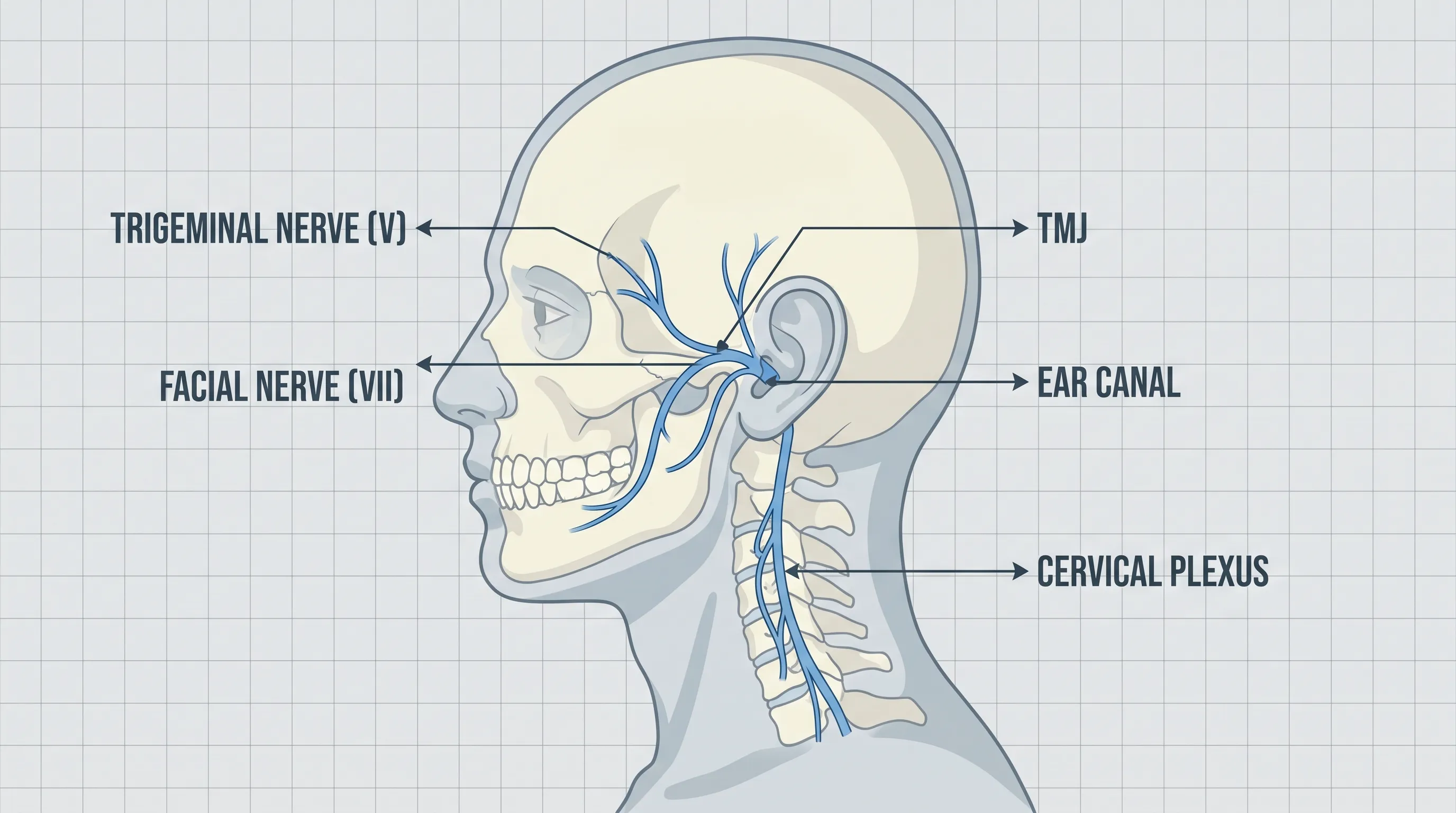
The human head and neck operate as a highly integrated structural unit, bound together by an intricate web of nerves, muscles, blood vessels, and lymphatic channels. This sophisticated biological architecture explains why localized inflammation, infection, or mechanical dysfunction in one area frequently manifests as discomfort in another. When evaluating an earache with pain in neck, clinicians must carefully consider the shared neurovascular pathways that transmit sensory signals between these regions, as the central nervous system does not always localize pain with precise anatomical accuracy.
Free calculatorBMI CalculatorCalculate Body Mass IndexOpen the calculatorShared Cranial Nerve Pathways
The sensation of pain is heavily dependent on the cranial nerve network, particularly the trigeminal nerve (CN V), glossopharyngeal nerve (CN IX), vagus nerve (CN X), and the upper cervical spinal nerves (C2 and C3). The ear canal and middle ear receive sensory innervation primarily from branches of the vagus and glossopharyngeal nerves, while the cervical region is predominantly served by the cervical plexus and spinal dorsal roots. Due to the convergence of these nerve pathways in the brainstem and spinal cord, the central nervous system occasionally misinterprets the true origin of nociceptive signals—a clinical phenomenon known as referred pain. This neuroanatomical crossover means that throat inflammation, dental pathologies, or chronic cervical muscle tension can easily project discomfort into the periauricular region, creating a dual symptom profile that significantly complicates accurate self-diagnosis.
Lymphatic Drainage and Immune Response
The lymphatic system plays a crucial role in filtering pathogens, regulating interstitial fluid, and maintaining immune surveillance throughout the head and neck. A dense network of cervical lymph nodes sits along the lateral aspects of the neck, directly beneath the mandibular border and extending inferiorly toward the clavicle. These nodes act as primary filtration centers for the ears, throat, oral cavity, nasal passages, and upper respiratory tract. During an active infection, such as a viral upper respiratory illness or bacterial pharyngitis, immune cells rapidly proliferate within these nodal structures, causing them to enlarge and become tender to palpation. This reactive lymphadenopathy directly contributes to localized neck pain, restricted range of motion, and generalized stiffness, often accompanying concurrent ear inflammation or eustachian tube blockage.
Muscular and Skeletal Interconnections
Beyond neural and lymphatic connections, the musculoskeletal framework heavily influences symptom overlap and mechanical stress distribution. The sternocleidomastoid and trapezius muscles attach near the mastoid process and occipital bone, extending down the neck and shoulders. Chronic tension, acute strain, or sustained poor posture can trigger myofascial trigger points that radiate sharp, aching discomfort into the temporal and auricular regions. Additionally, the temporomandibular joint sits in immediate proximity to the external auditory canal, separated only by a thin partition of temporal bone and fibrocartilage. Dysfunction or inflammation within the jaw joint frequently transmits mechanical stress directly into the middle and external ear structures, while simultaneously altering cervical muscle recruitment patterns to compensate for altered occlusion. Understanding these structural relationships is fundamental for clinicians evaluating an earache with pain in neck, as it broadens the differential diagnosis beyond isolated infectious processes to include biomechanical and postural etiologies.
Primary Clinical Conditions Causing Dual Symptoms
Multiple pathological processes can simultaneously affect the auricular and cervical regions. Identifying the specific underlying etiology requires careful assessment of symptom onset, duration, associated clinical features, and comprehensive patient history. The following conditions represent the most frequently diagnosed causes of combined ear and neck discomfort in evidence-based clinical practice.
Middle and Outer Ear Infections
Otitis media and otitis externa are among the most prevalent triggers of localized ear pain that can extend into the cervical region. Otitis media involves inflammation and fluid accumulation in the air-filled space behind the tympanic membrane, typically following eustachian tube dysfunction caused by acute respiratory infections, seasonal allergies, or sinus congestion. Mayo Clinic clinical data indicates that this condition is exceptionally common in pediatric populations, with approximately three out of four children experiencing at least one episode before their third birthday. As pressure builds within the middle ear cavity, patients often report a sensation of aural fullness, muffled hearing, sharp throbbing pain, and occasional fluid drainage. When the immune system mounts a localized response, adjacent cervical lymph nodes become reactive, contributing directly to neck tenderness and stiffness. Similarly, otitis externa (swimmer’s ear) involves bacterial or fungal infection of the external auditory canal epithelium, frequently triggered by prolonged moisture retention, microtrauma from cleaning tools, or dermatological conditions like eczema. NHS clinical guidelines note that outer ear infections can affect individuals across all age groups and often present with intense itching, erythema, and pain that dramatically worsens with jaw movement or neck rotation.
Temporomandibular Joint Disorders
The temporomandibular joint governs the complex biomechanical movements required for mastication, phonation, and facial expression. When the articular disk undergoes anterior displacement, ligaments become sprained, or surrounding masticatory muscles develop chronic spasms, patients frequently develop temporomandibular joint disorders. According to Mayo Clinic research, TMJ pathology is a well-documented and frequently overlooked cause of aching pain in and around the ear that directly coincides with neck pain. The anatomical proximity of the joint to the auditory structures, combined with compensatory muscle guarding in the cervical spine, creates a persistent feedback loop of tension and nociceptive signaling. Contributing risk factors include chronic bruxism (teeth grinding), degenerative or rheumatoid arthritis, previous maxillofacial trauma, psychological stress, fibromyalgia, and tobacco use. Patients often report a palpable clicking, popping, or grating sensation during chewing, alongside tension headaches that consistently radiate to the temporal and suboccipital cervical regions.
Tonsillitis and Upper Respiratory Infections
The palatine tonsils and adenoids serve as frontline immune defenders against inhaled pathogens and particulate matter. When viral or bacterial agents trigger acute tonsillitis, the resulting mucosal inflammation frequently extends to adjacent neural pathways, producing significant referred symptoms. The glossopharyngeal nerve provides sensory innervation to both the posterior oropharynx and portions of the middle ear cavity, facilitating direct pain referral. NHS clinical resources confirm that tonsillitis routinely presents with both earache and swollen, painful glands in your neck, alongside high temperature, severe sore throat, progressive dysphagia, and profound systemic fatigue. Swollen cervical lymph nodes manifest as palpable, tender masses along the lateral neck, frequently correlating with the severity of the underlying pharyngeal infection. While viral etiologies typically resolve spontaneously within seven days, bacterial streptococcal infections may require targeted antimicrobial therapy to prevent complications such as peritonsillar abscess formation, rheumatic fever, or post-streptococcal glomerulonephritis.
Mastoiditis
Mastoiditis represents a severe, potentially life-threatening complication of inadequately managed or untreated acute middle ear infections. The mastoid process contains an intricate honeycomb-like structure of air-filled bony cells that communicate directly with the middle ear cavity via the aditus ad antrum. When pathogens penetrate these osseous structures, rapid purulent inflammation and bone erosion can occur. NHS emergency clinical guidelines emphasize that mastoiditis causes significant pain and exquisite tenderness directly posterior to the auricle, accompanied by marked erythema, soft tissue swelling that may visibly push the ear forward, purulent otorrhea, persistent high fever, and progressive conductive hearing impairment. As the inflammatory cascade advances, infectious mediators and edema can spread to adjacent fascial planes and cervical musculature, producing substantial neck stiffness and discomfort. Without prompt intravenous antimicrobial administration and potential surgical drainage, mastoiditis can rapidly progress to permanent sensorineural hearing loss, meningitis, brain abscess, or sigmoid sinus thrombosis.
Sinusitis and Barometric Pressure Dynamics
The paranasal sinuses form a contiguous air-filled network surrounding the nasal cavity, orbits, and upper respiratory tract. When the mucosal lining becomes severely inflamed due to viral infection, environmental allergens, or structural nasal obstruction, sinusitis develops, obstructing normal mucociliary clearance and creating abnormal pressure gradients within the craniofacial skeleton. This altered pressure frequently transmits retrograde through the eustachian tubes, causing a persistent sensation of aural fullness, discomfort in the tympanic cavity, and tension-type headaches that can descend into the upper cervical region. NHS clinical data indicates that chronic or acute sinus pressure commonly produces a feeling of pressure in the ears and maxillary toothache, alongside facial tenderness, hyposmia, and postnasal drip. The interconnected nature of the craniofacial and cervical musculoskeletal systems means that prolonged sinus congestion often forces compensatory postural adjustments, chronically straining cervical paraspinal muscles and amplifying baseline neck discomfort.

Secondary and Contributing Factors
While primary pathological conditions account for the majority of clinical consultations, several secondary mechanisms, environmental exposures, and lifestyle factors can exacerbate or clinically mimic an earache with pain in neck. Recognizing these contributors enables more accurate self-assessment and appropriate specialist referrals when necessary.
Reactive Lymphadenopathy from Systemic Viral Illnesses
Beyond localized tonsillitis or otitis, systemic viral illnesses such as influenza, infectious mononucleosis, adenovirus, or acute bronchitis frequently trigger widespread lymphatic activation throughout the cervical chain. The immune system responds aggressively to circulating viremia, producing generalized neck stiffness, profound tenderness upon palpation, and low-grade musculoskeletal discomfort that compounds existing auricular pressure or eustachian tube dysfunction. This physiological immune response, while evolutionarily protective, can significantly prolong symptom duration, delay recovery trajectories, and increase reliance on supportive analgesics.
Dental Pathologies and Neurological Referral Patterns
Odontogenic infections, including impacted third molars, advanced periodontal disease, periapical abscesses, and deep carious lesions, can generate substantial referred pain to adjacent craniofacial structures. The dental arch shares extensive neural pathways with the auditory and cervical regions via the mandibular branch of the trigeminal nerve. A dental abscess frequently projects discomfort superiorly into the temporomandibular joint and auditory meatus, while simultaneously triggering protective cervical muscle splinting as the body attempts to stabilize the mandibular position. This secondary biomechanical adaptation frequently results in chronic neck tension, occipital headaches, and restricted cervical mobility.
Cerumen Impaction and Otitis Media with Effusion
Excessive cerumen accumulation can physically obstruct the external auditory canal, creating localized hydrostatic pressure, conductive hearing changes, and mild aural discomfort. While simple cerumen impaction rarely causes severe cervical symptoms independently, patients often develop compensatory postural habits—such as chronically tilting the head toward the unaffected side to optimize hearing or reduce pressure—that progressively strain cervical musculature and facet joints. Similarly, otitis media with effusion, commonly termed glue ear, involves persistent serous fluid retention in the middle ear cavity following acute infections or prolonged eustachian tube dysfunction. NHS clinical notes highlight that glue ear predominantly affects pediatric populations but can persist into adulthood, leading to prolonged ear fullness, subtle hearing thresholds shifts, and associated neck tension due to altered biomechanics, chronic compensatory behaviors, and ongoing low-grade immune activity.
Diagnostic Evaluation and Clinical Assessment
Accurate diagnosis of an earache with pain in neck requires a systematic, evidence-based clinical approach that integrates comprehensive patient history, targeted physical examination, and advanced diagnostic testing when clinically indicated. Primary care physicians, dentists, and otolaryngologists follow structured protocols to rapidly differentiate between infectious, musculoskeletal, neurological, and neoplastic etiologies, ensuring appropriate therapeutic intervention.
Comprehensive Clinical History and Direct Otoscopy
Clinicians begin by meticulously documenting symptom onset, temporal progression, pain characteristics, and associated systemic features. They routinely inquire about recent respiratory illnesses, aquatic recreational activities, recent dental procedures, international travel history, and maxillofacial trauma. Pneumatic otoscopic examination allows direct, magnified visualization of the external auditory canal and tympanic membrane, enabling rapid identification of canal edema, cerumen impaction, tympanic retraction, middle ear fluid levels, bullous myringitis, or perforations. Simultaneous palpation of the cervical lymph node chains, tragus, mastoid process, mandibular condyles, and sternocleidomastoid insertion sites helps localize point tenderness, assess tissue warmth, and evaluate structural integrity.
Advanced Imaging and Laboratory Investigations
When symptoms persist beyond the expected physiological resolution window or present with concerning neurological or systemic features, clinicians utilize targeted diagnostic modalities. Tympanometry quantitatively evaluates middle ear compliance and eustachian tube function, while pure-tone audiometry precisely quantifies conductive or sensorineural hearing impairment thresholds. Comprehensive blood tests, including complete blood counts with differential and acute phase reactants (CRP, ESR), help differentiate self-limiting viral processes from active bacterial invasions requiring antimicrobial intervention. In suspected cases of complicated mastoiditis, progressive TMJ degeneration, deep neck space infections, or cervical spine involvement, high-resolution computed tomography (CT) or magnetic resonance imaging (MRI) provides detailed cross-sectional views of osseous integrity, soft tissue inflammation, abscess formation, and potential intracranial extension. Flexible nasopharyngoscopy may also be employed to directly visualize posterior pharyngeal, laryngeal, and adenoidal structures, effectively ruling out obstructive pathologies, occult malignancies, or chronic mucosal disease.
Evidence-Based Medical Treatment Strategies
Clinical management protocols are strictly tailored to the confirmed underlying etiology, symptom severity, patient age, comorbidities, and local antimicrobial resistance patterns. Authoritative clinical guidelines emphasize conservative, supportive measures for self-limiting viral conditions while advocating targeted pharmacological or procedural interventions for confirmed bacterial infections, structural joint dysfunction, or life-threatening complications.
Pharmacological and Targeted Therapies
For confirmed bacterial otitis media, severe streptococcal tonsillitis, or progressive mastoiditis, clinicians prescribe guideline-directed antibiotics following regional epidemiological data. High-dose amoxicillin or amoxicillin-clavulanate remains first-line therapy for pediatric and adult middle ear infections, while targeted courses of clindamycin, cefdinir, or macrolides address refractory or penicillin-allergic cases. NHS treatment protocols recommend concurrent analgesic administration alongside antimicrobial therapy, typically utilizing scheduled paracetamol or ibuprofen to safely manage inflammation, fever, and nociceptive pain. For confirmed outer ear infections, prescription topical eardrops combining broad-spectrum antimicrobial agents and corticosteroids rapidly reduce canal edema and eradicate localized pathogens without systemic exposure. In chronic TMJ disorders, muscle relaxants, short-course NSAIDs, and occasionally low-dose tricyclic antidepressants for central pain modulation form the cornerstone of conservative pharmacological management.
Physical Rehabilitation and Multidisciplinary Care
Musculoskeletal and biomechanical contributions to an earache with pain in neck respond exceptionally well to structured physical therapy and multidisciplinary intervention. Clinicians specializing in orofacial pain and cervical rehabilitation utilize manual therapy techniques, targeted myofascial release, postural retraining, neuromuscular re-education, and progressive cervical strengthening exercises. Dental specialists frequently prescribe custom-fabricated occlusal splints or stabilization night guards to effectively mitigate parafunctional bruxism, protect dentition, and offload excessive condylar stress. In cases of refractory chronic sinusitis, otolaryngologists may recommend high-potency nasal corticosteroid sprays, daily saline irrigations, or functional endoscopic sinus surgery (FESS) to permanently restore normal mucociliary clearance and eliminate pressure-mediated otalgia.
Surgical Interventions for Recurrent or Complicated Cases
When conservative and pharmacological approaches consistently fail, or when anatomical complications threaten vital structures, surgical intervention becomes medically necessary. Tympanostomy tube insertion remains the global gold standard for recurrent acute otitis media or persistent symptomatic glue ear, effectively ventilating the middle ear cavity, preventing fluid re-accumulation, and preserving developmental auditory processing in children. Cortical mastoidectomy meticulously removes infected mastoid air cells and necrotic bone in advanced mastoiditis, preventing catastrophic intracranial spread and preserving facial nerve function. For severe TMJ degeneration unresponsive to conservative care, arthrocentesis, minimally invasive arthroscopy, or total joint reconstruction may be indicated. All surgical decisions require comprehensive multidisciplinary consultation, thorough risk-benefit analysis, radiographic confirmation, and fully informed patient consent.
Effective Self-Care and Home Management Protocols
While severe, progressive, or neurological symptoms unequivocally mandate professional medical evaluation, many mild-to-moderate inflammatory cases respond excellently to structured, evidence-based self-care protocols. Implementing targeted home management strategies can significantly reduce discomfort, accelerate tissue recovery, improve lymphatic drainage, and prevent unnecessary clinical complications.
Pain Management and Thermal Comfort Measures
Over-the-counter systemic analgesics remain the foundation of safe, effective symptomatic relief. Paracetamol and ibuprofen work synergistically to reduce localized inflammation, modulate peripheral pain pathways, and regulate febrile responses without causing significant gastrointestinal distress when dosed correctly. NHS self-care guidelines advise strictly avoiding aspirin administration in individuals under sixteen years of age due to the rare but potentially fatal risk of Reye’s syndrome. Patients should adhere meticulously to manufacturer or dosing intervals, prioritizing consistent scheduling over sporadic peak-dose frequency to maintain steady therapeutic plasma concentrations.
Applying a moist warm compress or heated therapeutic flannel to the affected auricular and cervical region for fifteen to twenty minutes, three times daily, promotes localized vasodilation, eases protective muscle guarding, and significantly improves lymphatic fluid clearance. For acute inflammatory flares, TMJ exacerbations, or recent cervical muscle spasms, alternating thermal therapy with brief cold applications (ten minutes maximum, wrapped in cloth) can further reduce acute edema, decrease nerve conduction velocity, and minimize tissue hypersensitivity.
Targeted Throat, Sinus, and Respiratory Support
When pharyngitis, tonsillitis, or viral sinusitis underlie the symptom complex, therapeutic saltwater gargling (one-half teaspoon of pure sodium chloride dissolved in eight ounces of warm distilled water) performed four to six times daily effectively reduces mucosal edema, dislodges cellular debris, and temporarily elevates local tissue osmolarity to create an inhospitable environment for bacterial proliferation. Maintaining optimal systemic hydration (two to three liters of water daily for adults, adjusted for body weight) actively supports mucociliary elevator function, thins viscous upper respiratory secretions, and prevents secondary eustachian tube obstruction. Elevating the head and upper torso by thirty to forty-five degrees during sleep utilizing an extra supportive pillow minimizes nocturnal venous pooling, reduces pressure-induced otalgia, and improves overall respiratory airflow.
Comparative Guide to Safe Self-Care Practices
| Symptom Management Strategy | Recommended Clinical Action | Contraindications / Essential Precautions |
|---|---|---|
| Systemic Analgesic Administration | Scheduled paracetamol or ibuprofen per weight/age guidelines | Avoid aspirin in patients under 16 years; monitor for hepatic/renal contraindications and hypersensitivity reactions |
| Localized Thermal Therapy | Warm compress (15–20 minutes, 3x daily) or intermittent cold pack for acute swelling | Never apply extreme heat directly to intact skin; avoid ice contact burns and frostbite |
| Throat & Sinus Clearance | Warm saline gargles, controlled steam inhalation, consistent oral hydration | Discontinue if severe gag reflex or aspiration risk occurs; avoid volatile essential oils in children or asthmatics |
| Postural & Sleep Optimization | Elevated head position, neutral cervical alignment, ergonomic workstation setup | Avoid excessively rigid pillows that force forced cervical flexion, hyperextension, or lateral deviation |
| Auricular Canal Hygiene | Keep external ears thoroughly dry during bathing; strictly avoid cotton-tipped swabs | Never insert foreign objects into the canal; immediately stop if tympanic membrane perforation or active discharge is suspected |
Warning Signs: When to Seek Immediate Medical Attention
Recognizing clinical deterioration early is absolutely critical for preventing irreversible tissue damage, systemic sepsis, or permanent neurological deficits. While most self-limiting inflammatory processes resolve within three to seven days, specific red flag symptoms indicate rapid pathogen spread, structural compromise, deep space infection, or central nervous system involvement.
Critical Clinical Indicators
Patients experiencing an earache with pain in neck should seek urgent medical evaluation if core symptoms persist beyond seventy-two hours without measurable improvement despite appropriate home care. High fever exceeding thirty-eight degrees Celsius (one hundred point four degrees Fahrenheit), profound fatigue, rigors, or systemic malaise strongly suggests active bacterial invasion or viremia. Visible postauricular swelling, localized erythema, or anterior auricular protrusion heavily indicates acute mastoiditis and requires immediate emergency department evaluation. Purulent, sanguineous, or malodorous otorrhea signals tympanic membrane perforation, necrotizing external otitis, or severe cholesteatoma. Progressive sensorineural or conductive hearing loss, persistent tinnitus, vertigo, or nystagmus warrants prompt audiological and neurological assessment. Additionally, severe odynophagia, dysphagia, drooling, trismus, or stridor indicates potential upper airway compromise from severe tonsillar hypertrophy, retropharyngeal abscess, or deep neck space infection.
Age-Specific Vulnerabilities and Clinical Considerations
Pediatric and geriatric populations exhibit significantly altered immune responses, atypical symptom presentation, and higher complication rates. Infants younger than six months with suspected auricular inflammation or cervical stiffness require immediate pediatric assessment due to rapid clinical deterioration, inability to verbalize symptoms, and immature immune defenses. MedlinePlus clinical data confirms that parental vigilance for persistent ear tugging, inconsolable crying, severely disrupted sleep patterns, balance disturbances, and refusal to feed is absolutely essential in nonverbal pediatric populations. Elderly patients frequently present with blunted or absent febrile responses, overlapping polypharmacy, and age-related degenerative joint pathology, meaning even mild auricular discomfort accompanied by new-onset cervical stiffness warrants thorough geriatric assessment to rule out occult infection, drug-induced myalgia, or cervical myelopathy.
Frequently Asked Questions
What is the most common cause of an earache with pain in neck?
The most frequent etiology is a combination of upper respiratory infection or acute middle ear inflammation that triggers reactive cervical lymphadenopathy. Viral illnesses and bacterial tonsillitis commonly stimulate both auricular pressure and swollen, tender neck glands simultaneously, creating dual discomfort that typically resolves with supportive care, hydration, and time management within three to seven days.
How can I accurately differentiate between TMJ pain and a bacterial ear infection?
TMJ-related discomfort typically exacerbates significantly during chewing, prolonged speaking, or wide mouth opening, and is frequently accompanied by palpable jaw clicking, dental attrition, morning stiffness, or temple headaches. Middle ear infections, conversely, present with internal hydrostatic pressure, purulent or clear fluid drainage, muffled hearing thresholds, and fever. However, both conditions frequently cause overlapping cervical muscle tension and lymphatic reactivity, so a comprehensive clinical examination remains necessary for definitive differentiation.
Is it clinically safe to use over-the-counter analgesic ear drops when experiencing concurrent neck pain?
OTC numbing or anti-inflammatory eardrops may provide temporary symptomatic relief for external canal epithelial inflammation, but they should absolutely never be instilled if tympanic membrane perforation is suspected, if active drainage is present, or if vestibular symptoms occur. Neck pain typically originates from lymphatic, myofascial, or structural biomechanical causes that topical eardrops cannot address systemically. Always consult a licensed healthcare provider before introducing any exogenous substances into the delicate auditory canal.
How long should a patient safely wait before scheduling a doctor visit for these symptoms?
Evidence-based clinical guidelines universally recommend seeking professional medical evaluation if an earache with pain in neck persists beyond two to three days without measurable improvement, or if rapidly accompanied by high fever, significant hearing threshold changes, severe sore throat limiting fluid intake, or visible auricular swelling. Neonates and infants under six months require immediate pediatric triage to prevent rapid clinical deterioration and sepsis.
Can chronic psychological stress or sustained poor computer posture actually cause ear and neck pain simultaneously?
Yes, prolonged psychological stress and sustained forward-head computer posture frequently trigger hyperactive myofascial trigger points in the upper trapezius, suboccipital, and masseter muscles. This sustained muscular tension compresses adjacent neurovascular bundles, restricts regional lymphatic drainage, and alters temporomandibular joint tracking, producing persistent referred discomfort in the auricular region alongside profound cervical stiffness. Targeted physical therapy, structured stress management protocols, and ergonomic workstation optimization frequently resolve these purely biomechanical symptoms effectively without pharmacological intervention.
Conclusion
Experiencing an earache with pain in neck is a clinically significant symptom complex that accurately reflects the intricate anatomical, neurological, and immunological connections between the cranial vault, cervical spine, and upper aerodigestive tract. While frequently stemming from self-limiting viral respiratory infections, reactive lymphadenopathy, postural muscle tension, or benign middle ear effusions, these overlapping symptoms can occasionally signal more serious pathological conditions such as mastoiditis, severe bacterial tonsillitis, advanced TMJ degeneration, or deep neck space infections. Adhering strictly to evidence-based self-care protocols, vigilantly recognizing critical warning signs, and seeking timely professional evaluation ensures optimal clinical outcomes and effectively prevents unnecessary complications. By integrating foundational anatomical awareness, consistent symptom tracking, and structured home management techniques, patients can navigate acute discomfort confidently while providing healthcare professionals with precise, actionable clinical data. Prioritizing prompt medical consultation for persistent, severe, or rapidly progressing presentations remains the absolute cornerstone of effective, patient-centered care. Ultimately, a proactive approach to otolaryngological and cervical health, combined with routine preventive practices, optimal sleep hygiene, and lifestyle optimization, robustly supports long-term wellness and significantly minimizes the frequency and severity of recurrent inflammatory episodes.
How we work
Researched and drafted with AI assistance, then reviewed by a human editor against the cited sources.
This article is general health information, not medical advice. Consult a qualified healthcare professional about your own situation.