Things to Avoid with Chiari Malformation: A Comprehensive Medical Guide

Living with Chiari malformation requires a highly individualized, medically informed approach to daily life, as the condition fundamentally alters craniospinal fluid dynamics and places unique demands on the brainstem and cerebellum. Understanding the specific triggers that exacerbate symptoms is not merely a precautionary measure; it is a foundational pillar of neurological symptom management, as detailed by the National Institutes of Health. Patients navigating this diagnosis frequently encounter conflicting advice from well-meaning sources, which underscores the necessity of evidence-based guidance tailored to the anatomical realities of posterior fossa crowding. When exploring things to avoid with chiari malformation, it becomes immediately apparent that the most critical factors revolve around intracranial pressure regulation, cervical spine alignment, and the careful avoidance of sudden mechanical or hemodynamic shifts. The cerebellar tonsils, when herniated through the foramen magnum, create a bottleneck that disrupts the normal pulsatile flow of cerebrospinal fluid. Even minor lifestyle habits that seem harmless to the general population can provoke severe neurological flare-ups in affected individuals. This comprehensive guide delves deeply into the physiological mechanisms behind symptom exacerbation, provides clinically validated strategies for risk mitigation, and outlines practical modifications that align with current neurosurgical consensus. By integrating peer-reviewed research, clinical observations, and patient-reported outcome data, we aim to equip individuals with the knowledge required to navigate their condition safely while preserving functional independence and quality of life.
Understanding Chiari Malformation and Why Triggers Matter
Chiari malformation represents a spectrum of structural anomalies characterized by the downward displacement of cerebellar tissue into the upper spinal canal. The most prevalent variant, Chiari type I, typically involves cerebellar tonsil herniation measuring greater than five millimeters below the foramen magnum, though clinical presentation varies dramatically regardless of imaging measurements. The pathophysiology centers on altered cerebrospinal fluid hydrodynamics, compromised neural compression, and potential secondary syringomyelia development. Understanding these mechanisms is crucial because they directly dictate which environmental, physical, and behavioral factors become problematic. Many patients incorrectly assume that all physical exertion is dangerous, while others dismiss subtle daily habits that silently elevate intracranial pressure. The medical literature consistently emphasizes that things to avoid with chiari malformation are not arbitrary restrictions; they are targeted interventions designed to prevent mechanical strain on vulnerable neural structures. When cerebrospinal fluid flow is obstructed, pressure gradients build during routine activities like coughing, bending, or even speaking loudly. This explains why seemingly minor triggers can produce debilitating headaches, vertigo, tinnitus, and muscle weakness. Neuroimaging studies demonstrate that Valsalva maneuvers generate transient spikes in intracranial pressure that can exceed baseline levels by thirty to fifty percent, placing acute stress on an already compromised craniospinal axis. Clinicians at leading neurological institutions stress that proactive trigger management reduces the frequency of symptomatic crises and delays or prevents the need for surgical intervention. The goal is not to induce fear or enforce unnecessary isolation, but to cultivate awareness of physiological responses and implement sustainable lifestyle adaptations. By recognizing how external stressors translate into internal neurological strain, patients can make informed decisions that align with their anatomical reality and long-term wellness objectives.
Free calculatorWater Intake CalculatorCalculate daily water needsOpen the calculatorThe Anatomy Behind the Condition
The posterior cranial fossa houses the cerebellum, brainstem, and cranial nerve nuclei, all of which occupy a confined bony space bounded by the occipital bone and cervical vertebrae. In Chiari malformation, this compartment is either congenitally undersized or structurally compromised, forcing neural tissue downward. The cerebellum coordinates voluntary movement, balance, and fine motor control, while the brainstem regulates autonomic functions like respiration, heart rate, and swallowing. Herniation compresses these structures and disrupts the normal circulation of cerebrospinal fluid through the fourth ventricle and into the subarachnoid space. Over time, this stagnation can lead to syrinx formation within the spinal cord, a fluid-filled cavity that causes neuropathic pain, sensory loss, and progressive motor deficits. The interplay between structural displacement and fluid dynamics means that anything altering thoracic or abdominal pressure directly impacts cranial physiology. This anatomical vulnerability explains why specific activities trigger disproportionate symptom severity. Patients must understand that the malformation itself is not inherently progressive in all cases, but unmanaged pressure fluctuations can accelerate neurological deterioration. Educational resources from the National Institute of Neurological Disorders and Stroke highlight that recognizing these structural constraints empowers individuals to avoid unnecessary strain and communicate effectively with their care teams.
How Triggers Increase Intracranial Pressure
Intracranial pressure is governed by the Monro-Kellie doctrine, which states that the cranial vault contains a fixed volume comprising brain tissue, blood, and cerebrospinal fluid. Any alteration in one component must be compensated by a reduction in the others. In Chiari malformation, this compensatory mechanism is impaired. Triggers such as heavy lifting, straining during bowel movements, or intense emotional distress increase venous return to the cranium, rapidly elevating pressure. The compromised foramen magnum cannot accommodate this surge, leading to transient but severe compression of the brainstem and cerebellum. Patients often describe these episodes as thunderclap headaches accompanied by neck rigidity, visual disturbances, and a sensation of impending syncope. Clinical studies confirm that chronic pressure fluctuations contribute to neuroinflammation and glial scarring, which may worsen baseline symptoms over time. Managing things to avoid with chiari malformation therefore centers on stabilizing these pressure dynamics through mindful breathing, postural awareness, and the strategic elimination of high-risk behaviors, as outlined by Cleveland Clinic neurology specialists. By maintaining steady hemodynamic flow and avoiding sudden mechanical stressors, individuals can significantly reduce symptom frequency and intensity.
The Valsalva Maneuver and Symptom Exacerbation
The Valsalva maneuver occurs when a person forcibly exhales against a closed airway, dramatically increasing intra-abdominal and intrathoracic pressure while simultaneously restricting venous return from the brain. This physiological response is inherent to many everyday activities, including heavy lifting, coughing fits, sneezing without support, and even intense straining during defecation. For individuals with posterior fossa crowding, each Valsalva episode acts like a temporary hydraulic shockwave against already compressed neural tissue. Research published in peer-reviewed neurosurgical journals demonstrates that repeated Valsalva-induced pressure spikes correlate with accelerated cerebellar tonsil descent and syrinx expansion. Patients are strongly advised to modify behaviors that inadvertently trigger this response. Techniques such as pursed-lip breathing during exertion, sitting on a toilet to align the anorectal angle for easier bowel movements, and bracing the neck during coughing fits can substantially mitigate risk. Understanding the Valsalva mechanism is fundamental to mastering things to avoid with chiari malformation, as it reveals how unconscious physiological reflexes directly translate into neurological symptoms. Education on breath control and ergonomic body mechanics forms the cornerstone of conservative management protocols recommended by the Mayo Clinic.
Physical Activities and Exercises to Avoid
Physical conditioning remains an essential component of overall health, yet exercise selection must be highly strategic for those managing cerebellar herniation. The musculoskeletal and neurological systems share intricate feedback loops, and inappropriate movement patterns can rapidly convert a therapeutic session into a symptom flare. High-impact dynamics, extreme cervical loading, and activities requiring sudden directional changes place unacceptable stress on the craniocervical junction. Neurologists and physical therapists specializing in Chiari care emphasize that movement is beneficial, but it must be calibrated to the individual’s structural tolerance. The goal is to preserve cardiovascular fitness, maintain muscular endurance, and support joint mobility without provoking intracranial pressure surges or cervical instability. Many patients successfully integrate modified routines that prioritize controlled breathing, neutral spinal alignment, and gradual progression. Conversely, certain conventional fitness practices should be permanently removed or drastically altered. Recognizing these boundaries prevents unnecessary setbacks and supports sustainable physical wellness. The following subsections outline specific movement categories that require caution, alongside evidence-based alternatives that protect neural integrity while promoting systemic vitality.
High-Impact Sports and Contact Activities
Running on hard surfaces, basketball, soccer, martial arts, and contact sports generate repetitive microtrauma through ground reaction forces that travel up the kinetic chain to the cervical spine and cranial base. Each foot strike transmits vibrational energy that can jostle already compressed cerebellar tissue. Additionally, sports involving sudden acceleration, deceleration, or aerial maneuvers increase the risk of accidental head or neck trauma. Even minor whiplash injuries can provoke severe symptom exacerbation due to ligamentous strain and altered cerebrospinal fluid flow. Clinical consensus strongly recommends replacing high-impact activities with low-impact cardiovascular conditioning. Swimming, elliptical training, recumbent cycling, and walking on even terrain provide excellent aerobic benefits without transmitting harmful impact forces. Patients engaging in recreational athletics should always consult a neurosurgeon or sports medicine specialist familiar with Chiari pathophysiology before participating. The emphasis on impact reduction directly aligns with established guidelines for things to avoid with chiari malformation, ensuring that fitness goals do not compromise neurological stability.
Heavy Weightlifting and Resistance Training Risks
Resistance training is highly beneficial for bone density, metabolic health, and functional strength, but conventional barbell exercises, maximal lifts, and overhead pressing protocols pose significant risks for Chiari patients. The primary concern is the involuntary breath-holding and straining that occurs during heavy efforts, which triggers the Valsalva mechanism and rapidly elevates intracranial pressure. Overhead movements additionally alter cervical lordosis and place direct compressive loads on the upper spinal column. Studies indicate that even moderate weightlifting performed with improper form can induce cerebellar tonsil oscillation, leading to transient brainstem irritation. Safer alternatives include high-repetition, low-weight resistance bands, machine-guided strength training with neutral head positioning, and isometric holds performed with continuous diaphragmatic breathing. Patients should prioritize muscular endurance over absolute strength and avoid any exercise that causes facial flushing, neck tension, or pressure headaches. Progressive overload must be monitored meticulously, with immediate cessation if neurological warning signs appear. Understanding the hemodynamic consequences of heavy lifting is essential when evaluating things to avoid with chiari malformation, as it transforms vague caution into specific, actionable training parameters.
Inversions and Extreme Yoga Poses
Yoga and flexibility training offer tremendous benefits for stress reduction and musculoskeletal mobility, yet traditional inversions like headstands, shoulder stands, handstands, and deep backbends fundamentally alter gravitational fluid distribution. When the head is positioned below the heart, venous drainage from the cranium slows while arterial inflow increases, creating a temporary pooling effect that elevates intracranial pressure. In individuals with foramen magnum obstruction, this redistribution exacerbates symptoms and may trigger immediate headache or visual disturbances. Extreme cervical extension or rotation during advanced postures can also compress vertebral arteries or stretch dural attachments at the craniospinal junction. Therapeutic modifications involve maintaining a neutral neck position, utilizing props to reduce cervical loading, and focusing on restorative, supine-based sequences. Chair yoga and gentle mobility flows preserve joint health without compromising fluid dynamics. Patients should communicate their diagnosis clearly to instructors and seek practitioners trained in neurological condition modifications. Avoiding inversions represents one of the most straightforward yet critical applications of things to avoid with chiari malformation, allowing individuals to continue benefiting from mindful movement without triggering dangerous pressure shifts.
| Activity Category | Conventional Approach | Chiari-Safe Modification | Primary Risk Mechanism |
|---|---|---|---|
| Running/Jogging | Pavement sprints, trail running | Elliptical machine, recumbent cycling, aquatic walking | Ground reaction forces, cervical microtrauma |
| Strength Training | Barbell squats, overhead presses | Machine-guided light weights, resistance bands | Valsalva pressure spikes, axial loading |
| Yoga/Stretching | Headstands, deep backbends | Supine restorative poses, chair modifications | Gravitational fluid pooling, vertebral artery compression |
| Team Sports | Basketball, soccer, rugby | Low-impact recreational walking, light racket sports | Accidental trauma, sudden directional acceleration |
Daily Habits and Postural Risks
Beyond structured exercise, countless everyday habits silently influence craniocervical alignment and cerebrospinal fluid circulation. Prolonged poor posture, static positioning, and suboptimal sleep mechanics create cumulative strain that gradually degrades neurological tolerance thresholds. The modern sedentary environment, characterized by desk work, smartphone use, and inadequate ergonomic support, disproportionately affects individuals with structural cranial vulnerabilities. Micro-trauma from sustained forward head posture stretches the suboccipital musculature, compresses the atlanto-occipital joint, and restricts normal fluid exchange. Over time, these adaptations reduce the cervical spine’s ability to absorb shock and compensate for pressure fluctuations. Addressing daily habits is not about imposing rigid lifestyle restrictions, but rather cultivating mindful awareness that aligns routine movements with anatomical realities. Small, consistent adjustments yield profound neurological benefits when applied systematically. The following subsections explore how posture, ergonomics, and sleep positioning directly impact symptom management, providing practical frameworks that transform ordinary environments into supportive therapeutic spaces.
Poor Neck Posture and Forward Head Position
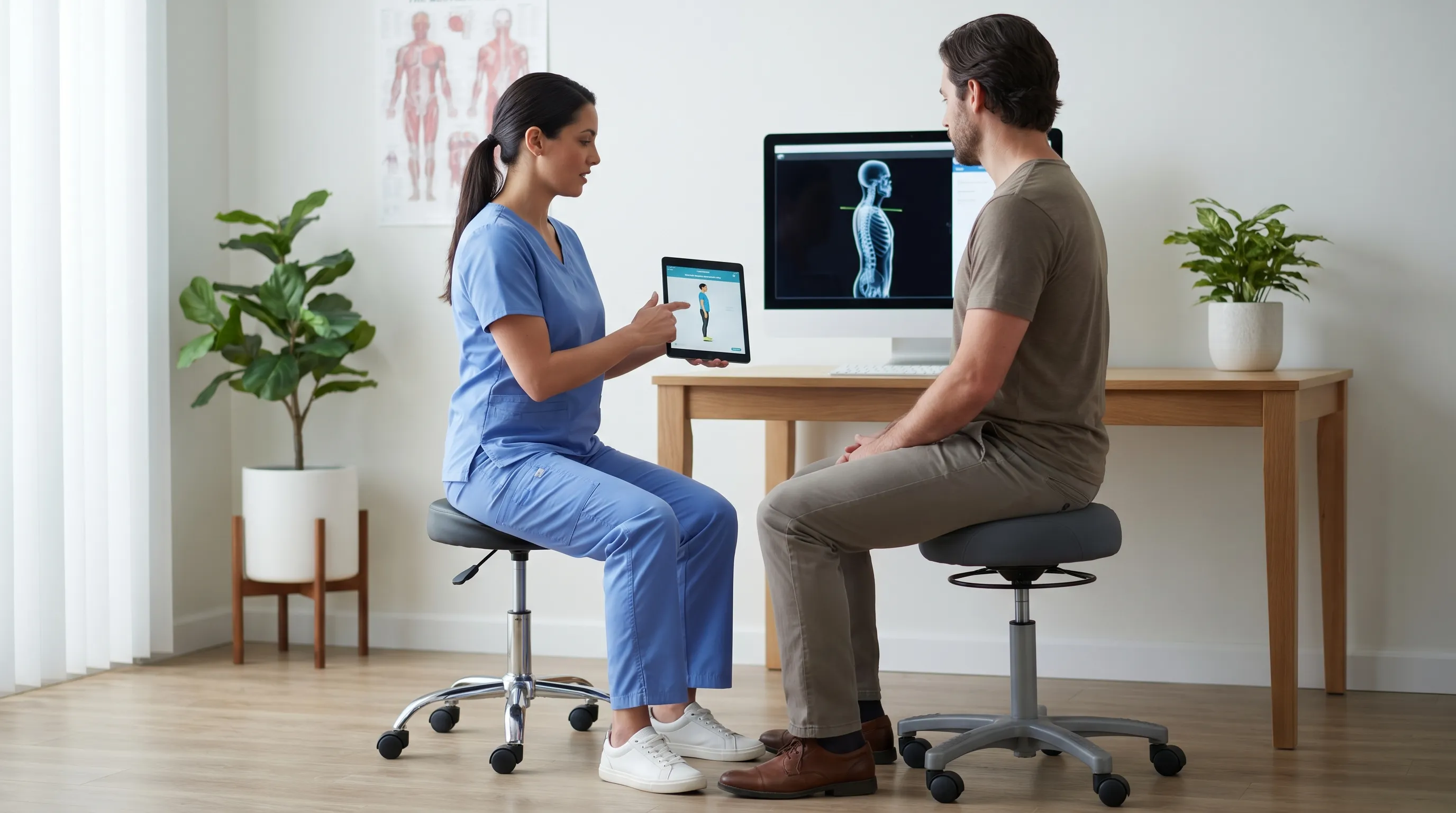
The average human head weighs approximately ten to twelve pounds, but for every inch of forward translation from its neutral alignment, the effective load on the cervical spine doubles. This phenomenon, known as forward head posture, places chronic tension on the upper trapezius, levator scapulae, and suboccipital muscles, which are directly innervated by the upper cervical nerve roots. In Chiari malformation, this muscular hypertonicity restricts dural mobility and impedes normal cerebrospinal fluid oscillation. Patients frequently report that screen-based work, reading, and phone use exacerbate baseline symptoms due to sustained cranial flexion. Corrective strategies involve raising monitors to eye level, utilizing document holders, and implementing scheduled micro-breaks to reset cervical alignment. Chin-tuck exercises, scapular retractions, and thoracic extension stretches restore muscular balance and decompress the upper spine. Occupational therapists and the CDC's ergonomic guidelines emphasize that consistent postural re-education reduces symptom frequency and enhances functional endurance. Recognizing how desk ergonomics translate into neurological strain is essential when identifying things to avoid with chiari malformation, as it transforms passive habits into actively managed health variables.
Prolonged Static Positioning and Ergonomics
Sitting or standing in a fixed position for extended periods diminishes muscular pumping action that normally assists venous and lymphatic drainage from the head and neck region. Static loading causes localized edema, reduces arterial perfusion to neural tissues, and increases stiffness in the craniocervical musculature. For Chiari patients, this stagnation amplifies pressure sensitivity and delays recovery between symptom flares. Implementing dynamic workstations, alternating between seated and standing positions, and scheduling brief mobility walks every thirty minutes significantly improves fluid circulation. Ergonomic chairs with adjustable lumbar support, monitor arms, and footrests maintain spinal neutrality without requiring constant muscular compensation. Patients should also avoid crossing legs for prolonged periods, as this restricts pelvic venous return and indirectly increases cranial venous congestion. Workplace modifications represent a highly accessible intervention that aligns seamlessly with medical management protocols. Addressing static positioning directly mitigates one of the most common environmental triggers, reinforcing the importance of proactive habit modification when evaluating things to avoid with chiari malformation.
Sleep Positions and Cervical Alignment
Sleep occupies nearly one-third of human life and serves as the primary period for neurological recovery, tissue repair, and cerebrospinal fluid clearance via the glymphatic system. However, compromised sleep mechanics can severely undermine symptom management. Sleeping with excessive cervical flexion, unsupported neck positioning, or on overly firm mattresses forces the craniocervical junction into prolonged strain. Prone sleeping requires extreme neck rotation to allow breathing, creating asymmetric ligament tension and potential vertebral artery kinking. Supine positioning generally provides the most balanced support when combined with a contoured cervical pillow that maintains the natural lordotic curve. Side sleepers should utilize thicker pillows to prevent lateral head tilt and avoid tucking the chin toward the chest. Memory foam, latex, and adjustable water-based pillows offer customizable support that adapts to anatomical variations. Patients are advised to establish consistent sleep hygiene routines, including temperature regulation, screen-free wind-down periods, and gentle evening stretching to reduce nocturnal tension. Optimizing sleep mechanics directly enhances neurological resilience and represents a cornerstone of conservative care. When considering things to avoid with chiari malformation, sleep positioning emerges as one of the most impactful daily variables under individual control, supported by NIH research on sleep and neurological health.
Dietary and Lifestyle Factors to Modify
Nutrition and hydration profoundly influence systemic inflammation, blood viscosity, and neurological excitability. While no specific diet cures Chiari malformation, targeted dietary modifications can reduce symptom burden by optimizing cerebrospinal fluid production, supporting neural membrane integrity, and minimizing inflammatory cascades that sensitize pain pathways. Dehydration, excessive caffeine, alcohol consumption, and highly processed inflammatory foods all contribute to hemodynamic instability and neurovascular reactivity. Patients often overlook the gut-brain connection, yet emerging research highlights how systemic inflammation exacerbates central nervous system hypersensitivity. Implementing a neuro-supportive nutritional framework requires consistency, patience, and collaboration with qualified dietitians familiar with neurological conditions. The following subsections explore how specific dietary patterns and lifestyle choices interact with Chiari pathophysiology, offering evidence-based strategies that complement clinical management and promote long-term symptom stability.
Inflammatory Foods and Symptom Correlation
Chronic systemic inflammation lowers the neurological pain threshold and amplifies headache intensity, muscle tension, and sensory sensitivities. Diets high in refined carbohydrates, trans fats, processed meats, and artificial additives promote endothelial dysfunction and increase circulating cytokines that cross the blood-brain barrier. In Chiari patients, this inflammatory milieu sensitizes the trigeminal nerve complex and dural receptors, transforming mild stimuli into debilitating pain episodes. Cleveland Clinic nutrition guidelines recommend emphasizing anti-inflammatory protocols rich in omega-3 fatty acids, leafy greens, cruciferous vegetables, berries, turmeric, and ginger. Elimination diets under professional supervision can identify personal food triggers that consistently provoke symptom flares. Many patients report significant improvement when reducing gluten, dairy, or nightshade consumption, though responses are highly individualized. Maintaining a food-symptom journal reveals hidden correlations and empowers patients to make informed dietary adjustments. Addressing nutritional inflammation directly supports things to avoid with chiari malformation by reducing neurovascular irritability and stabilizing baseline symptom severity.
Dehydration and Cerebrospinal Fluid Dynamics
Cerebrospinal fluid production relies heavily on optimal hydration status, with the choroid plexus requiring consistent plasma volume to maintain normal secretion rates. Chronic dehydration reduces CSF volume, increases fluid viscosity, and compromises the pulsatile clearance of metabolic waste from neural tissues. This stagnation exacerbates pressure imbalances and impairs the natural shock-absorbing properties of the cranial compartment. Patients frequently underestimate daily fluid requirements, particularly in warm climates, during illness, or when consuming diuretic beverages. Clinical recommendations suggest consuming at least two to three liters of water daily, adjusted for activity level, body weight, and individual medical needs. Electrolyte balance is equally crucial, as sodium, potassium, and magnesium regulate cellular membrane potential and vascular tone. Patients should monitor urine color, track daily intake, and consult physicians regarding personalized hydration targets, especially if managing concurrent conditions like dysautonomia. Optimizing fluid dynamics represents a simple yet profoundly effective strategy for managing things to avoid with chiari malformation, as it directly supports cerebrospinal fluid homeostasis and neurological clarity.
Alcohol, Caffeine, and Neurological Sensitivity
Alcohol and caffeine exert opposing yet equally impactful effects on cerebral vasculature and neural excitability. Alcohol acts as a vasodilator, increasing intracranial blood volume while simultaneously dehydrating tissues and impairing glymphatic clearance. Caffeine functions as a vasoconstrictor and central nervous system stimulant, which may temporarily alleviate headaches but often triggers rebound vasodilation, sleep disruption, and heightened sympathetic tone. For Chiari patients, this hemodynamic volatility creates unpredictable pressure fluctuations that destabilize symptom control. Moderation is essential, with clinical guidance generally recommending limited alcohol intake and caffeine restriction to one small serving early in the day, followed by careful symptom monitoring. Some patients thrive on complete elimination, while others tolerate moderate, strategic consumption. Tracking individual responses through structured logs reveals personal tolerance thresholds and prevents unnecessary neurological stress. Understanding the neurovascular consequences of psychoactive substances is critical when implementing things to avoid with chiari malformation, as it transforms vague dietary restrictions into precision-managed lifestyle parameters.
Medical Interventions and Medications to Discuss Carefully
Navigating healthcare requires active collaboration, yet certain medical procedures and pharmacological agents carry heightened risks for individuals with craniocervical anomalies. Spinal manipulation, specific imaging protocols, and centrally acting medications can inadvertently exacerbate symptoms or mask progressive neurological deterioration. Patients must advocate for informed consent, request Chiari-specific considerations, and ensure all treating providers understand the implications of posterior fossa crowding. The medical community increasingly recognizes that standard protocols require modification when structural vulnerabilities exist. The following subsections examine critical healthcare interactions that demand heightened awareness, providing guidance that empowers patients to participate safely in their treatment journey while minimizing iatrogenic complications.
NSAIDs, Opioids, and Central Nervous System Effects
Nonsteroidal anti-inflammatory drugs and opioid analgesics are frequently prescribed for headache and neuropathic pain management, yet their physiological effects warrant careful consideration in Chiari populations. Chronic NSAID use increases gastrointestinal bleeding risk, reduces renal perfusion, and may alter prostaglandin-mediated cerebrovascular regulation. Opioids suppress respiratory drive, cause central sedation, and frequently induce constipation, which indirectly triggers Valsalva-like straining. Both drug classes can mask progressive symptom patterns, delaying recognition of neurological deterioration. Patients should prioritize multimodal pain management strategies that include physical therapy, nerve blocks, non-opioid neuropathic agents, and lifestyle modifications. Regular medication reviews with neurologists or pain specialists prevent polypharmacy complications and ensure therapeutic goals align with neurological safety parameters. Understanding medication interactions represents a vital component when evaluating things to avoid with chiari malformation, as it safeguards against iatrogenic symptom escalation.
Spinal Manipulation and Chiropractic Concerns
High-velocity, low-amplitude cervical adjustments remain a controversial intervention for Chiari patients due to the risk of vertebral artery dissection, ligamentous injury, and acute brainstem compression. The cervical spine houses critical vascular and neural structures that are particularly vulnerable in the setting of anatomical crowding. Forceful manipulation can displace cerebellar tonsils further, disrupt dural integrity, or compromise vertebral artery flow. While some practitioners offer low-force, instrument-assisted, or soft-tissue modalities, patients must verify credentials, demand transparent safety protocols, and obtain explicit clearance from their neurosurgical team. Many neurological societies recommend avoiding aggressive cervical manipulation entirely, favoring instead neuromuscular re-education, gentle mobilization, and targeted therapeutic exercise, as strongly advised by the Mayo Clinic. Advocating for conservative, evidence-based manual therapy directly protects craniocervical stability and aligns with established medical guidance regarding things to avoid with chiari malformation.
Contrast Imaging and Iodine Reactions in Neurological Care
Magnetic resonance imaging with gadolinium contrast and computed tomography angiography utilizing iodinated contrast agents carry specific considerations for Chiari patients. While essential for surgical planning and syrinx evaluation, contrast substances can transiently alter blood-brain barrier permeability, trigger neurovascular reactivity, or exacerbate baseline sensitivity. Patients with concurrent autoimmune conditions, renal impairment, or contrast allergies face elevated complication risks. Pre-procedure hydration protocols, allergy screening, and alternative imaging sequences like time-of-flight MRI or CT perfusion reduce adverse outcomes. Open communication with radiologists regarding Chiari-specific imaging concerns ensures protocols are tailored to individual tolerance levels. Understanding contrast interactions supports safer diagnostic pathways and reinforces the importance of proactive risk assessment when identifying things to avoid with chiari malformation.
Psychological and Environmental Stressors
Neurological conditions do not exist in isolation; they interact dynamically with environmental variables and psychological states that modulate pain perception, autonomic regulation, and symptom threshold. Chronic stress elevates cortisol, increases muscle tension, and disrupts sleep architecture, all of which amplify neurological sensitivity. Environmental triggers like barometric pressure shifts, extreme temperatures, and sensory overload further destabilize an already compromised craniospinal system. Managing these external factors requires a holistic approach that integrates psychological resilience, environmental adaptation, and structured coping strategies. The following subsections explore how non-physical variables influence Chiari symptomatology, offering practical frameworks that transform passive exposure into active management.
Chronic Stress and Neurological Tension
Sustained psychological distress activates the hypothalamic-pituitary-adrenal axis, releasing catecholamines that increase cerebral blood volume, elevate intracranial pressure, and sensitize nociceptive pathways. Chiari patients frequently experience symptom flares during periods of emotional strain, financial stress, or interpersonal conflict. Mindfulness-based stress reduction, cognitive behavioral therapy, diaphragmatic breathing, and structured relaxation protocols downregulate sympathetic tone and stabilize autonomic function. Journaling, support group participation, and pacing strategies prevent burnout while preserving mental health. Recognizing the mind-body connection is essential when evaluating things to avoid with chiari malformation, as it highlights how psychological variables directly manifest as neurological symptoms, per guidance from the WHO on mental health and chronic conditions.
Weather Changes and Barometric Pressure Shifts
Atmospheric pressure fluctuations alter the pressure gradient between the external environment and the intracranial compartment. Rapid drops in barometric pressure, commonly preceding storm systems, expand intracranial air pockets and vascular spaces, temporarily elevating pressure against compressed cerebellar tissue. Patients report predictable headache patterns, increased dizziness, and muscle stiffness during transitional weather. Mitigation strategies include staying indoors during rapid pressure shifts, utilizing humidifiers, maintaining consistent hydration, and tracking meteorological data through specialized applications. Environmental awareness transforms unpredictable flares into anticipated events, allowing proactive symptom management. Addressing barometric sensitivity directly supports safer navigation of things to avoid with chiari malformation by establishing predictable response protocols.
Screen Time and Visual-Vestibular Overload
Prolonged digital device exposure strains the oculomotor system, disrupts vestibular integration, and induces cervicogenic tension. Chiari patients frequently experience photophobia, visual blurring, and motion sensitivity due to altered brainstem processing. Blue light emission, rapid scrolling, and flickering screens exacerbate sensory overload and trigger symptom escalation. Implementing the twenty-twenty-twenty rule, utilizing blue light filters, adjusting screen brightness to ambient levels, and taking scheduled screen breaks significantly reduce neural fatigue. Ergonomic workstation setup and periodic eye exercises restore visual balance and prevent vestibular-ocular mismatch. Managing sensory input directly aligns with comprehensive approaches to things to avoid with chiari malformation, ensuring daily technology use supports rather than depletes neurological reserves.
Navigating Symptom Flares and When to Seek Emergency Care
Despite meticulous trigger management, symptom flares may still occur due to illness, fatigue, or unanticipated environmental exposures. Understanding the difference between manageable symptom exacerbations and neurological emergencies is critical for patient safety. Establishing a personalized action plan reduces panic, ensures appropriate intervention timing, and prevents delayed treatment of life-threatening complications. The following subsections outline red flag recognition, crisis communication protocols, and long-term monitoring strategies that empower patients to navigate their condition with confidence.
Recognizing Red Flags
Emergency intervention is required when symptoms indicate acute brainstem compression, vertebral artery compromise, or rapid syrinx progression. Warning signs include sudden thunderclap headache, loss of consciousness, slurred speech, facial droop, unilateral weakness, difficulty breathing, severe dysphagia, or sudden vision loss. These manifestations warrant immediate emergency department evaluation, advanced neuroimaging, and neurosurgical consultation. Patients should maintain an emergency information card detailing their diagnosis, surgical history, current medications, and primary specialist contacts. Rapid recognition of red flags prevents permanent neurological injury and ensures timely life-saving care, following CDC guidelines for neurological emergency response.
Building a Personalized Action Plan
A structured flare management protocol includes rest positioning, hydration, medication administration, environmental modification, and symptom documentation. Patients should identify their primary triggers, establish safe resting postures, maintain an emergency contact list, and communicate symptom changes promptly to their care team. Regular follow-up imaging, neurological assessments, and multidisciplinary coordination ensure long-term stability. Implementing a proactive action plan directly reinforces the principles of managing things to avoid with chiari malformation, transforming reactive crisis response into strategic health stewardship.

Frequently Asked Questions
Can Chiari malformation patients safely exercise?
Yes, but exercise must be carefully selected. Low-impact activities like walking, swimming, stationary cycling, and gentle yoga are generally well-tolerated. Activities that cause Valsalva maneuvers, heavy spinal loading, or extreme neck flexion/extension should be avoided to prevent intracranial pressure spikes. Always consult a physical therapist familiar with neurological conditions before initiating a new program.
Is chiropractic spinal manipulation safe for Chiari malformation?
High-velocity neck adjustments and forceful spinal manipulation are strongly discouraged due to the risk of worsening cerebellar herniation, vertebral artery compromise, or cerebrospinal fluid flow disruption. Only low-force, neurologically trained practitioners should be consulted, and any care must be approved by a neurosurgeon familiar with craniocervical anatomy.
How does barometric pressure affect Chiari symptoms?
Sudden changes in atmospheric pressure can alter the pressure gradient between the cranial cavity and the external environment, potentially exacerbating headaches, dizziness, and neck pain. Patients are advised to stay hydrated, use pressure-regulating sleep environments, track weather-related symptom patterns, and modify activity levels during rapid transitional weather.
What sleeping position is safest for Chiari malformation?
A neutral spinal alignment is essential. Most patients benefit from supine (back) sleeping with a supportive cervical pillow that maintains the natural neck curve without elevating the head excessively. Prone (stomach) sleeping and extreme side-lying with chin-to-chest positioning should be avoided to prevent vascular compression and fluid stagnation.
When should Chiari malformation symptoms be treated as an emergency?
Immediate emergency care is required if symptoms include sudden severe headache unlike any prior, loss of consciousness, new weakness in arms or legs, difficulty swallowing, breathing irregularities, slurred speech, or rapid vision loss. These may indicate acute brainstem compression or syringomyelia progression requiring urgent neurosurgical intervention.
Conclusion
Navigating life with Chiari malformation demands a comprehensive understanding of how daily choices, environmental factors, and physiological responses interact with a structurally compromised craniospinal system. By systematically identifying and managing things to avoid with chiari malformation, patients can significantly reduce symptom frequency, preserve neurological function, and maintain a high quality of life. The integration of evidence-based posture modifications, strategic exercise selection, optimized sleep mechanics, targeted nutritional support, and proactive medical collaboration forms the foundation of sustainable symptom control. While the condition presents unique challenges, it does not mandate a life of restriction; rather, it calls for intentional adaptation and informed decision-making. Patients who embrace structured trigger management, maintain open communication with specialized healthcare providers, and prioritize neurological resilience consistently report improved functional outcomes and enhanced daily vitality. Ongoing research continues to refine conservative management protocols, offering new insights into fluid dynamics, pain modulation, and tissue healing. Ultimately, mastering the delicate balance between movement and protection empowers individuals to live actively, confidently, and safely despite the complexities of Chiari malformation. Prioritizing education, advocating for personalized care, and implementing consistent lifestyle adaptations remain the most reliable pathways to long-term neurological wellness.
How we work
Researched and drafted with AI assistance, then reviewed by a human editor against the cited sources.
This article is general health information, not medical advice. Consult a qualified healthcare professional about your own situation.