Roof of Mouth Itchy: Causes, Relief & When to See a Doctor

Experiencing a sudden, persistent tickling or irritation on your hard palate can be both distracting and uncomfortable. Whether you are trying to focus at work, enjoy a meal, or simply get through your daily routine, a roof of mouth itchy sensation can quickly disrupt your peace of mind. The oral cavity is densely packed with sensory nerves, immune cells, and delicate mucosal tissue, making it highly responsive to environmental triggers, dietary factors, and internal physiological shifts. Understanding why this specific area becomes irritated is the first step toward finding lasting relief and preventing future episodes. Medical professionals recognize that oral itching rarely occurs in isolation; it is often a visible symptom of broader allergic responses, localized infections, or lifestyle-related dryness. By exploring the underlying mechanisms, identifying common triggers, and applying targeted, evidence-based interventions, you can effectively manage this bothersome symptom while safeguarding your overall oral and systemic health. This guide will walk you through the clinical realities of palate irritation, provide actionable self-care strategies, and clarify when professional evaluation becomes necessary.
Understanding the Anatomy and Sensory Response of the Hard Palate
The roof of your mouth, medically referred to as the palate, is divided into two distinct sections: the anterior hard palate and the posterior soft palate. The hard palate consists of bone covered by a thin, tightly bound mucous membrane known as the oral epithelium. This tissue is specifically designed to withstand mechanical stress from chewing and speaking while maintaining a moist barrier against invading pathogens. Beneath this epithelial layer lies a rich network of capillaries, minor salivary glands, and sensory nerve endings that continuously relay information about temperature, texture, and chemical composition to the brain. When the mucosal lining becomes compromised, these nerve endings send exaggerated itch signals, medically termed pruritus, which the brain interprets as an uncomfortable urge to rub, swallow, or scratch the affected area.
Free calculatorWater Intake CalculatorCalculate daily water needsOpen the calculatorHow Nerve Endings Trigger Itch Sensations
Itching is fundamentally a neurophysiological response driven by specific C-fibers that release chemical messengers when stimulated. In the oral cavity, mast cells and eosinophils play a central role in mediating this process. Upon exposure to allergens, irritants, or inflammatory mediators, these immune cells degranulate and release histamine, leukotrienes, and prostaglandins. These compounds bind to H1 and H4 histamine receptors located on sensory nerves, lowering their activation threshold and amplifying the perception of itch. Unlike skin pruritus, which often leads to scratching, oral itching typically prompts frequent tongue sweeping, lip smacking, or excessive water consumption. Recognizing this neuroimmune pathway helps clarify why certain foods, temperature extremes, or airborne particles can instantly trigger a roof of mouth itchy response.
The Role of Histamine in Oral Tissues
Histamine is the primary chemical mediator responsible for localized swelling, redness, and itching in the oral mucosa. When your immune system mistakenly identifies a harmless protein as a threat, it initiates a localized IgE-mediated cascade. This response increases vascular permeability, allowing fluid to accumulate in the submucosal tissue and creating a sensation of fullness or tickling. Seasonal pollen, pet dander, mold spores, and specific fruit or vegetable proteins can all initiate this reaction. The concentration of histamine receptors varies across the oral cavity, which explains why the hard palate, lips, and underside of the tongue are frequently the first areas to react during an allergic episode. Reducing histamine activity through targeted interventions remains a cornerstone of clinical management.
Common Causes Behind a Roof of Mouth Itchy Sensation
Identifying the trigger is essential for breaking the cycle of chronic oral irritation. While the sensation may feel localized to the palate, it often reflects broader systemic or environmental exposures. Below are the most frequently documented triggers in clinical otolaryngology and allergy research.
Oral Allergy Syndrome: The Pollen-Food Connection
Oral Allergy Syndrome (OAS), also known as pollen-food allergy syndrome, affects an estimated 30 percent of adults with seasonal pollen allergies. This condition occurs when certain plant proteins structurally resemble pollen proteins, causing cross-reactivity. Common culprits include raw apples, peaches, cherries, carrots, celery, almonds, and hazelnuts. When these foods contact the hard palate, the immune system mounts a localized allergic response, resulting in immediate itching, tingling, or mild swelling. Importantly, cooking or peeling these foods often denatures the problematic proteins, significantly reducing symptoms. If you notice that a roof of mouth itchy feeling consistently appears after consuming specific raw fruits or vegetables, OAS is highly likely. The American Academy of Allergy, Asthma & Immunology recommends avoiding known trigger foods and consulting an allergist for precise component testing. Read more about Oral Allergy Syndrome
Seasonal Allergies and Postnasal Drip
Allergic rhinitis is one of the most common reasons patients report persistent oral itching. During high-pollen seasons, inhaled allergens settle in the nasal passages and sinuses, triggering chronic inflammation. The resulting mucus production often drips backward into the oropharynx, a process known as postnasal drip. This continuous flow of mucus, rich in inflammatory cytokines and histamines, coats the posterior palate and pharyngeal walls, leading to chronic irritation. Patients frequently describe this sensation as a tickle, itch, or foreign body feeling that worsens when lying down. Saline nasal irrigation, daily intranasal corticosteroids, and environmental control measures like using HEPA air purifiers are clinically proven to reduce postnasal drip and alleviate associated oral itching.
Xerostomia and Dehydration-Induced Irritation
Adequate saliva production is critical for maintaining oral mucosal integrity and neutralizing irritants. When salivary flow decreases due to dehydration, medication side effects, mouth breathing, or systemic conditions like Sjögren syndrome, the protective mucosal barrier thins. Without sufficient lubrication, mechanical friction from chewing and talking directly irritates the nerve endings, producing a persistent dry, gritty, or itchy sensation on the hard palate. Certain antihistamines, antidepressants, diuretics, and antihypertensives are notorious for reducing salivary output. Increasing daily water intake, chewing xylitol-sweetened gum, and using alcohol-free moisturizing mouth rinses can help restore mucosal hydration. The National Institutes of Health emphasizes that chronic dry mouth requires comprehensive evaluation to rule out autoimmune or pharmacological causes. Learn about dry mouth management
Thermal Burns and Mechanical Abrasion
Consuming excessively hot beverages, fried foods, or heavily spiced dishes can cause minor epithelial damage to the hard palate. Similarly, rough-textured snacks like tortilla chips or hard candies can scrape the mucosa, leading to localized inflammation. As the tissue begins the healing process, newly regenerating nerve endings become hypersensitive, often manifesting as itching rather than pain. This is a normal part of mucosal recovery and typically resolves within three to five days. Avoiding extreme temperatures, consuming soft or lukewarm foods, and practicing gentle oral hygiene can accelerate healing and prevent further irritation.
Underlying Medical Conditions That Warrant Attention
While environmental and dietary triggers are common, a persistent roof of mouth itchy sensation may also signal underlying medical conditions that require targeted intervention.
Chronic Sinusitis and Upper Respiratory Infections
Bacterial or fungal sinus infections cause prolonged inflammation and thickened mucus that continuously drains into the oral cavity. The acidic and enzymatic properties of chronic postnasal drainage can erode the protective salivary film, exposing the hard palate to irritants. Patients often report accompanying symptoms such as facial pressure, reduced sense of smell, chronic cough, and fatigue. Antibiotic therapy, targeted nasal sprays, and sinus irrigation protocols are standard treatments that directly address the inflammatory cascade and alleviate secondary oral symptoms.
Laryngopharyngeal Reflux (LPR)
Unlike typical gastroesophageal reflux disease (GERD) that primarily causes heartburn, LPR involves microscopic droplets of stomach acid traveling into the throat and oral cavity, often without classic digestive symptoms. The delicate mucosa of the palate and uvula is highly susceptible to acid-induced inflammation, leading to chronic itching, throat clearing, hoarseness, and a sensation of a lump in the throat. Dietary modifications such as avoiding late-night meals, reducing caffeine and alcohol, and elevating the head during sleep are foundational management strategies. Proton pump inhibitors (PPIs) and alginates may be prescribed under medical supervision to restore mucosal integrity. Understand LPR symptoms and management
Viral and Bacterial Infections
Certain viral infections, including the common cold, Epstein-Barr virus, and coxsackievirus, can cause transient mucosal inflammation. Bacterial infections like strep throat or oral candidiasis (yeast overgrowth) often present with white patches, redness, and intense itching or burning. Oral thrush is particularly common in individuals using inhaled corticosteroids, wearing dentures, or experiencing immunosuppression. Antifungal medications like nystatin or fluconazole, alongside strict oral hygiene, typically resolve symptoms within one to two weeks.
Nutritional Deficiencies and Oral Mucosal Changes
The health of the oral mucosa heavily depends on adequate intake of B vitamins, iron, zinc, and folate. Deficiencies in these micronutrients impair epithelial cell turnover and reduce tissue resilience, making the hard palate more susceptible to micro-injuries and inflammatory triggers. Patients with iron deficiency or vitamin B12 malabsorption often report atrophic glossitis and unexplained oral itching alongside fatigue and pale skin. A balanced diet rich in leafy greens, lean proteins, and whole grains, supplemented under clinical guidance, can restore mucosal vitality.
Diagnostic Pathways and Clinical Evaluation
When self-management fails to resolve a persistent roof of mouth itchy sensation, structured clinical evaluation becomes necessary to pinpoint the exact etiology.
Symptom Tracking and Pattern Recognition
Maintaining a detailed symptom journal is a highly effective diagnostic tool. Record the timing, duration, and intensity of itching alongside dietary intake, weather conditions, stress levels, and medication schedules. Note whether symptoms correlate with specific seasons, certain meals, or positional changes like lying flat. Patterns often emerge within two to four weeks of consistent tracking, providing clinicians with invaluable data to narrow down potential triggers.
Professional Testing and Specialist Referrals
Board-certified allergists and otolaryngologists employ targeted diagnostic protocols to confirm underlying causes. Skin prick testing and specific IgE blood tests identify precise allergen sensitivities. Nasal endoscopy allows direct visualization of sinus drainage pathways and mucosal inflammation. If reflux is suspected, a 24-hour pH monitoring study or laryngoscopy may be ordered. In complex or recurrent cases, referral to an immunologist or gastroenterologist ensures comprehensive, multidisciplinary management.
Effective Home Remedies and Immediate Relief
Implementing evidence-based self-care strategies can significantly reduce discomfort while addressing mild to moderate triggers.
Cold Compresses and Temperature Management
Applying cold stimuli to the oral cavity temporarily numbs nerve endings and constricts superficial blood vessels, reducing inflammatory mediator release. Sipping ice-cold water, sucking on ice chips, or consuming chilled, soft foods like yogurt or smoothies can provide rapid relief. Avoid sugary or acidic cold treats, as they may exacerbate mucosal irritation.
Hydration Protocols and Humidity Control
Systemic hydration directly supports salivary gland function and mucosal moisture. Aim for 64 to 80 ounces of filtered water daily, adjusting intake based on physical activity and climate. Indoor humidity levels between 40 and 60 percent prevent nocturnal mouth drying. Ultrasonic cool-mist humidifiers, placed in bedrooms, effectively maintain ambient moisture and reduce overnight irritation. Rinse your humidifier weekly to prevent microbial growth, which could otherwise introduce new irritants.
Natural Anti-Inflammatory Options
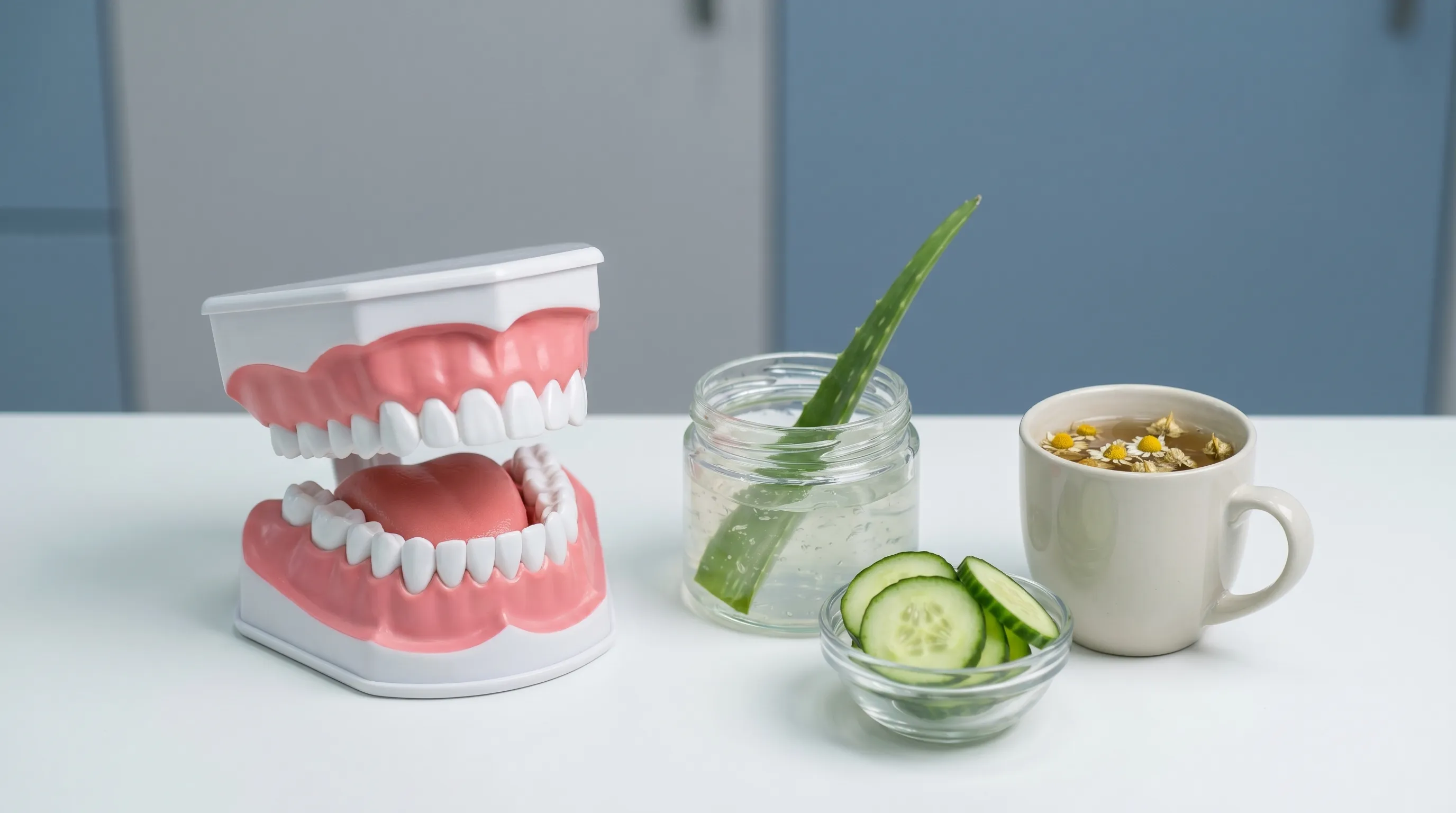
Certain botanicals demonstrate mild anti-pruritic and anti-inflammatory properties suitable for oral use. Aloe vera juice (food-grade, inner leaf) contains polysaccharides that soothe irritated epithelium and promote tissue repair. Chamomile tea, cooled to room temperature, acts as a gentle anti-inflammatory rinse due to its bisabolol and apigenin content. Honey has natural humectant and antimicrobial properties, though it should never be given to children under one year. Always verify product quality and consult a healthcare provider before incorporating supplements, especially if you are taking prescription medications.
Medical Treatments and Long-Term Management Strategies
When conservative measures prove insufficient, clinically validated pharmacological and therapeutic interventions offer targeted relief.
Over-the-Counter Antihistamines
Second-generation H1 receptor antagonists, such as cetirizine, loratadine, fexofenadine, and levocetirizine, effectively block histamine signaling without causing significant sedation. These medications typically begin working within one to two hours and maintain therapeutic effects for 24 hours. Nasal corticosteroid sprays like fluticasone propionate address underlying nasal inflammation and reduce postnasal drip, indirectly resolving palate irritation. Consistent daily use, rather than as-needed dosing, yields superior symptom control for seasonal and perennial allergies.
Prescription Allergy Medications and Immunotherapy
For severe or treatment-resistant cases, allergists may recommend sublingual immunotherapy (SLIT) or subcutaneous allergy shots. These therapies gradually expose the immune system to controlled allergen doses, inducing long-term tolerance and reducing histamine reactivity over time. Clinical trials demonstrate a 70 to 85 percent reduction in allergy symptoms after three to five years of consistent therapy. Biologic medications targeting IgE (like omalizumab) are reserved for patients with concurrent asthma or severe anaphylactic risk.
Addressing Underlying Gastrointestinal Issues
If LPR is confirmed as the primary driver, management focuses on reducing gastric acid exposure and improving esophageal clearance. Dietary modifications include eliminating trigger foods (spicy, fatty, chocolate, mint, caffeine), consuming smaller meals, and maintaining a minimum three-hour fasting period before bedtime. Pharmacological treatment typically involves a trial of proton pump inhibitors for 8 to 12 weeks. Lifestyle modifications, combined with medical therapy, achieve symptom resolution in approximately 80 percent of LPR patients within six months.
Comparison: Home Care vs. Medical Treatment for Palate Irritation
Understanding when to rely on self-care versus professional intervention ensures optimal outcomes and prevents unnecessary delays in treatment.
| Feature | Home Care & Lifestyle Modifications | Clinical & Medical Interventions |
|---|---|---|
| Primary Use Case | Mild, intermittent, or newly onset itching linked to dryness, minor dietary triggers, or seasonal fluctuations | Persistent, worsening, or severe symptoms impacting sleep, nutrition, or breathing |
| Onset of Relief | Minutes to hours (hydration, cold stimuli) to 3–7 days (routine adjustments) | Hours (antihistamines) to weeks/months (immunotherapy, PPI therapy) |
| Targeted Mechanism | Mucosal hydration, mechanical soothing, natural anti-inflammatory action | Receptor blockade, immune modulation, acid suppression, pathogen eradication |
| Cost & Accessibility | Low cost, widely available, requires consistent self-discipline | Requires clinical evaluation, potential insurance coverage, ongoing follow-ups |
| Best Suited For | Dehydration, mild OAS, temperature-induced irritation, low-level postnasal drip | Confirmed allergies, chronic sinusitis, diagnosed LPR, immunosuppression, nutritional deficits |
| Risk of Delay | Minimal if symptoms resolve within 10 days | High if underlying conditions like infections or anaphylactic risk go unaddressed |

Frequently Asked Questions
Is an itchy roof of mouth a sign of allergies?
Yes, an itchy roof of mouth is frequently associated with allergic reactions, particularly Oral Allergy Syndrome and seasonal allergic rhinitis. When pollen or food proteins trigger histamine release, the oral mucosa responds with localized itching, tingling, or mild swelling. Cross-reactive proteins in raw fruits and vegetables are common culprits, and symptoms typically appear within minutes of ingestion or exposure.
How long does a roof of mouth itchy sensation usually last?
The duration depends entirely on the underlying cause. Allergy-related itching typically resolves within hours of avoiding the trigger or taking an antihistamine. Irritation from hot foods or mild dehydration may last 24 to 48 hours as the epithelium repairs itself. Persistent symptoms beyond one to two weeks, or recurring daily itching, warrant clinical evaluation to rule out chronic conditions.
Can acid reflux cause an itchy hard palate?
Yes. Laryngopharyngeal reflux (LPR) allows microscopic stomach acid droplets to travel upward into the throat and oral cavity, irritating the sensitive mucous membranes. This can cause chronic itching, frequent throat clearing, morning hoarseness, and a persistent tickling sensation along the roof of the mouth. Unlike typical GERD, LPR often occurs without noticeable heartburn, making it a commonly overlooked trigger.
When should I seek medical care for oral itching?
Seek emergency care immediately if you experience facial swelling, difficulty breathing, wheezing, dizziness, or rapidly spreading hives, as these indicate a severe anaphylactic reaction. Schedule a non-emergency clinical visit if itching persists beyond two weeks, is accompanied by oral ulcers, white patches, bleeding, unexplained weight loss, or significantly disrupts eating, speaking, or sleeping.
Are there effective over-the-counter remedies for an itchy palate?
Yes. Oral second-generation antihistamines like cetirizine, loratadine, or fexofenadine reduce histamine-driven itching with minimal drowsiness. Alcohol-free saline nasal sprays help clear allergens and thin postnasal drip, while sugar-free moisturizing lozenges or xylitol gum stimulate saliva production. For mild thermal irritation, cool water rinses and gentle brushing provide immediate soothing. Always read medication labels and consult a pharmacist if you are managing multiple prescriptions.
Conclusion
A persistent roof of mouth itchy sensation is rarely just a minor nuisance; it is your body’s signaling system indicating localized inflammation, allergic reactivity, or mucosal compromise. By understanding the complex interplay between environmental triggers, dietary exposures, and physiological responses, you can take proactive, evidence-based steps toward lasting relief. Implementing targeted hydration protocols, identifying cross-reactive foods, managing postnasal drainage, and utilizing appropriate antihistamines form the foundation of effective self-care. However, recognizing when symptoms exceed the scope of home management is equally crucial. Chronic, severe, or worsening oral irritation should always be evaluated by qualified healthcare professionals who can conduct precise testing and prescribe targeted therapies. Prioritizing consistent oral hygiene, mindful dietary choices, and regular medical follow-ups will not only resolve current discomfort but also strengthen your mucosal defenses for the future. Your health deserves proactive attention, and addressing an itchy palate early is a straightforward yet powerful step toward optimal oral and systemic wellness.
How we work
Researched and drafted with AI assistance, then reviewed by a human editor against the cited sources.
This article is general health information, not medical advice. Consult a qualified healthcare professional about your own situation.