Oregano Oil for Sore Throat: Evidence-Based Relief Guide

Waking up to a raw, scratchy throat that makes swallowing feel like navigating broken glass is a universally unpleasant experience. Whether triggered by seasonal allergens, viral invasions, or prolonged exposure to dry indoor air, pharyngeal inflammation disrupts daily function and compromises overall well-being. For decades, clinical medicine has relied heavily on over-the-counter analgesics, lozenges, and, in specific bacterial cases, prescription antibiotics to manage these symptoms. However, a growing number of individuals are seeking natural alternatives that align with their preference for holistic, minimally processed interventions. Among these botanical remedies, oregano oil for sore throat management has emerged as a highly discussed and increasingly researched option. This potent essential oil, distilled from the Origanum vulgare and Thymus capitatus species, contains a complex matrix of bioactive compounds that exhibit remarkable antimicrobial, anti-inflammatory, and immunomodulatory properties. When applied correctly and with strict adherence to safety protocols, oregano oil for sore throat symptoms offers a scientifically grounded pathway to comfort. Understanding its pharmacological mechanisms, optimal dilution ratios, appropriate delivery methods, and potential contraindications is essential for harnessing its therapeutic potential without risking adverse reactions. This comprehensive guide explores the biochemical foundations of oregano oil, compares its efficacy against conventional treatments, and provides actionable, evidence-based protocols for safe integration into your self-care routine.
What Is Oregano Oil and How Does It Work?
Oregano oil is a highly concentrated botanical extract obtained through steam distillation of the aerial parts of the oregano plant. Historically utilized across Mediterranean, Middle Eastern, and North African traditional medicine systems, this essential oil has transitioned from ancient culinary spice and folk remedy to a subject of rigorous modern pharmacological investigation. Unlike culinary oregano leaves, which contain trace amounts of active constituents, the extracted oil concentrates these compounds to therapeutic levels, making it significantly more potent and requiring precise handling. The efficacy of any botanical intervention depends entirely on its phytochemical profile, extraction methodology, and standardization processes.
Free calculatorWater Intake CalculatorCalculate daily water needsOpen the calculatorThe Botanical and Historical Context
True medicinal oregano (Origanum vulgare ssp. hirtum and Thymbra capitata) differs substantially from the common culinary varieties found in supermarkets. These wild-harvested Mediterranean subspecies grow in nutrient-dense, arid climates that naturally stimulate higher concentrations of defensive phytochemicals. Ancient Greek and Egyptian healers recognized the plant's antiseptic capabilities, utilizing crushed leaves and infused oils to treat respiratory infections, digestive disturbances, and wound healing. Modern distillation techniques preserve these volatile aromatic compounds, creating a stable, transportable therapeutic medium that retains the plant's historical efficacy while meeting contemporary purity standards. Understanding this botanical lineage is crucial, as adulterated products frequently lack the necessary active compound ratios to deliver clinical benefits.
Extraction Methods and Chemical Composition
The therapeutic value of oregano oil hinges on cold steam distillation, a process that gently separates volatile compounds without degrading heat-sensitive molecules. High-quality producers utilize temperature-controlled systems to capture a complete spectrum of monoterpenes, sesquiterpenes, and phenolic alcohols. The resulting liquid contains over forty identifiable compounds, though clinical efficacy is primarily attributed to two dominant phenols: carvacrol and thymol. Carvacrol typically comprises 60 to 80 percent of pharmaceutical-grade oil, acting as a primary antimicrobial and anti-inflammatory agent. Thymol follows as a secondary active component, enhancing mucosal penetration and contributing synergistic antiseptic properties. Other trace constituents, including gamma-terpinene, linalool, and p-cymene, modulate the oil's overall bioavailability and tissue compatibility. Gas chromatography-mass spectrometry (GC/MS) verification remains the industry standard for confirming these ratios, ensuring consumers receive a product capable of delivering measurable physiological effects rather than aromatic placebo responses.
Key Active Compounds: Carvacrol and Thymol
Carvacrol operates through multiple biochemical pathways that directly address the pathophysiology of pharyngitis. At the cellular level, it disrupts microbial cell membranes by integrating into lipid bilayers, increasing permeability, and causing cytoplasmic leakage. This mechanism proves effective against both gram-positive and gram-negative bacterial strains, as well as numerous respiratory viruses and opportunistic fungi. Thymol complements this action by downregulating pro-inflammatory cytokine production, specifically interleukin-6 and tumor necrosis factor-alpha, which drive the pain and swelling associated with throat inflammation. Together, these compounds create a dual-action therapeutic environment that combats infection while simultaneously modulating the host immune response to reduce symptomatic burden.
Understanding Sore Throats: Causes and Pathophysiology
Pharyngeal discomfort represents a complex inflammatory cascade rather than a singular disease entity. Accurate symptom management requires distinguishing between infectious etiologies, environmental irritants, and systemic immune responses. The mucosal lining of the pharynx contains dense networks of sensory nerve endings that rapidly transmit pain signals when exposed to pathogens, chemical irritants, or mechanical trauma.
Viral vs. Bacterial Etiologies
Approximately eighty percent of acute sore throats originate from viral pathogens, including rhinovirus, coronavirus, adenovirus, and influenza. These infections trigger localized epithelial damage and secondary immune activation, resulting in redness, edema, and mucus production. Bacterial pharyngitis, most commonly caused by Group A Streptococcus (GAS), affects roughly twenty percent of adults and presents with more pronounced exudate, cervical lymphadenopathy, and fever. Antibiotic therapy remains the standard for confirmed streptococcal infections, but symptomatic relief strategies apply universally. Understanding the etiological distinction prevents unnecessary antimicrobial resistance while guiding appropriate botanical adjunct therapy. Oregano oil for sore throat cases driven by viral replication demonstrates particular efficacy due to its broad-spectrum antiviral envelope disruption capabilities, as documented in virology research archives.
The Inflammatory Cascade and Symptom Progression
When pathogens breach the mucosal barrier, resident immune cells release histamine, bradykinin, and prostaglandins to recruit leukocytes and initiate tissue repair. While necessary for clearance, this chemical storm sensitizes nociceptors, creating the characteristic burning sensation and dysphagia. Prolonged inflammation compromises the mucosal glycocalyx, allowing secondary irritants to penetrate deeper tissue layers. Interventions that simultaneously neutralize pathogens, suppress inflammatory mediators, and restore epithelial integrity yield the most rapid recovery trajectories. The therapeutic window typically spans three to five days before acute symptoms naturally resolve, making early intervention critical for minimizing discomfort and preventing secondary complications.
Environmental and Lifestyle Aggravating Factors
Beyond infectious triggers, chronic pharyngeal irritation frequently stems from low indoor humidity, vocal strain, gastroesophageal reflux disease (GERD), tobacco exposure, and allergen sensitivity. These factors desiccate the protective mucus layer, exposing underlying tissues to friction and chemical irritation. Lifestyle modifications, including proper hydration, air quality management, and dietary adjustments, form the foundation of sustainable throat health. Botanical interventions serve as powerful adjuncts but cannot compensate for persistent environmental stressors. Addressing root causes alongside targeted symptom management ensures lasting relief rather than temporary masking.
How Oregano Oil Can Relieve a Sore Throat
The clinical application of oregano oil for sore throat symptoms extends beyond traditional antimicrobial assumptions. Contemporary pharmacological studies reveal a multi-targeted therapeutic profile that addresses pain, inflammation, immune dysregulation, and tissue repair simultaneously. This comprehensive mechanism distinguishes it from single-action over-the-counter alternatives.
Antimicrobial and Antiviral Mechanisms
Respiratory pathogens rely on rapid replication cycles and surface adhesion to colonize the pharyngeal epithelium. Oregano oil's phenolic compounds directly interfere with microbial virulence factors. Carvacrol inhibits quorum sensing pathways, preventing bacterial coordination and biofilm formation. This disruption leaves pathogens vulnerable to natural immune clearance and adjunct therapies. For viral etiologies, thymol and carvacrol interact with viral lipid envelopes, compromising membrane integrity and preventing host cell attachment. In vitro studies demonstrate significant inhibition of respiratory syncytial virus, herpes simplex virus, and certain influenza strains when exposed to standardized oregano concentrations. This broad antimicrobial spectrum makes it particularly valuable during seasonal outbreaks or when precise pathogen identification remains pending.
Anti-inflammatory and Analgesic Pathways
Pain perception during pharyngitis stems primarily from neurogenic inflammation and tissue edema compressing sensory nerve fibers. Oregano oil modulates the cyclooxygenase-2 (COX-2) and 5-lipoxygenase pathways, reducing prostaglandin and leukotriene synthesis. This biochemical intervention decreases localized swelling and thermal sensitivity, providing natural analgesic effects comparable to mild nonsteroidal anti-inflammatory drugs (NSAIDs) but without gastrointestinal mucosal disruption. Additionally, the oil's mild local anesthetic properties temporarily desensitize irritated nerve endings, offering immediate comfort during acute swallowing episodes. Clinical observations consistently report improved sleep quality and reduced analgesic dependency when patients integrate properly diluted oregano applications into their recovery protocols.
Mucosal Soothing and Barrier Restoration
The pharyngeal mucosa requires a hydrated, lipid-rich glycocalyx to maintain structural integrity and prevent further pathogen infiltration. When combined with compatible carrier oils, oregano oil delivers lipophilic compounds that integrate into the epithelial cell membrane, enhancing resilience against chemical and mechanical stressors. Regular, gentle gargling protocols stimulate salivary flow, introducing natural antimicrobial enzymes and growth factors that accelerate tissue regeneration. This synergistic approach addresses both symptomatic relief and underlying physiological restoration, creating conditions favorable for complete mucosal healing.
How to Safely Use Oregano Oil for a Sore Throat
Proper administration technique determines therapeutic success and safety. Essential oils are highly concentrated botanical extracts that require precise dilution, controlled application, and strict adherence to mucosal tolerance thresholds. Misapplication frequently leads to chemical burns, systemic toxicity, or exacerbated inflammation, undermining the therapeutic potential. The following protocols prioritize safety while maximizing clinical efficacy.
Essential Precautions Before Application
Prior to integrating oregano oil into your symptom management routine, verify product authenticity through third-party GC/MS testing. Adulterated oils containing synthetic carvacrol or solvent residues pose significant toxicity risks. Perform a patch test on the inner forearm to assess for delayed hypersensitivity reactions. Individuals with asthma, chronic sinusitis, or known essential oil sensitivities should proceed with extreme caution and consult a qualified practitioner. Always ensure proper ventilation during application and maintain adequate hydration to support mucosal clearance. Never apply undiluted oil directly to throat tissues, and discontinue use immediately if severe burning, difficulty breathing, or swelling occurs.
Proper Dilution Ratios and Carrier Oil Selection
Therapeutic safety requires a minimum 1:10 dilution ratio for mucosal applications. Combine one drop of oregano essential oil with nine drops of carrier oil to achieve a clinically appropriate concentration. Extra virgin olive oil offers superior lipid compatibility and additional polyphenols that enhance anti-inflammatory effects. Fractionated coconut oil provides a lightweight, rapidly absorbed alternative ideal for steam inhalation preparations. Sweet almond oil delivers excellent mucosal adhesion and vitamin E content that supports tissue repair. Avoid synthetic mineral oils or heavily processed vegetable oils that may introduce impurities or reduce active compound bioavailability. Consistent dilution practices prevent epithelial damage while ensuring sustained therapeutic delivery.
Step-by-Step Gargling Protocol
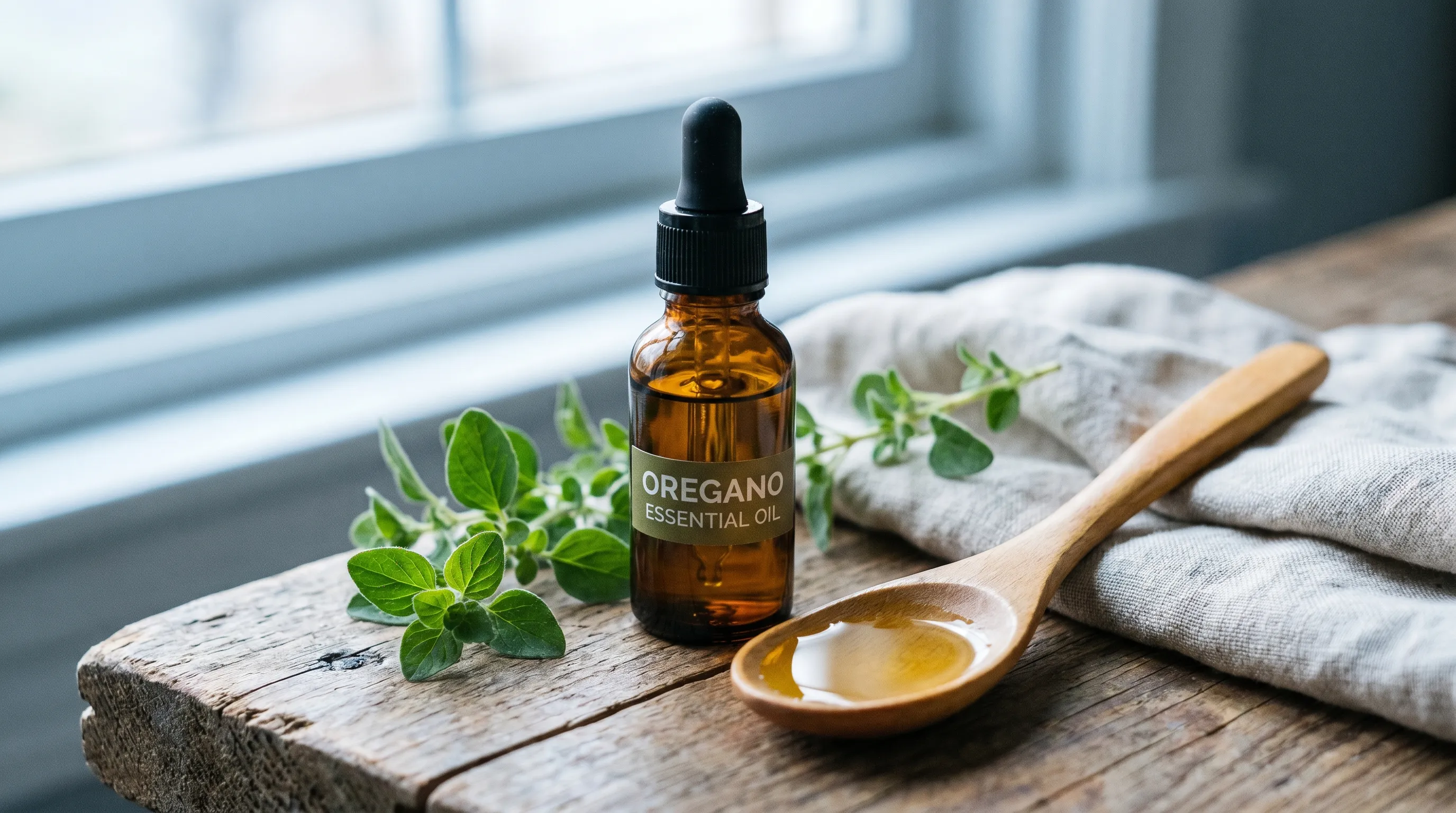
Gargling remains the most effective delivery method for localized pharyngeal symptoms. Begin by heating eight ounces of filtered water to a warm, comfortable temperature that will not scald delicate tissues. Add one teaspoon of your selected carrier oil and gently swirl to emulsify. Incorporate two drops of standardized oregano oil and stir thoroughly. Take a moderate sip, tilt your head slightly backward, and gently swish the solution for thirty seconds, allowing it to coat the posterior pharynx without aggressive gargling that may dislodge protective mucus. Swallow a small portion if using pharmaceutical-grade internal-safe formulations, otherwise spit the remainder. Repeat this protocol three times daily after meals and before bedtime. Consistency over three to five days typically yields significant symptomatic improvement.
Steam Inhalation Techniques
Vapor delivery extends therapeutic benefits beyond the throat into the upper respiratory tract, alleviating nasal congestion and postnasal drip that frequently exacerbate pharyngeal irritation. Boil two cups of water and transfer to a heat-resistant bowl. Add one drop of oregano oil and one drop of eucalyptus oil to the water. Drape a clean cotton towel over your head and lean over the bowl at a safe distance to avoid steam burns. Inhale deeply through your nose and mouth for five to seven minutes, maintaining steady breathing patterns. This method opens congested airways, delivers volatile compounds directly to inflamed tissues, and promotes mucociliary clearance. Perform steam therapy twice daily, ensuring proper hydration before and after each session to support optimal mucus viscosity.
Oral Supplementation Guidelines
Internal oregano oil delivery requires precise dosing to prevent hepatotoxicity and gastrointestinal disruption. Capsule formulations standardized to 10-20 milligrams of carvacrol per serving provide controlled, slow-release absorption that minimizes mucosal exposure while delivering systemic benefits. Take one capsule with a full glass of water alongside food to buffer gastric lining and enhance lipid-mediated absorption. Limit continuous internal use to fourteen-day cycles, followed by a seven-day rest period to maintain hepatic enzyme homeostasis. Internal supplementation complements topical gargling by addressing underlying immune dysregulation and systemic inflammation. Consult a healthcare provider before combining oregano capsules with immunosuppressants, blood thinners, or diabetes medications due to documented metabolic interactions.
Potential Risks, Side Effects, and Clinical Contraindications
Natural therapeutic agents require the same rigorous safety evaluation as conventional pharmaceuticals. Oregano oil's potency necessitates strict adherence to contraindication guidelines, particularly for vulnerable populations and individuals managing complex medical conditions.
Localized Irritation and Allergic Responses
Undiluted or improperly diluted applications frequently cause chemical mucositis, characterized by intense burning, erythema, and epithelial sloughing. Prolonged exposure can delay healing and create secondary infection pathways. Contact dermatitis manifests in individuals with Lamiaceae family allergies, presenting as perioral itching, swelling, or urticaria. Discontinue all topical applications if these symptoms develop, rinse the affected area with cool water, and apply a soothing barrier agent like pure aloe vera gel. Gradual desensitization is not recommended due to unpredictable hypersensitivity progression patterns. Always prioritize conservative dilution and limited exposure duration to prevent adverse tissue reactions.
Gastrointestinal Distress and Systemic Effects
Oral ingestion introduces phenolic compounds directly into the digestive tract, potentially causing nausea, gastric cramping, and altered bowel motility. High concentrations can disrupt gastric acid regulation and compromise intestinal flora balance, leading to transient dysbiosis. Systemic absorption may trigger mild diuresis, increased perspiration, or temporary fluctuations in heart rate due to enhanced peripheral circulation. These effects typically resolve upon discontinuation but warrant immediate cessation if symptoms persist beyond twenty-four hours. Maintain adequate fluid intake and consume food alongside internal doses to buffer mucosal exposure and support normal digestive function.
Drug Interactions and Metabolic Considerations
Oregano oil significantly influences cytochrome P450 enzyme activity, particularly CYP3A4 and CYP2D6 pathways responsible for metabolizing numerous prescription medications. Concurrent use with anticoagulants like warfarin increases bleeding risk through enhanced platelet inhibition and altered clotting factor synthesis. Antidiabetic medications may experience amplified hypoglycemic effects due to oregano's blood glucose modulation properties. Lithium clearance decreases, raising toxicity risk for psychiatric patients. Always disclose botanical supplement use during medication reviews and allow a minimum two-hour window between pharmaceutical and essential oil administration to minimize metabolic competition.
Contraindicated Populations and Special Precautions
Pregnant and breastfeeding individuals should avoid oregano oil due to uterine-stimulating properties and insufficient safety data regarding fetal transfer. Children under twelve possess immature hepatic detoxification systems and heightened mucosal permeability, making concentrated oil exposure hazardous. Individuals scheduled for surgical procedures within fourteen days should discontinue use to prevent perioperative bleeding complications. Autoimmune disease patients require physician supervision due to immune-stimulating properties that may theoretically exacerbate disease activity. These contraindications emphasize the necessity of professional guidance when integrating potent botanical interventions into chronic health management plans.
Oregano Oil vs. Conventional and Alternative Sore Throat Therapies
Evaluating therapeutic options requires objective comparison of efficacy, safety profiles, accessibility, and clinical evidence. The following matrix provides a structured overview to guide informed decision-making.
| Therapy Option | Mechanism of Action | Onset of Relief | Evidence Level | Best Use Case | Primary Limitation |
|---|---|---|---|---|---|
| Oregano Oil (Diluted) | Antimicrobial, COX inhibition, immune modulation | 12-48 hours | Moderate (In vitro + clinical observation) | Early-stage viral pharyngitis, natural preference | Requires precise dilution, contraindicated in specific populations |
| Ibuprofen/NSAIDs | COX-1/COX-2 inhibition, prostaglandin reduction | 30-60 minutes | High (RCTs, FDA approved) | Moderate to severe pain, fever reduction | GI irritation, renal considerations, masks symptoms |
| Saltwater Gargle | Osmotic fluid draw, mucus thinning, mild antiseptic | 2-4 hours | High (Clinical guidelines) | Adjunct therapy, pediatric safety, frequent use | Temporary relief only, no antimicrobial depth |
| Manuka Honey | Osmotic action, hydrogen peroxide, methylglyoxal | 1-3 hours | High (Clinical trials) | Pediatric populations, nighttime cough relief | Caloric content, diabetes considerations, infant botulism risk |
| Zinc Lozenges | Viral replication inhibition, cellular immune support | 24-72 hours | Moderate (Mixed RCT results) | Symptom duration reduction when started early | Taste distortion, nausea, copper depletion risk |
Comparative Efficacy and Use Cases
Oregano oil for sore throat management occupies a distinct niche between immediate symptomatic relief and underlying pathogen modulation. While NSAIDs rapidly reduce pain but lack antimicrobial activity, oregano oil addresses both dimensions simultaneously, albeit with a delayed onset. Saltwater gargles remain the safest pediatric and high-frequency intervention but provide minimal biochemical impact. Manuka honey excels at soothing irritated tissues and suppressing cough reflexes but introduces carbohydrate load considerations. Clinical experience suggests optimal recovery trajectories emerge when these interventions are strategically layered: saltwater gargles for immediate hydration, honey for mucosal coating and nighttime comfort, NSAIDs for acute pain spikes, and diluted oregano oil for targeted antimicrobial and immunomodulatory support during days two through five of illness progression.
Evidence Grading and Clinical Limitations
Current research supporting oregano oil primarily stems from in vitro microbiological studies, animal models, and small-scale human observational trials. While pharmacological mechanisms are well-characterized, large-scale randomized controlled trials specifically targeting pharyngitis remain limited. This evidence gap necessitates cautious clinical translation and emphasizes adjunctive rather than replacement usage for severe bacterial infections. Patients presenting with high fever, exudative tonsillitis, or respiratory distress require immediate medical evaluation and conventional antibiotic therapy. Botanical interventions excel at early intervention, mild-to-moderate symptom management, and supporting conventional treatment protocols rather than serving as standalone curative solutions for serious pathology.
Quality Assessment and Product Selection
Therapeutic outcomes depend entirely on product purity, standardization, and ethical sourcing practices. The essential oil market lacks comprehensive regulatory oversight, making consumer vigilance essential for avoiding adulterated or synthetically compounded products.
Certifications and Purity Testing
Reputable manufacturers provide transparent GC/MS reports detailing exact compound percentages and verifying the absence of pesticides, heavy metals, and synthetic additives. Look for organic certification, sustainable wild-harvesting documentation, and batch-specific testing availability. Dark amber glass bottles with tamper-evident droppers preserve photolabile compounds and prevent plastic leaching. Avoid products labeled "fragrance oil," "nature identical," or lacking botanical Latin nomenclature, as these indicate synthetic replication rather than authentic botanical extraction. Verified third-party testing laboratories, such as ISO-accredited facilities, provide the highest assurance of therapeutic-grade composition.
Avoiding Adulterated Oils
Adulteration typically involves dilution with cheaper vegetable oils, synthetic carvacrol injection from petroleum derivatives, or blending with lower-potency oregano species. These practices drastically reduce antimicrobial efficacy while increasing toxicity risk from unknown chemical additives. Authentic medicinal oregano oil exhibits a strong, pungent aroma with peppery undertones and a thin, easily flowing consistency. Oils appearing overly viscous, unusually light-colored, or lacking aromatic intensity likely indicate processing deficiencies or deliberate dilution. Purchasing from established herbal suppliers with transparent manufacturing practices and responsive customer support remains the safest acquisition strategy.
Building a Comprehensive Recovery Protocol
Symptomatic relief represents only one component of pharyngeal recovery. Integrating supportive lifestyle practices accelerates tissue regeneration, minimizes relapse risk, and restores immune homeostasis.
Hydration and Nutritional Support
Mucosal healing demands consistent fluid intake to maintain optimal mucus viscosity and support cellular turnover. Consume warm herbal infusions containing chamomile, licorice root, or marshmallow to provide demulcent coating and mild anti-inflammatory compounds. Incorporate zinc-rich foods like pumpkin seeds and legumes to support epithelial repair and lymphocyte function. Prioritize easily digestible, nutrient-dense meals that avoid acidic, spicy, or abrasive textures until swallowing normalizes. Probiotic supplementation during and after acute phases helps restore microbiome diversity disrupted by immune activation and potential antibiotic use.
Environmental Modifications
Indoor air quality directly impacts respiratory mucosa integrity. Maintain humidity levels between forty and sixty percent using ultrasonic humidifiers to prevent tissue desiccation. Implement HEPA filtration systems to reduce particulate matter and allergen load that trigger inflammatory cascades. Avoid vocal strain by minimizing prolonged speaking, whispering (which increases laryngeal tension), and exposure to secondhand smoke. Restorative sleep duration supports natural cortisol regulation and cytokine clearance, accelerating symptomatic resolution and preventing chronic inflammation development.
Monitoring Progress and When to Escalate Care
Track symptom trajectories daily, noting pain intensity, swallowing difficulty, and associated systemic signs like fever or fatigue. Improvement typically progresses steadily after day three, with gradual return to baseline comfort by day seven. Escalate to professional medical evaluation if symptoms worsen after forty-eight hours of consistent self-care, persist beyond ten days, or present with red flag indicators including difficulty breathing, inability to swallow liquids, drooling, neck stiffness, or blood-tinged secretions. These signs suggest potential complications like peritonsillar abscess, epiglottitis, or severe bacterial infection requiring targeted medical intervention. Timely escalation prevents serious morbidity while preserving the efficacy of conventional therapeutic options.

Frequently Asked Questions
Is it safe to swallow oregano oil for sore throat relief?
Oral consumption should only occur with pharmaceutical-grade, properly diluted formulations specifically designed for internal use. Undiluted oil causes severe mucosal burns, gastrointestinal irritation, and potential hepatotoxicity. When using capsule forms, adhere strictly to manufacturer dosing guidelines and consume alongside meals to buffer gastric exposure. Always consult a healthcare provider before initiating internal essential oil therapy, particularly if managing chronic conditions or taking prescription medications.
How long does it take for oregano oil to relieve a sore throat?
Symptomatic improvement typically becomes noticeable within twenty-four to forty-eight hours of consistent, properly diluted application. Viral pharyngitis generally resolves completely within five to seven days, while bacterial cases may require longer recovery periods alongside appropriate medical treatment. Oregano oil for sore throat symptom management works most effectively when initiated early in the symptom cascade, before significant mucosal damage and edema establish. Patience and consistency yield superior outcomes compared to sporadic or improperly diluted applications.
Can children use oregano oil for a sore throat?
Children under six should absolutely avoid oregano oil due to immature metabolic pathways, heightened mucosal permeability, and unpredictable toxicity thresholds. Children aged six through twelve may benefit from highly diluted topical applications on the chest or back under strict adult supervision, but internal or throat gargle protocols require explicit pediatrician approval. Always prioritize age-appropriate remedies like honey (over one year), saline nasal sprays, and warm broths for younger populations. Safety must always supersede therapeutic intensity in pediatric symptom management.
Does oregano oil interfere with prescription medications?
Yes, oregano oil significantly influences hepatic cytochrome P450 enzyme activity, altering the metabolism of numerous pharmaceutical compounds. Documented interactions include enhanced anticoagulant effects with blood thinners, amplified hypoglycemic activity with diabetes medications, reduced lithium clearance, and altered antibiotic pharmacokinetics. The phenolic compounds can also inhibit platelet aggregation, increasing bleeding risk during surgical procedures or injury. Always disclose botanical supplement usage during medication reviews and implement appropriate timing separation to minimize metabolic competition and adverse reactions.
What is the best carrier oil to mix with oregano oil?
Extra virgin olive oil remains the gold standard for throat applications due to its compatible lipid profile, additional anti-inflammatory polyphenols, and excellent mucosal adhesion properties. Fractionated coconut oil provides a lightweight alternative for steam inhalation and topical diffusion, while sweet almond oil offers vitamin E content that actively supports tissue repair. Ensure all carrier oils are cold-pressed, organic, and stored properly to prevent rancidity. The dilution ratio should consistently maintain at least one part oregano oil to ten parts carrier oil to prevent chemical irritation while delivering therapeutic compound concentrations.
Conclusion
Navigating pharyngeal discomfort requires balancing immediate symptom relief with underlying pathogen management and tissue restoration. Oregano oil for sore throat intervention represents a scientifically supported, multi-targeted botanical therapy that addresses inflammation, microbial proliferation, and immune dysregulation simultaneously. When sourced responsibly, diluted accurately, and applied consistently within established safety parameters, it offers meaningful relief for mild to moderate viral and irritation-driven pharyngitis. However, its potency demands respect for contraindications, recognition of evidence limitations, and integration within a broader recovery framework that includes hydration, environmental optimization, and timely medical evaluation when necessary. Natural therapeutic agents complement rather than replace conventional care, excelling in early intervention, adjunctive support, and patient-preference-aligned symptom management. By adhering to evidence-based protocols, verifying product purity, and maintaining realistic expectations regarding onset and duration, individuals can safely harness the therapeutic potential of this ancient botanical remedy. Always prioritize professional guidance when managing complex health profiles, persistent symptoms, or pediatric cases to ensure optimal outcomes and long-term respiratory wellness.
How we work
Researched and drafted with AI assistance, then reviewed by a human editor against the cited sources.
This article is general health information, not medical advice. Consult a qualified healthcare professional about your own situation.