How Long Does Semaglutide Last in the Fridge: Complete Storage Guide
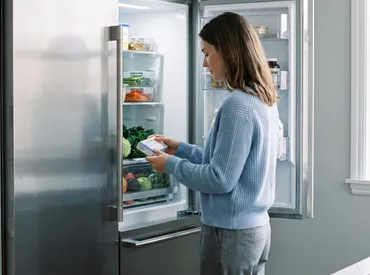
Managing GLP-1 agonist therapy requires meticulous attention to medication handling protocols, and one of the most frequently asked clinical questions is exactly how long does semaglutide last in the fridge. As demand for injectable metabolic and weight management medications continues to rise, understanding precise preservation parameters has become essential for maintaining drug efficacy, ensuring patient safety, and optimizing treatment outcomes. Semaglutide, the active pharmaceutical ingredient in widely prescribed formulations such as Ozempic and Wegovy, is a sophisticated peptide-based compound engineered to mimic native incretin hormones. This molecular architecture enables targeted receptor binding in the pancreas, hypothalamus, and gastrointestinal tract, promoting glucose regulation, appetite suppression, and sustained weight reduction. However, the same structural complexity that delivers therapeutic benefits also renders the medication highly sensitive to environmental stressors. Temperature fluctuations, light exposure, and humidity variations can trigger rapid peptide degradation, compromising pharmacological potency long before the printed expiration date approaches. Whether you are initiating your first injection cycle, transitioning from alternative GLP-1 therapies, or managing long-term maintenance dosing, mastering cold storage timelines and environmental safeguards protects your health and prevents unnecessary medication waste. This comprehensive evidence-based guide examines manufacturer specifications, FDA stability testing data, and real-world clinical handling practices to deliver a definitive answer on how long does semaglutide last in the fridge while providing actionable storage strategies for every treatment phase.
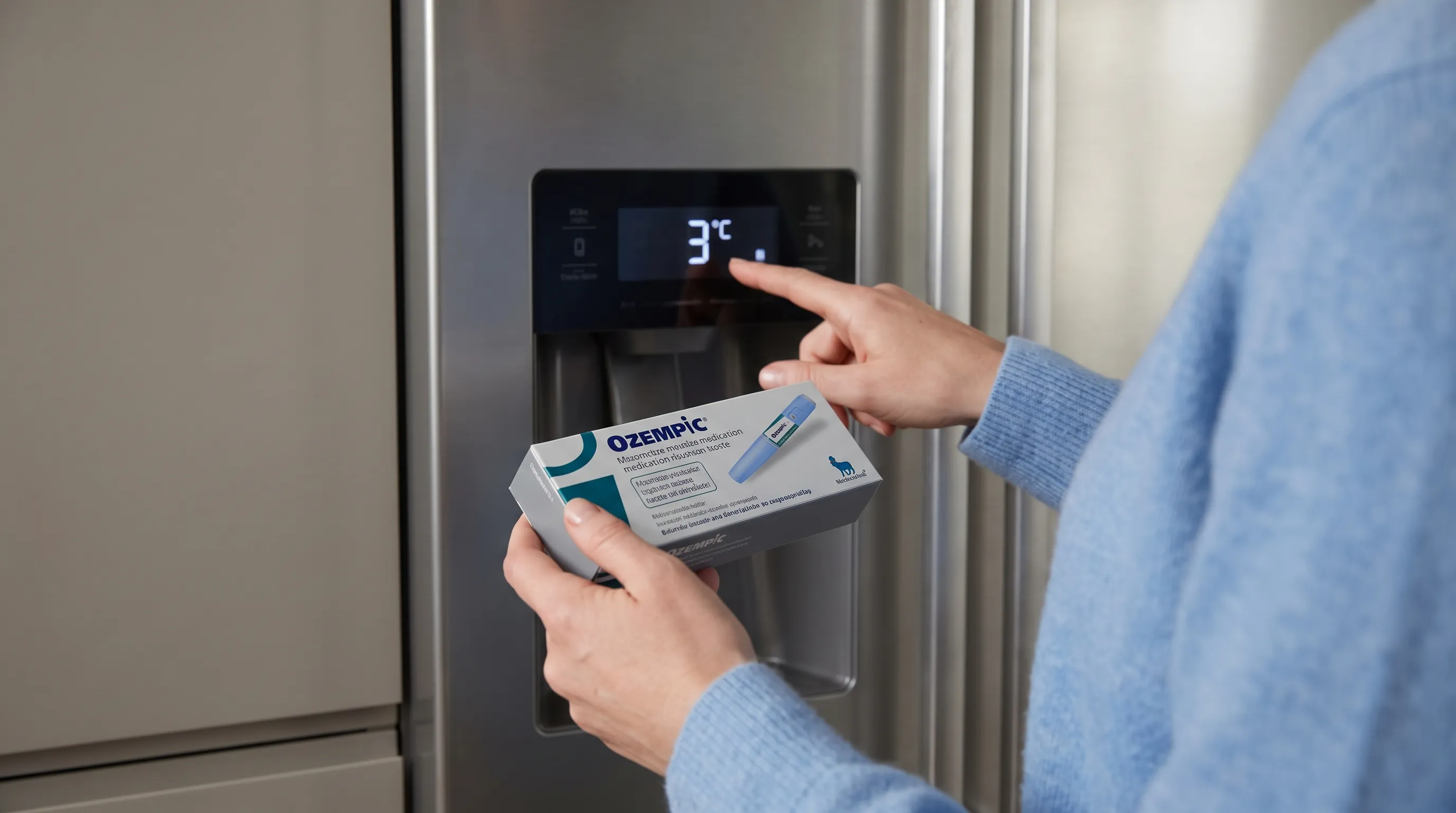
Understanding Semaglutide Storage Basics
Peptide medications operate on fundamentally different biochemical principles compared to traditional small-molecule pharmaceuticals. Unlike synthetic compounds that maintain structural rigidity across broad thermal ranges, semaglutide consists of a complex amino acid sequence folded into a precise three-dimensional conformation. This molecular arrangement allows selective GLP-1 receptor activation with minimal off-target effects, but it simultaneously creates inherent stability vulnerabilities. Heat accelerates molecular vibration, potentially unfolding protein chains and exposing hydrophobic regions that aggregate into inactive clumps. Conversely, extreme cold initiates ice crystal formation that physically disrupts the aqueous suspension matrix. When evaluating how long does semaglutide lasts in the fridge, it is critical to recognize that refrigeration does not merely delay expiration; it actively preserves the peptide's conformational integrity by slowing kinetic degradation pathways. The prescribed temperature range of 36°F to 46°F (2°C to 8°C) represents a scientifically optimized window where molecular breakdown occurs at negligible rates while excipients maintain optimal solubility and preservative efficacy. Deviations from this range initiate measurable chemical degradation that clinical studies confirm reduces therapeutic bioavailability. Patients who implement disciplined storage protocols consistently achieve more stable pharmacokinetic profiles, experience fewer dosing irregularities, and maintain predictable clinical responses throughout their treatment journey.
Free calculatorPeptide CalculatorCalculate peptide reconstitution and dosageOpen the calculatorWhy Temperature Control Matters for Peptide Medications
The clinical effectiveness of semaglutide depends entirely on maintaining a stable physicochemical environment within the liquid formulation. Cold storage reduces molecular kinetic energy, effectively decelerating hydrolysis reactions, oxidative degradation, and preservative metabolism. When temperatures exceed recommended thresholds, increased thermal energy accelerates peptide bond cleavage and generates denatured byproducts that lack receptor affinity. Temperature cycling proves particularly destructive, as repeated expansion and contraction cycles create micro-fissures in protein structures and compromise container seal integrity. Researchers evaluating how long does semaglutide last in the fridge consistently demonstrate that consistent thermal control outperforms intermittent refrigeration patterns. Modern pharmaceutical packaging incorporates specialized borosilicate glass cartridges, tamper-evident seals, and precision-engineered delivery mechanisms designed to buffer minor environmental fluctuations. Nevertheless, the primary stability safeguard remains continuous temperature monitoring at home. Understanding why cold preservation maintains peptide functionality empowers patients to recognize that every degree of thermal deviation directly impacts medication half-life, binding affinity, and clinical reliability. Proper temperature management is not a secondary convenience but a foundational component of safe, effective GLP-1 therapy.
The Science Behind Refrigeration and Shelf Stability
Pharmaceutical manufacturers conduct extensive accelerated and long-term stability studies to establish optimal storage parameters. These controlled trials expose semaglutide formulations to elevated temperatures, high humidity, and intense light exposure to model multi-year degradation trajectories. The resulting pharmacokinetic data establishes the 36°F to 46°F (2°C to 8°C) range as the clinically validated standard for unopened pens. Within this refrigerated environment, the active peptide maintains structural homogeneity for the duration of the labeled expiration period, typically 24 to 30 months post-manufacturing. Cold storage simultaneously preserves the multi-dose preservative system, usually containing phenol and isotonic buffering agents that prevent microbial proliferation after initial puncture. When clinicians and researchers determine how long does semaglutide lasts in the fridge, they account for protein conformation maintenance, excipient stability, and container closure integrity over time. Refrigeration essentially pauses the degradation clock, allowing patients to retain prescribed supplies until scheduled dosing requires administration. This scientific foundation explains why pharmacy cold rooms, clinical supply chains, and distribution networks maintain rigorous temperature logs with automated alarm systems. Home storage practices must mirror these clinical standards to guarantee therapeutic consistency and prevent subtherapeutic dosing that could compromise metabolic control.
Unopened Pens: How Long Does Semaglutide Last in the Fridge?
When you first obtain a new prescription, establishing correct baseline storage conditions for sealed medication represents your highest priority. Unopened semaglutide pens require continuous refrigeration from pharmacy dispensing through first administration. Manufacturer prescribing information explicitly mandates that unused pens remain stored at 36°F to 46°F (2°C to 8°C) until the expiration date printed directly on the outer packaging and pen label. This printed timeline represents the final date the manufacturer guarantees complete safety, sterility, and pharmacological efficacy under ideal preservation conditions. Patients questioning how long does semaglutide last in the fridge for sealed pens can confidently rely on this printed expiration as the absolute upper limit, provided the cold chain has remained unbroken. Unlike room-temperature exposure, which drastically accelerates preservative breakdown and peptide denaturation, proper refrigeration maintains solution homogeneity and prevents premature efficacy loss. Positioning unused pens in the main refrigerator compartment, away from cooling vents, door shelves, and freezer boundaries, ensures optimal thermal consistency. Recognizing this foundational storage guideline eliminates unnecessary anxiety regarding backup supply expiration and enables strategic medication planning aligned with prescribed dosing schedules.
Manufacturer Guidelines for New Pens
Both Ozempic and Wegovy deliver identical refrigeration directives for unopened multi-dose pens. Novo Nordisk's official prescribing information confirms that unused cartridges must be maintained at 2°C to 8°C and strictly prohibits freezing under any circumstances. Commercial packaging incorporates opaque protective cartons, moisture barriers, and tamper-evident seals that verify medication integrity prior to patient receipt. Upon returning from the pharmacy, patients should immediately transfer newly dispensed pens to a dedicated, temperature-monitored refrigerator zone. Storing medication in refrigerator doors remains strongly discouraged due to daily thermal cycling caused by frequent opening and closing, which gradually degrades preservative systems and compromises long-term stability. When calculating how long does semaglutide last in the fridge for unopened supplies, always reference the lot-specific expiration date rather than the prescription fill date or purchase date. Pharmacies maintain comprehensive cold chain documentation, but once medication enters home environments, preservation responsibility transfers entirely to the patient. Establishing monthly calendar reminders to verify expiration timelines ensures you never administer potentially compromised medication and facilitates timely prescription renewals before supply depletion.
Protecting Your Medication from Light and Freezing
Photochemical degradation and thermal freezing represent two of the most destructive environmental threats to unopened semaglutide formulations. Ultraviolet radiation and prolonged visible light exposure trigger oxidative stress that alters peptide tertiary structure and generates inactive degradation products. To prevent photochemical breakdown, manufacturers require all pens to remain sealed inside their original opaque cartons, which function as comprehensive light barriers throughout the entire storage period. Freezing presents an even more immediate clinical hazard. Ice crystal nucleation during sub-zero exposure physically shears amino acid chains, disrupts isotonic balance, and permanently damages the aqueous suspension matrix. Official prescribing information strictly mandates that any semaglutide pen subjected to freezing temperatures must be discarded immediately, even if thawing restores apparent visual clarity. Patients managing medication during extreme winter conditions or utilizing travel coolers must verify that internal temperatures never approach the freezing threshold. When determining how long does semaglutide last in the fridge, remember that exposure below 32°F (0°C) instantly invalidates the printed expiration date and permanently destroys therapeutic potency. Always position medication in the center refrigerator shelf where thermal conditions remain most uniform, and consider maintaining a dedicated digital thermometer for continuous environmental monitoring.
In-Use Pens: The 56-Day Rule Explained
Once you administer the initial dose, the storage paradigm undergoes a fundamental transition. In-use semaglutide pens gain environmental flexibility while simultaneously operating under a strict chronological limit. Manufacturer guidelines specify that following first injection, the pen may be stored either in the refrigerator or at controlled room temperature below 86°F (30°C). Regardless of the selected storage environment, an in-use pen must be discarded precisely 56 days after the initial dose, even if visible medication remains within the cartridge. This 56-day operational window results from comprehensive sterility validation, preservative degradation analysis, and multi-dose integrity testing. Patients frequently inquire how long does semaglutide lasts in the fridge after opening, anticipating extended timelines comparable to unopened formulations. However, initial rubber stopper puncture introduces microscopic environmental exposure, and the embedded preservative system operates within a finite functional lifespan. Strict adherence to the 56-day discard protocol prevents bacterial proliferation, maintains injection volume accuracy, and guarantees consistent receptor binding throughout the treatment phase.
Refrigeration vs. Room Temperature Options
The dual-storage framework exists to enhance patient convenience without compromising clinical safety or medication efficacy. Many individuals prefer maintaining in-use pens at controlled room temperature to minimize injection discomfort associated with administering cold liquid, while others select continuous refrigeration to maximize molecular stability. Both methodologies receive full clinical endorsement provided ambient temperature never exceeds 86°F (30°C). Refrigerating an in-use pen continues to decelerate preservative metabolism and may slightly prolong solution clarity, but it does not override the 56-day expiration timeline established from first use. When patients ask how long does semaglutide lasts in the fridge after first administration, the answer remains exactly 56 days, completely identical to room-temperature storage parameters. Choosing continuous refrigeration simply maintains uniform thermal conditions, which proves particularly advantageous in warmer climates, homes lacking centralized climate control, or households with significant daily temperature variations. Patients should evaluate personal comfort preferences against environmental realities, but must never alternate storage methods mid-cycle or extend usage beyond the manufacturer's validated window.
Tracking Your First Dose and Discard Dates
Effective long-term medication management demands meticulous chronological documentation. Immediately following your first injection, permanently inscribe the calculated discard date directly onto the pen's outer casing using indelible ink. This straightforward practice eliminates reliance on fallible memory and prevents accidental administration of chronologically expired doses. Digital medication tracking platforms, smartphone reminder applications, and physical therapy journals serve as excellent secondary documentation systems, but the physically labeled pen remains the primary clinical safeguard. Patients who travel frequently or experience irregular weekly schedules should configure automated calendar notifications three days prior to the 56-day deadline, allowing sufficient time to coordinate pharmacy refills and insurance approvals. Understanding how long does semaglutide lasts in the fridge during the active treatment phase requires recognizing that the chronological countdown initiates at first puncture, never at purchase date, prescription authorization date, or initial refrigeration. Consistent documentation guarantees you consistently administer fresh, fully potent medication while maintaining stable therapeutic blood concentrations. Accurate tracking also streamlines provider consultations during routine follow-up visits, enabling precise evaluation of treatment adherence, pharmacokinetic consistency, and clinical progression.
Oral Semaglutide (Rybelsus) vs. Injectable Forms
Not all semaglutide formulations operate under identical preservation parameters. Rybelsus, the orally administered tablet variant of semaglutide, follows completely different storage protocols engineered specifically for gastrointestinal delivery rather than subcutaneous injection. Recognizing these fundamental distinctions prevents handling confusion and ensures appropriate preservation across different prescription architectures. While injectable multi-dose pens require strict refrigeration or precise temperature caps, oral tablets utilize enteric coating technology and specialized absorption enhancers that entirely eliminate cold storage requirements. Patients transitioning between administration routes or concurrently managing multiple metabolic medications must understand how storage frameworks vary to preserve efficacy across all therapeutic modalities.
Why Tablets Do Not Require Refrigeration
The molecular engineering behind Rybelsus incorporates a sodium N-(8-[2-hydroxybenzoyl]amino) caprylate absorption enhancer and a pH-sensitive enteric coating that shields the active ingredient from gastric acid degradation. This specialized formulation achieves systemic bioavailability without requiring peptide preservation through cold temperatures. Oral semaglutide tablets maintain structural stability at controlled room temperatures between 68°F and 77°F (20°C to 25°C), with acceptable thermal excursions extending to 86°F (30°C). The complete absence of refrigeration requirements stems from the tablet's dry, compressed matrix, which lacks the aqueous environment that promotes microbial proliferation, peptide hydrolysis, and preservative degradation. When comparing preservation needs across formulations, determining how long does semaglutide lasts in the fridge becomes entirely irrelevant for oral variants, as refrigeration actively introduces moisture accumulation risks that rapidly compromise tablet dissolution and absorption kinetics. Patients must store Rybelsus in dry, temperature-controlled environments and never refrigerate oral semaglutide, since condensation formation triggers immediate coating breakdown and significantly reduces clinical effectiveness.
Moisture and Humidity Risks
Oral semaglutide's primary environmental vulnerability involves moisture exposure rather than thermal fluctuation. Factory blister packaging contains integrated desiccant materials that maintain optimal internal dryness until the moment of patient use. Premature tablet removal or storage of opened blisters in high-humidity environments triggers rapid hydrolysis reactions and structural coating degradation, substantially diminishing systemic drug absorption. Unlike injectable pens where temperature regulation dominates preservation concerns, oral tablets demand rigorous protection from ambient atmospheric moisture. Bathroom medicine cabinets, kitchen countertops adjacent to sinks, and unsealed decorative containers all present clinically unacceptable humidity exposure levels. Patients must maintain tablets within their original factory blister packs and store them exclusively in climate-controlled spaces completely isolated from steam generation, direct solar radiation, and thermal extremes. Recognizing that oral and injectable formulations function under fundamentally different preservation architectures ensures optimal handling regardless of administration methodology.
Common Storage Mistakes and How to Avoid Them
Despite explicit manufacturer guidelines, medication handling errors remain clinically prevalent across diverse patient demographics. Environmental oversights, temperature miscalculations, and inadequate pre-injection inspection practices frequently compromise semaglutide potency without obvious warning signs. Identifying and systematically preventing these common pitfalls preserves therapeutic efficacy and eliminates preventable adverse outcomes. Patients who comprehend the precise biochemical mechanisms underlying storage failures remain significantly better equipped to maintain cold chain integrity and recognize early degradation indicators.
Accidental Freezing and Temperature Excursions
The most clinically dangerous storage error occurs when pens inadvertently freeze or experience prolonged exposure to elevated ambient temperatures. Leaving medication inside vehicles during extreme seasonal weather, positioning it near residential heating appliances, or utilizing ice packs that maintain direct physical contact with the pen cartridge consistently results in irreversible chemical damage. Temperature excursions surpassing 86°F (30°C) rapidly accelerate peptide denaturation pathways, while sub-zero conditions permanently fracture the suspension matrix. When a pen experiences either thermal extreme, visual assessment becomes entirely unreliable as a clinical safety indicator. Patients suspecting potential temperature compromise must discard the affected pen immediately, irrespective of financial cost or supply limitations. Understanding precisely how long does semaglutide lasts in the fridge provides zero clinical benefit if the medication has previously been subjected to destructive thermal environments. Investing in FDA-compliant insulated travel cases with integrated temperature monitors, completely avoiding glove compartment storage, and utilizing pharmacy-provided thermal packaging prevents expensive medication loss while ensuring uninterrupted therapeutic coverage throughout daily routines.
Visual Inspection Before Every Injection
Before administering any scheduled dose, patients must perform a mandatory pre-injection visual assessment. Proper semaglutide solution must appear completely transparent and entirely colorless when viewed under standard ambient lighting conditions. Cloudiness, yellowish discoloration, visible floating particles, or an abnormally frothy consistency immediately signals chemical degradation, environmental contamination, or improper physical agitation. Gently rolling the pen cartridge between open palms safely disperses trapped air bubbles, but vigorous mechanical shaking induces protein aggregation that permanently destroys formulation integrity. Whenever solution appearance deviates from the manufacturer's clear, colorless standard, the pen must be immediately discarded regardless of storage duration, remaining expiration date, or remaining liquid volume. Routine visual verification functions as the final clinical safety barrier preceding medication administration. Patients who institutionalize this inspection protocol alongside disciplined temperature management significantly reduce the probability of delivering ineffective or microbiologically compromised doses. Comprehending exactly how long does semaglutide lasts in the fridge holds zero practical value if degraded solution remains undetected prior to injection. Integrating environmental discipline with vigilant visual confirmation guarantees safe, consistent medication delivery across every single treatment phase.
Practical Tips for Travel and Daily Management
Contemporary lifestyles demand consistent mobility, and maintaining proper semaglutide storage during business travel, family vacations, or daily commuting requires strategic advance planning. Patients managing active professional schedules, international relocation, or extended temporary housing must adapt preservation protocols without sacrificing thermal compliance or dosing consistency. Implementing systematic environmental tracking, utilizing clinically approved travel accessories, and maintaining open communication with prescribing providers ensures uninterrupted therapy regardless of geographical transitions.
Packing Semaglutide for Trips and Commutes
When traveling with semaglutide prescriptions, always pack medication exclusively within carry-on luggage to prevent exposure to aircraft cargo hold temperature extremes and eliminate baggage loss complications. Unopened pens require placement within insulated travel coolers utilizing gel packs or phase-change materials that maintain refrigeration without approaching freezing thresholds. In-use pens demand minimal intervention and remain chemically stable at controlled room temperature throughout the entire 56-day operational window. Never position medication near aircraft windows, automobile heating systems, dashboard compartments, or direct solar exposure. Carrying printed prescription documentation, original manufacturer packaging, and standardized medication identification cards significantly expedites airport security screening processes and international customs clearance procedures. Patients undertaking international travel must verify destination country regulations regarding GLP-1 medication importation limitations and local refrigeration availability prior to departure. Comprehensive advance planning eliminates last-minute logistical stress and preserves medication potency throughout every geographical transition. Understanding precisely how long does semaglutide lasts in the fridge during transit allows travelers to pack efficiently while maintaining strict compliance with manufacturer preservation guidelines.
Using Medication Loggers and Smart Tracking
Digital temperature monitoring devices and intelligent medication management platforms deliver real-time environmental verification and automated chronological alerts that dramatically reduce human documentation errors. Bluetooth-enabled refrigeration sensors, smartphone calendar synchronization systems, and pharmacy refill notification networks establish redundant safety layers against storage oversight and dose scheduling mistakes. Patients maintaining comprehensive injection documentation track administration timing, storage conditions, temperature variations, and discard deadlines with clinical accuracy. These detailed records prove indispensable during medical consultations, enabling healthcare providers to objectively evaluate treatment adherence, assess pharmacokinetic consistency, and make data-driven therapy adjustments. Intelligent tracking platforms completely eliminate chronological guesswork regarding how long does semaglutide lasts in the fridge for partially utilized pens, delivering automated countdown calculations from initial administration timestamps. Integrating technological monitoring alongside traditional preservation methodologies modernizes medication management, substantially reduces pharmaceutical waste, and ensures consistent therapeutic outcomes across all treatment stages.
Frequently Asked Questions
How long does semaglutide last in the fridge after the pen is opened?
Once you administer the first dose, an in-use semaglutide pen remains chemically stable for exactly 56 days, whether stored continuously in the refrigerator or maintained at room temperature below 86°F (30°C). The cold environment preserves solution clarity but does not extend beyond the manufacturer-established chronological limit. Regardless of remaining liquid volume, the pen must be discarded precisely 56 days following initial administration due to preservative degradation and bacterial contamination risks.
What should I do if my semaglutide pen gets accidentally frozen?
Frozen semaglutide must be discarded immediately and never administered. Sub-zero exposure causes irreversible peptide denaturation and permanently fractures the aqueous suspension matrix, completely destroying therapeutic efficacy. Even if the solution appears visually normal after complete thawing, it should never enter your system. Contact your pharmacy for a replacement prescription and thoroughly review your home storage setup to eliminate future freezing risks.
Can I leave my in-use pen at room temperature instead of keeping it refrigerated?
Yes, in-use pens can safely remain at controlled room temperature between 59°F and 86°F (15°C to 30°C) for the entire 56-day operational window. Many patients deliberately choose ambient storage to significantly reduce injection discomfort associated with administering cold liquid. However, ambient temperatures must never exceed 86°F, and the pen must still be discarded exactly 56 days following first use, regardless of storage location or remaining medication volume.
Does refrigeration extend the 56-day usage period for opened pens?
No, continuous refrigeration does not extend the in-use lifespan beyond 56 days. The chronological countdown initiates immediately at first administration, never at purchase date or refrigeration initiation. Cold storage maintains optimal solution stability within that established window but cannot override the manufacturer's rigorously tested discard timeline based on preservative metabolism and multi-dose sterility validation.
How do I properly store semaglutide while traveling during hot weather?
Always utilize an insulated travel cooler equipped with approved cooling gel packs, ensuring the medication cartridge never maintains direct physical contact with ice or frozen elements. Maintain internal temperatures below 86°F and consistently keep pens away from direct sunlight, vehicle dashboards, and enclosed compartments. In-use pens remain entirely stable without active refrigeration, but unopened backups require continuous thermal monitoring. Always carry a calibrated digital thermometer and original manufacturer packaging for immediate verification if requested by security or medical personnel.
Conclusion
Precise environmental control forms the absolute foundation of safe, effective, and consistent semaglutide therapy. Fully understanding exactly how long does semaglutide lasts in the fridge requires recognizing the fundamentally distinct storage protocols governing unopened versus actively utilized pens, strictly respecting the non-negotiable 56-day discard window, and maintaining unwavering temperature compliance throughout every treatment phase. Whether refrigerating backup prescription supplies or storing active pens at carefully monitored room temperature, strict adherence to manufacturer specifications preserves delicate peptide integrity, eliminates microbial contamination risks, and guarantees predictable clinical outcomes. Patients who systematically implement chronological tracking protocols, perform rigorous pre-injection visual inspections, and utilize clinically approved travel accessories protect their long-term metabolic health while maximizing pharmaceutical investment value. Always consult your licensed healthcare provider or community pharmacist when uncertainty surrounds storage conditions, and never administer medication that exhibits abnormal visual characteristics or suspected environmental compromise. With disciplined cold chain management and thoroughly informed handling practices, semaglutide remains a highly reliable, scientifically validated cornerstone of contemporary metabolic regulation and sustainable weight management therapy. For complete prescribing specifications, updated safety monitoring guidelines, and official handling instructions, refer directly to the FDA / DailyMed prescribing information, consult the Novo Nordisk storage guidelines, or review official patient education materials provided by Drugs.com.
| Pen Status | Storage Location | Temperature | Max Duration |
|---|---|---|---|
| Unopened | Refrigerator | 36°F–46°F (2°C–8°C) | Until printed expiration date |
| In-Use | Refrigerator OR Room Temp | Fridge: 36°F–46°F Room: <86°F (<30°C) |
56 days from first use |
| Oral (Rybelsus) | Room Temp (Dry Place) | 68°F–77°F (20°C–25°C) | Until printed expiration date |
How we work
Researched and drafted with AI assistance, then reviewed by a human editor against the cited sources.
This article is general health information, not medical advice. Consult a qualified healthcare professional about your own situation.