Can Earwax Cause Tinnitus? A Complete Medical Guide to Relief
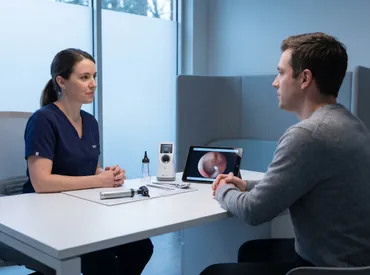
A sudden, unexplained ringing in the ears can be both distracting and deeply unsettling. For millions of individuals worldwide, this phantom sound disrupts sleep, concentration, and daily conversations, leading many to desperately search for answers online. Among the most frequently asked questions in audiology clinics is whether can earwax cause tinnitus, a query that bridges simple hygiene concerns with complex neurological responses. The short answer is a definitive yes, but the underlying mechanisms are far more nuanced than a simple blockage. Cerumen, commonly known as earwax, serves as a vital protective barrier for the delicate structures of the external auditory canal. It traps dust, repels water, and possesses mild antibacterial properties that safeguard against infection. However, when this natural defense system malfunctions and accumulates excessively, it can trigger a cascade of physiological changes that manifest as ringing, buzzing, or humming. Understanding this relationship requires a deep dive into ear anatomy, the pathophysiology of phantom sounds, and evidence-based removal protocols that prioritize patient safety. This comprehensive guide will explore the clinical connection between impaction and auditory symptoms, differentiate between temporary and chronic conditions, and provide actionable, medically backed strategies for long-term ear health and symptom relief.
Understanding the Anatomy of the Ear and Tinnitus Mechanisms
To fully grasp the clinical question of whether can earwax cause tinnitus, one must first appreciate the intricate architecture of the human auditory system. The ear is traditionally divided into three primary compartments: the outer, middle, and inner ear. The outer ear, comprising the pinna and external auditory canal, acts as a funnel for sound waves. These waves travel through the canal until they strike the tympanic membrane, or eardrum, causing it to vibrate. Embedded within the walls of this canal are specialized ceruminous glands that continuously secrete a mixture of lipids, keratinocytes, and sweat. This secretion normally migrates outward through natural jaw movements like chewing and talking, eventually drying and flaking off unnoticed.
Free calculatorLab Values Reference ChartComplete reference chart for medical lab valuesOpen the calculator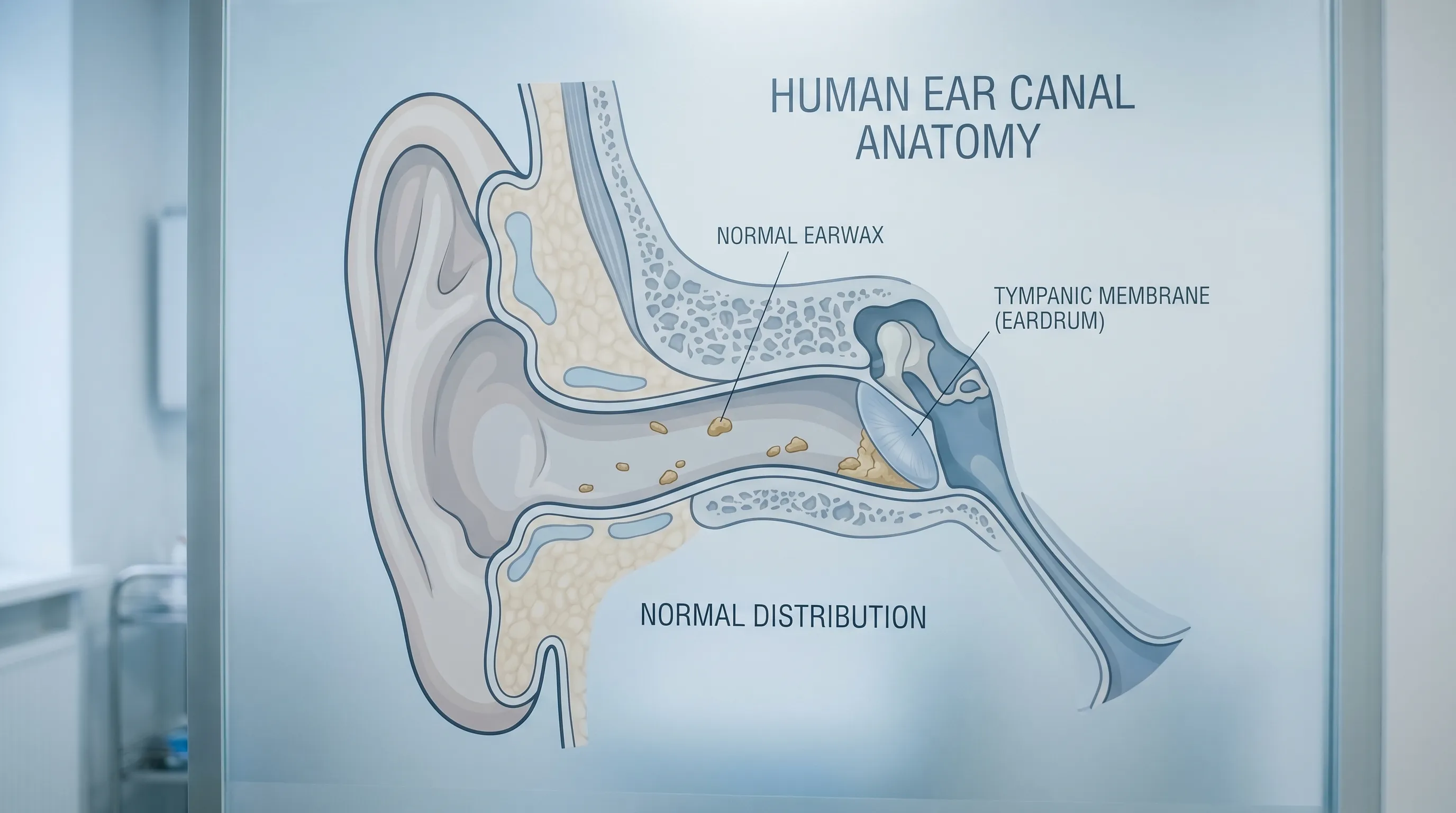
How the Auditory System Works
Beyond the eardrum lies the middle ear, a small air-filled cavity housing three tiny bones known as the ossicles: the malleus, incus, and stapes. These bones amplify and transmit vibrations to the oval window of the cochlea, a fluid-filled, snail-shaped structure in the inner ear. Within the cochlea resides the organ of Corti, which contains thousands of microscopic hair cells. When sound waves ripple through the cochlear fluid, these hair cells bend, converting mechanical energy into electrical signals. These signals travel via the auditory nerve to the brainstem and eventually the auditory cortex, where they are interpreted as recognizable sounds. Any disruption along this pathway can alter sound processing, sometimes resulting in the perception of noise that has no external source, as detailed by the National Institute on Deafness and Other Communication Disorders.
What Is Tinnitus Exactly?
Tinnitus is not a disease in itself but rather a clinical symptom indicating an underlying issue somewhere within the auditory pathway or even in broader neurological networks. It is classified into two primary categories: subjective and objective. Subjective tinnitus, which accounts for over 99% of cases, is heard only by the patient and is frequently linked to sensorineural hearing loss, noise trauma, or metabolic imbalances. Objective tinnitus, a rare phenomenon, generates actual acoustic vibrations that can sometimes be detected by a physician using a stethoscope. This form is typically caused by vascular anomalies, muscle spasms, or eustachian tube dysfunction. Regardless of classification, the brain's neuroplastic response to reduced auditory input often plays a critical role. When the auditory nerve transmits fewer signals, the central nervous system compensates by amplifying neural activity, effectively "turning up the volume" on internal noise. This neurophysiological adaptation is frequently the hidden culprit behind persistent ringing, even after a physical blockage is cleared, according to Mayo Clinic audiology guidelines.
The Direct Link Between Earwax and Ringing in the Ears
The physiological connection between cerumen impaction and phantom auditory symptoms is well-documented in clinical otolaryngology literature. When individuals ask, "can earwax cause tinnitus," they are often referring to the mechanical and acoustic consequences of a heavily impacted canal. As wax accumulates and hardens, it creates a physical barrier that dampens the conduction of airborne sound. This condition, known as conductive hearing loss, alters the acoustic environment within the ear. The brain, deprived of normal external auditory stimulation, may generate its own internal signals to compensate, manifesting as ringing, clicking, or low-frequency humming. Additionally, impacted cerumen can press directly against the tympanic membrane or the delicate skin of the canal, triggering localized inflammation and nerve irritation. This mechanical pressure sends abnormal electrical impulses along the auditory pathway, which the brain interprets as continuous noise.
Impacted Cerumen and Acoustic Pressure
The external auditory canal is remarkably sensitive. Even a partial blockage can significantly alter the resonance characteristics of the ear. Normal cerumen maintains a slightly acidic pH (between 4.0 and 5.0), which inhibits microbial growth. However, when wax becomes dry, compacted, or mixes with dead skin cells and debris, it forms a dense plug. This plug traps moisture and dead space behind it, creating an anaerobic environment that can lead to secondary infections like otitis externa. The resulting inflammation increases blood flow to the area, potentially causing pulsatile tinnitus that syncs with the heartbeat. Furthermore, the altered acoustic impedance changes how sound reflects off the eardrum, sometimes producing a hollow, echoing sensation that exacerbates the perception of internal noise. Clinical studies published by the American Academy of Otolaryngology–Head and Neck Surgery emphasize that cerumen impaction is one of the most easily reversible causes of temporary tinnitus, yet it remains highly underdiagnosed because patients often assume the ringing is permanent or age-related.
How Blockages Alter Sound Perception
Sound perception relies on precise frequency mapping along the basilar membrane of the cochlea. When a blockage muffles high-frequency sounds first, the brain receives incomplete auditory data. To fill in the missing frequencies, the auditory cortex may hyperexcite dormant neural pathways, creating the illusion of high-pitched ringing. This phenomenon is particularly noticeable in quiet environments, where background noise usually masks subtle internal sounds. Patients frequently report that the ringing intensifies at night or in soundproof rooms, directly correlating with the reduced masking effect. Understanding this mechanism clarifies why can earwax cause tinnitus is a common clinical inquiry: the physical obstruction disrupts normal acoustic transmission, triggering compensatory neural hyperactivity that manifests as persistent phantom sounds.
Why the Question "Can Earwax Cause Tinnitus" Is So Common
The prevalence of this question stems from the high incidence of cerumen impaction in modern populations. Factors such as frequent use of cotton-tipped applicators, earplugs, hearing aids, and in-ear headphones prevent natural wax migration. As populations age, cerumen tends to become drier and more fibrous due to hormonal changes and reduced glandular activity, increasing impaction risk. Additionally, widespread misinformation about ear hygiene leads many individuals to attempt self-removal, often packing wax deeper against the eardrum. When ringing develops after such practices, patients understandably connect the two events. Medical literature from the National Institute on Deafness and Other Communication Disorders (NIDCD) confirms that earwax-related tinnitus is entirely physiological rather than psychological, making it highly responsive to proper clinical intervention (confirmed by the NIDCD). Recognizing this link empowers patients to seek timely, evidence-based care rather than resorting to unproven supplements or ignoring symptoms until they worsen.
Recognizing Earwax-Induced Tinnitus vs. Other Causes
Differentiating cerumen-related ringing from other auditory pathologies is essential for effective treatment. While the symptoms may sound identical, their underlying causes, progression patterns, and accompanying signs vary significantly. Patients presenting with tinnitus should undergo a comprehensive otoscopic examination to rule out physical obstructions before pursuing neurological or metabolic workups. A clear canal immediately shifts the diagnostic focus toward sensorineural, vascular, or systemic factors. Conversely, visible impaction allows for targeted, non-invasive intervention with a high probability of rapid symptom resolution.
Key Symptoms to Watch For
Tinnitus stemming from earwax typically presents alongside distinct physical sensations. Patients often report a feeling of fullness or pressure within the affected ear, similar to the experience during altitude changes in an aircraft or deep-water diving. Mild to moderate conductive hearing loss is almost universal, particularly noticeable when conversing in noisy rooms or using telephones. Some individuals experience mild itching, intermittent earache, or even a slight cough reflex when the blockage stimulates the auricular branch of the vagus nerve (Arnold's nerve). Unlike sensorineural tinnitus, which is often bilateral and constant, wax-induced ringing frequently fluctuates in pitch and volume. It may temporarily subside after chewing, jaw movement, or changes in head position, as these actions shift the impacted material slightly. If the ringing suddenly disappears after a hot shower or water exposure, it strongly suggests a water-soluble cerumen component causing temporary acoustic changes.
When to Suspect an Underlying Condition
Not all ringing resolves with ear cleaning. Persistent tinnitus that lasts beyond several weeks after confirmed impaction removal warrants further investigation. Red flags that indicate a more complex etiology include sudden unilateral hearing loss, severe vertigo, facial muscle weakness, neurological deficits, or ear discharge containing blood or pus. These symptoms may point to acoustic neuroma, Meniere's disease, vascular tumors, or autoimmune inner ear disorders. Additionally, individuals with a history of prolonged noise exposure, ototoxic medication use (such as high-dose aspirin, certain antibiotics, or chemotherapy agents), or significant cardiovascular risk factors should undergo audiometric testing and potentially MRI imaging. The American Tinnitus Association stresses that while can earwax cause tinnitus remains a valid clinical question, assuming all cases are wax-related can delay diagnosis of conditions requiring urgent medical intervention.
| Feature | Earwax-Induced Tinnitus | Sensorineural/Other Tinnitus |
|---|---|---|
| Onset Pattern | Gradual or sudden following blockage | Often sudden, trauma-related, or age-progressive |
| Hearing Loss Type | Conductive (muffled, improves with volume) | Sensorineural (clarity loss, high frequencies drop first) |
| Pitch & Consistency | Variable, low to mid-frequency, fluctuates | Typically high-pitched, constant, unchanging |
| Associated Symptoms | Ear fullness, mild pressure, itching, positional changes | Vertigo, sudden deafness, neurological signs, bilateral ringing |
| Response to Cleaning | Rapid improvement or complete resolution within days | No change; may require therapy, hearing aids, or medication |
Safe Removal and Medical Interventions
When addressing whether can earwax cause tinnitus, the removal method is just as critical as the diagnosis itself. Improper extraction techniques frequently worsen impaction, damage the tympanic membrane, or introduce pathogens into the canal. Clinical guidelines from the American Academy of Otolaryngology explicitly advise against routine earwax removal in asymptomatic patients but strongly recommend professional intervention when blockages cause tinnitus, hearing loss, or discomfort (as outlined by the Mayo Clinic). Modern otolaryngology employs several safe, effective techniques tailored to the patient's anatomy, cerumen consistency, and medical history.
Why Cotton Swabs Are Dangerous
Despite widespread marketing, cotton-tipped applicators pose significant risks to auditory health. Rather than extracting wax, these tools typically push the material deeper into the canal, compacting it against the eardrum. This action not only exacerbates conductive hearing loss but can also cause micro-abrasions that lead to infection, tympanic membrane perforation, or ossicular chain disruption. The ear canal is self-cleaning; introducing foreign objects disrupts this natural migration process and alters the delicate microbiome. Medical professionals consistently warn that home instrumentation accounts for the majority of cerumen impactions treated in emergency departments. Abandoning cotton swabs is the single most impactful preventive step individuals can take to avoid wax-related tinnitus.
Professional Irrigation and Microsuction
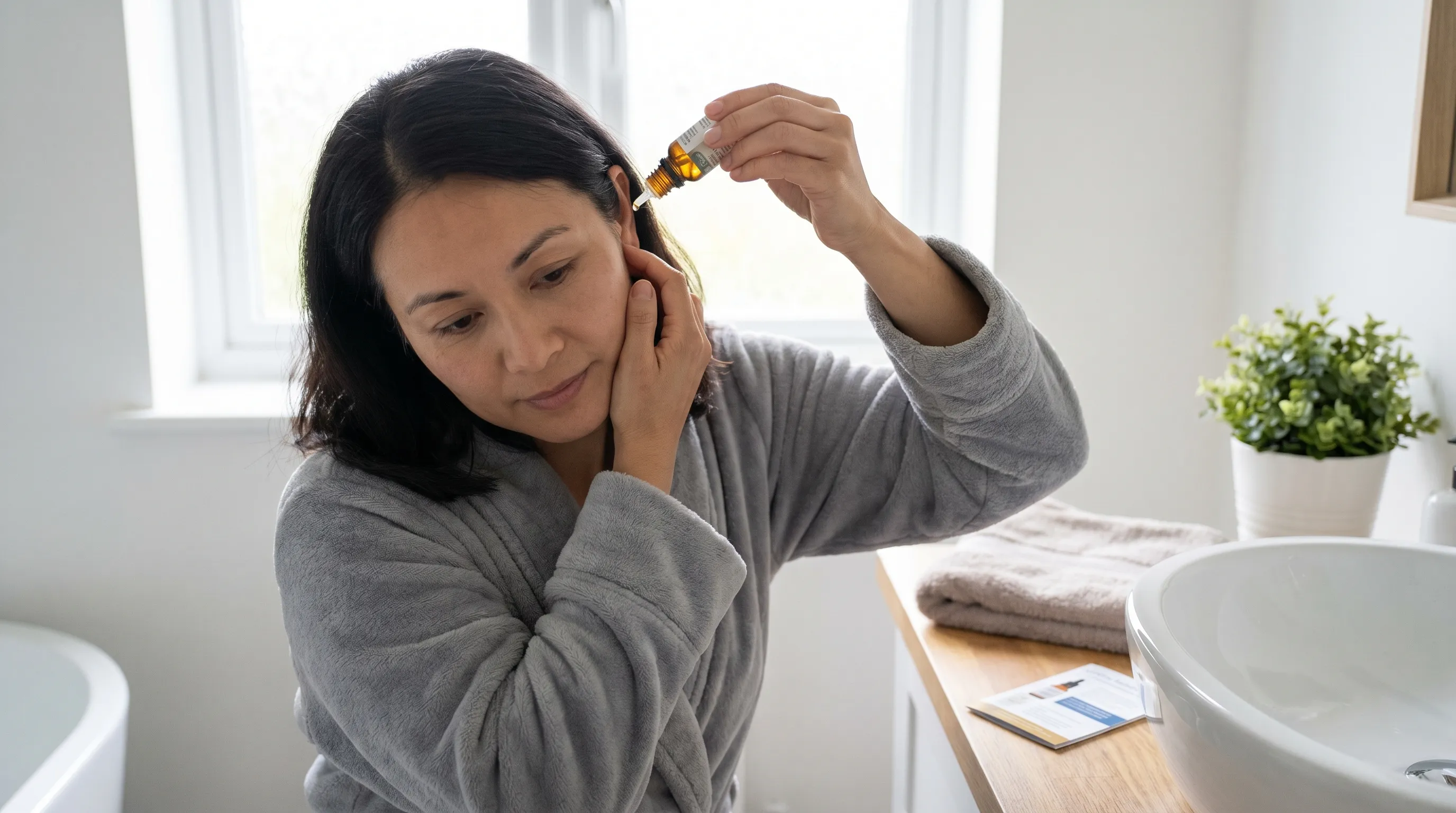
When impaction occurs, clinical removal remains the gold standard. Cerumenolytic drops, such as carbamide peroxide, glycerin, or sodium bicarbonate solutions, are often prescribed for several days to soften hardened wax before extraction. Once softened, clinicians may perform gentle irrigation using body-temperature water to avoid caloric vertigo (dizziness caused by temperature differences). Advanced practices utilize microsuction, a technique where a small, precise vacuum device removes wax under direct microscopic visualization. Microsuction is particularly recommended for patients with perforated eardrums, diabetes, compromised immune systems, or previous ear surgeries, as it eliminates fluid contact with the middle ear. Both methods, when performed by licensed professionals, boast success rates exceeding 90% in relieving wax-induced tinnitus with minimal discomfort.
Over-the-Counter Drops: Do They Work?
Pharmacy shelves offer numerous earwax softening agents, but their efficacy depends on proper usage and canal health. Oil-based drops (mineral, olive, or almond oil) work by lubricating the canal and gradually loosening debris over several applications. Water-based formulations often contain hydrogen peroxide or urea hydrogen peroxide, which create effervescent bubbles that mechanically disrupt wax structure. While generally safe for routine maintenance, OTC drops should never replace professional evaluation when tinnitus is severe or accompanied by pain. Patients with narrow canals or excessive keratin production may find drops insufficient, requiring manual debridement. Following manufacturer instructions precisely—typically 5 to 10 drops twice daily for up to four days—maximizes benefits while minimizing irritation. If no improvement occurs, discontinuing use and consulting an ENT specialist prevents secondary damage.
Preventive Strategies and Ear Hygiene
Long-term management of cerumen-related symptoms hinges on sustainable hygiene practices and awareness of individual risk factors. Since the external auditory canal naturally expels wax during routine jaw movement, intervention should focus on facilitating rather than obstructing this process. Preventive strategies significantly reduce the likelihood of recurrence, particularly for individuals prone to dry cerumen, hearing aid usage, or occupational noise exposure. Establishing a proactive care routine transforms ear health from a reactive concern into a manageable aspect of overall wellness.
Daily Maintenance Routines
Effective daily hygiene begins with leaving the ear canal untouched. After showering, simply tilting the head to allow residual water to drain and gently drying the outer ear with a towel is sufficient. For individuals who produce excessive or sticky wax, applying a single drop of mineral oil once or twice weekly maintains optimal moisture levels and promotes smooth outward migration. Avoid inserting bobby pins, paperclips, ear candles, or vacuum devices, as these carry documented risks of burns, lacerations, and tympanic injury. Ear candles, in particular, lack clinical evidence, generate hot wax debris, and have caused numerous documented cases of facial burns and canal obstruction. Instead, prioritize regular clinical check-ups every 6 to 12 months if you have a history of impaction, allowing professionals to monitor canal health before symptoms develop.
Lifestyle Factors That Influence Cerumen Buildup
Several modifiable factors impact wax production and consistency. Chronic stress and anxiety can alter glandular secretion patterns, sometimes increasing viscosity and slowing migration. Dehydration concentrates cerumen lipids, making it harder and more prone to impaction, while adequate water intake maintains natural fluidity. Dietary choices also play a subtle role; diets rich in omega-3 fatty acids and antioxidants support healthy glandular function, whereas excessive dairy or refined sugars may exacerbate inflammation in sensitive individuals. Occupational and recreational habits matter equally: frequent exposure to dusty, dry, or highly polluted environments accelerates wax hardening as the canal attempts to trap particulates. Using properly fitted, breathable ear protection in such settings prevents debris accumulation while maintaining safe acoustic levels. Additionally, individuals who frequently use smartphones or earbuds should clean the device tips regularly to prevent cross-contamination and microbial transfer into the canal.
When to Schedule a Routine Check-Up
Proactive scheduling prevents emergencies and preserves hearing quality. Patients who wear hearing aids, in-ear monitors, or custom earpieces should book professional cleanings every three to four months, as these devices physically block natural wax expulsion pathways. Older adults, whose cerumen glands naturally produce drier secretions, benefit from biannual evaluations. Athletes and swimmers should also maintain regular visits if they use waterproof earplugs, which create humid microenvironments that alter wax composition. During these appointments, clinicians assess canal patency, tympanic membrane integrity, and hearing thresholds, identifying early signs of impaction before tinnitus emerges. Establishing a relationship with an audiologist or ENT specialist ensures continuity of care, particularly for individuals navigating chronic conditions like eczema or psoriasis, which frequently affect the ear canal and disrupt normal shedding.
Managing Persistent Tinnitus After Earwax Removal
While removing impacted cerumen frequently resolves phantom ringing, some patients experience lingering symptoms. This persistence does not indicate treatment failure but rather reflects the brain's adapted neural circuitry. When the auditory system has operated under reduced input for an extended period, the central nervous system requires time to recalibrate. Additionally, underlying age-related presbycusis or subclinical noise damage may have been masked by the wax plug, now becoming apparent once conduction normalizes. Managing post-removal tinnitus involves a multifaceted approach combining neuroplasticity training, environmental modification, and psychological support. Understanding that can earwax cause tinnitus is only the first step; long-term wellness demands proactive neural and behavioral strategies.

Cognitive Behavioral Therapy and Sound Therapy
Sound therapy leverages the brain's natural habituation mechanisms to diminish the perceived intensity of ringing. Clinicians often recommend white noise generators, smartphone applications, or tabletop devices that emit broadband frequencies. These external sounds provide acoustic enrichment, preventing the auditory system from hyper-focusing on internal noise. Progressive auditory stimulation trains the brain to classify the tinnitus as background data rather than a threat, significantly reducing distress over weeks to months. Cognitive Behavioral Therapy (CBT) complements this by addressing the emotional and psychological toll of chronic ringing (recommended by the Cleveland Clinic). CBT restructures maladaptive thought patterns, teaches stress reduction techniques, and improves sleep hygiene, creating a positive feedback loop where reduced anxiety directly correlates with diminished symptom perception. Clinical trials consistently demonstrate that combining sound therapy with CBT yields superior long-term outcomes compared to isolated interventions.
Dietary Adjustments and Supplements
Nutritional intake directly influences vascular health, neural conductivity, and inflammatory responses, all of which modulate tinnitus perception. Reducing sodium, caffeine, and alcohol intake stabilizes blood pressure and prevents cochlear vasoconstriction, which can temporarily amplify ringing. Certain supplements show promising adjunctive benefits when discussed with healthcare providers. Magnesium supports nerve transmission and protects cochlear hair cells from oxidative stress, while zinc plays a crucial role in cellular repair and immune regulation within the inner ear. Ginkgo biloba, though widely marketed, exhibits mixed clinical results and may interact with blood thinners, underscoring the importance of medical supervision. Incorporating anti-inflammatory foods like leafy greens, fatty fish, berries, and turmeric supports overall auditory vascular health. Hydration remains paramount; maintaining adequate fluid intake ensures proper blood viscosity and nutrient delivery to the delicate capillary networks of the cochlea.
Protecting Your Hearing in Noisy Environments
Preventing further auditory trauma is essential for managing persistent ringing. Prolonged exposure to sounds above 85 decibels causes irreversible damage to stereocilia in the organ of Corti, permanently altering neural signaling and worsening tinnitus (according to the World Health Organization). Custom-fitted musician's earplugs or electronic noise-canceling headphones provide balanced attenuation, preserving sound quality while reducing harmful amplitude. At concerts, sporting events, or workplaces, adhering to the 60/60 rule—listening at no more than 60% volume for 60 minutes at a time—protects cochlear integrity. Taking regular acoustic breaks allows the auditory system to recover from metabolic fatigue. Regular audiometric monitoring tracks threshold shifts, enabling early intervention before symptoms escalate. By prioritizing acoustic safety, individuals significantly reduce the risk of transitioning from temporary, wax-related ringing to chronic sensorineural tinnitus.
Frequently Asked Questions
How long does it take for tinnitus to stop after earwax removal?
In most cases, ringing caused by impaction resolves within 24 to 72 hours after successful removal. However, if the auditory nerve has adapted to the blockage or if there is concurrent noise-induced damage, symptoms may persist longer and require targeted sound therapy or clinical intervention.
Is it safe to use hydrogen peroxide for earwax at home?
Medical professionals generally consider 3% hydrogen peroxide or carbamide peroxide drops safe for occasional softening. However, it should never be used if you have a perforated eardrum, active ear infection, or tympanostomy tubes, as it can cause severe pain, dizziness, or further tissue damage.
Can removing earwax make tinnitus worse temporarily?
Yes, some patients experience a brief worsening of ringing immediately after removal. This typically occurs due to sudden acoustic pressure changes, mild inflammation from irrigation, or the brain adjusting to restored sound conduction. The symptom usually stabilizes within a few days.
Does wearing hearing aids increase earwax buildup?
Hearing aids, especially in-the-ear models, can act as a physical barrier that traps cerumen against the canal wall. Users often require professional cleanings every three to four months to prevent impaction and secondary tinnitus flare-ups.
When should I see a doctor instead of using OTC drops?
You should seek immediate ENT evaluation if tinnitus is accompanied by sudden hearing loss, vertigo, facial weakness, severe pain, or ear drainage. Additionally, if OTC treatments fail to relieve symptoms after seven days or cause increased discomfort, professional assessment is necessary.
Conclusion
The relationship between cerumen accumulation and phantom auditory symptoms is both clinically established and highly treatable. Asking can earwax cause tinnitus reveals a fundamental truth: many cases of ringing are not permanent neurological conditions but rather mechanical disruptions of normal acoustic transmission. Through evidence-based removal techniques, proactive hygiene practices, and informed lifestyle adjustments, individuals can effectively resolve symptoms and restore auditory comfort. The key lies in abandoning harmful self-treatment habits, recognizing early warning signs, and partnering with qualified healthcare providers for personalized care. Whether through professional microsuction, targeted sound therapy, or simple preventive routines, sustainable relief is achievable. By prioritizing ear health and understanding the physiological mechanisms behind the ringing, patients can reclaim quiet, focus, and peace of mind. If persistent symptoms remain after confirmed clearance, ongoing audiological management and neural rehabilitation strategies offer proven pathways to long-term adaptation and improved quality of life.
How we work
Researched and drafted with AI assistance, then reviewed by a human editor against the cited sources.
This article is general health information, not medical advice. Consult a qualified healthcare professional about your own situation.