Why Does My Roof of My Mouth Hurt? Causes, Relief & Prevention

You are sipping hot coffee, biting into a slice of warm pizza, or simply running your tongue across the roof of your mouth when a sudden, sharp sting stops you in your tracks. Discomfort in this highly sensitive region is surprisingly common, yet many people ignore it until the pain interferes with eating, speaking, or sleeping. If you have ever asked yourself, why does my roof of my mouth hurt, you are not alone. Thousands of individuals experience palatal pain due to a wide spectrum of triggers, ranging from harmless thermal injuries to underlying systemic conditions. Understanding the root cause is the first step toward targeted relief, preventing recurrence, and safeguarding your overall oral health. This comprehensive guide explores the anatomy of the palate, breaks down common and uncommon triggers, outlines evidence-based medical and home treatments, and provides actionable strategies to keep this delicate tissue resilient. Whether you are dealing with a temporary sore or a persistent ulcer, the insights below will empower you to navigate your symptoms with confidence and clinical precision.
Understanding the Anatomy of the Palate
To fully grasp why does my roof of my mouth hurt, you must first understand the intricate biological structure that supports it. The palate, commonly referred to as the roof of the mouth, is divided into two distinct anatomical regions, each serving unique physiological roles. The anterior portion, known as the hard palate, is formed by the palatine processes of the maxillary bones and the horizontal plates of the palatine bones. It is covered by a thick, keratinized stratified squamous epithelium, which provides a durable barrier against mechanical stress from chewing. Noticeably ridged along the surface are the palatine rugae, which assist in gripping food during mastication and articulating speech sounds.
Free calculatorWater Intake CalculatorCalculate daily water needsOpen the calculator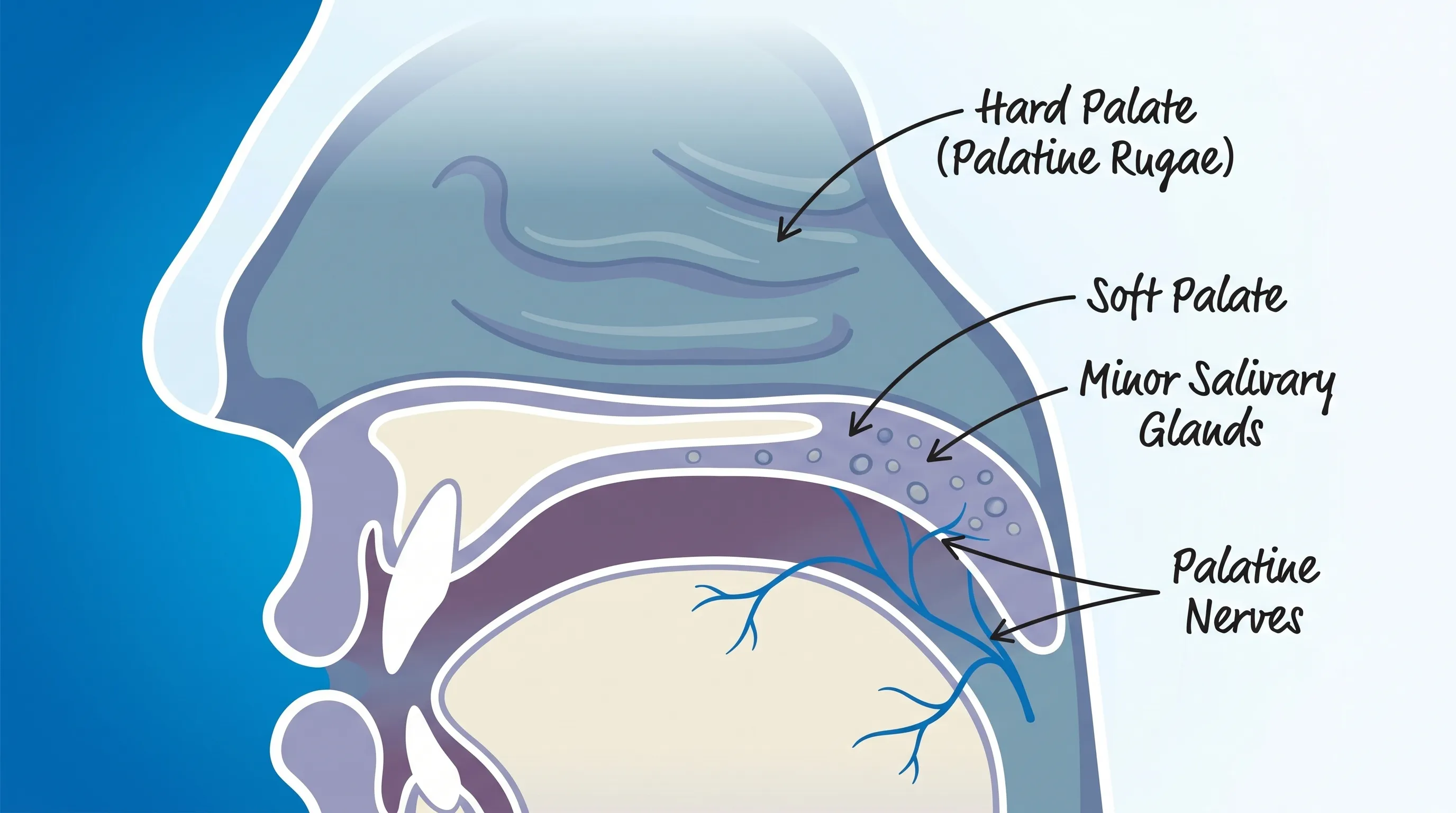
The posterior section, called the soft palate, consists of muscle fibers, connective tissue, and minor salivary glands, all draped in a thinner, non-keratinized mucosa. This flexible tissue elevates during swallowing to seal off the nasopharynx, preventing food and liquids from entering the nasal cavity. Both regions receive extensive sensory innervation primarily through the greater and lesser palatine nerves, branches of the maxillary division of the trigeminal nerve. This dense nerve network is precisely why even minor irritation translates into pronounced discomfort. The oral cavity also maintains a delicate microbiome balance and a rapid epithelial turnover rate, allowing wounds to heal faster than skin on other parts of the body. When this equilibrium is disrupted by heat, chemicals, infection, or mechanical trauma, the mucosal barrier compromises, exposing underlying nerve endings and triggering the pain response. Recognizing how these structures function clarifies why certain activities trigger localized soreness and why targeted care accelerates tissue restoration.
Common Causes of Roof of Mouth Pain
The vast majority of palatal discomfort stems from benign, self-limiting conditions that resolve with minimal intervention. Recognizing these triggers helps you differentiate between a routine irritation and something requiring professional attention.
Burns from Hot Foods and Beverages
Thermal injuries remain the leading cause of sudden palate pain. Consuming beverages or foods above 140°F can instantly damage the superficial epithelial layer, causing a condition colloquially known as "pizza burn." The rapid temperature shift denatures proteins in the mucosal cells, triggering localized inflammation, redness, swelling, and sometimes superficial blistering. Pain typically peaks within the first 48 hours as inflammatory mediators like prostaglandins and histamine flood the affected area. The healing process involves epithelial migration from adjacent healthy tissue, usually completing within one to two weeks. During this period, avoiding extremely hot, spicy, or acidic substances prevents secondary irritation and supports cellular regeneration.
Canker Sores and Aphthous Ulcers
Recurrent aphthous stomatitis presents as round or oval lesions with a white or yellowish fibrinous center and an erythematous halo. These ulcers frequently develop on the hard palate, soft palate, and buccal mucosa. While their exact etiology remains multifactorial, contributing factors include minor tissue trauma, hormonal fluctuations, psychological stress, food sensitivities, and genetic predisposition. The ulceration phase typically lasts seven to ten days, progressing through a prodromal tingling stage, peak pain during days three to five, and gradual epithelial closure. Unlike viral lesions, aphthous ulcers are not contagious, but they can significantly impact quality of life. According to clinical guidelines from the Mayo Clinic, managing outbreaks involves topical analgesics, anti-inflammatory gels, and identifying personal dietary triggers through careful tracking.
Oral Infections: Viral, Bacterial, and Fungal
Infectious agents frequently target the oral mucosa, exploiting compromised barriers or weakened immunity. Herpes simplex virus type 1 often causes cold sores, which can occasionally appear on the keratinized hard palate during primary infections or recurrent outbreaks. Coxsackievirus, responsible for hand, foot, and mouth disease, produces painful vesicles that rupture into shallow ulcers across the oral cavity. Bacterial infections like streptococcal pharyngitis or secondary dental abscesses can refer pain to the palate or cause localized swelling. Fungal overgrowth, predominantly Candida albicans, manifests as oral thrush, characterized by creamy white patches that may bleed when scraped and cause a raw, burning sensation on the roof of the mouth. The CDC provides detailed clinical resources on diagnosing and treating oral fungal infections, emphasizing that targeted antifungal therapy effectively clears overgrowth and restores mucosal health.
Trauma and Mechanical Irritation
Physical stressors account for a substantial portion of palatal discomfort. The mouth undergoes constant friction from mastication, dental hygiene routines, and dental appliances, making it highly susceptible to microtrauma that accumulates over time.
Dental Work and Orthodontic Appliances
Routine dental procedures frequently cause temporary palatal soreness. Injections of local anesthesia, particularly in the greater palatine foramen region, can lead to localized hematoma or nerve irritation. Scaling and root planing may cause transient tissue sensitivity, while restorative work like fillings, crowns, or bridges requires precise contouring to avoid occlusal interference that transfers excessive pressure to the palate. Orthodontic patients often experience discomfort from brackets, wires, or removable aligners that rub against the soft tissue. Retainers or dentures with poor fit exert chronic pressure, leading to ulcerative lesions known as decubitus ulcers. Regular adjustments, dental wax application, and maintaining appliance hygiene significantly reduce mechanical trauma and accelerate comfort.
Aggressive Brushing or Hard Foods
Overzealous oral hygiene practices can inadvertently damage the mucosal lining. Using stiff-bristled toothbrushes, abrasive whitening toothpastes, or vigorous scraping motions strips the protective epithelial layer, leaving nerve endings exposed. Additionally, consuming sharp, rigid foods like tortilla chips, hard candies, crusty bread, or popcorn kernels can cause lacerations or embedded foreign bodies in the palatal tissue. The body responds with localized edema and mild bleeding as it initiates the wound healing cascade. Switching to soft-bristled tools, employing gentle circular motions, and modifying dietary textures during healing phases prevent further injury. If you frequently wonder why does my roof of my mouth hurt after meals or cleaning, evaluating your mechanical habits often reveals the culprit.
Less Common but Serious Conditions
While most cases are benign, persistent or progressive palatal pain warrants thorough medical evaluation to rule out systemic diseases or malignancies. Early detection dramatically improves outcomes for complex conditions.
Salivary Gland Issues and Mucoceles
The soft palate houses numerous minor salivary glands that maintain mucosal moisture and enzymatic activity. Ductal obstruction from trauma, calcifications, or thickened saliva can lead to salivary stasis, glandular swelling, or mucocele formation. Mucoceles present as painless, fluctuant cysts but can become tender if ruptured or inflamed. Sialadenitis, an inflammatory infection of the salivary gland, produces throbbing pain, fever, and purulent discharge. Conservative management includes hydration, warm compresses, and gland massage, while persistent cases may require minor surgical intervention or sialendoscopy to restore normal secretory function.
Oral Cancer and Pre-Cancerous Lesions
Oral squamous cell carcinoma can manifest on the palate as non-healing ulcers, erythroplakia (red patches), leukoplakia (white patches that cannot be scraped off), or palpable nodules. Risk factors include tobacco use, heavy alcohol consumption, human papillomavirus (HPV) infection, chronic sun exposure (for lip lesions), and nutritional deficiencies. Early-stage oral cancer often mimics benign sores, which delays diagnosis. Any lesion persisting beyond fourteen days, bleeding spontaneously, or causing progressive numbness requires immediate biopsy and histopathological evaluation. For comprehensive information on early detection and screening protocols, consult resources from the National Institutes of Health (NIH) to understand warning signs and preventive protocols.
Systemic Conditions and Nutritional Deficiencies
Autoimmune and dermatological disorders frequently manifest in the oral cavity. Oral lichen planus presents as lace-like white striae or erosive ulcerations, often triggered by immune dysregulation. Pemphigus vulgaris and mucous membrane pemphigoid cause blistering that ruptures into painful raw areas on the hard and soft palate. Nutritional deficiencies, particularly in vitamin B12, iron, folate, and zinc, impair epithelial turnover and microvascular integrity, leading to widespread mucosal fragility. Gastrointestinal malabsorption disorders like celiac disease or Crohn’s disease can exacerbate these deficiencies, causing recurrent aphthous ulcers and burning mouth syndrome. As noted by the Cleveland Clinic, addressing these specific micronutrient gaps through targeted supplementation and dietary adjustments is essential for restoring epithelial integrity and resolving chronic palatal soreness.
Diagnostic Process: What to Expect at the Dentist or Doctor
When palatal discomfort persists or worsens, a structured clinical evaluation identifies the underlying pathology. Professionals begin with a comprehensive medical and dental history, inquiring about symptom onset, duration, pain characteristics, dietary habits, medication use, and systemic illnesses. A visual and tactile examination assesses lesion size, shape, border definition, color, texture, and mobility. Palpation evaluates underlying bone integrity, lymph node involvement, and tissue induration.
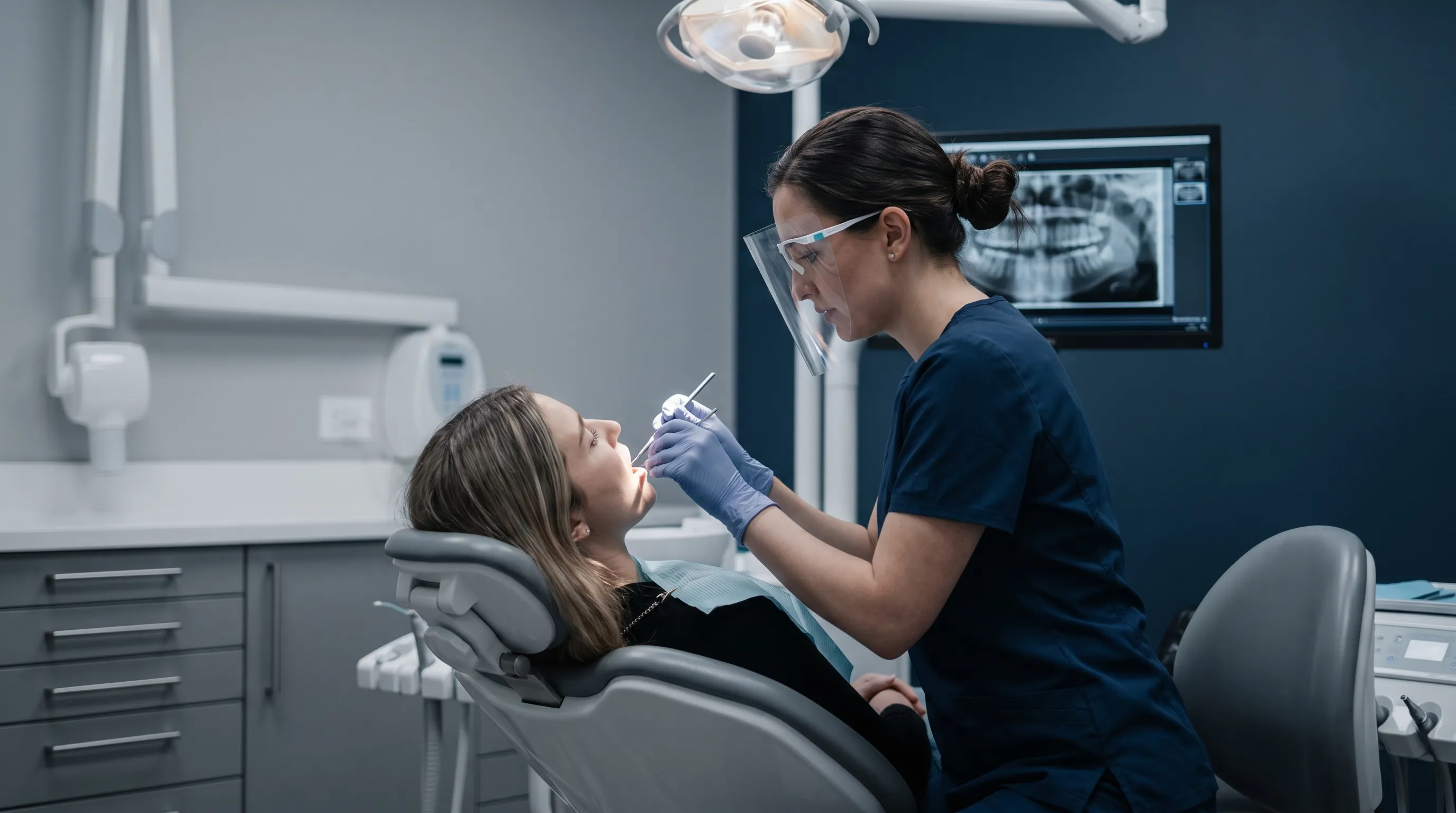
Depending on initial findings, diagnostic adjuncts include cytology smears, viral or fungal swabs, complete blood counts, metabolic panels, or allergy testing. Persistent, atypical, or suspicious lesions warrant a biopsy, where a small tissue sample is analyzed histologically to confirm or exclude dysplasia and malignancy. In cases of suspected structural abnormalities or deep-seated infections, cone beam computed tomography (CBCT) or magnetic resonance imaging (MRI) provides three-dimensional visualization of bone, nerve pathways, and soft tissue involvement. This systematic approach ensures accurate diagnosis, appropriate referral, and tailored therapeutic planning.
Treatment Options and Medical Interventions
Therapeutic strategies depend entirely on etiology, severity, and patient-specific factors. Evidence-based interventions range from conservative self-care to targeted pharmaceutical regimens.
Over-the-Counter Pain Relief and Topical Gels
For mild to moderate discomfort, topical anesthetics like benzocaine, lidocaine, or dyclonine provide temporary nerve desensitization. Formulations containing protective barrier polymers, such as hyaluronic acid or carboxymethylcellulose, shield exposed mucosa from mechanical and chemical irritants, reducing pain signals during healing. Anti-inflammatory rinses with benzydamine or chlorhexidine reduce bacterial load and modulate inflammatory cytokine release. When applying OTC products, follow FDA and clinical recommendations for safe topical application, avoid excessive frequency to prevent rebound irritation, and never apply alcohol-based formulations directly to open ulcers.
Prescription Medications and Targeted Therapies
Severe or recurrent conditions often require clinician-directed treatment. Antiviral agents like acyclovir or valacyclovir shorten herpes simplex outbreaks and reduce transmission risk. Corticosteroid pastes, gels, or rinses suppress immune-mediated inflammation in aphthous stomatitis, lichen planus, or autoimmune blistering diseases. Antifungal therapies, including nystatin suspension or fluconazole tablets, eradicate candidal overgrowth when topical measures prove insufficient. For bacterial complications, targeted antibiotics based on culture and sensitivity testing prevent systemic spread. In refractory cases, immunomodulators, colchicine, or laser photobiomodulation therapy accelerates mucosal repair and reduces pain frequency. Always complete prescribed courses, attend follow-up evaluations, and report adverse effects promptly.
Home Remedies and Self-Care Strategies
Complementary care enhances clinical outcomes and promotes natural healing. These evidence-backed practices reduce inflammation, maintain moisture, and protect vulnerable tissue during recovery.
Soothing Rinses and Natural Applications
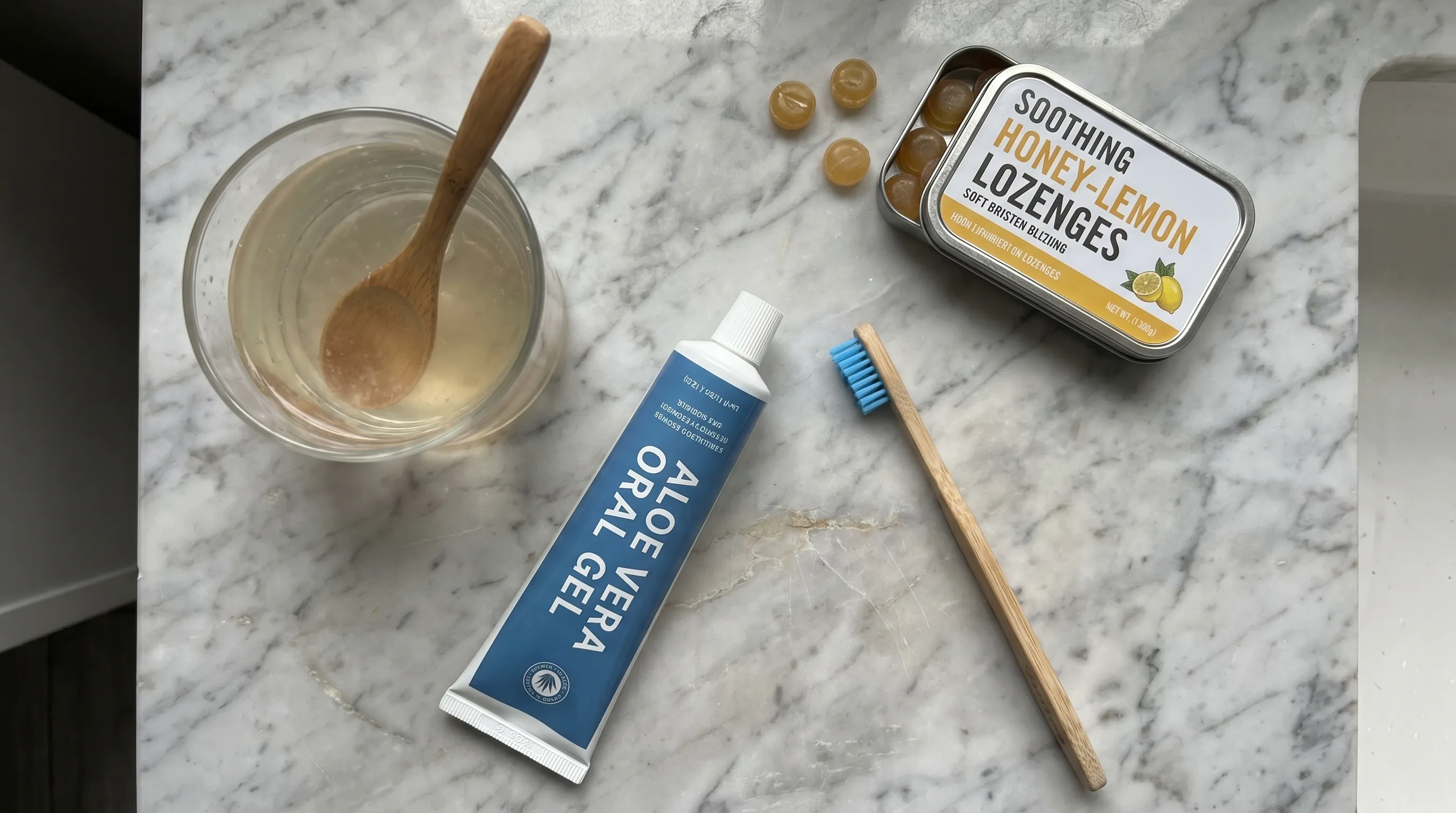
Warm saltwater rinses remain a cornerstone of oral wound care. Dissolving half a teaspoon of non-iodized salt in eight ounces of warm water creates an isotonic solution that gently debrides debris, reduces edema, and creates an alkaline environment unfavorable for pathogenic bacteria. Swish gently for thirty seconds, three to four times daily, particularly after meals. Baking soda rinses similarly neutralize acidity and promote epithelial migration. Topical medical-grade honey exhibits proven antibacterial, anti-inflammatory, and tissue-regenerative properties; NIH-funded clinical reviews confirm that applying a thin layer to clean ulcers creates a protective film that significantly accelerates closure. Aloe vera gel, free from alcohol and preservatives, soothes nerve endings and delivers antioxidants that mitigate oxidative stress. Avoid direct application of raw garlic, undiluted essential oils, or lemon juice, as these can cause chemical burns and worsen tissue damage.
Dietary Modifications and Hydration Protocols
Nutritional choices directly influence mucosal healing. Opt for soft, lukewarm, and bland foods like mashed potatoes, oatmeal, yogurt, scrambled eggs, and blended soups during acute flare-ups. Eliminate crunchy, acidic, salty, or heavily spiced items that mechanically irritate raw surfaces. Maintain consistent hydration by sipping room-temperature water throughout the day; dry mouth exacerbates friction, impairs saliva production, and slows cellular repair. If dehydration is suspected, consider oral rehydration solutions containing balanced electrolytes. Avoid alcohol, caffeine, and tobacco, as these substances dehydrate tissues, constrict blood vessels, and delay angiogenesis essential for healing.
Prevention and Long-Term Oral Health Tips
Sustainable comfort relies on proactive habits that strengthen the palatal mucosa and minimize exposure to known irritants.
Temperature Awareness and Food Preparation
Allowing hot beverages and meals to cool for three to five minutes before consumption drastically reduces thermal injury risk. Stirring liquids dissipates heat pockets, while testing food temperature on the lip or tongue tip provides immediate feedback. Incorporating cooling agents like room-temperature water or dairy products alongside spicy meals buffers capsaicin’s inflammatory effects on nerve receptors.
Optimized Oral Hygiene Routines
Brush twice daily with a soft-bristled or extra-soft toothbrush using fluoride toothpaste formulated for sensitive mouths. Floss gently to remove interdental plaque without traumatizing adjacent tissue. Replace toothbrushes every three months or immediately after respiratory illnesses to prevent microbial reintroduction. Consider switching to alcohol-free, neutral-pH mouthwashes designed for mucosal comfort rather than harsh antiseptic formulas that strip protective biofilms.
Stress Management and Immune Support
Since psychological stress directly impacts oral mucosal integrity, integrating mindfulness practices, adequate sleep, and regular physical activity stabilizes cortisol levels and enhances cellular immunity. Addressing bruxism with a custom-fitted night guard prevents unconscious clenching that transfers destructive forces to the palate. Maintaining a balanced diet rich in antioxidants, omega-3 fatty acids, and essential vitamins supports collagen synthesis and epithelial barrier function, reducing susceptibility to recurrent sores. Global oral health initiatives from the WHO emphasize that combining proper nutrition with consistent hygiene significantly lowers the risk of mucosal disease and systemic complications.
| Condition/Trigger | Typical Symptoms | Expected Healing Time | Recommended Action |
|---|---|---|---|
| Thermal Burn | Sharp sting, redness, mild swelling | 7–14 days | Cool water rinse, soft diet, avoid irritants |
| Canker Sore | White/yellow center, red halo, burning | 10–14 days | Topical gels, stress reduction, nutritional support |
| Viral Ulcer | Multiple small blisters, fever, malaise | 10–21 days | Antiviral prescription, hydration, isolation precautions |
| Mechanical Trauma | Localized tenderness, laceration, bleeding | 7–10 days | Remove irritant, dental wax, gentle cleaning |
| Fungal Infection | White patches, burning, altered taste | 7–14 days with treatment | Antifungal medication, probiotic support, sugar reduction |
| Persistent Lesion (>2 weeks) | Non-healing, bleeding, firm edges, numbness | Requires medical evaluation | Biopsy, specialist referral, imaging as indicated |
Frequently Asked Questions
How long does it take for a burned roof of the mouth to heal?
Minor thermal burns typically heal within seven to fourteen days due to the rapid regenerative capacity of oral mucosa. The initial inflammatory phase resolves quickly, but avoiding hot, spicy, or abrasive foods during this window prevents delayed closure and secondary discomfort. Severe blistering may extend recovery slightly, but consistent gentle care accelerates tissue restoration.
Can stress cause pain in the roof of my mouth?
Yes, psychological stress indirectly contributes to palatal soreness by elevating cortisol, suppressing localized immune function, and triggering recurrent aphthous ulcers. Stress also manifests physically through teeth grinding, cheek biting, or unconscious palate rubbing, which creates microtrauma. Incorporating relaxation techniques, maintaining consistent sleep schedules, and addressing underlying anxiety significantly reduces these flare-ups.
Is a lump on the roof of my mouth always a sign of cancer?
Most palatal lumps are entirely benign. Torus palatinus is a common, painless bony growth that develops slowly over years. Blocked minor salivary glands, cysts, or localized swelling from trauma frequently present as temporary nodules. However, any growth that persists beyond two weeks, feels unusually firm, bleeds spontaneously, or is accompanied by unexplained weight loss or numbness requires immediate professional biopsy to exclude malignancy.
When should I see a doctor or dentist for roof of mouth pain?
Seek prompt clinical evaluation if you experience severe, worsening pain that interferes with swallowing or breathing, high fever, visible pus, extensive swelling, or lesions that fail to improve after fourteen days. Immediate emergency care is warranted for sudden facial asymmetry, difficulty opening the mouth, or signs of systemic infection. Early intervention prevents complications, confirms accurate diagnosis, and initiates appropriate therapy.
Can nutritional deficiencies cause palate pain?
Deficiencies in vitamin B12, iron, folate, zinc, and vitamin C directly compromise mucosal integrity, leading to heightened sensitivity, recurrent ulcerations, and delayed wound healing. These nutrients are essential for DNA synthesis, epithelial cell turnover, and microvascular health. A comprehensive blood panel identifies specific gaps, allowing targeted dietary adjustments or guided supplementation that typically resolves symptoms within weeks.
Are there any natural remedies that actually work for palate sores?
Yes. Evidence supports warm saltwater or baking soda rinses to reduce bacterial load and maintain optimal pH. Medical-grade honey creates an occlusive barrier with natural antimicrobial compounds, while pure aloe vera gel delivers anti-inflammatory polysaccharides. Avoid applying undiluted essential oils or lemon juice, as these cause chemical burns. Combining these remedies with hydration and dietary modifications creates a synergistic healing environment.
Key Takeaways
Palatal discomfort is rarely cause for alarm, yet understanding the underlying mechanisms empowers you to respond effectively. When asking why does my roof of my mouth hurt, consider thermal exposure, mechanical friction, common ulcers, or transient infections as primary culprits. Simple interventions like temperature moderation, gentle hygiene, isotonic rinses, and stress management resolve the vast majority of cases within two weeks. Maintaining a nutrient-dense diet, staying adequately hydrated, and scheduling routine dental evaluations fortifies mucosal resilience against future irritation. Always monitor lesion progression, respect the body’s natural healing timeline, and seek professional guidance when symptoms deviate from expected patterns. By integrating evidence-based self-care with timely clinical intervention, you preserve the delicate architecture of your oral cavity and sustain long-term comfort, function, and overall wellness.
How we work
Researched and drafted with AI assistance, then reviewed by a human editor against the cited sources.
This article is general health information, not medical advice. Consult a qualified healthcare professional about your own situation.