Why Does My Neck Crunch When I Roll My Head? Causes, Science & Relief
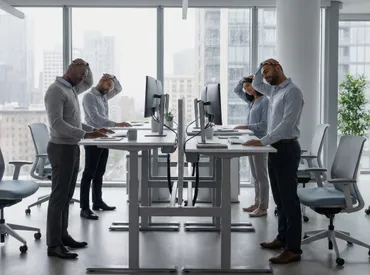
Have you ever slowly turned your head to glance over your shoulder and heard a loud, grinding crunch that echoes through your skull? If you have found yourself searching online to understand why does my neck crunch when i roll my head, you are far from alone. Cervical crepitus, the clinical term for those audible clicks, pops, snaps, and grating sensations, is an incredibly common experience recognized by orthopedic specialists that affects people of all ages and activity levels. While the sound can be startling or even uncomfortable, the underlying mechanisms are usually rooted in normal joint physiology rather than serious pathology. Understanding the difference between harmless joint noise and warning signs that warrant professional evaluation is essential for maintaining long-term spinal health and peace of mind. In this comprehensive guide, we will explore the precise anatomical reasons behind these sounds, examine when intervention is necessary, and provide evidence-based strategies to improve neck mobility, reduce discomfort, and protect your cervical spine for years to come.
Understanding Cervical Anatomy and Joint Mechanics
The human cervical spine is a marvel of biological engineering, designed to support the weight of the head while providing an extraordinary range of motion. As detailed by the Cleveland Clinic, to fully grasp why does my neck crunch when i roll my head, it helps to examine the intricate structures that work together to facilitate every glance, nod, and turn. The cervical region consists of seven distinct vertebrae, labeled C1 through C7, which stack upon one another to form the upper portion of your spinal column. Between each pair of vertebrae lie intervertebral discs that act as shock absorbers, distributing mechanical forces and preventing bone-on-bone contact. Flanking the spinal cord are the facet joints, small paired articulations that guide and limit cervical movement, ensuring that your neck moves smoothly within safe biomechanical boundaries.
Free calculatorWater Intake CalculatorCalculate daily water needsOpen the calculatorSurrounding these bony and cartilaginous structures is a complex network of ligaments, tendons, and muscles that provide dynamic stability. Ligaments connect bone to bone, offering passive restraint against excessive motion, while tendons anchor muscles to skeletal attachments, enabling controlled movement and posture maintenance. All of these components operate within a joint capsule filled with synovial fluid, a viscous, nutrient-rich substance that reduces friction and delivers essential oxygen and metabolites to the avascular cartilage surfaces. When any element within this finely tuned system experiences altered pressure, tension shifts, or wear over time, audible feedback in the form of crepitus can emerge. Recognizing how these anatomical structures interact provides the foundation for understanding both benign and pathological causes of neck sounds.
The Role of Synovial Fluid and Joint Lubrication
Synovial fluid serves as the primary lubricant within movable joints, including the cervical facet joints. It contains hyaluronic acid, lubricin, and dissolved gases such as nitrogen, oxygen, and carbon dioxide. During periods of inactivity, such as sleeping or prolonged sitting, the fluid becomes more concentrated and slightly thicker. When you initiate movement by rolling or turning your head, the joint surfaces separate and create transient changes in intra-articular pressure. This pressure fluctuation directly influences the physical state of the fluid and the behavior of dissolved gases, setting the stage for the most common mechanism behind joint sounds.
Nerve Endings and Proprioceptive Feedback
Embedded within the joint capsules and surrounding ligaments are specialized nerve endings called proprioceptors. These sensory receptors continuously monitor joint position, speed, and tension, relaying real-time data to the central nervous system. While crepitus itself is not generated by nerve activity, proprioceptive signals often accompany the sensation of crunching, helping your brain interpret whether the movement feels smooth or restricted. This sensory feedback loop explains why some people experience anxiety when they hear joint noises, even when no tissue damage is occurring. Training the nervous system through controlled movement and gradual exposure can significantly reduce the psychological stress associated with cervical sounds.
Benign Causes: Why Healthy Necks Make Noise
When individuals ask why does my neck crunch when i roll my head, they are often assuming that noise equals damage. In reality, most instances of cervical crepitus stem from completely physiological, non-harmful processes. Medical professionals and physiotherapists routinely reassure patients that painless joint sounds are a normal byproduct of how synovial joints function under movement. Understanding these benign mechanisms can help reduce unnecessary worry and prevent over-medicalization of a naturally occurring phenomenon.
Cavitation and Gas Bubble Dynamics
The leading scientific explanation for painless joint cracking is a process known as cavitation. When you slowly roll your head, the facet joints undergo a gentle distraction or separation. This rapid change in volume decreases the intra-articular pressure, allowing dissolved gases within the synovial fluid to come out of solution and form microscopic bubbles. Once these bubbles reach a critical size, they rapidly collapse or implode, producing an audible pop or crunch. This phenomenon is identical to the mechanism responsible for knuckle cracking.
Importantly, cavitation is a one-time event per movement cycle. After the bubbles collapse, it typically takes fifteen to twenty minutes for the gases to fully redissolve into the fluid, which is why you cannot repeatedly crack the same joint in quick succession. Long-term clinical research reviewed by the National Institutes of Health demonstrates that joint cavitation does not cause cartilage degradation, ligament laxity, or the development of osteoarthritis. Instead, it simply reflects healthy fluid dynamics and normal pressure regulation within the joint capsule.
Tendon and Ligament Tracking Over Bone
Beyond cavitation, another frequent culprit behind the crunching sensation is the movement of soft tissues across bony prominences. The cervical spine is enveloped by numerous tendons and ligaments that maintain alignment and facilitate motion. When you rotate or extend your neck, these structures naturally shift position to accommodate the new joint angle. Occasionally, a tendon or ligament will slide slightly off a bony ridge and then snap back into its anatomical groove, generating a clicking, snapping, or grating noise.
This tracking phenomenon is especially common in individuals with heightened muscle tension or mild asymmetries in tissue elasticity. As long as the sound is not accompanied by pain, swelling, or functional limitation, it is considered a normal biomechanical variation. Stretching and mobility work can help normalize tissue glide and reduce the frequency of audible snaps by improving fascial pliability and joint lubrication.
Debunking the Arthritis Myth
For decades, a pervasive medical myth suggested that habitual joint cracking would inevitably lead to degenerative conditions. However, longitudinal research has thoroughly debunked this claim. A landmark study tracking habitual knuckle crackers over fifty years found absolutely no correlation between joint manipulation and the development of arthritis. The same principles apply to the cervical spine. Occasional or frequent crepitus, when isolated from pain and neurological compromise, does not accelerate joint degeneration. Believing otherwise can lead to fear-avoidance behaviors, which paradoxically contribute to muscle deconditioning and reduced cervical mobility.
When Crepitus Signals Underlying Structural Changes
While benign mechanisms account for the majority of cervical sounds, it is equally important to recognize when crepitus reflects progressive tissue changes. Age, genetics, mechanical overload, and prior trauma can alter joint architecture, leading to sounds that indicate underlying pathology rather than simple fluid dynamics. Learning to differentiate between physiological noise and structural warning signs is crucial for timely intervention and long-term spinal preservation.
Cervical Spondylosis and Osteoarthritis Progression
As we age, the cervical spine undergoes predictable degenerative changes collectively referred to as cervical spondylosis. According to clinical guidelines from the Cleveland Clinic, the articular cartilage lining the facet joints gradually thins, losing its smooth, glass-like surface. Simultaneously, the synovial membrane may produce slightly less fluid, and the bone margins can develop osteophytes, commonly known as bone spurs. When cartilage loss reaches a moderate stage, the protective gliding mechanism between vertebrae diminishes, causing bones to move closer together and generate a coarse grinding or crunching sensation during rotation.
Osteoarthritis-related crepitus is frequently accompanied by morning stiffness, localized tenderness, and a gradual reduction in comfortable range of motion. Unlike cavitation pops, arthritic grinding tends to be continuous throughout the movement arc rather than a single discrete event. Management focuses on preserving remaining cartilage, reducing inflammatory mediators, and maintaining muscular support to offload the affected joints.
Facet Joint Dysfunction and Inflammation
The facet joints are highly innervated and particularly vulnerable to mechanical stress, poor posture, and repetitive microtrauma. When these small articulations become irritated or inflamed, the joint capsule can swell, and the surrounding musculature may develop protective spasms. This altered biomechanical environment causes the joint surfaces to track abnormally during movement, producing audible grinding or catching sensations.
Facet joint dysfunction often presents as localized neck pain that worsens with extension or rotation. Patients may also experience referred discomfort into the shoulders or upper back. Addressing this condition requires a targeted approach that combines anti-inflammatory strategies, postural realignment, and specific mobility drills to restore smooth joint articulation.
Degenerative Disc Disease and Loss of Cushioning
Intervertebral discs are composed of a tough outer annulus fibrosus and a gel-like nucleus pulposus that provides hydrostatic cushioning. Over time, discs naturally lose hydration, becoming thinner and less resilient. Degenerative disc disease (DDD) reduces the vertical height between vertebrae, increasing the mechanical load transferred to the posterior facet joints. As the discs degenerate, the altered spinal mechanics force the facets to bear excessive stress, resulting in pronounced crepitus and movement restrictions.
DDD is highly prevalent but not universally symptomatic. Many individuals exhibit significant disc desiccation on imaging without experiencing pain or notable sounds. However, when crepitus coexists with stiffness, radiating discomfort, or postural fatigue, it often indicates that the spinal segment is undergoing biomechanical compensation. Conservative rehabilitation remains the cornerstone of management, focusing on core stabilization, cervical traction, and ergonomic optimization.
Postural Strain and the Impact of Prolonged Screen Use
Modern lifestyle habits have dramatically altered cervical biomechanics, giving rise to what clinicians frequently term tech neck. The human head weighs approximately ten to twelve pounds in neutral alignment. For every inch the head shifts forward, the effective gravitational load on the cervical spine increases by roughly ten pounds. Workplace posture and ergonomic guidelines from the CDC and NIOSH emphasize how chronic forward head posture places sustained tension on the posterior ligamentous complex, compresses the anterior discs, and forces the facet joints into prolonged malalignment.
When you eventually roll your head after hours of screen time, the joints are moving through stiffened tissues with reduced lubrication efficiency, generating noticeable crunching sounds. Poor posture also weakens the deep cervical flexors while overactivating the upper trapezius and levator scapulae, creating a muscular imbalance that perpetuates joint stress. Correcting workstation ergonomics and implementing regular movement breaks are essential first steps in reversing postural strain and reducing crepitus.
Sequelae of Previous Trauma and Soft Tissue Adaptations
A history of whiplash, sports collisions, or sudden cervical strains can permanently alter spinal mechanics. Even after acute pain subsides, microscopic scar tissue may form within the joint capsules, ligaments, or paraspinal muscles. This fibrotic tissue lacks the elasticity of healthy connective tissue, causing restricted glide and abnormal tracking during movement. Consequently, individuals with prior trauma often report increased crepitus long after the initial injury has healed.
Rehabilitation in these cases focuses on graded tissue mobilization, neural desensitization, and progressive strengthening. Manual therapy techniques, such as myofascial release and gentle joint glides, can help remodel scar tissue and restore physiological range of motion, thereby decreasing the frequency and volume of joint sounds.
Clinical Warning Signs: When Neck Noises Require Evaluation
Understanding when benign crepitus crosses into a clinically significant territory is essential for preventing complications. While the question why does my neck crunch when i roll my head often leads to reassurance, certain accompanying symptoms should never be ignored. Early recognition of red flags enables timely diagnosis and prevents minor irritations from progressing into chronic conditions.
Neurological Symptoms and Nerve Root Compression
The cervical spine houses nerve roots that branch outward to innervate the shoulders, arms, and hands. Degenerative changes, disc herniations, or inflammatory swelling can compress these neural pathways, generating neurological warning signs. If your neck crunching is paired with persistent tingling, numbness, or electric-shock sensations radiating down your arm, it may indicate cervical radiculopathy. The Mayo Clinic details the warning signs of pinched cervical nerves, noting that muscle weakness in the grip, shoulder abduction, or elbow flexion further suggests compromised nerve conduction. These symptoms warrant prompt imaging and specialist consultation to determine the exact level of involvement and appropriate intervention.
Differentiating Harmless Sounds from Pathological Grinding
Not all crepitus sounds alike, and the quality of the noise often correlates with the underlying tissue state. Benign cavitation produces a sharp, isolated pop followed by immediate relief of tension. Tendon tracking sounds like a soft click or snap that occurs predictably at specific joint angles. Pathological grinding, however, often resembles coarse sandpaper, continuous crunching, or painful catching throughout the entire movement range.
If the sound is consistently accompanied by localized swelling, warmth, sharp pain upon movement, or a sudden loss of functional range, it is advisable to consult a healthcare provider. Conditions such as cervical instability, severe facet arthropathy, or inflammatory spondyloarthropathy require targeted medical management that goes beyond conservative stretching. Diagnostic imaging, including MRI or dynamic X-rays, may be necessary to visualize soft tissue integrity and spinal alignment accurately.
Evidence-Based Relief: Conservative Management Protocols
The vast majority of individuals experiencing cervical crepitus will find significant improvement through conservative, non-invasive approaches. Evidence consistently supports structured exercise, ergonomic modification, and targeted symptom management as highly effective strategies. When exploring why does my neck crunch when i roll my head, implementing these protocols addresses the root biomechanical contributors rather than merely masking the symptoms.
Targeted Stretching and Mobility Routines
Regular stretching reduces muscular tension, improves fascial elasticity, and promotes healthy synovial fluid circulation. Gentle cervical mobility drills should be performed daily, focusing on slow, controlled movements through comfortable ranges. Effective exercises include chin tucks, lateral neck stretches, scapular retractions, and upper trapezius releases. Holding each stretch for thirty seconds and repeating two to three times encourages tissue adaptation without triggering protective spasms. Avoid aggressive end-range forcing, which can strain joint capsules and exacerbate inflammation.
Isometric Strengthening for Cervical Stability
Mobility alone is insufficient without adequate muscular support. Isometric exercises, where muscle tension is generated without joint movement, are exceptionally safe and effective for building cervical endurance. Pressing your palm gently against your forehead, sides of your head, and back of your skull while resisting the movement for five to ten seconds activates the deep stabilizers without compressing the discs. Progressive resistance training using light bands or body weight can further strengthen the rhomboids, lower trapezius, and posterior deltoids, which collectively offload the cervical spine.
Thermotherapy and Pain Modulation
Temperature application remains a cornerstone of musculoskeletal symptom management. Ice therapy constricts superficial blood vessels, reducing metabolic activity and numbing localized pain pathways. Applying ice for ten to fifteen minutes is ideal during acute flare-ups or after strenuous activity. Conversely, heat therapy promotes vasodilation, delivering fresh blood and nutrients to stiff tissues while relaxing hypertonic muscles. Alternating between moist heat and cold packs, or applying them strategically based on symptom presentation, can significantly improve tissue compliance and reduce grinding sensations during movement.
Ergonomic Optimization and Workspace Design
Environmental adjustments play a critical role in preventing repetitive strain. Your computer monitor should sit at eye level, approximately an arm’s length away, to prevent forward head posture. Keyboard and mouse placement should allow elbows to rest at ninety degrees with shoulders relaxed. If you work on a laptop, an external keyboard and riser are highly recommended. Taking micro-breaks every thirty to forty minutes to reset posture, roll the shoulders, and gently mobilize the neck disrupts prolonged static loading and maintains joint lubrication.
The Role of Physical Therapy and Manual Care
When self-management yields limited progress, professional intervention becomes invaluable. Physical therapists utilize movement analysis, manual therapy techniques, and individualized exercise prescription to restore optimal cervical mechanics. Soft tissue mobilization, joint gliding, and neuromuscular re-education help normalize movement patterns and reduce compensatory strain. Evidence-based rehabilitation strategies recommended by orthopedic specialists highlight that for appropriate candidates, chiropractic or osteopathic manipulative therapy can improve segmental mobility and joint proprioception. Always seek licensed practitioners who emphasize active rehabilitation alongside passive adjustments to ensure long-term stability.
Long-Term Prevention and Daily Habit Integration
Sustainable neck health relies on consistent daily habits rather than sporadic interventions. Once you understand why does my neck crunch when i roll my head, integrating preventive strategies into your routine becomes straightforward and highly effective. Long-term joint preservation hinges on movement consistency, sleep quality, and systemic nutritional support.
Micro-Breaks and Movement Patterning
Static postures are the primary enemy of cervical joint health. Implementing the twenty-twenty-twenty rule for screen use, combined with two-minute movement breaks every hour, dramatically reduces tissue stiffness. Simple actions like shoulder rolls, chin tucks, and walking laps around your workspace keep synovial fluid circulating and prevent the formation of prolonged muscle tension bands. Over time, this consistent movement patterning trains the nervous system to maintain better default alignment, reducing the mechanical triggers for crepitus.
Sleep Posture and Orthopedic Pillow Selection
Approximately eight hours of each day are spent in a supine or lateral position, making sleep ergonomics critical. Pillows that are too high or too flat force the cervical spine into excessive flexion or extension, disrupting natural spinal curves overnight. Orthopedic cervical pillows with contoured memory foam or adjustable fill allow the neck to maintain a neutral alignment regardless of sleeping position. Side sleepers benefit from pillows that fill the gap between the ear and mattress, while back sleepers require thinner, supportive bases that cradle the natural lordosis without pushing the head forward.
Systemic Joint Support Through Nutrition and Hydration
Cartilage health and synovial fluid viscosity depend heavily on systemic hydration and nutrient availability. Chronic dehydration reduces the lubricating capacity of joint fluid, increasing friction and audible grinding during movement. Maintaining consistent daily water intake, incorporating omega-3 fatty acids from fish or flaxseeds, and consuming antioxidant-rich vegetables help modulate inflammatory pathways and support connective tissue repair. The NIH Office of Dietary Supplements highlights how nutrients like omega-3 fatty acids support joint tissue health. While no single food eliminates crepitus, a balanced, nutrient-dense diet creates the physiological environment necessary for optimal joint function and long-term mobility.
Benign vs. Pathological Neck Crepitus: A Quick Reference
| Feature | Benign Crepitus | Pathological Crepitus |
|---|---|---|
| Sound Quality | Sharp pop, soft click, or isolated snap | Continuous grinding, coarse crunching, or painful catching |
| Pain Level | Painless or brief tension release | Sharp, aching, or radiating discomfort during/after movement |
| Timing | Occasional, often after inactivity | Consistent across movement arcs, worsens throughout the day |
| Accompanying Symptoms | None, or mild temporary stiffness | Numbness, weakness, swelling, dizziness, or significant ROM loss |
| Response to Rest/Heat | Improves quickly with gentle movement | Minimal relief, requires targeted medical intervention |
Frequently Asked Questions
Is it harmful to crack my neck if it makes a crunching sound?
In the absence of pain, neurological symptoms, or trauma history, occasional neck cracking or crepitus is generally harmless and does not cause arthritis or long-term joint damage. Multiple peer-reviewed studies confirm that cavitation does not degrade cartilage. However, forceful or frequent self-manipulation should be avoided as it may overstretch ligaments over time.
Why does my neck crunch when I roll my head more in the morning?
Morning stiffness and increased crepitus are often linked to fluid accumulation, reduced joint lubrication overnight, and muscle tension. As you begin moving, gas bubbles form and collapse in the synovial fluid, and tissues gradually regain mobility, which temporarily amplifies sounds. Gentle morning stretches and hydration can significantly reduce this effect.
Can poor posture really cause my neck to make crunching noises?
Yes. Prolonged forward head posture increases mechanical load on the cervical facet joints and intervertebral discs. This strain alters joint tracking, tightens surrounding musculature, and reduces natural lubrication efficiency, all of which can trigger crepitus during movement. Ergonomic interventions recommended by workplace health guidelines directly address this root cause.
When should I see a doctor for a crunchy neck instead of trying stretches?
You should seek prompt medical evaluation if neck crunching is accompanied by persistent pain, radiating numbness or tingling in the arms, muscle weakness, frequent headaches, dizziness, or a noticeable reduction in range of motion. These symptoms may indicate nerve compression, disc herniation, or structural instability requiring imaging and specialized care.
Do neck cracking exercises help reduce the crunching sound?
Targeted mobility and strengthening exercises do not typically eliminate joint sounds completely, but they significantly improve cervical alignment, reduce muscle tension, enhance synovial fluid circulation, and decrease the frequency of concerning crepitus by restoring healthy joint mechanics. Consistency is key for lasting biomechanical improvement.
Conclusion
Investigating why does my neck crunch when i roll my head reveals a fascinating intersection of anatomy, biomechanics, and everyday lifestyle habits. For the vast majority of individuals, cervical crepitus is a completely normal byproduct of gas bubble dynamics and soft tissue tracking, reflecting a healthy, functioning joint rather than an impending problem. By understanding the underlying mechanisms, recognizing the clear boundaries between harmless noise and warning signs, and implementing evidence-based mobility and ergonomic strategies, you can confidently manage your spinal health without unnecessary anxiety.
Consistent stretching, targeted strengthening, proper workstation setup, and mindful movement patterns form the foundation of long-term cervical wellness. Should your crunching sounds ever transition into pain, neurological symptoms, or functional limitations, timely professional evaluation ensures that underlying structural changes are addressed before they progress. Prioritizing proactive care over reactive treatment empowers you to maintain fluid, pain-free neck movement throughout every stage of life. Remember, your cervical spine thrives on gentle motion, consistent support, and respectful alignment habits that you can easily integrate into your daily routine.
How we work
Researched and drafted with AI assistance, then reviewed by a human editor against the cited sources.
This article is general health information, not medical advice. Consult a qualified healthcare professional about your own situation.