How to Get Rid of a Crick in Your Neck: Evidence-Based Relief and Recovery Guide
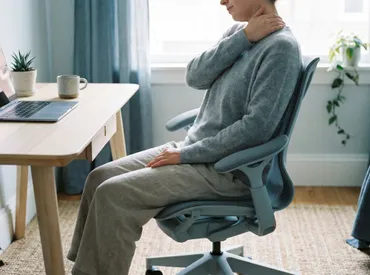
Waking up to a sudden, sharp pain that restricts your ability to turn your head is an experience nearly everyone dreads. A stiff, uncooperative cervical spine can turn simple tasks like driving, reading, or checking your phone into frustrating challenges. If you are wondering how to get rid of a crick in your neck, you are not alone. Neck discomfort is incredibly prevalent, affecting between ten and twenty percent of adults according to global health data from the World Health Organization, with risk factors that increase significantly as we age. The good news is that the vast majority of these episodes respond exceptionally well to targeted, evidence-based self-care strategies. By understanding the underlying muscle mechanics, applying the right therapies at the correct stages, and implementing sustainable lifestyle adjustments, you can not only accelerate your recovery but also prevent future flare-ups. In this comprehensive guide, we will explore the exact steps medical professionals recommend to safely alleviate pain, restore mobility, and protect your cervical spine for the long term.
Understanding the Anatomy and Mechanics of a Neck Crick
A "crick in the neck" is not a formal medical diagnosis but rather a colloquial term describing sudden neck stiffness, localized muscle spasms, and restricted range of motion. At the physiological level, this discomfort usually stems from microtrauma to the muscle fibers, tendons, or ligaments in the cervical region. As detailed by the National Institutes of Health, the most commonly implicated structure is the levator scapulae, a strap-like muscle that originates from the upper cervical vertebrae and inserts onto the medial border of the shoulder blade. This muscle plays a critical role in elevating the scapula and assisting with neck rotation. When overworked or improperly positioned, it can go into a protective spasm, causing that familiar sharp pain when attempting to look sideways or turn your head.
Free calculatorSleep CalculatorCalculate sleep cyclesOpen the calculatorUnlike chronic cervical conditions or systemic joint diseases, an acute crick typically presents with very specific, localized symptoms. Patients frequently report a pulling or burning sensation that intensifies with movement. The surrounding paraspinal muscles may feel rigid or knotted, and the cervical curvature can temporarily appear altered due to compensatory muscle guarding. According to clinical observations, nearly twenty out of one hundred people experience frequent neck discomfort, and it ranks as the fourth leading cause of disability worldwide. Understanding that this condition is primarily mechanical and often self-limiting is crucial for effective recovery. The nervous system initiates muscle spasms as a protective mechanism to prevent further tissue damage. Recognizing this allows you to work with your body's natural healing timeline rather than against it.

Common Causes and Everyday Triggers
Identifying the root cause of your discomfort is the first critical step in learning how to get rid of a crick in your neck effectively. Muscle strain remains the most prevalent culprit, often resulting from repetitive microtrauma or sudden overstretching. However, modern lifestyle habits frequently compound this issue. Prolonged static positioning, particularly in ergonomically compromised postures, places sustained mechanical stress on the cervical spine.
Muscle Strain and Physical Overuse
Sudden movements, improper lifting techniques, or high-intensity workouts with inadequate form can strain the delicate musculature of the upper back and neck. The cervical muscles are relatively small but highly active, constantly working to stabilize a head that weighs approximately ten to twelve pounds. When subjected to sudden torque or excessive load without adequate conditioning, the muscle fibers can develop microscopic tears. This triggers localized inflammation and pain signaling. Athletes, frequent weightlifters, and individuals who suddenly increase physical activity without progressive conditioning are particularly susceptible.
Poor Posture and the Impact of "Text Neck"
The advent of smartphones and prolonged desk work has dramatically altered spinal biomechanics. When you look down at a screen, the effective load on your cervical spine increases exponentially. For every inch the head moves forward from a neutral position, the cervical muscles must support an additional ten pounds of force, a biomechanical reality highlighted by the Cleveland Clinic. Over hours of daily exposure, this cumulative stress leads to chronic muscle fatigue, shortened anterior neck muscles, and overstretched posterior fibers. Slouching at a desk or cradling a telephone between your shoulder and ear forces the cervical spine into asymmetrical loading patterns, creating the perfect environment for acute spasms.
Sleep Position and Bedding Factors
We spend roughly one-third of our lives sleeping, and your nighttime posture plays a decisive role in spinal alignment. Sleeping on your stomach forces your neck into extreme rotation for extended periods, which strains the levator scapulae and suboccipital muscles. Conversely, using too many pillows or an overly soft pillow that lacks structural support can leave the neck in a flexed or unsupported state, causing muscles to remain partially contracted throughout the night. These factors frequently manifest as morning stiffness that mimics an acute crick.
Less Common Structural and Medical Causes
While muscular tension accounts for the majority of cases, it is essential to acknowledge that a crick can sometimes be a symptom of underlying structural pathology. Conditions such as cervical disc herniation, facet joint arthritis, cervical radiculopathy, or even infections can present with localized stiffness and pain. These conditions typically present with additional neurological signs, systemic symptoms, or pain patterns that extend beyond the immediate cervical region. Recognizing the difference between a simple muscular spasm and a more complex neurological or orthopedic issue is vital for determining when conservative management is appropriate versus when immediate medical intervention is required.
Immediate Relief Strategies: The First 48 to 72 Hours
The initial phase following the onset of a neck crick is critical for controlling inflammation and preventing the spasm from worsening. During this acute window, the primary goal is to calm the nervous system and reduce localized swelling without aggravating the injured tissue.
The Ice Protocol and Cold Therapy
Applying ice during the first two to three days is the gold standard for managing acute musculoskeletal injuries, as recommended in self-care guidelines by the Mayo Clinic. Cold therapy works by inducing vasoconstriction, which reduces blood flow to the injured area and limits the accumulation of inflammatory mediators. It also decreases nerve conduction velocity, effectively numbing pain signals and interrupting the pain-spasm cycle. To apply this therapy safely, wrap ice packs or a bag of frozen vegetables in a thin cloth or towel and apply it to the affected area for fifteen to twenty minutes at a time. Repeat this process every two to three hours while awake. Never apply ice directly to the skin, as this can cause tissue damage or frostbite. Consistent, controlled cold application in the early stages significantly shortens the acute pain phase.
Relative Rest and Activity Modification
While complete immobilization is generally discouraged for musculoskeletal injuries, relative rest is essential. This means avoiding the specific movements or positions that triggered the spasm, while maintaining light, functional mobility within a pain-free range. For example, if looking over your shoulder causes sharp pain, temporarily limit that motion and turn your entire torso instead. Resting does not mean lying still for days; prolonged bed rest can actually lead to muscle deconditioning and joint stiffness. Instead, focus on gentle posture awareness and avoid activities that strain the cervical spine.
Over-the-Counter Medication Guidelines
Pharmacological intervention can provide crucial relief during the acute phase, allowing you to engage in gentle mobility exercises and maintain daily function. Nonsteroidal anti-inflammatory drugs (NSAIDs) such as ibuprofen (Advil, Motrin) and naproxen sodium (Aleve) target both pain and inflammation. Acetaminophen (Tylenol) primarily addresses pain perception without affecting inflammation. When taking these medications, always follow the dosing instructions on the packaging and take them with food to protect the gastric lining. If over-the-counter options fail to provide adequate relief after several days, a healthcare provider may prescribe short-term muscle relaxants or stronger anti-inflammatory medications to break the severe pain cycle. Always consult a pharmacist or physician if you have underlying health conditions, are taking other medications, or are pregnant.
Advanced Recovery Techniques: Beyond the Acute Phase
Once the initial inflammation has subsided, typically after forty-eight to seventy-two hours, your treatment strategy must shift from pain control to tissue mobilization and functional restoration. This phase is where you actively work on how to get rid of a crick in your neck by restoring normal muscle length and joint mobility.
Heat Therapy and Thermal Alternation
Heat is exceptionally effective during the subacute phase. Unlike ice, which restricts blood flow, heat promotes vasodilation, delivering oxygen-rich blood and nutrients to fatigued muscles while facilitating the removal of metabolic waste products. Applying a heating pad, hot compress, or taking a warm shower for eight to ten minutes helps relax contracted muscle fibers and increases tissue elasticity. The thermal energy also acts as a neuromodulator, reducing muscle spindle sensitivity and allowing for safer stretching. Many clinicians recommend alternating heat and cold after the first few days to optimize circulation and manage residual discomfort. Always test the temperature before application and ensure a protective barrier between the heat source and your skin to prevent burns.
Gentle Stretching and Mobility Protocols
Stretching should never be aggressive when dealing with an acute or subacute spasm. Pushing into severe pain can trigger a reflexive muscle contraction, worsening the injury. Instead, utilize gentle, sustained stretches held for twenty to thirty seconds, performed three to five times daily. Effective movements include slow cervical rotation, lateral flexion, and chin tucks. Begin each stretch in a neutral posture, inhale to lengthen the spine, and exhale gently as you guide the movement into a comfortable range. Stop immediately if you experience shooting pain, numbness, or dizziness. Consistent, low-intensity mobility work encourages realignment of muscle fibers and prevents the formation of restrictive scar tissue.
Manual Therapy and Soft Tissue Work
Self-massage and professional manual therapy can significantly accelerate recovery. Using your fingers or a massage ball, apply gentle, sustained pressure to tender points along the upper trapezius and levator scapulae. Focus on releasing trigger points rather than deep, aggressive kneading, which can increase inflammation. Professional massage therapy, myofascial release, and active release techniques target fascial restrictions and improve tissue pliability. When combined with stretching, manual therapy helps break the cycle of chronic tension and restores normal biomechanics to the cervical-thoracic junction.
Supportive Measures and Long-Term Management
Recovery from a neck crick extends beyond immediate symptom relief. Implementing supportive measures ensures that your healing environment is optimized and reduces the likelihood of recurrence. Understanding how to get rid of a crick in your neck permanently involves addressing the structural and environmental factors that contribute to cervical strain.
Neck Collars: Benefits and Limitations
Soft cervical collars can provide temporary relief by limiting range of motion and reducing the gravitational load on neck muscles. However, they should be used judiciously. Wearing a collar continuously or for extended periods (beyond three hours daily or one to two weeks) can lead to rapid muscle atrophy, joint stiffness, and delayed recovery. The cervical musculature requires progressive loading and movement to heal properly. If prescribed a collar, use it only during highly symptomatic periods or activities that typically trigger pain, and pair its use with daily gentle mobility exercises to maintain tissue integrity.
Optimizing Your Sleep Environment
Your mattress and pillow are foundational to cervical health. A firm or medium-firm mattress provides the necessary support for spinal alignment, preventing excessive curvature or sagging. For pillow selection, look for ergonomic designs that maintain the natural cervical lordosis. Memory foam, cervical contour pillows, or adjustable fill options can be highly effective. Avoid stacking multiple pillows, as this forces the neck into chronic flexion. The ideal pillow height depends on your sleeping position; side sleepers generally need a higher loft to fill the space between the ear and shoulder, while back sleepers require moderate support to keep the head neutral.
Physical Therapy and Professional Interventions
When home remedies plateau or pain becomes chronic, physical therapy is the most effective next step. A licensed physical therapist conducts a comprehensive biomechanical assessment, identifying movement dysfunctions, postural imbalances, and weak stabilizing muscles. Treatment typically involves targeted strengthening exercises for the deep cervical flexors, scapular stabilizers, and upper back musculature. Modalities such as TENS (Transcutaneous Electrical Nerve Stimulation) may be utilized, though clinical evidence for its standalone efficacy remains limited. PT also emphasizes neuromuscular re-education, teaching your body to maintain optimal alignment during dynamic movements. Investing in professional guidance often yields faster, more sustainable results than trial-and-error home management.

Prevention Strategies to Avoid Recurrence
Nearly half of individuals who experience a neck crick will encounter recurrent episodes or lingering discomfort. The most reliable way to break this cycle is through proactive lifestyle and ergonomic modifications. Prevention focuses on reducing cumulative strain and building resilient, well-conditioned cervical musculature.
Daily Ergonomic Adjustments
Transforming your workspace into a spine-friendly environment is one of the most impactful changes you can make, aligning directly with CDC guidelines for workplace ergonomics. Position your computer monitor so the top third is at or slightly below eye level, eliminating the need to tilt your head downward. Utilize hands-free headsets or speakerphone for extended calls to avoid shoulder cradling. When using tablets or reading devices, prop them at a forty-five-degree angle on a stand rather than resting them flat on your lap. Ensure your chair provides adequate lumbar support, allowing your shoulders to relax and your feet to rest flat on the floor. These micro-adjustments compound over time, significantly reducing daily mechanical stress on the cervical spine.
Strengthening and Flexibility Routines
Muscles that are both flexible and strong are highly resistant to strain. Incorporate daily cervical mobility routines, focusing on gentle range-of-motion exercises. Complement these with targeted strengthening work for the deep neck flexors, rhomboids, and lower trapezius. Exercises like scapular retractions, chin tucks, and resisted band work build postural endurance. Stretch your chest and anterior neck muscles regularly, as tightness in these areas pulls the shoulders forward and compromises cervical alignment. Consistency is paramount; dedicating ten to fifteen minutes daily to targeted mobility and strength training dramatically reduces the risk of acute spasms.
Nutritional and Lifestyle Factors
Muscle health is heavily influenced by systemic nutrition. Deficiencies in vitamin D and calcium have been directly linked to increased muscle cramping, weakness, and delayed recovery, according to data from the NIH Office of Dietary Supplements. Regular testing and appropriate supplementation, guided by a healthcare provider, can optimize musculoskeletal function. Additionally, managing stress levels is crucial. Chronic psychological tension manifests physically as elevated baseline muscle tone in the neck and shoulders. Incorporating mindfulness practices, deep breathing exercises, and regular physical activity helps regulate the nervous system and prevents stress-induced muscular guarding. Staying hydrated also supports tissue pliability and optimal muscle function.
| Therapy Modality | Best Used During | Primary Mechanism | Key Guidelines | Safety Considerations |
|---|---|---|---|---|
| Cold Therapy (Ice) | First 48-72 Hours | Vasoconstriction, inflammation reduction, nerve numbing | 15-20 mins, wrapped in cloth, repeat every 2-3 hours | Never apply directly to skin; avoid if you have vascular conditions |
| Heat Therapy | After 72 Hours | Vasodilation, increased blood flow, muscle relaxation | 8-10 mins per session, warm shower or heating pad | Monitor temperature to prevent burns; avoid on acute swelling |
| Gentle Stretching | After pain subsides slightly | Restores muscle length, breaks pain-spasm cycle | Hold 20-30 sec, move slowly, never push to sharp pain | Stop if numbness, tingling, or radiating pain occurs |
| OTC Medications | Acute phase as needed | Blocks pain signals, reduces inflammation | Take with food, follow dosage instructions strictly | Consult doctor if pregnant, on blood thinners, or have kidney issues |
| Physical Therapy | Persistent or recurrent cases | Strengthens stabilizers, corrects biomechanics | Consistent attendance, follow home exercise program | Ensure therapist is licensed and specializes in spine care |
When to Seek Professional Medical Attention
While the vast majority of neck cricks resolve with conservative management, certain red flags indicate the need for prompt medical evaluation. Ignoring these warning signs can delay treatment for more serious underlying conditions. Seek immediate medical attention if you experience pain that radiates into the arms or down the spine, as this often indicates nerve root compression or cervical disc involvement, according to the Cleveland Clinic. Weakness, tingling, or numbness in the extremities, especially when combined with neck stiffness, warrants urgent neurological assessment.
Systemic symptoms such as unexplained fever, night sweats, or unintentional weight loss occurring alongside neck pain may suggest infection, inflammatory disease, or other serious pathology. Trauma-related onset, such as following a motor vehicle accident, fall, or sudden whiplash injury, requires imaging to rule out fractures or ligamentous tears. Additionally, if the stiffness and pain persist for more than a few days without improvement, or if cricks recur frequently despite proper self-care, schedule an appointment with a physician or physical therapist. They can conduct a thorough evaluation, order diagnostic imaging if necessary, and develop a personalized rehabilitation protocol.
Frequently Asked Questions
How long does a crick in the neck typically last?
Most acute episodes resolve within one to two weeks with consistent home care. Some individuals may feel mild residual tightness for up to three weeks, but severe or worsening pain beyond this window requires professional evaluation.
Should I use ice or heat for a crick in the neck?
Apply ice during the first 48 to 72 hours to control acute inflammation and pain. Transition to heat after this period to relax stiff muscles and improve circulation. Alternating both can optimize recovery once the acute phase passes.
Is it safe to crack or pop my neck when it feels stiff?
Forceful self-manipulation is not recommended. It can strain ligaments, irritate nerves, or worsen existing inflammation. Gentle, controlled stretching and professional evaluation are safer approaches to restoring mobility.
When should I see a doctor for a crick in the neck?
Seek medical care if pain radiates down the arms, causes numbness or weakness, is accompanied by fever or weight loss, follows significant trauma, or fails to improve after several days of proper home treatment.
Can vitamin deficiencies cause frequent neck cricks?
Yes. Low levels of vitamin D and calcium can contribute to muscle weakness, increased cramping, and delayed tissue recovery. Testing and correcting these deficiencies supports long-term musculoskeletal resilience.
Conclusion
Recovering from a stiff, painful neck requires a strategic, phased approach that aligns with your body's natural healing timeline. By understanding the difference between acute and subacute management, applying cold therapy initially, transitioning to heat, and incorporating gentle mobility work, you can effectively restore function and comfort. The journey of learning how to get rid of a crick in your neck extends beyond quick fixes; it demands attention to ergonomics, sleep quality, targeted strengthening, and proactive stress management. When implemented consistently, these evidence-based practices not only resolve immediate discomfort but also build a resilient cervical spine capable of withstanding daily demands. If symptoms persist, radiate, or present with neurological warning signs, do not hesitate to consult a healthcare professional. With the right knowledge and disciplined application of proven recovery techniques, you can move freely, comfortably, and confidently once again.
How we work
Researched and drafted with AI assistance, then reviewed by a human editor against the cited sources.
This article is general health information, not medical advice. Consult a qualified healthcare professional about your own situation.