What Is a Jammed Finger? Complete Guide to Symptoms, Treatment & Recovery

Have you ever caught a basketball slightly off-center, slammed your finger in a closing door, or tripped and landed awkwardly on an outstretched hand? The immediate, sharp jolt of pain followed by rapid swelling is a universal experience that millions endure each year. Understanding what is a jammed finger and differentiating it from fractures or dislocations can mean the difference between a quick recovery and months of persistent joint dysfunction. A jammed finger is one of the most common upper-extremity injuries encountered in clinical settings, sports facilities, and home environments. Despite its seemingly minor reputation, this injury involves complex interactions between ligaments, tendons, joint capsules, and articular cartilage. Proper identification, evidence-based management, and a structured rehabilitation protocol are essential for restoring full hand functionality. In this comprehensive guide, we will explore the underlying anatomy, clinical presentation, diagnostic standards, treatment modalities, and long-term prevention strategies associated with this prevalent condition. Whether you are an athlete, a weekend warrior, or someone navigating daily life, learning the science behind this injury empowers you to respond effectively, avoid complications, and maintain optimal joint health for years to come.
Understanding What Is a Jammed Finger: Anatomy and Mechanisms
A jammed finger occurs when excessive compressive force drives the tip of the digit toward the proximal hand, abruptly overloading the joint structures. To fully grasp what is a jammed finger, it is essential to examine the intricate anatomy of the hand including the volar plate and collateral ligaments. Each finger contains three bones called phalanges: the proximal, middle, and distal phalanges, with the thumb having only two. These bones articulate at the metacarpophalangeal (MCP), proximal interphalangeal (PIP), and distal interphalangeal (DIP) joints. The PIP joint, located in the middle of the finger, bears the brunt of most jamming incidents and is stabilized by a sophisticated network of soft tissues.
Free calculatorFoot Reflexology ChartFoot reflexology points and corresponding organsOpen the calculatorThe Biomechanics of Joint Trauma
The primary stabilizers of the interphalangeal joints are the collateral ligaments on either side and the volar plate on the palm side. The collateral ligaments prevent lateral deviation and rotational stress, while the volar plate prevents hyperextension. When an axial load strikes the fingertip, the force travels directly into the joint space, compressing the articular cartilage and stretching these ligaments beyond their physiological limits. This sudden mechanical stress triggers micro-tears in collagen fibers, ruptures of the volar plate, or complete ligament sprains depending on the impact velocity and angle. The body responds immediately by initiating an inflammatory cascade, flooding the synovial space with fluid to protect damaged tissues, which manifests as rapid swelling and warmth.
Common Triggers and Risk Factors
Athletic activities present the highest incidence rates for this injury. Basketball players frequently experience jammed fingers when blocking passes or attempting to secure rebounds, while volleyball players endure similar trauma during spikes and digs. Football and rugby athletes also sustain these injuries through ball impact or tackle collisions. However, non-athletic triggers are equally prevalent. Closing a car door on a finger, dropping a heavy object, falling onto an outstretched hand, or even catching a heavy suitcase handle improperly can generate sufficient axial force to jam the joint. Individuals with previous hand injuries, connective tissue disorders, inadequate hand conditioning, or poor neuromuscular coordination face elevated risk profiles. Proper warm-up routines and awareness of hand positioning during dynamic movements significantly reduce susceptibility to acute trauma.
Signs and Symptoms: What to Look For
Recognizing the clinical presentation is crucial for determining appropriate next steps. The hallmark of a jammed finger is immediate, localized pain at the site of impact, typically centered around the middle joint. Within minutes, the affected digit begins to swell due to synovial fluid accumulation and soft tissue inflammation. Bruising often follows within twenty-four to forty-eight hours as damaged blood vessels leak into surrounding tissues, creating characteristic blue, purple, or yellow discoloration. Movement becomes restricted and painful, particularly when attempting to fully bend or straighten the finger. Grip strength diminishes noticeably, making routine tasks like turning keys, typing, or holding utensils challenging and uncomfortable.
Immediate Physical Responses
During the first few hours post-injury, the joint may feel hot to the touch and appear visibly deformed or misaligned if significant ligament disruption occurred. Some individuals report a popping sensation at the moment of impact, indicating rapid tissue stretching or capsular rupture. Muscle guarding reflexes engage automatically, causing the surrounding flexor and extensor tendons to contract involuntarily, further limiting range of motion. This protective mechanism prevents additional strain but can complicate early assessment. Applying gentle counterpressure or comparing the injured digit to the contralateral healthy finger helps establish baseline symmetry and identify obvious abnormalities requiring urgent evaluation for potential structural damage.
Delayed Indicators and Complications
Without appropriate care, initial symptoms can evolve into chronic issues. Stiffness typically peaks between day three and day seven as edema stabilizes and scar tissue begins forming. Persistent pain during specific movements may indicate unresolved ligament laxity, tendon irritation, or early joint degeneration. In severe cases, patients develop mechanical blocks where bone fragments or displaced ligaments physically prevent normal articulation. Numbness, tingling, or cold sensitivity suggests potential nerve compression or vascular compromise, warranting immediate medical attention. Understanding what is a jammed finger also involves recognizing when symptoms cross into pathological territory rather than expected post-traumatic recovery patterns. Regular monitoring and timely intervention prevent permanent functional deficits.
Clinical Diagnosis: When to Seek Professional Evaluation
Accurate diagnosis distinguishes minor soft tissue strains from serious structural damage requiring specialized intervention. While many individuals attempt self-diagnosis based on symptom severity, clinical evaluation remains the gold standard for determining injury classification and treatment pathways. Medical professionals utilize standardized assessment protocols combining physical examination techniques, functional testing, and diagnostic imaging to establish precise injury severity.
Physical Examination Protocols
Hand specialists begin with visual inspection to assess swelling distribution, bruising patterns, and joint alignment. Palpation follows systematically, applying controlled pressure over the collateral ligaments, volar plate, extensor mechanism, and flexor tendons to isolate tender zones. Active and passive range-of-motion testing evaluates joint mobility while identifying mechanical restrictions or pain-provoking positions. Lateral stability tests involve applying gentle varus and valgus stress to the affected joint to detect ligament incompetence. Flexor and extensor lag assessments determine tendon integrity, while grip strength measurements provide objective baseline data for tracking rehabilitation progress. These standardized maneuvers enable clinicians to differentiate between simple sprains, partial tears, complete ruptures, and associated fractures.
Imaging and Advanced Diagnostics
When clinical findings suggest structural compromise, diagnostic imaging confirms the extent of tissue damage. Standard radiography (X-rays) captures bone integrity, revealing fractures, joint subluxation, dislocation, or avulsion injuries where ligaments pull bone fragments. Three-view protocols including anteroposterior, lateral, and oblique perspectives ensure comprehensive assessment. If X-rays appear normal but symptoms persist, advanced imaging modalities become necessary. Magnetic resonance imaging (MRI) provides high-resolution visualization of soft tissue structures, including ligaments, tendons, cartilage surfaces, and synovial membranes. Ultrasound offers dynamic, real-time assessment of tendon gliding and ligament tension during movement, proving particularly valuable for athletes requiring sport-specific functional analysis. These diagnostic tools guide treatment decisions and establish objective recovery benchmarks.
Treatment Strategies and Recovery Pathways
Effective management of a jammed finger requires a phased approach addressing immediate inflammation control, progressive tissue healing, and functional restoration. Conservative treatment resolves the majority of cases, while surgical intervention remains reserved for complex structural failures. Patient compliance with rehabilitation protocols directly correlates with long-term joint function and injury recurrence rates.
Initial Self-Care and Immobilization
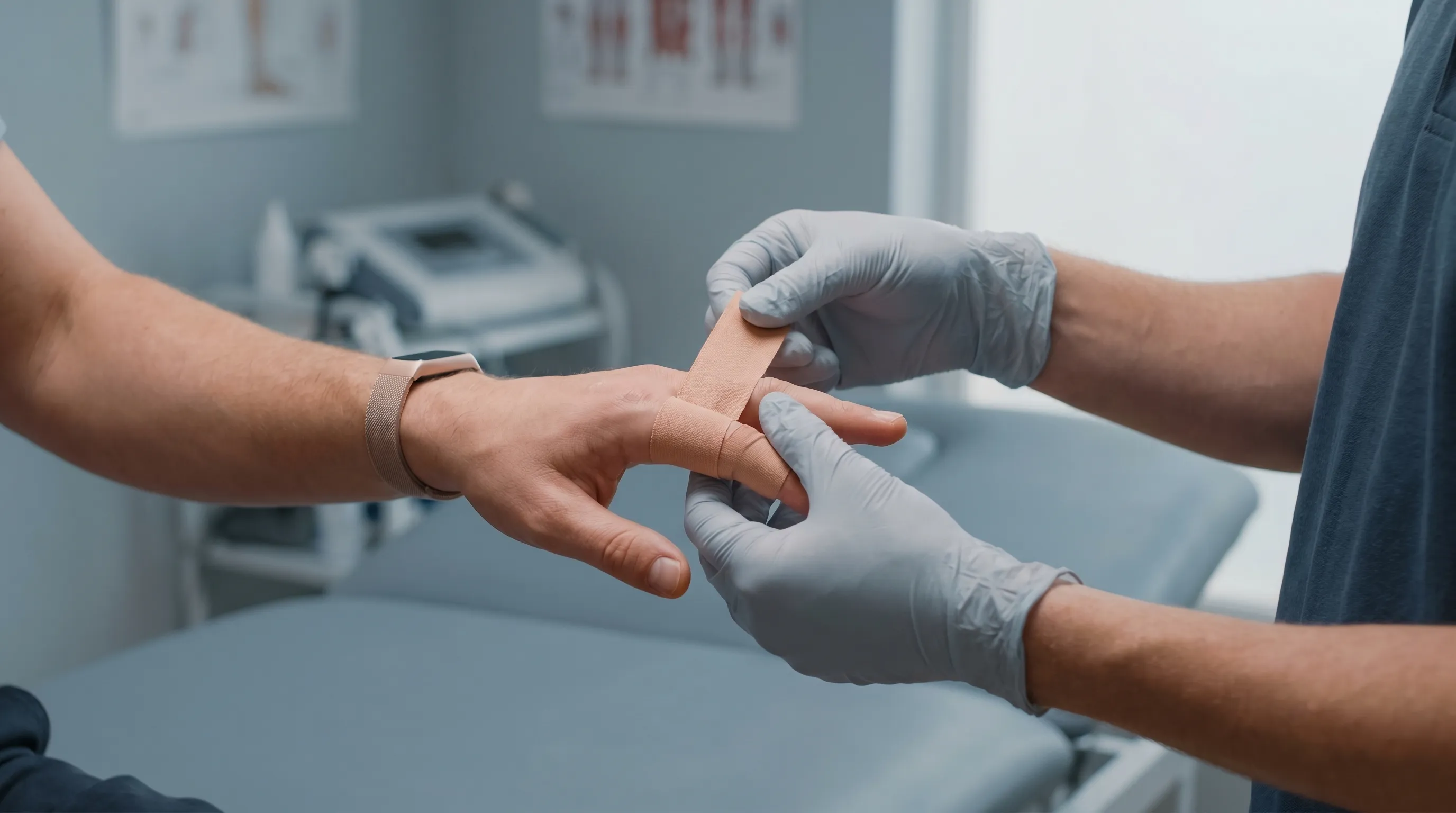
The immediate post-injury period focuses on mitigating inflammatory responses and protecting compromised tissues. The RICE protocol (Rest, Ice, Compression, Elevation) forms the foundation of acute management for soft tissue injuries. Rest involves ceasing activities that stress the affected digit while maintaining gentle movement of adjacent joints to prevent stiffness. Ice application should occur for fifteen to twenty minutes every two to three hours during the first seventy-two hours, utilizing barrier cloth to prevent frostbite. Compression through elastic bandages or specialized finger sleeves limits edema accumulation, though care must be taken to avoid circulatory restriction. Elevation above heart level leverages gravity to facilitate venous and lymphatic drainage. Immobilization techniques include buddy taping, which secures the injured finger to an adjacent healthy digit, providing lateral support while permitting functional use. Medical-grade aluminum splints offer more rigid protection for severe sprains.
Medical Interventions and Physical Therapy
When conservative measures prove insufficient or injury severity demands professional oversight, structured medical interventions accelerate healing. Nonsteroidal anti-inflammatory drugs (NSAIDs) provide pharmacological pain management and inflammation modulation, though prolonged use may interfere with early tissue remodeling and should be limited to the acute phase. Prescription corticosteroid injections occasionally address stubborn synovitis but carry risks of tendon weakening and skin atrophy, requiring careful risk-benefit evaluation by hand specialists. Once acute inflammation subsides, physical therapy becomes the cornerstone of recovery. Certified hand therapists employ manual techniques including joint mobilization, soft tissue massage, and scar tissue remodeling to restore pliability and prevent adhesions. Therapeutic ultrasound, contrast baths, and electrical stimulation modalities complement active rehabilitation protocols.
Phase-by-Phase Rehabilitation Timeline
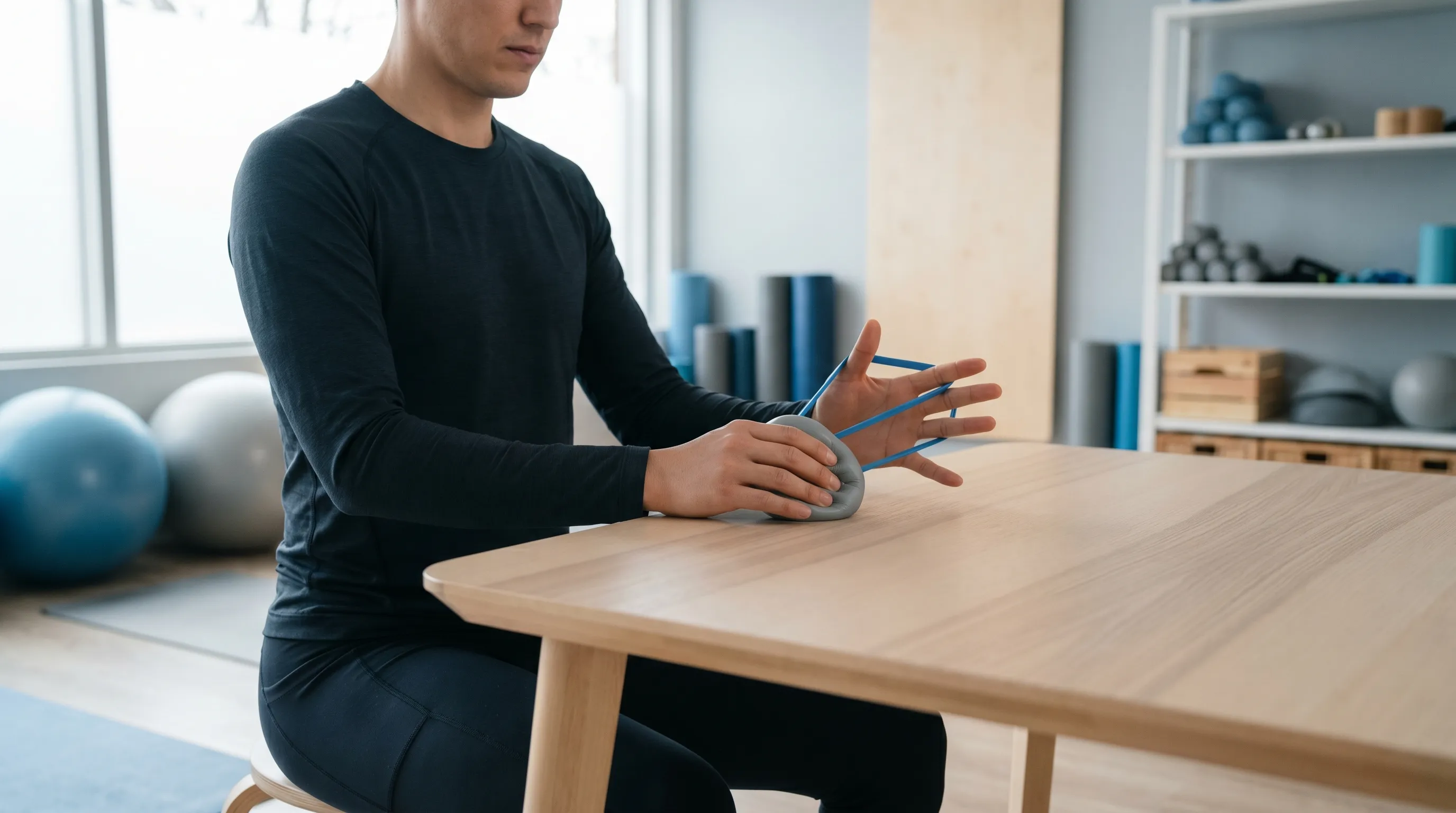
Recovery follows predictable biological phases requiring progressive loading strategies. Phase one (days 1-14) emphasizes protection, edema control, and maintaining passive mobility. Patients perform gentle tendon gliding exercises, active-assisted flexion, and controlled extension within pain-free ranges. Phase two (weeks 2-4) transitions to active strengthening, introducing resistance putty, grip trainers, and fine motor skill exercises like bead threading or coin rolling. Progressive loading stimulates collagen alignment and increases tensile strength across healing ligaments. Phase three (weeks 4-8) focuses on sport-specific or occupation-specific functional training, incorporating plyometric drills, impact absorption exercises, and proprioceptive retraining. Return to full activity requires meeting objective criteria including symmetrical grip strength, unrestricted pain-free range of motion, and absence of joint instability during dynamic loading. Understanding what is a jammed finger includes respecting these biological timelines and resisting premature advancement through rehabilitation stages.
Long-Term Management and Injury Prevention
Preventing recurrence requires addressing underlying vulnerabilities while optimizing joint resilience through targeted conditioning and ergonomic awareness. Chronic joint laxity from repeated jamming incidents predisposes fingers to degenerative changes, arthritis development, and permanent functional limitations. Proactive maintenance strategies significantly reduce lifetime injury risk.
Protective Taping and Ergonomic Adjustments
Athletes and manual laborers benefit substantially from prophylactic taping techniques. Kinesiology tape provides proprioceptive feedback and mild compression without restricting circulation, while rigid athletic tape offers maximum structural support during high-impact activities. Proper application requires understanding tension gradients, anchor placement, and movement vector alignment to avoid restricting functional mechanics. Ergonomic modifications in workplace environments reduce repetitive stress accumulation and align with established occupational safety guidelines. Adjusting keyboard height, utilizing padded tool handles, implementing micro-breaks during repetitive gripping tasks, and employing voice-to-text software during periods of joint irritation distribute load more evenly across the upper extremity. These modifications prove particularly valuable for individuals with prior hand injuries or naturally hypermobile joints.
Strengthening and Flexibility Routines
Sustainable hand health depends on balanced musculature development and connective tissue elasticity. Flexor and extensor tendon gliding sequences maintain synovial lubrication and prevent adhesions. Progressive resistance training targeting intrinsic hand muscles using therapy putty, spring grips, and finger extension bands builds dynamic stabilization around vulnerable joints. Stretching routines address tight musculature that alters joint tracking and increases compressive stress during functional movements. Regular mobility work combined with controlled loading programs enhances joint proprioception, accelerates neuromuscular response times, and reduces susceptibility to traumatic impacts. Consistency proves paramount, as connective tissue remodeling requires sustained stimulus over extended periods to achieve permanent structural adaptation supported by clinical rehabilitation research.
| Injury Type | Primary Affected Structures | Typical Symptoms | Average Recovery Time | Recommended Initial Treatment |
|---|---|---|---|---|
| Mild Jammed Finger | Minor volar plate stretch, mild ligament sprain | Localized pain, light swelling, full range of motion with discomfort | 1-3 weeks | RICE protocol, buddy taping, gentle mobility |
| Moderate Jammed Finger | Partial collateral ligament tear, significant volar plate injury | Moderate swelling, bruising, limited range of motion, joint instability | 3-6 weeks | Rigid splinting, physical therapy, NSAIDs (short-term) |
| Severe Jammed Finger with Fracture | Avulsion fracture, complete ligament rupture, intra-articular fracture | Severe pain, visible deformity, mechanical block, numbness | 8-12+ weeks | Orthopedic evaluation, possible surgical fixation, structured rehab |
Frequently Asked Questions
How long does it take for a jammed finger to heal?
Healing time varies by severity. Mild ligament strains typically resolve in two to three weeks with proper rest and immobilization. Moderate injuries involving significant swelling or partial ligament tears may require four to six weeks of structured rehabilitation. Severe cases, particularly those requiring medical intervention or surgery, can take eight to twelve weeks for full tissue remodeling and functional restoration. Consistent adherence to rehabilitation protocols and avoiding premature stress significantly improves recovery outcomes.
Should you ice or heat a jammed finger?
During the initial seventy-two hours following injury, ice application is strongly recommended. Cold therapy constricts blood vessels, reduces inflammation, numbs pain receptors, and minimizes swelling. Apply ice packs wrapped in a thin cloth for fifteen to twenty minutes every two to three hours. Heat should only be introduced after acute inflammation subsides, typically after three to four days, to promote blood flow, relax stiff muscles, and facilitate gentle mobility exercises. Using heat too early can exacerbate swelling and delay recovery.
Can you play sports with a jammed finger?
Participating in high-impact or contact sports immediately after a jammed finger injury is strongly discouraged. Continued activity without adequate healing increases the risk of chronic ligament laxity, joint instability, and secondary cartilage damage. If return to play is necessary before complete resolution, medical professionals typically recommend rigid buddy taping, protective splinting, and activity modification to avoid axial loading or direct impact on the affected digit. Always consult a sports medicine physician before resuming competitive play.
When is surgery required for a jammed finger?
Surgical intervention is rarely needed for simple jammed fingers but becomes necessary when diagnostic imaging reveals significant structural damage. Indications include complete ligament ruptures causing joint subluxation, displaced intra-articular fractures, avulsion fractures where tendons pull bone fragments away, chronic joint instability unresponsive to conservative treatment, or boutonniere and mallet finger deformities. Orthopedic hand specialists evaluate surgical candidates based on functional impairment, mechanical block to motion, and long-term occupational or athletic demands.
Why does my finger stay swollen after a few weeks?
Persistent swelling beyond the initial acute phase often indicates incomplete ligament healing, ongoing synovial fluid production due to joint irritation, or insufficient rehabilitation. Connective tissue remodeling takes weeks to months, and premature mobilization or repetitive stress can trigger chronic inflammation. Additionally, fluid accumulation may result from scar tissue formation restricting normal lymphatic drainage. Implementing controlled compression, gentle elevation, progressive mobility exercises, and targeted manual therapy typically resolves prolonged swelling. Consult a hand specialist if swelling persists beyond six weeks or restricts functional movement.
Conclusion
Understanding what is a jammed finger extends far beyond recognizing sudden pain and swelling. It requires respecting the complex biomechanics of the hand, acknowledging the biological realities of connective tissue healing, and committing to structured rehabilitation protocols. Whether managed through conservative self-care or professional intervention, this injury demands patience, consistent monitoring, and progressive loading strategies to ensure complete functional restoration. Ignoring warning signs or returning to high-stress activities prematurely frequently transforms minor sprains into chronic joint instability, ultimately compromising long-term hand dexterity and quality of life. By implementing evidence-based treatment approaches, utilizing appropriate protective equipment, and prioritizing targeted strengthening routines as outlined by leading medical institutions, individuals can significantly reduce recurrence rates and maintain robust joint resilience. Prioritize professional evaluation when structural damage is suspected, follow phased rehabilitation guidelines meticulously, and empower yourself with the knowledge needed to navigate recovery confidently. Your hands facilitate nearly every daily interaction, making their protection and proper healing absolutely essential for sustained independence and physical performance.
How we work
Researched and drafted with AI assistance, then reviewed by a human editor against the cited sources.
This article is general health information, not medical advice. Consult a qualified healthcare professional about your own situation.