Vyvanse Side Effects in Females: A Complete Guide to Risks, Hormones, and Management

Navigating prescription stimulant therapy requires a nuanced understanding of how central nervous system medications interact with female physiology. Many women who begin treatment for attention deficit hyperactivity disorder or binge eating disorder quickly realize that their experience differs from the generalized clinical data often presented in official pharmaceutical guidelines. Understanding vyvanse side effects in females is essential for building a sustainable, health-forward treatment plan that prioritizes both neurological benefits and long-term physiological balance. Women naturally experience complex hormonal fluctuations throughout their reproductive years, and these cyclical shifts directly influence neurotransmitter activity, metabolic processing, and cardiovascular responsiveness. When lisdexamfetamine enters this dynamic biological environment, the body’s response becomes highly individualized. What works seamlessly for one person may trigger pronounced appetite suppression, emotional sensitivity, or sleep disruption in another. The good news is that with strategic monitoring, nutritional optimization, and open clinical communication, most women can successfully manage their treatment while minimizing discomfort. This comprehensive guide explores the physiological mechanisms behind these reactions, outlines actionable management protocols, and provides evidence-based strategies to help you thrive while using this widely prescribed medication. By examining the intersection of neurochemistry, reproductive endocrinology, and lifestyle medicine, you will gain the knowledge necessary to advocate for your health, recognize early warning signs, and collaborate effectively with your healthcare team.
Understanding How Vyvanse Works in the Female Body
The Role of Lisdexamfetamine in Central Nervous System Regulation
Vyvanse, known generically as lisdexamfetamine dimesylate, functions as a central nervous system stimulant designed to improve attention, impulse control, and executive functioning through a unique prodrug mechanism. Unlike traditional amphetamines that immediately flood synaptic pathways, lisdexamfetamine requires enzymatic hydrolysis within red blood cells before it converts into active dextroamphetamine. This gradual conversion process creates a smoother, more predictable release of neurotransmitters, primarily dopamine and norepinephrine, which enhance prefrontal cortex signaling and reduce distractibility. However, this same mechanism places a consistent metabolic demand on hepatic and renal pathways. Women often metabolize medications differently due to variations in gastric pH, liver enzyme expression, and body fat distribution, which can alter both peak concentration times and overall clearance rates. Recognizing these pharmacokinetic differences is crucial when evaluating why certain individuals experience prolonged therapeutic windows while others report rapid onset and offset of effects. Clinical pharmacology research indicates that body mass index, hydration status, and baseline catecholamine levels significantly influence how efficiently the prodrug transitions into its active state. Understanding this biochemical foundation empowers patients to anticipate how their unique physiology might shape their daily experience.
Free calculatorSleep CalculatorCalculate sleep cyclesOpen the calculatorEstrogen, Progesterone, and Neurotransmitter Sensitivity
Female neuroendocrinology introduces additional layers of complexity that directly modulate stimulant response. Estrogen is widely recognized as a neuromodulator that enhances dopaminergic transmission, increases receptor density in the striatum, and supports synaptic plasticity. Conversely, progesterone and its metabolites, such as allopregnanolone, exert calming, GABAergic effects that can temporarily counteract stimulant-driven arousal. During phases of the menstrual cycle where estrogen peaks, women may experience heightened sensitivity to dopamine-boosting medications, sometimes resulting in overstimulation, increased heart rate, or mild jitteriness. When progesterone dominates during the mid-luteal phase, the same dose might feel less effective, prompting some individuals to misinterpret natural hormonal shifts as medication tolerance or treatment failure. This interaction highlights why tracking cycle-dependent symptom variations is so valuable. Researchers have consistently demonstrated that estrogen influences cytochrome P450 enzyme activity, which plays a role in drug metabolism and clearance. Consequently, understanding vyvanse side effects in females requires acknowledging how fluctuating sex hormones continuously recalibrate neurotransmitter availability, cardiovascular tone, and stress response pathways. By mapping your treatment alongside your natural biological rhythms, you can make informed adjustments that align with your body’s inherent cycles rather than fighting against them.
Common Physical Side Effects Specific to Women
Appetite Suppression, Weight Fluctuations, and Metabolic Shifts
Appetite suppression ranks among the most frequently reported physical reactions to stimulant therapy. Lisdexamfetamine increases sympathetic nervous system activity, which temporarily downregulates hunger signals in the hypothalamus and elevates circulating leptin while reducing ghrelin production. For women, this effect can intersect with preexisting metabolic patterns, hormonal appetite drivers, and social conditioning around food intake. During the follicular phase, many women naturally experience stable appetite and robust insulin sensitivity, making it easier to maintain adequate caloric intake despite medication-induced suppression. In contrast, the luteal phase often brings physiological cravings for carbohydrates and fats due to progesterone-driven thermogenesis and serotonin fluctuations. When stimulants blunt these natural signals, some women inadvertently restrict calories during a phase when their bodies require additional energy for tissue maintenance, hormonal synthesis, and thermal regulation. Over time, chronic undereating can slow metabolic rate, disrupt thyroid function, and compromise nutrient absorption. Practical mitigation strategies include pre-planning nutrient-dense meals before taking your dose, prioritizing liquid nutrition during peak medication hours, and incorporating protein-rich snacks that stabilize blood glucose without triggering heavy digestive load. Consistent hydration and electrolyte balance also play a critical role in preventing metabolic slowdown and supporting cellular hydration, which directly impacts how efficiently your body processes both the medication and essential micronutrients.
Cardiovascular Responses and Blood Pressure Considerations
Stimulant medications inherently increase heart rate and peripheral vascular resistance by promoting norepinephrine release and enhancing alpha-adrenergic signaling. While most healthy individuals tolerate these changes well, women often exhibit more pronounced cardiovascular sensitivity due to variations in autonomic nervous system regulation, smaller average body mass, and hormonal influences on vascular compliance. Estrogen typically supports endothelial function and promotes vasodilation, which can partially buffer stimulant-driven blood pressure increases. However, as estrogen levels naturally decline across different life stages, this protective effect diminishes, potentially making cardiovascular responses more noticeable. Women frequently report palpitations, mild chest tightness, or heightened awareness of their heartbeat, particularly during the initial titration period or after consuming caffeine. These sensations, while often benign, warrant careful monitoring. Establishing a baseline blood pressure and resting heart rate before beginning treatment allows clinicians to identify meaningful deviations over time. Following CDC guidelines on cardiovascular monitoring is highly recommended. Practical recommendations include limiting caffeine intake, avoiding nicotine, which independently constricts blood vessels, and incorporating gentle cardiovascular conditioning that supports vagal tone without overexerting the sympathetic nervous system. Regular monitoring, combined with stress-reduction techniques like paced breathing and progressive muscle relaxation, helps maintain cardiovascular homeostasis and reduces the likelihood of discomfort.
Gastrointestinal Discomfort and Digestive Adaptations
The enteric nervous system operates closely with central sympathetic and parasympathetic pathways, making the gastrointestinal tract highly responsive to stimulant medications. Common reports include dry mouth, mild nausea, constipation, and delayed gastric emptying. Lisdexamfetamine reduces parasympathetic dominance, which slows intestinal motility and decreases salivary gland secretion. For women, these effects can compound preexisting digestive vulnerabilities such as irritable bowel syndrome, hormonal constipation, or dysbiosis linked to dietary restrictions. Dry mouth, while seemingly minor, increases the risk of dental decay, oral candidiasis, and altered taste perception, which may further reduce food enjoyment and nutritional intake. Managing these symptoms requires a proactive, multi-system approach. Chewing sugar-free gum, using alcohol-free moisturizing mouth rinses, and sipping water consistently throughout the day mitigate oral dryness. For constipation, increasing soluble fiber intake gradually, incorporating magnesium-rich foods, and maintaining consistent movement patterns support healthy bowel transit. Avoiding large, heavy meals during peak medication hours prevents digestive discomfort and reduces the likelihood of acid reflux or bloating. By treating gastrointestinal health as an integral component of medication tolerance, women can maintain digestive comfort while benefiting from therapeutic symptom relief.
Emotional, Cognitive, and Psychological Effects
Mood Regulation, Anxiety, and Emotional Dysregulation
Neurotransmitter modulation inevitably influences emotional processing centers, particularly the amygdala, hippocampus, and prefrontal cortex. While many women experience improved emotional stability and reduced overwhelm when their ADHD symptoms are effectively managed, others encounter heightened anxiety, irritability, or emotional blunting, especially during dose adjustments. Dextroamphetamine’s impact on norepinephrine can amplify the body’s stress response if baseline anxiety levels are already elevated or if sleep architecture is compromised. Women frequently report feeling overstimulated in social environments, experiencing racing thoughts, or struggling with emotional flexibility when the medication reaches peak concentration. These reactions often stem from an imbalance between executive function enhancement and autonomic arousal. Recognizing the difference between therapeutic focus and pathological overstimulation is essential. Tracking emotional fluctuations alongside dosing schedules helps identify whether side effects correlate with peak blood concentration, dietary factors, or underlying stressors. Implementing grounding techniques, scheduled mental breaks, and structured transition periods between tasks can prevent cognitive overload and support sustainable emotional regulation.
Sleep Architecture, Circadian Rhythms, and Insomnia Risks
Stimulant therapy inherently alters sleep-wake regulation by delaying melatonin secretion and increasing cortical arousal during evening hours. Women are statistically more prone to insomnia and circadian disruption, making sleep preservation a critical component of medication management. The half-life of lisdexamfetamine varies significantly based on individual metabolism, urinary pH, and hydration levels, meaning some women metabolize the medication within eight hours while others experience lingering neurological activation well into the evening. Poor sleep quality not only diminishes next-day cognitive performance but also exacerbates anxiety, impairs emotional resilience, and disrupts hormonal balance. To protect sleep architecture, clinicians recommend adhering to CDC sleep health recommendations, dosing strictly in the morning, establishing a wind-down routine that begins three to four hours before bedtime, and avoiding screens that emit blue light during the final hours of the day. Magnesium glycinate, tart cherry extract, and temperature-regulated sleep environments support natural circadian alignment. By treating sleep as a non-negotiable foundation of neurological health, women can maintain medication efficacy while preventing the compounding fatigue that often worsens perceived side effects.
The "Rebound" Phenomenon and Evening Irritability
As lisdexamfetamine concentrations gradually decline throughout the day, some individuals experience a noticeable shift in mood and energy levels, commonly referred to as medication rebound. This transitional period can manifest as fatigue, emotional sensitivity, headaches, or sudden irritability as dopamine and norepinephrine availability decreases faster than the brain naturally adjusts. Women frequently describe this phase as particularly challenging because it often coincides with evening responsibilities, family interactions, and personal transition times when emotional regulation is already taxed. Understanding that rebound is a predictable pharmacokinetic process rather than a personal failure reduces unnecessary self-criticism and encourages proactive planning. Practical strategies include transitioning into lower-stimulation activities during the late afternoon, consuming a balanced snack to stabilize blood glucose, and practicing parasympathetic activation techniques such as diaphragmatic breathing or gentle stretching. If rebound symptoms significantly impair daily functioning, clinicians may adjust dosing timing, split doses (though Vyvanse is designed for single daily administration, some clinicians modify timing strategies), or incorporate supportive supplements under professional supervision.
Hormonal Cycles, Reproductive Health, and Medication Dynamics
Tracking Symptom Changes Across the Menstrual Cycle
Reproductive hormones do not simply influence mood and energy; they actively shape medication metabolism, neurotransmitter sensitivity, and autonomic responsiveness. Mapping your treatment alongside a detailed symptom tracker provides invaluable insight into how your body responds during different cycle phases. Many women notice improved medication tolerance and clearer cognitive function during the follicular phase when estrogen steadily rises and dopamine receptor availability is optimal. Conversely, the luteal phase often brings decreased therapeutic effectiveness, increased anxiety, heightened appetite suppression, and sleep disruption due to progesterone’s sedating influence and declining estrogen. This cyclical pattern does not indicate treatment failure; rather, it reflects normal neuroendocrine fluctuation. By documenting dose timing, symptom intensity, sleep quality, dietary intake, and cycle phase over several months, patterns emerge that inform personalized management strategies. Sharing this data with your prescribing clinician enables proactive dose adjustments, targeted nutritional support, and lifestyle modifications that align with your natural biology rather than fighting against it. Understanding vyvanse side effects in females requires embracing this cyclical perspective as a standard component of long-term medication optimization.
Pregnancy, Lactation, and Clinical Guidelines
Reproductive planning introduces critical considerations that require careful clinical guidance. Limited human data exists regarding lisdexamfetamine exposure during pregnancy, and animal studies suggest potential cardiovascular and developmental considerations at high doses. The FDA emphasizes risk-benefit evaluation rather than absolute contraindication for amphetamine-based medications. Many women successfully navigate pregnancy while continuing treatment under close maternal-fetal medicine supervision, focusing on the lowest effective dose to maintain functional capacity while minimizing fetal exposure. Postpartum periods introduce additional complexity as sleep deprivation, hormonal crashes, and lactation demands interact with stimulant metabolism. While trace amounts of dextroamphetamine pass into breast milk, clinical monitoring of infant behavior, weight gain, and sleep patterns remains essential. Women should never discontinue or adjust medication independently during reproductive transitions; instead, collaborative care involving obstetricians, psychiatrists, and lactation consultants ensures safe, evidence-based management tailored to individual circumstances.
Perimenopause, Menopause, and Long-Term Neurological Adaptation
As women transition through perimenopause, declining and fluctuating estrogen levels significantly impact cognitive processing, sleep quality, and cardiovascular health. Many individuals notice that previously well-tolerated medication doses suddenly feel overstimulating or less effective, accompanied by increased hot flashes, mood volatility, and disrupted sleep architecture. This period represents a neuroendocrine recalibration rather than a medication malfunction. Estrogen’s protective influence on dopaminergic pathways diminishes, making neurotransmitter fluctuations more noticeable and increasing susceptibility to anxiety, irritability, and cognitive fatigue. Long-term management during this life stage emphasizes comprehensive hormone evaluation, cardiovascular monitoring, and integrated lifestyle support. Strategies such as targeted stress reduction, consistent cardiovascular conditioning, protein-optimized nutrition, and sleep hygiene preservation become increasingly vital. Resources like the NIH Office on Women's Health menopause guidelines highlight the importance of adapting treatment protocols during this transition. Some clinicians incorporate non-hormonal supportive therapies or adjust stimulant timing to better align with perimenopausal energy patterns. Recognizing that treatment needs evolve across the lifespan ensures that women continue to receive safe, effective care without unnecessary dose escalation or premature discontinuation.
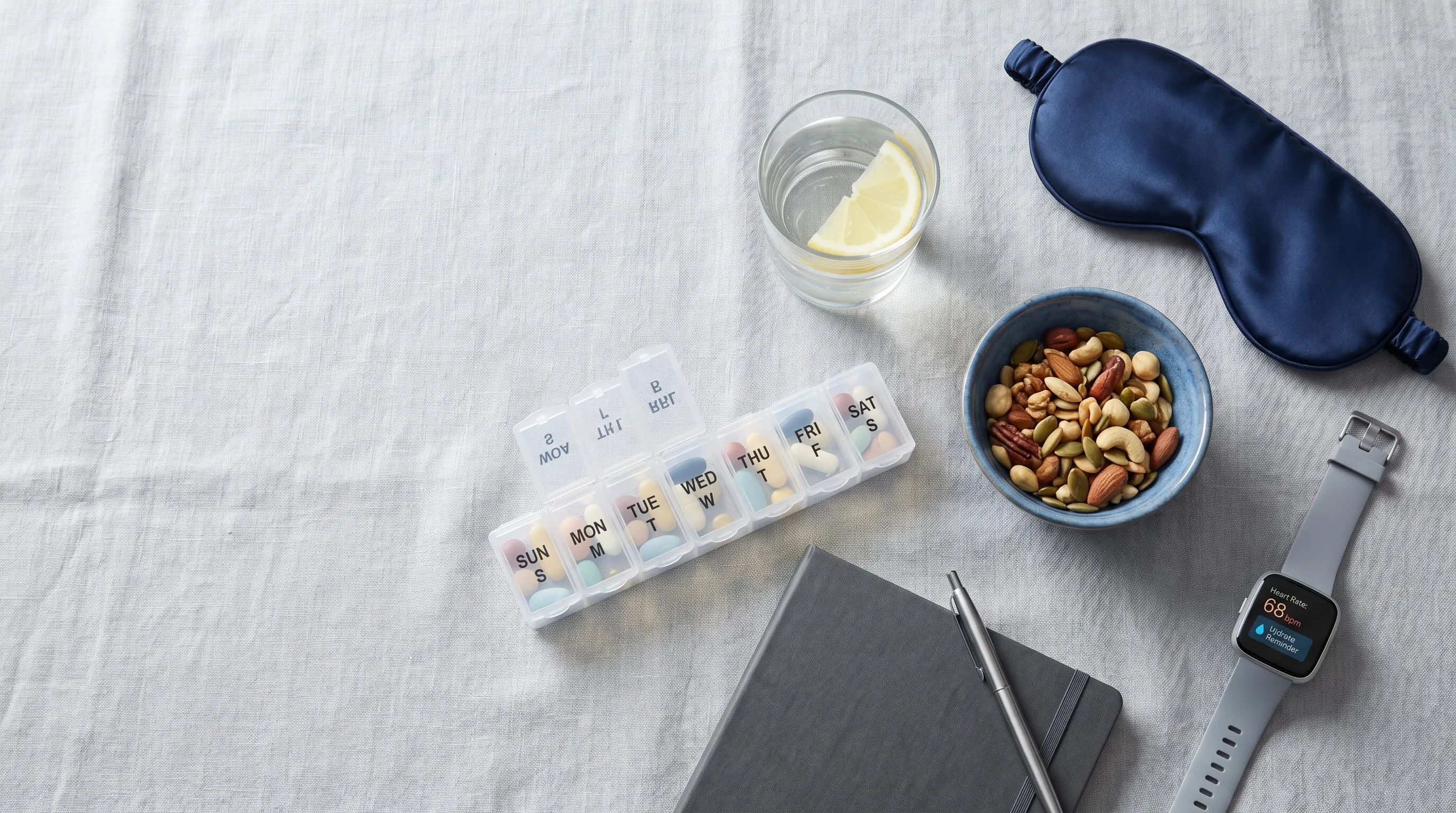
Managing Side Effects Safely and Effectively
Medical Supervision, Dose Titration, and Timing Strategies
Effective medication management begins with transparent communication and structured clinical monitoring. Dose titration follows a gradual, stepwise approach that allows the nervous system to adapt while minimizing adverse reactions. Starting at the lowest clinically effective dose and increasing incrementally based on functional improvement and tolerance establishes a safe foundation. Timing plays a crucial role in optimizing therapeutic windows and reducing evening activation. Most individuals benefit from taking lisdexamfetamine early in the morning, ideally with a protein-rich breakfast, to align peak concentrations with daytime cognitive demands. Women who metabolize medications rapidly may experience earlier offset, while slower metabolizers benefit from strict morning dosing to preserve sleep. Regular follow-up appointments allow clinicians to review symptom trackers, monitor vital signs, adjust protocols, and address emerging concerns before they escalate. Never modify your dose or dosing schedule without professional guidance, as abrupt changes can trigger rebound effects, cardiovascular strain, or destabilized neurotransmitter balance. Collaborative, data-driven care remains the cornerstone of sustainable treatment success.
Nutritional Protocols, Hydration, and Micronutrient Support
Nutrition directly influences how the body processes stimulants and manages physiological stress. High-acid foods and beverages, particularly those containing vitamin C, citric acid, or carbonation, can alter gastrointestinal pH and affect lisdexamfetamine absorption. Consuming acidic foods immediately before or after taking your dose may delay onset or reduce efficacy. Instead, prioritize alkaline-forming, protein-dense breakfasts that provide sustained amino acid availability for neurotransmitter synthesis without overwhelming the digestive system. Eggs, Greek yogurt, lean poultry, nut butters, and complex carbohydrates support stable energy release and cognitive endurance. Hydration requires intentional focus because stimulants increase fluid loss through respiration and mild diuresis. Drinking at least two to three liters of water daily, supplemented with electrolytes containing magnesium, potassium, and sodium, maintains cellular hydration, supports cardiovascular function, and reduces headaches and fatigue. Micronutrient deficiencies, particularly magnesium, B-complex vitamins, zinc, and iron, exacerbate medication-related side effects and impair neurological resilience. Incorporating whole-food sources of these nutrients, or supplementing under clinical supervision, creates a robust physiological foundation that enhances tolerance and sustains long-term wellness.
Lifestyle Integration, Stress Management, and Sleep Optimization
Medication efficacy does not exist in isolation; it interacts continuously with daily habits, environmental stressors, and circadian alignment. Chronic stress elevates cortisol, which competes with dopamine and norepinephrine signaling pathways, often amplifying anxiety, reducing focus, and worsening perceived side effects. Implementing structured stress-reduction practices such as mindfulness meditation, guided breathwork, yoga, or nature exposure activates the parasympathetic nervous system and restores neurological equilibrium. Consistent physical activity, particularly moderate-intensity aerobic exercise and strength training, improves insulin sensitivity, supports healthy neurotransmitter turnover, and enhances cardiovascular efficiency. Sleep optimization requires boundary-setting, digital detoxification during evening hours, and a consistent bedtime routine that signals the brain to transition into rest mode. Temperature regulation, blackout curtains, and limiting late-night fluid intake prevent sleep fragmentation. By treating lifestyle factors as active therapeutic interventions rather than passive background elements, women significantly improve medication tolerance, reduce side effect severity, and sustain cognitive performance over months and years. Understanding vyvanse side effects in females through a holistic lens reveals that daily habits are as influential as the medication itself.
When to Seek Immediate Medical Attention
Cardiovascular Red Flags and Emergency Symptoms
While mild increases in heart rate and blood pressure are common during initial treatment phases, certain cardiovascular symptoms require urgent clinical evaluation. Unexplained chest pain, pressure, or tightness, particularly when not associated with exertion or anxiety, should never be ignored. Sudden shortness of breath, fainting, irregular heart rhythms, or severe hypertension may indicate underlying cardiac vulnerability that requires immediate intervention. Women with preexisting structural heart abnormalities, arrhythmias, or uncontrolled hypertension face elevated risks when using stimulant medications. Clinicians typically screen for cardiovascular history before prescribing and recommend regular blood pressure and heart rate monitoring during treatment. Recognizing the difference between benign palpitations and pathological cardiac distress relies on symptom duration, intensity, and associated warning signs such as dizziness, sweating, or radiating discomfort. When in doubt, seek emergency medical evaluation promptly.
Psychiatric Warning Signs and Mental Health Considerations
Stimulant therapy can occasionally trigger or exacerbate underlying psychiatric conditions, particularly in individuals with predispositions to mood disorders, psychotic disorders, or severe anxiety. Symptoms such as new-onset hallucinations, paranoid ideation, manic behavior, aggressive impulses, or uncontrollable emotional volatility require immediate clinical intervention. Women may also experience serotonin syndrome-like symptoms when combining medications that affect serotonergic pathways, presenting with agitation, rapid heart rate, dilated pupils, muscle rigidity, and elevated body temperature. Drug interactions with certain antidepressants, weight-loss supplements, or herbal products significantly increase these risks. Maintaining an updated medication list, disclosing all supplements to your prescribing physician, and recognizing early warning signs protects neurological safety. Per NIMH clinical guidance, if psychiatric symptoms emerge or rapidly worsen, discontinue use only under direct medical supervision and contact your healthcare provider or emergency services immediately. Proactive mental health monitoring ensures that treatment remains supportive rather than destabilizing.
| Side Effect Category | Common Symptoms | Frequency in Women | Recommended Management Strategy | When to Seek Clinical Help |
|---|---|---|---|---|
| Cardiovascular | Elevated heart rate, mild BP increase, palpitations | High (especially during titration) | Limit caffeine, practice paced breathing, monitor daily resting metrics | Chest pain, severe hypertension, fainting, irregular rhythms |
| Appetite/Metabolic | Reduced hunger, weight fluctuation, dry mouth | Very High | Pre-dose protein meals, scheduled snacks, electrolyte hydration, dental care | Unintentional rapid weight loss, severe dehydration, nutritional deficiencies |
| Gastrointestinal | Nausea, constipation, delayed digestion | Moderate to High | Gradual fiber increase, magnesium support, avoid heavy meals during peak hours | Persistent vomiting, severe abdominal pain, bowel obstruction signs |
| Psychological/Neurological | Anxiety, irritability, rebound fatigue, sleep disruption | Moderate | Evening wind-down routine, stress reduction, cycle tracking, consistent sleep schedule | Manic symptoms, hallucinations, severe depression, suicidal ideation |
| Reproductive/Hormonal | Cycle-dependent efficacy shifts, PMS exacerbation, perimenopausal sensitivity | High | Detailed symptom tracking, lifestyle alignment, clinician collaboration | Severe menstrual disruption, pregnancy planning, uncontrolled hormonal symptoms |
Frequently Asked Questions
Do vyvanse side effects in females change during the menstrual cycle?
Yes, absolutely. The natural ebb and flow of estrogen and progesterone throughout your menstrual cycle directly influences how your brain responds to stimulant medication. During the follicular phase, when estrogen is rising, dopamine receptor sensitivity increases, which can enhance medication effectiveness but sometimes amplify side effects like anxiety or increased heart rate. In the luteal phase, progesterone dominance and declining estrogen often reduce perceived medication efficacy, increase irritability, and worsen sleep disturbances. Tracking these patterns over several cycles allows you and your clinician to anticipate fluctuations and adjust lifestyle or dosing timing proactively rather than reacting to sudden symptom shifts.
Can vyvanse cause hormonal imbalances in women?
Vyvanse does not directly interfere with hormone synthesis or disrupt the endocrine system’s baseline production. However, indirect effects from chronic appetite suppression, inadequate caloric intake, elevated cortisol, and disrupted sleep can temporarily destabilize the hypothalamic-pituitary-gonadal axis. This may manifest as irregular menstrual cycles, delayed ovulation, or amplified stress-related symptoms. When nutritional needs are consistently met, sleep architecture is preserved, and stress management protocols are implemented, hormonal balance typically remains stable. If cycle irregularities persist, consulting a reproductive endocrinologist alongside your prescribing clinician ensures comprehensive evaluation.
Is it safe to take vyvanse during pregnancy or while breastfeeding?
Safety during pregnancy and lactation requires individualized clinical evaluation. While animal studies indicate potential developmental considerations at high doses, many women continue treatment during pregnancy under strict maternal-fetal medicine supervision, prioritizing functional stability while minimizing fetal exposure. The medication does cross the placenta in trace amounts and passes into breast milk in minimal quantities. Clinical monitoring focuses on fetal growth, infant behavior, weight gain, and sleep patterns. Never discontinue or adjust medication independently during reproductive transitions. Collaborative care involving your obstetrician, psychiatrist, and pediatric provider ensures evidence-based, safe management tailored to your specific circumstances.
How can women reduce vyvanse side effects without lowering the dose?
Optimizing lifestyle and physiological support often improves tolerance more effectively than dose reduction alone. Begin with a protein-rich breakfast before taking your medication to stabilize amino acid availability and neurotransmitter synthesis. Maintain consistent hydration with added electrolytes to support cardiovascular function and cellular metabolism. Avoid high-acid foods and vitamin C supplements within two hours of dosing, as they can alter absorption. Implement structured evening wind-down routines, limit caffeine and screen exposure after midday, and track your menstrual cycle to anticipate hormonal fluctuations. Incorporating magnesium glycinate, gentle movement, and stress-reduction techniques further supports nervous system regulation. These integrated strategies enhance medication tolerance while preserving therapeutic benefits.
When should a woman stop taking vyvanse and contact her doctor?
Immediate medical consultation is necessary if you experience chest pain, unexplained shortness of breath, severe or sustained hypertension, fainting, or irregular heart rhythms. Psychiatric warning signs such as hallucinations, manic behavior, paranoid thoughts, severe depression, or uncontrollable aggression also require urgent evaluation. Additionally, sudden onset of muscle rigidity, high fever, confusion, or agitation may indicate serotonin toxicity or severe neurological overstimulation. Never discontinue medication abruptly, as rapid neurotransmitter shifts can trigger severe rebound effects, depression, or cardiovascular strain. Always coordinate medication changes directly with your prescribing clinician, who can guide safe tapering or alternative treatment protocols based on your clinical presentation.

Conclusion
Navigating medication therapy successfully requires more than simply taking a daily capsule; it demands a comprehensive understanding of how your unique physiology interacts with neurochemical agents, lifestyle habits, and natural biological rhythms. Recognizing vyvanse side effects in females through an evidence-based, cycle-aware lens transforms potential frustrations into actionable insights. Women who consistently track their symptoms, prioritize nutritional adequacy, protect sleep architecture, and maintain transparent clinical communication consistently report higher treatment satisfaction, fewer adverse reactions, and sustainable cognitive improvement over time. The female body is not a smaller version of a male body; it operates through distinct hormonal pathways, metabolic patterns, and neurological sensitivities that deserve intentional, personalized care strategies. By embracing holistic management protocols, respecting physiological warning signs, and partnering closely with qualified healthcare professionals, you can harness the therapeutic benefits of your treatment while safeguarding your long-term wellness. Remember that medication tolerance often improves as your nervous system adapts, but proactive monitoring remains essential. Stay informed, advocate for your health, and trust that a balanced, science-backed approach will guide you toward lasting stability, clarity, and vitality.
How we work
Researched and drafted with AI assistance, then reviewed by a human editor against the cited sources.
This article is general health information, not medical advice. Consult a qualified healthcare professional about your own situation.