Understanding PET Scan Charges: A Complete Guide to Costs, Insurance, and Savings
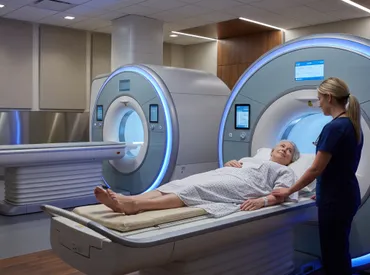
Navigating the complex landscape of medical diagnostics often leaves patients overwhelmed, especially when facing advanced imaging procedures. Among these, positron emission tomography (PET) stands out as a highly sophisticated tool for detecting metabolic changes at the cellular level. However, the financial implications can be just as daunting as the clinical ones. Understanding pet scan charges is crucial for patients and caregivers who want to avoid unexpected bills and manage healthcare budgets effectively. While this technology offers unparalleled insights into cancer progression, cardiovascular conditions, and neurological disorders, the associated expenses vary dramatically based on facility type, geographic location, insurance networks, and procedural complexity. By demystifying the billing structure and exploring cost-saving strategies, individuals can take proactive control of their financial and medical journeys. This comprehensive guide breaks down every component of the pricing landscape, from base facility fees to radiologist interpretation costs, while providing actionable advice to help you secure transparent, affordable, and medically necessary imaging services without compromising on quality of care.
What Is a PET Scan and Why Is It Ordered?
A positron emission tomography scan represents one of the most advanced functional imaging modalities available in modern medicine. Unlike traditional anatomical imaging techniques that primarily visualize structural changes, PET scans reveal metabolic and biochemical activity within tissues and organs. This distinction is clinically significant because functional abnormalities often precede structural changes, allowing physicians to detect diseases in their earliest stages. The technology relies on radiopharmaceuticals, commonly referred to as radiotracers, which are administered intravenously, orally, or via inhalation. These tracers accumulate in areas of high metabolic activity, such as rapidly dividing cancer cells or inflamed brain tissue, and emit positrons that interact with electrons in the body. This interaction produces gamma rays detected by a ring of specialized sensors within the scanner, generating detailed three-dimensional images that highlight physiological processes in real time.
Free calculatorLab Values Reference ChartComplete reference chart for medical lab valuesOpen the calculatorHow PET Scans Work
The fundamental mechanism of a PET scan begins with the selection of an appropriate radiotracer, most commonly fluorodeoxyglucose labeled with fluorine-18 (F-18 FDG). Once administered, the tracer mimics natural glucose metabolism, traveling through the bloodstream and accumulating preferentially in tissues with elevated glucose uptake. Malignant tumors, for instance, exhibit the Warburg effect, characterized by increased glycolysis even under aerobic conditions. This metabolic signature makes them highly visible on PET imaging. After an uptake period of approximately 60 minutes, during which the patient must rest quietly to minimize muscle activity that could interfere with tracer distribution, they are positioned inside the PET gantry. The scanner detects pairs of gamma photons emitted in opposite directions when positrons collide with electrons. Using coincidence detection algorithms and sophisticated reconstruction software, the system maps tracer concentration across multiple anatomical planes. Modern clinical practice frequently combines PET with computed tomography (PET/CT) or magnetic resonance imaging (PET/MRI), overlaying functional metabolic data onto high-resolution anatomical maps. This hybrid approach significantly enhances diagnostic accuracy, improves lesion localization, and reduces false-positive findings that could otherwise result from physiological tracer uptake in normal tissues. For a deeper technical breakdown, the National Institutes of Health provides detailed resources on nuclear imaging physics.

Common Medical Indications
Physicians order this advanced imaging modality for a wide array of clinical scenarios, with oncology representing the largest utilization category. In cancer care, the procedure plays a critical role in initial staging, determining whether malignancies have metastasized to distant lymph nodes or organs, which directly influences treatment planning and prognosis. It is equally valuable for monitoring therapeutic response, allowing clinicians to assess whether chemotherapy, radiation, or targeted biologic agents are effectively reducing tumor metabolism. Follow-up imaging also helps differentiate post-treatment scar tissue from active disease recurrence. Beyond oncology, PET scans are instrumental in cardiology, where viability studies identify hibernating myocardium that may recover revascularization procedures like coronary artery bypass grafting or angioplasty. Neurological applications include evaluating dementia subtypes by mapping characteristic patterns of cerebral glucose hypometabolism, localizing epileptic foci in refractory seizure disorders, and assessing neurodegenerative diseases such as Parkinson’s and Alzheimer’s. Understanding the medical necessity of these procedures directly impacts insurance approval and ultimately determines whether pet scan charges will be fully or partially covered by healthcare plans. You can explore standard clinical applications further through the Cleveland Clinic's diagnostic guidelines.
Breaking Down PET Scan Charges: The True Cost
When reviewing a medical bill, patients frequently encounter confusing line items and inflated chargemaster prices that bear little resemblance to what insurers or self-pay patients actually owe. PET scan charges are structured across multiple billing components, each governed by distinct regulatory frameworks, contractual agreements, and facility policies. To make informed financial decisions, it is essential to understand how these costs are calculated and what factors drive the final invoice.
National Average Pricing Ranges
The baseline cost of a standalone PET scan in the United States typically ranges between $1,500 and $10,000 before insurance adjustments. When combined with CT technology, which has become the clinical standard, prices generally start around $3,000 and can exceed $12,000 in metropolitan academic medical centers. Self-pay quotes negotiated directly with imaging facilities often fall between $1,200 and $5,000, depending on regional market competition and facility overhead. Medicare reimbursement rates, which serve as a baseline benchmark for commercial payers, typically average around $3,200 to $4,500 for the technical component and professional reading combined. Patients with high-deductible health plans or out-of-network coverage may face higher initial outlays, though many providers offer sliding-scale pricing or financial assistance programs. According to healthcare cost transparency databases, the median out-of-pocket expense for insured patients ranges from $500 to $2,000, heavily influenced by plan design, deductible status, and network tier classification.
Factors That Drive Up Costs
Several interconnected variables directly influence the final invoice for advanced metabolic imaging. Radiopharmaceutical procurement represents a significant expense, as F-18 FDG has a short half-life of approximately 110 minutes, requiring either on-site cyclotron production or rapid logistical distribution networks that increase overhead. Facility accreditation by the American College of Radiology (ACR) mandates rigorous quality control protocols, routine equipment calibration, and continuous staff education, all of which contribute to operational expenses. Additionally, board-certified nuclear medicine radiologists command specialized compensation for image interpretation, particularly when complex three-dimensional fusion analysis or second opinions are required. Hospital-based imaging departments often apply facility fees that account for emergency readiness, inpatient integration, and administrative compliance, whereas independent outpatient centers typically operate with leaner administrative structures and lower real estate costs. Understanding these variables empowers patients to ask targeted questions about line-item charges and identify potential billing discrepancies before services are rendered.
| Cost Component | Description | Estimated Range | Notes |
|---|---|---|---|
| Facility/Technical Fee | Equipment operation, technologist labor, radiotracer administration | $1,200 – $7,000 | Higher at hospital-based sites |
| Radiologist Professional Fee | Image interpretation, report generation, clinical consultation | $300 – $900 | Varies by subspecialty certification |
| Radiopharmaceutical | F-18 FDG or alternative tracer procurement and handling | $200 – $600 | Short half-life increases logistics cost |
| Additional Imaging | Concurrent CT or MRI for anatomical correlation | $800 – $3,500 | Hybrid PET/CT is clinical standard |
| Administrative/Prep | Prior authorization, patient screening, IV access | $50 – $150 | Often bundled but sometimes itemized |

Insurance Coverage and Out-of-Pocket Expenses
Health insurance fundamentally transforms how pet scan charges are applied to patient accounts. While chargemaster prices represent the starting point for billing, negotiated contracts between payers and providers establish the true reimbursement landscape. Patients must understand how their specific plan categorizes this service, what clinical documentation is required for approval, and how cost-sharing mechanisms apply after approval is secured.
Medicare and Medicaid Guidelines
Medicare Part B covers diagnostic PET scans when deemed medically necessary for oncology, cardiology, or neurology applications. Coverage follows National Coverage Determinations (NCDs) and Local Coverage Determinations (LCDs) established by regional Medicare Administrative Contractors (MACs). For example, oncology PET scans for initial staging of solid tumors and lymphoma are broadly covered, while screening asymptomatic high-risk individuals remains excluded. Patients are responsible for the Part B annual deductible and 20% coinsurance, though Medigap supplemental plans often cover the remaining balance. Medicaid programs, administered at the state level, provide coverage based on medical necessity criteria that vary significantly across jurisdictions. Some states require step-therapy documentation, mandating that conventional imaging like CT or MRI be inconclusive before approving advanced metabolic imaging. Patients should always verify coverage through their state’s Medicaid portal or managed care organization, as retroactive denials can result in substantial financial liability if pre-certification requirements are overlooked. For additional guidance on navigating federal and state health programs, patients can consult NIH MedlinePlus insurance resources.
Private Insurance Networks and Prior Authorization
Commercial health plans utilize utilization management protocols to control advanced imaging expenditures. Prior authorization has become a nearly universal requirement for outpatient PET scans, requiring the referring physician’s office to submit clinical justification, previous imaging reports, laboratory values, and treatment history through digital platforms like Carelon or AIM Specialty Health. Approval timelines typically range from 48 to 72 hours, though urgent requests can be expedited. Network status dramatically influences pet scan charges for patients, as in-network providers contract with fixed reimbursement rates that limit patient liability. Out-of-network facilities often balance-bill patients for the difference between their standard charges and insurer payments, though recent federal legislation has curtailed surprise billing for emergency and certain ancillary services. Patients should always request a written estimate from their insurer before scheduling, confirming network participation, deductible accumulation, and out-of-pocket maximum projections to avoid unexpected financial exposure.
Understanding Coinsurance, Deductibles, and Copays
Cost-sharing structures dictate exactly how much patients pay at the point of service. Deductibles represent the amount a patient must spend on covered healthcare services before the insurer begins contributing toward expenses. For a plan with a $2,500 deductible, the patient pays the full negotiated rate for the PET scan until that threshold is met. Coinsurance, typically expressed as a percentage, applies after the deductible, with patients commonly responsible for 10% to 30% of the allowed amount. Copays, less common for advanced imaging, are fixed dollar amounts paid per service regardless of the negotiated rate. High-deductible health plans (HDHPs) paired with health savings accounts (HSAs) offer tax-advantaged ways to manage these expenses, allowing individuals to contribute pre-tax funds that roll over annually. Patients should also verify whether their insurer applies separate inpatient versus outpatient imaging deductibles, as hospital-based scans often trigger different benefit structures. Proactive financial counseling with hospital billing departments or third-party patient advocates can clarify benefit design and identify potential coverage gaps before services are rendered.
How Location and Facility Type Affects Pricing
Where and how you receive diagnostic imaging significantly influences both the quality of care and the final financial obligation. The United States healthcare market lacks uniform pricing standards, resulting in substantial regional and institutional variations that require careful patient navigation.
Hospital vs. Outpatient Imaging Centers
Hospital-based imaging departments typically operate under distinct Medicare reimbursement rules that allow them to bill a facility fee separate from the professional reading fee. This structure accounts for 24/7 operational readiness, inpatient integration, emergency backup capabilities, and regulatory compliance costs, often resulting in charges that are 30% to 50% higher than independent facilities. Outpatient diagnostic imaging centers, conversely, operate with streamlined administrative overhead, specialized workflow efficiency, and lower real estate expenditures. Many independent centers offer identical ACR-accredited equipment, board-certified subspecialty radiologists, and faster scheduling turnaround times. For patients with flexible timelines and non-emergent clinical needs, selecting an outpatient facility frequently results in lower pet scan charges and reduced out-of-pocket exposure. Patients should verify whether their insurer applies different deductible tiers for hospital outpatient departments versus freestanding centers, as some plans categorize hospital-affiliated sites under inpatient benefit structures despite the outpatient nature of the visit.
Geographic Variations Across the U.S.
Geographic location profoundly impacts medical imaging pricing due to regional wage indices, real estate costs, market competition, and state regulatory environments. Metropolitan areas with high concentrations of academic medical centers often command premium pricing, reflecting research infrastructure, subspecialty expertise, and teaching obligations. Conversely, rural and mid-sized metropolitan regions frequently offer lower baseline charges driven by reduced operational costs and competitive local markets. The Centers for Medicare & Medicaid Services publishes geographic price cost indices that directly influence reimbursement calculations, creating natural pricing stratification across states. Patients living near state borders may find significant cost savings by traveling short distances to neighboring regions with lower healthcare cost indices, provided insurance networks and prior authorization logistics accommodate cross-state care. Additionally, state certificate of need (CON) laws restrict facility expansion in certain jurisdictions, artificially limiting market competition and maintaining elevated pricing structures. Patients considering cross-facility or cross-state imaging should weigh travel logistics, clinical urgency, and insurance network continuity against potential financial savings.
Actionable Tips to Reduce Your PET Scan Expenses
Proactive financial planning and strategic communication with healthcare providers can dramatically reduce out-of-pocket expenses for advanced imaging services. By implementing evidence-based cost-reduction strategies, patients can secure medically necessary diagnostics without compromising their financial stability.
Negotiating Cash Pay and Self-Pay Discounts
Uninsured patients or those facing high deductibles should never accept initial chargemaster quotes without exploring negotiated self-pay options. Many imaging centers maintain standardized cash-pay schedules that bypass insurance billing complexities and offer discounts ranging from 30% to 60% below standard rates. Patients should explicitly request a good faith estimate in writing before scheduling, as required by the No Surprises Act for self-pay encounters. When contacting billing departments, ask about bundled pricing for PET/CT procedures, as packaging technical and professional components frequently yields lower combined rates than itemized billing. Some facilities also offer prompt-pay incentives, reducing balances by 10% to 15% if paid at the time of service or within 15 days of receiving the statement. Document all conversations, obtain written quotes, and compare prices across multiple accredited facilities within a reasonable geographic radius to leverage market competition effectively.
Financial Assistance and Payment Plans
Hospital systems and nonprofit imaging centers are legally required to maintain financial assistance programs (FAPs) that provide free or discounted care to eligible low- and moderate-income patients. These programs typically utilize federal poverty guidelines or median household income metrics to determine qualification thresholds, with many offering sliding-scale discounts up to 100% coverage for households earning under 300% of the poverty line. Patients should request FAP applications directly from patient financial services and submit supporting documentation, including tax returns, pay stubs, and benefit verification statements. For expenses that remain outstanding, interest-free installment payment plans are widely available through both hospital billing departments and third-party healthcare financing companies like CareCredit. These plans allow patients to spread costs over 6 to 36 months without accruing interest, provided minimum monthly payments are maintained. Always request a detailed billing ledger to verify account accuracy before committing to repayment schedules, ensuring no duplicate charges or coding errors inflate the principal balance.
Verifying Coverage Before Your Appointment
Pre-scheduling insurance verification remains the single most effective strategy for preventing unexpected pet scan charges. Patients should contact their insurer directly using the member services number on their insurance card, requesting a detailed benefits confirmation for CPT codes 78811 (PET imaging, limited area), 78812 (whole body), and 78814 (PET/CT whole body). Ask specifically about deductible status, coinsurance percentages, network restrictions, prior authorization requirements, and any applicable copays. Request a reference number for the call and document the representative’s name for future reference. Work closely with your referring physician’s office to ensure timely submission of prior authorization requests, including clinical notes that clearly establish medical necessity according to payer-specific criteria. If an initial authorization is denied, utilize the formal appeals process, submitting peer-reviewed literature, clinical guidelines, and specialist letters supporting diagnostic necessity. Proactive verification, thorough documentation, and persistent advocacy significantly reduce the likelihood of coverage denials and financial surprises, allowing patients to focus on clinical recovery rather than administrative stress.

Frequently Asked Questions
What is the average out-of-pocket cost for a PET scan?
The average out-of-pocket cost for a PET scan typically ranges from $1,500 to $10,000 before insurance adjustments, though negotiated rates and self-pay discounts frequently reduce this amount. Patients with comprehensive insurance plans may pay between $500 and $2,000 depending on deductible status, coinsurance, and network tier. Self-pay patients who proactively negotiate often secure rates between $1,200 and $5,000, particularly at independent outpatient imaging centers that operate with lower administrative overhead and higher price transparency.
Does Medicare cover PET scan charges?
Yes, Medicare Part B generally covers medically necessary PET scan charges when ordered to diagnose, stage, or monitor cancer, cardiovascular disease, or neurological conditions. Coverage requires documentation of clinical necessity and, in some regional jurisdictions, prior authorization. Patients are typically responsible for the Part B annual deductible and 20% coinsurance after the deductible is met. Medigap supplemental policies or Medicaid dual-eligibility status can cover the remaining balance, significantly reducing patient financial exposure.
Why do PET scan charges vary so much between facilities?
Pricing disparities stem from differences in facility overhead, radiopharmaceutical logistics, equipment acquisition costs, geographic wage indices, and billing structures. Hospital-based departments charge higher facility fees to support emergency integration, teaching programs, and regulatory compliance. Independent outpatient centers typically operate with leaner administrative models and competitive market pricing, resulting in lower baseline charges. Additionally, insurance contract negotiations, state regulations, and radiopharmaceutical supply chain variations contribute to regional and institutional price differences.
Can I get a cash-pay discount if I do not have health insurance?
Absolutely. Most imaging facilities offer substantial self-pay discounts that bypass complex insurance billing and reduce patient liability. Cash pay programs typically provide 30% to 60% reductions off standard chargemaster rates, with some centers offering bundled PET/CT pricing at fixed rates between $1,200 and $4,500. Patients should request a written good faith estimate before scheduling, compare quotes across multiple accredited centers, and inquire about prompt-pay incentives or sliding-scale financial assistance programs to maximize savings.
Are PET scans typically covered for cancer screening?
No, PET scans are generally not covered for routine cancer screening in asymptomatic individuals. Major insurers and Medicare restrict coverage to confirmed or highly suspected malignancies, utilizing the procedure for staging, restaging, treatment response monitoring, or recurrence evaluation. Screening applications lack sufficient clinical evidence to justify routine reimbursement and may result in claim denials. Always verify medical necessity criteria with your insurance provider and referring physician before scheduling to ensure coverage and avoid unnecessary out-of-pocket expenses. Refer to CDC guidelines on evidence-based cancer screening for recommended preventive protocols.
Conclusion
Navigating the financial dimensions of advanced diagnostic imaging requires both clinical understanding and strategic financial planning. While pet scan charges can initially appear intimidating, they are fundamentally governed by transparent regulatory frameworks, insurance contract structures, and facility pricing models that patients can effectively manage through proactive advocacy. By understanding how radiopharmaceutical costs, facility types, geographic variations, and insurance benefit designs intersect, individuals can make informed decisions that balance diagnostic accuracy with financial sustainability. Implementing practical strategies such as verifying coverage pre-scheduling, negotiating self-pay discounts, exploring financial assistance programs, and utilizing interest-free payment plans empowers patients to minimize unexpected expenses while accessing cutting-edge medical technology. Always request itemized billing, maintain thorough documentation of all communications with insurers and providers, and leverage third-party patient advocacy resources when navigating complex coverage denials. Ultimately, prioritizing cost transparency and open dialogue with healthcare financial teams ensures that life-saving diagnostic services remain accessible, affordable, and aligned with your long-term health and financial well-being.
How we work
Researched and drafted with AI assistance, then reviewed by a human editor against the cited sources.
This article is general health information, not medical advice. Consult a qualified healthcare professional about your own situation.