The Best Keto Vegetables for Optimal Ketosis, Gut Health, and Nutrient Balance

Navigating the landscape of low-carbohydrate nutrition can feel overwhelming, especially when transitioning into a metabolic state that fundamentally alters how your body processes fuel, regulates insulin, and utilizes stored adipose tissue. Among the most persistent misconceptions surrounding the ketogenic diet is the assumption that it requires eliminating vegetables altogether to achieve sustained fat oxidation. In clinical reality, plant-based foods play a critical role in maintaining physiological equilibrium, optimizing gastrointestinal function, and preventing the electrolyte imbalances and micronutrient deficiencies that frequently accompany restrictive dietary patterns. Identifying the best keto vegetables is absolutely essential for preserving long-term metabolic health, supporting robust immune function, and keeping daily carbohydrate intake strictly within the 20 to 50-gram threshold required for consistent ketone synthesis according to clinical guidelines. By understanding how to evaluate carbohydrate quality, prioritize fiber-dense botanical selections, and leverage nutrient-optimized options, you can construct a highly sustainable nutritional framework that enhances both cellular resilience and therapeutic outcomes. The following comprehensive, evidence-based guide provides a detailed breakdown of low-carb produce classifications, preparation biochemistry, clinical tracking methodologies, and actionable integration strategies to help you maximize the physiological benefits of your dietary regimen.
Understanding the Role of Vegetables on a Ketogenic Diet
The foundational principle of ketogenic nutrition revolves around deliberately shifting the body’s primary energy substrate from circulating glucose to hepatic ketone bodies. This metabolic transition is achieved through severe carbohydrate restriction, typically limiting net carbohydrates to fewer than 50 grams daily. However, clinical research demonstrates that not all carbohydrates exert identical effects on insulin secretion, glycogen replenishment, or ketogenesis. The concept of net carbohydrates—calculated by subtracting dietary fiber and certain sugar alcohols from total carbohydrates—serves as the gold standard metric for evaluating plant-based foods within a low-carb dietary architecture. Dietary fiber, composed primarily of non-digestible polysaccharides such as cellulose, hemicellulose, and lignin, passes through the small intestine largely intact. Consequently, it does not trigger significant postprandial glucose elevations or pancreatic insulin release as outlined by the National Institutes of Health, yet it profoundly influences satiety, stool viscosity, and colonic fermentation kinetics. Vegetables that deliver substantial insoluble and soluble fiber alongside minimal digestible sugars become indispensable allies in maintaining strict ketosis while safeguarding digestive tract integrity.
Free calculatorKeto Macro CalculatorKeto diet macro calculatorOpen the calculatorHow Net Carbs Impact Ketosis
Insulin dynamics remain absolutely central to understanding individual carbohydrate tolerance thresholds. When rapidly digestible carbohydrates enter the portal circulation, they stimulate swift pancreatic insulin excretion, which subsequently suppresses lipolysis, inhibits hepatic ketogenesis, and promotes glucose uptake into skeletal muscle tissue. To remain in a stable state of nutritional ketosis, it is vital to select botanical foods that minimize glycemic excursions and prevent reactive hypoglycemia. Leafy greens, cruciferous cultivars, and specific above-ground species typically contain fewer than 3 to 5 grams of net carbs per cooked cup, allowing for generous portioning without disrupting metabolic adaptation. By tracking net rather than total carbohydrates, individuals can consume larger volumes of nutrient-dense plants, which enhances mechanical stomach distension, prolongs gastric emptying, and stimulates cholecystokinin release—signaling profound satiety to the hypothalamus. This strategic approach aligns seamlessly with longitudinal studies demonstrating that low-glycemic, high-fiber plant matrices improve systemic insulin sensitivity, reduce HbA1c markers, and support mitochondrial efficiency, even when integrated into high-fat dietary patterns. The best keto vegetables consistently exhibit minimal glycemic index scores, ensuring steady cellular energy distribution without triggering carbohydrate-driven metabolic switching.
Why Fiber is Non-Negotiable for Low-Carb Success
Modern ketogenic transitions frequently suffer from inadequate fiber consumption, leading to altered stool frequency, compromised intestinal barrier function, and reduced microbial diversity in the distal colon. Soluble fiber undergoes bacterial fermentation in the large intestine, generating short-chain fatty acids such as butyrate, propionate, and acetate. Butyrate serves as the preferred energy substrate for colonocytes, regulates tight junction protein expression, and exhibits potent epigenetic modulation through histone deacetylase inhibition, collectively strengthening mucosal immunity and reducing low-grade systemic inflammation per the Cleveland Clinic. Insoluble fiber accelerates gastrointestinal transit time, preventing the constipation that commonly manifests during the initial diuretic phase of carbohydrate restriction. Clinical guidelines consistently emphasize that meeting the recommended daily fiber threshold supports cholesterol homeostasis, modulates postprandial lipid absorption, and stabilizes neuroendocrine appetite signaling pathways. Prioritizing fiber-rich botanicals ensures that carbohydrate restriction never inadvertently compromises enteric nervous system function or long-term metabolic flexibility. Incorporating these plant-based staples guarantees comprehensive enteric support while maintaining strict adherence to ketogenic parameters.
The Science Behind Choosing the Best Keto Vegetables
Selecting optimal produce requires moving beyond superficial carbohydrate counting and deeply evaluating the biochemical matrix, phytochemical density, and absorption kinetics of each botanical variety. Plants synthesize hundreds of bioactive secondary metabolites, including carotenoids, flavonoids, polyphenols, organosulfur compounds, and alkaloids, which collectively modulate cellular redox status, downregulate inflammatory cytokines, and enhance phase II detoxification enzyme expression. The nutritional density of above-ground, low-carb vegetables frequently surpasses that of whole grains or legumes when standardized per calorie, making them exceptionally efficient delivery vehicles for micronutrient replenishment during prolonged fat adaptation phases according to CDC nutritional guidelines.
Macronutrient Profiles That Keep You in Ketosis
The macronutrient distribution of ketogenic nutrition emphasizes high dietary fat, moderate high-quality protein, and strictly controlled carbohydrates. Vegetables naturally complement this framework when selected strategically. Most botanical varieties contain negligible protein and minimal fat, meaning they integrate seamlessly into macronutrient tracking without displacing essential lipid intake goals. Their carbohydrate composition primarily consists of water, structural cell wall polysaccharides, and trace monosaccharides. By prioritizing vegetables with water content exceeding 92 percent, you achieve substantial volumetric intake without inadvertently breaching daily carbohydrate ceilings. Additionally, the exceptionally low glycemic load of these selections ensures continuous mitochondrial oxidative phosphorylation, steady adenosine triphosphate synthesis, and sustained mental clarity throughout prolonged fasting windows or extended work periods. Understanding the precise macronutrient ratios of your chosen produce enables meticulous food journaling, prevents unintentional carbohydrate creep, and supports consistent beta-hydroxybutyrate elevation, which remains the primary biomarker for successful nutritional ketosis.
Micronutrients and Phytonutrients You Can't Ignore
Beyond macronutrient distribution, micronutrient adequacy fundamentally dictates long-term endocrine balance and neurological function. Vegetables represent the most bioavailable dietary sources of potassium, magnesium, folate, vitamin K1, ascorbic acid, and carotenoids—electrolytes and enzymatic cofactors that undergo rapid renal excretion during the initial glycogen-depletion phase of carbohydrate restriction. Potassium regulates intracellular osmotic pressure, supports resting membrane potential in cardiac tissue, and facilitates sodium-potassium ATPase pump activity, directly mitigating the muscle cramps and cardiac palpitations frequently reported during keto adaptation NIH Office of Dietary Supplements. Magnesium serves as an essential cofactor for over 300 distinct enzymatic reactions, including fatty acid beta-oxidation, DNA repair mechanisms, and gamma-aminobutyric acid synthesis. Vitamin K is indispensable for hepatic gamma-carboxylation of osteocalcin and prothrombin, ensuring optimal bone mineralization and coagulation cascade functionality. Folate supports one-carbon metabolism, homocysteine remethylation, and deoxyribonucleotide synthesis, making it critical for cellular replication and vascular integrity. Furthermore, glucosinolate-derived compounds in cruciferous varieties activate nuclear factor erythroid 2-related factor 2 (Nrf2) signaling, which upregulates endogenous glutathione production and phase II detoxification pathways. Prioritizing the best keto vegetables ensures consistent delivery of these non-negotiable compounds, effectively neutralizing adaptation fatigue, supporting vascular endothelial health, and optimizing cellular stress response pathways.
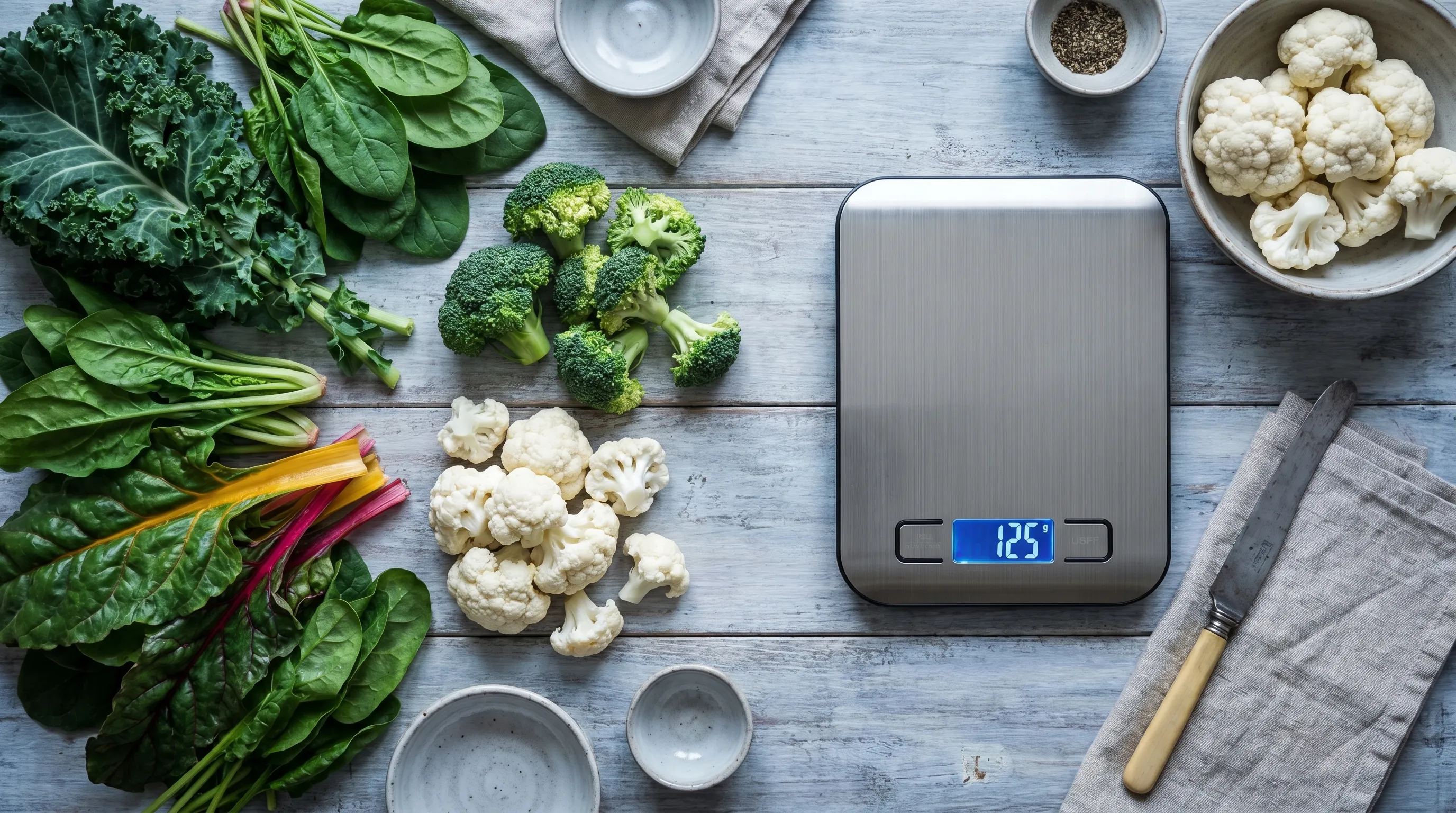
Top Tier: The Absolute Best Keto Vegetables to Eat Daily
Certain botanical categories consistently emerge as optimal nutritional choices due to their exceptional macronutrient-to-micronutrient ratios, widespread agricultural availability, remarkable culinary adaptability, and documented clinical benefits. These selections form the foundational layer of any rigorously structured ketogenic meal architecture and should comprise the majority of daily plant-based intake.
Leafy Greens: Spinach, Kale, and Swiss Chard
Leafy greens represent the absolute pinnacle of low-carb nutritional density, typically delivering only 1 to 3 grams of net carbs per cooked cup while supplying concentrated bioavailable doses of non-heme iron, ionizable calcium, provitamin A, and riboflavin. Spinach, whether consumed raw in salads or lightly thermally processed, contains substantial inorganic nitrate, which undergoes entero-salivary recirculation and enzymatic reduction to nitric oxide in the vascular endothelium, promoting vasodilation, reducing peripheral resistance, and optimizing exercise performance metrics supported by cardiovascular research. Kale distinguishes itself through remarkably high phylloquinone concentrations, delivering multiple daily values per serving to support bone matrix mineralization and arterial calcification prevention. Swiss chard offers a distinctive polyphenolic architecture rich in syringic acid and betalain pigments, which exhibit documented alpha-glucosidase inhibitory properties that blunt postprandial glycemic spikes. These botanicals integrate effortlessly into omelet matrices, wilt rapidly in garlic-infused olive oil, or serve as base ingredients for electrolyte-optimized green smoothies when combined with MCT oil and collagen peptides. Their exceptional water-to-fiber ratio naturally enhances gastric volume, triggering stretch receptor-mediated satiety signaling without imposing caloric penalties or carbohydrate burdens.
Cruciferous Powerhouses: Broccoli, Cauliflower, and Cabbage
The Brassicaceae family delivers unparalleled therapeutic utility through complex glucosinolate metabolism and myrosinase enzyme activation. Broccoli and cauliflower contain highly concentrated indole-3-carbinol derivatives, which modulate hepatic cytochrome P450 pathways, support favorable estrogen metabolite excretion ratios, and enhance xenobiotic detoxification capacity. Cabbage supplies robust ascorbic acid concentrations and highly fermentable structural carbohydrates, serving as the foundational substrate for spontaneous lactic acid fermentation, which generates a potent probiotic-rich matrix capable of increasing fecal bifidobacterial counts and reducing intestinal permeability. These botanicals maintain an exceptionally favorable net carbohydrate profile while offering highly adaptable textural characteristics suitable for high-heat roasting, steam-pureeing, spiralizing, or rapid wok-based sautéing. Peer-reviewed clinical research consistently associates regular cruciferous vegetable consumption with reduced C-reactive protein concentrations, improved adipokine signaling profiles, and enhanced peripheral insulin receptor sensitivity according to the National Cancer Institute. Their dense biochemical architecture firmly establishes them within the best keto vegetables category, particularly for individuals prioritizing anti-inflammatory modulation, hepatobiliary support, and comprehensive cellular defense mechanisms alongside strict metabolic regulation.
| Vegetable Variety | Serving Size | Net Carbs (g) | Dietary Fiber (g) | Key Nutrients | Glycemic Load |
|---|---|---|---|---|---|
| Raw Spinach | 100g | 0.7 | 2.2 | Iron, Folate, Vit K1 | 0 |
| Cooked Broccoli | 100g | 4.0 | 3.3 | Vit C, Folate, Potassium | 2 |
| Cauliflower | 100g | 2.1 | 2.5 | Choline, Vit C, Sulforaphane | 0 |
| Green Cabbage | 100g | 2.3 | 2.3 | Vit K, Glucosinolates | 1 |
| Zucchini | 100g | 1.7 | 1.0 | Potassium, Vit B6, Lutein | 0 |
| Bell Peppers (Red) | 100g | 3.2 | 1.7 | Vit C, Capsanthin, Vit B6 | 1 |
| Asparagus | 100g | 2.3 | 2.0 | Folate, Vit E, Inulin | 0 |
Low-Carb Alliums: Garlic, Onions, and Leeks
While frequently utilized in smaller volumetric quantities due to their concentrated aromatic profiles, alliums provide indispensable cardiovascular, immunomodulatory, and antimicrobial compounds. Allicin, synthesized upon mechanical tissue disruption of raw garlic, exhibits broad-spectrum antimicrobial efficacy, modulates gut microbial ecology, and supports endothelial nitric oxide synthase activity, promoting arterial compliance per NCCIH clinical reviews. Yellow and white onions supply exceptional quercetin glycoside concentrations, a bioflavonoid with documented mast cell stabilizing, antihistaminic, and senolytic properties that protect vascular smooth muscle from oxidative degradation. Leeks offer a notably milder, sweeter flavor architecture while providing substantial prebiotic fructooligosaccharides, which selectively stimulate the proliferation of beneficial Lactobacillus and Bifidobacterium species. Because their net carbohydrate concentrations range from 4 to 8 grams per half-cup when cooked, moderate culinary incorporation aligns flawlessly with strict ketogenic thresholds. Utilizing alliums as foundational flavor matrices rather than bulk volume ingredients enables maximal extraction of therapeutic organosulfur compounds without compromising daily macronutrient allocations.
Mid-Tier & Portion-Controlled Keto Vegetables
While foundational selections constitute daily dietary staples, secondary categories offer critical phytochemical diversity, prevent culinary fatigue, and supply unique enzymatic cofactors. These botanical varieties require slightly more deliberate portion monitoring but contribute irreplaceable nutritional synergies.
Nightshades: Tomatoes, Bell Peppers, and Eggplant
Solanaceae vegetables naturally contain slightly elevated sugar concentrations and starch reserves, elevating their net carbohydrate values to approximately 3 to 7 grams per half-cup serving. Red and orange bell peppers deliver extraordinary ascorbic acid density, frequently surpassing citrus fruits in raw vitamin C yield per gram, while simultaneously providing capsanthin carotenoids that modulate lipid oxidation pathways Mayo Clinic. Tomatoes supply highly bioavailable lycopene, a tetraterpene carotenoid strongly correlated with prostate tissue health, ultraviolet skin protection, and low-density lipoprotein cholesterol stabilization. Eggplant functions as a highly porous, low-calorie, fiber-dense vehicle for healthy lipid absorption and culinary seasoning, rendering it exceptionally suitable for oven roasting, gratin layering, and curry integration. For practitioners implementing targeted or cyclical ketogenic protocols, or individuals exhibiting exceptional metabolic flexibility with daily carbohydrate allowances approaching 50 grams, nightshades integrate comfortably into meal architectures. However, individuals managing autoimmune sensitivities, strict glycemic targets, or pronounced carbohydrate intolerance should monitor cumulative intake carefully, reserving higher-net-carb botanicals for post-exercise anabolic windows.
Above-Ground Versus Below-Ground: Why It Matters
Botanical physiology and evolutionary ecology provide highly reliable heuristics for predicting carbohydrate density across plant classifications. Above-ground cultivars generally optimize photosynthetic efficiency while prioritizing structural cellulose synthesis over energy-dense starch accumulation. Conversely, root, tuber, and corm vegetables evolved to store substantial carbohydrate reserves within subterranean tissues to survive seasonal frost cycles and fuel rapid vernal emergence. This evolutionary adaptation translates directly into elevated glucose and amylose availability, rendering starchy roots exceptionally difficult to accommodate within standard ketogenic frameworks without disrupting sustained ketone production Mayo Clinic guidance. By deliberately prioritizing above-ground botanicals, practitioners naturally synchronize grocery procurement with metabolic requirements while minimizing glycogen storage stimuli and suppressing postprandial insulin elevation. This physiological alignment prevents carbohydrate surplus, stabilizes neuroendocrine appetite regulation, and supports continuous adipose tissue mobilization.
How to Prepare and Incorporate Keto Vegetables Into Your Routine
Maximizing the nutritional bioavailability of low-carb botanicals requires deliberate preparation methodologies that preserve thermolabile compounds while simultaneously enhancing fat-soluble nutrient assimilation kinetics.
Cooking Methods That Preserve Nutrients
Immersive boiling in aqueous environments rapidly depletes water-soluble micronutrients, particularly ascorbic acid and thiamine, as these hydrophilic compounds readily leach into the surrounding cooking medium. Instead, prioritize dry-heat or gentle steam methodologies. Steaming maintains cellular wall integrity, preserving approximately 85 to 92 percent of heat-sensitive phytonutrients compared to prolonged boiling. Roasting at moderate-to-high temperatures initiates mild Maillard browning reactions and natural sugar caramelization, substantially elevating palatability and umami perception without requiring refined carbohydrate additions. Sautéing in cold-pressed extra virgin olive oil, macadamia nut oil, or grass-fed butter not only imparts complex flavor matrices but also dramatically improves the intestinal absorption efficiency of fat-soluble vitamins A, D, E, and K. Clinical nutrition literature confirms that gentle thermal processing actually increases the bioaccessibility of certain antioxidants, such as lycopene in tomatoes and non-heme iron in spinach, by degrading anti-nutrient phytate complexes and softening cellular fibrous structures NIH studies. Strategically alternating raw consumption with controlled thermal exposure ensures comprehensive micronutrient extraction across diverse plant biochemical architectures.
Simple, High-Fat Prep Ideas for Maximum Satiety
The ketogenic paradigm functions optimally when plant-derived fibers and fat-soluble vitamins are systematically paired with high-quality dietary lipids. Toss oven-roasted cruciferous florets in grass-fed ghee or cold-pressed avocado oil to simultaneously elevate caloric density and facilitate nutrient transport. Blend dark leafy greens into avocado-based emulsions, creating a thermally stable, electrolyte-dense condiment ideally suited for grilled poultry or pan-seared salmon. Incorporate full-fat canned coconut milk into vegetable-forward broths to substantially increase medium-chain triglyceride concentration, which bypasses standard lymphatic chylomicron pathways and rapidly converts to hepatic ketone bodies. Prepare extensive vegetable medleys with macadamia oil or duck fat to optimize monounsaturated fatty acid profiles that reinforce cellular membrane fluidity and suppress cyclooxygenase-2 mediated inflammatory prostaglandin synthesis. These preparation frameworks guarantee that every serving delivers prolonged satiety, stabilized neuroendocrine signaling, and comprehensive cofactor coverage without relying upon carbohydrate-dense volumetric fillers.

Tracking and Portion Control Strategies
Precision in portion management remains absolutely critical for preserving consistent metabolic ketosis across varying activity levels and stress exposures. Utilize a calibrated digital culinary scale to weigh botanicals in their raw or cooked state, accurately accounting for water weight fluctuations during thermal processing. Implement the visual plate methodology by allocating precisely fifty percent of your primary dinner plating to dark leafy or cruciferous varieties, twenty-five percent to high-quality complete proteins, and twenty-five percent to monounsaturated and saturated lipid sources. Leverage established nutritional tracking platforms to monitor cumulative net carbohydrate accumulation across all meals, configuring customized threshold notifications when approaching individual metabolic ceilings. Conduct large-batch roasting or fermentation sessions during weekend windows, transferring cooled portions into borosilicate glass containers for expedited weekday meal assembly. Consistency in portion verification prevents gradual carbohydrate accumulation CDC portion control resources, reinforces sustainable behavioral patterns, and ensures continuous alignment with long-term physiological optimization goals.
Common Mistakes to Avoid When Selecting Vegetables
Even experienced metabolic practitioners frequently encounter procurement and preparation pitfalls that disrupt ketone stability, trigger inflammatory cascades, or compromise nutritional adequacy.
The Hidden Carb Trap in Root Vegetables and Processed Alternatives
Commercial packaging nomenclature frequently obscures the genuine carbohydrate density and glycemic potential of marketed botanical products. Labels emphasizing terms such as whole food, low glycemic, paleo friendly, or natural energy often conceal substantial hidden sugars, maltodextrin binders, or resistant starch concentrations that elevate serum glucose more dramatically than anticipated. Avoid the cognitive bias of assuming all plant-derived items integrate seamlessly into strict ketogenic frameworks without verification. Always scrutinize comprehensive nutrition fact panels for total carbohydrate values, dietary fiber subtraction, and added sweetener listings NIH guidance on food labels. Cross-reference ingredient lists with USDA databases to validate manufacturer claims, ensuring accurate macronutrient accounting and preventing inadvertent metabolic disruption.
Starch Content and Glycemic Load Considerations
Mechanical processing methodologies dramatically alter carbohydrate digestion velocity and postprandial insulin kinetics. Pureeing, high-speed juicing, or fine mechanical grating significantly reduces structural fiber matrices, enabling rapid gastric emptying and accelerated enzymatic hydrolysis that yield quicker glucose absorption compared to intact, chunky preparations. Whenever possible, maintain macroscopic cellular architecture in your botanical selections to preserve intact fiber networks that modulate gastrointestinal transit and stabilize blood glucose curves. Additionally, prioritize certified organic, regeneratively farmed, or locally cultivated options when economically feasible to minimize exposure to systemic synthetic pesticides, herbicide residues, and mineral-depleted agricultural substrates. Implementing these verification and preparation protocols safeguards against unintentional carbohydrate overconsumption while maximizing the therapeutic, anti-inflammatory, and cellular protective impacts of the best keto vegetables.
Frequently Asked Questions
What is the difference between total carbs and net carbs when selecting vegetables?
Total carbohydrates encompass all carbohydrate molecules present in a botanical specimen, including dietary fiber, starches, and naturally occurring sugars. Net carbohydrates are calculated by subtracting dietary fiber and certain polyol compounds from the total carb count, reflecting exclusively the fraction that significantly impacts blood glucose homeostasis and pancreatic insulin secretion. For ketogenic nutrition, tracking net carbs enables individuals to sustain deep metabolic ketosis while still harvesting the digestive motility, cardiovascular modulation, and microbiome diversification benefits provided by structural and fermentable plant fibers Mayo Clinic carbohydrate breakdown.
Can I eat carrots and beets on a strict ketogenic diet?
Subterranean vegetables such as carrots, parsnips, and beets naturally accumulate higher concentrations of sucrose, glucose polymers, and resistant starches during their growth cycles, typically yielding 6 to 10 grams of net carbs per standard half-cup serving. While they supply valuable polyphenolic antioxidants and trace mineral profiles, they generally align more appropriately with moderate or cyclical carbohydrate frameworks. On a strict ketogenic protocol, practitioners should prioritize above-ground cultivars and reserve starchy roots exclusively for targeted carbohydrate replenishment surrounding high-volume endurance training or resistance sessions requiring acute glycogen restoration Cleveland Clinic keto guidelines.
How many grams of net carbs from vegetables should I aim for daily?
The vast majority of individuals successfully practicing nutritional ketosis maintain total daily net carbohydrate intake between 50 and 75 grams, with approximately 15 to 25 grams optimally sourced from non-starchy vegetables. This strategic allocation reserves sufficient carbohydrate margin for trace amounts found in raw nuts, full-fat dairy, and complete protein isolates while guaranteeing robust delivery of magnesium, potassium, vitamin K, and polyphenolic compounds. Practitioners should calibrate specific vegetable thresholds according to baseline insulin resistance indices, physical training volume, stress hormone regulation, and personalized metabolic health objectives NIH clinical research.
Are frozen vegetables as nutritious as fresh ones for a keto diet?
Commercially processed frozen botanicals are typically harvested at peak physiological maturity and subjected to rapid flash-freezing protocols, effectively preserving vitamin concentrations and phytochemical architectures at levels frequently matching or exceeding those of fresh produce subjected to extended cold-chain transportation and supermarket shelf storage. The freezing process may induce minor cellular wall textural modifications upon thawing but does not meaningfully degrade antioxidant capacity or fiber functionality. Frozen inventory offers substantial economic efficiency, extended preservation windows, and highly consistent carbohydrate standardization, establishing them as exceptionally reliable foundations for sustainable, year-round low-carb meal architecture Mayo Clinic on produce.
Should I worry about lectins or oxalates in low-carb vegetables?
Lectins and dietary oxalates represent naturally occurring botanical defense compounds that certain populations intentionally moderate, particularly individuals managing specific gastrointestinal permeability issues or recurrent calcium oxalate nephrolithiasis. Established cooking methodologies such as thorough steaming, boiling, soaking, and spontaneous fermentation substantially denature lectin structures and solubilize a measurable portion of free oxalates prior to renal excretion. For metabolically healthy populations, the extensively documented anti-inflammatory, endothelial protective, and mitochondrial support benefits of oxalate-containing botanicals consistently outweigh theoretical risk profiles. Always consult a board-certified healthcare provider or registered clinical dietitian for individualized nutritional guidance if you currently manage diagnosed autoimmune conditions or nephrological complications Cleveland Clinic dietary advice.
Conclusion
Strategically integrating the best keto vegetables into your daily nutritional architecture fundamentally transforms carbohydrate restriction from a temporary dietary intervention into a sustainable, health-promoting physiological framework. By comprehensively understanding net carbohydrate dynamics, prioritizing nutrient-dense above-ground botanicals, and employing scientifically grounded preparation techniques, you systematically optimize hepatic ketone production while simultaneously safeguarding digestive tract integrity, cardiovascular resilience, and endocrine equilibrium. Extensive clinical evidence consistently demonstrates that low-carb, high-fiber plant matrices serve as indispensable allies in achieving long-term dietary adherence, mitigating adaptation-related fatigue, and supporting comprehensive systemic wellness. Utilize this detailed, evidence-based framework to execute informed procurement decisions, maintain rigorous portion accountability, and experience a highly diverse, flavorful, and physiologically optimized approach to ketogenic nutrition. Commit to intentional thermal processing, consistent metabolic tracking, and mindful lipid pairing, and you will rapidly establish sustained cellular energy, profound metabolic flexibility, and optimal biochemical homeostasis.
How we work
Researched and drafted with AI assistance, then reviewed by a human editor against the cited sources.
This article is general health information, not medical advice. Consult a qualified healthcare professional about your own situation.