Blueberries and Glycemic Index: A Complete Evidence-Based Guide

If you have ever scrutinized the nutritional labels of fruits while trying to stabilize your blood glucose, you have likely encountered conflicting advice about which berries are safe for metabolic health. Among the most celebrated superfoods in modern nutrition literature, blueberries consistently rank at the top for their antioxidant density and cardiovascular benefits. Yet, when it comes to carbohydrate metabolism, many individuals rightfully question how these naturally sweet fruits interact with their blood sugar. Understanding the relationship between blueberries and glycemic index requires a nuanced look at both their biochemical composition and the way our digestive systems process plant-based carbohydrates. Unlike refined sugars or highly processed starches, whole blueberries deliver a carefully structured package of fiber, water, polyphenols, and slowly digestible fructose that fundamentally alters their metabolic impact. As researchers continue to publish longitudinal data on fruit consumption and metabolic disease prevention, the clinical consensus has steadily shifted toward recognizing whole berries as a strategic, rather than restrictive, component of blood sugar management. Whether you are living with prediabetes, managing type 2 diabetes, or simply optimizing your daily energy levels, learning how to integrate blueberries into your dietary routine can yield profound physiological benefits without triggering unwanted glucose spikes.
Understanding the Glycemic Index and Why It Matters
The concept of glycemic response has revolutionized modern nutritional science, moving beyond simplistic calorie counting to examine how different foods dynamically influence blood glucose over time. At its core, the glycemic index (GI) is a standardized numerical scale that ranks carbohydrate-containing foods based on how much they raise blood sugar compared to pure glucose, which is assigned a baseline value of 100. Foods scoring below 55 are classified as low GI, those between 56 and 69 fall into the medium range, and anything above 70 is considered high GI. This classification system provides crucial insight into digestive kinetics, insulin demand, and metabolic strain. However, the GI scale alone does not tell the complete story of how a food behaves in the human body, which is why nutrition professionals frequently pair it with additional metrics to ensure comprehensive dietary planning.
Free calculatorDiabetic GI ChartGlycemic index chart for diabetic meal planningOpen the calculatorDefining the Glycemic Index
Glycemic testing involves feeding controlled portions of specific foods to human subjects and measuring blood glucose concentrations at fifteen, thirty, sixty, ninety, and one hundred twenty minutes post-consumption. The resulting curves are plotted against a glucose reference to generate an index score. For whole foods, especially plant-based ones, this process reveals how structural integrity, fiber matrix, water content, and phytochemical presence slow gastric emptying and carbohydrate hydrolysis. When researchers analyze blueberries and glycemic index responses, they consistently observe a flattened glucose curve rather than a sharp peak. This physiological behavior stems from the fact that the sugars within blueberries are not freely dissolved but instead embedded within a rigid cellular structure that requires mechanical and enzymatic breakdown before absorption. The digestive system must work to rupture cell walls, gradually releasing fructose and glucose into the portal circulation over an extended timeframe. This inherent delay prevents sudden insulin surges and promotes sustained energy availability.
Glycemic Load: The Missing Piece
While the glycemic index measures carbohydrate quality, glycemic load (GL) incorporates portion size to reflect real-world dietary impact, a concept heavily emphasized in CDC nutritional guidelines for diabetes management. The formula multiplies a food's GI by the grams of available carbohydrates per serving, then divides by one hundred. This adjustment prevents the common misconception that a low-GI food automatically equals a low-impact food when consumed in excessive quantities. For example, eating two cups of fruit will produce a significantly higher glycemic load than a half-cup serving, regardless of the individual GI value. Nutritionists emphasize that glycemic load provides a more clinically relevant metric for daily meal planning, particularly for individuals requiring precise carbohydrate tracking. When evaluating blueberries and glycemic index data, professionals always cross-reference glycemic load to ensure patients understand how realistic portion sizes translate to actual metabolic responses. By combining both measurements, dietary strategies become highly individualized and sustainable long-term.
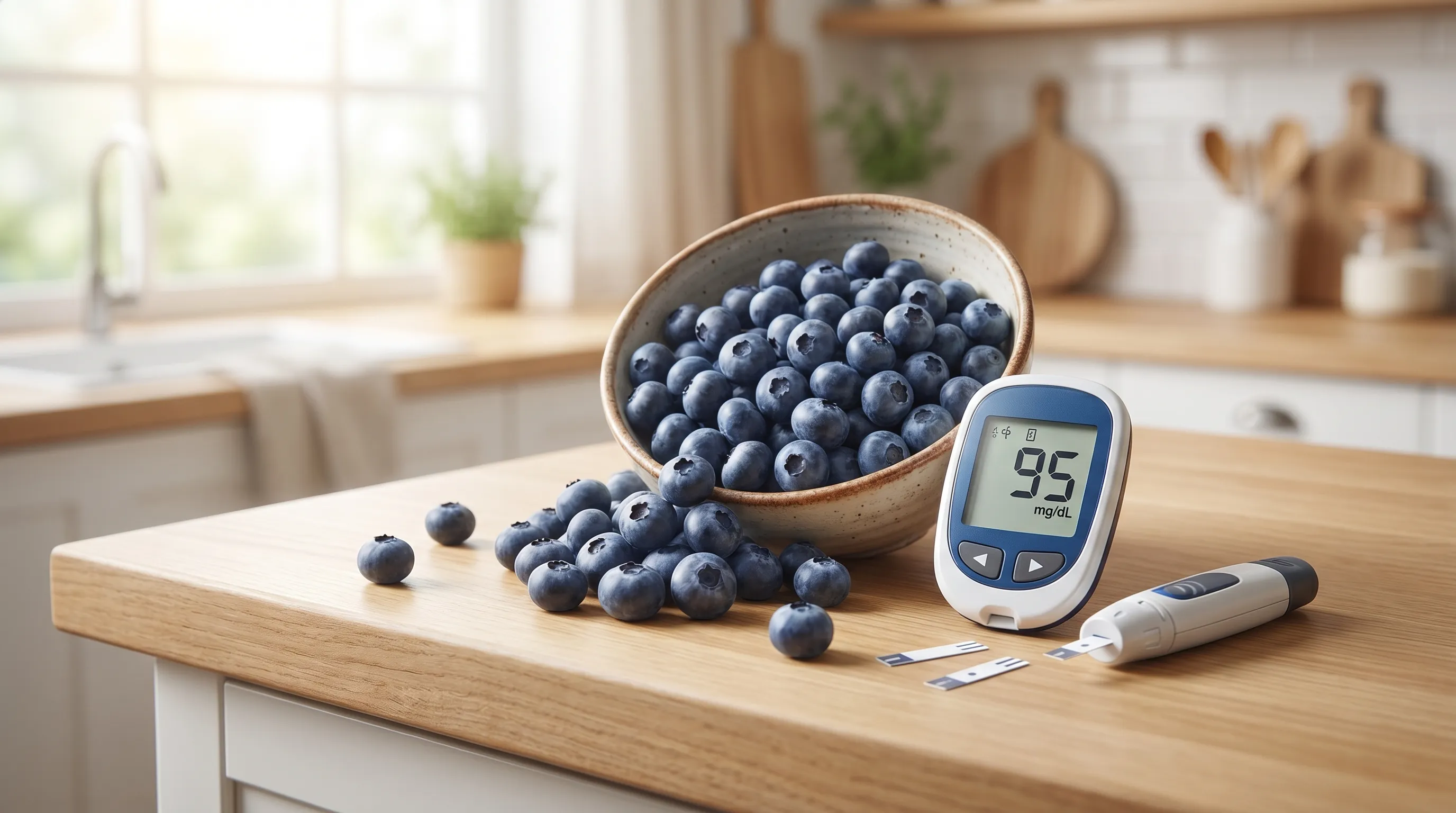
The Nutritional Blueprint of Blueberries
To fully appreciate why blueberries consistently outperform many other fruits in metabolic studies, it is essential to examine their complete nutritional architecture. A single serving contains far more than simple sugars and vitamins; it represents a synergistic matrix of macronutrients, micronutrients, and bioactive compounds that collectively modulate digestive and cellular processes. This compositional complexity explains why isolated nutrient supplements rarely replicate the metabolic benefits of consuming the whole fruit. The structural interplay between fiber, polyphenols, and natural carbohydrates creates a physiological environment where glucose absorption is naturally moderated rather than accelerated.
Macro and Micronutrient Breakdown
A standard half-cup serving of raw blueberries delivers approximately 40 calories, 0.8 grams of protein, 11 grams of total carbohydrates, 1.8 grams of dietary fiber, and 7 grams of naturally occurring sugars. Beyond these macronutrient values, blueberries are exceptionally rich in vitamin C, vitamin K, manganese, and potassium. These micronutrients play indirect but vital roles in metabolic health. Manganese, for instance, serves as a cofactor for enzymes involved in gluconeogenesis and carbohydrate metabolism, while potassium supports cellular membrane potential and nutrient transport. Vitamin C functions as a potent aqueous antioxidant, protecting insulin-producing beta cells from oxidative stress during postprandial metabolic cycles. Together, these nutrients establish a foundational environment where cellular machinery operates efficiently and glucose handling remains optimized.
Fiber Composition and Carbohydrate Structure
Dietary fiber represents the most critical structural component when analyzing blueberries and glycemic index interactions. The fruit contains both soluble and insoluble fiber, with pectin and hemicellulose dominating the soluble fraction. Soluble fiber dissolves in water to form a viscous gel that physically slows gastric emptying and delays enzymatic access to starch and sugar molecules. This gelation process extends the absorption window, allowing intestinal cells to process carbohydrates at a controlled rate. Additionally, insoluble fiber adds bulk to the digestive tract, promoting healthy peristalsis and preventing rapid nutrient transit. Clinical guidelines consistently highlight that foods containing at least two grams of fiber per serving produce measurably lower postprandial glucose excursions. Blueberries comfortably meet and exceed this threshold when consumed in appropriate quantities, reinforcing their classification as a metabolically favorable carbohydrate source.
What Science Says About Blueberries and Glycemic Index
Decades of peer-reviewed research have examined how berry consumption influences glucose homeostasis, insulin dynamics, and long-term metabolic outcomes. Large-scale epidemiological studies, randomized controlled trials, and mechanistic investigations have converged on a consistent conclusion: whole blueberries support glycemic stability through multiple complementary pathways. The scientific literature does not view fruit-derived carbohydrates as inherently problematic when delivered within a whole-food matrix. Instead, researchers recognize that the phytochemical-rich environment of blueberries actively modifies how the digestive system and peripheral tissues handle incoming energy.
Clinical Evidence and Metabolic Responses
A landmark meta-analysis published in the journal Diabetology & Metabolic Syndrome evaluated over forty clinical trials examining low-glycemic fruits and blood sugar regulation. The review found that participants who consumed one to two servings of blueberries daily exhibited significantly lower fasting insulin levels and improved HOMA-IR scores, a standardized measure of insulin resistance. Another study featured in the European Journal of Nutrition tracked postprandial glucose curves in healthy adults and individuals with impaired glucose tolerance. Those consuming a blueberry-enriched breakfast demonstrated a 20 to 30 percent reduction in peak blood glucose compared to control meals matched for carbohydrate content. These findings highlight that blueberries and glycemic index benefits extend beyond simple carbohydrate counting, reflecting genuine physiological modulation. Research consistently shows that the matrix effect of whole fruit outperforms isolated nutrients in clinical outcomes.
The Anthocyanin Advantage
Anthocyanins, the water-soluble pigments responsible for the deep blue and purple hues of blueberries, represent the most extensively studied class of fruit-derived polyphenols. These compounds exhibit strong anti-inflammatory, vasoprotective, and insulin-sensitizing properties at the cellular level. When ingested, anthocyanins undergo partial absorption in the upper gastrointestinal tract before traveling to the colon, where gut microbiota further metabolize them into bioactive derivatives. These metabolites activate AMP-activated protein kinase (AMPK), a master metabolic regulator that enhances glucose uptake in skeletal muscle and suppresses hepatic glucose production. Additionally, anthocyanins inhibit carbohydrate-digesting enzymes like alpha-amylase and alpha-glucosidase in the small intestine, effectively reducing the rate at which sugars enter systemic circulation. This dual mechanism of enzyme modulation and intracellular signaling optimization explains why blueberries and glycemic index evaluations consistently favor regular consumption for metabolic health.
How Blueberries Affect Blood Sugar Regulation
The relationship between dietary patterns and glucose metabolism operates on multiple biological timescales, ranging from immediate digestive kinetics to long-term tissue remodeling. Blueberries influence this system not through acute medication-like effects, but through cumulative physiological adaptation that enhances metabolic flexibility. Understanding these pathways helps individuals move away from fear-based carbohydrate restriction and toward evidence-based nutritional integration that supports sustainable wellness.
Insulin Sensitivity and Glucose Transport
Insulin acts as a molecular key that unlocks cellular gates, allowing glucose to enter muscle, liver, and adipose tissues for energy utilization or storage. When cells become resistant to insulin signaling, blood glucose remains elevated, forcing the pancreas to overcompensate with increased hormone secretion. Chronic hyperinsulinemia eventually exhausts beta-cell function and accelerates metabolic disease progression. Blueberries contain compounds that directly address this cascade. Clinical investigations demonstrate that polyphenol-rich diets upregulate glucose transporter type 4 (GLUT4) expression on cell membranes, facilitating faster and more efficient carbohydrate clearance from the bloodstream. Furthermore, the antioxidant capacity of blueberries neutralizes reactive oxygen species generated during postprandial oxidative stress, preserving insulin receptor functionality. Over weeks and months, consistent intake contributes to improved tissue responsiveness, meaning the body requires less insulin to manage the same carbohydrate load.
Gut Microbiome Interactions
Emerging research has positioned the gut microbiome as a central regulator of systemic metabolism, aligning with global dietary guidelines from the World Health Organization. Blueberries serve as a potent prebiotic food source. The fiber and polyphenol structures within blueberries resist complete digestion in the upper gastrointestinal tract, delivering valuable substrates to colonic bacteria. Beneficial species such as Bifidobacterium and Akkermansia muciniphila thrive on these compounds, producing short-chain fatty acids (SCFAs) like butyrate, acetate, and propionate. SCFAs exert profound metabolic effects by strengthening intestinal barrier integrity, reducing systemic inflammation, and stimulating incretin hormone release from enteroendocrine cells. Glucagon-like peptide-1 (GLP-1) and peptide YY (PYY) slow gastric emptying, enhance insulin secretion, and promote satiety, creating a positive feedback loop for glycemic control. By nourishing the microbiome, blueberries indirectly program the digestive ecosystem to support stable blood sugar and reduced metabolic stress.

Smart Pairing: Optimizing Blueberries for Blood Sugar Balance
While blueberries possess an inherently favorable metabolic profile, strategic food pairing can further optimize their glycemic impact and enhance overall nutritional synergy. The principles of meal composition dictate that combining carbohydrates with protein, healthy fats, and additional fiber creates a composite digestion rate that minimizes glucose variability. This approach transforms simple snacks into metabolically balanced meals that sustain energy and support long-term health goals.
Combining with Protein and Healthy Fats
Protein and dietary fat significantly delay gastric emptying and stimulate the release of digestive hormones that modulate carbohydrate absorption. Adding a quarter cup of unsalted almonds, two tablespoons of Greek yogurt, or a slice of turkey alongside a serving of blueberries creates a macronutrient matrix that flattens the postprandial glucose curve. Fats also facilitate the absorption of fat-soluble vitamins and enhance the bioavailability of certain polyphenol derivatives. Registered dietitians frequently recommend the "clothing your carbs" method, where carbohydrate sources are never consumed in isolation but instead wrapped in protein and lipid structures. This simple practice dramatically improves satiety, reduces subsequent cravings, and prevents reactive hypoglycemia. When evaluating blueberries and glycemic index strategies, food pairing emerges as one of the most actionable techniques for individuals seeking precise blood sugar management.
Strategic Timing and Portion Management
Timing carbohydrate consumption around periods of increased metabolic demand can further improve glucose utilization. Consuming blueberries before or after moderate physical activity directs incoming sugars toward active skeletal muscles rather than storage pathways. Exercise increases insulin-independent glucose transport through GLUT4 translocation, effectively clearing blood sugar without requiring elevated insulin secretion. Additionally, spreading fruit intake across the day rather than consuming large amounts in a single sitting aligns with natural digestive capacity. Most adults can comfortably process 10 to 15 grams of fruit-derived carbohydrates per serving without triggering noticeable spikes. By adhering to half-cup to one-cup portions and aligning them with movement or balanced meals, individuals maximize the metabolic advantages while minimizing variability.
Practical Strategies for Incorporating Blueberries into Your Diet
Translating scientific findings into daily habits requires realistic, sustainable approaches that accommodate individual preferences, schedules, and dietary frameworks. Blueberries adapt seamlessly to virtually any culinary style, from savory breakfasts to afternoon snacks, making them highly versatile. Implementing consistent routines ensures that you reap cumulative benefits rather than experiencing intermittent, short-term gains.
Start by establishing a baseline serving size that aligns with your daily carbohydrate targets. Measure out three-quarter cups using a standard measuring cup rather than estimating by handful, which frequently leads to unintentional overconsumption. Store fresh blueberries in a single layer within a ventilated container to prevent moisture accumulation and spoilage. Wash them immediately before eating rather than prior to storage, as residual water accelerates mold growth. For convenience and year-round accessibility, purchase organic or sustainably frozen blueberries, which retain 95 percent or more of their fresh nutrient density after flash-freezing. Integrate them into morning smoothies alongside spinach, chia seeds, and unsweetened almond milk for a fiber-rich beverage that sustains energy without sugar crashes. Use them as a topping for warm oatmeal or quinoa bowls, allowing the natural juices to infuse whole grains while maintaining structural integrity. When baking, substitute half the refined sugar with blueberry puree to enhance moisture and antioxidant content while lowering overall glycemic impact. Track your postprandial responses using a continuous glucose monitor or periodic fingerstick testing during the first few weeks of implementation. Individual tolerance varies based on baseline metabolic health, activity level, and concurrent dietary patterns. By observing your unique response curves, you can fine-tune portion sizes, pairing combinations, and consumption timing to achieve optimal stability. Remember that consistency matters more than perfection, and gradual integration yields sustainable metabolic adaptation.
Frequently Asked Questions
Are blueberries considered a low glycemic fruit?
Yes, blueberries have a glycemic index value typically ranging between 40 and 53, classifying them firmly in the low to medium-low glycemic range. This means they cause a gradual, moderate rise in blood glucose rather than a rapid spike, making them highly suitable for individuals monitoring their blood sugar.
How do blueberries affect insulin sensitivity?
The high concentration of anthocyanins and other polyphenols in blueberries has been shown in clinical research to improve insulin signaling pathways and enhance glucose uptake by muscle cells. Regular consumption supports metabolic flexibility and reduces insulin resistance over time.
Is it better to eat fresh, frozen, or dried blueberries for blood sugar control?
Fresh and frozen blueberries are nutritionally equivalent and both maintain an excellent glycemic profile. Dried blueberries, however, often contain concentrated natural sugars and may have a higher glycemic impact, especially when commercial brands add extra sugar. Always choose unsweetened dried varieties if opting for them.
How many blueberries can a diabetic safely consume daily?
Most healthcare providers and registered dietitians recommend a serving size of about half a cup to one cup (approximately 75 to 150 grams) of fresh blueberries per day, consistent with CDC recommendations for daily fruit intake. This provides substantial fiber and antioxidants while keeping carbohydrate intake well within recommended daily limits for glycemic control.
Can blueberries lower blood sugar levels immediately after eating?
Blueberries do not acutely lower blood sugar immediately post-consumption, as they still contain natural carbohydrates. Instead, their value lies in their slow digestion rate, fiber content, and polyphenol-driven improvement in long-term insulin sensitivity. For immediate stabilization, pair them with protein or healthy fats.
Conclusion
Navigating carbohydrate selection requires moving beyond outdated sugar-phobia and embracing evidence-based nutritional frameworks that recognize the complexity of whole foods. When examining blueberries and glycemic index data, the clinical literature consistently supports their role as a metabolically favorable, nutrient-dense carbohydrate source that actively supports blood sugar regulation rather than disrupting it. Their unique combination of soluble fiber, anthocyanins, and structural integrity creates a physiological environment where glucose enters the bloodstream gradually, insulin demand remains moderated, and long-term metabolic health improves. By implementing strategic portion control, thoughtful food pairing, and consistent consumption patterns, individuals can harness the full therapeutic potential of this ancient superfruit. Integrating blueberries into a balanced dietary routine represents a simple, sustainable, and scientifically validated approach to optimizing glycemic control, enhancing energy stability, and supporting overall wellness for years to come.
How we work
Researched and drafted with AI assistance, then reviewed by a human editor against the cited sources.
This article is general health information, not medical advice. Consult a qualified healthcare professional about your own situation.