Noom vs. Weight Watchers: Which Program Is Best for You?

Key points
- Noom is a mobile app focused on calorie counting, psychology, and habit change, featuring personal coaching via in-app messaging.
- Weight Watchers (WW) uses a proven points system (SmartPoints), offers flexibility with "ZeroPoint" foods, and provides strong community support through workshops.
- Both programs promote sustainable lifestyle changes over quick-fix diets.
- The best choice depends on your preferences: Noom suits those who like a self-guided, psychology-focused app, while WW is ideal for those who value community support and a simple points plan.
Introduction
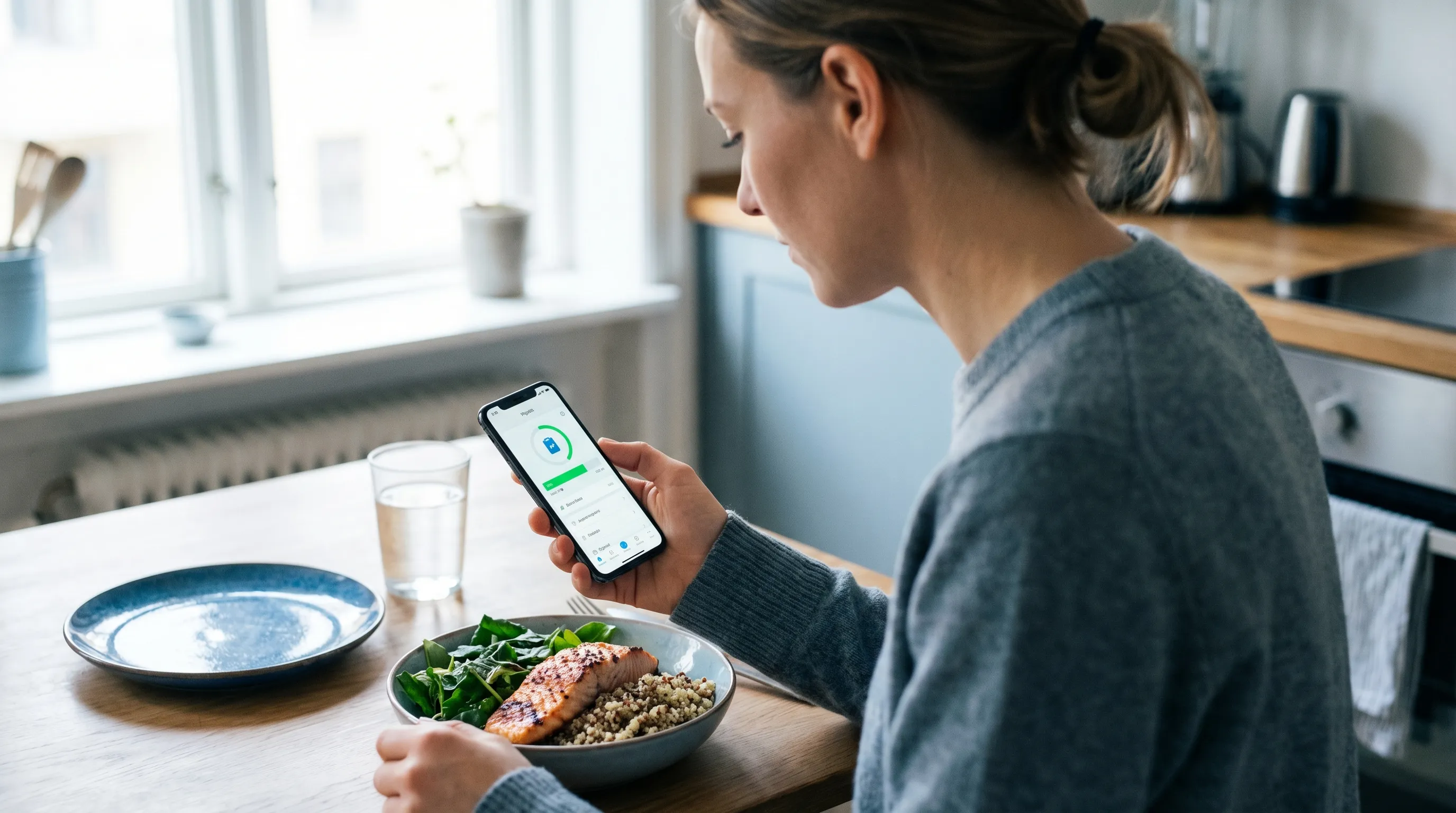 :max_bytes(150000):strip_icc()/Noom-Weight-Watchers-Comparison-5093761-V1-11d88a1837a541609804e38e678e705b.jpg)
Losing weight and maintaining a healthy lifestyle can be challenging, but digital weight-loss programs provide the guidance and structure many people need. Two of the most well-known programs are Noom and Weight Watchers (rebranded as WW). Both have legions of success stories, but they take different paths to help you reach your goals.
This guide dives deep into the "Noom vs. Weight Watchers" debate, comparing their approaches, costs, and effectiveness to help you make an informed decision for your health journey.
Quick Takeaways:
- Noom is a mobile app focused on calorie counting, psychology, and habit change, featuring personal coaching via in-app messaging.
- Weight Watchers (WW) uses a proven points system (SmartPoints), offers flexibility with "ZeroPoint" foods, and provides strong community support through workshops.
- Both programs promote sustainable lifestyle changes over quick-fix diets.
- The best choice depends on your preferences: Noom suits those who like a self-guided, psychology-focused app, while WW is ideal for those who value community support and a simple points plan.
What is Noom?
Noom is a modern weight-loss platform often described as a “behavior change program.” Launched in 2011, this smartphone app combines calorie tracking, food logging, and psychology-based coaching to help users build healthier habits.
Key Features of Noom:
- Personalized Calorie Budget: After an initial questionnaire, Noom's algorithm sets a daily calorie goal designed for steady weight loss of 1-2 pounds per week.
- Color-Coded Food Logging: Noom categorizes foods into a traffic light system based on calorie density:
- Green foods (fruits, vegetables, whole grains) are low in calories and should make up the bulk of your diet.
- Yellow foods (lean meats, low-fat dairy) should be eaten in moderate portions.
- Red foods (sweets, fried foods, full-fat cheese) are high in calories and should be limited.
- Daily Lessons & Quizzes: Noom's core feature is its daily educational content based on cognitive behavioral therapy (CBT). These short articles and quizzes help you understand the psychology behind your eating habits.
- Personal Coaching: Each user is paired with a personal coach (Goal Specialist) who provides guidance, feedback, and accountability through in-app messaging.
- Community Support: Users are placed in small group chats with peers, led by a group coach, to share progress and motivation.
- Progress Tracking: The app logs food, exercise, daily weight, blood pressure, and blood sugar, and syncs with fitness trackers.
Cost & Accessibility
Noom is a subscription-based mobile app (iOS and Android). A monthly plan costs around $60, but longer-term commitments (e.g., annual plans) can reduce the price to as low as $20-$30 per month. A low-cost 14-day trial is usually available.
Scientific Evidence
While newer than WW, Noom's approach is backed by promising research. A 2016 study in Scientific Reports analyzing data from over 35,000 Noom users found that 78% lost weight while using the app [1]. Furthermore, Noom's program for diabetes prevention is officially recognized by the U.S. Centers for Disease Control and Prevention (CDC) [2].
Pros of Noom
- Psychology-Driven: Focuses on the "why" behind your eating habits for sustainable change.
- User-Friendly App: The color-coded system simplifies calorie counting, and the app is easy to navigate.
- Personal Coach: Offers one-on-one support via messaging for accountability.
- Educational Content: Daily lessons help you learn about nutrition and behavioral science.
- No Foods Off-Limits: Promotes moderation rather than restriction.
Cons of Noom
- Cost: Can be expensive if you don't commit to a longer-term plan.
- Time Commitment: Daily logging and reading lessons requires consistency.
- Tech-Only Format: The app-based model may not suit those who prefer in-person support.
- Calorie Focus: Meticulous calorie tracking and daily weigh-ins can be stressful for some individuals.
- Variable Coaching Quality: The level of personalization from coaches can vary.
What is Weight Watchers (WW)?
Weight Watchers, now WW, is a global leader in weight loss, founded in the 1960s. It has evolved from neighborhood meetings into a flexible, science-backed program that combines a proven points system with digital tools and community support.
 :max_bytes(150000):strip_icc()/VW-Fit-03-weight-watchers-reimagined-4158225-primary-3b56247c1a85429188e7343ab6a01490.jpg)
Key Features of Weight Watchers (WW):
- SmartPoints System: WW assigns every food and drink a SmartPoint value based on its calories, sugar, saturated fat, and protein. Members receive a personalized daily and weekly points budget.
- ZeroPoint Foods: A cornerstone of the program is a list of nutritious foods—including most fruits, non-starchy vegetables, lean proteins, beans, and nonfat yogurt—that don't need to be tracked. This encourages healthy eating without feeling deprived.
- Workshops (Meetings) & Community: WW is famous for its supportive community. Members can attend weekly in-person or virtual workshops led by a WW Coach for accountability, motivation, and shared learning.
- Digital Tools (WW App): The WW app allows you to track points, activity (FitPoints), and weight. It also features a barcode scanner, thousands of recipes, and WW Connect, a members-only social platform for sharing encouragement and tips.
- No Food is Off-Limits: Like Noom, WW allows you to eat anything as long as you account for it in your points budget.
Cost & Accessibility
WW offers several membership tiers, with prices varying by promotion and region:
- Digital-Only: Around $20-$30 per month for full app access and 24/7 live coach chat.
- Workshop + Digital: Around $45–$60 per month for unlimited group meetings plus all digital tools. WW frequently runs promotions, such as waiving the startup fee or offering discounted introductory months.
Scientific Evidence
WW is one of the most extensively studied commercial weight-loss programs. A landmark 2017 study in The Lancet found that participants referred to WW lost significantly more weight over 12 months than those receiving standard advice from their doctor [3]. A comprehensive review in the Annals of Internal Medicine also found WW participants achieved greater weight loss at 12 months compared to unstructured dieting [4]. U.S. News & World Report has consistently ranked WW as a top diet for weight loss [5].
Pros of Weight Watchers (WW)
- Proven Track Record: Backed by decades of research and success stories.
- Flexibility: The points system and ZeroPoint foods list allow for varied food choices without feeling deprived.
- Strong Community Support: Workshops and the online Connect community provide powerful motivation and accountability.
- User-Friendly System: Many find counting points simpler and less stressful than counting calories.
- Adaptability: The plan can be easily tailored to various dietary needs like vegetarianism or diabetes.
Cons of Weight Watchers (WW)
- Cost Over Time: Membership fees, especially for workshops, can add up.
- Weigh-Ins Anxiety: Some find the weekly weigh-ins stressful, though they are confidential.
- Tracking Required: You still need to log your food (as points), which can be tedious for some.
- Program Changes: WW occasionally updates its system, which can be an adjustment for long-term members.
- Less Emphasis on Psychology: While mindset is addressed, it lacks the in-depth daily psychological lessons of Noom.
Noom vs. Weight Watchers: Side-by-Side Comparison
| Feature/Aspect | Noom | Weight Watchers (WW) |
|---|---|---|
| Approach | Psychology-driven behavior change using cognitive behavioral therapy (CBT) and calorie awareness. | Lifestyle-focused points system (SmartPoints) guiding portion control and balanced nutrition with strong community support. |
| Food Tracking | Calorie and food logging with a Green/Yellow/Red system based on calorie density. | Points system that simplifies nutritional data into one number. Features ZeroPoint™ foods that don't require tracking. |
| Coaching & Support | 1:1 coaching via in-app messaging and small peer support groups. Entirely virtual. | Group support via weekly in-person or virtual workshops. "Connect" online community and 24/7 live coach chat. Optional 1:1 coaching available. |
| Tech Platform | Primarily a smartphone app (iOS/Android). Mobile-focused with daily notifications and lessons. | Robust app and website. Barcode scanner for easy tracking. Option for in-person workshops. |
| Focus Areas | Nutrition education, behavior change, and understanding the psychology of eating. | Balanced diet, portion control, and community-driven accountability and support. |
| Cost | Approx. $20–$60/month, depending on plan length. Lower monthly cost for longer commitments. | Digital: Approx. $20–$30/month. Workshops: Approx. $45–$60/month. Frequent promotions available. |
In-Depth: How Do Noom and WW Approach Weight Loss?
1. Dietary Approach and Food Choices
Both programs are sustainable because they don't ban foods.
- Noom's Color System teaches you about calorie density, encouraging you to fill up on "Green" foods (like fruits and veggies) while being mindful of "Red" foods (like pizza and cookies). This helps you naturally lower your calorie intake without feeling hungry.
- WW’s Points System guides you toward healthier choices because foods high in sugar and saturated fat "cost" more points, while lean proteins, fruits, and vegetables cost fewer or zero points. This flexibility allows you to budget for treats while building a foundation of healthy eating.
2. Coaching and Support Systems
Accountability is key to success, and both programs offer it differently.
- Noom provides a private, one-on-one relationship with a coach via text messaging. This is ideal for those who prefer personalized, digital-first guidance and feel uncomfortable in group settings.
- WW shines with its community model. The weekly workshops create a shared sense of purpose and camaraderie that many members find essential for staying motivated. The Connect social network in the app also offers a highly positive and encouraging environment.
3. Technology and Interface
- Noom's app is designed to be engaging, with daily quizzes, articles, and interactive challenges that make learning about health feel like a game. It's a comprehensive, self-contained experience.
- WW's app is a powerful tool for tracking, with an excellent barcode scanner and a vast database of foods and recipes. It serves as the hub for both digital and workshop members, connecting them to tracking tools and the community.
Video: A side-by-side comparison of Noom and Weight Watchers to help you decide which is better for your goals.
Real User Testimonials
"I had tried countless diets, but Noom was a game-changer. The daily lessons were eye-opening—I learned how stress was leading me to snack mindlessly. Over 8 months, I lost 22 pounds, but more importantly, I feel in control of my habits." – Jessica, 38, Noom Graduate.
"What I love about WW is that I never felt deprived. The points system really works for me; it’s like a budget I can spend however I want. The weekly meetings were crucial; my group became like family and kept me on track. Two years at goal weight and counting!" – Daniel, 50, WW Lifetime Member.
Frequently Asked Questions (FAQ)
Q: Which is more effective for weight loss, Noom or Weight Watchers? A: Both Noom and Weight Watchers have been shown to be effective for weight loss, but the 'better' program depends on individual preferences. Studies support both platforms. Noom excels for those who want a psychology-based, app-driven approach with daily lessons. Weight Watchers is often preferred by those who thrive with community support (in-person or virtual meetings) and a simpler points-based system. Your consistency and personal engagement will be the biggest factors in your success.
Q: What do I eat on Noom or WW – do I have to follow a specific diet? A: Neither program requires you to buy specific foods or follow a rigid diet. Noom uses a color-coded system (green, yellow, red) to guide you toward lower-calorie, nutrient-dense foods, but no foods are off-limits. WW uses a points system (SmartPoints) and a list of ZeroPoint foods (like fruits, vegetables, and lean proteins) that you don't need to track. You can eat anything you like on WW, as long as you stay within your daily and weekly points budget.
Q: How do the costs compare, and are there free versions? A: Neither program is free, but both offer introductory trials. Noom's cost is typically around $60/month, but this price drops significantly with multi-month or annual plans. WW offers tiered pricing: a Digital-only plan is about $20-$30/month, while the Workshop + Digital plan costs around $45-$60/month. Both companies frequently run promotions and discounts, so it's best to check their official websites for current pricing.
Q: Can I use Noom or WW if I have dietary restrictions or health conditions? A: Yes, both programs are flexible enough to accommodate various dietary needs, including vegetarian, vegan, and gluten-free diets. Noom's food logging and WW's points system can be adapted to any food choices. For specific health conditions like diabetes, Noom offers a CDC-recognized Diabetes Prevention Program, and WW provides guidance that is generally compatible with managing blood sugar. However, it is always recommended to consult your doctor before starting any new weight loss program, especially if you have a pre-existing medical condition.
Q: Do I need to exercise to lose weight on these programs? A: While weight loss can be achieved through diet alone, both Noom and WW strongly encourage physical activity as a core part of a healthy lifestyle. They don't mandate specific workouts but provide tools to track your activity. Noom helps you set and track step goals, while WW rewards exercise with FitPoints. Both programs integrate with fitness trackers to make logging activity seamless.
Q: How is the coaching different between Noom and WW? A: The coaching models are a key difference. Noom provides every user with a personal 'Goal Specialist' for one-on-one support via in-app messaging. WW's coaching is primarily group-based, through in-person or virtual workshops led by a WW Coach. WW also offers 24/7 chat support with coaches in its digital plan and a premium one-on-one coaching option for an additional fee. Your choice depends on whether you prefer private, text-based coaching (Noom) or group accountability (WW).
Which One Should You Choose?
The right choice comes down to your personality and lifestyle.
- Choose Noom if: You are tech-savvy, self-motivated, and want to understand the psychology behind your habits. You prefer a private, app-based experience with one-on-one digital coaching.
- Choose WW if: You thrive on community support and accountability. You prefer a simpler tracking system (points vs. calories) and enjoy the idea of in-person or virtual group meetings.
Ultimately, the best program is the one you can stick with consistently. Both Noom and Weight Watchers provide the tools and support to help you succeed—your commitment is the final ingredient.
Conclusion
Both Noom and Weight Watchers (WW) offer excellent, evidence-based frameworks for achieving a healthier weight. Noom leverages psychology and modern technology to educate and empower users through a personal, app-based journey. Weight Watchers relies on its time-tested points system and the unparalleled power of community to create a supportive and flexible path to wellness.
There is no single "best" program. Reflect on what motivates you, how you prefer to receive support, and which tracking method feels more sustainable. By choosing the program that aligns with your personality, you set yourself up for long-term success.
Additional Resources and References
- Noom Official Website: Learn more about Noom's approach and sign up.
- WeightWatchers (WW) Official Website: Explore WW program options and find current offers.
- Noom Study (2016), Scientific Reports: Effectiveness of a Digital Weight Loss Program Using Integration of Data From a Web-Based Platform, Mobile Application, and Connected Devices.
- WW Study (2017), The Lancet: Weight loss referral by primary care to a commercial provider: a randomized controlled trial.
- Systematic Review (2015), Annals of Internal Medicine: Efficacy of Commercial Weight-Loss Programs: An Updated Systematic Review.
- U.S. News & World Report Diet Rankings: Best Weight-Loss Diets.
- CDC Diabetes Prevention Recognition Program: Learn about CDC-recognized lifestyle change programs.
- Healthline Comparison Article: Noom vs. WW (Weight Watchers): Which Weight Loss App Is Better?
Disclaimer: This article is for informational purposes only. Consult a healthcare provider before starting any weight-loss program.
How we work
Researched and drafted with AI assistance, then reviewed by a human editor against the cited sources.
This article is general health information, not medical advice. Consult a qualified healthcare professional about your own situation.