How Long Does a Tattoo Peel: Complete Healing Timeline and Expert Aftercare Guide
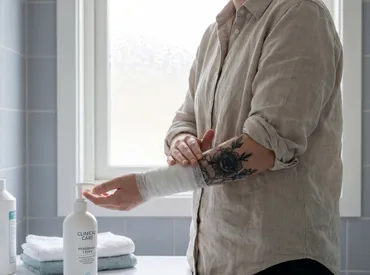
Getting a new tattoo is an exciting experience that transforms skin into a permanent canvas of personal expression, but the journey from fresh ink to fully healed artwork requires patience, knowledge, and disciplined aftercare. One of the most common concerns among first-time and seasoned collectors alike centers around the natural shedding process and exactly how long does a tattoo peel before it settles into the skin. Understanding this phase is crucial because it marks a critical window where improper handling can compromise pigment retention, introduce infection, or cause permanent scarring. Medical professionals and experienced tattoo artists consistently emphasize that peeling is not a sign of something going wrong; rather, it is a definitive indicator that your body’s wound-healing mechanisms are functioning correctly. The visible flaking phase typically spans a two- to three-week period, usually beginning around the second week post-appointment and gradually resolving by the fourth week. However, the biological processes driving this shedding are just the surface layer of a much deeper, months-long regenerative timeline. By examining the cellular mechanics, environmental influences, and evidence-based care protocols, you can navigate this transitional stage with confidence and ensure your tattoo heals with optimal clarity, vibrancy, and longevity.
The Biological Science of Tattoo Healing and Peeling
To truly understand how long does a tattoo peel and why it occurs, it is essential to look beneath the surface of the skin and examine the intricate biological response triggered by the tattooing process. Tattooing is fundamentally a controlled injury that penetrates past the protective outer barrier and deposits pigment into a deeper structural layer. The body recognizes this penetration as trauma and immediately activates a complex cascade of inflammatory, proliferative, and remodeling phases to restore tissue integrity while permanently encapsulating the foreign particles.
Free calculatorTattoo Pain ChartTattoo pain levels by body locationOpen the calculatorUnderstanding Skin Layers and Ink Deposition
Human skin consists of three primary layers, but only the first two are directly involved in tattoo application and initial healing. The epidermis serves as the outermost shield, composed of continuously renewing keratinocytes that shed and replace themselves roughly every thirty to forty days (Mayo Clinic skin anatomy and physiology). Beneath this lies the dermis, a dense, collagen-rich matrix containing blood vessels, nerves, hair follicles, and fibroblasts. Professional tattoo needles penetrate precisely into the upper to middle dermis at a depth of approximately one to two millimeters. This targeted placement ensures the ink remains stable because dermal cells do not turnover as rapidly as epidermal cells. When the needle punctures the skin, it creates microscopic channels that allow pigment particles to settle between collagen fibers and surrounding immune cells. The immediate aftermath involves minor bleeding and plasma leakage as the vascular system responds to the localized damage. This foundational understanding clarifies why the initial shedding phase only affects the superficial epidermis while the actual artwork remains safely anchored deeper within the tissue architecture.
How the Immune System Responds to Tattoo Ink
Within minutes of ink deposition, your innate immune system mobilizes to protect the wound site. Specialized white blood cells called neutrophils arrive first to neutralize potential pathogens and clear debris. Shortly after, macrophages—literally "big eaters"—migrate to the area and attempt to phagocytose, or engulf, the pigment particles (NIH research on immune response to foreign particles). Because tattoo ink molecules are too large and complex for complete digestion, macrophages essentially consume them and become trapped within the dermis. These ink-laden macrophages eventually undergo apoptosis, or programmed cell death, releasing the pigment to be recaptured by neighboring fibroblasts and fresh macrophages. This continuous cycle of capture, death, and recapture is what permanently anchors the design in your skin. During the first week, this intense immune activity causes localized inflammation, resulting in swelling, warmth, redness, and the familiar oozing of plasma and excess ink. Understanding this microscopic battlefield helps demystify why your skin behaves unusually during the initial days and sets the stage for the upcoming proliferation phase where peeling naturally emerges.
Why Peeling Occurs in the First Place
The shedding you observe when asking how long does a tattoo peel is essentially the visible manifestation of epidermal regeneration. As the inflammatory phase subsides, your body shifts into the proliferative stage, characterized by the rapid production of new skin cells. Basal keratinocytes at the bottom of the epidermis begin dividing and migrating upward to replace the damaged surface layer. The original skin cells that were disrupted by needle trauma, dried plasma, and environmental exposure lose their structural integrity and detach from the underlying tissue. This dead, keratinized outer layer eventually dries out, cracks, and flakes away in a process medically known as desquamation. The peeling is not the tattoo itself coming off; it is your body safely discarding compromised tissue while a fresh, intact epidermis forms underneath. This biological mechanism ensures that the newly healed surface remains smooth, resilient, and properly sealed against external contaminants, protecting the deeper pigment reservoirs from disruption.
The Complete Tattoo Healing Timeline
Healing does not occur overnight, and tracking your progress requires familiarity with the established stages. Recognizing where you fall within this framework prevents unnecessary anxiety and helps you apply appropriate care techniques at each step. The timeline is broadly divided into four distinct phases, each with specific physiological markers and care priorities.
Stage 1: The Inflammatory Phase (Week 1)
Immediately after your tattoo session, the skin enters acute inflammation. You will notice pronounced redness, mild swelling, and a warm sensation radiating from the treated area. During the first twenty-four to forty-eight hours, the tattoo will weep a mixture of plasma, lymphatic fluid, and small amounts of excess ink. This fluid naturally forms a thin, protective crust as it dries, which is entirely normal and should never be forcibly removed. The artist typically applies a sterile bandage or transparent film to maintain a moist wound environment, absorb initial exudate, and shield the area from airborne bacteria. Swelling generally peaks around day two or three before gradually subsiding. Pain and tenderness are most prominent during this window, but they steadily diminish as the body’s natural anti-inflammatory mediators take effect. Strict adherence to cleaning protocols and avoiding unnecessary friction are paramount during this fragile initial period.
Stage 2: The Proliferative Itch (Weeks 1 to 2)
As inflammation resolves, the skin transitions into tissue rebuilding. New capillaries form to supply oxygen and nutrients, fibroblasts deposit fresh collagen, and epidermal cells begin their upward migration (NIH tissue regeneration stages). This intense cellular activity generates a persistent, often maddening itch that typically starts around day five or six and peaks during the second week. The itching sensation is a positive clinical sign that nerve endings are reconnecting and histamine is being released as part of the repair cascade. You may also notice tightness, slight scabbing around heavily worked areas, and a dull or cloudy appearance over the design. This cloudiness occurs because a temporary layer of dead skin and dried lymphatic fluid obscures the pigment temporarily. Maintaining a thin layer of recommended ointment helps keep the area supple, reduces cracking, and significantly manages the urge to scratch. Resisting the temptation to rub or pick during this phase is non-negotiable for optimal results.
Stage 3: The Primary Peeling Window (Weeks 2 to 4)
This is the exact timeframe that answers how long does a tattoo peel for the majority of individuals. Between days fourteen and twenty-eight, the compromised outer epidermis detaches and sheds in noticeable flakes. The peeling often resembles a mild sunburn, with thin, translucent or slightly colored layers curling away from the skin. You may see tiny specks of ink trapped within these flakes, which is completely expected and represents residual pigment that did not fully penetrate or was sitting in the superficial tissue. Underneath the shedding skin, a fresh, intact epidermal barrier is forming, often appearing slightly pink or lighter than surrounding tissue. The intensity of peeling varies based on needle depth, artist technique, and individual skin turnover rates. During these critical weeks, switching to a lightweight, fragrance-free lotion and continuing gentle cleansing routines supports healthy desquamation (Cleveland Clinic skin cell turnover). The visible flaking gradually tapers off as the epidermis fully seals, leaving the tattoo looking brighter and more defined.
Stage 4: Deep Tissue Remodeling (Months 1 to 6)
Once surface peeling concludes, many people mistakenly believe the tattoo is entirely healed. In reality, the deeper dermal structures continue reorganizing for up to six months. Collagen fibers realign to maximize tensile strength, residual micro-inflammation resolves completely, and pigment particles settle permanently within their cellular niches. During this extended phase, the tattoo might occasionally appear slightly raised, uneven, or mildly dull, especially after exposure to temperature changes, dry environments, or minor friction. This is part of the normal maturation process. Consistent hydration, strict ultraviolet protection, and avoidance of harsh chemical exfoliants ensure the design stabilizes beautifully. By month six, the skin typically reaches its final resting state, the ink achieves optimal vibrancy, and the tattoo becomes a stable part of your dermal architecture.
Variables That Dictate How Long a Tattoo Peels
While the standard timeline provides a reliable framework, individual outcomes vary significantly based on several anatomical and physiological factors. Recognizing these variables helps set realistic expectations and allows you to adjust your aftercare strategy accordingly.
Anatomical Placement and Joint Mobility
The location of your tattoo dramatically influences healing speed and peeling duration. Areas with high mobility and thin skin, such as the hands, wrists, ankles, ribs, and near major joints, experience constant stretching and friction from daily movement. This mechanical stress disrupts the delicate formation of new epidermal cells, prolongs inflammation, and extends the peeling window by several days or even a full week. Conversely, flat, well-padded regions like the outer forearm, upper thigh, calf, or upper back typically heal faster because they remain relatively undisturbed during sleep and routine activities. Blood circulation also plays a crucial role; highly vascularized areas deliver immune cells and nutrients more efficiently, accelerating tissue repair, while extremities with reduced circulation may heal noticeably slower.
Tattoo Size, Saturation, and Color Complexity
The physical characteristics of the artwork directly correlate with healing demands. A large, fully saturated sleeve requires significantly more needle penetration, deeper tissue trauma, and greater immune system mobilization than a small, minimalist line piece. Heavy color packing, gradient blending, and white ink highlights demand multiple passes and extended session times, which increase localized inflammation and plasma production. Consequently, larger and more densely worked designs often experience a heavier, longer-lasting peeling phase as the body processes a greater volume of disrupted tissue. Additionally, certain pigments interact differently with the immune system. Organic colors like reds, oranges, and yellows contain different chemical compounds than traditional carbon black, occasionally triggering slightly more pronounced inflammatory responses or prolonged shedding in sensitive individuals.
Individual Physiology, Age, and Skin Health
Your baseline health determines how efficiently your body repairs damaged tissue. Younger individuals with robust cellular turnover, optimal hydration, and balanced nutrition typically experience shorter, cleaner peeling phases. As we age, collagen production slows, skin becomes thinner, and regenerative capacity diminishes, often extending healing timelines. Preexisting conditions such as diabetes, autoimmune disorders, circulatory issues, or chronic eczema significantly impair wound closure and increase the risk of prolonged peeling or abnormal scarring (NIH diabetes and wound healing). Lifestyle factors also heavily influence outcomes. Adequate protein intake, vitamin C and zinc consumption, sufficient sleep, and avoidance of alcohol and smoking during the healing period create an internal environment that accelerates tissue repair. Conversely, dehydration, high sugar consumption, nicotine use, and chronic stress suppress immune function and delay epidermal regeneration.
Evidence-Based Aftercare During the Peeling Stage
Proper aftercare is the single most controllable factor in ensuring your tattoo heals beautifully. Following clinically supported routines minimizes infection risk, reduces scarring, and directly impacts how efficiently your skin sheds and regenerates. Guidance from licensed professionals emphasizes consistency, hygiene, and restraint during this delicate period.
Optimal Cleansing and Drying Protocols
During the peeling window, maintaining a sterile yet non-irritated environment is essential. Wash the tattoo gently two to three times daily using lukewarm water and a mild, fragrance-free antibacterial soap, following CDC wound care hygiene guidelines. Avoid harsh detergents, scrubs, washcloths, or abrasive sponges that can strip fragile new skin or introduce micro-tears. Apply a small amount of soap to clean hands, lightly massage it over the tattoo in circular motions to lift away dried plasma, excess ink, and environmental debris, then rinse thoroughly until all soap residue disappears. After washing, pat the area completely dry with a clean, unused paper towel. Never use cloth towels, which harbor bacteria and create friction that can rip delicate peeling skin. Allow the tattoo to air-dry for a few minutes before applying any moisturizing product. This meticulous drying process prevents moisture trapping, which is a primary catalyst for bacterial overgrowth and delayed healing.
Moisturizing Strategies That Support Epidermal Renewal
Once the initial oozing phase concludes, transitioning from heavy ointment to a lightweight, unscented, dye-free lotion becomes critical. Apply a thin, even layer of moisturizer two to three times daily, or whenever the skin feels tight or dry. The goal is to keep the epidermis pliable enough to shed naturally without cracking or forming thick scabs, while avoiding over-saturation that blocks oxygen exchange and delays healing. Look for formulations containing ceramides, glycerin, panthenol, or colloidal oatmeal, which reinforce the skin barrier and soothe nerve endings. Petroleum-based products should only be used sparingly during the first few days, as prolonged application can suffocate new tissue and prolong inflammation. Consistent moisturization significantly reduces itching, prevents painful cracking, and ensures the peeling process remains smooth and controlled. Remember that a pea-sized amount is usually sufficient for an average-sized tattoo; less is always more when supporting healthy regeneration.
Behaviors to Strictly Avoid
The urge to interfere with natural healing is strong but counterproductive. Picking, scratching, or forcibly pulling off peeling skin can rip away viable epidermal cells, extract settled pigment from the dermis, and introduce pathogenic bacteria deep into the wound. This behavior is the leading cause of patchy color loss, raised scar tissue, and permanent texture irregularities. Avoid soaking the tattoo in bathtubs, swimming pools, hot tubs, or natural bodies of water for a minimum of three to four weeks. Submersion softens forming tissue, leaches pigment, and exposes the open wound to opportunistic pathogens (CDC tattoo safety recommendations). Sun exposure must be strictly avoided during the initial healing phase; ultraviolet radiation damages fragile new cells, triggers excessive inflammation, and causes premature pigment breakdown. Finally, refrain from wearing tight, synthetic clothing that traps heat and creates friction against the tattoo. Opt for loose, breathable cotton garments that allow air circulation and minimize mechanical irritation.
Recognizing Normal Healing Versus Medical Complications
Understanding the distinction between typical regenerative symptoms and pathological responses empowers you to act swiftly if complications arise. While patience is essential, vigilance prevents minor issues from escalating into serious infections.
Differentiating Healthy Shedding from Problematic Symptoms
Normal peeling is characterized by thin, dry flakes that detach easily without bleeding or significant discomfort. The underlying skin may appear slightly pink, glossy, or mildly itchy but should never feel intensely hot, swollen, or excruciatingly painful. Mild clear or slightly tinted fluid during the first few days is expected. In contrast, problematic shedding involves thick, hard scabs that crack and bleed, persistent oozing of yellow or green pus beyond the first week, or peeling accompanied by foul odors. Healthy flaking occurs uniformly across the tattooed area, while complications often present with asymmetrical redness, expanding hot spots, or localized swelling that worsens rather than improves. Trust your instincts; if the healing process deviates sharply from standard clinical guidelines, pause and reassess your care routine.
Warning Signs of Infection and Allergic Responses
Tattoo infections, though relatively rare, require immediate medical intervention. Watch for escalating redness that spreads outward in streaks, significant swelling that restricts movement, throbbing pain that intensifies after day three, fever, or swollen lymph nodes near the tattoo site (CDC infection warning signs). Purulent discharge with a distinct, unpleasant odor is a hallmark sign of bacterial colonization, commonly involving Staphylococcus aureus or Pseudomonas species (Mayo Clinic bacterial skin infections). Allergic reactions, particularly to red, yellow, or certain metallic pigments, may manifest as raised, intensely itchy bumps, localized blistering, or eczema-like rashes that appear weeks or even years after application. Delayed hypersensitivity reactions involve T-cell mediated immune responses to specific pigment compounds. If you observe these symptoms, discontinue over-the-counter ointments, keep the area clean and dry, and consult a dermatologist or primary care physician promptly. Early antibiotic treatment or targeted anti-inflammatory therapy typically resolves these issues without permanent damage when addressed swiftly.
When to Seek Professional Medical Advice
Contact a healthcare provider if redness and swelling persist beyond seven days without improvement, if you develop fever or systemic malaise, if pain becomes unmanageable despite OTC analgesics, or if the tattoo shows signs of deep tissue involvement like abscess formation. Additionally, seek guidance if you have underlying immunocompromised conditions, diabetes, or a history of keloid scarring, as these factors significantly elevate complication risks. Do not attempt to drain infected areas at home or apply strong steroid creams without professional supervision, as improper management can worsen inflammation or drive pathogens deeper into the dermal matrix. Professional evaluation ensures accurate diagnosis and appropriate pharmacological intervention.
Long-Term Maintenance After Peeling Concludes
Once the visible shedding phase resolves and your tattoo enters the remodeling stage, shifting your focus to long-term preservation guarantees the artwork ages gracefully. The skin continues to evolve, and proactive care directly correlates with pigment longevity and visual clarity.
UV Protection and Pigment Preservation
Ultraviolet radiation is the single greatest threat to tattoo longevity. Chronic sun exposure breaks down pigment molecules, causes collagen degradation, and triggers premature skin aging that distorts fine lines and fades color saturation (Mayo Clinic sun protection guidelines). Once fully healed, apply a broad-spectrum sunscreen with SPF 30 or higher to the tattoo daily, especially on exposed areas like arms, legs, and hands. Reapply every two hours during prolonged outdoor activities. Wearing UV-protective clothing provides an additional barrier that minimizes cumulative photodamage. Consistent sun protection not only preserves vibrancy but also prevents the skin from becoming leathery or mottled over decades.
Hydration, Nutrition, and Skin Elasticity
Maintaining optimal skin health supports the structural integrity surrounding your tattoo. Drink adequate water daily to preserve cellular hydration and elasticity. Incorporate antioxidants like vitamins A, C, and E, along with omega-3 fatty acids, which combat free radical damage and support collagen synthesis. Regular gentle exfoliation, introduced only after full healing (typically after six weeks), removes dead surface cells and keeps the tattoo looking bright and defined. Avoid harsh chemical peels or abrasive treatments directly over the ink, as they can prematurely thin the epidermis and expose pigment to degradation. A balanced lifestyle, combined with disciplined moisturization, ensures your skin remains resilient and your tattoo retains its original artistry for years to come.
Frequently Asked Questions
How long does a tattoo peel and when does it typically begin?
Tattoo peeling generally starts around the second week after application and continues through week four, lasting approximately two to three weeks. The exact onset varies based on individual skin turnover rates, tattoo size, placement, and adherence to aftercare protocols. During this period, the outer epidermis sheds naturally as a sign of healthy tissue regeneration, and it is completely normal to see light, translucent flakes or minor specks of excess ink in the shedding layers.
Is it safe to use over-the-counter hydrocortisone cream on an itchy, peeling tattoo?
While mild hydrocortisone can temporarily relieve intense itching, dermatologists generally advise caution. Prolonged use can thin the epidermis, delay wound closure, and increase infection risk. It is safer to rely on fragrance-free, ceramide-rich moisturizers, cool compresses, or oral antihistamines to manage itching during the peeling phase. If itching becomes unbearable or is accompanied by swelling and rash, consult a medical professional rather than self-medicating with topical steroids.
Why does my tattoo look dull and slightly faded during the peeling stage?
The cloudy or faded appearance is entirely temporary and results from a microscopic layer of dead skin cells, dried lymphatic fluid, and superficial plasma covering the pigment. As the epidermis fully regenerates and sheds this protective crust, the underlying ink becomes exposed to the surface again. Once the peeling concludes and the skin finishes settling over the next few months, the tattoo will return to its true, vibrant color. Maintaining proper hydration and avoiding premature exfoliation ensures optimal pigment visibility.
Can I exercise or sweat heavily while my tattoo is peeling?
Light to moderate exercise is generally acceptable if you keep the tattoo clean and dry, but heavy sweating and intense friction should be minimized. Sweat contains salts and metabolic byproducts that can irritate healing skin, while gym equipment, mats, and tight athletic wear harbor bacteria and create mechanical stress. If you choose to work out, shower immediately afterward using the gentle cleansing method, pat dry completely, and apply a fresh, thin layer of moisturizer. Avoid swimming, hot yoga, and contact sports until the peeling phase concludes and the epidermal barrier is fully sealed.
Does applying too much moisturizer extend the peeling phase or cause problems?
Yes, over-moisturizing is a common aftercare mistake that can significantly delay healing. Applying thick layers traps moisture against the skin, preventing oxygen from reaching the wound bed, which is essential for proper tissue repair. This creates an overly wet environment that encourages bacterial growth, softens forming tissue prematurely, and prolongs inflammation. Always apply a minimal amount, massage it until fully absorbed, and allow the skin to breathe between applications. The goal is hydration without occlusion.
How long does a tattoo take to heal completely after all visible peeling stops?
Visible peeling typically ends around week four, but complete dermal remodeling requires three to six months. During this extended period, collagen reorganizes, micro-inflammation resolves, and pigment particles stabilize permanently within their cellular pockets. The tattoo may occasionally appear slightly raised or uneven as temperature and humidity fluctuate. Consistent sun protection, routine moisturization, and avoidance of harsh chemicals during these final months ensure the design matures into its permanent, stable form.
Conclusion
Navigating the healing journey of a new tattoo requires patience, informed decision-making, and disciplined daily habits. When you understand how long does a tattoo peel, why it occurs, and how to support your body’s natural regenerative processes, you transform a potentially anxious experience into a manageable, predictable phase of skin recovery. The peeling window, spanning weeks two through four, serves as a visible testament to your immune system’s meticulous repair work and should never be rushed or disrupted. By adhering to gentle cleansing protocols, maintaining balanced moisturization, avoiding harmful behaviors, and monitoring for warning signs, you protect both your health and your artwork. Remember that complete healing extends far beyond surface flaking, requiring months of dedicated care and long-term maintenance to preserve pigment integrity. Approach aftercare with consistency and respect for your skin’s biology, and your tattoo will reward you with lasting vibrancy, clean lines, and seamless integration into your dermal architecture for decades to come.
How we work
Researched and drafted with AI assistance, then reviewed by a human editor against the cited sources.
This article is general health information, not medical advice. Consult a qualified healthcare professional about your own situation.