Homeopathic Remedies for Urticaria (Hives): A Guide

Key points
- Triggers: Common culprits include foods (nuts, shellfish), medications, insect bites, infections, stress, and physical factors like heat, cold, or pressure. In many chronic cases, the trigger is never identified (idiopathic urticaria). Additionally, autoimmune mechanisms play a role in approximately 30-50% of chronic spontaneous urticaria cases, where autoantibodies target the IgE receptor or IgE itself, perpetuating mast cell activation without an external allergen.
- Symptoms: Raised, itchy welts that can vary in size and may join together. They are sometimes accompanied by deeper swelling called angioedema, especially around the eyes and lips. Angioedema involves the deeper dermal and subcutaneous layers and can also affect the mucous membranes of the gastrointestinal and respiratory tracts, causing abdominal pain or airway compromise. Unlike hives, angioedema lesions typically lack intense itching and instead present as a burning or tight sensation, taking longer to resolve (often 72 hours or more).
- When to Seek Emergency Care: If hives are accompanied by difficulty breathing, dizziness, or swelling of the tongue or throat, seek immediate medical help. This could be a sign of a life-threatening allergic reaction known as anaphylaxis. Anaphylaxis is a systemic hypersensitivity reaction that requires prompt administration of epinephrine and emergency transport to a hospital. Even if initial symptoms seem mild, rapid progression can occur, so recognizing warning signs like hoarseness, wheezing, chest tightness, or sudden drops in blood pressure is critical.
Urticaria, commonly known as hives, is a skin condition that causes red, intensely itchy welts to appear on the skin. These outbreaks can be triggered by anything from allergies and stress to temperature changes. While conventional treatments like antihistamines are effective for managing symptoms, some people seek alternative approaches like homeopathy for long-term relief. The sudden appearance of these welts can be deeply uncomfortable and sometimes alarming, disrupting daily activities, sleep, and emotional well-being. For individuals who experience recurrent episodes, the cycle of flare-ups and remissions can become a chronic burden, prompting a search for more sustainable, root-cause management strategies.
Homeopathy offers a holistic perspective, aiming to treat the individual's underlying susceptibility rather than just suppressing the rash. This guide explores the most common homeopathic remedies for urticaria, the principles behind their use, and what the evidence says about their effectiveness. By integrating traditional homeopathic philosophy with modern clinical insights, patients and caregivers can make more informed decisions about complementary care. Whether you are dealing with an acute allergic reaction or struggling with long-standing chronic spontaneous urticaria, understanding the full spectrum of management options—including lifestyle modifications, trigger identification, and constitutional homeopathic prescribing—can empower you to take control of your skin health.
What is Urticaria (Hives)?
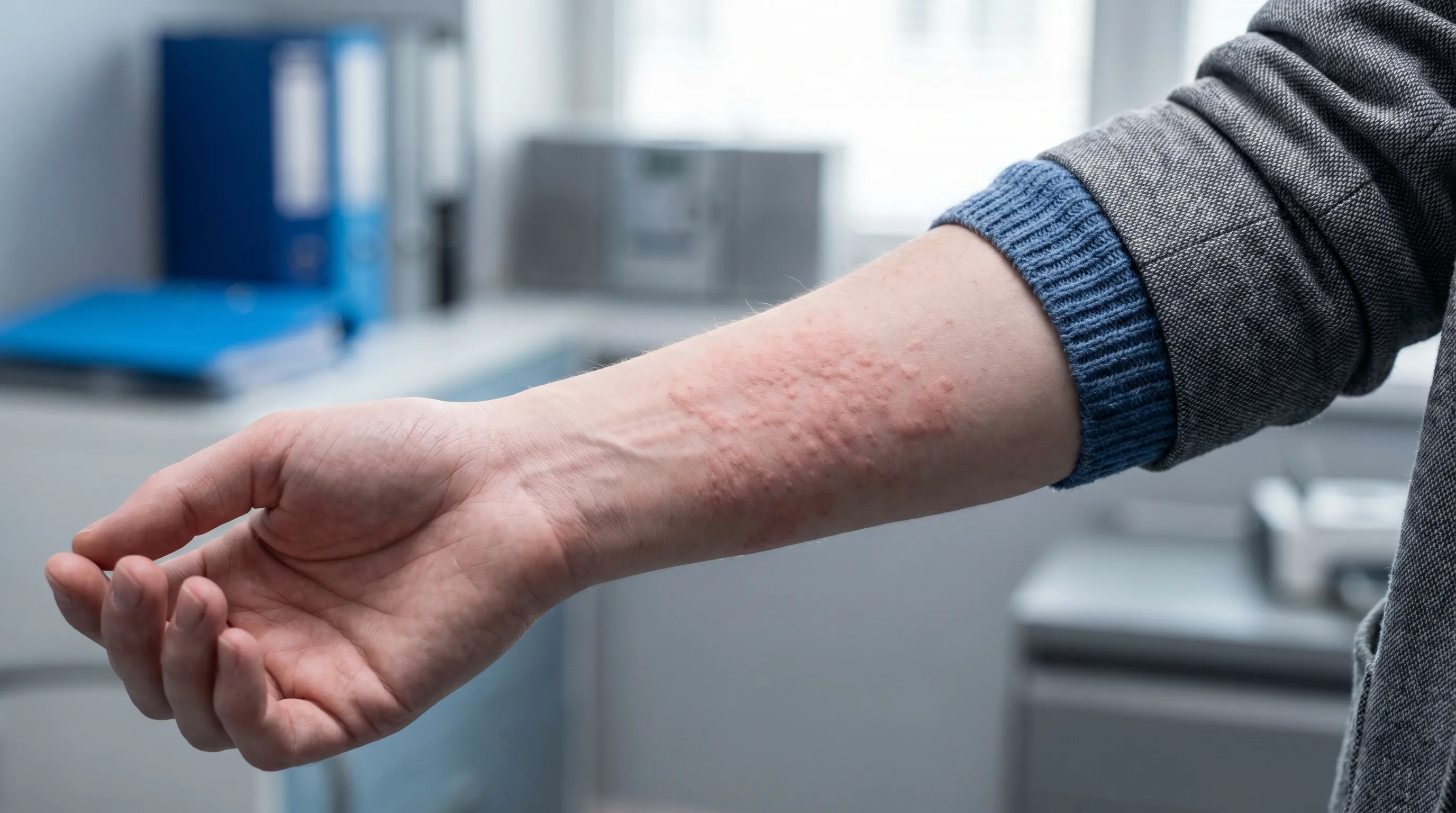
Urticaria is a reaction where the body releases histamine, causing small blood vessels to leak fluid into the skin. This fluid accumulation creates swollen, itchy patches called wheals. At a cellular level, this process begins with mast cell degranulation. Mast cells, which reside in connective tissues throughout the body, contain granules packed with inflammatory mediators like histamine, leukotrienes, prostaglandins, and cytokines. When these cells are activated by an immunologic or non-immunologic stimulus, they release these chemicals into the surrounding dermal tissue, leading to localized vasodilation, increased capillary permeability, and nerve ending irritation. The result is the characteristic raised, blanching, erythematous lesions that typically resolve within 24 to 36 hours without leaving scars.
- Triggers: Common culprits include foods (nuts, shellfish), medications, insect bites, infections, stress, and physical factors like heat, cold, or pressure. In many chronic cases, the trigger is never identified (idiopathic urticaria). Additionally, autoimmune mechanisms play a role in approximately 30-50% of chronic spontaneous urticaria cases, where autoantibodies target the IgE receptor or IgE itself, perpetuating mast cell activation without an external allergen.
- Symptoms: Raised, itchy welts that can vary in size and may join together. They are sometimes accompanied by deeper swelling called angioedema, especially around the eyes and lips. Angioedema involves the deeper dermal and subcutaneous layers and can also affect the mucous membranes of the gastrointestinal and respiratory tracts, causing abdominal pain or airway compromise. Unlike hives, angioedema lesions typically lack intense itching and instead present as a burning or tight sensation, taking longer to resolve (often 72 hours or more).
- When to Seek Emergency Care: If hives are accompanied by difficulty breathing, dizziness, or swelling of the tongue or throat, seek immediate medical help. This could be a sign of a life-threatening allergic reaction known as anaphylaxis. Anaphylaxis is a systemic hypersensitivity reaction that requires prompt administration of epinephrine and emergency transport to a hospital. Even if initial symptoms seem mild, rapid progression can occur, so recognizing warning signs like hoarseness, wheezing, chest tightness, or sudden drops in blood pressure is critical.
Clinically, urticaria is categorized by duration. Acute urticaria lasts less than six weeks and is often linked to identifiable triggers like viral infections, new medications, or dietary indiscretions. Chronic urticaria persists beyond six weeks and frequently requires a different diagnostic and therapeutic approach. A thorough medical evaluation typically includes a detailed patient history, physical examination, and occasionally laboratory testing such as complete blood counts, thyroid panels, erythrocyte sedimentation rate, and allergen-specific IgE testing to rule out underlying systemic conditions. Understanding these classifications and diagnostic pathways helps frame why some patients experience rapid resolution while others require long-term, multifaceted management.
How Homeopathy Views and Treats Urticaria
Homeopathy is a system of medicine based on the principle of "like cures like"—the idea that a substance causing symptoms in a healthy person can, in a highly diluted dose, cure similar symptoms in a sick person. Developed in the late 18th century by Dr. Samuel Hahnemann, homeopathy operates on the premise that highly diluted substances, through a process called potentization (serial dilution and vigorous shaking), retain a biological "memory" or energetic imprint that can stimulate the body's innate regulatory and healing mechanisms. In this framework, disease is not viewed as an isolated malfunction but as a manifestation of the body's attempt to restore equilibrium.
A homeopath views urticaria as an expression of an internal imbalance. Treatment is highly individualized, based not just on the rash itself but on the person's complete symptom picture. The practitioner will ask detailed questions, such as:
- What makes the itching better or worse (e.g., heat, cold, scratching)?
- What time of day do the hives appear?
- Are there any associated emotional states (e.g., anxiety, restlessness)?
- What is your overall body temperature and temperament?
This comprehensive intake, known as case-taking, is central to classical homeopathic practice. Practitioners document physical, mental, and emotional characteristics to construct a "constitutional profile." For example, one individual might experience hives primarily during periods of suppressed anger, while another develops welts only after consuming dairy products in a humid climate. These nuanced differences dictate remedy selection. The goal is to match the patient's unique symptom totality to the proven symptom profile of a single remedy, thereby encouraging a systemic regulatory response rather than merely targeting the skin.
"Homeopathy treats the individual, not just the disease. Two people with urticaria might receive two different remedies, because their symptom expression and personalities differ." — Dr. Jane Harrington, Licensed Homeopath (Illustrative Quote)
In clinical homeopathic practice, potency selection (e.g., 6C, 30C, 200C, or LM potencies) and dosing frequency are tailored to the acuity and chronicity of the condition. Acute flare-ups may require lower or medium potencies with more frequent dosing, while deep-seated chronic cases often benefit from higher potencies administered less frequently to avoid overstimulation. Practitioners also monitor for "homeopathic aggravation," a temporary, mild intensification of symptoms that sometimes signals a positive healing response before improvement sets in. While this approach contrasts sharply with conventional pharmacologic suppression, it aligns with holistic models that emphasize restoring physiological balance, improving resilience, and reducing long-term dependency on symptomatic medications.
Common Homeopathic Remedies for Urticaria
While a consultation with a professional homeopath is best for chronic conditions, several remedies are commonly used for acute episodes of hives. Understanding the specific indications, modalities, and clinical profiles of these remedies can guide safer self-care and help patients communicate more effectively with practitioners.
1. Apis Mellifica (Honeybee)
This is a leading remedy for hives that look and feel like a bee sting. The name itself derives from Apis mellifera, the Western honeybee, and is prepared from the entire bee or its venomous apparatus. Clinically, it corresponds to cases where inflammation is prominent, with marked edema, erythema, and a characteristic stinging or burning quality to the itch. Patients needing Apis often present with puffy, swollen skin that appears shiny or translucent, resembling the aftermath of an actual insect envenomation.
- Symptoms: Bright red, puffy, swollen welts with stinging and burning pain. The lesions may lack the central pallor typical of some other wheals and instead feel tense or taut.
- Better from: Cold applications (cold cloths, cool air), open windows, and undressing in a cool room.
- Worse from: Heat, touch, pressure, warm rooms, and evening hours. Even light pressure from clothing can exacerbate the discomfort.
- Often used for: Hives from insect bites or allergic reactions that come on suddenly, as well as angioedema affecting the face, lips, or eyelids. It is also frequently considered when urinary output decreases during a flare, suggesting systemic inflammatory involvement.
2. Urtica Urens (Stinging Nettle)
Made from the plant that famously causes an itchy rash, this remedy is a perfect example of "like cures like." Urtica dioica, or common stinging nettle, contains histamine, acetylcholine, and serotonin in its trichomes (stinging hairs). When prepared homeopathically, it becomes a targeted agent for urticarial conditions with specific modalities that differ sharply from Apis. This remedy is particularly valued for its rapid action in acute, intensely pruritic presentations.
- Symptoms: Intense, violent itching and burning with small, red welts. The skin often feels raw or hypersensitive, and scratching may produce linear wheals (dermatographism).
- Better from: Lying down and resting. Symptoms often improve when the individual is horizontal and not exposed to drafts or temperature fluctuations.
- Worse from: Heat, exertion, and especially after eating shellfish, fish, or rich, spicy foods. Damp cold weather can also trigger or worsen outbreaks.
- Often used for: Hives that appear seasonally each year or after eating rich food. It is also commonly indicated in postpartum hives or during lactation periods when hormonal shifts disrupt skin homeostasis.
3. Rhus Toxicodendron (Poison Ivy)
This remedy is suited for hives with extreme restlessness. Derived from the resin of the poison ivy vine, it addresses a very specific constellation of musculoskeletal and dermatological symptoms. The hallmark of Rhus tox is paradoxical relief through motion and warmth, which helps distinguish it from other skin remedies that favor cold or stillness.
- Symptoms: Red, swollen hives with intense itching that often leads to vesicular or blistering eruptions if scratched excessively. The lesions may weep clear fluid or develop crusts.
- Better from: Warmth and warm applications (like a hot shower), and continued motion. Patients often report that the itching and stiffness initially improve once they get moving or apply dry heat.
- Worse from: Cold, damp weather, and getting wet. Symptoms frequently worsen at night, during initial onset of movement, and in rainy or foggy conditions.
- Often used for: Hives that appear after getting chilled or damp, as well as stress-induced flares accompanied by joint aches, stiffness, or fatigue. It is also considered when hives overlap with viral exanthems or post-infectious skin reactions.
4. Sulphur
Sulphur is a major skin remedy, often used for chronic or recurring hives. In homeopathic philosophy, Sulphur is known as a "polychrest," meaning it covers a broad and deep range of symptoms across multiple body systems. It is frequently considered in cases where the skin barrier is compromised, elimination pathways are sluggish, and there is a constitutional tendency toward heat and irritation.
- Symptoms: Intense itching that becomes burning after scratching. The skin may appear red, dry, scaly, or excoriated, with a characteristic odor. Patients often scratch until they bleed, particularly during sleep.
- Better from: Cold applications, cool air, and lying on the side not affected by warmth. Symptoms may temporarily improve with cold washing.
- Worse from: Warmth (especially the heat of the bed at night) and bathing. Hot water typically triggers severe, uncontrollable itching that persists long after the shower or bath ends.
- Often used for: Individuals who tend to feel warm and may have other skin issues like eczema, psoriasis, or chronic folliculitis. The constitutional Sulphur type is often described as intellectually active, somewhat disorganized, and prone to digestive sluggishness alongside skin manifestations.
5. Arsenicum Album
This remedy is indicated when there is significant anxiety and restlessness with the hives. Prepared from arsenic trioxide, it addresses both profound physical depletion and heightened nervous system reactivity. It is particularly valuable in cases where the urticaria is linked to toxicity, foodborne illness, or extreme psychological distress.
- Symptoms: Hives with burning pain and intense itching. The welts are often pale or slightly erythematous but are accompanied by profound weakness, pallor, and a sense of internal chill despite the burning skin.
- Better from: Warm applications, warm drinks, and having company or reassurance. Symptoms improve markedly with heat and gentle, supportive environments.
- Worse from: Cold, and typically after midnight (between 12 AM and 2 AM). The patient may wake at the same time nightly with intense itching, anxiety, and a sense of impending doom.
- Often used for: Hives associated with food poisoning or for individuals who feel chilly and anxious. It is also considered in cases of chronic urticaria with gastrointestinal complaints, nausea, or exhaustion, where the nervous system remains in a hyper-vigilant state.
Other Notable Remedies
Beyond the core remedies, homeopathic practice recognizes several other agents that match specific clinical presentations. Natrum Muriaticum: Hives from emotional stress, grief, or sun exposure. This remedy is often selected for individuals who internalize emotions, crave salt, and develop cracked lips or dry mucous membranes alongside their skin flare-ups. Dulcamara: Hives brought on by exposure to cold, damp weather, or sudden seasonal transitions. It is particularly useful in late autumn or early spring when temperature swings trigger mast cell reactivity. Histaminum: Often used in a more general way to help reduce the body's histamine reaction during any allergic outbreak. Prepared from histamine dihydrochloride, it is frequently used in lower potencies to modulate acute hypersensitivity responses.
How to Take Homeopathic Remedies
For acute hives, a 30C potency is commonly used. Dissolve 2-3 pellets under the tongue, away from food or strong flavors. If symptoms improve, wait and only repeat the dose if the improvement stalls. If there is no change after a few doses, the remedy may be incorrect. Homeopathic pellets are typically lactose or sucrose-based and should be stored away from heat, moisture, strong odors, and electromagnetic fields to preserve their energetic integrity. It is generally recommended to avoid consuming mint, coffee, camphor, or strong essential oils for at least 15-30 minutes before and after dosing, as these are traditionally believed to potentially interfere with remedy action in classical homeopathy. For chronic cases, practitioners may utilize liquid LM (Q) potencies, which allow for daily or every-other-day dosing with minimal risk of aggravation, providing a smoother, more gradual restoration of skin equilibrium. Always keep remedies out of reach of children and consult a qualified practitioner before combining multiple homeopathic agents.
Does Homeopathy Work for Hives? A Look at the Evidence
The effectiveness of homeopathy is a topic of ongoing debate within the medical and scientific communities. Understanding the research landscape requires examining both the limitations of current studies and the real-world experiences that drive its continued use.
- Scientific Research: There is a lack of large-scale, high-quality clinical trials to conclusively prove that homeopathy is effective for urticaria. Most systematic reviews and meta-analyses note that methodological challenges—such as small sample sizes, heterogeneous patient populations, blinding difficulties, and publication bias—limit definitive conclusions. Some smaller studies and observational reports suggest positive outcomes, particularly in quality-of-life measures and reduction of antihistamine dependency, but critics often attribute these results to the placebo effect, natural disease fluctuation, or the therapeutic encounter itself. You can explore published studies by searching for terms like
"homeopathy urticaria study"on databases like PubMed. Recent research has begun exploring potential non-placebo mechanisms, including hormesis (dose-response reversal), epigenetic modulation, and water cluster structuring, though these remain hypotheses requiring rigorous validation. - Expert and Patient Experience: Many conventional doctors remain skeptical due to the lack of a known scientific mechanism and ultra-dilution beyond Avogadro's limit. However, homeopathic practitioners and integrative doctors often report significant clinical success in private practice settings. Patient testimonials frequently describe finding long-term relief from chronic hives after trying homeopathy, especially when conventional treatments provided only temporary help or caused intolerable side effects like sedation or cognitive fog. The extended consultation time, empathetic listening, and holistic framing inherent in homeopathic care may independently contribute to improved stress regulation and symptom perception, which are well-documented modulators of mast cell activity and neuroimmunological pathways.
- Safety and Guidelines: Homeopathic remedies are non-toxic and generally considered safe. Their high dilution minimizes risks of pharmacological toxicity, allergic reactions, or drug interactions. However, organizations like the National Center for Complementary and Integrative Health (NCCIH) advise against using homeopathy to replace proven conventional treatments for serious conditions. For urticaria specifically, homeopathy is best positioned as a complementary adjunct rather than a first-line emergency intervention. Patients should continue prescribed antihistamines or other immunomodulators unless their healthcare provider advises a supervised taper, and should never delay epinephrine or emergency care during signs of anaphylaxis.
Holistic Lifestyle Tips for Managing Hives
In addition to any treatment, the following lifestyle measures can help manage urticaria:
- Identify Triggers: Keep a diary of your food, activities, and stress levels to identify patterns before an outbreak. Utilize mobile apps or symptom-tracking journals to log dietary intake, medication schedules, environmental exposures, and flare timing. Over several weeks, patterns often emerge that pinpoint hidden culprits such as NSAIDs, food additives, synthetic fragrances, or even specific work-related stressors. Consider working with an allergist or dietitian for supervised elimination and reintroduction protocols if self-tracking reveals consistent associations.
- Manage Stress: Chronic stress can trigger hives. Practices like meditation, yoga, and deep breathing can help calm the nervous system. Psychological stress activates the hypothalamic-pituitary-adrenal (HPA) axis, releasing cortisol and catecholamines that can directly or indirectly influence mast cell degranulation and cytokine production. Incorporating daily mindfulness practices, progressive muscle relaxation, or guided imagery for at least 15-20 minutes can lower baseline sympathetic tone and reduce the frequency of stress-induced dermatological flares. Cognitive behavioral therapy (CBT) has also demonstrated efficacy in managing chronic urticaria when psychological triggers are prominent.
- Dietary Adjustments: Some people benefit from a low-histamine diet, avoiding aged cheeses, fermented foods, and alcohol. Histamine accumulates in foods that undergo prolonged fermentation, curing, or spoilage, including sauerkraut, soy sauce, smoked meats, and certain fish. Additionally, consider minimizing histamine liberators like citrus, tomatoes, spinach, and chocolate, which may prompt endogenous histamine release even if they don't contain high levels themselves. Supporting gut integrity through probiotic-rich foods (when tolerated), omega-3 fatty acids, and adequate fiber can also modulate systemic inflammation. Staying well-hydrated helps flush metabolic waste and supports hepatic detoxification pathways involved in histamine metabolism.
- Soothe Your Skin: Apply cool compresses, take oatmeal baths, or use calamine lotion to relieve itching during a flare-up. Avoid hot showers, which strip natural oils and exacerbate neurogenic inflammation. Wear loose, breathable clothing made from natural fibers like cotton or bamboo to minimize friction and heat retention. Use fragrance-free, hypoallergenic cleansers and moisturizers to maintain the skin barrier. Pat the skin dry rather than rubbing, and consider adding a few drops of colloidal oatmeal or aloe vera gel to lukewarm bath water for immediate, gentle relief.
- Consider Supplements: Some studies suggest a link between chronic urticaria and low Vitamin D. Consult your doctor about checking your levels and supplementing if necessary. Vitamin D plays a crucial role in immune regulation, T-cell modulation, and mast cell stabilization. Quercetin, a natural flavonoid found in apples, onions, and green tea, may also help stabilize histamine release and reduce capillary permeability. Other supplements under investigation include vitamin C (a natural antihistamine and antioxidant), zinc (supports wound healing and immune function), and omega-3 fish oils (anti-inflammatory). Always verify supplement quality, discuss potential interactions with your current medications, and source products from reputable, third-party tested manufacturers.
Conclusion
Homeopathy offers a safe, individualized, and holistic approach for those suffering from urticaria. While the scientific evidence remains debated, remedies like Apis mellifica and Urtica urens have a long history of use, and many individuals report finding significant relief, particularly for chronic hives. The integrative nature of homeopathic practice—focusing on constitutional patterns, emotional well-being, and environmental triggers—complements conventional dermatological and allergological care, potentially bridging the gap between acute symptom suppression and long-term resilience.
For acute episodes, self-treatment with a well-matched remedy can be effective. For chronic urticaria, consulting a qualified homeopathic practitioner is the best path forward. By combining an appropriate remedy with stress management and trigger avoidance, many people can reduce the frequency and severity of their hives and improve their quality of life. Ultimately, managing urticaria successfully often requires patience, careful observation, and a willingness to explore multiple modalities under professional guidance. As research evolves and patient-centered care gains momentum, integrative strategies will likely continue to play a meaningful role in comprehensive dermatological health.
Frequently Asked Questions
How long does it typically take to see results from homeopathic treatment for hives?
The timeline varies significantly depending on whether the urticaria is acute or chronic. In acute cases, particularly when the remedy closely matches the symptom picture, patients may notice improvement within a few hours to a couple of days. For chronic spontaneous urticaria, which involves deeper immunological dysregulation and often requires constitutional prescribing, meaningful changes typically emerge over several weeks to a few months. Homeopathic treatment often follows a gradual trajectory, with initial reductions in flare frequency or intensity appearing before complete resolution. Practitioners usually schedule follow-ups every 4-6 weeks to assess response and adjust potency or remedy selection accordingly. Patience and consistent symptom tracking are essential during this period.
Can I safely use homeopathic remedies alongside conventional antihistamines?
Yes, homeopathic remedies are generally considered compatible with conventional antihistamines, and many patients use them concurrently. Homeopathy does not contain pharmacologically active drug molecules that typically interact with H1 or H2 receptor blockers, leukotriene modifiers, or immunosuppressants. In integrative practice, homeopathy is sometimes used to gradually reduce reliance on daily antihistamine therapy by addressing the underlying reactivity over time. However, it is crucial to inform all healthcare providers about every supplement, prescription, and complementary treatment you are using. Do not stop or taper prescribed medications without medical supervision, as sudden discontinuation can trigger rebound flares or mask serious allergic symptoms.
Are there any side effects or risks associated with taking homeopathic remedies for skin conditions?
Homeopathic remedies, due to their high dilution, carry a very low risk of pharmacological side effects, toxicity, or dependency. The most commonly reported reaction is a temporary, mild worsening of symptoms known as a "homeopathic aggravation," which typically lasts a few hours to a day and is followed by improvement. This is generally viewed by practitioners as a positive sign that the body is responding to the remedy. Rarely, individuals may experience temporary fatigue, headache, or changes in sleep patterns as the immune system recalibrates. If you experience severe discomfort, prolonged worsening, or any signs of allergic reaction (which are extremely unlikely with properly prepared remedies), discontinue use and consult a healthcare professional. Always purchase products from reputable manufacturers to ensure quality control and accurate labeling.
Is homeopathic treatment for urticaria safe for children and pregnant or breastfeeding individuals?
When properly administered and guided by a qualified practitioner, homeopathy is widely regarded as safe for children, pregnant women, and nursing mothers. The absence of synthetic chemicals, hormones, or pharmacologically active compounds makes it a preferred complementary option for vulnerable populations who must limit medication exposure. However, dosing, potency selection, and remedy choice require specialized knowledge. Children often respond quickly to lower potencies, and their symptom expressions may differ significantly from adults. Pregnant and breastfeeding individuals should always consult both their obstetrician/midwife and a trained homeopath to ensure remedies align with their specific physiological state and medical history. Self-treating complex or severe cases during pregnancy or infancy is not recommended.
When should I see a conventional doctor or allergist instead of relying solely on homeopathy?
You should seek conventional medical evaluation if you experience hives accompanied by difficulty breathing, wheezing, throat tightness, dizziness, gastrointestinal distress, or a sudden drop in blood pressure, as these indicate anaphylaxis and require immediate emergency intervention. Additionally, consult a physician or dermatologist if hives persist longer than six weeks, if they are painful rather than itchy, if they leave bruises or pigmentation after fading, or if they are accompanied by fever, joint pain, or unexplained weight loss. These features may suggest underlying systemic conditions such as autoimmune disorders, thyroid disease, vasculitis, or malignancy that require laboratory testing, imaging, or targeted pharmaceutical management. Homeopathy works best as part of an integrated, medically supervised care plan, especially when conventional diagnostics are necessary to rule out serious pathology.
Disclaimer: This article is for informational purposes only and does not constitute medical advice. Always consult with a qualified healthcare professional before starting any new treatment. If you experience hives with difficulty breathing or swelling of the throat, seek emergency medical care immediately.

About the author
Elena Vance, MD, is a double board-certified dermatologist and pediatric dermatologist. She is an assistant professor of dermatology at a leading medical university in California and is renowned for her research in autoimmune skin disorders.