Early Pregnancy Egg White Discharge: What It Means, Safety Tips & Medical Guidelines

Key points
- Shifts to pink, brown, red, or rust-colored hues, indicating potential implantation bleeding, cervical polyps, or threatened miscarriage.
- Develops a pungent, sour, or metallic odor unrelieved by gentle hygiene practices.
- Causes severe pelvic pain, lower back cramping, or radiating discomfort.
- Triggers systemic symptoms such as fever, chills, nausea, or urinary retention.
- Increases dramatically alongside rhythmic contractions or visible mucus plugs after twenty weeks gestation.
Navigating the early stages of pregnancy often involves noticing subtle shifts in your body that can feel both exciting and overwhelming. One of the most common physiological changes women experience is an alteration in vaginal secretions. Many expectant individuals report noticing early pregnancy egg white discharge, a clear, stretchy, and abundant fluid that often mirrors the cervical mucus seen during peak fertility. Understanding the biological mechanisms behind this symptom helps remove unnecessary anxiety while empowering you to monitor your reproductive health with confidence. While this discharge is typically a healthy indicator of rising hormone levels and proper cervical function, recognizing the difference between normal physiological shifts and potential complications remains essential for maternal wellness. By exploring the science of cervical mucus production, learning practical tracking strategies, and understanding when to seek clinical guidance, you can approach early pregnancy with informed calmness and proactive self-care habits.
The Physiology of Cervical Mucus and Hormonal Transitions
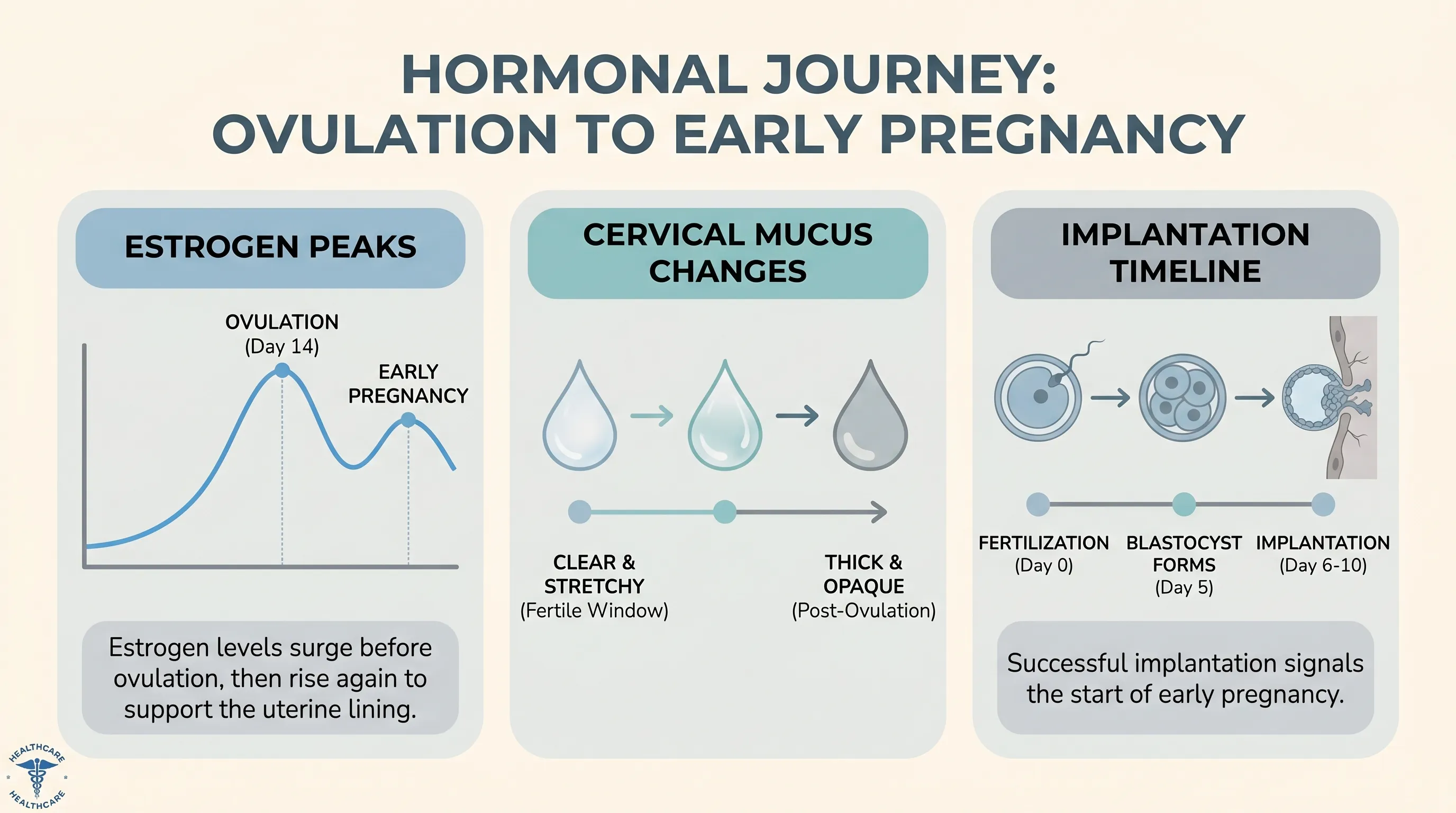
Cervical mucus is a dynamic biological fluid produced by the cervix and vaginal glands, heavily influenced by fluctuating sex hormones. Throughout the menstrual cycle, the consistency, volume, and pH of this secretion shift dramatically to either facilitate sperm transport or create a protective barrier against pathogens. During the follicular phase, rising estrogen stimulates the cervical crypts to produce increasingly clear, slippery, and stretchy mucus. This physiological response is designed to optimize the vaginal environment for conception, providing a nutrient-rich pathway for sperm to survive and navigate the female reproductive tract.
When conception occurs, the body undergoes a profound hormonal recalibration. The fertilized egg implants into the endometrial lining, triggering the corpus luteum to maintain progesterone production while simultaneously elevating human chorionic gonadotropin (hCG). These hormonal cascades directly influence cervical gland activity, often resulting in the reappearance or persistence of early pregnancy egg white discharge. Unlike the brief window seen during ovulation, pregnancy-related mucus typically maintains a thicker volume and sustained elasticity. This continuity supports early embryonic development by preventing ascending infections, buffering against pH fluctuations, and preparing the cervical canal for the formation of the mucus plug.
How Estrogen and Progesterone Regulate Secretions
The interplay between estrogen and progesterone governs nearly every aspect of reproductive physiology. In the luteal phase of a non-pregnant cycle, progesterone dominates, causing cervical mucus to thicken, dry, and form an impenetrable barrier. When pregnancy is established, both hormones rise synergistically. Estrogen maintains mucosal hydration and elasticity, while progesterone ensures structural integrity and immune modulation. This dual-action mechanism explains why early pregnancy egg white discharge remains noticeably more abundant than typical premenstrual secretions. Research published by the American College of Obstetricians and Gynecologists (ACOG) emphasizes that consistent, odorless, clear discharge in early gestation reflects healthy endocrine adaptation and should not be suppressed with over-the-counter treatments.
Increased Pelvic Blood Flow and Cervical Vascularization
Pregnancy initiates massive cardiovascular adjustments, redirecting up to forty percent more blood to the pelvic region within the first trimester. This vascular expansion enhances tissue oxygenation, accelerates metabolic turnover in cervical glands, and stimulates mucous production. The engorged cervical epithelium becomes more permeable, allowing plasma-derived fluid to mix with glandular secretions. Consequently, the resulting early pregnancy egg white discharge appears more voluminous and exhibits a characteristic stretchability known medically as spinnbarkeit. This physiological hydration is entirely natural and serves as a vital lubricant that reduces friction during daily activities while maintaining mucosal resilience.
Differentiating Early Pregnancy Discharge from Ovulation Patterns
One of the most frequent questions addressed in clinical practice involves distinguishing between ovulation-related cervical fluid and early gestational secretions. Both share similar visual and tactile characteristics, making self-assessment challenging without contextual tracking. However, timing, duration, and accompanying physiological cues provide reliable markers for accurate differentiation.
Ovulation mucus typically emerges for a narrow three to five-day window, peaking precisely before luteinizing hormone (LH) surges trigger follicular rupture. Once the egg is released, progesterone rapidly transforms the cervical environment, causing mucus to dry or become tacky within forty-eight to seventy-two hours. Conversely, early pregnancy egg white discharge persists well beyond the typical ovulatory window. If you notice sustained, clear, stretchy fluid extending seven to fourteen days past your expected period, coupled with other gestational indicators, pregnancy becomes a highly probable explanation.
Accompanying Symptoms That Clarify the Timeline
While cervical mucus alone offers valuable insight, pairing it with secondary physiological markers significantly improves diagnostic accuracy. Early pregnancy frequently presents with mild implantation cramping, breast tenderness, heightened olfactory sensitivity, and unexplained fatigue. These symptoms stem from progesterone-mediated thermogenesis and hCG-driven tissue remodeling. Ovulation, by contrast, often includes a unilateral lower abdominal twinge, a slight basal body temperature spike that quickly plateaus, and increased libido driven by pre-ovulatory estrogen peaks.
Maintaining a symptom journal alongside fertility awareness tracking allows you to observe patterns over consecutive cycles. When combined with home pregnancy testing after a missed period, this data provides a comprehensive clinical picture. Reputable resources like the Cleveland Clinic’s Women’s Health Guide offer structured tracking templates that simplify self-monitoring.
Texture, Volume, and Consistency Variations
Not all clear discharge follows a uniform pattern throughout early gestation. Hormonal fluctuations, dietary hydration, physical activity levels, and environmental stressors subtly alter cervical fluid density. Some individuals report a watery, thin consistency that increases with ambient temperature changes, while others observe thicker, jelly-like strands that retain stretchability without breaking. Both variations fall within normal parameters. The defining characteristic of early pregnancy egg white discharge remains its lack of irritation, absence of foul odor, and smooth, non-gritty texture. If the fluid develops clumps, discoloration, or causes localized itching, microbial imbalance or infection becomes more likely and warrants professional evaluation.
When to Recognize Warning Signs and Seek Clinical Evaluation

While early pregnancy egg white discharge typically indicates healthy endocrine function and robust mucosal defense, certain modifications in color, consistency, or sensation require prompt medical attention. The vaginal microbiome remains highly sensitive during gestation, making it vulnerable to bacterial overgrowth, fungal proliferation, or sexually transmitted pathogens. Recognizing early intervention thresholds prevents complications such as preterm cervical changes, ascending infections, or prolonged discomfort.
Bacterial vaginosis often manifests as a thin, grayish-white discharge with a distinct fishy odor, particularly noticeable after intercourse or during physical exertion. Yeast infections typically produce thick, white, cottage-cheese-like secretions accompanied by intense vulvar itching, erythema, and burning during urination. Trichomoniasis presents with frothy, yellow-green fluid, pelvic pressure, and dyspareunia. None of these patterns align with healthy early pregnancy egg white discharge, and each requires targeted antimicrobial therapy to safeguard gestational progression.
Distinguishing Amniotic Fluid from Cervical Secretions
A less common but clinically significant consideration involves premature rupture of membranes (PROM). While extremely rare in the first trimester, some individuals confuse gushing or leaking clear fluid with excessive cervical mucus. Amniotic fluid typically lacks the stretchy, elastic quality characteristic of cervical secretions and may feel consistently watery or warm. It does not dry stiff or leave yellowish stains on underwear. The Mayo Clinic’s Pregnancy Health Center provides clear guidance on differentiating fluid types, emphasizing that continuous leakage, pelvic pressure, or rhythmic cramping necessitates immediate obstetric evaluation.
Red Flags Requiring Immediate Medical Contact
You should contact your prenatal care provider if early pregnancy egg white discharge exhibits any of the following alterations:
- Shifts to pink, brown, red, or rust-colored hues, indicating potential implantation bleeding, cervical polyps, or threatened miscarriage.
- Develops a pungent, sour, or metallic odor unrelieved by gentle hygiene practices.
- Causes severe pelvic pain, lower back cramping, or radiating discomfort.
- Triggers systemic symptoms such as fever, chills, nausea, or urinary retention.
- Increases dramatically alongside rhythmic contractions or visible mucus plugs after twenty weeks gestation.
Prompt diagnostic assessment, including pH testing, wet mount microscopy, and transvaginal ultrasound, ensures accurate identification and timely intervention. Early treatment preserves fetal safety and maternal comfort.
Evidence-Based Management and Daily Comfort Strategies
Managing increased vaginal secretions during early pregnancy does not require invasive routines or chemical interventions. Simple, lifestyle adjustments maintain hygiene, reduce irritation, and support mucosal health without disrupting the protective vaginal ecosystem.
Clothing Choices and Breathable Fabric Selections
Wearing loose-fitting, moisture-wicking underwear significantly reduces maceration and bacterial proliferation. Opt for one hundred percent organic cotton or bamboo-derived fabrics that allow continuous air circulation. Avoid synthetic blends, tight leggings, or nylon pantyhose, which trap heat and humidity against the vulvar region. At night, sleeping without underwear promotes complete ventilation and accelerates tissue recovery.
Safe Panty Liner Protocols and Product Selection
Panty liners offer practical absorption for daily comfort but must be used correctly to prevent microbiome disruption. Choose unscented, hypoallergenic liners free from chlorine bleaching and synthetic fragrances. Change liners every three to four hours, regardless of saturation levels, to prevent stagnant moisture accumulation. Avoid overnight pads or maxi pads in early pregnancy, as their excessive absorbency creates overly dry environments that irritate delicate mucosal tissue.
Hydration, Nutrition, and Pelvic Floor Support
Systemic hydration directly influences cervical fluid viscosity. Consuming two to three liters of water daily maintains optimal mucus elasticity and prevents excessive thickness or dryness. Incorporating foods rich in omega-three fatty acids, vitamin C, and zinc supports mucosal repair and immune resilience. Additionally, practicing gentle pelvic floor awareness through mindful breathing and low-impact stretching improves circulation without straining the cervix. The NHS Pregnancy Guide emphasizes that moderate movement, combined with proper hydration, sustains comfortable discharge patterns throughout the first trimester.
Practices to Strictly Avoid
Douching remains one of the most detrimental habits during pregnancy. Flushing the vaginal canal disrupts lactobacilli populations, raises vaginal pH, and dramatically increases susceptibility to infection. Scented body washes, vaginal wipes, talcum powder, and essential oil applications similarly compromise the natural defense barrier. Stick to external cleansing with warm water only, and allow the vagina to self-regulate its internal environment without chemical interference.
Tracking, Fertility Awareness, and Partner Communication
Understanding your cervical mucus patterns empowers informed decision-making across preconception and early gestational phases. Fertility awareness methods (FAM) have evolved into highly accurate tracking systems when combined with digital logging and consistent daily observation.
Integrating Apps, Journals, and Cycle Logging
Modern fertility tracking applications allow you to document consistency, volume, color, and accompanying symptoms. When paired with basal body temperature readings and ovulation predictor kit results, these platforms generate predictive algorithms that highlight conception windows and early pregnancy indicators. Recording early pregnancy egg white discharge alongside hormonal symptom trends creates a longitudinal health record valuable for both self-assessment and clinical consultations.
Intimacy Considerations and Emotional Support
Changes in cervical mucus frequently influence sexual comfort and relational dynamics. Some individuals experience heightened sensitivity or temporary discomfort during intercourse due to increased vascularity. Communicating openly with your partner about physical changes, utilizing water-based lubricants when necessary, and adjusting positions for comfort maintain intimacy without compromising safety. Emotional validation and shared responsibility in tracking cycles reduce anxiety and strengthen relational resilience during transitional periods.
Clinical Evaluation and Diagnostic Pathways
Routine prenatal appointments integrate vaginal discharge assessment into broader maternal wellness screenings. Understanding what your provider evaluates demystifies clinical procedures and encourages proactive engagement with your care team.
Speculum Examination and Microscopic Analysis
During a standard pelvic exam, clinicians visually inspect cervical mucus for volume, clarity, and elasticity. A sterile swab collects samples for wet mount microscopy, which identifies white blood cell counts, clue cells, fungal hyphae, or trichomonads. Vaginal pH testing differentiates between healthy acidic environments (typically three point eight to four point five) and alkaline shifts indicative of bacterial overgrowth or amniotic fluid exposure.
Hormone Panels and Ultrasound Integration
Blood tests measuring quantitative hCG, progesterone, and estradiol confirm gestational viability and rule out ectopic implantation. Transvaginal ultrasound visualizes the gestational sac, yolk sac, and fetal pole, correlating hormonal data with structural development. When early pregnancy egg white discharge coincides with stable hormone trajectories and normal sonographic findings, clinicians typically reassure patients that continued monitoring suffices.
Treatment Protocols for Pathological Variations
If diagnostic testing confirms infection, providers prescribe pregnancy-safe antifungal creams, topical metronidazole, or oral clindamycin depending on pathogen type. All medications undergo rigorous teratogenicity screening to ensure fetal safety. Patients are never expected to endure untreated infections, and standardized care pathways prioritize rapid symptom resolution while preserving microbiome equilibrium.
Frequently Asked Questions
Is early pregnancy egg white discharge normal, and should I be concerned?
Yes, it is completely normal. Increased estrogen levels and heightened blood flow to the pelvic region stimulate the cervix to produce clear, stretchy mucus that resembles raw egg whites. This discharge serves as a protective barrier and maintains a healthy vaginal pH.
How long does early pregnancy egg white discharge typically last?
It often begins in the first few weeks post-conception and may continue throughout the first trimester as hormone levels stabilize. Some individuals experience it intermittently until the cervical mucus plug fully matures.
Can early pregnancy egg white discharge be confused with ovulation mucus?
Yes, the two can appear similar. However, ovulation mucus peaks briefly around days 12-16 of a standard cycle, while pregnancy-related discharge persists longer, often accompanied by implantation symptoms like mild cramping or breast tenderness.
What warning signs indicate the discharge might signal an infection?
You should consult a provider if the discharge develops a strong foul odor, changes to yellow, green, or gray, causes itching or burning, or appears thick and cottage-cheese-like. These may indicate bacterial vaginosis or a yeast infection.
Are panty liners and daily washing safe with early pregnancy discharge?
Absolutely. Opt for unscented, breathable panty liners and change them every few hours. Wash the external genital area with warm water only, avoiding douching, scented soaps, or harsh cleansers that disrupt the natural vaginal microbiome.
Conclusion
Experiencing early pregnancy egg white discharge represents a natural, biologically purposeful adaptation to gestation. By understanding the hormonal drivers, recognizing healthy patterns, and implementing hygiene practices, you can navigate early pregnancy with confidence and clarity. Consistent self-monitoring, open communication with your prenatal care provider, and adherence to evidence-based wellness strategies ensure that vaginal changes remain comfortable and uncomplicated. Trust your body’s physiological intelligence, prioritize preventive care, and embrace the transformative journey of early motherhood with informed peace of mind.
How we work
Researched and drafted with AI assistance, then reviewed by a human editor against the cited sources.
This article is general health information, not medical advice. Consult a qualified healthcare professional about your own situation.