Does Alcohol Show Up in a Drug Test? Complete Detection Guide
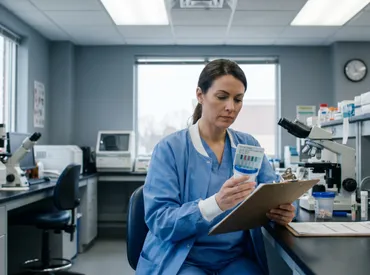
Navigating workplace screenings, legal compliance, or clinical monitoring often raises an important clinical question: in a drug test does alcohol appear? While alcohol is legally classified as a depressant rather than an illicit narcotic, it remains one of the most frequently screened substances across professional, judicial, and medical environments. Understanding how ethanol is processed, detected, and reported requires a clear breakdown of metabolic pathways, laboratory methodologies, and regulatory standards. Many individuals mistakenly assume that because a test is labeled as a drug screening, it automatically captures all psychoactive substances. In reality, testing panels are highly specific, and alcohol requires dedicated protocols to yield accurate results. Whether you are preparing for a pre-employment assessment, complying with probation requirements, or participating in a structured recovery program, knowing exactly how laboratories identify ethanol exposure can help you make informed decisions, avoid unnecessary stress, and maintain full compliance with institutional policies. This comprehensive guide explores the physiological processing of ethanol, explains the differences between standard panels and specialized alcohol markers, outlines detection timelines, addresses common misconceptions about false positives, and provides actionable strategies for navigating alcohol screening responsibly and safely. When evaluating whether in a drug test does alcohol appear, it is essential to recognize that modern toxicology relies on highly precise biomarkers, rigorous quality controls, and scientifically validated cutoff thresholds to ensure accurate, legally defensible outcomes. For foundational research on alcohol metabolism and toxicology, consult the National Institute on Alcohol Abuse and Alcoholism (NIH).
Understanding How Alcohol Is Metabolized in the Body
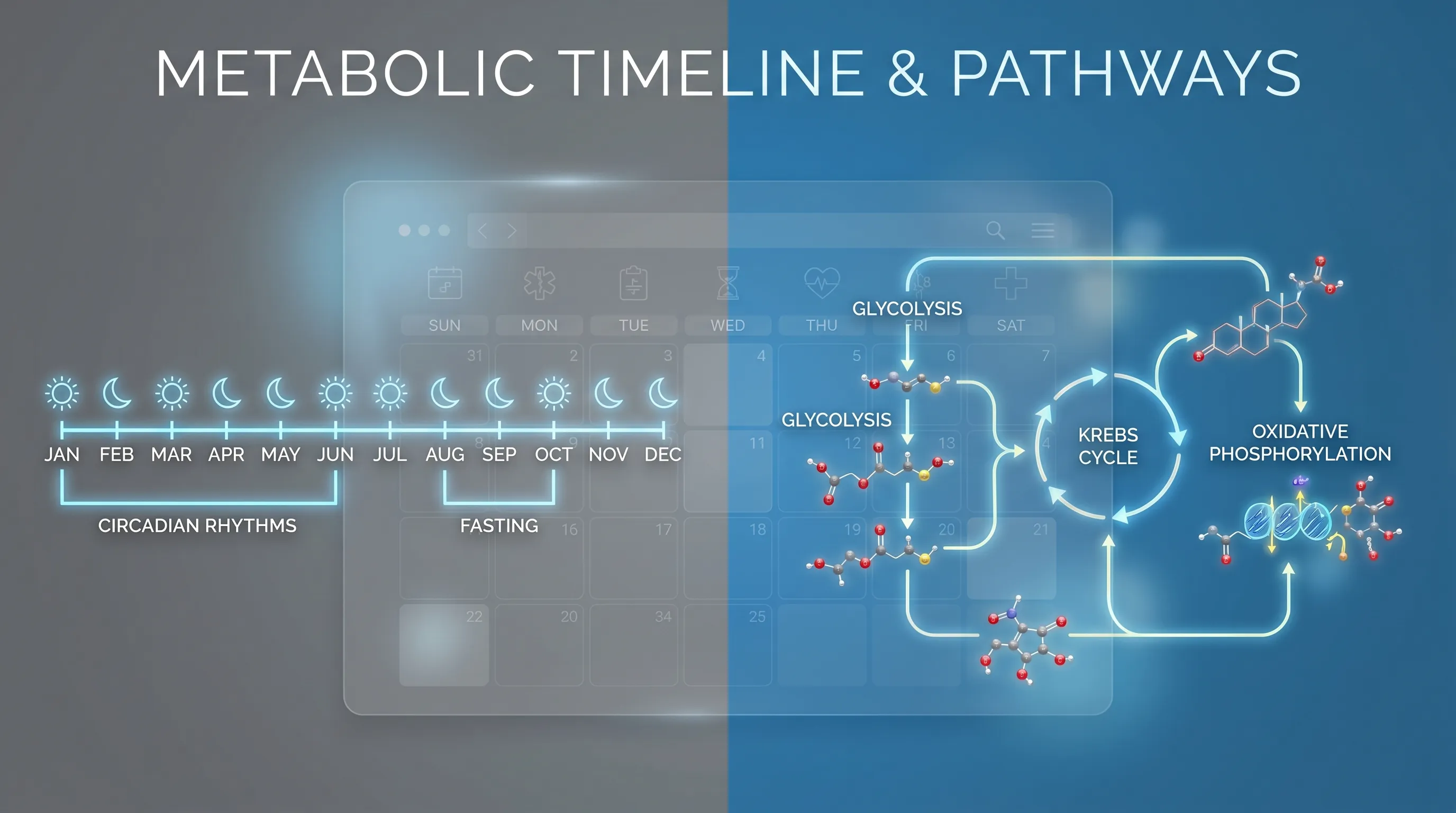
Ethanol metabolism is a highly regulated physiological process that begins almost immediately after consumption. Once alcohol enters the digestive tract, it is rapidly absorbed through the stomach lining and small intestine before circulating through the bloodstream. From there, the liver assumes primary responsibility for breaking down ethanol using a series of enzymatic reactions. The first critical step involves alcohol dehydrogenase (ADH), an enzyme that converts ethanol into acetaldehyde, a highly reactive and toxic intermediate. Acetaldehyde is quickly neutralized by aldehyde dehydrogenase (ALDH), which transforms it into acetate. The acetate is further broken down into water and carbon dioxide, which are eventually excreted through urine, breath, and sweat. Only a small fraction of consumed alcohol is eliminated unchanged, primarily through exhalation and transdermal pathways. This metabolic framework is precisely why breathalyzers and transdermal monitors exist alongside traditional laboratory testing. For more details on physiological clearance, review clinical resources from the Mayo Clinic.
Free calculatorBMI CalculatorCalculate Body Mass IndexOpen the calculatorThe Science of Ethanol Processing
The hepatic metabolism of ethanol follows a predictable kinetic pattern known as zero-order kinetics, meaning the liver processes a relatively fixed amount of alcohol per hour regardless of the total volume consumed. On average, a healthy adult metabolizes approximately 0.015 grams per deciliter per hour. This rate remains largely constant, though it can vary slightly based on genetic polymorphisms affecting ADH and ALDH efficiency. Certain populations, particularly individuals of East Asian descent, may carry ALDH2 gene variants that reduce enzymatic breakdown speed, leading to faster acetaldehyde accumulation and more pronounced physiological responses such as facial flushing and nausea. Understanding these biological variables is crucial when analyzing toxicology results, as individual metabolic rates directly impact how long traces remain detectable in biological matrices.
Factors That Influence Alcohol Elimination Rates
Multiple biological and lifestyle variables modulate how quickly ethanol clears the system. Body mass index and lean muscle mass play significant roles, as individuals with higher water content distribute ethanol more widely, temporarily lowering blood concentration. Age affects metabolic efficiency, with older adults typically experiencing slower hepatic clearance due to reduced enzyme activity and diminished liver volume. Sex-based physiological differences also matter; females generally produce less ADH and possess higher body fat percentages, which can prolong detection windows. Hydration status, nutritional intake, and concurrent medication use further complicate clearance timelines. Certain drugs, including acetaminophen, antifungals, and specific antibiotics, compete for the same hepatic metabolic pathways, potentially slowing ethanol breakdown. Chronic heavy consumption can induce enzyme upregulation, slightly accelerating metabolism over time, but it simultaneously increases the risk of producing elevated metabolite levels that extend the detection period for specialized testing.
Types of Drug Tests and Alcohol Detection
When individuals ask in a drug test does alcohol appear, the answer depends entirely on the specific panel being administered. Standard employment screenings rarely include alcohol by default, but agencies can easily add specialized modules. Laboratories utilize different biological matrices, each with unique advantages, limitations, and detection capabilities.
Urine Testing and Ethanol Detection
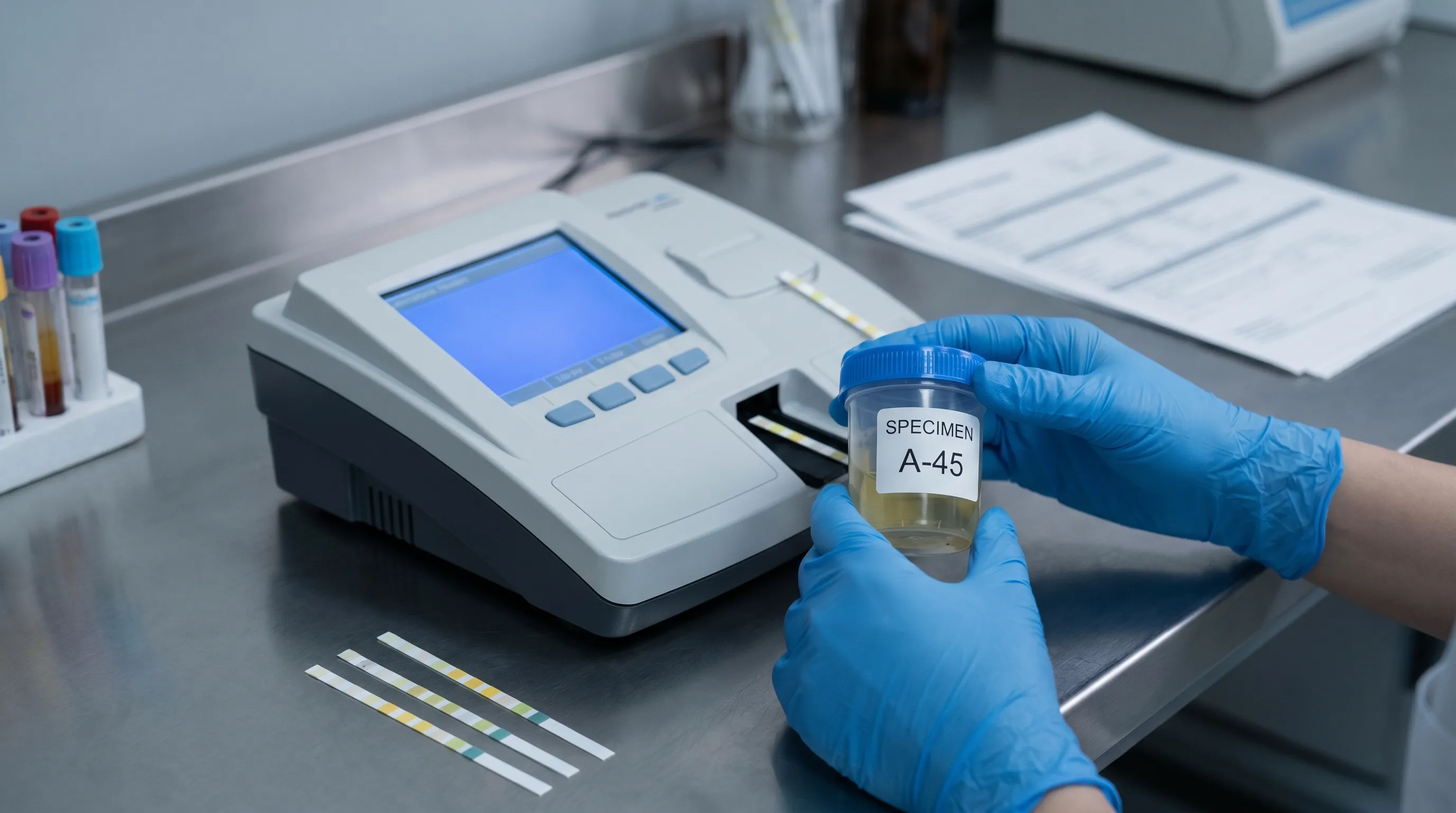
Urine screening remains the most widely utilized method due to its non-invasive nature, cost-effectiveness, and established regulatory guidelines. Traditional urine panels target parent compounds and their immediate metabolites, but ethanol itself clears rapidly from urine, making it unreliable for extended tracking. To overcome this limitation, laboratories screen for secondary metabolites like ethyl glucuronide (EtG) and ethyl sulfate (EtS). These compounds form directly in the liver when ethanol undergoes phase II conjugation, creating stable markers that persist long after the alcohol itself has dissipated. EtG testing is highly sensitive and can detect even minimal consumption, making it valuable for monitoring compliance in clinical and judicial settings. However, because EtG can remain elevated for up to three days, some programs implement lower cutoff thresholds to distinguish between incidental exposure and intentional drinking. For detailed guidance on urine-based screening protocols and workplace standards, refer to documentation from the Centers for Disease Control and Prevention (CDC).
Blood Testing for Alcohol Concentration
Blood testing provides the most immediate and accurate measurement of systemic alcohol levels, directly reflecting blood alcohol concentration (BAC) at the time of collection. This method is frequently utilized in medical emergencies, traffic enforcement, and clinical evaluations where precise quantification is legally or medically necessary. Blood samples capture both unmetabolized ethanol and secondary metabolites, allowing laboratories to calculate the exact physiological burden. The primary drawback of blood collection is its invasive nature and shorter logistical window for analysis. Samples must be processed quickly using specialized vials containing sodium fluoride to prevent post-collection fermentation, which could artificially elevate ethanol readings. Despite these constraints, blood analysis remains the gold standard for acute intoxication assessment and forensic validation. Learn more about BAC testing and clinical interpretation at the Cleveland Clinic.
Saliva and Hair Follicle Analysis
Oral fluid testing offers a non-invasive alternative that captures recent alcohol exposure through direct mucosal absorption. Saliva screens typically detect ethanol for only 24 to 48 hours, making them ideal for identifying recent use rather than historical consumption. The matrix is less susceptible to adulteration and requires minimal specialized training for collection. Hair follicle testing, on the other hand, provides an extended historical record. As ethanol circulates in the bloodstream, trace amounts deposit into the keratin matrix of growing hair shafts. While hair analysis can theoretically track alcohol exposure over months, it is less commonly used for routine employment screening due to higher costs, slower turnaround times, and environmental contamination risks. Laboratories often utilize hair testing in conjunction with other modalities when establishing long-term behavioral patterns or evaluating chronic consumption histories. Global screening frameworks and validation standards are outlined by the World Health Organization (WHO).
Detection Windows: How Long Can Traces Be Found?
Understanding temporal detection boundaries is essential for anyone navigating compliance requirements or preparing for scheduled screenings. The timeline varies dramatically depending on the testing modality, individual physiology, and consumption volume. When examining whether in a drug test does alcohol appear, laboratory technicians rely on scientifically validated windows rather than subjective estimates. General guidelines help establish baseline expectations, but they should never replace professional toxicological assessment.
Standard Ethanol vs. Ethyl Glucuronide (EtG)
The distinction between detecting parent ethanol versus its metabolites fundamentally changes the expected timeline. Standard ethanol testing identifies unmetabolized alcohol, which typically clears within 12 to 24 hours after a single moderate session. EtG, however, represents a direct conjugate formed during hepatic processing. Because EtG is excreted more slowly and remains stable at lower concentrations, laboratories can reliably detect it for 48 to 80 hours. Heavy consumption, particularly involving high-proof beverages or extended drinking sessions, can push EtG detection toward the upper limits of this range. Some specialized programs utilize even more advanced phosphatidylethanol (PEth) biomarkers in blood, which track alcohol exposure over two to four weeks. PEth testing is particularly valuable in clinical trials, addiction treatment verification, and occupational safety programs requiring strict sobriety compliance.
Timeline Breakdown by Test Type
Different biological matrices offer varying temporal visibility. The following comparison illustrates standard detection windows under typical consumption patterns, assuming average metabolic function and moderate alcohol intake.
| Testing Modality | Detects Parent Ethanol | Detects EtG/EtS Metabolites | Typical Detection Window |
|---|---|---|---|
| Breathalyzer | Yes | No | 12 to 24 hours |
| Saliva Swab | Yes | Limited | 24 to 48 hours |
| Urine Panel | Yes (short window) | Yes | 24 to 80 hours |
| Blood Analysis | Yes (immediate BAC) | Yes (PEth available) | 6 to 48 hours |
| Hair Follicle | Trace historical | Trace historical | Up to 90 days |
These ranges represent median values derived from clinical toxicology studies and laboratory validation reports. Individuals with slower metabolism, higher consumption levels, or concurrent liver impairment may experience extended detection periods. For comprehensive metabolic research and patient education, consult peer-reviewed publications through the National Institutes of Health (NIH).
Common Scenarios: Employment, Legal, and Medical Testing
The context in which screening occurs directly influences testing parameters, regulatory requirements, and reporting protocols. When asking whether in a drug test does alcohol appear, individuals must consider the specific industry standards or legal frameworks governing their situation.
Workplace Drug Panels and Alcohol Policies
Standard corporate hiring panels prioritize safety-sensitive positions, particularly those involving heavy machinery, transportation, or healthcare delivery. While traditional five-panel screens do not capture alcohol, companies can easily integrate EtG testing or breathalyzer verification into pre-employment protocols. Industries regulated by federal transportation mandates require strict sobriety standards, often requiring random testing, post-incident screening, and reasonable suspicion evaluations. Employers maintain the right to establish alcohol-specific policies, including zero-tolerance guidelines, designated breathalyzer checkpoints, and mandatory compliance programs for safety-critical roles. Human resources departments typically coordinate with certified Medical Review Officers who interpret laboratory findings according to federal guidelines. For detailed workplace safety frameworks and occupational health recommendations, visit resources from the Centers for Disease Control and Prevention (CDC).
Probation and Court-Ordered Screening
Judicial systems frequently mandate alcohol screening for individuals navigating substance-related offenses, driving under the influence cases, or child custody evaluations. Court-ordered programs typically utilize EtG urine testing due to its sensitivity, defensibility in legal proceedings, and ability to verify extended compliance. Probation officers may require weekly, biweekly, or monthly testing, with results directly reported to judicial authorities. Violating court-mandated sobriety agreements often results in immediate consequences, including extended supervision, fines, or incarceration. Some jurisdictions utilize transdermal monitoring devices that measure sweat ethanol concentrations continuously, providing real-time data streams that reduce the risk of evasion. These continuous monitoring systems have gained traction because they capture temporal consumption patterns rather than isolated snapshots.
Debunking Myths and Understanding False Positives
Misinformation surrounding alcohol testing frequently generates unnecessary anxiety and poor decision-making. Many individuals search for shortcuts or attempt to manipulate results, but modern laboratories employ sophisticated verification protocols that quickly identify compromised samples. Addressing common myths requires understanding how scientific testing actually operates and why preliminary findings always undergo confirmatory validation.
Can Medications or Foods Cause False Results?
Yes, certain over-the-counter products and dietary items can trigger preliminary positives in breath or urine screenings. Products containing ethanol as a solvent, including cough syrups, certain mouthwashes, and vanilla extracts, may temporarily elevate oral fluid ethanol levels. Hand sanitizers with high alcohol concentrations can similarly produce environmental contamination if applied immediately before breath testing or if residue transfers to collection surfaces. Fermented foods like ripe bananas, fruit juices, or kombucha generate minimal endogenous ethanol but rarely reach clinically significant thresholds. Some prescription medications, including metformin, gabapentin, and certain antidepressants, may alter hepatic enzyme activity but do not directly produce EtG or PEth biomarkers. When in a drug test does alcohol appear due to incidental exposure, laboratories differentiate between environmental contamination and systemic ingestion using precise cutoff values, creatinine normalization, and secondary metabolite ratios. For patient-focused guidance on medication interactions and screening accuracy, review clinical advisories from the Mayo Clinic.
How Laboratories Confirm Positive Findings
No clinical or legal decision relies on preliminary immunoassay results alone. Initial screenings utilize enzyme-linked immunosorbent assays or fluorescence polarization techniques to flag samples exceeding established thresholds. Positive or borderline results automatically undergo confirmatory analysis using gas chromatography-mass spectrometry or liquid chromatography-tandem mass spectrometry. These advanced methodologies isolate specific molecular signatures, measure exact concentrations, and eliminate cross-reactivity risks. The confirmatory process ensures that only scientifically validated findings are reported, maintaining strict chain-of-custody documentation throughout. Medical Review Officers review all positive results, considering prescription history, medical conditions, and potential contamination before certifying the final outcome. For further information on laboratory validation standards and clinical pathology protocols, reference guidelines from the Cleveland Clinic.
Practical Tips for Navigating Alcohol Testing
Successfully managing alcohol screening requires preparation, compliance, and informed decision-making. Rather than attempting unverified shortcuts or relying on misinformation, individuals should focus on physiological realities and institutional expectations. When planning ahead and wondering in a drug test does alcohol appear, the most reliable approach involves understanding timelines, maintaining documentation, and communicating transparently when necessary.
Preparing for a Scheduled Test
If you know a test is approaching, allowing adequate clearance time is the most scientifically sound strategy. Ceasing alcohol consumption at least 72 to 96 hours before testing significantly reduces the likelihood of detectable EtG levels for moderate drinkers. Heavy or chronic consumers may require extended abstinence windows of up to one week to ensure metabolite concentrations fall below reporting thresholds. Maintaining consistent, moderate hydration supports natural renal clearance without triggering specimen dilution flags. Consuming balanced meals stabilizes metabolic function and prevents rapid absorption spikes that could temporarily elevate biomarker levels. Avoid using ethanol-containing personal care products immediately before testing, particularly if breath or oral fluid collection is involved. Documenting prescription medications and recent dietary changes provides valuable context for Medical Review Officers interpreting borderline results.
Maintaining Compliance and Safe Practices
For individuals enrolled in structured monitoring programs, compliance hinges on consistent sobriety and proactive communication. Many clinical programs offer alternative testing modalities, such as PEth blood screening or continuous transdermal monitoring, which may better suit certain recovery trajectories. Engaging in supportive counseling, attending peer meetings, and following prescribed treatment plans improve long-term outcomes and reduce testing anxiety. If unexpected personal circumstances create vulnerability to relapse, contacting program coordinators immediately demonstrates accountability and often results in modified monitoring arrangements rather than punitive measures. Recovery-oriented organizations emphasize that testing serves as a health monitoring tool rather than a punitive mechanism, and transparency consistently yields better clinical interventions.
What to Do If You Receive an Unexpected Result
Receiving an unanticipated positive finding can be distressing, but structured response protocols exist to protect individual rights. Request a full laboratory report detailing both initial screening values and confirmatory mass spectrometry results. Review the chain-of-custody documentation for any collection or transport irregularities. Consult with a Medical Review Officer to discuss prescription history, medical conditions, or potential environmental exposures that could explain the finding. If procedural errors or contamination are suspected, you have the right to request a retest using a split specimen retained by the laboratory. Legal counsel specializing in workplace compliance or probation matters can provide additional guidance regarding jurisdictional appeal processes. Understanding that in a drug test does alcohol appear depends on multiple variables helps individuals navigate unexpected outcomes with measured, evidence-based responses. For comprehensive clinical guidance, always consult licensed healthcare providers and accredited toxicology laboratories.
Frequently Asked Questions
How long can alcohol remain detectable in a urine screening?
Standard urine tests typically detect ethanol for 12 to 24 hours after consumption. However, when specialized biomarkers like ethyl glucuronide (EtG) or ethyl sulfate (EtS) are used, detection windows extend significantly, ranging from 48 hours to as much as 80 hours depending on the quantity consumed, individual metabolism, and testing cutoff thresholds. Learn more at the CDC.
Does a standard 5-panel drug test screen for alcohol?
No, a conventional 5-panel panel typically screens for amphetamines, cocaine, marijuana, opiates, and phencyclidine. Alcohol is classified separately and requires a dedicated test panel. Employers or agencies must explicitly request alcohol screening, often using breathalyzers, blood draws, or specialized urine panels measuring EtG.
Can mouthwash or hand sanitizer cause a false positive?
Yes, products containing high concentrations of ethanol, such as certain mouthwashes, hand sanitizers, and cleaning solutions, can potentially trigger preliminary positives in breath or saliva tests. However, confirmatory laboratory testing using gas chromatography or mass spectrometry will differentiate between environmental exposure and systemic alcohol metabolism. Review clinical insights from the Mayo Clinic for more details on specimen integrity.
What factors influence how quickly alcohol clears the system?
Clearance rates depend on liver enzyme activity, body composition, hydration status, metabolic rate, age, sex, concurrent medication use, and food intake. Individuals with higher body water content or faster enzymatic breakdown typically process ethanol more quickly, while chronic heavy drinking can temporarily alter metabolic clearance timelines.
Is it safe to drink water to flush alcohol from the body before a test?
Excessive water consumption does not accelerate alcohol metabolism and may actually dilute urine samples to unacceptable levels. Laboratories routinely check creatinine levels and specific gravity to detect dilution, which often results in a rejected specimen or a requirement to retest. Consistent, moderate hydration is recommended instead.
Conclusion
Navigating alcohol screening requires a clear understanding of metabolic science, testing methodologies, and institutional protocols. The question of whether in a drug test does alcohol appear ultimately depends on the specific panel utilized, the biomarkers targeted, and the physiological timeline of consumption. Modern toxicology relies on highly sensitive EtG and PEth markers that can detect exposure well beyond the window of intoxication, ensuring accurate compliance monitoring across workplace, judicial, and clinical environments. Rather than relying on unverified detox methods or speculative timelines, individuals benefit most from understanding clearance rates, maintaining transparent communication, and adhering to evidence-based preparation strategies. By prioritizing physiological health, following program guidelines, and utilizing verified laboratory resources, individuals can approach screening with confidence and maintain full regulatory compliance. For ongoing clinical guidance, updated testing standards, and evidence-based health information, consult accredited resources from the World Health Organization (WHO) and licensed healthcare professionals.
How we work
Researched and drafted with AI assistance, then reviewed by a human editor against the cited sources.
This article is general health information, not medical advice. Consult a qualified healthcare professional about your own situation.