Bruised Knuckle: Complete Guide to Symptoms, Treatment, and Recovery

Experiencing a sudden, sharp pain in your hand followed by unsightly discoloration can be both alarming and incredibly frustrating. Whether it stems from a missed punch, a slammed door, an unexpected fall, or repetitive manual labor, a bruised knuckle is a remarkably common injury that affects millions of people across all age groups and activity levels. The human hand is a marvel of biomechanical engineering, containing twenty-seven bones, dozens of complex tendons, intricate nerve pathways, and a highly concentrated network of superficial blood vessels. When trauma strikes these delicate structures, the body's natural inflammatory healing response kicks into gear, often resulting in noticeable swelling, stiffness, and that characteristic purplish-blue hue. Understanding how to properly manage this injury, recognize potential warning signs, and accelerate recovery is essential for preserving long-term hand function and preventing chronic discomfort. In this comprehensive, evidence-based guide, we will explore the underlying anatomy, immediate treatment protocols, structured rehabilitation strategies, and preventive lifestyle measures that will help you navigate the healing process safely and effectively.
Understanding the Anatomy and Physiology of a Bruised Knuckle
To effectively treat a hand injury, it is crucial to first understand the underlying biological structures involved. The term "knuckle" generally refers to the prominent joints on the back of the hand where the metacarpal bones meet the proximal phalanges of the fingers. Clinically, these are known as the metacarpophalangeal (MCP) joints. These joints are designed for a high degree of mobility, allowing us to flex, extend, spread, and oppose our fingers with remarkable precision.
Free calculatorFoot Reflexology ChartFoot reflexology points and corresponding organsOpen the calculator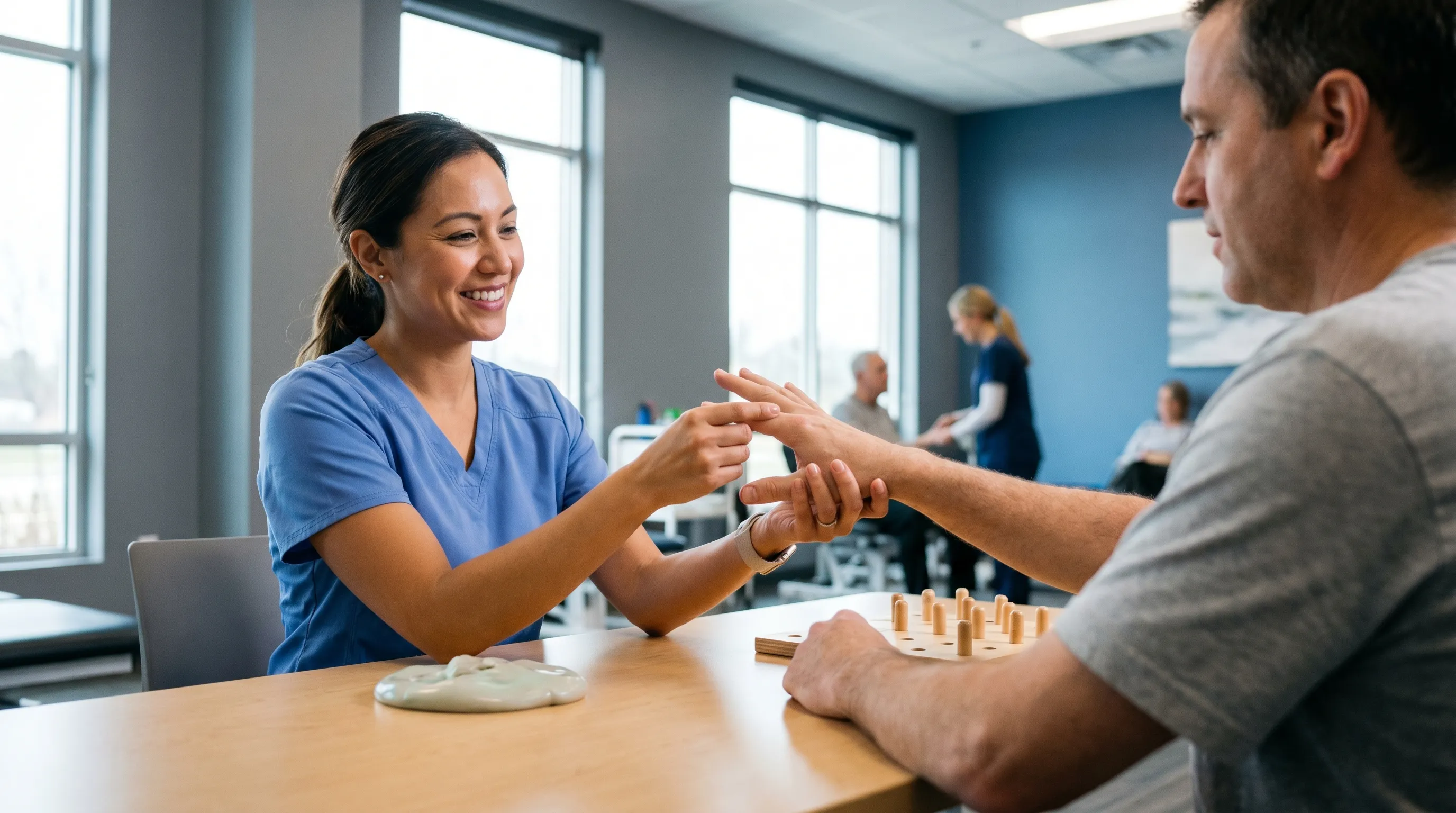
What Exactly Is a Knuckle?
Each knuckle is a synovial joint, meaning it is encapsulated by a fluid-filled capsule that reduces friction between the articulating bone surfaces. The outer layer of the joint capsule contains a dense network of blood vessels and nerve endings that provide proprioceptive feedback and structural stability. The skin overlying the dorsal aspect of the MCP joints is particularly thin, containing minimal subcutaneous fat. This anatomical feature makes the knuckles highly susceptible to visible discoloration and swelling when trauma occurs, as there is very little cushioning to absorb impact forces before the underlying capillaries are compressed or ruptured.
How Bruising Occurs at the Metacarpophalangeal Joints
When blunt force strikes the hand, the kinetic energy travels directly through the thin dermal and epidermal layers into the capillary beds surrounding the MCP joint. If the impact exceeds the tensile strength of the microvasculature, these tiny vessels rupture, allowing red blood cells to leak into the surrounding interstitial tissue. This localized collection of blood outside the vascular system is clinically referred to as a contusion or hematoma. The body immediately initiates an inflammatory cascade to isolate and clear the debris, sending white blood cells to phagocytose (engulf) the extravasated red blood cells.
Blood Vessel Dynamics and Capillary Rupture
The visible color progression of a bruised knuckle is actually a fascinating biochemical timeline. Initially, oxygenated hemoglobin gives the area a reddish or pinkish tint. Within twenty-four to forty-eight hours, hemoglobin breaks down into deoxyhemoglobin, turning the area a deep blue or purple. As macrophages continue to process the breakdown products, biliverdin (green pigment) and bilirubin (yellow pigment) are produced, explaining why the discoloration shifts through greenish and yellowish tones before fading completely. This entire process typically spans ten to twenty-one days, depending on the severity of the capillary damage and individual metabolic clearance rates. For additional clinical details on soft tissue healing and contusion management, you can review the guidelines provided by the Mayo Clinic.
Common Causes and Mechanisms of Injury
A bruised knuckle rarely happens in isolation. The mechanism of injury dictates not only the severity of the contusion but also the likelihood of associated structural damage. Understanding the context of the trauma helps clinicians and patients anticipate recovery timelines and tailor rehabilitation appropriately.
Direct Impact and Blunt Force Trauma
The most straightforward cause is a direct blow to the dorsal hand. This frequently occurs during altercations, contact sports, or accidental collisions. When the hand strikes a hard, unyielding surface, the force is concentrated directly over the MCP joints. The sudden compression creates a shearing effect on the superficial vasculature, leading to immediate capillary rupture. In many cases, the skin remains intact (a closed contusion), but the underlying tissue sustains significant microtrauma that manifests as swelling and stiffness over the following hours.
Sports-Related Injuries
Athletes across multiple disciplines regularly experience a bruised knuckle due to the high-velocity impacts and repetitive gripping involved in their training. Boxers, mixed martial artists, and rock climbers are particularly vulnerable. In striking sports, improper hand wrapping or inadequate glove padding transfers excessive force directly to the knuckles. In climbing, repeated friction and compression against uneven rock faces or artificial holds can cause cumulative micro-bleeding in the joint capsules. Additionally, sports involving racquets, bats, or golf clubs can produce a bruised knuckle if the equipment is gripped too tightly or vibrates excessively upon ball impact. The National Institutes of Health (NIAMS) provides extensive resources on sports-related joint trauma.
Accidental Bumps and Everyday Mishaps
Not all hand trauma involves high-intensity activities. Everyday household accidents account for a significant portion of mild to moderate hand contusions. Catching your hand in a closing door, dropping a heavy object onto your knuckles, or slamming your hand against a drawer handle or countertop can easily rupture delicate capillaries. These injuries often catch individuals off guard, leading to delayed initial care that prolongs the inflammatory phase.
Underlying Conditions That Predispose to Bruising
Certain physiological and pharmacological factors can make individuals highly susceptible to developing a prominent bruised knuckle even from minor trauma. Blood-thinning medications such as aspirin, warfarin, clopidogrel, and direct oral anticoagulants reduce the blood's clotting efficiency, allowing capillaries to bleed longer before sealing. Nutritional deficiencies, particularly low levels of vitamin C, vitamin K, or bioflavonoids, weaken capillary walls. Additionally, conditions like Ehlers-Danlos syndrome, hemophilia, or advanced age-related skin thinning (senile purpura) can dramatically increase the visibility and severity of hand contusions. The Cleveland Clinic offers detailed information on bleeding disorders and medication-related bruising.
Signs, Symptoms, and Clinical Evaluation
Recognizing the specific presentation of a bruised knuckle versus more severe injuries is a critical skill for patients navigating post-trauma care. While most contusions are self-limiting, accurate symptom recognition prevents complications and guides appropriate medical intervention.
Visual and Tactile Indicators
The hallmark sign is localized discoloration, but visual cues alone are insufficient for a complete assessment. Palpation typically reveals mild to moderate swelling centered directly over the MCP joint. The skin may feel slightly warm to the touch during the acute inflammatory phase (first 48 hours). Tactile sensitivity is common, with the area feeling tender when pressed or bumped. Unlike a laceration, the epidermal layer remains intact, though the surface may appear taut or shiny due to underlying edema.
Pain Levels and Range of Motion Limitations
Pain associated with a bruised knuckle is typically described as a dull, aching, or throbbing sensation that intensifies with movement or pressure. Flexion and extension of the affected finger usually provoke discomfort, though complete movement is rarely impossible. Stiffness often peaks in the morning or after periods of inactivity due to fluid pooling in the joint space. As the hematoma organizes and resolves, pain typically transitions from constant to activity-specific, gradually diminishing over the first two weeks.
When to Suspect a Fracture Instead of a Bruise
Differentiating a soft tissue contusion from an osseous injury is paramount. A fracture, such as a classic "boxer's fracture" involving the fifth metacarpal neck, presents with distinct clinical features. Warning signs that warrant immediate radiographic evaluation include: visible angular deformity, an audible crack or snap at the moment of injury, immediate and severe swelling that rapidly expands, pain that is sharp, debilitating, and unresponsive to elevation or rest, complete inability to make a fist or extend the finger fully, and rotational deformity where the injured finger crosses over adjacent digits when making a fist. If any of these red flags are present, consult an orthopedic specialist promptly. General orthopedic diagnostic protocols can be explored through the Mayo Clinic's hand fracture guidelines.
Diagnostic Imaging and Medical Assessment
For persistent or ambiguous cases, healthcare providers rely on standardized imaging to confirm diagnoses. Plain radiography (X-ray) is the first-line modality for ruling out fractures, dislocations, or avulsion injuries. If ligamentous or tendinous damage is suspected alongside the bruised knuckle, ultrasound or magnetic resonance imaging (MRI) provides superior soft-tissue contrast. Clinicians will also assess capillary refill time, distal sensation, and tendon glide function to ensure neurovascular integrity remains uncompromised.
Immediate Care and the Critical First 48 Hours
The initial two days following trauma represent a golden window for intervention. Proper acute management dramatically reduces the severity of secondary tissue damage, minimizes hematoma expansion, and sets the stage for a streamlined recovery. Evidence-based acute injury care has evolved from strict rest protocols to more dynamic, tissue-preserving strategies, as outlined by the CDC.
The R.I.C.E. and PEACE Protocols Explained
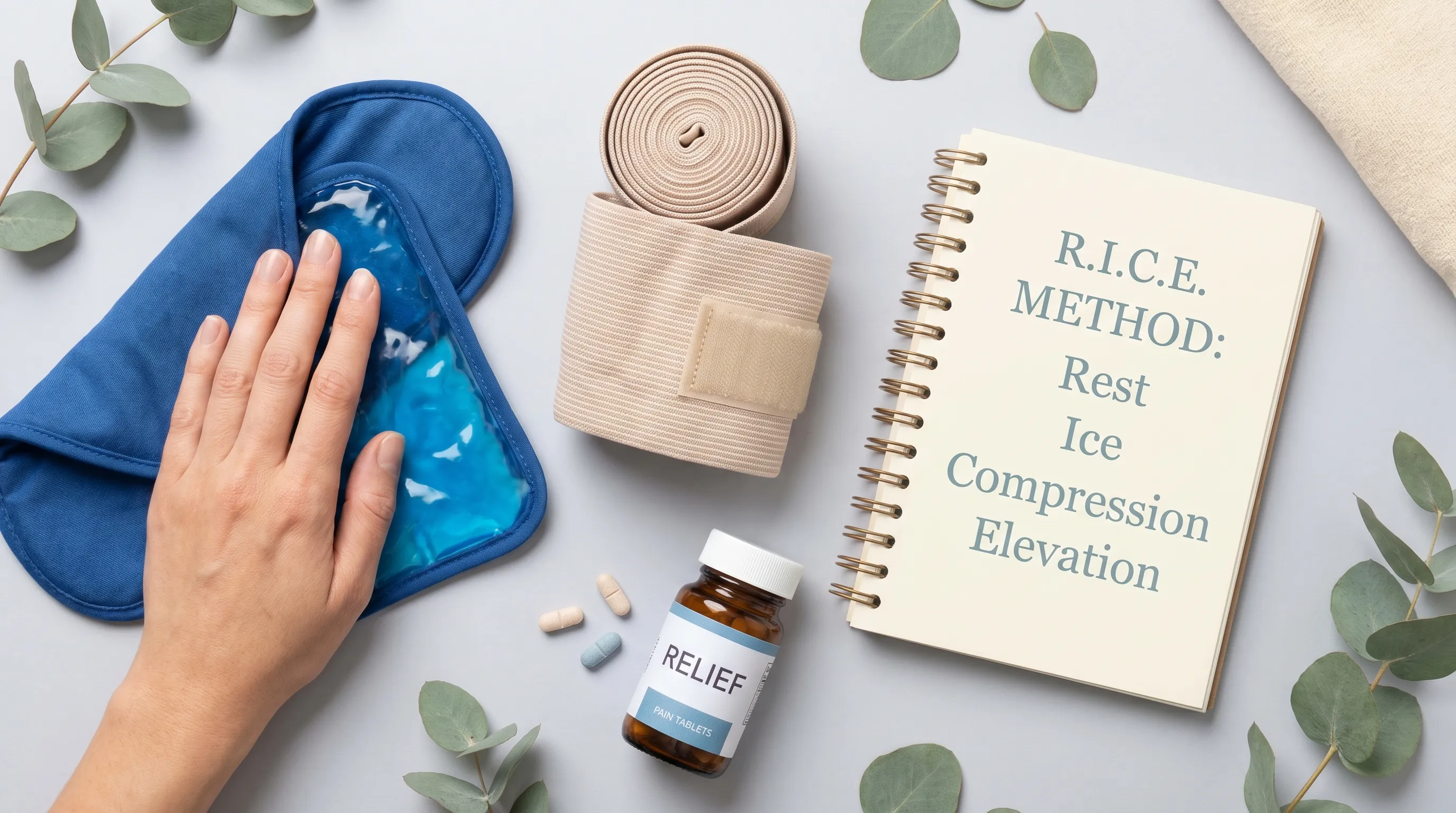
Traditional R.I.C.E. (Rest, Ice, Compression, Elevation) remains highly effective for managing a bruised knuckle. Rest prevents further mechanical irritation to the ruptured capillaries. Ice application induces localized vasoconstriction, slowing blood flow into the interstitial space and reducing pain receptor sensitivity. Compression, using a light elastic bandage or tubular support, limits fluid accumulation without restricting arterial circulation. Elevation above heart level utilizes gravity to facilitate venous and lymphatic drainage away from the injured hand. Modern protocols like PEACE (Protect, Elevate, Avoid Anti-inflammatories early on, Compress, Educate) emphasize protecting the area while allowing natural inflammatory signaling that ultimately aids tissue repair.
Cold vs. Heat Therapy: Timing Matters
Applying thermal therapy incorrectly can worsen swelling and delay healing. During the first forty-eight to seventy-two hours, exclusively use cold therapy. Apply a wrapped ice pack or commercial cold compress to the bruised knuckle for fifteen to twenty minutes every two to three hours. Never apply ice directly to the skin, as this can cause frostbite or cold-induced urticaria on already compromised tissue. Heat therapy should only be introduced after the acute inflammatory phase subsides, typically on day four or later. Warm compresses increase local circulation, delivering oxygen and nutrients while facilitating the clearance of metabolic waste and residual hemoglobin breakdown products.
Over-the-Counter Pain Management Options
Pharmacological intervention can significantly improve comfort during the acute phase, but medication selection matters. Acetaminophen effectively blocks pain signaling in the central nervous system without interfering with platelet function or tissue healing, making it a safe first-line option. Nonsteroidal anti-inflammatory drugs (NSAIDs) like ibuprofen or naproxen reduce prostaglandin synthesis, providing both analgesic and anti-edema effects. However, some sports medicine researchers caution against prolonged high-dose NSAID use in the first forty-eight hours, as prostaglandins play a role in the early phases of cellular repair. Consult your physician before starting any regimen, especially if you have underlying gastrointestinal, renal, or cardiovascular conditions. Comprehensive medication guidance is available at the National Institutes of Health.
Long-Term Recovery and Rehabilitation Strategies
Once acute swelling and severe pain subside, the focus shifts from tissue preservation to functional restoration. Neglecting this phase often leads to prolonged stiffness, capsular adhesions, and weakened grip strength. A structured, phased approach ensures optimal outcomes for a bruised knuckle.
Gentle Mobility Exercises
Between days three and seven, initiate pain-free range-of-motion exercises. Perform tendon glides by sequentially flexing the fingers from a straight position to a hook fist, full fist, and tabletop position. Hold each position for three seconds and repeat ten times daily. These movements prevent synovial fluid stagnation and maintain the gliding mechanism between flexor tendons and their sheaths. MCP flexion and extension can be gently assisted using the unaffected hand, moving the joint through its comfortable limits without forcing through sharp pain.
Progressive Strengthening Routines
By the second or third week, introduce isometric and low-resistance strengthening. Squeeze a soft stress ball or therapeutic foam cylinder, holding for five seconds before fully releasing. Complete two to three sets of fifteen repetitions, twice daily. Gradually incorporate rubber therapy bands for finger extension and abduction. Place the band around the fingertips and slowly spread the fingers against resistance. This restores the intrinsic hand muscle balance that is crucial for fine motor control. A video demonstrating safe hand strengthening progressions can be found at
.Protecting the Area During Healing
Even as mobility improves, the bruised knuckle remains vulnerable to re-injury. Utilize protective taping methods like buddy taping, which secures the injured finger to an adjacent healthy digit. This provides lateral stability and limits excessive movement during daily tasks. Wear a lightweight neoprene or elastic glove during sleep if you experience stiffness or unconscious clenching. Avoid high-impact activities, heavy gripping, or repetitive forceful tasks until the joint achieves symmetrical range of motion and pain-free strength compared to the contralateral hand.
Prevention Strategies and Long-Term Hand Health
Preventing a bruised knuckle is always preferable to managing one. Implementing proactive measures in daily life, recreational activities, and occupational settings drastically reduces injury risk while promoting overall tissue resilience.
Proper Protective Gear for High-Risk Activities
Equipment selection and usage directly dictate impact distribution. In striking sports, learn professional hand-wrapping techniques that stabilize the MCP joints, secure the carpal bones, and provide thick, evenly distributed padding across the knuckles. Invest in high-quality, well-fitted gloves that are rated for your specific activity. For occupational hazards like carpentry, landscaping, or machinery operation, wear ANSI-rated impact gloves with thermoplastic rubber (TPR) guards over the dorsal hand. These modern materials absorb and disperse kinetic energy before it reaches the capillary beds and joint structures.
Ergonomic Adjustments and Hand Care
Daily mechanical stress contributes to cumulative microtrauma. Evaluate your workstation ergonomics: ensure your keyboard and mouse position allow your wrists and fingers to rest in a neutral alignment. Use ergonomic tools with cushioned, non-slip grips to reduce localized pressure points during manual tasks. Incorporate regular hand massage and contrast baths (alternating warm and cool water immersion) into your routine to maintain vascular elasticity, reduce tissue adhesions, and promote optimal blood flow through the digital arteries.
Nutritional Support for Vascular and Tissue Health
Systemic nutrition profoundly influences healing capacity and capillary integrity. Maintain a diet rich in collagen-supportive nutrients. Vitamin C is essential for proline and lysine hydroxylation during collagen cross-linking, strengthening connective tissue. Zinc acts as a cofactor for over three hundred enzymes involved in cellular proliferation and wound repair. Vitamin K supports proper clotting factor synthesis, preventing prolonged capillary oozing after minor trauma. Omega-3 fatty acids from fish oil or flaxseed naturally modulate excessive inflammatory responses without halting the necessary repair cascade. Bromelain, an enzyme found in pineapple cores, has demonstrated clinical efficacy in reducing edema and accelerating bruise resolution. For comprehensive nutritional guidelines on tissue repair and wound healing, reference Nutrition.gov and the World Health Organization recommendations.
| Feature | Bruised Knuckle (Contusion) | Fractured Knuckle (Break) |
|---|---|---|
| Primary Pain Type | Dull, aching, throbbing; improves with elevation | Sharp, intense, constant; often unresponsive to rest |
| Swelling Onset | Develops gradually over several hours | Rapid, severe, and extensive within minutes |
| Deformity | None; joint alignment appears normal | Visible misalignment, angulation, or depression |
| Range of Motion | Limited but achievable with mild to moderate discomfort | Severely restricted or impossible; sharp pain on attempt |
| Weight-Bearing/Load | Able to tolerate light pressure | Inability to bear weight or make a fist without excruciating pain |
| Typical Healing Time | 2 to 4 weeks with conservative care | 6 to 8 weeks; often requires immobilization or surgical intervention |
Frequently Asked Questions
How long does it typically take for a bruised knuckle to heal?
Most uncomplicated cases resolve within two to four weeks. The visible discoloration and acute swelling typically clear within ten to fourteen days, while residual stiffness and mild discomfort may linger as the underlying tissue completes its remodeling phase. Adhering strictly to early cold therapy and progressive mobility protocols accelerates this timeline significantly.
Should I pop or drain a bruised knuckle?
You should never attempt to puncture, drain, or massage a bruised knuckle. Introducing non-sterile instruments or excessive pressure breaches the skin barrier, dramatically increasing the risk of localized infection (cellulitis) or septic arthritis within the joint capsule. The body's lymphatic and phagocytic systems are highly efficient at safely metabolizing and clearing extravasated blood over time.
What is the difference between a bruised knuckle and a fractured knuckle?
A contusion involves damage to blood vessels and soft tissue without bone integrity loss, allowing for gradual, pain-guided improvement in movement. A fracture compromises the cortical bone structure, often presenting with immediate deformity, a grinding sensation (crepitus), complete loss of functional use, and disproportionate pain relative to the mechanism. Radiographic imaging is the only definitive diagnostic tool to distinguish the two.
Is it safe to exercise with a bruised knuckle?
Low-impact, pain-free mobility work is highly recommended after the first seventy-two hours to prevent joint stiffness and adhesions. However, you must strictly avoid heavy resistance training, gripping exercises, impact sports, or any activity that elicits sharp pain. Listen to your body's feedback; discomfort during gentle glides is normal, but shooting pain or increased swelling indicates you have exceeded the tissue's current tolerance.
When should I seek immediate medical attention for a hand injury?
Schedule an urgent clinical evaluation if you experience progressive swelling despite elevation, numbness or tingling in the fingertips (suggesting nerve compression), an open wound near the joint, inability to bend or straighten the finger past thirty degrees, or visible rotational deformity. These symptoms indicate potential tendon rupture, nerve injury, joint dislocation, or fracture, all of which require specialized medical intervention to prevent permanent functional impairment.
Key Takeaways
Navigating the recovery from a bruised knuckle requires patience, informed decision-making, and a structured approach to tissue healing. By understanding the underlying capillary dynamics, implementing immediate cold therapy and elevation, and transitioning carefully into guided mobility and strengthening, you can preserve optimal hand function and prevent chronic stiffness. Always prioritize protective gear during high-risk activities, maintain a nutrient-dense diet to support vascular and collagen health, and remain vigilant for red-flag symptoms that warrant professional imaging. Hand injuries are common, but with evidence-based self-care and appropriate medical guidance when necessary, most individuals achieve full, pain-free recovery and return to their daily routines without long-term complications. Remember that consistent, gentle rehabilitation is far more effective than aggressive rest or premature overexertion in restoring the delicate balance of strength and flexibility required for healthy joint mechanics.
Disclaimer: This article is intended for informational purposes only and does not substitute professional medical advice, diagnosis, or treatment. Always consult a qualified healthcare provider or orthopedic specialist before beginning any treatment, rehabilitation, or exercise program for hand injuries.
How we work
Researched and drafted with AI assistance, then reviewed by a human editor against the cited sources.
This article is general health information, not medical advice. Consult a qualified healthcare professional about your own situation.