Shrimp Calories: Nutritional Breakdown, Health Benefits & Dietary Guide

When evaluating dietary choices, understanding the caloric density of lean proteins is essential for anyone aiming to optimize their metabolic health, manage weight, or simply maintain a balanced lifestyle. Among the myriad of seafood options available, crustaceans consistently rank at the top for their exceptional nutrient-to-calorie ratio. Specifically, examining shrimp calories reveals a remarkably efficient protein source that delivers essential micronutrients, vital fatty acids, and high-quality amino acids without overwhelming the daily energy budget. Whether you are an athlete looking to fuel recovery, a healthcare-conscious individual monitoring cardiovascular markers, or simply someone seeking versatile meal options, understanding the nutritional architecture of this popular seafood can transform how you approach your daily plate.
The conversation surrounding shrimp calories often begins with a simple question: how many calories are actually in a standard serving? The answer lies in understanding both the raw composition and the transformation that occurs during culinary preparation. By diving deep into the scientific literature, examining preparation variables, and integrating practical dietary strategies, we can demystify how this ingredient fits into evidence-based nutritional frameworks. The following comprehensive guide explores the complete nutritional breakdown, compares shrimp to alternative proteins, analyzes cooking methodologies, and provides actionable advice for incorporating it safely and effectively into your long-term wellness routine.
Understanding the Nutritional Profile of Shrimp
To truly appreciate the role of shrimp calories in a balanced diet, we must first examine the macronutrient and micronutrient architecture that defines this food. Unlike many terrestrial proteins, crustaceans possess a unique biochemical profile characterized by high water content, minimal lipid storage, and dense protein structuring. This naturally lean composition makes it an exceptional choice for individuals prioritizing metabolic efficiency and muscle protein synthesis.
Free calculatorMacros CalculatorCalculate protein, carbs, and fatOpen the calculatorMacronutrient Breakdown and Caloric Distribution
A standard three-ounce (approximately 85-gram) cooked portion delivers roughly 85 to 100 calories, depending on the specific species and moisture retention during preparation (USDA FoodData Central). The majority of these calories originate from high-quality complete proteins, with carbohydrates contributing virtually nothing and fats accounting for a minimal fraction. Protein constitutes approximately 18 to 20 grams per serving, representing over 75 percent of the total caloric value. This high thermic effect of food means the body expends more energy digesting and metabolizing the protein, effectively increasing daily energy expenditure.
The lipid content typically ranges between 1 and 2 grams per serving, with a favorable ratio of unsaturated to saturated fatty acids. While the total fat is low, the presence of omega-3 polyunsaturated fatty acids, particularly eicosapentaenoic acid (EPA) and docosahexaenoic acid (DHA), provides significant anti-inflammatory benefits. Carbohydrates are virtually absent in pure crustacean tissue, making it an ideal staple for ketogenic, low-carb, and diabetic-friendly meal plans. When tracking shrimp calories, it is crucial to weigh portions after cooking or account for the approximately 20 to 25 percent weight loss that occurs during heat application.
Micronutrient Density and Cellular Health
Beyond the baseline caloric metrics, this seafood delivers an impressive array of essential vitamins and minerals that support physiological function at the cellular level. Selenium stands out as a dominant trace mineral, providing well over 40 percent of the recommended daily allowance per serving (NIH Office of Dietary Supplements). Selenium plays a critical role in antioxidant defense systems, supporting thyroid hormone metabolism, and facilitating DNA repair processes. Additionally, shrimp serves as an excellent source of vitamin B12, which is indispensable for neurological function, red blood cell formation, and homocysteine regulation.
Copper, phosphorus, and magnesium further contribute to bone mineralization, enzymatic cofactor activity, and cellular energy production. The presence of astaxanthin, a potent carotenoid pigment responsible for the characteristic pink hue, offers robust oxidative stress protection. Clinical studies frequently highlight how astaxanthin mitigates lipid peroxidation and supports endothelial health. For individuals focused on longevity and cellular resilience, integrating this protein source provides micronutrient density that far exceeds typical poultry or beef options, especially when considering the minimal caloric investment required.
Understanding Bioavailability and Digestibility
The human digestive system processes crustacean proteins with exceptional efficiency. The muscle fibers are shorter and less collagen-dense compared to ruminant meats, resulting in higher amino acid bioavailability and reduced gastrointestinal strain. This characteristic makes it particularly beneficial for older adults, individuals recovering from illness, or those managing compromised digestive function. The high leucine content stimulates the mTOR pathway, which is directly responsible for initiating muscle protein synthesis after resistance training or prolonged physical activity.
When planning meals, pairing this protein with complex carbohydrates and fibrous vegetables creates a synergistic effect that stabilizes postprandial blood glucose levels. The slow digestion rate, combined with the high satiety signaling triggered by protein-specific gut hormones like peptide YY and glucagon-like peptide-1, ensures prolonged fullness. Understanding these metabolic responses allows individuals to leverage shrimp calories as a strategic tool for appetite regulation and sustained energy throughout the day.
Shrimp Calories vs. Other Common Protein Sources
Comparing different animal and plant proteins provides valuable context for dietary planning. When evaluating shrimp calories alongside alternatives like poultry, red meat, and other seafood varieties, distinct advantages emerge regarding nutrient density, environmental impact, and metabolic efficiency. This comparative analysis helps consumers make informed decisions based on specific health objectives.

Comparison with Chicken, Beef, and Fish
Chicken breast, often regarded as the gold standard for lean protein, contains approximately 140 to 165 calories per three-ounce cooked serving, delivering similar protein quantities but with slightly higher fat content depending on skin retention and cut. Grass-fed beef, while rich in iron and creatine, typically ranges from 170 to 210 calories per serving due to marbling and saturated fat concentrations. Fatty fish like salmon provides superior omega-3 levels but contains 180 to 210 calories per serving due to higher lipid storage. When analyzing shrimp calories, the lower energy density becomes immediately apparent, allowing for larger portion volumes without exceeding daily caloric targets.
Wild-caught varieties frequently demonstrate improved nutritional profiles compared to farmed counterparts, particularly regarding omega-3 to omega-6 ratios and contaminant exposure. However, modern aquaculture standards have significantly improved, with many facilities implementing closed-loop systems and sustainable feed formulations. Regardless of sourcing method, the fundamental caloric structure remains remarkably consistent, making it a reliable staple for precision dieting.
Nutritional Comparison Table
| Nutrient Component | 3oz Cooked Shrimp | 3oz Chicken Breast | 3oz Salmon (Baked) | 3oz Lean Beef (95% Fat-Free) |
|---|---|---|---|---|
| Calories | 85-100 | 140-150 | 175-200 | 180-195 |
| Protein (g) | 18-20 | 26-28 | 22-24 | 23-25 |
| Total Fat (g) | 1-2 | 3-4 | 9-11 | 5-6 |
| Omega-3 Fatty Acids (g) | 0.2-0.3 | 0.1 | 1.2-1.8 | 0.1-0.2 |
| Selenium (mcg) | 45-50 | 25-28 | 35-40 | 15-20 |
| Vitamin B12 (mcg) | 1.2-1.4 | 0.3 | 2.0-2.5 | 1.5-1.8 |
This comparison clearly illustrates how optimizing shrimp calories within a broader dietary pattern can free up metabolic budget for additional nutrient-dense foods. The lower fat content, while requiring conscious attention to essential fatty acid intake elsewhere in the diet, positions it as a highly adaptable protein for controlled energy intake protocols.
Protein Quality and Amino Acid Scoring
The Protein Digestibility-Corrected Amino Acid Score (PDCAAS) and Digestible Indispensable Amino Acid Score (DIAAS) consistently rank marine proteins at the highest tiers. Shrimp contains all nine essential amino acids in optimal proportions, with particularly high concentrations of tryptophan, methionine, and threonine. These amino acids play direct roles in neurotransmitter synthesis, detoxification pathways, and immune cell proliferation.
For individuals following calorie-restricted diets, preserving muscle mass during energy deficits requires maximizing high-bioavailability protein intake. Integrating this seafood ensures that the limited caloric intake directly supports tissue maintenance rather than contributing to fat storage or metabolic downregulation. Clinical research confirms that higher protein intakes during weight loss help preserve lean mass and metabolic rate (Mayo Clinic). Registered dietitians frequently recommend distributing protein evenly across meals to sustain anabolic signaling, and the low caloric density of shrimp makes it exceptionally easy to achieve 20 to 30 grams of protein per meal without exceeding macro targets.
Cost-to-Calorie Efficiency
From an economic nutrition standpoint, evaluating cost per gram of usable protein alongside caloric density reveals compelling value. While premium wild varieties may carry higher price tags, frozen options processed at peak freshness provide identical nutritional benefits at significantly lower costs. By purchasing in bulk and utilizing proper freezing protocols, consumers can maintain a steady supply of affordable, high-quality protein. This accessibility, combined with the minimal caloric footprint, makes it a practical choice for budget-conscious meal planning without sacrificing nutritional integrity.
How Cooking Methods Impact Shrimp Calories
The preparation methodology dramatically influences the final nutritional composition of any food, and crustaceans are particularly susceptible to caloric fluctuation based on heat application, moisture retention, and added ingredients. Understanding the biochemistry of cooking allows individuals to maximize nutrient preservation while keeping shrimp calories aligned with their dietary goals.
The Science of Moisture Loss and Caloric Density
Raw crustacean tissue contains approximately 75 to 80 percent water by weight. During the cooking process, heat denatures muscle proteins, causing structural contraction and subsequent moisture expulsion. This natural phenomenon concentrates the remaining macronutrients, meaning that while a three-ounce raw portion may contain slightly fewer total calories, the cooked equivalent delivers more protein and micronutrients per gram. However, the actual energy intake remains consistent when measured post-cooking, provided no additional ingredients are introduced.
Overcooking exacerbates moisture loss, resulting in tough, rubbery textures and unnecessary reduction in edible yield. Implementing precise temperature monitoring and utilizing rapid heat application methods preserve tenderness and ensure accurate portion sizing. When calculating dietary intake, always reference cooked weight measurements to avoid overestimating or underestimating actual caloric consumption.
Frying vs. Grilling vs. Steaming
Deep-frying introduces significant amounts of lipid oxidation and batter absorption, potentially tripling or quadrupling the original shrimp calories. Commercial breading mixtures often contain refined carbohydrates, sodium, and trans fats, completely altering the nutritional profile. In contrast, grilling over medium heat utilizes direct radiant energy to caramelize surface proteins through the Maillard reaction, enhancing flavor without requiring excessive oil. The natural drippings carry away rendered lipids, keeping the caloric baseline intact.
Steaming and poaching represent the most conservative preparation techniques. These moist-heat methods preserve water-soluble vitamins like B-complex minerals and maintain optimal hydration within the muscle fibers. Adding aromatics such as lemon slices, garlic, bay leaves, and fresh herbs during steaming enhances sensory appeal while contributing negligible calories. Air-frying has emerged as a viable alternative, circulating superheated air to create crisp textures using minimal oil spray, typically adding only 10 to 20 calories per serving.
Ingredient Additions and Hidden Calories
Sauces, marinades, and finishing oils frequently serve as the primary culprits in unexpected caloric surges. Butter-based sauces can contribute 50 to 100 additional calories per tablespoon, while sugary glazes introduce rapid glucose spikes that disrupt metabolic equilibrium. To maintain nutritional transparency, utilize acid-based marinades featuring citrus juices, vinegar, and mustard, which enhance flavor penetration without caloric penalty.
Implementing a mindful addition strategy involves measuring oils and sauces using standardized spoons rather than free-pouring. Incorporating low-sodium vegetable broths for sautéing, utilizing avocado oil for high-heat applications due to its favorable smoke point, and garnishing with fresh herbs and citrus zest all support caloric precision. By consciously managing these variables, you can enjoy complex culinary profiles while keeping shrimp calories strictly controlled.
Health Benefits Linked to Shrimp Consumption
The physiological advantages of incorporating this lean protein extend far beyond basic macronutrient provision. Extensive clinical research and epidemiological studies consistently associate regular seafood consumption with reduced chronic disease risk, improved neurological function, and enhanced metabolic flexibility. Understanding these benefits empowers individuals to make proactive dietary choices.
Cardiovascular Support and Omega-3 Fatty Acids
Cardiovascular disease remains the leading cause of mortality globally, making dietary prevention strategies critically important. The omega-3 polyunsaturated fatty acids found in crustaceans actively modulate lipid profiles by reducing triglyceride concentrations and increasing high-density lipoprotein cholesterol levels. Additionally, these fatty acids exhibit anti-inflammatory properties that inhibit endothelial dysfunction and arterial plaque formation.
Regular consumption supports healthy blood pressure regulation through improved nitric oxide bioavailability, which facilitates vasodilation and peripheral blood flow. When combined with reduced saturated fat intake compared to red meats, this dietary substitution creates a favorable environment for long-term vascular health (Cleveland Clinic). Integrating shrimp calories as part of a Mediterranean-style dietary pattern aligns with recommendations from the American Heart Association, which advocates for at least two seafood servings weekly.
Thyroid Function and Selenium Content
The thyroid gland regulates basal metabolic rate, thermogenesis, and cellular energy production across all organ systems. Selenium acts as an essential cofactor for deiodinase enzymes, which convert inactive thyroxine into the metabolically active triiodothyronine form. Deficiencies in this trace mineral directly impair metabolic efficiency, contributing to fatigue, weight fluctuations, and thermoregulatory dysfunction (NIH Office of Dietary Supplements).
Providing over 40 percent of daily requirements per serving, this seafood serves as a potent dietary ally for individuals managing suboptimal thyroid markers or those residing in selenium-deficient soil regions. The synergistic interaction between selenium, iodine, and zinc supports comprehensive endocrine health. Pairing this protein with cruciferous vegetables, which contain beneficial glucosinolates, creates a balanced approach to thyroid nutrition without compromising nutrient absorption.
Weight Management and Satiety
Obesity and metabolic syndrome require multifaceted dietary interventions focusing on satiety signaling, insulin regulation, and sustainable energy deficits. High-protein, low-calorie foods naturally promote fullness by stimulating the release of appetite-suppressing hormones from the gastrointestinal tract. The slow gastric emptying rate associated with crustacean protein ensures prolonged inter-meal intervals, reducing impulsive snacking behavior.
When incorporated into structured meal replacement protocols or intermittent fasting windows, the low caloric density allows for voluminous, visually satisfying plates without compromising energy balance. Clinical trials consistently demonstrate that higher protein intakes during caloric restriction preserve resting metabolic rate and prevent the adaptive thermogenesis often associated with prolonged dieting. Utilizing shrimp calories strategically supports long-term adherence to weight management programs by minimizing hunger and maximizing nutrient delivery.
Practical Dietary Strategies for Managing Shrimp Intake
Translating nutritional knowledge into sustainable daily habits requires actionable planning, precise portion control, and mindful shopping practices. The following evidence-based strategies ensure consistent, health-optimized consumption while minimizing common pitfalls.
Portion Control and Meal Planning
A standard serving size for adults ranges from three to four ounces cooked, providing approximately 20 to 25 grams of protein. Visual estimation can be unreliable; utilizing a digital food scale during initial meal prep phases establishes accurate baseline awareness. Distributing portions across two to three weekly meals optimizes nitrogen balance and supports continuous tissue repair.
Advanced meal prep protocols recommend parboiling or flash-sealing portions immediately after purchase, followed by rapid chilling in airtight containers. This approach locks in moisture, prevents oxidative degradation of sensitive fatty acids, and streamlines assembly during busy weekdays. Pre-portioning into single-serve freezer bags prevents accidental overconsumption and reduces food waste.
Pairing Strategies for Balanced Macros
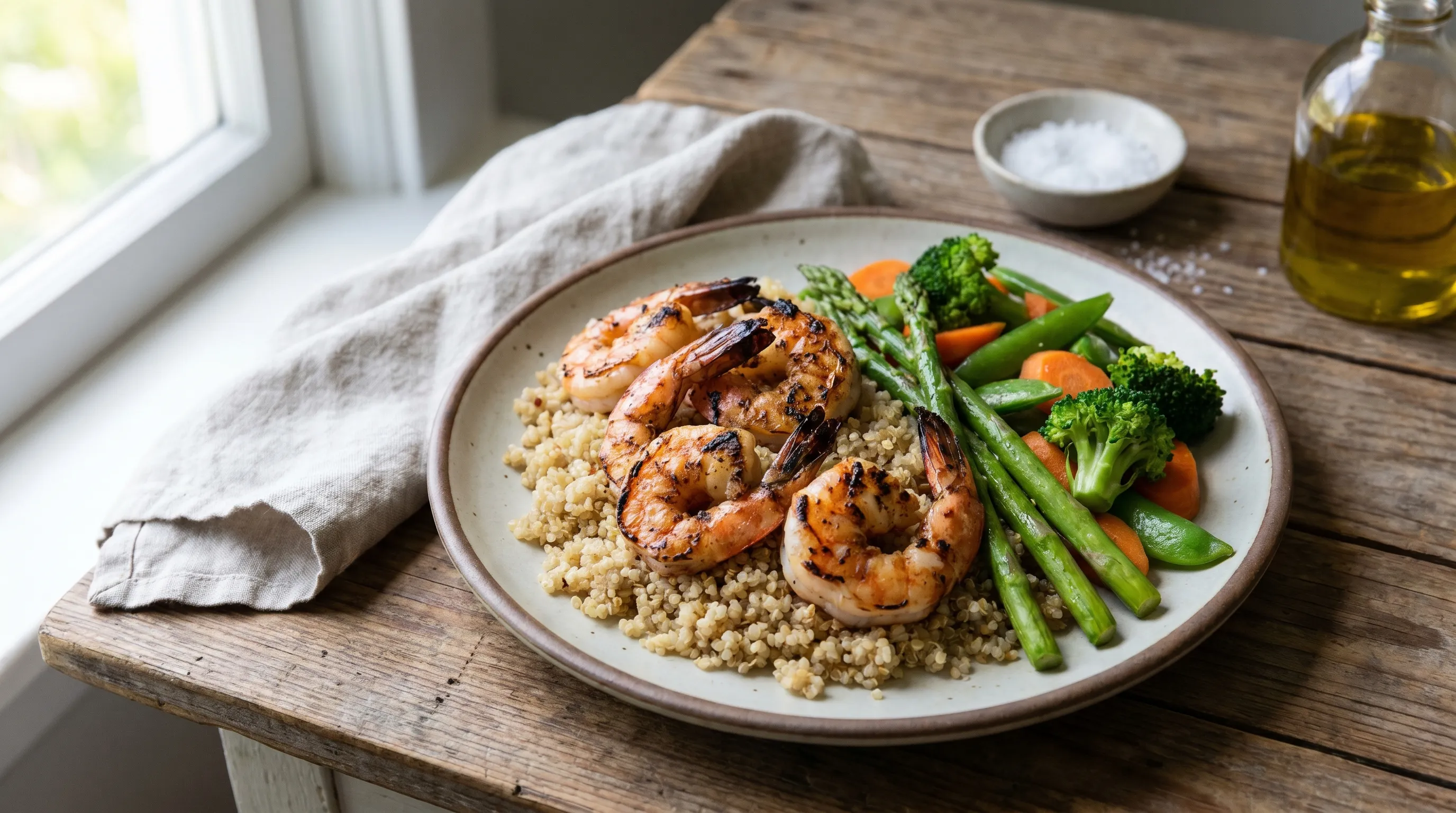
To create nutritionally complete meals, combine this protein with complex carbohydrates like quinoa, sweet potatoes, or farro, alongside fiber-dense vegetables such as asparagus, spinach, or roasted Brussels sprouts. The fiber content slows carbohydrate digestion, preventing postprandial insulin spikes while enhancing gut microbiome diversity through short-chain fatty acid fermentation.
Incorporate healthy fats from olive oil, avocado, or walnuts to ensure adequate absorption of fat-soluble vitamins and sustained energy release. When constructing a balanced plate, allocate approximately one-quarter to the lean protein, one-quarter to whole grains, and half to colorful vegetables. This structural framework aligns with the USDA Dietary Guidelines and supports comprehensive micronutrient coverage while naturally regulating shrimp calories within daily targets.
Shopping, Storage, and Preparation Tips
Quality begins at the point of purchase. Fresh varieties should exhibit firm, translucent flesh with a clean, oceanic scent. Avoid samples displaying discoloration, excessive liquid pooling, or strong ammonia odors, which indicate protein degradation and bacterial proliferation. When purchasing frozen, select individually quick-frozen options that prevent clumping and preserve cellular integrity.
Thawing requires careful temperature management. Never leave frozen crustaceans at room temperature; instead, utilize overnight refrigerator thawing or rapid cold-water submersion in sealed packaging. Cooking should commence within 24 hours of thawing to maintain safety standards. Implement proper hygiene protocols by sanitizing preparation surfaces immediately after handling raw seafood, preventing cross-contamination with ready-to-eat ingredients. These foundational practices ensure optimal food safety while preserving nutritional value.
Potential Considerations and Dietary Precautions
While exceptionally nutritious, certain physiological and environmental factors warrant careful consideration before making it a dietary staple. Understanding these variables ensures safe, personalized consumption aligned with individual health profiles.
Cholesterol and Heart Health Clarifications
Historical dietary guidelines strictly limited dietary cholesterol, prompting concerns regarding shellfish consumption. Contemporary cardiovascular research has largely shifted focus from isolated cholesterol intake to overall saturated and trans fat consumption (Cleveland Clinic). Crustaceans contain approximately 120 to 150 milligrams of cholesterol per serving, but the minimal saturated fat content and high polyunsaturated ratio mitigate adverse lipid profile changes for most healthy individuals. Clinical evidence suggests that dietary cholesterol exerts significantly less impact on serum LDL levels than previously believed, particularly when consumed within fiber-rich, plant-forward dietary patterns.
Individuals with familial hypercholesterolemia or documented cholesterol metabolism disorders should consult a registered dietitian or cardiologist before making substantial dietary shifts. For the general population, moderate consumption aligns safely within heart-healthy frameworks when paired with adequate soluble fiber and regular physical activity.
Sodium Content and Preservation Methods
Sodium concentration varies dramatically between fresh, thawed, and processed varieties. Commercially prepared shrimp frequently undergo sodium tripolyphosphate treatment to retain moisture and improve shelf stability. This process can add 300 to 500 milligrams of sodium per serving, potentially elevating blood pressure in salt-sensitive populations. Reading nutritional labels carefully and selecting untreated, dry-pack options ensures precise sodium management.
Rinsing thawed products under cold water for 30 to 60 seconds effectively reduces surface sodium by up to 30 percent without compromising texture. Seasoning alternatives like smoked paprika, garlic powder, citrus zest, and fresh dill provide robust flavor profiles without relying on refined salts. Maintaining daily sodium intake below 2,300 milligrams supports optimal fluid balance and vascular function (CDC).
Allergies and Food Safety Guidelines
Shellfish allergies represent one of the most prevalent and severe food hypersensitivities, triggered by specific tropomyosin proteins. Individuals with confirmed allergies must strictly avoid all crustaceans and exercise caution when dining at restaurants where cross-contact is likely. Reading ingredient labels meticulously and communicating dietary restrictions clearly to food service staff prevents accidental exposure.
Foodborne illness prevention requires proper internal temperature monitoring. Cooking to a minimum of 145°F (63°C) as measured by an instant-read thermometer ensures pathogen elimination while preventing overcooking (FDA). Visual cues include opaque, white-pink flesh and tightly curled tail segments. Adhering to CDC food safety recommendations, particularly regarding raw seafood consumption and post-harvest handling, guarantees a safe culinary experience.
Frequently Asked Questions
How many shrimp calories are in a typical serving?
A standard three-ounce cooked portion contains approximately 85 to 100 calories, varying slightly based on species and moisture retention during heat application. This low caloric baseline, combined with 18 to 20 grams of high-quality protein, makes it an exceptionally efficient dietary choice for individuals managing energy intake.
Are shrimp calories affected by cooking oils and sauces?
Yes, preparation additions significantly impact total energy content. While raw and boiled varieties maintain the baseline caloric range, pan-searing with butter, deep-frying in batter, or coating in creamy sauces can easily add 50 to 200 extra calories per serving. Utilizing minimal-oil cooking techniques, air-frying, or steaming with aromatics preserves the lean nutritional profile.
Is this seafood suitable for a low-calorie diet?
Absolutely. Its high protein-to-calorie ratio, rapid digestibility, and strong satiety signaling make it one of the most effective foods for weight management protocols. It allows individuals to meet protein requirements without consuming excessive energy, supporting muscle retention during caloric deficits.
Do shrimp calories change between raw and cooked states?
The absolute caloric value per piece remains consistent, but measured portions become denser after cooking due to water evaporation. A three-ounce raw portion yields approximately two ounces cooked, which is why nutritional databases typically reference cooked weight to ensure accurate dietary tracking and portion consistency.
How does cholesterol in shrimp compare to its calorie count?
While it contains dietary cholesterol, the low saturated fat content and presence of protective omega-3 fatty acids and antioxidants create a favorable net effect for cardiovascular health. For healthy individuals, moderate consumption does not elevate cardiovascular risk and can be safely integrated into balanced, whole-food dietary patterns.
Conclusion
Mastering your understanding of shrimp calories empowers you to make informed, science-backed dietary choices that align with long-term wellness objectives. This lean marine protein delivers an exceptional combination of high bioavailability amino acids, essential trace minerals, and cardioprotective lipids, all while maintaining a remarkably low energy density. By selecting mindful preparation methods, practicing precise portion control, and integrating it into fiber-rich, whole-food meal frameworks, you can harness its metabolic advantages without compromising culinary enjoyment.
The transition from nutritional awareness to consistent implementation requires deliberate planning, label literacy, and an appreciation for how cooking variables influence final macronutrient composition. Whether you are optimizing for athletic performance, supporting cardiovascular longevity, or simply seeking versatile ingredients for daily cooking, incorporating this seafood provides sustainable, evidence-based benefits. Always consult healthcare professionals or registered dietitians when addressing specific medical conditions, allergies, or personalized macro targets, and utilize reputable sources like the USDA FoodData Central and FDA nutrition guidelines to stay informed. Ultimately, balancing shrimp calories within a diverse, plant-forward dietary pattern represents a powerful strategy for achieving optimal metabolic health and lifelong vitality.
How we work
Researched and drafted with AI assistance, then reviewed by a human editor against the cited sources.
This article is general health information, not medical advice. Consult a qualified healthcare professional about your own situation.