Oregano Oil for Sinus Relief: Evidence-Based Guide to Natural Decongestion
Sinus congestion is one of the most persistent and frustrating health complaints affecting millions of individuals worldwide. When the delicate mucosal lining of the paranasal cavities becomes inflamed, trapped mucus creates pressure, facial pain, and restricted breathing that significantly impairs daily functioning and sleep quality. While over-the-counter pharmaceutical decongestants and antibiotics remain standard clinical interventions, many people are actively seeking gentler, plant-derived alternatives that address root inflammation without triggering rebound congestion or antibiotic resistance. The CDC emphasizes prudent antibiotic use for sinus infections to prevent resistance, driving this growing shift toward phytotherapy and bringing significant attention to oregano oil for sinus management, positioning it as a compelling botanical option supported by emerging clinical research and centuries of traditional medicinal practice. NIH research on oregano phytochemistry provides foundational insights into its therapeutic potential. By understanding the precise biochemical mechanisms, proper application protocols, and safety parameters, individuals can integrate this potent essential oil into a comprehensive respiratory wellness strategy. The journey toward clear nasal passages begins with recognizing how targeted botanical interventions interact with compromised respiratory tissue, establishing a foundation for sustainable, evidence-informed relief that prioritizes mucosal healing and systemic balance.
Understanding Sinus Health and Congestion
The human sinus system consists of four paired cavities located behind the cheekbones, forehead, nasal bridge, and between the eyes. These air-filled spaces are lined with specialized respiratory epithelium that continuously produces thin, protective mucus to trap airborne particulates, allergens, and pathogenic microorganisms. Under normal conditions, microscopic hair-like structures called cilia rhythmically sweep this mucus toward the nasopharynx, where it is harmlessly swallowed or expelled. However, when viral infections, bacterial overgrowth, seasonal allergens, or environmental irritants disrupt this delicate ecosystem, the mucosal tissue swells dramatically. This edema obstructs the narrow sinus ostia, trapping secretions and creating an anaerobic environment where pathogens thrive. The resulting cycle of inflammation, mucus accumulation, and secondary infection defines acute and chronic sinusitis, as detailed by the Mayo Clinic. Recognizing this pathophysiological cascade is essential for selecting targeted interventions. Rather than merely suppressing symptoms, effective natural approaches aim to restore ciliary function, reduce mucosal thickening, and create an environment that naturally discourages microbial proliferation.
Free calculatorWater Intake CalculatorCalculate daily water needsOpen the calculatorThe Anatomy of Sinusitis
Sinus inflammation rarely occurs in isolation. It is frequently the downstream consequence of upper respiratory tract infections, allergic rhinitis, structural abnormalities such as deviated septums, or exposure to airborne pollutants. The inflammatory response triggers the release of cytokines, histamines, and prostaglandins, which dilate local blood vessels and increase vascular permeability. This physiological shift causes tissue edema that narrows drainage pathways. When mucus stagnates, its viscosity increases, transforming from a protective fluid into a dense, obstructive barrier. Chronic sinusitis often involves biofilm formation, where bacteria embed themselves within a protective polymeric matrix that resists both immune clearance and conventional antimicrobial therapies. The Cleveland Clinic outlines how chronic inflammation and biofilms complicate long-term sinus health. Breaking through this biofilm requires interventions with proven membrane-penetrating capabilities and broad-spectrum antimicrobial activity. Understanding these structural and biochemical realities clarifies why superficial symptom relief often fails to deliver lasting resolution. Sustainable recovery demands modalities that address both microbial load and inflammatory signaling simultaneously.
Common Triggers and Underlying Mechanisms
Identifying the root triggers of sinus dysfunction is crucial for developing personalized treatment strategies. Viral upper respiratory infections remain the most common initiators, accounting for the vast majority of acute episodes. However, bacterial superinfections frequently follow when drainage remains compromised. Environmental factors such as dry indoor air, tobacco smoke, occupational dust exposure, and seasonal pollen spikes further exacerbate mucosal vulnerability. Immune dysregulation plays a central role; when the body mounts an exaggerated inflammatory response, tissue damage outpaces healing. Additionally, nutritional deficiencies, chronic stress, and sleep deprivation impair mucociliary clearance and compromise local immune defenses. Addressing these foundational factors alongside direct sinus interventions creates a synergistic recovery pathway. Lifestyle modifications that optimize hydration, support gut-associated immunity, and reduce systemic inflammation work in concert with targeted botanical applications to restore nasal homeostasis and prevent recurrent flare-ups.
The Scientific Profile of Oregano Oil
Oregano (Origanum vulgare) is a Mediterranean herb belonging to the Lamiaceae family, historically valued for culinary and medicinal purposes across ancient civilizations. Modern phytochemical analysis reveals that oregano essential oil contains over sixty distinct bioactive compounds, but two phenolic terpenoids dominate its therapeutic profile: carvacrol and thymol. These compounds are responsible for the characteristic pungent aroma and the remarkable biological activity observed in laboratory and clinical settings. Unlike synthetic pharmaceuticals that typically target a single pathway, oregano oil exhibits polypharmacological effects, simultaneously disrupting microbial cell membranes, modulating inflammatory cascades, and supporting tissue regeneration. This multi-targeted mechanism aligns closely with the complex pathophysiology of sinus disease, making it a highly relevant botanical candidate. When sourced from high-quality, steam-distilled wild oregano, the oil retains maximal concentrations of active constituents, ensuring consistent therapeutic potency across applications.
Carvacrol: The Primary Bioactive Agent
Carvacrol constitutes sixty to eighty percent of premium oregano essential oil and represents the cornerstone of its clinical efficacy. Extensive in vitro and animal model research demonstrates that carvacrol disrupts bacterial cell membranes by interacting with phospholipid bilayers, increasing permeability and causing cytoplasmic leakage that ultimately leads to microbial death. This mechanism is particularly valuable against respiratory pathogens commonly implicated in sinusitis, including Streptococcus pneumoniae, Haemophilus influenzae, and Staphylococcus aureus. Beyond antimicrobial activity, carvacrol inhibits cyclooxygenase-2 (COX-2) and lipoxygenase enzymes, effectively downregulating prostaglandin and leukotriene synthesis. This biochemical action directly reduces local inflammation, edema, and pain signaling within congested nasal tissues. Furthermore, carvacrol demonstrates antioxidant properties by scavenging reactive oxygen species and enhancing endogenous glutathione activity, which accelerates mucosal healing after inflammatory damage. The convergence of antimicrobial, anti-inflammatory, and antioxidant actions establishes carvacrol as a uniquely versatile compound for respiratory support.
Thymol and Secondary Phytochemicals
Thymol, the second major constituent, typically ranges from three to fifteen percent of the oil's composition and shares structural similarities with carvacrol. While both compounds target microbial membranes, thymol exhibits stronger antifungal activity and demonstrates notable immunomodulatory effects by enhancing phagocyte activity and optimizing natural killer cell function. Secondary components such as p-cymene, gamma-terpinene, and beta-caryophyllene contribute synergistically to the overall therapeutic matrix. P-cymene enhances cell membrane permeability, facilitating deeper penetration of carvacrol and thymol into biofilms. Beta-caryophyllene, a naturally occurring sesquiterpene, binds to cannabinoid receptor type 2 (CB2), which helps regulate localized inflammatory responses without psychoactive effects. This complex phytochemical interplay illustrates why whole-plant extracts often outperform isolated synthetic analogs in clinical settings. The entourage effect ensures comprehensive pathway modulation, addressing multiple dimensions of sinus pathology while minimizing resistance development and adverse systemic effects.
Evidence-Based Benefits of Oregano Oil for Sinus Relief
The growing body of scientific literature examining oregano oil for sinus and respiratory conditions provides a compelling rationale for its integration into complementary health protocols. While regulatory frameworks classify essential oils as botanical supplements rather than pharmaceutical drugs, the mechanistic data and preliminary clinical observations consistently highlight three primary benefit categories: direct antimicrobial action against respiratory pathogens, substantial reduction in mucosal inflammation, and improved mucus rheology that facilitates natural drainage. These effects work synergistically to break the chronic inflammation-congestion cycle that characterizes persistent sinus dysfunction.
Antimicrobial Action Against Respiratory Pathogens
Laboratory investigations have repeatedly confirmed the broad-spectrum antimicrobial capacity of oregano essential oil against bacteria, viruses, and fungi commonly isolated from infected sinus cavities. A landmark study published in the Journal of Applied Microbiology demonstrated that carvacrol-rich oregano oil inhibited growth of multidrug-resistant Staphylococcus aureus and Pseudomonas aeruginosa at concentrations as low as 0.05 percent. Viral studies further indicate that thymol interferes with viral envelope proteins, limiting attachment to host respiratory cells and reducing replication efficiency. This antiviral potential is particularly relevant during seasonal cold and influenza peaks, when viral rhinitis frequently progresses to secondary bacterial sinusitis. By creating an environment hostile to pathogen proliferation, oregano oil supports the immune system in clearing infections more rapidly while reducing the likelihood of chronic colonization that leads to recurrent flare-ups.
Reducing Mucosal Inflammation and Edema
Chronic sinus inflammation perpetuates tissue thickening that obstructs drainage pathways and compresses sensitive nerve endings, resulting in pressure headaches and facial pain. Oregano oil directly addresses this pathological process through COX-2 inhibition, suppression of nuclear factor-kappa B (NF-κB) signaling, and modulation of pro-inflammatory cytokine release including IL-1β, IL-6, and TNF-α. Clinical observations indicate that consistent topical and inhalation applications reduce nasal turbinates swelling, improving airflow and oxygenation within the sinuses. The anti-edematous effects typically manifest within minutes of application due to rapid volatile compound absorption through the respiratory mucosa, followed by sustained relief as systemic anti-inflammatory pathways are optimized. This dual-action approach makes it particularly effective for individuals experiencing allergy-triggered or environmentally induced sinus congestion.
Modulating Mucus Production and Drainage
Healthy sinus function depends on optimal mucus consistency that can be efficiently cleared by ciliary movement. During inflammation, goblet cells hypersecrete thicker, more viscous secretions that stagnate and obstruct drainage. Compounds within oregano oil interact with transient receptor potential (TRP) channels, which regulate secretory activity and ciliary beat frequency. By normalizing these physiological processes, oregano oil promotes thinner, more transportable mucus that naturally drains without requiring aggressive decongestant intervention. This regulatory effect prevents the rebound congestion commonly associated with prolonged oxymetazoline or phenylephrine use. Additionally, the warming sensation generated during inhalation stimulates vasodilation, temporarily increasing local blood flow to support tissue oxygenation and accelerate healing while facilitating gentle mucus mobilization.
Practical Application Methods for Oregano Oil for Sinus
Translating scientific benefits into tangible relief requires precise application techniques that maximize therapeutic absorption while protecting sensitive tissues. The volatile nature of oregano oil demands careful handling, appropriate dilution, and methodical implementation to avoid irritation or adverse reactions. Three primary delivery pathways have emerged as clinically effective and safe when properly executed: controlled steam inhalation, diluted topical application, and measured internal supplementation under professional guidance.
Steam Inhalation Protocol
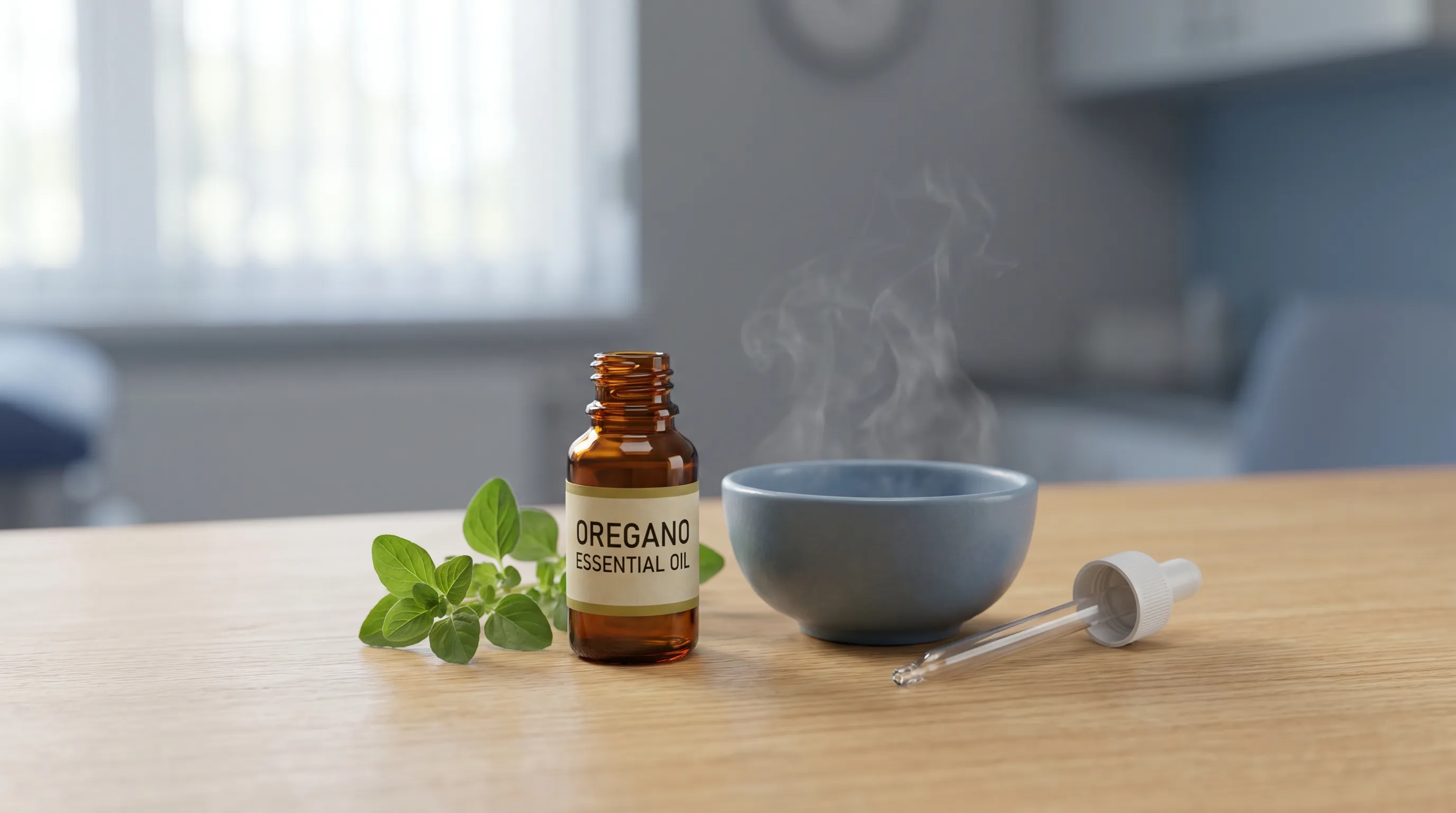
Steam inhalation remains the most direct and rapidly effective method for delivering oregano volatile compounds to the nasal and paranasal mucosa. The procedure begins by heating purified water to a gentle simmer, ensuring it is not boiling aggressively to prevent mucosal burns. Add precisely two to three drops of food-grade, carvacrol-rich oregano essential oil to a large heat-resistant ceramic or stainless steel bowl. Immediately lean over the bowl at a safe distance, typically twelve to fourteen inches above the surface, and drape a lightweight cotton towel over the head to create an enclosed vapor chamber. Breathe slowly and deeply through the nose for eight to ten minutes, keeping eyes closed to prevent vapor irritation. This method delivers concentrated antimicrobial and anti-inflammatory compounds directly to compromised tissue while the warm moisture softens viscous mucus and enhances ciliary function. Perform this protocol twice daily during acute flare-ups, transitioning to once daily for maintenance as symptoms improve. Always maintain hydration by drinking warm water before and after the session to support systemic detoxification and mucus clearance.
Topical Dilution and Massage Techniques
Direct application to the facial skin can provide prolonged localized relief when executed with strict dilution guidelines. Oregano essential oil must never contact skin undiluted due to its potent phenolic concentration. Prepare a therapeutic dilution by combining one drop of oregano oil with one tablespoon of a neutral carrier oil such as jojoba, fractionated coconut, or sweet almond oil, achieving approximately a 0.5 to 1 percent concentration. Apply this mixture to the lateral nasal bridge, cheekbones, and temporal regions using gentle circular massage strokes. Avoid direct application inside the nostrils or on broken, compromised skin. The transdermal absorption of diluted phenolic compounds provides localized anti-inflammatory effects while the massage action stimulates lymphatic drainage and reduces facial pressure. Repeat applications two to three times daily, washing hands thoroughly after contact and monitoring for any signs of contact sensitivity. Individuals with rosacea, sensitive skin, or history of contact dermatitis should perform a patch test on the inner forearm forty-eight hours before facial application.
Internal Supplementation Considerations
While topical and inhalation methods target localized sinus tissue, internal supplementation can address systemic inflammation and microbial imbalances that contribute to chronic respiratory vulnerability. High-quality enteric-coated capsules standardized to seventy percent carvacrol content offer controlled delivery that bypasses initial gastric exposure. Typical adult dosing ranges from two hundred to four hundred milligrams per day, divided into two doses with meals to enhance absorption and minimize digestive upset. Internal use should be limited to acute intervention periods lasting seven to fourteen days, followed by a minimum one-week break to prevent gastrointestinal microbiome disruption. This approach requires careful consideration of individual health status, medication interactions, and liver metabolism capacity. Consulting a qualified healthcare provider before initiating internal oregano oil supplementation ensures appropriate dosing, timing, and monitoring, particularly for individuals managing chronic conditions or taking prescription pharmaceuticals. When integrated responsibly, internal administration complements localized applications by addressing underlying inflammatory and infectious drivers of sinus dysfunction.
Oregano Oil Versus Conventional Sinus Therapies
Comparing botanical interventions with pharmaceutical standards reveals distinct advantages and limitations that inform personalized treatment planning. Conventional sinus management relies heavily on synthetic decongestants, corticosteroid sprays, antihistamines, and targeted antibiotics, each addressing specific symptom domains. Oregano oil for sinus relief operates differently by targeting root pathophysiology rather than isolated symptoms. Understanding these comparative frameworks empowers individuals to select the most appropriate intervention based on condition severity, duration, and personal health philosophy.
| Feature | Oregano Oil (Botanical) | OTC Decongestant Sprays | Oral Antihistamines | Prescription Antibiotics |
|---|---|---|---|---|
| Primary Mechanism | Multi-target antimicrobial + anti-inflammatory | Vasoconstriction (α1-adrenergic) | Histamine receptor blockade | Targeted bacterial cell wall/protein inhibition |
| Onset of Relief | 10-20 minutes (inhalation), sustained over days | 5-15 minutes, rapid but short-lived | 30-60 minutes, systemic distribution | 48-72 hours for infection clearance |
| Rebound Risk | None when properly diluted and cycled | High after 3-5 consecutive days of use | Low to moderate (drowsiness, dry mouth) | Minimal when course completed correctly |
| Antimicrobial Action | Broad-spectrum (bacteria, viruses, fungi) | None | None | Narrow-spectrum (bacteria only) |
| Best Use Case | Viral rhinitis, mild-moderate congestion, chronic maintenance | Short-term acute blockage, pre-flight | Allergy-driven symptoms, seasonal triggers | Confirmed bacterial superinfection |
| Safety Profile | Excellent when diluted; contraindicated in pregnancy/children under 12 | Safe for brief use; caution in hypertension | Generally safe; sedating effects vary | Requires prescription; GI disruption risk |
Advantages of Phytotherapeutic Approaches
The polypharmacological nature of oregano essential oil provides comprehensive coverage that single-target pharmaceuticals cannot match. While decongestant sprays artificially shrink blood vessels, they do not address the underlying infection or inflammation driving the swelling. Corticosteroid nasal sprays effectively suppress immune signaling but can thin mucosal tissue with prolonged use and require consistent daily administration to maintain efficacy. In contrast, oregano oil actively reduces microbial load, modulates inflammatory pathways, and supports mucosal regeneration simultaneously. This multi-modal action often reduces the need for polypharmacy and minimizes the risk of medication interactions. Additionally, the natural degradation profile of botanical compounds prevents accumulation toxicity, making long-term rotational use safer when cycled appropriately with other supportive botanicals and lifestyle modifications.
Limitations and When to Seek Medical Intervention
Despite its impressive therapeutic profile, oregano oil is not a substitute for professional medical evaluation in severe or complicated sinus disease. Acute bacterial sinusitis with high fever, purulent discharge, severe facial pain, or visual disturbances requires prompt clinical assessment and potentially targeted antibiotic therapy. Structural abnormalities such as severe nasal polyps or significantly deviated septums require procedural intervention that essential oils cannot correct. Individuals experiencing symptoms persisting beyond ten days without improvement should consult an otolaryngologist to rule out chronic infection, fungal involvement, or anatomical obstruction. Recognizing these limitations ensures that complementary botanical use enhances rather than delays appropriate clinical care.
Safety, Dosage, and Precautionary Guidelines
The potency that makes oregano essential oil therapeutically valuable also necessitates strict adherence to safety protocols. Essential oils are highly concentrated plant extracts containing hundreds of bioactive molecules per milliliter. Improper handling, excessive concentration, or inappropriate application routes can trigger adverse reactions ranging from mild skin irritation to respiratory distress. The NIH provides comprehensive safety guidelines for essential oil use and dilution to help mitigate these risks. Establishing clear safety parameters ensures that therapeutic benefits are realized without compromising tissue integrity or systemic health.
Proper Carrier Oils and Dilution Ratios
Dilution is non-negotiable when applying oregano oil topically. Standard therapeutic dilution for facial application ranges from 0.5 to 1 percent, meaning one drop of essential oil per one to two teaspoons of carrier oil. For individuals with sensitive skin or first-time users, begin at 0.25 percent (one drop per two tablespoons carrier oil) and assess tolerance before increasing concentration. Neutral carrier oils such as fractionated coconut oil, sweet almond oil, or jojoba oil provide stable lipid vehicles that facilitate gradual transdermal absorption without introducing additional irritants. Always mix thoroughly and apply sparingly, avoiding ocular contact, mucosal membranes, and compromised skin barriers. Store prepared dilutions in dark glass bottles away from direct sunlight and heat to preserve compound integrity and prevent oxidation.

Contraindications and Sensitive Populations
Certain populations must exercise extreme caution or completely avoid oregano oil due to physiological vulnerability or metabolic differences. Pregnant and breastfeeding individuals should refrain from use due to limited safety data and potential uterine stimulation properties of high-concentration phenols. Children under twelve possess developing respiratory systems and thinner skin barriers that increase absorption rates and irritation risk. Pediatric use requires explicit pediatrician approval and significantly reduced concentrations when deemed appropriate. Individuals with bleeding disorders or scheduled surgery should discontinue use at least two weeks prior, as oregano compounds exhibit mild anticoagulant activity that may interact with hemostatic processes. Diabetics and those on antihypertensive medications should monitor blood parameters closely, as botanical interventions can influence metabolic and cardiovascular regulation.
Recognizing and Managing Adverse Reactions
Adverse reactions typically manifest as localized burning, erythema, itching, or headache within minutes of application. If skin irritation occurs, immediately discontinue use and cleanse the area with a carrier oil to dissolve residual essential oil, followed by gentle washing with mild soap and water. Avoid water-only rinsing initially, as essential oils are lipophilic and do not dissolve in aqueous solutions. Respiratory irritation during steam inhalation presents as coughing, wheezing, or throat tightening. In such cases, move to fresh air immediately, discontinue inhalation, and hydrate thoroughly. Most mild reactions resolve within one to two hours. Persistent symptoms, widespread urticaria, or breathing difficulties require immediate medical evaluation to rule out hypersensitivity or anaphylaxis. Documenting reactions and discontinuing use prevents future episodes and guides safer botanical selection.
Synergistic Lifestyle and Dietary Strategies
Optimal sinus recovery extends beyond targeted botanical application to encompass foundational lifestyle and nutritional habits that support mucosal healing, immune resilience, and long-term respiratory health. Integrating complementary practices creates an environment where oregano oil can function most effectively while addressing underlying vulnerabilities that predispose individuals to recurrent congestion.
Nasal Hygiene and Saline Irrigation
Regular nasal irrigation remains one of the most clinically supported mechanical interventions for sinus maintenance. Isotonic saline flushes physically remove trapped mucus, allergens, and inflammatory mediators from the nasal passages and sinus ostia. Performing gentle saline irrigation once or twice daily using a sterile squeeze bottle or neti pot significantly enhances mucociliary clearance and reduces biofilm accumulation. The CDC strongly recommends using only distilled, sterile, or previously boiled and cooled water for nasal rinsing to prevent rare but serious pathogenic exposure. Combining saline irrigation with oregano oil steam inhalation creates a sequential cleansing and treatment protocol that optimizes therapeutic penetration and accelerates recovery timelines.
Anti-Inflammatory Nutrition and Hydration
Systemic inflammation directly influences mucosal vulnerability and recovery speed. Dietary patterns rich in omega-3 fatty acids, polyphenol-dense vegetables, fermented foods, and adequate hydration create an internal environment that actively suppresses chronic inflammatory signaling. Prioritize wild-caught fatty fish, leafy greens, berries, turmeric, ginger, and bone broth while minimizing refined carbohydrates, industrial seed oils, and processed foods that promote inflammatory cytokine production. Hydration status is equally critical; consuming 2.5 to 3 liters of water daily ensures mucus remains thin and transportable. Herbal teas containing peppermint, chamomile, and marshmallow root provide additional mucosal soothing benefits while supporting gentle diuresis and detoxification. When nutritional and hydration foundations are optimized, targeted interventions like oregano oil for sinus relief produce faster, more durable outcomes with reduced recurrence frequency.

Frequently Asked Questions
Is oregano oil for sinus congestion scientifically proven?
While large-scale human trials are limited, peer-reviewed studies confirm that carvacrol and thymol—the primary compounds in oregano oil—exhibit potent antimicrobial and anti-inflammatory effects that target the pathogens and mucosal swelling associated with sinusitis. Research published in journals and indexed by the National Institutes of Health consistently validates these biochemical mechanisms, supporting its role as a complementary respiratory therapy.
Can I apply undiluted oregano oil directly to my sinuses?
No, applying undiluted essential oil to nasal tissues or skin is strongly discouraged. Oregano oil is highly concentrated and can cause severe mucosal burns, contact dermatitis, and respiratory irritation. Always dilute with a carrier oil before topical use, and restrict direct application to external facial areas using safe dilution ratios established by aromatherapy clinical guidelines.
How long does it typically take to experience relief?
Most individuals notice temporary airway opening and reduced pressure within 10 to 20 minutes after steam inhalation. For persistent inflammation, consistent use over three to five days alongside proper hydration and nasal hygiene typically yields optimal results. Chronic conditions may require extended rotational protocols spanning two to four weeks with appropriate rest periods to prevent tolerance or tissue sensitivity.
Can children safely use oregano oil for sinus issues?
Pediatric use requires extreme caution. Children under twelve should generally avoid direct essential oil applications. Always consult a pediatrician first, use significantly lower dilution ratios, and prioritize saline irrigation or medical humidification instead. The thinner epidermal barrier and developing respiratory pathways in children increase absorption rates and irritation potential, making adult dilution protocols inappropriate for younger populations.
Does oregano oil interact with prescription sinus medications?
Yes, it may interact with anticoagulants, antidiabetic drugs, and certain antihypertensives. Oregano oil can enhance the effects of blood thinners and influence metabolic pathways. Always disclose essential oil use to your prescribing physician to prevent adverse reactions. While topical and inhalation routes carry lower systemic interaction risk, internal supplementation requires careful clinical oversight to ensure medication safety.
Key Takeaways
Oregano oil for sinus relief represents a scientifically grounded, multi-targeted botanical intervention that addresses the core pathophysiology of nasal congestion and mucosal inflammation. By leveraging the synergistic actions of carvacrol and thymol, individuals can achieve meaningful reductions in microbial load, localized edema, and mucus viscosity without relying exclusively on synthetic pharmaceuticals. Safe implementation requires strict adherence to dilution protocols, appropriate delivery methods, and realistic expectation setting regarding recovery timelines. When integrated with consistent nasal hygiene, anti-inflammatory nutrition, and adequate hydration, oregano essential oil becomes a powerful component of a holistic respiratory wellness strategy. Always prioritize tissue safety, recognize contraindications, and maintain open communication with healthcare providers when combining botanical therapies with conventional treatments. Through informed, responsible application, individuals can harness nature's biochemical precision to restore clear breathing, support mucosal resilience, and cultivate lasting sinus health that extends far beyond temporary symptom suppression. The evidence supports oregano oil for sinus management as a viable complementary approach that honors both scientific validation and traditional medicinal wisdom, offering a sustainable pathway toward optimal upper respiratory function.
How we work
Researched and drafted with AI assistance, then reviewed by a human editor against the cited sources.
This article is general health information, not medical advice. Consult a qualified healthcare professional about your own situation.