Lip Bruise: Causes, Healing Timeline, Treatment, and Prevention Guide
A sudden bump to the mouth during a routine activity or an unexpected fall can quickly result in a visible, often painful lip bruise. The lips are among the most sensitive and highly vascularized areas of the human face, making them exceptionally prone to discoloration and swelling when minor trauma occurs. While a lip bruise is typically a harmless, self-limiting condition that resolves on its own, it can cause significant discomfort, affect speech, and interfere with eating and smiling. Understanding why this common injury happens, how the body naturally repairs damaged tissue, and which evidence-based interventions can safely accelerate recovery is essential for effective self-care. This comprehensive guide explores the physiological mechanisms behind bruising, outlines proven treatment strategies, and provides actionable steps to protect and heal delicate lip tissue, ensuring you have the knowledge to manage a lip bruise confidently and safely.
Understanding the Anatomy and Physiology of a Lip Bruise
The human lip is a specialized anatomical structure designed for speech articulation, sensory perception, and mastication initiation. It consists of an external cutaneous surface, an internal oral mucosa, and a transitional zone known as the vermilion border. Unlike typical facial skin, the vermilion region lacks sweat glands, sebaceous glands, and protective hair follicles. This anatomical absence means the lip epithelium is remarkably thin, often measuring only a few cell layers thick, and offers minimal structural buffering against external forces. Beneath this fragile surface lies an exceptionally dense network of capillaries and small venules that supply the area with oxygen and nutrients. This rich vascular architecture is precisely why even minor compression or shearing forces can trigger rapid discoloration and localized swelling.
Free calculatorHeadache Location ChartIdentify headache types by locationOpen the calculatorWhen blunt force impacts the lip, the underlying capillary endothelial cells experience mechanical stress that exceeds their structural integrity, resulting in microtears or complete rupture. Blood, specifically red blood cells and plasma proteins, extravasates from the compromised vessels and infiltrates the subepithelial connective tissue. The body immediately initiates a coordinated hemostatic response. Platelets aggregate at the site of vascular injury, releasing adenosine diphosphate and thromboxane A2 to recruit additional platelets and form a temporary plug. Concurrently, the coagulation cascade activates, converting soluble fibrinogen into insoluble fibrin strands that reinforce the platelet matrix and stabilize the damaged vessel walls.
As trapped red blood cells begin to degrade within the interstitial space, macrophages are recruited to the injury site through chemotactic signaling pathways involving histamine, bradykinin, and prostaglandins. These phagocytic cells systematically break down hemoglobin through enzymatic pathways. The initial red and purple hues stem from oxygenated and deoxygenated hemoglobin respectively. Over subsequent days, hemoglobin oxidase activity converts hemoglobin to biliverdin, producing a characteristic greenish tint. Further degradation yields bilirubin and eventually hemosiderin, an iron-storage complex responsible for the yellowish-brown discoloration typical of the late healing phase. The entire physiological clearance process relies heavily on functional lymphatic drainage, which gradually removes cellular debris and metabolic byproducts from the interstitial fluid (Mayo Clinic - Bruise: Symptoms & Causes).
Common Causes and Risk Factors
 Trauma remains the most prevalent catalyst for a lip bruise. Everyday activities frequently expose the oral region to mechanical stress. Accidental bites during chewing, particularly when distracted or experiencing altered bite alignment from dental work, can rupture superficial vessels with surprising ease. Contact sports, cycling, skateboarding, and recreational falls account for a significant portion of acute lip injuries. Even seemingly gentle activities like kissing or pressing objects against the mouth can cause capillary damage in individuals with inherently fragile vessel walls or those experiencing acute inflammation from recent cosmetic procedures.
Dental interventions and cosmetic treatments represent another major category of causative factors. Injectable fillers, lip augmentation procedures, and extensive dental surgeries require needle penetration or tissue manipulation that inevitably disrupts microvascular networks. Post-procedural bruising is generally expected and typically resolves within one to two weeks as part of normal healing. However, aggressive injection techniques, improper needle placement, or failure to compress the site adequately can exacerbate bleeding and extend recovery timelines. Patients undergoing these procedures should always receive detailed aftercare instructions from licensed professionals to minimize vascular complications.
Underlying medical conditions and pharmacological agents significantly influence susceptibility to lip bruising. Anticoagulant and antiplatelet medications such as warfarin, clopidogrel, and routine aspirin therapy impair normal clotting mechanisms, transforming minor impacts into prolonged bleeding episodes and extensive bruising (Cleveland Clinic - How to Treat a Bruise). Age-related physiological changes also play a crucial role. As individuals mature, collagen production declines, elastin fibers degrade, and subcutaneous fat pads diminish, leaving blood vessels increasingly unprotected from mechanical trauma. Nutritional deficiencies, particularly inadequate intake of vitamins C, K, and B12, compromise vascular integrity and coagulation factor synthesis. Systemic disorders including von Willebrand disease, hemophilia, thrombocytopenia, and chronic liver conditions impair hemostatic pathways, resulting in disproportionate bruising from minimal force. Recognizing these risk factors enables individuals to modify behaviors, adjust medication regimens under medical supervision, and implement proactive protective measures.
Recognizing the Signs and Symptoms
Identifying the characteristic presentation of a lip bruise involves understanding the temporal progression of tissue changes and differentiating it from other oral lesions. The initial phase, occurring within minutes to hours post-trauma, features localized tenderness, mild to moderate swelling, and erythema. The area may feel firm or tight due to acute inflammatory edema and interstitial fluid accumulation. As bleeding stabilizes, visible discoloration emerges, progressing through predictable chromatic stages that reflect underlying biochemical transformations of hemoglobin derivatives.
| Symptom Feature | Simple Lip Bruise | Oral Hematoma | Viral Lesion (Cold Sore) | Angioedema |
|---|---|---|---|---|
| Appearance | Flat discoloration progressing through red, purple, green, yellow | Raised, fluctuant lump beneath mucosa | Fluid-filled blister cluster, crusting | Diffuse swelling, pale or normal color |
| Pain Level | Mild to moderate, pressure-sensitive | Dull ache, pressure buildup | Burning, tingling, sharp pain | Tightness, rarely painful |
| Onset Timeline | Immediate post-trauma | Within 30-120 minutes | Prodrome 12-24 hours, then blister | Rapid, allergic or idiopathic |
| Resolution | 7-14 days | 10-21 days | 5-10 days | Hours to 3 days |
| Triggers | Blunt force, impact | High-impact trauma | Stress, immune suppression | Allergens, medications, genetic |
Beyond color changes, patients frequently report functional limitations. Swollen lips may alter phonation, making pronunciation of bilabial consonants challenging. Mastication can become uncomfortable if the bruised tissue contacts teeth or if jaw movement stretches inflamed fibers. In severe cases, mucosal splitting or minor lacerations may accompany bruising, introducing infection risk and requiring wound care management. Distinguishing a traumatic bruise from infectious or allergic presentations ensures appropriate intervention pathways. Herpetic lesions typically present with prodromal tingling followed by vesicular formation rather than diffuse ecchymosis. Allergic angioedema causes sudden, non-pitting swelling without discoloration progression and often involves periorbital regions. Accurate symptom assessment guides targeted treatment selection and prevents unnecessary medication use.
Immediate First Aid and Initial Management
The first forty-eight hours following lip trauma represent a critical window for minimizing hemorrhage and controlling inflammatory response. Implementing structured first aid protocols during this phase directly influences recovery speed and final tissue outcome. For standardized guidelines on managing minor soft tissue injuries, consult CDC first aid recommendations. Cold therapy stands as the cornerstone of acute management. Applying low temperatures causes vasoconstriction, effectively reducing blood flow to the injured capillaries and limiting extravasation. Additionally, cold exposure temporarily decreases nerve conduction velocity, providing immediate analgesic relief and reducing discomfort.
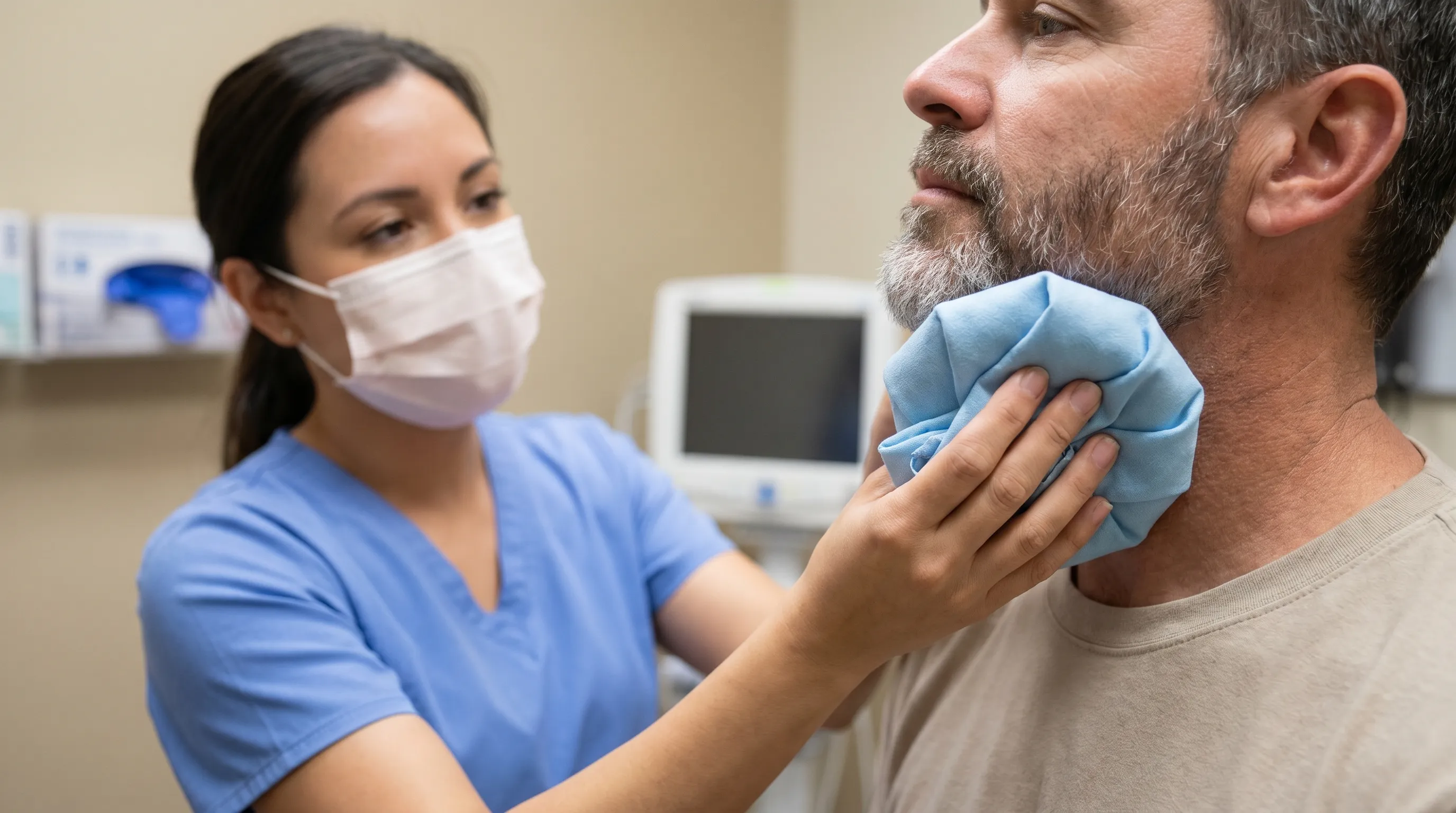
To execute cold therapy safely, select a flexible gel pack or standard ice cubes wrapped securely within a clean cotton cloth or paper towel. Never apply frozen materials directly to mucosal surfaces. Place the compress gently against the bruised area for ten to fifteen minutes, then remove it completely to allow tissue rewarming. Repeat this cycle three to four times daily during the initial two days. Prolonged continuous application risks cold-induced vasodilation and potential tissue damage, counteracting therapeutic benefits.
Gentle manual pressure complements thermal therapy during the first hours post-injury. Using a sterile gauze pad or clean tissue, apply steady, moderate pressure for five to ten minutes to encourage hemostatic plug formation. Avoid aggressive rubbing or massaging, which disrupts forming clots and forces additional blood into interstitial spaces. Maintaining an elevated head position, particularly during sleep, utilizes gravity to reduce hydrostatic pressure in facial vasculature. Stack additional pillows to keep the head elevated above cardiac level, minimizing overnight swelling accumulation.
Pain management during the acute phase requires careful pharmacological consideration. Acetaminophen provides effective analgesia without interfering with platelet aggregation or coagulation pathways. Nonsteroidal anti-inflammatory drugs like ibuprofen offer dual benefits of pain relief and inflammation reduction but should be introduced cautiously after the first twenty-four hours to avoid prolonging initial bleeding. Aspirin must be strictly avoided due to irreversible cyclooxygenase inhibition that significantly impairs hemostasis. Proper medication selection ensures comfort while supporting natural vascular repair processes.
Evidence-Based Home Remedies and Self-Care
Once the acute hemorrhagic phase concludes, typically after forty-eight hours, therapeutic focus shifts toward promoting circulation, clearing metabolic waste, and supporting tissue regeneration. Warm compress application becomes the primary intervention during this stage. Heat therapy induces vasodilation, increasing blood flow to the bruised region. Enhanced perfusion delivers oxygen, nutrients, and immune cells necessary for macrophage activity while accelerating lymphatic drainage of breakdown products. Apply a warm, damp towel for ten to fifteen minutes, three to four times daily. Temperature should remain comfortably warm, never hot, to prevent epithelial irritation or thermal injury.
Botanical extracts and nutritional supplements demonstrate promising clinical support for accelerated bruise resolution. Arnica montana, derived from alpine herb flowers, contains sesquiterpene lactones that modulate inflammatory cytokine production and reduce capillary permeability. Research on complementary herbal treatments supports its topical application for soft tissue trauma (NIH National Center for Complementary and Integrative Health - Arnica). Clinical studies indicate that topical arnica formulations, specifically designed for delicate mucosal areas, significantly decrease ecchymosis size and pain intensity compared to placebo groups. Always verify product labeling for mucosal-safe concentrations and avoid application on broken skin or open wounds.
Bromelain supplementation offers systemic benefits through its proteolytic enzyme activity. Extracted from pineapple stems, bromelain facilitates fibrin degradation and reduces tissue edema. Typical dosing ranges from 250 to 500 milligrams taken two to three times daily between meals to maximize absorption. Individuals with bleeding disorders or those scheduled for surgical procedures should discontinue bromelain use and consult prescribing physicians.
Nutritional optimization plays a foundational role in structural repair. Vitamin C stimulates fibroblast proliferation and collagen cross-linking, essential for restoring vessel wall integrity. Citrus fruits, bell peppers, and broccoli provide abundant ascorbic acid alongside bioflavonoids that synergistically strengthen capillary networks. Vitamin K supports hepatic synthesis of functional coagulation factors II, VII, IX, and X. Leafy greens including kale, spinach, and Brussels sprouts deliver concentrated menadione derivatives crucial for hemostatic stability. Zinc and high-quality protein intake ensure adequate amino acid availability for cellular proliferation and matrix reconstruction.
Hydration status directly influences blood viscosity and lymphatic efficiency. Consuming adequate water volumes maintains optimal interstitial fluid balance, facilitating waste removal and nutrient delivery. Dehydration thickens blood flow, slowing clearance of hemoglobin derivatives and prolonging visible discoloration. Implement a structured dietary approach featuring whole foods, lean proteins, complex carbohydrates, and antioxidant-rich fruits while eliminating excessive sodium and processed sugars that exacerbate fluid retention and inflammatory responses.
Medical Treatments and Professional Interventions
While most bruised lips resolve through conservative management, certain clinical scenarios necessitate professional evaluation and advanced therapeutic interventions. Persistent hematomas that fail to reduce after ten days may indicate encapsulated blood collections or ongoing microhemorrhage. Medical providers can perform ultrasound assessment to differentiate between simple edema, organized hematoma, and potential vascular malformations. Large, symptomatic hematomas occasionally require sterile needle aspiration or incision and drainage to relieve pressure and prevent tissue necrosis, though lip region procedures carry elevated bleeding risks due to dense vascularity and require specialized clinical expertise.
Pulsed dye laser therapy has emerged as a highly effective modality for accelerating bruise clearance in cosmetic and post-surgical patients. The laser emits specific wavelengths targeting oxyhemoglobin and deoxyhemoglobin chromophores, generating controlled photothermal energy that fragments trapped blood cells and stimulates macrophage recruitment without damaging surrounding tissue. Single treatments often yield dramatic improvement in discoloration within seventy-two hours. This technology is particularly valuable for patients preparing for professional events or those experiencing occupational concerns regarding visible facial bruising.
Prescription interventions may be warranted for severe inflammation or secondary complications. Topical corticosteroid formulations can rapidly reduce refractory edema when applied judiciously for short durations. Oral antihistamines address concomitant allergic swelling that compounds traumatic injury. In cases where bruising occurs spontaneously without trauma, comprehensive diagnostic workups including complete blood count, prothrombin time, activated partial thromboplastin time, and platelet function assays identify underlying coagulopathies, hepatic dysfunction, or hematologic malignancies. For detailed information on evaluating unexplained bleeding disorders, consult NIH MedlinePlus. Early identification of systemic contributors enables targeted treatment and prevents recurrent episodes.
Prevention Strategies and Daily Lip Care
Proactive protection of lip tissue significantly reduces the incidence and severity of a lip bruise. During high-impact sports or recreational activities, wearing custom-fitted mouthguards absorbs and disperses kinetic energy away from delicate oral structures. Properly fabricated guards extend coverage to labial surfaces while maintaining comfortable airflow and speech capability. Regular equipment inspection ensures optimal cushioning and prevents degradation that compromises protective qualities.
Routine moisturization maintains epithelial pliability and prevents micro-fissures that weaken barrier function. Apply fragrance-free, hypoallergenic lip balms containing ceramides, squalane, and occlusive agents like beeswax or petroleum jelly multiple times daily, particularly before outdoor exposure. Ultraviolet radiation degrades collagen and elastin, accelerating photoaging and vascular fragility. Incorporate broad-spectrum lip sunscreen with SPF 30 or higher into daily routines, reapplying every two hours during prolonged sun exposure or physical activity.
Avoid habitual lip biting, excessive exfoliation, and harsh chemical treatments that strip protective lipid layers. Replace aggressive toothbrushing techniques with soft-bristled alternatives and gentle circular motions that prevent accidental mucosal trauma. Review medication regimens with prescribing physicians to assess bleeding risk profiles and explore alternative formulations when bruising becomes problematic. Individuals undergoing dental procedures should adhere strictly to pre-procedural and post-procedural instructions, including temporary suspension of non-essential anticoagulants under direct medical guidance.
 Maintaining comprehensive oral health reduces structural vulnerabilities. Regular dental examinations identify malocclusions, sharp tooth edges, and ill-fitting prosthetics that create repetitive friction against labial tissue. Addressing these mechanical irritants through orthodontic adjustments, enamel smoothing, or prosthetic modifications eliminates chronic low-grade trauma that predisposes individuals to sudden severe bruising.
Frequently Asked Questions
How long does it typically take for a lip bruise to heal completely?
A typical lip bruise follows a predictable healing timeline of 7 to 14 days. The initial 24 to 48 hours are marked by peak inflammation and dark discoloration. Between days 3 and 5, the bruise usually shifts to a greenish or yellowish hue as the body breaks down hemoglobin into bilirubin and hemosiderin. Complete resolution occurs by the end of the second week as macrophages clear cellular debris and lymphatic drainage restores normal tissue coloration. Healing may extend beyond two weeks if the trauma was severe, if the individual is taking anticoagulant medications, or if underlying nutritional deficiencies impair collagen synthesis.
Is it safe to apply ice directly to a bruised lip to reduce swelling?
Direct application of ice to the delicate mucosal tissue of the lip is not recommended and can cause localized frostbite or tissue necrosis. The lip epithelium is extremely thin, highly vascularized, and lacks the protective keratinized layer found elsewhere on the body. To safely utilize cold therapy, always wrap ice packs or frozen gel compresses in a clean, thin cloth or paper towel. Apply the wrapped compress for 10 to 15 minutes at a time, allowing the tissue to return to baseline temperature before reapplying. This controlled approach effectively constricts blood vessels to limit capillary leakage while preventing thermal injury to sensitive oral structures.
What is the difference between a simple lip bruise and a traumatic hematoma?
A simple lip bruise involves superficial capillary rupture where blood diffuses into the surrounding submucosal tissue, causing flat discoloration that resolves naturally. In contrast, a traumatic hematoma represents a localized collection of blood that pools beneath the tissue surface, creating a palpable, raised lump or mass. Hematomas typically result from higher-impact trauma and may compromise tissue viability by exerting pressure on local blood supply. While small hematomas can reabsorb over time, larger or rapidly expanding collections may require clinical evaluation to prevent infection, tissue necrosis, or interference with normal oral function. Persistent swelling that does not flatten after 48 hours warrants professional assessment.
Can certain dietary supplements accelerate the healing of a bruised lip?
Evidence suggests that specific nutrients and botanical compounds can support the physiological processes involved in bruise resolution. Bromelain, an enzyme extracted from pineapple stems, has demonstrated fibrinolytic and anti-inflammatory properties that may reduce edema and accelerate tissue clearance. Vitamin C is essential for hydroxylation of collagen precursors, strengthening capillary walls to prevent further leakage. Vitamin K plays a direct role in the coagulation cascade by activating clotting factors that stabilize damaged vessels. Topical arnica montana, when formulated for mucosal safety, may modulate cytokine release and reduce pain perception. Always consult a healthcare provider before initiating supplements, especially when managing concurrent medications.
When should I see a doctor instead of treating a lip bruise at home?
Seek immediate medical evaluation if the lip bruise is accompanied by signs of infection such as fever, purulent discharge, increasing warmth, or spreading redness. Consult a healthcare professional if the swelling compromises breathing, speech, or swallowing capabilities. Unexplained or recurrent bruising without identifiable trauma may indicate underlying coagulopathies, platelet dysfunction, or vitamin deficiencies requiring laboratory investigation. Additionally, bruises that show no signs of color progression or size reduction after ten days, or those resulting from severe facial trauma that may involve dental fractures or bone injury, require comprehensive clinical assessment to prevent long-term complications.
Key Takeaways
A lip bruise represents a common but physiologically complex response to microvascular trauma within one of the body's most delicate tissue regions. Understanding the sequential stages of hemoglobin degradation, implementing structured first aid protocols during the acute phase, and transitioning to circulation-promoting therapies during recovery significantly reduces healing timelines and discomfort. Evidence-based home remedies, nutritional optimization, and appropriate pharmacological selection provide safe, effective management strategies for most cases. Recognizing warning signs that necessitate professional medical intervention ensures underlying conditions are not overlooked while severe complications are prevented. Consistent protective measures, including mouthguard utilization during physical activities, daily hydration routines, and meticulous lip care, dramatically reduce recurrence rates and preserve long-term tissue integrity. By combining scientific understanding with practical self-care techniques, individuals can confidently navigate the healing process, minimize functional disruption, and maintain optimal oral health.
How we work
Researched and drafted with AI assistance, then reviewed by a human editor against the cited sources.
This article is general health information, not medical advice. Consult a qualified healthcare professional about your own situation.