Ingrown Hair or Herpes: How to Tell the Difference and What to Do Next

Noticing a new bump or sore in a sensitive area can trigger immediate concern, especially when the visual differences are subtle and the symptoms overlap. Many individuals find themselves navigating the difficult question of whether they are dealing with an ingrown hair or herpes, two conditions that require entirely different approaches to management. Understanding the anatomical, clinical, and viral distinctions between these skin presentations is essential for accurate identification, appropriate care, and peace of mind. While both can cause discomfort, localized swelling, and irritation, their origins, progression patterns, and long-term implications diverge significantly. This comprehensive guide will walk you through the clinical characteristics, diagnostic pathways, and evidence-based treatments that help differentiate mechanical follicle irritation from viral outbreaks. By examining the underlying biology, recognizing early warning signs, and applying proven self-care strategies, you will gain the knowledge needed to respond safely and effectively. Whether you are managing a minor grooming-related irritation or navigating a recurrent viral condition, professional guidance combined with informed self-monitoring ensures optimal skin health and minimizes complications.
Understanding the Core Differences Between Common Skin Bumps and Viral Infections
To accurately assess whether you are dealing with an ingrown hair or herpes, it is crucial to examine the fundamental biological mechanisms behind each condition. Skin lesions rarely appear without an underlying trigger, and identifying that trigger dictates the appropriate treatment pathway. The dermatological landscape is filled with benign irritations, inflammatory responses, and infectious processes that can mimic one another, making clinical literacy a valuable tool for everyday health management.
Free calculatorLab Values Reference ChartComplete reference chart for medical lab valuesOpen the calculatorDefining Pseudofolliculitis and Hair Follicle Trapping
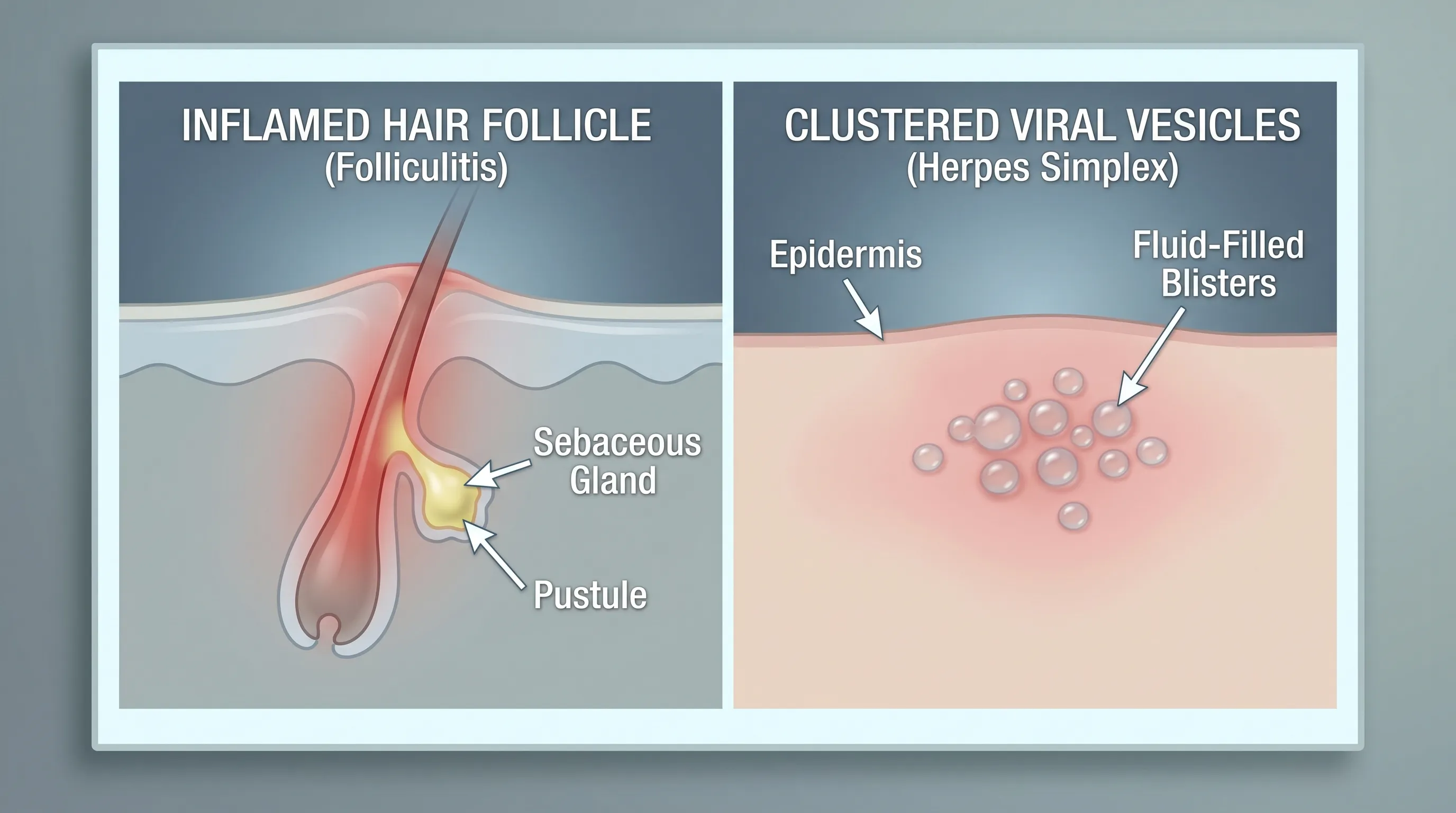
An ingrown hair, medically referred to as pseudofolliculitis, occurs when a hair shaft curls back or grows sideways into the surrounding dermal tissue instead of emerging through the epidermal surface. This mechanical misdirection triggers a localized foreign-body reaction, prompting the immune system to send inflammatory cells to the site. The result is a red, tender, and often swollen bump that closely resembles a pimple. Individuals with curly, coarse, or tightly coiled hair textures are particularly susceptible because the natural curvature of the shaft makes it more likely to re-enter the skin after cutting. Repeated friction from tight clothing, improper shaving techniques, and aggressive waxing further increase the likelihood of follicle entrapment. Over time, chronic inflammation can lead to hyperpigmentation, raised keloid scars, or small cyst-like formations if left unaddressed. Importantly, ingrown hairs are entirely mechanical and non-contagious. They do not spread through contact, sexual activity, or environmental exposure. Their presence is strictly localized to areas where hair removal or friction occurs, and resolution depends primarily on mechanical release of the trapped shaft and reduction of local inflammation.
Understanding the Herpes Simplex Virus Lifecycle
In stark contrast, herpes is a viral infection caused by the herpes simplex virus, which exists in two primary strains: HSV-1 and HSV-2. Both strains can infect the oral and genital regions, though HSV-2 is more commonly associated with genital presentations. The virus enters the body through microscopic breaks in the mucous membranes or skin, traveling along nerve pathways to establish latency in sensory ganglia. Once dormant, the virus can reactivate due to various physiological or psychological triggers, including stress, illness, hormonal fluctuations, ultraviolet exposure, or compromised immune function. During reactivation, the virus travels back down the nerve to the skin surface, producing a localized outbreak. Unlike ingrown hairs, herpes lesions are contagious and spread through direct skin-to-skin contact, even when no visible sores are present, due to asymptomatic viral shedding. Understanding this viral lifecycle clarifies why the condition requires antiviral intervention rather than mechanical or topical exfoliation. Recognizing the difference between a localized inflammatory response and a neurotropic viral infection is the first critical step in determining whether you are experiencing an ingrown hair or herpes. For more information on viral transmission, consult the Centers for Disease Control and Prevention.
Visual Identification: How to Distinguish Between the Two
Clinical appearance provides the most immediate clues when evaluating a suspicious lesion. Dermatologists rely on morphological features, spatial distribution, and temporal progression to differentiate benign follicular irritation from viral eruptions. By carefully observing these characteristics, you can make a more informed preliminary assessment before seeking professional confirmation.
Morphology and Surface Characteristics
The surface presentation of an ingrown hair typically manifests as a solitary, dome-shaped papule with a central dark spot or visible hair shaft beneath translucent skin. The surrounding area often exhibits mild erythema and may feel firm to the touch. As inflammation progresses, a small pustule may form, but it rarely ulcerates deeply. Herpes lesions, conversely, present as grouped vesicles that appear on an erythematous base. These fluid-filled blisters are characteristically fragile and rupture easily, leaving shallow, painful ulcers with a distinct border. As the healing process advances, the ulcers crust over with a yellowish or honey-colored scab before gradually flattening. The clustered, blister-like nature of herpes sores is a hallmark diagnostic feature that rarely appears in mechanical follicle irritation.
Anatomical Distribution and Typical Locations
Location plays a significant role in differential assessment. Ingrown hairs most frequently develop in areas subjected to frequent shaving, waxing, or friction, including the beard region, neckline, armpits, bikini line, inner thighs, and pubic area. They rarely appear on mucosal surfaces or inside the genital opening. Herpes outbreaks can occur anywhere along the dermatomal distribution of infected nerves, commonly affecting the external genitalia, perianal region, inner thighs, buttocks, and oral mucosa. Lesions may also appear on less typical areas like the cervix, urethral opening, or mouth depending on the site of initial infection. If you are trying to determine whether a lesion is an ingrown hair or herpes, mapping the exact location relative to hair-bearing skin and mucosal boundaries provides valuable diagnostic context.
Temporal Progression and Healing Patterns
The timeline of lesion development offers another reliable differentiator. Ingrown hairs typically develop gradually following hair removal, peak within three to seven days as inflammation builds, and slowly resolve over ten to fourteen days once the hair is released. Healing leaves minimal residual markings unless secondary infection or chronic picking occurs. Herpes outbreaks follow a highly predictable progression: prodromal tingling or burning sensations precede blister formation within twenty-four to forty-eight hours. Vesicles rupture into ulcers over the next two to four days, followed by a crusting phase and complete epithelialization within ten to fourteen days. Recurrences may appear in the same location or nearby, maintaining a consistent temporal pattern. Tracking this timeline helps clarify whether you are dealing with an ingrown hair or herpes.
Key Symptoms and Warning Signs to Monitor
Beyond visual appearance, subjective symptoms provide critical diagnostic information. Sensory feedback, systemic involvement, and neurological cues often distinguish mechanical irritation from viral reactivation.
Sensory Cues and Pain Profiles
Ingrown hairs generally produce localized tenderness, mild throbbing, or a pruritic sensation. Pain intensifies with friction from clothing or direct pressure but rarely radiates. Herpes lesions, however, are frequently accompanied by a distinct prodrome of tingling, burning, itching, or neuralgia-like pain that precedes visible blistering by several hours to a day. Once lesions form, they tend to cause sharp, stinging discomfort, especially during urination if located near the urethral opening. This neurological involvement stems from the virus traveling along peripheral nerves, a phenomenon absent in purely mechanical follicle irritation.
Localized Inflammation Versus Systemic Indicators
While ingrown hairs remain strictly localized, primary herpes outbreaks often trigger systemic immune responses. During an initial HSV infection, individuals may experience fever, fatigue, headache, myalgia, and regional lymphadenopathy. Swollen, tender lymph nodes in the groin or axillary regions are common as the body mounts a systemic antiviral defense. Subsequent recurrences are usually milder and localized, but the presence of constitutional symptoms strongly suggests a viral etiology rather than a simple mechanical blockage. Monitoring for these systemic markers helps determine whether further diagnostic testing is necessary when evaluating an ingrown hair or herpes.
Underlying Causes, Transmission, and Risk Factors
Understanding the root causes behind each condition clarifies prevention strategies and reduces unnecessary anxiety. Mechanical and viral etiologies operate through entirely separate pathways, requiring distinct behavioral and environmental adjustments.
Mechanical Triggers and Grooming Habits
The primary drivers of pseudofolliculitis include improper hair removal techniques, dull razor blades, shaving against the grain, excessive exfoliation, and tight synthetic clothing. Individuals with naturally curly hair face a higher risk due to the inherent shaft curvature that facilitates re-entry into the epidermis. Repeated microtrauma disrupts the normal follicular architecture, leading to keratin plug formation and subsequent hair entrapment. Modifying grooming routines significantly reduces recurrence rates and supports healthier follicular function. For comprehensive advice on proper hair removal, refer to Cleveland Clinic's dermatology guidelines.
Viral Exposure and Reactivation Triggers
Herpes transmission occurs through direct mucocutaneous contact with infected secretions or lesions. The virus does not survive long on inanimate surfaces, making casual contact like sharing towels or toilet seats an unlikely transmission route. Once established, the virus remains dormant until specific triggers prompt reactivation. Common catalysts include prolonged psychological stress, acute illness, surgical procedures, hormonal shifts during menstruation or pregnancy, excessive sun exposure, and immunosuppressive medications. Identifying personal triggers enables proactive management and reduces outbreak frequency when navigating herpes symptoms.
Diagnostic Approaches and Professional Evaluation
Accurate diagnosis prevents misdirected treatment and ensures appropriate clinical management. While visual assessment provides strong indicators, laboratory confirmation remains the gold standard for viral identification.
Clinical Examination and Differential Diagnosis
Dermatologists and primary care providers evaluate lesion morphology, distribution, and patient history to formulate a preliminary diagnosis. They assess for characteristic features such as hair shaft visibility, vesicle clustering, ulcer depth, and crusting patterns. A thorough sexual health history, symptom timeline, and prior treatment attempts help rule out mimicking conditions like folliculitis, molluscum contagiosum, syphilis chancres, or contact dermatitis. Professional evaluation remains essential when differentiating between an ingrown hair or herpes.
Laboratory Testing and Swab Analysis
When visual assessment proves inconclusive, clinicians collect samples for polymerase chain reaction testing, which detects viral DNA with high sensitivity. Viral swabs must be taken from uncrusted lesions during the active phase for optimal accuracy. Blood tests measuring HSV-specific immunoglobulin G antibodies can determine past exposure but cannot pinpoint the location of the infection or distinguish between recent and historical exposure. Swab testing remains the preferred method for active lesion confirmation. Learn more about diagnostic protocols from authoritative sources like the Centers for Disease Control and Prevention and Mayo Clinic's dermatological guidelines.
Evidence-Based Treatment Strategies
Treatment approaches diverge significantly based on the underlying etiology. Mechanical blockages require gentle release and inflammation control, while viral infections demand targeted antiviral therapy and immune support.
Conservative Home Care and Topical Therapies
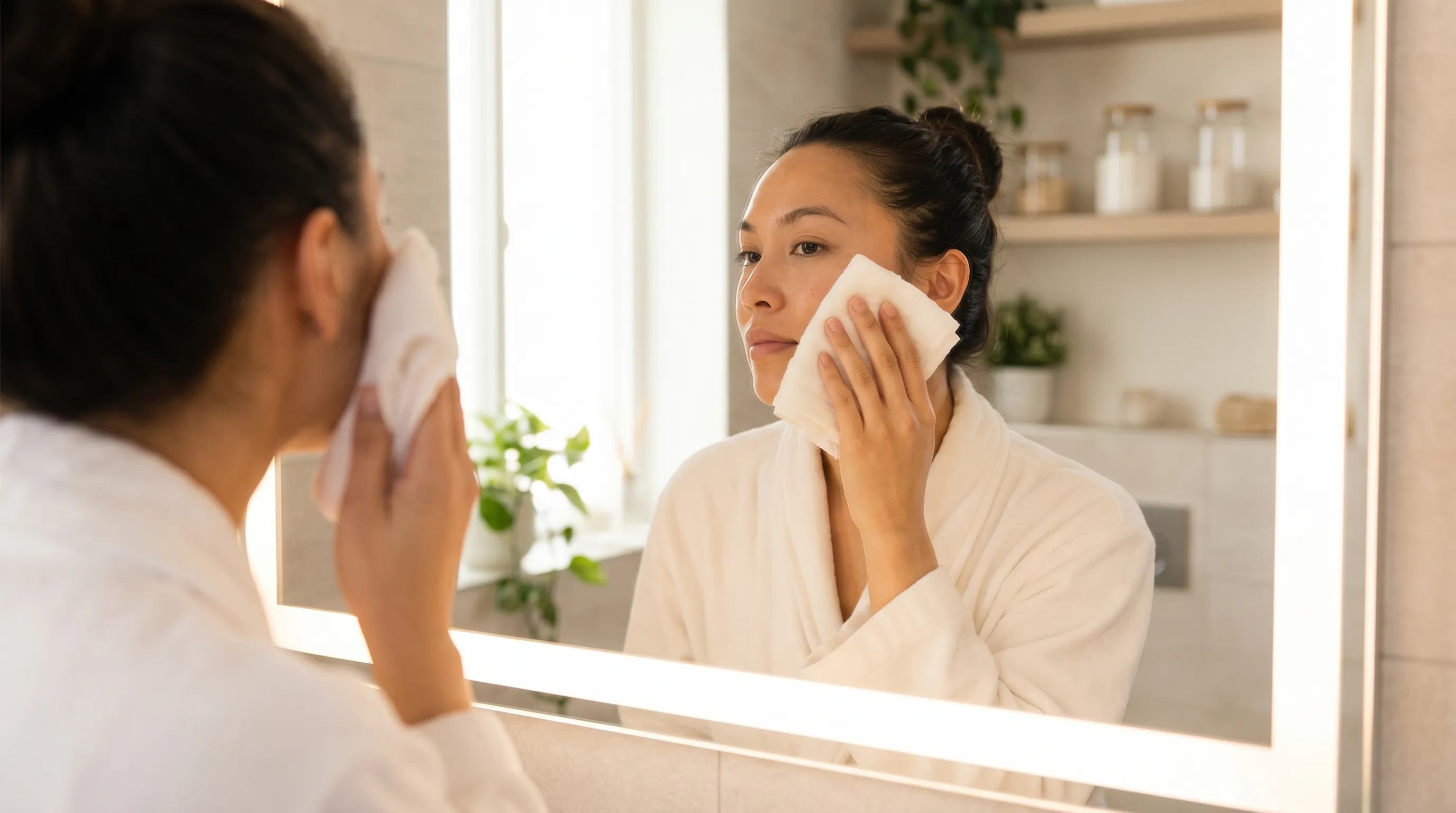
For ingrown hairs, warm compresses applied for ten to fifteen minutes, three to four times daily, help soften the skin and encourage natural hair emergence. Over-the-counter hydrocortisone creams reduce localized inflammation, while benzoyl peroxide or salicylic acid formulations prevent secondary bacterial colonization. Gentle exfoliation with a soft washcloth or chemical exfoliant removes dead keratin layers without causing microtrauma. Avoid picking, squeezing, or using sharp instruments to extract the hair, as this increases infection risk and scarring potential. If a bump persists or worsens, discontinue home management and seek clinical intervention.
Antiviral Regimens and Dermatological Procedures
Herpes management centers on prescription antiviral medications such as acyclovir, valacyclovir, or famciclovir. These agents inhibit viral replication, shorten outbreak duration, and reduce severity when initiated during the prodromal phase. Episodic therapy addresses individual outbreaks, while suppressive therapy involves daily dosing for individuals experiencing frequent recurrences. Topical anesthetics like lidocaine provide symptomatic relief during painful ulceration. For severe or atypical presentations, dermatologists may perform biopsy or advanced imaging to rule out co-infections. Explore comprehensive treatment frameworks through Planned Parenthood's clinical resources and the American Academy of Dermatology's skin care guidelines.
Prevention and Long-Term Management Protocols
Sustainable prevention requires consistent routine adjustments, environmental awareness, and proactive health monitoring. Implementing evidence-based strategies minimizes recurrence and supports resilient skin function.
Optimizing Shaving Techniques and Hair Removal
Adopting proper hair removal practices dramatically reduces follicular entrapment risk. Always use a sharp, single-blade razor and shave in the direction of hair growth. Pre-shave preparation with warm water and a non-comedogenic gel softens the hair shaft and reduces friction. Post-shave care should include alcohol-free soothing agents and fragrance-free moisturizers to restore barrier integrity. Consider alternative methods such as electric trimmers that maintain hair above the skin surface or professional laser hair reduction for long-term follicle management. Avoiding tight synthetic underwear immediately after grooming allows the skin to breathe and reduces mechanical irritation.
Strengthening Immune Defenses and Safe Practices
Viral management requires a holistic approach focused on immune optimization and risk reduction. Consistent sleep hygiene, balanced nutrition rich in lysine and omega-3 fatty acids, regular moderate exercise, and stress management techniques like mindfulness or cognitive behavioral therapy help stabilize immune function. Safe intimate practices, including barrier protection and open communication with partners, reduce transmission risk. Avoiding sexual contact during active outbreaks and prodromal phases significantly limits viral spread. Long-term suppressive therapy remains highly effective for individuals experiencing frequent episodes. Review evidence-based immune support strategies through the National Institutes of Health wellness guidelines and the World Health Organization's sexual health recommendations.
Navigating Complications and When to Seek Immediate Care
Ignoring persistent lesions or self-treating with inappropriate methods can lead to adverse outcomes. Recognizing warning signs ensures timely intervention and prevents chronic damage.
Secondary Bacterial Infections and Scarring Risks
Manipulating ingrown hairs introduces pathogenic bacteria into the dermis, potentially transforming a benign irritation into a furuncle or abscess. Staphylococcus aureus is a common culprit, leading to purulent drainage, expanding erythema, and increased pain. Chronic inflammation triggers melanocyte overactivity, resulting in persistent post-inflammatory hyperpigmentation, particularly in individuals with darker skin tones. Repeated trauma to the same follicular unit can cause permanent fibrotic scarring that distorts hair growth patterns. Preventive hygiene and professional extraction when necessary mitigate these complications.
Neurological Symptoms and Viral Spread Concerns
Untreated herpes outbreaks may increase transmission likelihood and prolong viral shedding periods. While the virus rarely causes severe complications in immunocompetent individuals, it can trigger autonomic dysfunction, urinary retention during severe primary infections, or neonatal herpes if transmitted during delivery. Psychological distress, relationship anxiety, and stigma often accompany recurrent outbreaks, underscoring the importance of mental health support alongside clinical management. Early antiviral intervention, consistent follow-up, and transparent communication with healthcare providers foster sustainable coping strategies. Determine whether you need urgent evaluation when differentiating an ingrown hair or herpes by consulting a board-certified dermatologist or infectious disease specialist.
Frequently Asked Questions
Can an ingrown hair look exactly like a herpes sore?
While initial appearances may overlap, they differ significantly in structure and behavior. Ingrown hairs present as single, firm bumps with visible trapped hair, whereas herpes manifests as clustered fluid-filled blisters that rupture into shallow ulcers. A dermatologist can differentiate them through clinical examination or laboratory confirmation.
How long does it take for an ingrown hair or herpes bump to heal?
Ingrown hairs typically resolve within one to two weeks once the trapped hair is released and inflammation decreases. Herpes lesions follow a predictable seven to fourteen-day cycle, progressing through blistering, ulceration, crusting, and complete healing, even with antiviral treatment.
Should I pop a bump to see if it is an ingrown hair?
Medical professionals strongly advise against piercing, squeezing, or draining any skin lesion. Doing so can force bacteria deeper into tissue, cause secondary infections, increase scarring, and potentially spread viral fluid. Instead, use warm compresses, gentle topical treatments, and professional evaluation.
Can stress cause an ingrown hair to appear?
Stress does not directly cause mechanical hair entrapment, which stems from grooming habits and hair texture. However, chronic stress weakens immune regulation, increasing susceptibility to inflammatory flare-ups and viral reactivation. Stress management supports overall skin resilience and reduces symptom frequency.
When should I see a doctor instead of treating the issue at home?
Seek prompt medical evaluation if lesions are severely painful, rapidly spreading, accompanied by fever or swollen lymph nodes, or if you cannot confidently distinguish between an ingrown hair or herpes. Persistent bumps lasting longer than two weeks, recurring outbreaks, or signs of secondary infection warrant clinical assessment.
Conclusion
Navigating the uncertainty of whether you are experiencing an ingrown hair or herpes requires careful observation, clinical awareness, and evidence-based action. Both conditions present with localized bumps and discomfort, yet their underlying mechanisms, transmission patterns, and treatment protocols differ fundamentally. Mechanical follicle irritation responds to gentle hair release, anti-inflammatory care, and routine grooming adjustments, while viral outbreaks demand targeted antiviral therapy, immune support, and safe intimate practices. Accurate identification prevents misdirected interventions, minimizes complications, and accelerates recovery. When in doubt, professional evaluation remains the most reliable pathway to certainty. Dermatologists and primary care providers offer definitive diagnostic testing, personalized treatment plans, and ongoing monitoring tailored to your unique health profile. Prioritizing preventive measures, maintaining consistent skin care routines, and addressing psychological stressors foster long-term resilience. By combining informed self-monitoring with expert medical guidance, you can confidently manage skin concerns, protect your overall well-being, and maintain a healthy, balanced approach to dermatological and sexual health.
How we work
Researched and drafted with AI assistance, then reviewed by a human editor against the cited sources.
This article is general health information, not medical advice. Consult a qualified healthcare professional about your own situation.