How to Prevent and Treat Bumps After Waxing: A Complete Dermatologist Guide
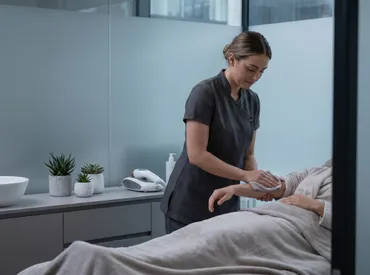
There is nothing quite as frustrating as investing time and discomfort into a smooth hair removal session, only to wake up to an unexpected landscape of post-waxing irritation. If you have ever dealt with the sudden onset of red, itchy, or raised lesions following an epilation treatment, you are far from alone. Bumps after waxing represent one of the most common aesthetic complaints encountered in dermatology clinics and licensed spas worldwide. While temporary erythema and mild follicular swelling are physiologically normal immediately following hair extraction, persistent or severe textural changes signal an underlying inflammatory cascade that requires targeted intervention. Understanding the precise biological mechanisms at play, implementing a scientifically grounded aftercare routine, and recognizing when professional guidance is necessary can completely transform your skin’s response to waxing. The journey to consistently smooth, resilient skin begins with demystifying why these reactions occur and how to systematically address them before they escalate. This comprehensive guide explores the dermatological science behind follicular trauma, outlines evidence-based prevention protocols, details clinically effective treatment strategies, and equips you with actionable steps tailored to your unique skin biology. Whether you are a seasoned waxing enthusiast or considering your first professional session, mastering the principles of post-epilation skin care will empower you to achieve the flawless, irritation-free results you deserve.
Understanding the Physiology of Bumps After Waxing
How the Hair Removal Process Triggers a Dermal Response
To effectively manage and prevent post-waxing irritation, it is essential to comprehend the microscopic trauma that occurs when wax adheres to the hair shaft and forcibly removes it from the follicular unit. Each hair follicle operates as a complex mini-organ embedded within the dermis, surrounded by sebaceous glands, arrector pili muscles, and a dense network of capillaries and nerve endings. When wax is applied and rapidly stripped, it extracts the hair from the bulb, causing transient micro-tearing of the follicular epithelium. This mechanical disruption triggers an immediate neurovascular response. The body recognizes the extraction as minor tissue injury, initiating the acute inflammatory phase. Mast cells degranulate, releasing histamine, bradykinin, and prostaglandins. These chemical mediators induce localized vasodilation (causing redness), increased capillary permeability (causing swelling), and sensitization of nociceptors (causing tenderness or heat). This physiological cascade is entirely normal and typically resolves within twenty-four to forty-eight hours as the epidermal barrier begins to seal and keratinocytes initiate proliferation to repair the follicular opening.
Free calculatorWater Intake CalculatorCalculate daily water needsOpen the calculator
Differentiating the Types of Post-Waxing Reactions
Not all textural changes are identical, and accurately identifying the underlying cause is crucial for selecting the appropriate treatment pathway. Clinicians generally categorize bumps after waxing into three primary phenotypes: mechanical follicular edema, allergic contact dermatitis, and infectious or inflammatory folliculitis. Mechanical edema presents as uniform, transient red papules directly surrounding each follicular ostia, appearing immediately post-session and resolving quickly. Allergic or irritant contact dermatitis stems from sensitivity to wax components (colophony, essential oils, preservatives) or improper pre/post-care products, often manifesting as widespread erythema, intense pruritus, vesicles, or scaling beyond the immediate follicular sites. True folliculitis involves bacterial (typically Staphylococcus aureus) or fungal colonization of the traumatized follicle, producing pustular lesions, persistent tenderness, and sometimes crusting. A related but distinct entity is pseudofolliculitis, or ingrown hairs, where newly emerging keratinized shafts curl back or penetrate the lateral follicular wall, triggering a foreign-body granulomatous reaction. Each variant demands a distinct clinical approach, emphasizing the importance of accurate symptom assessment before initiating any therapeutic regimen.
The Inflammatory Cascade and Keratinocyte Activation
When the follicle experiences trauma, surrounding epidermal cells activate a repair signaling network involving cytokines such as interleukin-1 alpha, interleukin-6, and tumor necrosis factor-alpha. These molecules stimulate keratinocytes to proliferate and migrate, temporarily thickening the stratum corneum to protect the compromised site. However, in individuals prone to follicular hyperkeratinization, this healing response can become dysregulated. Excess keratin production mixes with sebum and desquamated corneocytes, forming a micro-occlusive plug within the follicular infundibulum. This plug obstructs the natural emergence pathway of the regrowing hair. As the new shaft elongates, it encounters the keratin plug and may be forced to deviate, curl, or penetrate adjacent dermal tissue. The resulting foreign-body reaction recruits neutrophils and macrophages, creating a palpable nodule or pustule. This pathophysiological sequence underscores why managing post-wax bumps requires a dual strategy: calming the acute inflammatory phase while simultaneously preventing chronic follicular occlusion through controlled desquamation and barrier optimization.
The Critical First 48 Hours: Post-Waxing Aftercare Protocol
Immediate Cooling and Anti-Inflammatory Interventions
The window immediately following hair removal dictates how efficiently the skin transitions from inflammation to recovery. Within the first hour, the follicular canal remains temporarily dilated and highly permeable, making it vulnerable to environmental irritants, pathogenic microbes, and chemical penetration. Applying a cool, sterile compress or a clinically formulated gel containing 1-2% aloe vera, panthenol, or allantoin can rapidly constrict superficial capillaries and reduce histamine-mediated vasodilation. Cold therapy lowers local tissue temperature, which decelerates metabolic activity in damaged cells and limits the spread of inflammatory mediators. Many practitioners recommend keeping the treated area completely clean and undisturbed for the first two hours, avoiding any friction, occlusive clothing, or heat exposure. Heat, in particular, exacerbates vasodilation and can trigger excessive sweating, which alters the skin surface pH and creates an ideal environment for bacterial proliferation inside compromised follicles.
Products to Apply and Products to Strictly Avoid
Navigating the post-wax landscape requires discipline in product selection. For the first forty-eight hours, your routine should exclusively feature fragrance-free, hypoallergenic, and non-comedogenic formulations. Opt for lightweight moisturizers containing ceramides, glycerin, or squalane to replenish transepidermal water loss without clogging follicular pathways. Avoid heavy occlusive agents like petrolatum, mineral oil, or thick butters during this initial phase, as they can trap heat and impede follicular respiration. Equally critical is what you must eliminate from your routine: synthetic fragrances, alcohol-based toners, essential oils, retinoids, alpha-hydroxy acids, and physical scrubs. Introducing active exfoliants or potent anti-aging compounds during acute barrier disruption significantly increases the risk of chemical burns, prolonged erythema, and paradoxical worsening of bumps after waxing. If you experience intense itching, a 1% hydrocortisone cream applied thinly twice daily for no more than three consecutive days can safely interrupt the inflammatory loop, provided the skin remains intact and non-excoriated.
Barrier Repair and Transepidermal Water Loss Prevention
The stratum corneum functions as a protective lipid matrix composed of cholesterol, free fatty acids, and ceramides. Waxing strips away this matrix along with the hair shaft, temporarily elevating transepidermal water loss (TEWL). When TEWL increases, the epidermis compensates by overproducing sebum and accelerating keratin turnover, both of which contribute to follicular congestion and bump formation. Rebuilding the barrier requires consistent application of humectants to draw moisture into the viable epidermis, followed by emollients to smooth intercellular gaps and seal hydration. Clinical studies demonstrate that barrier-repair moisturizers applied twice daily post-epilation reduce follicular inflammation by up to sixty percent compared to untreated controls. Additionally, maintaining ambient humidity, staying adequately hydrated, and avoiding prolonged exposure to chlorinated or heavily mineralized water support systemic and localized barrier normalization. Remember that a resilient epidermis is your strongest defense against recurring textural irregularities and secondary complications.
Evidence-Based Prevention Strategies for Smooth, Bump-Free Skin
Strategic Exfoliation: Chemical vs. Physical Methods
Preventing bumps after waxing relies heavily on maintaining clear follicular pathways through controlled exfoliation. The dermatological consensus strongly favors chemical exfoliants over abrasive physical scrubs, which can cause micro-tears and exacerbate follicular trauma. Beta-hydroxy acids, particularly salicylic acid at concentrations of 0.5% to 2%, are lipid-soluble and uniquely capable of penetrating the sebum-rich follicular canal. Once inside, they dissolve keratin plugs and exert mild anti-inflammatory properties. Alpha-hydroxy acids like lactic or mandelic acid offer gentler surface desquamation and improved hydration retention, making them ideal for sensitive or melanin-rich skin types. A structured exfoliation regimen should begin approximately forty-eight hours post-session, once initial redness has subsided. Apply a BHA toner or serum three times weekly, gradually increasing frequency based on tolerance. Avoid over-exfoliation, as excessive desquamation compromises barrier integrity and triggers reactive keratinization, creating a counterproductive cycle of irritation and follicular plugging.
Hydration, Microbiome Balance, and Lifestyle Modifications
The cutaneous microbiome plays an increasingly recognized role in post-procedural skin resilience. A balanced community of commensal bacteria, particularly Staphylococcus epidermidis and Cutibacterium acnes, competitively inhibits pathogenic colonization and modulates local immune responses. Disruptive practices like harsh cleansing, excessive sweating without prompt showering, or tight synthetic clothing can shift the microbiome toward dysbiosis, increasing susceptibility to folliculitis. Support microbial equilibrium by using gentle, pH-balanced cleansers around 5.5, incorporating prebiotic-containing moisturizers, and allowing the skin to breathe between treatments. Hydration from within remains equally vital. Consuming adequate water, omega-3 fatty acids, and antioxidant-rich foods reduces systemic inflammation and accelerates tissue repair. Additionally, stress management techniques directly impact cortisol levels, which are known to alter sebum composition and impair barrier function. Holistic care extends beyond topical applications, requiring a synchronized approach to diet, lifestyle, and skin hygiene for sustained follicular health.
Selecting the Optimal Wax and Professional Application Standards
Not all hair removal formulas are created equal, and product selection heavily influences post-procedural outcomes. Hard waxes polymerize onto the hair itself rather than adhering strongly to the epidermis, making them significantly gentler for sensitive zones and reducing the likelihood of epidermal stripping or trauma-induced bumps after waxing. Soft waxes require cloth strips and are better suited for larger, less sensitive areas like the legs, but demand precise temperature control and rapid removal techniques to minimize irritation. The expertise of the practitioner is equally critical. Improper application temperature, repeated waxing over the same area, or failure to hold the skin taut can cause unnecessary mechanical stress. Always verify that your technician uses single-use applicators, maintains sterile work environments, and applies appropriate pre-wax cleansing and post-wax soothing agents. If you experience consistent irritation with a specific salon, consider switching to a licensed esthetician specializing in sensitive skin protocols or exploring alternative hair reduction modalities for high-risk zones.
Targeted Treatment Approaches for Established Irritation
Topical Actives and Over-the-Counter Solutions
When bumps after waxing persist beyond the acute inflammatory window, transitioning to targeted treatment becomes necessary. For sterile inflammatory papules, a combination of soothing botanicals and mild keratolytics yields optimal results. Niacinamide at 4-5% concentrations reduces erythema, regulates sebum production, and strengthens tight junctions. Azelaic acid (10%) offers dual antimicrobial and anti-inflammatory action while gently normalizing keratinization. For pustular or clearly infected lesions, an OTC benzoyl peroxide 2.5% wash can reduce bacterial load without excessive dryness. Apply treatments sparingly to affected areas, avoiding widespread use on healthy skin to prevent unnecessary irritation. A clinical pearl: layering active ingredients requires patience. Introduce one compound at a time, monitor tolerance for seven days, and maintain consistent barrier support with ceramide-rich moisturizers. Aggressive multi-active regimens frequently backfire, prolonging recovery and increasing the risk of post-inflammatory complications.
Safe Extraction Techniques and Why Picking Worsens Outcomes
The temptation to manually extract trapped hairs or rupture inflamed bumps is strong but clinically counterproductive. Fingernails harbor diverse bacterial flora, and applying uneven pressure frequently drives keratin debris and microbes deeper into the dermis. This transforms a superficial papule into a deep nodular lesion or abscess, significantly elevating scarring and pigmentation risks. If a hair is visibly looped near the surface, a safer approach involves applying a warm, sterile compress for ten to fifteen minutes to soften the stratum corneum and encourage natural emergence. After warming, gently glide a sterile, alcohol-disinfected comedone extractor or fine-tipped tweezers along the skin surface to lift the hair without puncturing. Never dig or scrape. If the shaft remains deeply embedded or the area feels increasingly firm, stop immediately and allow chemical exfoliation or professional intervention to resolve the impaction. Consistent restraint during the extraction phase dramatically reduces long-term textural damage.
When to Escalate: Recognizing Secondary Bacterial Infections
While most post-epilation reactions remain self-limiting, certain clinical signs indicate secondary infection requiring professional evaluation. Watch for expanding erythema radiating beyond follicular boundaries, yellow or green crusting, increasing pain disproportionate to initial trauma, fever, or lymphatic swelling. These symptoms suggest impetigo, cellulitis, or deep folliculitis, conditions that frequently demand prescription topical or oral antimicrobials. Immunocompromised individuals, diabetics, and those taking systemic retinoids or corticosteroids exhibit heightened vulnerability to rapid bacterial proliferation and should seek medical guidance at the earliest sign of atypical progression. A board-certified dermatologist can perform cultures if necessary, prescribe targeted therapies, and safely perform sterile extractions or minor incision and drainage procedures when appropriate. Early intervention prevents permanent scarring, systemic complications, and chronic follicular dysfunction.
Navigating Skin-Specific Variables and Sensitivity Profiles
Managing Reactions in Acne-Prone and Seborrheic Skin
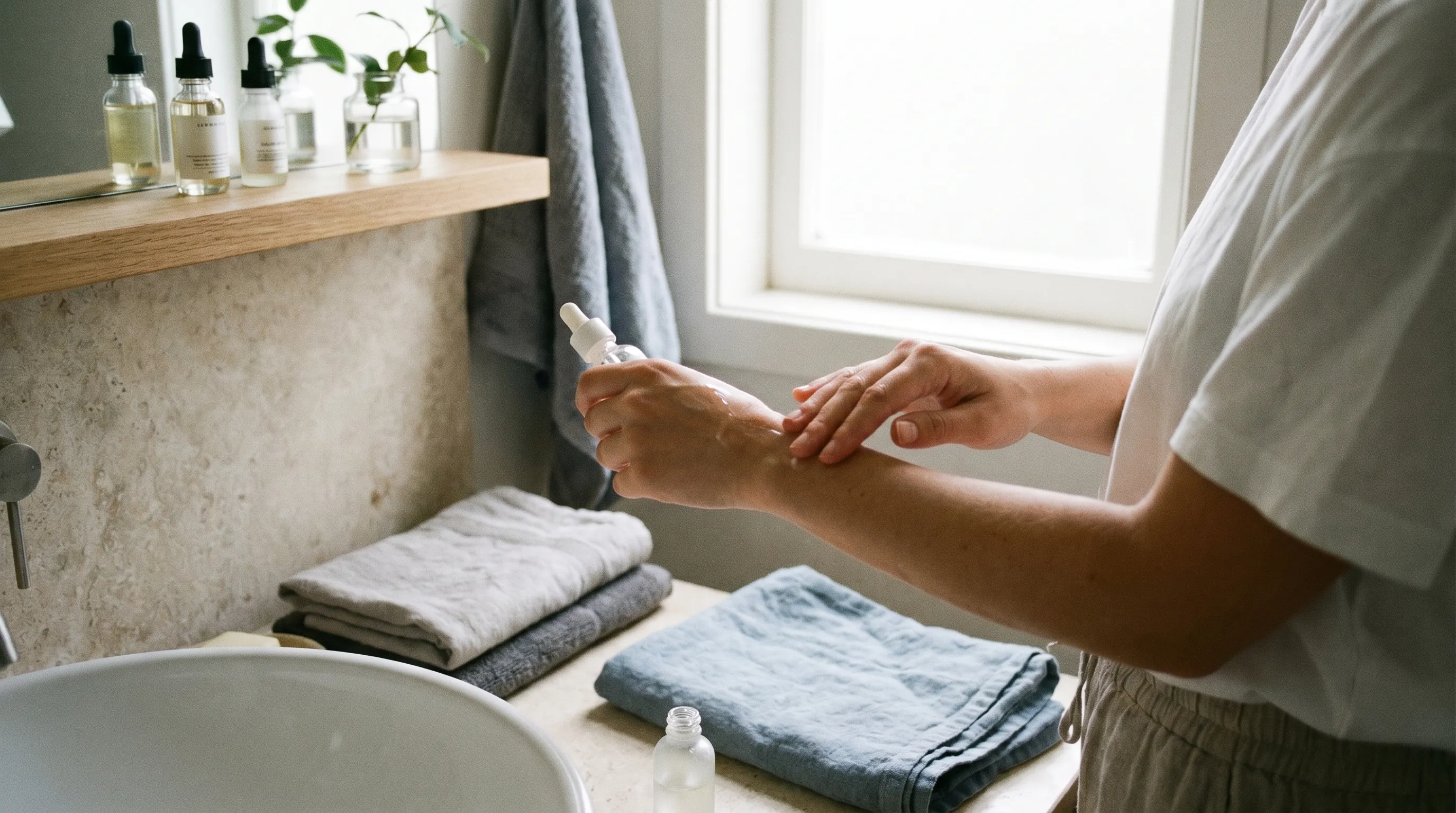
Individuals predisposed to acne vulgaris or seborrhea possess inherently hyperactive sebaceous glands and altered follicular keratinization, making them significantly more susceptible to bumps after waxing. The mechanical disruption of epilation triggers reactive sebum production and accelerates comedogenesis. For these patients, pre-treatment priming is essential. Begin a twice-daily salicylic acid regimen two weeks prior to hair removal, maintain rigorous but gentle cleansing, and avoid heavy occlusive products post-session. Non-comedogenic, oil-free moisturizers and lightweight gel-creams should form the cornerstone of post-care. If follicular occlusion persists, alternating BHA with low-dose retinoid therapy (applied only on non-treatment nights, well beyond the forty-eight-hour healing window) can normalize follicular turnover and reduce long-term impaction frequency.
Post-Inflammatory Hyperpigmentation Risks in Melanin-Rich Skin
Dermatological trauma in higher Fitzpatrick skin types (IV-VI) frequently triggers melanocyte activation and melanosome transfer to surrounding keratinocytes, resulting in post-inflammatory hyperpigmentation (PIH). Bumps after waxing create localized inflammation that, when combined with UV exposure or aggressive picking, can leave dark macules persisting for months. Prevention hinges on minimizing acute trauma through proper technique, immediately calming inflammation with niacinamide or tranexamic acid, and applying broad-spectrum SPF 30+ daily to treated areas, even indoors or during cooler seasons. Tyrosinase inhibitors like kojic acid or arbutin can be safely introduced after complete epidermal healing to gradually fade existing discoloration. Patience is paramount, as melanin remodeling operates on a slower biological timeline than acute inflammation resolution.
Hair Texture Dynamics: Coarse, Curly, and Fine Hair Considerations
Hair morphology directly dictates post-epilation outcomes. Coarse and curly hair shafts possess sharp, tapered cross-sections and strong intrinsic curvature, increasing the likelihood of re-entering the follicular wall or trapping against the epidermis. Fine, straight hair typically emerges cleanly but can still trigger reactive bumps if follicular occlusion occurs. For tightly coiled textures, extended preparation is non-negotiable. Maintain consistent chemical exfoliation year-round, never attempt hair removal on dry or unhydrated skin, and consider longer growth intervals between sessions to allow sufficient shaft length for clean extraction. If recurrent pseudofolliculitis persists despite optimal aftercare, transitioning to laser hair reduction or consulting a dermatologist for targeted medical management may provide more sustainable, long-term resolution than repeated waxing cycles.
| Exfoliation Type | Primary Mechanism | Ideal Use Case | Key Benefits | Limitations |
|---|---|---|---|---|
| Beta-Hydroxy Acid (BHA) | Lipid-soluble follicular penetration, keratolytic | Oily, acne-prone, coarse hair | Deep pore clearance, anti-inflammatory | Potential dryness, photosensitivity |
| Alpha-Hydroxy Acid (AHA) | Water-soluble surface desquamation, humectant | Dry, sensitive, mature skin | Improved hydration, barrier support | Surface-level only, stinging risk on compromised skin |
| Physical Microbeads/Sugars | Mechanical abrasion, immediate debris removal | Body exfoliation (pre-wax only) | Instant smoothness, inexpensive | Micro-tear risk, follicular irritation, environmental concerns |
| Enzymatic (Papain/Bromelain) | Protein digestion, gentle keratin breakdown | Highly reactive, rosacea-prone | Non-acidic, minimal barrier disruption | Slower results, requires consistent use, variable potency |
For authoritative guidance on hair removal skin preparation and post-care safety standards, refer to the American Academy of Dermatology's clinical recommendations. Additional peer-reviewed research on follicular inflammation and barrier function is available through the National Center for Biotechnology Information.
Frequently Asked Questions
How long do bumps after waxing typically last?
Mild erythema and transient follicular swelling generally resolve within twenty-four to forty-eight hours as the acute inflammatory phase concludes. However, keratin plugs or mild ingrown hairs may persist for five to ten days while chemical exfoliants normalize follicular pathways. If textural irregularities extend beyond fourteen days, exhibit pustular drainage, or expand in size, professional dermatological evaluation is strongly recommended to rule out secondary infection or chronic follicular occlusion requiring targeted intervention.
Is it safe to squeeze or pop post-waxing bumps?
Clinical dermatology guidelines unanimously advise against manual manipulation of post-epilation lesions. Squeezing forces sebum, keratin debris, and commensal bacteria deeper into the dermis, significantly elevating the risk of nodular inflammation, permanent scarring, and prolonged post-inflammatory hyperpigmentation. If a hair is visibly trapped near the epidermal surface, a warm compress followed by gentle surface lifting with sterilized tweezers is acceptable. Otherwise, allow targeted topical treatments and consistent exfoliation to resolve the impaction safely and naturally.
What ingredients should I prioritize in aftercare products?
Formulations should balance barrier restoration with gentle follicular maintenance. Look for ceramides, squalane, panthenol, and glycerin to rapidly repair lipid matrix disruption and reduce transepidermal water loss. For active soothing, prioritize centella asiatica, bisabolol, and colloidal oatmeal. When transitioning to prevention and treatment phases, incorporate salicylic acid (0.5-2%), niacinamide (4-5%), or lactic acid (5-10%). Always avoid synthetic fragrances, denatured alcohol, and essential oils during the initial healing window, as these significantly increase the likelihood of irritation and paradoxical worsening of bumps after waxing.
Can I safely resume exfoliating the day after my appointment?
Absolutely not. The forty-eight hours immediately following hair extraction represent a critical barrier-reconstruction phase. Introducing exfoliants during this window disrupts migrating keratinocytes, prolongs inflammation, and frequently triggers reactive hyperkeratinization. Wait until initial redness and sensitivity have completely subsided, then begin with a low-concentration BHA applied two to three nights weekly. Gradually increase frequency only as tolerance develops. Consistency outweighs intensity; a disciplined, gradual exfoliation schedule yields significantly better long-term follicular clarity than aggressive daily applications.
Should I modify my routine if I am prone to eczema or rosacea?
Individuals with pre-existing inflammatory dermatoses require highly customized protocols. Waxing mechanically disrupts already compromised epidermal barriers, potentially triggering severe flare-ups, intense pruritus, and secondary infections. Consult your treating dermatologist before scheduling any epilation service. If cleared, opt exclusively for hard wax applied by a licensed professional, extend the interval between treatments to allow complete barrier normalization, and replace all actives with fragrance-free barrier repair moisturizers for at least one week post-session. In many cases, alternative hair reduction methods pose significantly lower risk for reactive inflammatory conditions.
Watch this guide on safe post-hair removal routines:
Conclusion
Achieving consistently smooth, resilient skin after epilation is entirely possible when you align your routine with established dermatological principles. The appearance of bumps after waxing is not an inevitable punishment but rather a physiological signal indicating either transient barrier disruption, follicular occlusion, or inappropriate product selection. By understanding the inflammatory cascade that follows hair extraction, implementing a disciplined forty-eight-hour recovery protocol, and transitioning to evidence-based prevention strategies, you can dramatically reduce textural irregularities and protect long-term skin health. Prioritize chemical exfoliation over physical abrasion, maintain relentless barrier support with ceramides and humectants, and recognize that patience during the healing phase yields far superior results than aggressive manipulation. When bumps persist, escalate to targeted actives like niacinamide, salicylic acid, or azelaic acid, and never hesitate to consult a board-certified dermatologist if signs of secondary infection or prolonged inflammation emerge. Your skin’s response to hair removal reflects the cumulative impact of your daily care habits, product integrity, and treatment frequency. Armed with clinical knowledge and a structured aftercare framework, you can confidently navigate every waxing session, minimize downtime, and maintain the clear, comfortable complexion you deserve. Consistency, precision, and respect for your skin’s natural healing capacity remain the ultimate foundation for enduring aesthetic success.
How we work
Researched and drafted with AI assistance, then reviewed by a human editor against the cited sources.
This article is general health information, not medical advice. Consult a qualified healthcare professional about your own situation.