Dry Feet: Causes, Treatments, and Prevention

Key points
- Hot Showers and Baths: Prolonged exposure to hot water can strip the skin of its natural oils. High temperatures dissolve the intercellular lipids that hold the stratum corneum together, causing the skin to become brittle and prone to fissuring.
- Harsh Soaps: Soaps with strong chemicals can dry out the skin. Opt for gentle, moisturizing cleansers. Many conventional soaps are highly alkaline (pH 9-10), which disrupts the skin's natural acid mantle (pH 4.5-5.5). This disruption compromises the microbiome and impairs the skin's ability to retain hydration.
- Low Humidity: Dry air, common in winter or arid climates, draws moisture from the skin. Indoor heating systems and air conditioners further reduce ambient humidity, creating an environmental moisture deficit that actively pulls water from the dermis.
- Aging: As we age, our skin naturally produces less moisture and becomes thinner. Epidermal turnover slows, natural moisturizing factors (NMFs) like ceramides and hyaluronic acid decline, and collagen degradation reduces skin pliability, making older adults significantly more vulnerable to severe cracking.
- Medical Conditions: Certain conditions can contribute to dry feet, including athlete's foot, eczema, psoriasis, thyroid issues, and diabetes. [1] Fungal infections cause scaling and desquamation that mimics or exacerbates dryness. Hypothyroidism systemically reduces sweat and oil gland output. Diabetes can cause peripheral neuropathy and microvascular damage, severely impairing the foot's ability to regulate temperature, moisture, and self-repair.
Dry, cracked feet are a common issue, especially as we age or during dry weather. While often a cosmetic concern, severely dry feet can lead to discomfort, pain, and even infection. Understanding the causes and implementing a consistent care routine can restore moisture and keep your feet smooth and healthy. The plantar surface of the foot bears significant mechanical load and friction with every step, making its structural integrity vital for pain-free mobility. When the skin's natural barrier is compromised, it loses elasticity and becomes susceptible to micro-tears that can rapidly escalate into deeper pathology if left unaddressed.
Causes of Dry Feet
Unlike other parts of your body, the skin on your feet has no oil glands, relying instead on sweat glands for moisture. When this moisture is stripped away or insufficient, dryness occurs. The complete absence of sebaceous glands means the feet lack the continuous, natural lipid secretion that keeps facial or truncal skin supple. Instead, they depend heavily on eccrine glands and external moisturization to maintain the hydro-lipid barrier. Without adequate intervention, transepidermal water loss accelerates, leading to clinical xerosis.
Free calculatorSun Protection GuideSPF guide and sun protection recommendationsOpen the calculatorCommon causes include:
- Hot Showers and Baths: Prolonged exposure to hot water can strip the skin of its natural oils. High temperatures dissolve the intercellular lipids that hold the stratum corneum together, causing the skin to become brittle and prone to fissuring.
- Harsh Soaps: Soaps with strong chemicals can dry out the skin. Opt for gentle, moisturizing cleansers. Many conventional soaps are highly alkaline (pH 9-10), which disrupts the skin's natural acid mantle (pH 4.5-5.5). This disruption compromises the microbiome and impairs the skin's ability to retain hydration.
- Low Humidity: Dry air, common in winter or arid climates, draws moisture from the skin. Indoor heating systems and air conditioners further reduce ambient humidity, creating an environmental moisture deficit that actively pulls water from the dermis.
- Aging: As we age, our skin naturally produces less moisture and becomes thinner. Epidermal turnover slows, natural moisturizing factors (NMFs) like ceramides and hyaluronic acid decline, and collagen degradation reduces skin pliability, making older adults significantly more vulnerable to severe cracking.
- Medical Conditions: Certain conditions can contribute to dry feet, including athlete's foot, eczema, psoriasis, thyroid issues, and diabetes. [1] Fungal infections cause scaling and desquamation that mimics or exacerbates dryness. Hypothyroidism systemically reduces sweat and oil gland output. Diabetes can cause peripheral neuropathy and microvascular damage, severely impairing the foot's ability to regulate temperature, moisture, and self-repair.
Symptoms to Look For
Dry feet can present with more than just a rough texture. Common signs include:
- Itchiness
- Redness or a rash
- Flaking or peeling skin
- Fine lines or cracks (fissures), especially on the heels
- Calluses (thick, hard patches of skin)
- Discomfort or pain when standing or walking
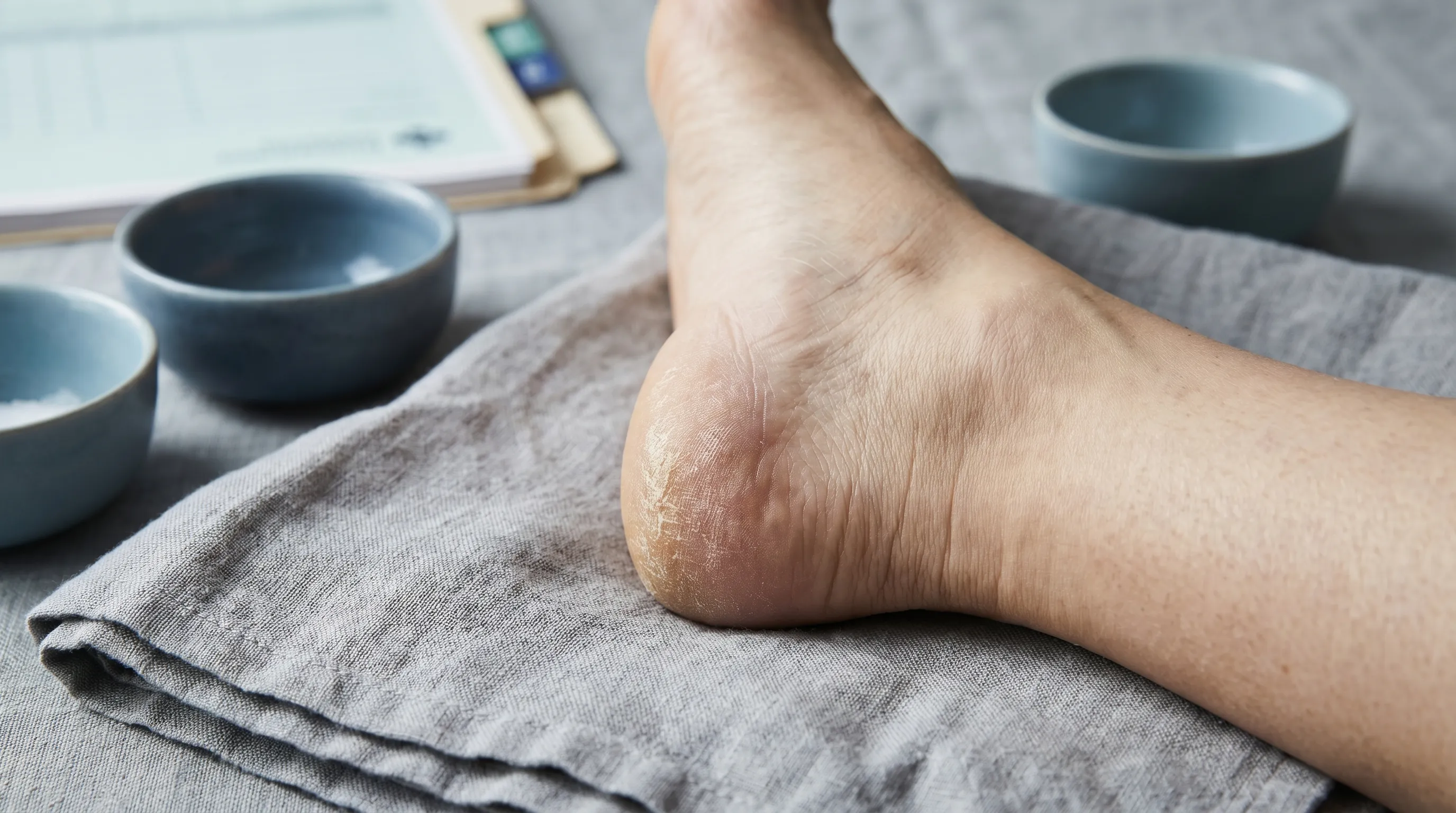
Beyond these primary indicators, patients often notice a sensation of tightness or stretching, particularly after removing socks or shoes. In moderate to severe cases, the skin may develop a yellowish or grayish discoloration due to excessive keratin buildup and dehydration. When fissures deepen into the viable epidermis or upper dermis, they can weep clear serous fluid or even bleed. This breach in the skin barrier not only causes sharp, localized pain but also creates a direct portal of entry for opportunistic pathogens like Staphylococcus aureus or dermatophytes, potentially leading to cellulitis or lymphangitis.
Home Remedies and Treatments for Dry Feet
A consistent at-home foot care routine can significantly improve the condition of dry feet. Effective management requires a multi-pronged approach that addresses hydration, exfoliation, barrier repair, and occlusion.
Moisturize Regularly
The most crucial step is to moisturize your feet daily, especially after bathing and before bed. Look for thick creams or ointments containing ingredients like:
- Urea
- Lactic acid
- Salicylic acid
- Ceramides
- Dimethicone
These active ingredients serve distinct, complementary functions. Urea is both a potent humectant and a keratolytic agent; it draws water into the skin while gently dissolving the protein matrix that holds dead cells together. Lactic acid, an alpha-hydroxy acid (AHA), promotes gentle cellular turnover and boosts natural ceramide production. Salicylic acid penetrates deeply to break down stubborn hyperkeratosis. Ceramides are lipid molecules that structurally reinforce the skin's natural barrier, sealing in hydration and keeping out environmental irritants. Dimethicone provides a non-greasy, breathable occlusive film that drastically reduces moisture evaporation.
For an intensive treatment, apply a generous layer of moisturizer and wear a pair of cotton socks to bed. This helps the cream penetrate deeply overnight. The occlusion created by the socks increases local skin temperature slightly and prevents the product from rubbing off, enhancing the bioavailability of active ingredients by up to tenfold.
Exfoliate Gently
Exfoliation removes the outer layer of dead, dry skin, allowing moisturizer to be more effective. However, it must be performed with precision to avoid micro-trauma.
- Soak: Begin by soaking your feet in lukewarm water for 10-15 minutes to soften the skin. Lukewarm temperatures are crucial, as hot water will rapidly strip natural lipids and worsen the condition.
- Scrub: Use a pumice stone or a foot file to gently rub away dead skin, focusing on callused areas and the heels. Avoid scrubbing too aggressively, which can cause irritation, bleeding, or compensatory hyperkeratosis (where the skin thickens faster in response to trauma). Use light, unidirectional strokes and stop once the skin feels smoother.
- Moisturize: Pat your feet dry and immediately apply a thick moisturizer. The three-minute rule is essential: applying emollients while the skin is still slightly damp traps water in the stratum corneum before it evaporates.
How to safely use a pumice stone for foot exfoliation
Try a Foot Soak
A simple foot soak can hydrate and soothe tired, dry feet. Add a few drops of a gentle oil like tea tree or lavender, or a cup of Epsom salts to a basin of lukewarm water. Soak for 15-20 minutes, then pat dry and moisturize immediately. For enhanced therapeutic effects, consider incorporating colloidal oatmeal to calm inflammation and itching, or apple cider vinegar to help restore the skin's natural acidic pH if fungal overgrowth is suspected. Always ensure thorough drying between the toes after soaking to prevent moisture-related maceration and fungal colonization.
When to See a Doctor
While most cases of dry feet can be managed at home, you should consult a doctor or podiatrist if you experience:
- Signs of infection, such as increased redness, swelling, pus, or warmth.
- Deep cracks that are bleeding or very painful.
- No improvement after several weeks of home treatment.
- You have diabetes, poor circulation, or a compromised immune system, as foot problems can lead to serious complications.
Self-treatment carries risks when underlying pathologies are present. Diabetic neuropathy, for instance, can mask the pain of a developing fissure until it progresses to a neuropathic ulcer. Peripheral arterial disease reduces blood flow necessary for tissue repair, making even minor dry cracks slow to heal. A podiatrist can perform sterile sharp debridement of thick calluses, prescribe medical-grade barrier creams with higher urea concentrations (up to 40%), and evaluate for systemic contributors like thyroid dysfunction, psoriasis, or vitamin deficiencies that require targeted intervention.
How to Prevent Dry Feet
Prevention is key to maintaining soft, healthy feet. A proactive strategy minimizes the need for aggressive treatments and maintains long-term dermal resilience.
- Moisturize Daily: Make it a part of your daily routine. Consistency prevents the gradual breakdown of the lipid barrier that leads to chronic xerosis.
- Avoid Harsh Soaps: Choose mild, fragrance-free cleansers. Syndet (synthetic detergent) bars or pH-balanced washes protect the acid mantle and preserve the skin's native microbiome.
- Use Lukewarm Water: Bathe and shower in warm, not hot, water. Limiting shower time to 5-10 minutes further reduces lipid stripping and transepidermal water loss.
- Wear Proper Footwear: Choose shoes that are breathable and fit well to avoid friction that can lead to calluses. Rotate shoes daily to allow moisture to evaporate completely. Opt for socks made of moisture-wicking materials like merino wool, bamboo, or technical synthetics rather than 100% cotton, which retains dampness against the skin.
- Stay Hydrated: Drinking enough water helps keep your skin hydrated from the inside out. Adequate fluid intake supports cellular function and dermal turgor, while a diet rich in omega-3 fatty acids, vitamins A, C, and E, and zinc provides the essential cofactors needed for robust collagen synthesis and barrier repair. [2]
Additionally, managing your indoor environment can yield significant preventative benefits. Using a cool-mist humidifier in your bedroom and main living areas during winter or in dry climates helps maintain ambient relative humidity between 40% and 60%, drastically reducing passive moisture evaporation from the skin. Regularly inspecting your feet, particularly the heels and toes, allows you to catch early signs of roughness before they develop into painful pathology.
Frequently Asked Questions
Can I use regular body lotion for my dry feet?
While regular body lotions can offer temporary surface hydration, they are typically water-based with low concentrations of occlusive agents. The skin on the soles of the feet is significantly thicker and endures far greater mechanical stress than facial or body skin. Foot-specific creams, therapeutic ointments, or balms contain higher percentages of humectants (like glycerin and urea) and occlusives (like petrolatum, shea butter, or lanolin) necessary to penetrate the dense stratum corneum and create a lasting moisture seal. For optimal results, reserve thicker formulations for your feet and use lighter lotions for the rest of the body.
How often should I exfoliate my dry feet?
The ideal exfoliation frequency depends on the severity of dryness and your skin's tolerance. For most individuals, gentle mechanical exfoliation using a pumice stone or foot file 1 to 2 times per week is sufficient. Over-exfoliation is a common error that compromises the protective barrier, leading to increased sensitivity, rebound dryness, and potential micro-tears. If you utilize chemical exfoliants like urea-based creams or alpha-hydroxy acids (AHAs), you may apply them daily or every other day according to product strength, as they work by dissolving dead cells rather than physically abrading them.
Why do my feet get extremely dry in the summer, not just during winter?
Summer dryness is frequently driven by behavioral and environmental factors. Prolonged exposure to intense UV radiation degrades the skin's lipid matrix and damages collagen. Frequent walking barefoot on hot sand or rough pavement acts as a continuous abrasive. Open-toed footwear exposes feet to drying winds, sun, and chlorinated pool water, all of which rapidly deplete moisture. Furthermore, excessive sweating followed by rapid evaporation can leave a dehydrated salt residue on the skin, while the frequent use of alcohol-based foot sanitizers or gels further strips protective oils.
Is petroleum jelly (Vaseline) actually beneficial for treating dry feet?
Yes, petroleum jelly is one of the most effective and clinically validated occlusive agents available. While it does not contain water or actively add moisture, it forms an impermeable, non-comedogenic barrier that reduces transepidermal water loss by nearly 99%. It is most effective when applied over damp skin or layered on top of a humectant-rich moisturizer. The "slugging" technique, which involves slathering a thick layer of petroleum jelly over the feet and wearing cotton socks overnight, is highly recommended for repairing severe dryness and deep fissures due to its exceptional barrier-retention properties.
When should I stop home treatment and see a healthcare professional?
You should transition from home management to professional care if you notice signs of localized or systemic infection, such as spreading erythema, purulent discharge, foul odor, or fever. Seek prompt evaluation for deep, bleeding fissures that cause significant pain or gait alterations. If you have diabetes, peripheral vascular disease, or an immunocompromising condition, consult a podiatrist immediately upon noticing dryness or cracking, as minor skin breaches can rapidly escalate to non-healing ulcers or osteomyelitis. Additionally, if a rigorous 4-to-6-week home regimen yields no improvement, a dermatologist should assess for underlying causes like hypothyroidism, contact dermatitis, or resistant fungal infections.
Conclusion
Dry, cracked feet represent a common yet highly manageable dermatological challenge. The unique anatomical absence of sebaceous glands in the plantar skin, combined with daily biomechanical stress and environmental exposures, creates a persistent risk for moisture depletion and barrier compromise. However, by understanding the physiological drivers of xerosis and committing to a structured care routine, individuals can effectively restore skin integrity and prevent painful complications. The foundation of successful treatment lies in consistent hydration, gentle and appropriate exfoliation, strategic use of barrier-repair ingredients like urea and ceramides, and vigilant environmental and footwear management. Equally important is recognizing when home interventions are insufficient and seeking timely podiatric or dermatological care, particularly for individuals with systemic health conditions that impair wound healing. Prioritizing daily foot maintenance not only eliminates discomfort and prevents infection but also supports overall mobility and long-term musculoskeletal health. With the right knowledge and consistent habits, smooth, resilient, and comfortable feet can be maintained year-round.
References
[1] American Academy of Dermatology Association. (n.d.). Dry skin: Diagnosis and treatment. Retrieved from https://www.aad.org/public/diseases/a-z/dry-skin-treatment [2] Institute for Preventive Foot Health. (n.d.). Skin Disease of the Feet. Retrieved from https://www.ipfh.org/foot-conditions/skin-disease-of-the-feet
How we work
Researched and drafted with AI assistance, then reviewed by a human editor against the cited sources.
This article is general health information, not medical advice. Consult a qualified healthcare professional about your own situation.