Does Acid Show Up Drug Test Panels? Complete Medical & Legal Guide

When preparing for employment verification, athletic competition, probation compliance, or routine medical procedures, many individuals find themselves navigating a complex landscape of biological screening protocols and asking a straightforward yet highly consequential question: does acid show up drug test evaluations that are administered by employers or legal authorities? The short, scientifically accurate answer is generally no for routine panels, but the complete picture involves intricate pharmacology, advanced analytical laboratory methodologies, strict federal regulatory guidelines, and highly variable individual metabolic factors (WHO). Lysergic acid diethylamide, widely referred to in clinical and recreational contexts as LSD, operates fundamentally differently in the human body compared to more commonly monitored substances such as cannabis, cocaine, opioids, or amphetamines. Because it is consumed in exceptionally small microgram quantities and rapidly cleared by hepatic and renal systems (NIH), standard immunoassay panels are neither designed nor optimized to identify it. However, specialized forensic investigations, clinical toxicology emergencies, and targeted legal proceedings frequently require highly sensitive testing protocols that operate on a completely different analytical tier. Understanding exactly how testing frameworks function, which specific metabolites laboratories actually screen for, the realistic scientific timelines of biological clearance, and the legal frameworks governing workplace compliance is absolutely essential for anyone navigating mandatory screenings, probationary requirements, or personal health monitoring. This comprehensive, evidence-based guide systematically breaks down the pharmacological science, regulatory policies, laboratory technologies, and practical realities of hallucinogen detection to provide you with accurate, medically verified information grounded in current toxicological standards.
Understanding Acid (LSD) and Drug Testing Fundamentals
What Is LSD and How Does the Body Metabolize It?
Lysergic acid diethylamide is a potent synthetic psychoactive compound originally synthesized in the mid-twentieth century during pharmaceutical research focused on ergot alkaloids. When ingested orally or administered sublingually, the compound is rapidly absorbed through the gastrointestinal mucosa and enters systemic circulation within thirty to sixty minutes. It efficiently crosses the blood-brain barrier due to its high lipophilicity and molecular size, allowing it to interact predominantly with central nervous system serotonin receptors, particularly the 5-HT2A subtype, which modulates perception, mood, and cognitive processing. The typical effective dose ranges between 50 and 200 micrograms, which represents an exceptionally minute mass compared to other substances that are frequently monitored in compliance testing. This microscopic dosage directly impacts biological screening capabilities, as the absolute concentration in blood, urine, and saliva is correspondingly minuscule from the moment of ingestion. Once the compound enters hepatic circulation, phase I metabolic processes begin immediately. The liver primarily utilizes cytochrome P450 enzymes, specifically CYP3A4 and CYP2D6, to initiate oxidative metabolism through hydroxylation pathways (Cleveland Clinic). These reactions convert the parent molecule into several identifiable metabolites, most notably 2-oxo-LSD and 2-oxo-3-hydroxy-LSD, which subsequently undergo phase II conjugation via glucuronidation to enhance water solubility. These conjugated metabolites are actively transported into the biliary system and kidneys, ultimately undergoing renal filtration and urinary excretion. This rapid and highly efficient clearance mechanism is precisely why the question of does acid show up drug test panels yields a negative answer in nearly all routine occupational scenarios. The biological half-life of the parent compound ranges between three and five hours, meaning that systemic concentrations decline exponentially within a remarkably short timeframe, leaving minimal residual material for standard screening assays to capture.
Free calculatorWater Intake CalculatorCalculate daily water needsOpen the calculatorThe Chemistry of Detection Windows
Detection windows represent the scientifically defined timeframe during which a substance or its metabolic byproducts remain chemically identifiable above established laboratory cutoff limits within specific biological matrices. For lysergic acid diethylamide, the unmetabolized parent compound typically becomes undetectable in blood and oral fluid within 12 to 18 hours following consumption, while urinary excretion patterns extend the identification period marginally to approximately 24 to 48 hours under specialized analytical conditions. Unlike highly lipophilic substances such as delta-9-tetrahydrocannabinol (THC), which readily partition into adipose tissue, undergo enterohepatic recirculation, and release gradually into systemic circulation over days or weeks, LSD exhibits pronounced hydrophilic characteristics and does not undergo meaningful tissue storage or accumulation. This pharmacokinetic profile fundamentally shapes toxicological screening strategies. Because the compound clears rapidly without forming long-term reservoirs in biological tissues, detection is inherently constrained to the immediate post-consumption period. When individuals wonder does acid show up drug test results across different testing methodologies, they must recognize that standard workplace panels utilize antibody-based immunoassays calibrated for compounds that persist at measurable concentrations for extended durations. The brief metabolic timeline, combined with low baseline concentrations and high analytical specificity requirements, places LSD entirely outside the scope of conventional compliance testing frameworks. Advanced mass spectrometry platforms can theoretically identify trace residues for slightly longer periods, but even these sophisticated instruments operate within strict biochemical limitations dictated by human elimination pathways.
Do Standard Drug Screens Test for Acid?
SAMHSA-5 Panel Limitations
The vast majority of workplace, probationary, and clinical drug screenings conducted within the United States strictly adhere to guidelines established by the Substance Abuse and Mental Health Services Administration. The foundational SAMHSA-5 panel exclusively screens for marijuana metabolites, benzoylecgonine (cocaine metabolite), amphetamine and methamphetamine derivatives, phencyclidine, and select opioids including morphine, codeine, and synthetic analgesics such as hydrocodone and oxycodone depending on the updated federal mandates (NIH). Lysergic acid diethylamide is explicitly excluded from this standardized roster. This exclusion is not arbitrary; it stems from comprehensive epidemiological data, cost-benefit analyses, and toxicological feasibility studies. Federal testing programs prioritize substances that demonstrate high population prevalence, significant occupational safety implications, clear impairment correlations, and metabolic profiles that justify the financial expenditure of large-scale screening operations. LSD fails to meet multiple operational criteria due to its relatively infrequent use patterns in general populations, lack of physical dependence liability compared to opioids or stimulants, extremely narrow detection window, and the substantial laboratory resources required to validate hallucinogen-specific assays. Consequently, when an employer requests a standard pre-employment or random compliance screening, the inquiry of whether does acid show up drug test protocols effectively becomes irrelevant because the analytical panel simply lacks the targeted reagents to identify it. Laboratories deliberately optimize these screening matrices to maximize detection efficiency for high-risk substances while minimizing false positive rates, specimen degradation issues, and operational bottlenecks.
Workplace and Legal Testing Protocols
Beyond baseline federal guidelines, numerous private corporations, healthcare institutions, and state-regulated industries implement expanded testing panels that incorporate additional target compounds such as benzodiazepines, barbiturates, methadone, propoxyphene, synthetic cannabinoids, and select prescription stimulants. Even within these comprehensive multi-analyte frameworks, LSD remains consistently absent. The notable exception occurs within highly regulated sectors including commercial aviation, federal law enforcement agencies, military installations, and certain transportation networks where the Department of Transportation or Defense Department may occasionally mandate specialized hallucinogen screening. However, even in these strictly monitored environments, routine hallucinogen testing is exceptionally rare and typically reserved for post-accident investigations, targeted forensic inquiries following credible impairment reports, or specific security clearance evaluations. The logistical complexity, extended turnaround times, and substantially higher per-specimen costs associated with targeted hallucinogen analysis make widespread implementation economically unviable for routine compliance monitoring. Legal testing frameworks similarly operate under constrained protocols, with most courts and probation departments relying on standardized panels that align with federal workplace standards unless a judge specifically orders specialized toxicological evaluation based on compelling behavioral evidence or prior documented incidents.
Specialized Testing Methods for LSD Detection
Urine Testing for Acid
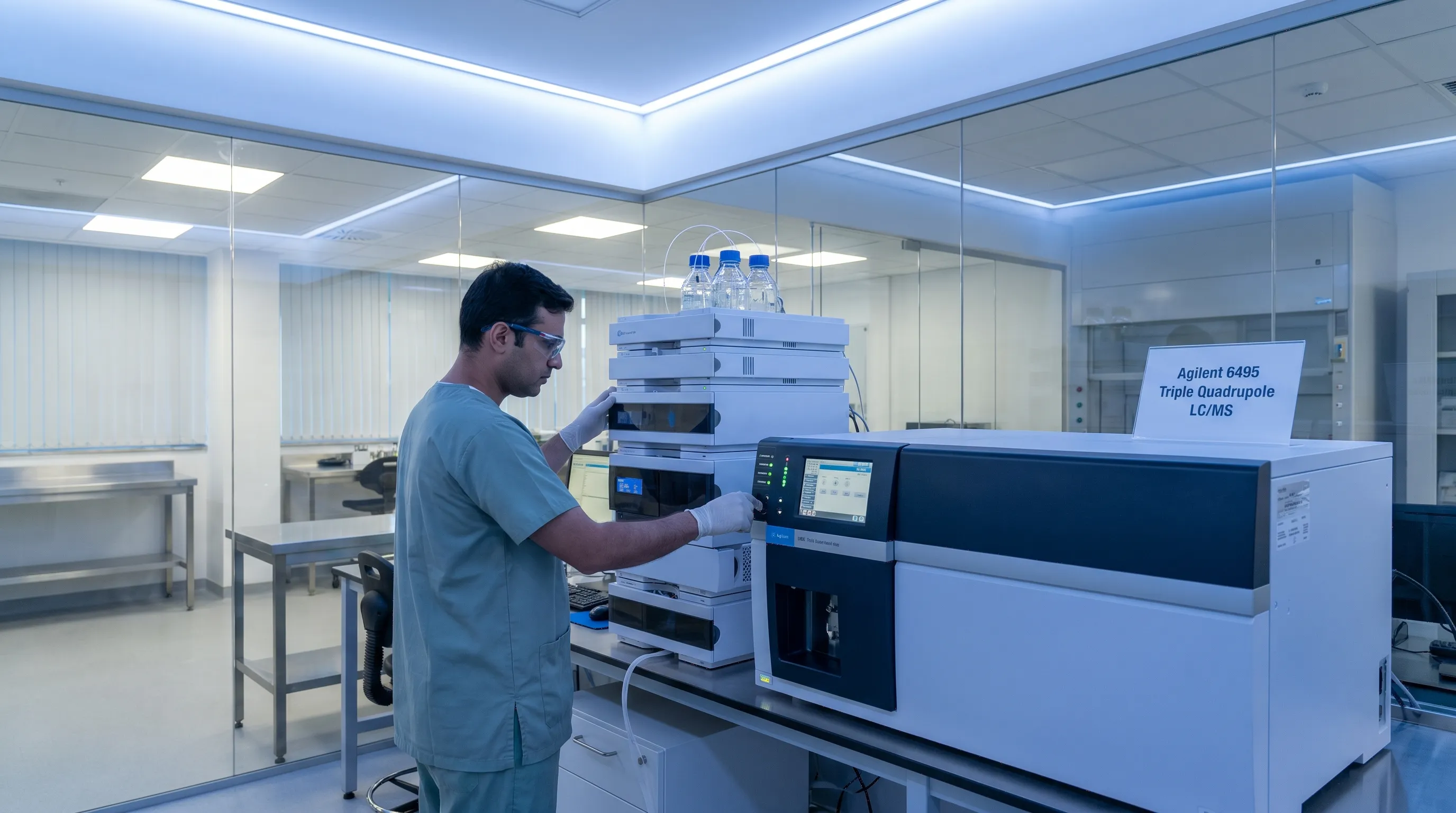
Urine analysis remains the predominant biological matrix utilized in workplace compliance, clinical toxicology, and forensic investigations due to its non-invasive collection methods, extended detection window relative to other fluids, and established chain-of-custody protocols. When laboratories receive explicit instructions to screen for lysergic acid diethylamide, they bypass conventional immunoassays and instead deploy highly sensitive instrumentation such as liquid chromatography-tandem mass spectrometry (LC-MS/MS) (Mayo Clinic). Standard enzyme-linked immunosorbent assays (ELISA) and lateral flow immunoassays lack the structural specificity and analytical sensitivity required to differentiate LSD from unrelated compounds at the trace concentrations typically present in biological specimens. Under targeted LC-MS/MS protocols, laboratories can reliably identify the parent compound and primary metabolites within urine for approximately 1 to 3 days post-ingestion, though this window varies significantly based on metabolic efficiency, hydration status, and initial dosage. The analytical workflow initiates with a preliminary screening phase that isolates specific mass-to-charge ratios associated with lysergic acid derivatives. Any specimens returning signals above established cutoff thresholds undergo rigorous confirmation testing utilizing high-resolution mass fragmentation patterns to eliminate cross-reactivity, matrix interference, and false positive artifacts. This dual-phase verification process underscores why does acid show up drug test outcomes exclusively in scenarios involving explicit forensic mandates or specialized clinical investigations rather than routine administrative compliance.
Blood, Saliva, and Hair Follicle Tests
Blood analysis provides the most direct measurement of recent substance exposure and remains the clinical gold standard for assessing active intoxication levels and impairment risk. Under controlled laboratory conditions, lysergic acid diethylamide can be quantified in whole blood or serum for approximately 6 to 12 hours following ingestion, making it highly effective for emergency department evaluations and post-incident medical assessments. However, blood collection is invasive, requires trained phlebotomists, demands strict storage conditions to prevent compound degradation, and offers an exceedingly narrow detection window that renders it impractical for retrospective compliance screening. Oral fluid or saliva testing has experienced substantial growth in adoption due to its non-invasive collection methodology, ease of administration, and demonstrated capability to identify recent use patterns. LSD typically remains identifiable in saliva specimens for approximately 8 to 12 hours after consumption, making it particularly valuable for roadside impairment evaluations and immediate post-consumption verification. Nevertheless, oral fluid concentrations are heavily influenced by recent hydration, salivary pH fluctuations, and collection device absorbency limitations, introducing variables that require careful interpretation. Hair follicle analysis is theoretically capable of documenting substance exposure over extended periods ranging from 30 to 90 days, but lysergic acid diethylamide presents unique analytical challenges that significantly limit its forensic utility. The compound’s high water solubility, lack of substantial keratin binding affinity, and microgram-scale consumption patterns result in minimal incorporation into the hair shaft. Consequently, specialized hair analysis for LSD remains largely experimental, lacks widespread forensic validation, and is rarely utilized in standard compliance or legal proceedings.
Factors That Influence Detection Times
Metabolic Rate and Individual Physiology
Human biological clearance mechanisms operate along highly individualized pathways governed by genetic, physiological, and demographic variables. Genetic polymorphisms within cytochrome P450 enzyme families directly dictate the rate at which foreign compounds undergo oxidative metabolism. Individuals carrying highly active metabolic variants process substances significantly faster than those expressing reduced enzyme activity, fundamentally altering elimination timelines and detection windows. Age-related physiological changes also exert considerable influence, as younger adults with robust hepatic perfusion and optimal renal glomerular filtration rates typically demonstrate accelerated clearance compared to older populations or individuals with compromised organ function. Body mass composition plays a secondary role; while LSD does not partition into adipose tissue, variations in total body water and extracellular fluid distribution can slightly alter initial concentration gradients and elimination kinetics. Pre-existing medical conditions affecting liver integrity, such as hepatic steatosis or chronic inflammatory disorders, or kidney pathologies impairing filtration efficiency, consistently prolong metabolic timelines. When evaluating whether does acid show up drug test results align with expected clearance models, laboratories must account for these physiological variations, as they introduce natural deviations from standardized pharmacokinetic curves and can marginally extend or compress the viable detection period depending on individual biological parameters.
Dosage, Purity, and Frequency of Use
The absolute quantity of compound ingested exerts a direct and measurable impact on biological clearance duration and laboratory detection feasibility. Higher dosages increase the initial plasma concentration peak, requiring additional metabolic processing cycles and extending the timeframe during which concentrations remain above analytical cutoff thresholds. Illicit market products vary considerably in manufacturing consistency, purity levels, and cutting agent composition, introducing additional variables into toxicological assessments. Contaminants such as inert fillers, unregulated synthetic analogs, or residual chemical byproducts from improper synthesis generally do not interfere with LSD-specific mass spectrometry detection, but they may complicate preliminary immunoassay screening by triggering non-specific binding or matrix interference. Frequency of use further modifies detection parameters. While LSD is typically consumed intermittently rather than chronically due to rapid tolerance development and intense psychological effects, repeated administration within short temporal windows can produce minor cumulative concentrations, marginally extending metabolite excretion periods. Occasional or isolated ingestion results in the shortest viable detection windows, whereas consecutive dosing patterns may push identification timelines slightly beyond standard expectations, though still remaining well within the 72-hour threshold under conventional analytical conditions.
Hydration, pH Balance, and Liver/Kidney Function
Urinary pH dynamics significantly influence the renal excretion rate of ionizable compounds like lysergic acid diethylamide. Acidic urinary environments promote enhanced ionization and accelerated tubular secretion, facilitating faster elimination from the system. Conversely, alkaline urinary conditions reduce ionization efficiency, slightly delaying renal clearance and potentially extending the detection window by several hours under controlled conditions. Individuals who regularly consume alkalizing supplements, antacids, or highly buffered beverages may experience marginally prolonged metabolite presence, though this physiological shift remains minimal relative to the compound’s inherently rapid clearance profile. Proper systemic hydration supports optimal glomerular filtration rates and maintains adequate urine output volumes, naturally facilitating steady excretion. However, excessive water consumption immediately preceding specimen collection does not accelerate metabolic breakdown and frequently triggers specimen validity testing protocols. Accredited laboratories routinely measure urinary creatinine concentrations, specific gravity values, and pH levels to identify diluted or adulterated specimens (CDC). Samples falling below established validity thresholds are routinely rejected, flagged for observation, or classified as invalid, making overt hydration manipulation counterproductive and potentially triggering administrative consequences.
Medical, Legal, and Employment Implications
How False Positives and Negatives Occur
Toxicological screening methodologies, despite technological advancements, are not immune to analytical limitations and require careful interpretation within clinical and legal contexts. False positive results emerge when unrelated endogenous compounds, prescription medications, or structurally similar substances exhibit cross-reactivity with assay antibodies or ionize at comparable mass-to-charge ratios, mimicking the chemical signature of the target analyte (Cleveland Clinic). While exceptionally rare for lysergic acid diethylamide under modern mass spectrometry protocols, certain ergot derivatives, selective serotonin reuptake inhibitors, or complex herbal supplements have occasionally triggered preliminary immunoassay interference in historical testing frameworks. False negative results occur when analyte concentrations fall below established laboratory cutoff limits, when testing extends beyond the viable metabolic clearance window, or when specimen degradation compromises analyte stability during storage or transport. Because does acid show up drug test outcomes depend heavily on analytical sensitivity, timing precision, and specimen integrity, collections performed beyond the 48 to 72-hour window frequently return negative results even when verified consumption occurred. Confirmation testing utilizing high-resolution tandem mass spectrometry dramatically reduces erroneous classification risks, but these sophisticated instruments cannot retroactively identify compounds that have undergone complete hepatic metabolism and renal elimination.
Navigating Workplace Policies and Medical Disclosures
Employees subjected to routine compliance screenings rarely encounter panels targeting lysergic acid derivatives, yet organizational policies regarding cognitive impairment, safety compliance, and workplace conduct remain strictly enforced. Employers prioritize substances that demonstrably compromise executive function, motor coordination, reaction times, or decision-making capabilities in operational environments. While standard panels do not screen for this specific hallucinogen, self-reported use, observable behavioral impairment, or credible incident reports can immediately trigger targeted forensic testing or administrative review under company policy frameworks. Medical confidentiality regulations, including the Health Insurance Portability and Accountability Act, strictly protect patient health records and clinical treatment histories. However, workplace testing programs operate under explicit consent agreements embedded within employment contracts, union agreements, and regulatory compliance mandates. Individuals should consistently review their organization’s written substance use policy to understand precisely which compounds are monitored, the established cutoff concentrations, specimen collection procedures, and the administrative or disciplinary consequences associated with positive results, invalid specimens, or testing refusal.
| Test Type | Typical Detection Window | Primary Use Case | Cost & Complexity | Laboratory Methodology |
|---|---|---|---|---|
| Standard Immunoassay | Not Screened | Routine workplace/clinical compliance | Low | ELISA / Lateral Flow |
| Targeted LC-MS/MS Urine | 1 to 3 days | Forensic/clinical investigation | High | Mass Spectrometry |
| Blood Analysis | 6 to 12 hours | Emergency/post-incident medical assessment | High | HPLC-MS / GC-MS |
| Saliva Testing | 8 to 12 hours | Recent use verification/roadside screening | Moderate | ELISA / Rapid Immunoassay |
| Hair Follicle | Limited/Unreliable | Experimental/long-term research validation | High | Wash/Pulverization + MS |
Practical Guidance and Harm Reduction Strategies
What to Expect During a Drug Screening
Individuals scheduled for routine biological monitoring should anticipate a standardized, highly regulated process engineered for accuracy, legal defensibility, and chain-of-custody compliance. Most workplace screenings require directly observed or monitored collection protocols where specimen temperature, color, and odor are immediately documented to prevent substitution or adulteration. Collection personnel utilize tamper-evident containers that are sealed, labeled with unique identification numbers, and transported under strict custody documentation to federally accredited laboratory facilities. Preliminary screening results typically become available within 24 to 48 hours, while confirmation testing for non-negative specimens requires an additional 1 to 3 business days due to complex analytical verification procedures. Understanding this systematic workflow demystifies the screening process and reinforces why does acid show up drug test scenarios rarely intersect with standard compliance evaluations. The infrastructure is specifically engineered to identify high-abundance, long-retention substances with established occupational safety implications rather than trace-level, rapidly cleared psychoactive compounds that require highly specialized analytical instrumentation.
Steps to Take If You Are Scheduled for Testing
Effective preparation begins well before the scheduled collection appointment. Maintain consistent hydration levels throughout the preceding week, avoid abrupt dietary modifications, and comprehensively disclose all prescription medications, over-the-counter supplements, and herbal products that could theoretically interact with preliminary immunoassay reagents. If utilizing dietary supplements, verify ingredient transparency through third-party testing certifications, as certain unregulated herbal formulations contain alkaloids or phenethylamine derivatives capable of triggering unexpected screening reactions. Never attempt to adulterate, dilute, or substitute biological specimens. Modern validity testing protocols effortlessly detect masking agents, synthetic urine substitutes, and chemical adulterants, resulting in automatic specimen rejection and potential administrative or legal penalties in highly regulated environments. If you have recently consumed a psychoactive compound and are concerned about specialized forensic testing, allow a minimum of 72 to 96 hours before specimen collection to ensure complete metabolic clearance, understanding that standard compliance panels will not identify the substance regardless of timing.

Medical Consultation and Legal Protections
For individuals with documented histories of psychedelic exposure, those undergoing targeted forensic evaluation, or anyone navigating complex employment compliance frameworks, consulting a board-certified medical toxicologist or qualified legal professional is highly advisable. These specialists possess deep expertise in pharmacokinetic modeling, toxicological interpretation, and jurisdictional regulatory variations, enabling them to provide precise guidance on clearance timelines, laboratory report interpretation, and defensive compliance strategies. In clinical environments, licensed physicians prioritize patient safety, accurate diagnosis, and evidence-based treatment planning over punitive measures. Full and transparent disclosure of substance use history enables healthcare providers to rule out physiological complications, manage potential drug interactions, and develop appropriate wellness interventions. Legal protections regarding biological screening vary significantly across jurisdictions, with many states and federal frameworks explicitly distinguishing between voluntary workplace compliance programs, court-mandated monitoring, and criminal investigative procedures. Understanding your rights, recognizing testing limitations, maintaining transparent communication with authorized personnel, and seeking professional counsel when necessary ensures informed decision-making and minimizes unnecessary administrative complications.
Frequently Asked Questions
How long does LSD remain detectable in the human body?
Under standard physiological conditions, the parent compound and its primary hepatic metabolites are typically identifiable for 1 to 3 days following ingestion when analyzed using highly specialized laboratory instrumentation. Due to exceptionally rapid metabolic clearance and efficient renal excretion, biological traces rarely persist beyond a 72-hour threshold. Routine workplace compliance panels do not screen for these specific compounds, meaning they remain entirely undetectable during standard administrative screenings regardless of consumption timing.
Can drinking excessive water before a test help flush LSD from your system?
While maintaining consistent hydration supports optimal kidney function and steady metabolic clearance, consuming excessive fluid volumes immediately preceding specimen collection does not meaningfully accelerate biological elimination and frequently triggers specimen validity flags. Accredited laboratories routinely evaluate diluted samples by measuring urinary creatinine concentrations, specific gravity values, and pH balances. When a specimen falls below established analytical thresholds, it may be classified as invalid or substituted, which frequently results in administrative review or mandatory observed retesting in highly regulated environments.
Will a standard pre-employment drug test screen for hallucinogens?
Standard pre-employment and compliance panels, including the federally regulated SAMHSA-5 framework and most privately administered multi-analyte tests, exclusively target substances such as cannabis metabolites, cocaine derivatives, amphetamine compounds, phencyclidine, and select opioid analgesics (NIH). Hallucinogens including LSD are systematically excluded due to their extremely narrow detection windows, relatively low occupational prevalence rates, absence of physical dependence liability, and the substantial financial burden associated with validating specialized hallucinogen assays. Employers and regulatory agencies consistently prioritize compounds that demonstrate clear impairment correlations and remain biologically identifiable long enough to justify routine monitoring expenditures.
What happens if specialized testing confirms LSD use?
In specialized jurisdictions, federal programs, or corporate environments that mandate hallucinogen screening, a confirmed positive laboratory result typically initiates a formal administrative review process, potential disciplinary proceedings, or mandatory referral to a licensed medical professional for clinical evaluation. Forensic investigations frequently require additional toxicological confirmation to precisely verify dosage timing, assess active impairment levels, and establish chronological consumption patterns. The exact administrative or legal consequences depend entirely on organizational compliance policies, state and federal legal frameworks, and whether the screening was voluntarily administered, court-mandated, or federally regulated under specific industry mandates.
Are there over-the-counter products that reliably mask LSD on a drug test?
No commercially marketed detoxification products, herbal cleansing formulations, or synthetic masking agents possess scientifically validated capabilities to reliably conceal LSD or artificially accelerate its biological clearance from physiological matrices. Human metabolic pathways process foreign compounds through fixed enzymatic mechanisms that cannot be artificially compressed or bypassed using unregulated supplements. Attempting to utilize unverified commercial products frequently introduces foreign chemical compounds that trigger laboratory validity flags, resulting in specimen rejection, mandatory retesting under observation, and increased administrative scrutiny rather than successful masking.
Conclusion
Navigating the complex realities of modern biological screening requires a thorough, scientifically grounded understanding of pharmacological metabolism, analytical laboratory capabilities, and established regulatory frameworks. When individuals consistently evaluate whether does acid show up drug test compliance evaluations administered by employers, legal authorities, or clinical institutions, the definitive answer consistently depends upon the specific analytical panel utilized, the explicit purpose of the screening, and the precise timing of specimen collection relative to consumption. Routine occupational, athletic, and clinical screening programs are systematically optimized to identify substances characterized by prolonged biological retention, established occupational safety risks, and high population prevalence rates, inherently leaving lysergic acid diethylamide outside their analytical scope and operational mandates. Only highly specialized forensic investigations, targeted clinical toxicology evaluations, and specific legal proceedings employ the advanced liquid chromatography and tandem mass spectrometry techniques necessary to identify trace metabolic residues within their exceptionally narrow detection parameters. By thoroughly recognizing the scientific principles governing toxicological screening methodologies, understanding how individual physiological variations influence metabolic clearance rates, and adhering to transparent, evidence-based preparation practices, individuals can approach mandatory testing requirements with informed confidence and procedural clarity. Whether preparing for standardized workplace compliance, navigating complex legal proceedings, or simply seeking accurate, medically verified health information, grounding personal decisions in established biochemical science and recognized regulatory standards ensures the safest, most compliant, and most informed outcomes. Always consult licensed medical professionals, review official testing documentation, and adhere to applicable jurisdictional guidelines to address specific health concerns and maintain full regulatory compliance throughout any biological screening process.
How we work
Researched and drafted with AI assistance, then reviewed by a human editor against the cited sources.
This article is general health information, not medical advice. Consult a qualified healthcare professional about your own situation.