Coated Tongue: Causes, Symptoms, Home Remedies & Prevention

Waking up and noticing an unusual layer on the surface of your tongue can be unsettling. Whether it appears as a faint white film, a thick yellowish buildup, or a textured coating that simply refuses to disappear, this common symptom affects millions of people at some point in their lives. A coated tongue is rarely an emergency, but it often serves as a visible indicator that something within your oral ecosystem has fallen out of balance. Understanding the underlying mechanisms, recognizing when it requires professional attention, and implementing evidence-based hygiene practices can restore comfort and protect your overall health. In this comprehensive guide, we will explore the anatomical reasons why this phenomenon occurs, break down the most frequent triggers, and provide you with actionable, clinically supported strategies to manage and prevent it long-term. By the end of this article, you will have a clear, step-by-step roadmap to reclaiming a healthy, clean oral environment without falling for unproven home hacks that may actually do more harm than good.
What Is a Coated Tongue and How Does It Develop?
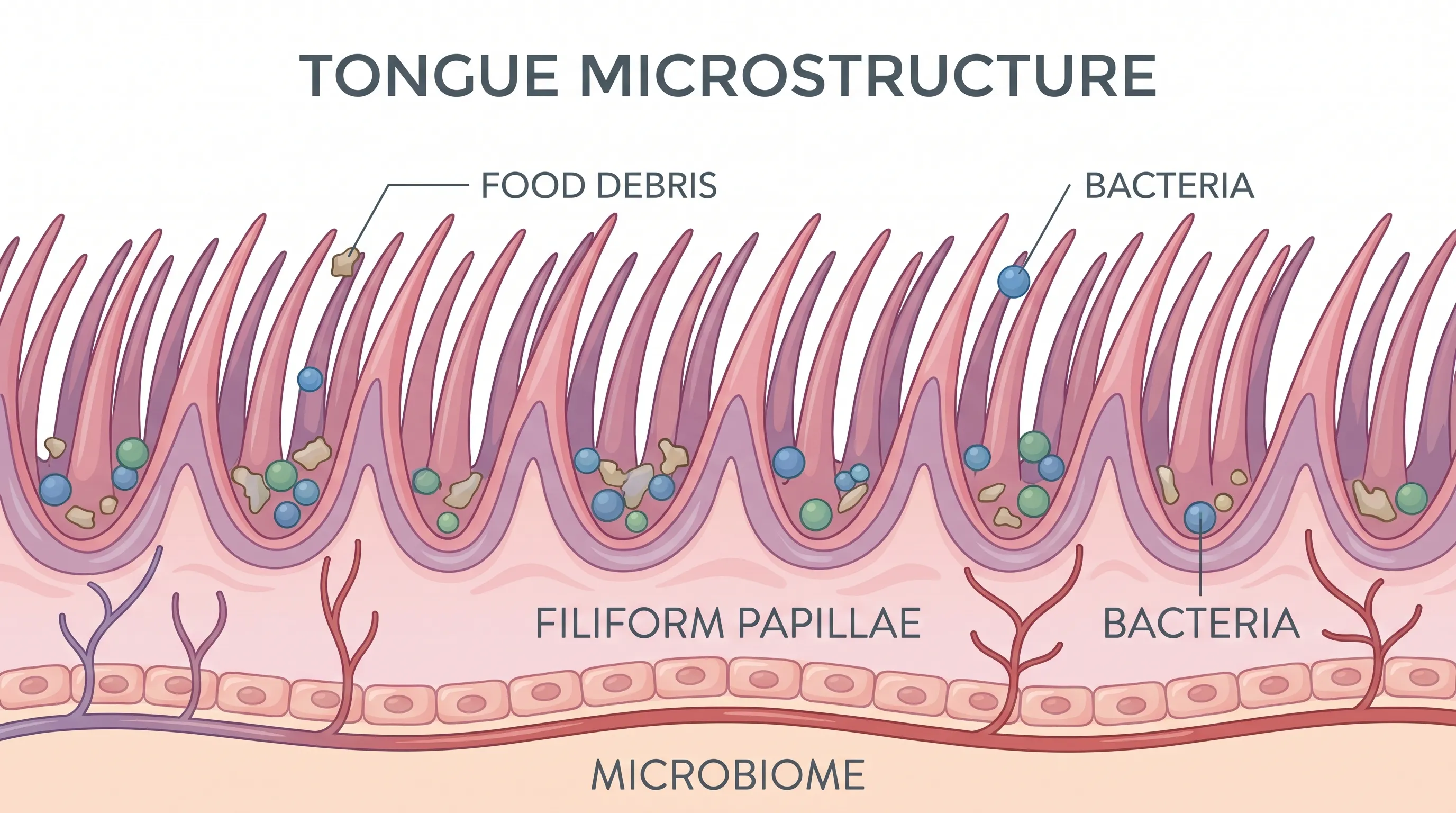
The human tongue is a highly complex muscular organ covered in thousands of tiny, hair-like projections known as papillae. These structures are essential for taste, food manipulation, and speech. The majority of these projections are filiform papillae, which are keratinized and continuously shed and regenerate. When this natural shedding process slows down, or when external factors cause debris to become trapped between the papillae, a visible layer begins to form. This layer consists of a complex mixture of desquamated epithelial cells, bacterial colonies, food particles, fungal organisms, and environmental compounds. The accumulation creates what clinicians and patients commonly refer to as a coated tongue.
Free calculatorWater Intake CalculatorCalculate daily water needsOpen the calculatorThe oral cavity houses over 700 distinct bacterial species that work together in a delicate ecological balance. When this microbiome shifts due to dietary changes, medication use, or environmental stressors, certain opportunistic organisms multiply rapidly. As they proliferate, they produce metabolic byproducts and form structured communities known as biofilms. Biofilms are notoriously resilient and adhere strongly to the papillae surface, creating the characteristic whitish or yellowish appearance. The color variation depends on several factors, including bacterial density, oxygen exposure, tobacco use, dietary pigments, and hydration status.
The Role of Saliva in Maintaining Tongue Health
Saliva is the unsung hero of oral homeostasis. It contains immunoglobulins, lysozyme, lactoferrin, and peroxidase systems that actively neutralize pathogens. Additionally, salivary flow provides a constant mechanical flushing action that prevents particulate matter from lodging between papillae. Individuals who produce adequate saliva rarely experience persistent coating. Conversely, when salivary production declines, the natural self-cleaning mechanism fails. This explains why morning breath is typically accompanied by noticeable tongue buildup: salivary flow drops significantly during sleep, allowing bacteria to multiply unchecked over several hours. Understanding this biological rhythm is the first step toward developing a sustainable cleaning routine that works with your body rather than against it.
Differentiating Normal Variation from Pathological Coating
A thin, faint white layer upon waking is entirely normal and typically disappears after routine brushing, hydration, and breakfast. This transient buildup reflects overnight metabolic activity and does not indicate disease. However, when the coating becomes thick, persistent, discolored, or accompanied by discomfort, it crosses into a clinical concern. Pathological coating often correlates with altered pH levels, chronic dry mouth, dietary imbalances, or localized infections. Learning to distinguish between physiological variation and symptomatic presentation prevents unnecessary anxiety while ensuring timely intervention when truly needed.
Common Causes of a Coated Tongue
Identifying the root cause is essential for effective management. While poor oral hygiene is the most obvious trigger, numerous physiological, environmental, and systemic factors contribute to this condition. Below are the most well-documented causes, supported by current dental and medical literature.
Poor Oral Hygiene and Bacterial Overgrowth
Inconsistent brushing, lack of mechanical tongue cleaning, and infrequent flossing create an environment where plaque and biofilm thrive. The tongue surface is often neglected during daily routines, allowing bacteria to colonize deeply between papillae. Over time, this bacterial overgrowth thickens into a visible layer that harbors volatile sulfur compounds responsible for halitosis. Research consistently shows that individuals who brush without addressing the tongue surface experience higher rates of coating recurrence and persistent bad breath.
Dry Mouth and Chronic Dehydration
Xerostomia remains one of the leading contributors to tongue coating. Conditions that reduce salivary flow include certain medications like antihistamines, antidepressants, and blood pressure regulators. Autoimmune disorders such as Sjögren syndrome, nasal congestion leading to mouth breathing, and chronic dehydration all compromise the mouth's natural cleansing ability. When the oral cavity remains dry, dead cells accumulate rapidly, and bacterial proliferation accelerates. Maintaining adequate hydration and addressing underlying dry mouth triggers are fundamental steps in prevention.
Oral Thrush and Fungal Proliferation
Candida albicans naturally resides in the oral microbiome at low concentrations. Under normal conditions, it remains harmless and kept in check by bacterial competition and immune surveillance. However, when the oral environment shifts due to antibiotic use, inhaled corticosteroids, uncontrolled diabetes, or compromised immunity, Candida overgrows. This fungal infection presents as thick white patches that may resemble cottage cheese. Unlike simple bacterial buildup, oral thrush coatings often resist light scraping and may cause underlying redness or burning sensations. Proper diagnosis and targeted antifungal therapy are required to resolve this specific presentation.
Geographic Tongue and Benign Migratory Glossitis
Geographic tongue is a harmless inflammatory condition that causes smooth, red patches with raised white borders that resemble a map. The affected areas result from temporary loss of filiform papillae, while the surrounding regions may appear coated due to compensatory keratinization and bacterial trapping. This condition tends to fluctuate in severity and often resolves spontaneously. It is not contagious and does not increase the risk of oral cancer, though it can cause temporary sensitivity to acidic or spicy foods.

When to See a Doctor
While most cases respond well to improved hygiene and hydration, certain red flags indicate the need for professional evaluation. Recognizing these warning signs early can prevent complications and uncover underlying systemic conditions that require specific treatment.
Warning Signs That Warrant Medical Attention
Persistent coating that remains unchanged after two weeks of consistent oral hygiene, mechanical cleaning, and hydration should be evaluated by a dental or medical professional. Additional concerning symptoms include pain during eating or speaking, difficulty swallowing, unexplained bleeding when scraping, foul odor that does not improve with brushing, or the development of firm, non-removable patches. These presentations may indicate chronic inflammation, precancerous changes, or active infection that requires clinical intervention.
Underlying Systemic Conditions Linked to Oral Changes
The mouth serves as a mirror to overall health. A coated tongue can sometimes reflect broader physiological imbalances. Gastroesophageal reflux disease can introduce stomach acids into the oral cavity, altering pH and promoting bacterial growth. Diabetes mellitus frequently causes dry mouth and elevated salivary glucose, creating an ideal environment for Candida proliferation. Hepatic or renal dysfunction may cause characteristic oral discoloration and coating changes due to toxin accumulation and metabolic shifts. Immunocompromised states, whether from medication, illness, or lifestyle factors, significantly alter oral microbiome composition. Discussing persistent oral changes with a healthcare provider ensures comprehensive evaluation and appropriate management.
| Primary Cause | Typical Appearance | Associated Symptoms | First-Line Management |
|---|---|---|---|
| Bacterial Biofilm Accumulation | Thin to moderate white/yellow layer | Mild bad breath, no pain | Tongue scraping, improved hygiene, hydration |
| Xerostomia (Dry Mouth) | Thick, dry, cracked surface | Sticky sensation, difficulty swallowing, morning coating | Increase water intake, saliva substitutes, review medications |
| Oral Thrush | Thick white patches resembling cottage cheese | Burning, altered taste, underlying redness | Antifungal rinses or lozenges, probiotic supplementation |
| Geographic Tongue | Smooth red patches with white borders | Temporary sensitivity to spices/acids | Gentle cleaning, avoid triggers, monitor for resolution |
Effective Home Remedies and Self-Care Strategies
Evidence-based self-care remains the cornerstone of managing a coated tongue. The following strategies have demonstrated consistent results in clinical practice and research studies. Implement them systematically for optimal outcomes.
Tongue Scraping: The Gold Standard
Tongue scraping outperforms toothbrushing for biofilm removal due to the anatomical curvature and papillae density. The American Dental Association recognizes mechanical debridement as highly effective when performed correctly. Use a dedicated stainless steel or copper scraper, as plastic variants degrade quickly and harbor bacteria. Place the scraper gently at the back of the tongue, avoiding the gag reflex trigger zone. Apply light, consistent pressure and pull forward to the tip. Rinse the scraper after each pass. Repeat three to five times until no additional residue appears. Finish by rinsing thoroughly with water. Perform this routine once daily, preferably in the morning, to remove overnight buildup before bacterial byproducts are swallowed or absorbed.
Saltwater Rinses and Hydration Protocols
Warm saltwater rinses create an osmotic environment that reduces bacterial swelling, draws out trapped fluid, and temporarily elevates oral pH to inhibit pathogen proliferation. Dissolve half a teaspoon of non-iodized sea salt in eight ounces of warm water. Swish gently for thirty seconds, focusing on reaching the tongue surface, then spit. Repeat twice daily after scraping. Pair this with consistent hydration throughout the day. Aim for at least two liters of water daily, adjusting for activity level and climate. Carry a reusable water bottle and sip regularly rather than drinking large volumes infrequently, which maintains constant salivary stimulation.
Dietary Adjustments and Targeted Probiotics
Diet directly shapes oral microbiome composition. Reduce refined sugar intake, as fermentable carbohydrates fuel bacterial overgrowth and increase acid production. Increase fiber-rich whole foods, crunchy vegetables, and apples, which naturally help clean papillae through mechanical friction during chewing. Incorporate probiotic strains specifically studied for oral health, such as Streptococcus salivarius K12 and M18, Lactobacillus reuteri, and Bifidobacterium lactis. These strains compete with pathogenic bacteria, reduce volatile sulfur compound production, and support immune modulation. Use them as lozenges or specifically formulated oral rinses rather than generic digestive supplements to ensure targeted delivery.
Medical Treatments and Professional Interventions
When conservative measures prove insufficient, clinical intervention becomes necessary. Dental and medical professionals employ targeted therapies based on diagnostic findings.
Prescription Medications and Targeted Therapies
Fungal infections require prescription antifungal agents such as nystatin suspension, clotrimazole troches, or fluconazole tablets. Treatment duration typically ranges from seven to fourteen days, with strict adherence preventing recurrence. Bacterial overgrowth accompanied by halitosis may benefit from chlorhexidine gluconate rinses, though prolonged use should be avoided due to staining and taste alteration risks. Underlying conditions like diabetes or gastrointestinal reflux require concurrent management with appropriate specialists, as isolated oral treatment will yield temporary results if systemic factors remain unaddressed.
Professional Dental Cleanings and Monitoring
Regular dental visits provide comprehensive assessment and professional debridement. Hygienists utilize specialized instruments to safely remove calcified deposits, polish rough surfaces, and evaluate papillae health. They also screen for early signs of leukoplakia, lichen planus, or other mucosal abnormalities that mimic benign coating. Establishing a consistent six-month cleaning schedule ensures early detection, personalized guidance, and sustained oral ecosystem balance. Patients with persistent coating should request a thorough soft tissue examination and consider discussing microbiome testing or salivary flow assessment with their provider.
Prevention Strategies for Long-Term Oral Wellness
Sustainable prevention requires integrating oral care into daily lifestyle habits. Consistency, rather than intensity, delivers lasting results.
Daily Oral Hygiene Routine Optimization
Brush twice daily with a soft-bristled brush using fluoride toothpaste, but reserve scraping for a separate morning step to avoid overstimulation. Floss daily to reduce overall bacterial load, as interproximal plaque contributes to total oral microbiome imbalance. Replace toothbrushes or heads every three months, and sanitize scrapers weekly with boiling water or diluted hydrogen peroxide. Avoid alcohol-based mouthwashes, which strip protective mucosal layers and worsen dry mouth. Instead, select alcohol-free formulations containing essential oils or zinc compounds that neutralize odor compounds without disrupting tissue hydration.
Lifestyle Modifications and Environmental Control
Tobacco cessation dramatically improves tongue appearance and reduces coating recurrence. Smoking irritates papillae, alters salivary composition, and promotes keratin buildup. Alcohol consumption dehydrates oral tissues and feeds specific bacterial strains that thrive in altered pH environments. Manage mouth breathing by addressing nasal congestion with saline sprays, humidifiers, or allergy treatments. Sleep with a bedside humidifier in dry climates to reduce overnight desiccation. Monitor medication side effects with your prescribing physician and explore alternatives if xerostomia persists. Finally, maintain regular physical activity and stress management practices, as chronic stress disrupts immune function and salivary composition, indirectly promoting coating formation.
Frequently Asked Questions
Is a coated tongue contagious?
A coated tongue itself is not contagious. It is typically a localized accumulation of bacteria, dead cells, and food debris resulting from individual hygiene practices, hydration status, and microbiome composition. However, if the coating is caused by an active infectious process like oral thrush or certain viral conditions, the underlying pathogen could potentially spread through direct contact or shared utensils. Maintaining proper personal hygiene and avoiding shared cleaning tools effectively prevents transmission of any active organisms.
How often should I scrape my tongue?
Dental professionals consistently recommend scraping your tongue once daily, ideally in the morning before eating or drinking. This timing removes overnight bacterial buildup and biofilm that accumulated during reduced salivary flow. Over-scraping multiple times per day can irritate the delicate papillae, cause micro-abrasions, and paradoxically increase sensitivity or bacterial adherence. Gentle, consistent pressure applied three to five times during a single morning session yields optimal results without tissue damage.
Can dehydration cause a white or yellow tongue coating?
Absolutely. Inadequate fluid intake directly reduces saliva production, leading to xerostomia. Saliva contains antimicrobial enzymes and provides mechanical cleansing action that continuously rinses the tongue surface. When dehydration occurs, dead cells accumulate rapidly, bacterial proliferation accelerates, and metabolic byproducts concentrate, creating a thickened visible layer. Reestablishing consistent hydration habits often resolves mild to moderate coating within several days.
Should I use mouthwash if I have a coated tongue?
Mouthwash can provide temporary supplementary benefits, but formulation selection is critical. Alcohol-based rinses frequently dry the oral mucosa, stripping protective layers and worsening the underlying dryness that promotes coating formation. Instead, choose alcohol-free, antimicrobial options containing cetylpyridinium chloride, zinc compounds, or essential oils. Use them as directed, typically after scraping and brushing, to neutralize volatile compounds without disrupting salivary balance or tissue hydration.
When does a coated tongue indicate a serious health condition?
Seek professional medical evaluation if the coating persists beyond two weeks despite diligent hygiene, hydration, and mechanical cleaning, or if it is accompanied by pain, bleeding, difficulty swallowing, persistent bad breath, or firm white patches that cannot be removed by scraping. These presentations may indicate chronic mucosal changes, precancerous lesions like leukoplakia, resistant fungal infections, or systemic conditions requiring targeted intervention. Early diagnosis ensures appropriate treatment and prevents unnecessary progression.
Conclusion
A coated tongue is a common, highly manageable symptom that reflects the dynamic relationship between your oral environment, daily habits, and overall health. By understanding the anatomical mechanisms behind biofilm formation, recognizing the role of hydration and microbiome balance, and implementing consistent, evidence-based hygiene practices, you can effectively restore a healthy, comfortable oral landscape. Prioritize gentle daily scraping, maintain adequate fluid intake, choose supportive dietary patterns, and schedule regular dental checkups to ensure sustained oral wellness. Remember that the mouth serves as an early warning system for broader physiological shifts, so persistent or worsening symptoms should never be ignored. With informed care and proactive management, you can confidently maintain a clean, healthy tongue and enjoy the long-term benefits of optimal oral health.
For additional evidence-based guidance, consult reputable sources such as the Mayo Clinic's overview of oral thrush and tongue changes and the Cleveland Clinic's comprehensive guide to white tongue. Staying informed and working closely with dental professionals ensures you maintain a resilient oral ecosystem for years to come.
How we work
Researched and drafted with AI assistance, then reviewed by a human editor against the cited sources.
This article is general health information, not medical advice. Consult a qualified healthcare professional about your own situation.