Back Strain Ice or Heat: A Science-Backed Guide to Faster Recovery
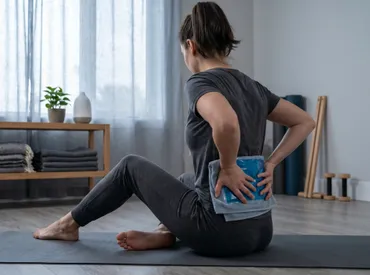
Experiencing sudden lower back discomfort is an incredibly common reality for millions of adults, and the immediate question that follows is almost always: back strain ice or heat? The answer is not as simple as picking the most convenient option from your kitchen cabinet, because applying the wrong temperature at the wrong time can actually delay tissue repair and prolong your recovery timeline. Muscle strains occur when microscopic or macroscopic tears develop within muscle fibers or their connective attachments due to overexertion, improper lifting mechanics, or sudden awkward movements. The physiological response to this trauma triggers a complex cascade of inflammatory mediators, vascular changes, and neuromuscular protective spasms. Understanding how thermal therapies interact with these biological processes is essential for making informed, evidence-based decisions about pain management. According to clinical guidelines from the Mayo Clinic, timing, application duration, and tissue temperature modulation are the critical factors that determine whether temperature therapy accelerates healing or inadvertently worsens symptoms. In this comprehensive guide, we will explore the underlying mechanisms of cryotherapy and thermotherapy, break down the clinical timelines for safe usage, and provide step-by-step protocols backed by peer-reviewed research and established musculoskeletal medicine. Whether you are managing an acute lifting injury or dealing with chronic postural tension, mastering the science of back strain ice or heat will empower you to take control of your recovery, minimize pharmaceutical dependency, and restore functional movement safely.
Understanding Back Strains: The Physiology of Injury
To effectively choose between ice and heat, you must first understand what actually happens inside your lower back when a strain occurs. The lumbar region supports the majority of the body's weight and facilitates nearly every dynamic movement, making it highly susceptible to mechanical stress. A back strain specifically involves damage to the muscles or tendons that stabilize the spine. Unlike sprains, which affect ligaments, strains target the contractile tissues responsible for movement and postural endurance.
Free calculatorA1C CalculatorA1C to average blood glucoseOpen the calculatorMuscle strains are typically categorized into three clinical grades based on severity. Grade I involves minor tearing of fewer than 10% of muscle fibers, resulting in localized stiffness and mild pain without significant loss of strength. Grade II represents a partial rupture affecting a substantial portion of the muscle-tendon unit, characterized by pronounced swelling, bruising, noticeable weakness, and restricted range of motion. Grade III indicates a complete tear, which often produces an audible popping sensation, severe pain, significant edema, and functional incapacity. Understanding your injury grade helps determine the appropriate therapeutic window for temperature interventions.
When tissue trauma occurs, the body initiates an immediate inflammatory response. Damaged cells release signaling molecules such as histamine, bradykinin, and prostaglandins. These mediators cause localized vasodilation, increasing capillary permeability to allow immune cells and plasma proteins to flood the injury site. While this process is vital for clearing cellular debris and initiating repair, it also generates swelling (edema) that compresses surrounding nerve endings, creating pressure-induced pain. Simultaneously, nociceptors become highly sensitized, sending rapid pain signals to the central nervous system. The nervous system responds with a protective muscle spasm, essentially splinting the area to prevent further movement and damage.
This acute inflammatory phase, while uncomfortable, is a necessary biological foundation for healing. However, when inflammation becomes excessive or prolonged, it contributes to tissue hypoxia, increased metabolic waste accumulation, and delayed recovery. The Cleveland Clinic notes that effectively managing this inflammatory window through targeted interventions is crucial for transitioning smoothly into the proliferative and remodeling phases of tissue repair. Thermal therapies directly influence these physiological pathways: ice dampens the inflammatory surge and reduces metabolic demand, while heat later promotes circulation, nutrient delivery, and tissue extensibility. Recognizing where you fall in the healing timeline is the first step toward optimizing your therapeutic approach.
Ice vs. Heat: The Core Scientific Differences
Cryotherapy (cold therapy) and thermotherapy (heat therapy) operate through fundamentally different physiological mechanisms, making them appropriate for distinct stages of injury recovery. Misapplication can interfere with the natural healing cascade or mask symptoms that would otherwise guide proper rehabilitation.
Cryotherapy primarily induces localized vasoconstriction. When cold is applied to the skin, thermoreceptors trigger sympathetic nervous system responses that narrow superficial and deep blood vessels. This reduces blood flow to the injured area, effectively limiting hemorrhage and fluid extravasation that contribute to swelling. Cold also significantly decreases the metabolic rate of surrounding tissues, which reduces oxygen demand and minimizes secondary ischemic injury. Perhaps most importantly for acute pain, cryotherapy slows nerve conduction velocity, particularly in small-diameter A-delta and C fibers responsible for transmitting sharp and dull pain signals. By raising the threshold for nerve activation, ice acts as a potent physiological analgesic, providing temporary relief while controlling inflammation.
Thermotherapy, conversely, relies on vasodilation. Applying heat causes the release of nitric oxide and other vasodilatory substances, expanding blood vessels and increasing regional blood flow. Enhanced perfusion delivers oxygen, amino acids, glucose, and immune factors essential for tissue regeneration while simultaneously flushing out metabolic byproducts like lactic acid and inflammatory cytokines. Heat also alters the viscoelastic properties of collagen, making tendons and fascia more pliable. This increased tissue extensibility is invaluable for reducing stiffness and preparing muscles for gentle stretching or rehabilitation exercises. Additionally, heat stimulates thermal receptors that activate the gate control mechanism in the spinal cord, where non-painful thermal signals effectively compete with and inhibit pain signals from reaching the brain.
The debate over back strain ice or heat ultimately centers on timing rather than superiority. Neither modality is inherently better; each addresses different physiological needs. Cold therapy dominates the acute phase by controlling inflammation, edema, and neural hyperexcitability. Heat therapy excels in the subacute and chronic phases by promoting circulation, reducing muscle hypertonicity, and improving mobility. Systematic reviews published through the National Institutes of Health (NIH) consistently support this phased approach, emphasizing that patient outcomes improve dramatically when temperature therapy aligns with the biological phase of tissue healing.
When to Use Ice: Acute Injury Protocols
Ice should be your primary intervention during the first 48 to 72 hours following a back strain, or anytime you experience sudden trauma accompanied by sharp pain, visible swelling, warmth to the touch, or acute muscle spasms. During this acute window, the priority is damage control: minimizing tissue destruction, limiting excessive inflammation, and providing analgesic relief to enable basic mobility and rest.
The traditional RICE protocol (Rest, Ice, Compression, Elevation) has been updated in sports medicine to the PEACE & LOVE framework, which places greater emphasis on avoiding anti-inflammatory medications too early and promoting gradual loading. However, cryotherapy remains a cornerstone of acute symptom management. Ice does not halt inflammation entirely, which would impair healing, but rather modulates it to prevent secondary damage. When cold penetrates deep into lumbar musculature, it reduces enzymatic activity and cellular metabolism, decreasing the likelihood of necrotic cell death around the primary injury site.
To apply ice safely and effectively, use a cold pack, gel compress, or even a bag of frozen peas wrapped in a thin towel or cloth barrier. Direct skin contact with frozen surfaces can cause superficial nerve damage or frostbite within minutes. Apply the cold source for 15 to 20 minutes per session, then allow the skin to return completely to normal temperature before reapplying. During the first day, sessions can be spaced every 1 to 2 hours. By day two or three, reduce frequency to 3 to 4 times daily as symptoms stabilize.
While applying ice, monitor your body's response. You should feel a progression of sensations: initial coldness, followed by a burning or aching phase, and finally numbness. Once numbness sets in, remove the pack. Continuing past this point offers no additional therapeutic benefit and increases tissue risk. If you experience persistent numbness, skin mottling, or blistering, discontinue use immediately.
Certain medical conditions contraindicate cryotherapy. Individuals with Raynaud's phenomenon, cold urticaria, severe peripheral vascular disease, diabetic neuropathy, or compromised skin integrity should avoid ice or consult a healthcare provider before use. Additionally, the CDC advises against applying cold therapy to areas with suspected fractures or open wounds, as vasoconstriction can impair wound healing and mask symptoms that require urgent evaluation.
When to Use Heat: Subacute and Chronic Management
Heat therapy becomes the intervention of choice once the acute inflammatory phase subsides, typically 48 to 72 hours post-injury, or for chronic back conditions characterized by persistent stiffness, dull aching, muscle tension, and postural strain. If your lower back feels tight rather than swollen, warm to the touch rather than hot, and responds to gentle stretching, thermotherapy will likely yield superior results.
The primary goal of heat application in subacute and chronic scenarios is to break the cycle of muscle guarding and ischemic pain. Chronic back strain often leads to sustained muscle contraction, which compresses local blood vessels and creates a state of relative tissue hypoxia. This oxygen deprivation produces metabolic waste products that stimulate nociceptors, causing a dull, persistent ache. Heat interrupts this feedback loop by dilating arterioles and capillaries, restoring adequate perfusion, and facilitating metabolic clearance.
Clinical evidence suggests that moist heat penetrates tissues more effectively than dry heat, allowing therapeutic temperatures to reach deeper musculature such as the multifidus, erector spinae, and quadratus lumborum. A warm bath, hydrocollator pack, or dampened microwaveable wrap typically delivers more consistent thermal transfer than a standard electric heating pad. Apply moist heat at a comfortable temperature between 104°F and 110°F (40°C to 43°C) for 15 to 30 minutes. Sessions should be repeated 2 to 4 times daily, preferably before gentle stretching or rehabilitative exercises, as warmed tissues respond more safely to movement.
Dry heat sources like standard heating pads or infrared lamps remain useful for chronic maintenance or when moisture is impractical. Ensure devices have automatic shut-off timers and never sleep with an active heating pad, as prolonged unattended application can cause low-temperature burns that may not be immediately painful due to thermal adaptation.
Heat therapy also carries contraindications. Avoid thermotherapy during the acute inflammatory stage, as vasodilation will exacerbate swelling and pain. Do not apply heat if you have active infection, malignancy in the treatment area, recent hemorrhage, severe sensory deficits, or unmanaged diabetes with peripheral neuropathy. The World Health Organization (WHO) emphasizes that temperature therapy for musculoskeletal conditions should always complement, not replace, movement-based interventions and proper ergonomic adjustments.
Practical Application Guidelines and Safety Precautions
Maximizing the benefits of back strain ice or heat requires strict adherence to safety protocols and proper technique. Thermal injuries, though rare with correct usage, can significantly complicate recovery. The following guidelines ensure therapeutic effectiveness while minimizing adverse events.
Always use a protective barrier between the thermal source and your skin. A single layer of thin cotton, a damp towel, or a commercially designed cover prevents direct tissue damage while maintaining conductive heat or cold transfer. Position yourself comfortably, ideally lying prone with a pillow under your abdomen to reduce lumbar lordosis, or sitting upright with proper spinal support. Poor posture during application can perpetuate muscle strain, counteracting the therapy's benefits.
Set a timer before starting your session. Human thermal perception adapts quickly, meaning you may not notice when a pack becomes dangerously hot or cold after the first few minutes. Fifteen to twenty minutes for ice, and twenty to thirty minutes for heat, represents the optimal therapeutic window. Shorter sessions fail to achieve deep tissue temperature change, while longer sessions risk frostbite or thermal burns without providing additional physiological advantages.
Contrast therapy, which involves alternating between cold and hot applications, is sometimes recommended for subacute injuries or athletes returning to training. A typical protocol involves three minutes of heat followed by one minute of cold, repeated for three to five cycles, always ending with cold. This alternating vascular response creates a pumping mechanism that theoretically flushes edema and reduces inflammation while promoting circulation. However, contrast therapy should only be attempted after the acute phase has clearly passed and under guidance from a physical therapist or sports medicine clinician.
Special populations require modified approaches. Older adults experience reduced skin thickness and impaired thermoregulation, making them more susceptible to thermal injuries. Reduce application temperatures slightly and increase monitoring intervals. Pregnant individuals should avoid applying heat directly over the abdomen or using prolonged systemic heating, as elevated core temperatures can pose fetal risks. Children have thinner skin and higher metabolic rates; limit sessions to 10-15 minutes with lower intensity settings.
Recognize red flag symptoms that indicate your back strain requires immediate professional medical attention rather than self-management. These include pain radiating below the knee, progressive lower extremity weakness, numbness in the saddle region (groin, buttocks, inner thighs), loss of bowel or bladder control, fever, unexplained weight loss, or pain resulting from high-impact trauma or osteoporosis. The National Institute of Neurological Disorders and Stroke (NINDS) stresses that these neurological or systemic signs suggest conditions like herniated disc with nerve root compression, cauda equina syndrome, spinal infection, or fracture, which require imaging, targeted pharmacotherapy, and potentially surgical intervention.
Integrating Temperature Therapy into a Comprehensive Recovery Plan
Thermal modalities are powerful adjunctive tools, but they do not replace the foundational pillars of musculoskeletal rehabilitation: controlled movement, progressive loading, ergonomic optimization, and pain-aware activity modification. Using ice or heat in isolation without addressing underlying biomechanical deficits often leads to recurrent strains.
During the first few days post-injury, combine temperature therapy with relative rest. Complete bed rest beyond 24 to 48 hours is discouraged by modern clinical guidelines, as prolonged immobility promotes muscle deconditioning, joint stiffness, and delayed healing. Instead, engage in gentle, pain-free activities like short walks around the home. Apply ice immediately following these light movements to manage any reactive inflammation.
As acute symptoms subside, transition to heat therapy before performing prescribed mobility exercises. Gentle cat-cow stretches, pelvic tilts, knee-to-chest movements, and hip flexor stretches restore lumbar and pelvic mobility. The increased tissue pliability from heat reduces resistance during stretching, allowing for safer range-of-motion improvements. Follow stretching with isometric core stabilization exercises, such as modified planks or abdominal bracing, to rebuild the deep muscular corset that supports the spine.
Over-the-counter medications can complement thermal therapy but should be used judiciously. Nonsteroidal anti-inflammatory drugs (NSAIDs) like ibuprofen reduce both pain and inflammation, potentially overlapping with ice's effects. Acetaminophen addresses pain without impacting the inflammatory cascade. Some researchers suggest that excessive NSAID use in the first 48 hours might blunt necessary inflammation for tissue remodeling, so consult a pharmacist or physician regarding dosage and timing. Always take medications with food and avoid combining multiple NSAIDs.
Nutrition and hydration play often-overlooked roles in back strain recovery. Adequate protein intake supplies amino acids for muscle repair, while omega-3 fatty acids support healthy inflammatory resolution. Proper hydration maintains disc hydrostatic pressure and tissue elasticity. The WHO musculoskeletal health guidelines recommend maintaining a balanced diet rich in anti-inflammatory foods, combined with regular weight-bearing exercise and stress management techniques, to prevent future episodes.
When symptoms persist beyond two to four weeks despite consistent home care, seek evaluation from a physical therapist or spine specialist. Physical therapists employ manual therapy, targeted neuromuscular reeducation, progressive resistance training, and functional movement screening to address root causes such as gluteal amnesia, core instability, thoracic stiffness, or improper lifting mechanics. They can also guide you in transitioning from acute pain management to long-term spinal health optimization.
Frequently Asked Questions
Can I alternate between ice and heat for the same back strain?
Yes, alternating therapies can be highly effective once you pass the acute inflammatory window, typically after the first 72 hours. This approach, known as contrast therapy, leverages the vascular pumping effect created by sequential vasodilation and vasoconstriction. A common and safe protocol involves applying heat for 20 minutes to increase blood flow and relax hypertonic muscles, followed immediately by 10 minutes of ice to control any secondary inflammation from movement or stretching. Always begin with the modality that addresses your primary symptom: if stiffness and tightness dominate, start with heat; if swelling or sharp pain flares after activity, finish with cold. Maintain at least a one-hour gap between full cycles to allow your skin and underlying tissues to normalize. If you experience increased pain, numbness, or skin discoloration, discontinue the alternating protocol and revert to single-modality application until symptoms stabilize.
How long does a typical lower back strain take to heal?
Most uncomplicated lumbar muscle strains follow a predictable healing trajectory. Grade I strains typically resolve within 1 to 2 weeks, Grade II injuries require 3 to 6 weeks of structured rehabilitation, and Grade III tears may take 3 to 4 months, sometimes requiring medical intervention. The inflammatory phase lasts approximately 72 hours, followed by a proliferative phase where fibroblasts lay down new collagen, lasting up to 3 to 4 weeks. The final remodeling phase, where collagen fibers align along stress lines to restore tissue strength, continues for several months. Healing timelines vary significantly based on age, baseline fitness, nutritional status, smoking history, and adherence to proper biomechanics during recovery. Smoking impairs microvascular circulation, delaying tissue repair, while maintaining gentle movement accelerates recovery. If your pain does not show measurable improvement after 2 to 3 weeks of consistent home care, professional evaluation is warranted to rule out disc pathology, facet joint syndrome, or other non-muscular etiologies.
Is heat or ice better for back pain caused by poor posture or prolonged sitting?
For pain stemming from postural strain, ergonomic stress, or prolonged static positioning, heat therapy is generally more beneficial than ice. Sedentary behavior leads to muscle ischemia, fascial adhesions, and adaptive shortening of hip flexors and lumbar extensors, creating a chronic low-grade ache rather than acute tissue trauma. Applying heat increases local circulation, washes out metabolic waste, and temporarily increases collagen elasticity, making it easier to perform corrective stretches. Pairing heat therapy with ergonomic adjustments—such as using lumbar support, positioning screens at eye level, taking microbreaks every 30 minutes, and incorporating standing intervals—yields the best outcomes. Ice may provide temporary numbness if acute spasms occur after sitting, but it does not address the underlying circulatory stagnation or tissue stiffness. The Mayo Clinic recommends combining thermotherapy with targeted stretching and postural reeducation for sustained relief from mechanical back pain.
Can I use heat or ice if I have underlying medical conditions like diabetes or neuropathy?
Individuals with diabetes, peripheral neuropathy, or circulatory disorders must exercise extreme caution when using temperature therapy. Peripheral neuropathy impairs sensory feedback, meaning you may not accurately perceive when a heating pad becomes too hot or an ice pack causes frostbite. Diabetic vascular complications also slow tissue repair, making thermal injuries more likely to develop into chronic ulcers or infections. If you choose to use thermal modalities, strictly limit applications to 10-15 minutes, always use a thick protective barrier, and have a caregiver check your skin immediately before and after each session. Monitor for excessive redness, blistering, or persistent numbness. The CDC advises that patients with significant sensory deficits or advanced peripheral arterial disease should consult their healthcare provider before initiating any home-based thermal treatment, and may benefit from professionally supervised physical therapy modalities instead.
When should I stop home treatment and see a doctor or physical therapist?
You should seek professional medical evaluation if your back pain persists beyond 2 to 4 weeks despite consistent adherence to rest, thermal therapy, and gentle mobility exercises. Immediate medical attention is required if you experience any neurological red flags: radiating pain extending below the knee, progressive leg weakness, tingling or numbness in the feet or saddle area, loss of bowel or bladder control, or gait instability. Additional warning signs include unexplained weight loss, fever, night pain that disrupts sleep, pain resulting from significant trauma like a fall or motor vehicle accident, or a history of cancer or osteoporosis. A healthcare provider can perform a comprehensive neurological exam, order imaging such as X-rays or MRI if indicated, and prescribe targeted interventions. Early physical therapy referral is strongly recommended to prevent chronic pain pathways, correct movement dysfunctions, and implement a progressive strengthening protocol tailored to your specific injury and biomechanical profile.
Conclusion
Navigating the decision between back strain ice or heat requires a clear understanding of injury timing, physiological mechanisms, and safe application practices. Ice therapy serves as a powerful tool during the first 48 to 72 hours following acute trauma, effectively modulating inflammation, reducing secondary tissue damage, and providing analgesic relief through decreased nerve conduction velocity. Heat therapy excels in the subacute and chronic phases, promoting vasodilation, enhancing tissue extensibility, alleviating muscle hypertonicity, and preparing the lumbar spine for rehabilitative movement. Neither modality should be used indiscriminately; matching temperature application to your specific healing stage prevents complications and accelerates functional recovery.
Successful back strain management extends far beyond thermal therapy alone. Integrating proper body mechanics, gradual mobility exercises, core stabilization, ergonomic adjustments, and appropriate medical guidance creates a comprehensive recovery framework. Always prioritize safety by using protective barriers, adhering to time limits, monitoring skin response, and recognizing red flag symptoms that require immediate professional intervention. By applying evidence-based temperature protocols in alignment with your body's natural healing timeline, you can effectively reduce pain, restore movement, and minimize the risk of recurrent injury. Consistent, mindful self-care paired with timely clinical evaluation when needed forms the foundation of long-term spinal health and musculoskeletal resilience.
How we work
Researched and drafted with AI assistance, then reviewed by a human editor against the cited sources.
This article is general health information, not medical advice. Consult a qualified healthcare professional about your own situation.