Piercing Tea Tree Oil: Evidence-Based Aftercare Guide for Safe Healing
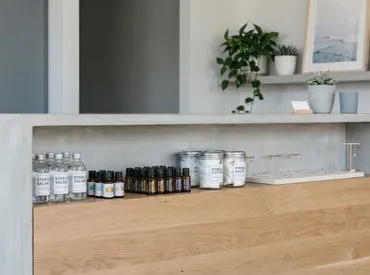
Navigating the aftercare landscape for new body modifications can feel overwhelming, especially when natural wellness trends heavily promote essential oils as miracle wound-healing agents. Among the most frequently discussed botanical remedies in the body modification community is piercing tea tree oil, a diluted application of Melaleuca alternifolia extract that many believe can accelerate tissue recovery and prevent localized infections. While the historical use of tea tree oil in traditional medicine spans generations, modern dermatological science demands a careful, evidence-based approach when introducing potent essential compounds into an open wound environment. The reality is that healing cartilage, earlobes, or mucosal tissue requires a precise balance of moisture control, microbial management, and gentle mechanical cleansing. Understanding how natural antiseptics interact with the delicate regenerative processes of your body is essential for avoiding complications like contact dermatitis, delayed closure, or granuloma formation. This comprehensive guide explores the pharmacology of tea tree oil, outlines clinically informed application protocols, compares natural remedies with standard medical-grade solutions, and provides actionable safety frameworks to help you achieve clean, trouble-free healing. Whether you are considering your first lobe modification or managing a stubborn cartilage bump, informed decision-making will always yield safer outcomes than following unverified social media trends. By prioritizing sterile practices, respecting tissue biology, and using botanical extracts responsibly, you can support your body's innate repair mechanisms without compromising skin barrier integrity. Let's examine exactly how piercing tea tree fits into a modern, medically sound aftercare routine and learn how to harness its potential benefits while minimizing avoidable risks.
Understanding Piercing Healing and Antimicrobial Support
The journey of a healing piercing follows a highly coordinated biological timeline that cannot be rushed or artificially manipulated without risking disruption to cellular regeneration. When jewelry punctures the skin, it creates a controlled wound that immediately triggers a cascade of physiological responses designed to seal the breach, clear potential pathogens, and rebuild structural tissue. During hemostasis, platelets aggregate to form a provisional matrix while vasoconstriction minimizes blood loss. Within hours, inflammatory mediators like histamine, prostaglandins, and cytokines recruit neutrophils and macrophages to clear debris and neutralize invading microorganisms. This inflammatory phase, though often uncomfortable with localized swelling and mild heat, is fundamentally protective and necessary. Skipping or aggressively suppressing it can lead to chronic inflammation or biofilm establishment around the jewelry.
Free calculatorSun Protection GuideSPF guide and sun protection recommendationsOpen the calculatorHow Piercings Heal at a Cellular Level
Once inflammation stabilizes, the proliferation phase commences, typically spanning several weeks to months depending on placement and vascularity. Fibroblasts migrate into the wound bed, synthesizing collagen and extracellular matrix proteins that gradually strengthen the tract. Epithelial cells proliferate along the edges and eventually migrate inward to form a continuous lining around the jewelry. This newly formed epithelial tunnel remains fragile for extended periods, particularly in cartilage or dermal anchors where blood supply is comparatively limited. During remodeling, collagen fibers reorganize along mechanical stress lines, gradually increasing tensile strength and reducing visible redness. The entire process demands a balanced microbial environment, consistent moisture retention, and protection from mechanical trauma. Introducing antimicrobial agents like piercing tea tree must align with these cellular timelines, ensuring that any active compounds support rather than suppress the natural regenerative cascade.
Why People Turn to Essential Oils for Aftercare
Historical and cultural practices have long utilized plant-derived resins, tannins, and volatile oils for wound management due to their perceived antimicrobial, anti-inflammatory, and analgesic properties. In contemporary wellness circles, piercing tea tree has gained traction as a botanical alternative to synthetic antiseptics that were once popular but later found to be cytotoxic to healing fibroblasts. Many individuals report using essential oils to address minor crust buildup, localized tenderness, or early signs of irritation. However, the concentration of bioactive terpenes in undiluted oils vastly exceeds the tolerance threshold of compromised epidermal tissue. Modern wound care science emphasizes that the skin microbiome, while requiring occasional management during open-healing phases, largely self-regulates when provided with a clean, hydrated, and non-irritating environment. The appeal of piercing tea tree stems from its widespread availability, historical reputation, and marketing that positions it as a natural panacea, yet responsible application requires strict adherence to dilution standards, patch testing protocols, and realistic expectations about what botanical extracts can achieve during tissue regeneration.
What Is Piercing Tea Tree Oil?
Piercing tea tree refers to preparations derived from the leaves and terminal branches of Melaleuca alternifolia, an evergreen shrub native to southeastern Queensland and northeastern New South Wales, Australia. Indigenous populations have utilized crushed leaves in inhalation therapies and topical poultices for centuries, recognizing their distinctive camphoraceous aroma and soothing effects on minor skin abrasions. Commercial extraction relies on steam distillation, which yields a volatile essential oil rich in monoterpenes, particularly terpinen-4-ol, 1,8-cineole, alpha-terpineol, and gamma-terpinene. The pharmacological activity of the oil is predominantly attributed to terpinen-4-ol, which constitutes thirty to forty percent of high-quality distillates and demonstrates broad-spectrum antimicrobial, anti-inflammatory, and immunomodulatory effects in vitro.
Botanical Origin and Active Compounds
Melaleuca alternifolia thrives in poorly drained, nutrient-deficient soils, and its survival adaptations include producing secondary metabolites that deter herbivory and inhibit fungal colonization. Steam distillation captures these lipophilic compounds without degrading heat-sensitive constituents, though oxidation rapidly occurs when the oil is exposed to air, light, or elevated temperatures. Oxidized tea tree oil contains higher concentrations of allergens like ascaridole and 1,2,4-trihydroxymenthane, which significantly increase the likelihood of sensitization and allergic contact dermatitis. This chemical volatility underscores why storage in amber glass, tight sealing, and refrigeration after opening are non-negotiable for maintaining stability and safety. When formulated correctly for topical application, piercing tea tree preparations leverage terpinen-4-ol to disrupt microbial cell membranes, modulate prostaglandin synthesis, and downregulate pro-inflammatory cytokines such as tumor necrosis factor-alpha and interleukin-6. These mechanisms provide a theoretical basis for symptom relief in minor localized irritation, but they also highlight why concentration control and application timing remain critical variables.
Historical and Modern Medical Use
Clinical interest in Melaleuca extracts expanded significantly during the late twentieth century, with peer-reviewed studies documenting efficacy against Staphylococcus aureus, Propionibacterium acnes, and Candida albicans in controlled laboratory environments. The oil has been incorporated into dermatological formulations for mild acne, fungal nail infections, and minor skin abrasions, though it is rarely recommended for deep or actively bleeding wounds. In the context of body modification, piercing tea tree is primarily used off-label to address localized tenderness, minor crusting, or early hypergranulation, but it has never undergone randomized controlled trials specifically for post-piercing wound management. Regulatory agencies classify it as a cosmetic ingredient rather than an approved pharmaceutical, meaning quality, purity, and labeling accuracy vary widely across manufacturers. Consumers seeking botanical support should prioritize third-party tested, ISO-certified oils with verified terpinen-4-ol percentages and documented oxidation status, avoiding synthetic adulterants or chemically isolated substitutes that lack the full entourage of protective antioxidants present in authentic distillates.
Scientific Evidence Behind Piercing Tea Tree Oil Applications
While traditional use and preliminary in vitro studies provide a compelling rationale for exploring botanical antiseptics, modern dermatological standards require rigorous evaluation of safety, concentration-dependent efficacy, and interaction with living tissue. Research into piercing tea tree applications has focused primarily on its antimicrobial spectrum, anti-inflammatory modulation, and barrier-compatible dilution thresholds. Understanding what the scientific literature actually supports helps separate evidence-informed practice from wellness marketing claims that overpromise results or ignore tissue-level risks. The skin's acid mantle, microbiome balance, and structural proteins all respond differently to essential oil components than intact epidermis, necessitating careful translation from petri dish observations to clinical application on healing tracts.
Antimicrobial and Anti-Inflammatory Properties
Multiple peer-reviewed investigations have demonstrated that terpinen-4-ol exerts bacteriostatic and bactericidal effects by compromising lipid bilayer integrity in microbial membranes, leading to cytoplasmic leakage and loss of structural viability. This mechanism explains observed reductions in colony-forming units for common skin colonizers and opportunistic pathogens in laboratory settings. Simultaneously, tea tree oil exhibits immunomodulatory activity by suppressing nuclear factor kappa B signaling, which reduces the release of inflammatory mediators responsible for prolonged redness and discomfort. In dermatological applications, these dual properties make it useful for managing superficial folliculitis, mild contact dermatitis, and early-stage acne lesions. However, the transition from treating intact or minimally compromised skin to managing a puncture wound that requires fibroblast proliferation and collagen deposition introduces significant variables. High concentrations can become cytotoxic to keratinocytes and fibroblasts, potentially slowing epithelialization and altering extracellular matrix organization. Evidence consistently supports that dilution is not merely a comfort measure but a physiological necessity when applying piercing tea tree near regenerating tissue.
Clinical Studies on Terpinen-4-ol and Wound Care
Several controlled trials have examined tea tree oil in comparison to standard antiseptics like povidone-iodine and chlorhexidine. While essential oils demonstrate competitive antimicrobial activity, clinical wound care guidelines continue to prioritize sterile saline and targeted prescription antimicrobials for open wounds due to predictable pharmacokinetics and minimal interference with cellular repair. Studies published in reputable dermatology and microbiology journals note that properly diluted preparations can serve as adjunctive support for superficial skin conditions but emphasize that essential oils lack the standardized dosing required for primary wound cleansing. When evaluating piercing tea tree specifically, the absence of large-scale, peer-reviewed clinical trials means recommendations must be extrapolated from general dermatological principles and conservative safety frameworks. Researchers consistently advise against using essential oils during the initial inflammatory phase, when vascular permeability is heightened and nerve endings are hypersensitive. Instead, botanical extracts are better positioned for late-stage maintenance or targeted intervention when standard saline rinses fail to address persistent minor irritation. Integrating piercing tea tree into an aftercare regimen requires respecting tissue biology, adhering to dilution protocols, and recognizing that evidence supports cautious supplementation rather than foundational wound management.
How to Safely Use Piercing Tea Tree Oil in Your Aftercare Routine
Safe integration of botanical extracts into wound care demands meticulous attention to concentration, carrier selection, application frequency, and hygiene practices. Improper use remains the primary driver of adverse reactions, including chemical burns, sensitization, and prolonged erythema. Establishing a structured protocol ensures that piercing tea tree supports healing without introducing unnecessary variables that could compromise tissue integrity. The following guidelines translate dermatological best practices into actionable steps suitable for individuals managing body modifications responsibly.
Proper Dilution Ratios for Sensitive Skin
Dilution is the cornerstone of safe essential oil application. For facial and cartilage tissue, concentrations should remain between 0.1 percent and one percent. Achieving this ratio requires precise measurement, as even minor deviations can significantly increase irritation risk. A practical approach involves using a carrier oil with low comedogenicity and high oxidative stability, such as squalane, fractionated coconut oil, or golden jojoba oil. To prepare a 0.5 percent dilution, combine approximately one drop of high-quality tea tree oil with two teaspoons of carrier oil. Mix thoroughly in a sterilized glass dropper bottle, label clearly with preparation date, and store away from direct sunlight and heat sources. Never apply essential oils directly from the bottle, mix with tap water instead of sterile saline, or use plastic containers that can leach compounds into the mixture. Proper dilution preserves the antimicrobial and soothing properties of terpinen-4-ol while minimizing the concentration threshold that triggers allergic responses or cellular toxicity.
Step-by-Step Application Guide
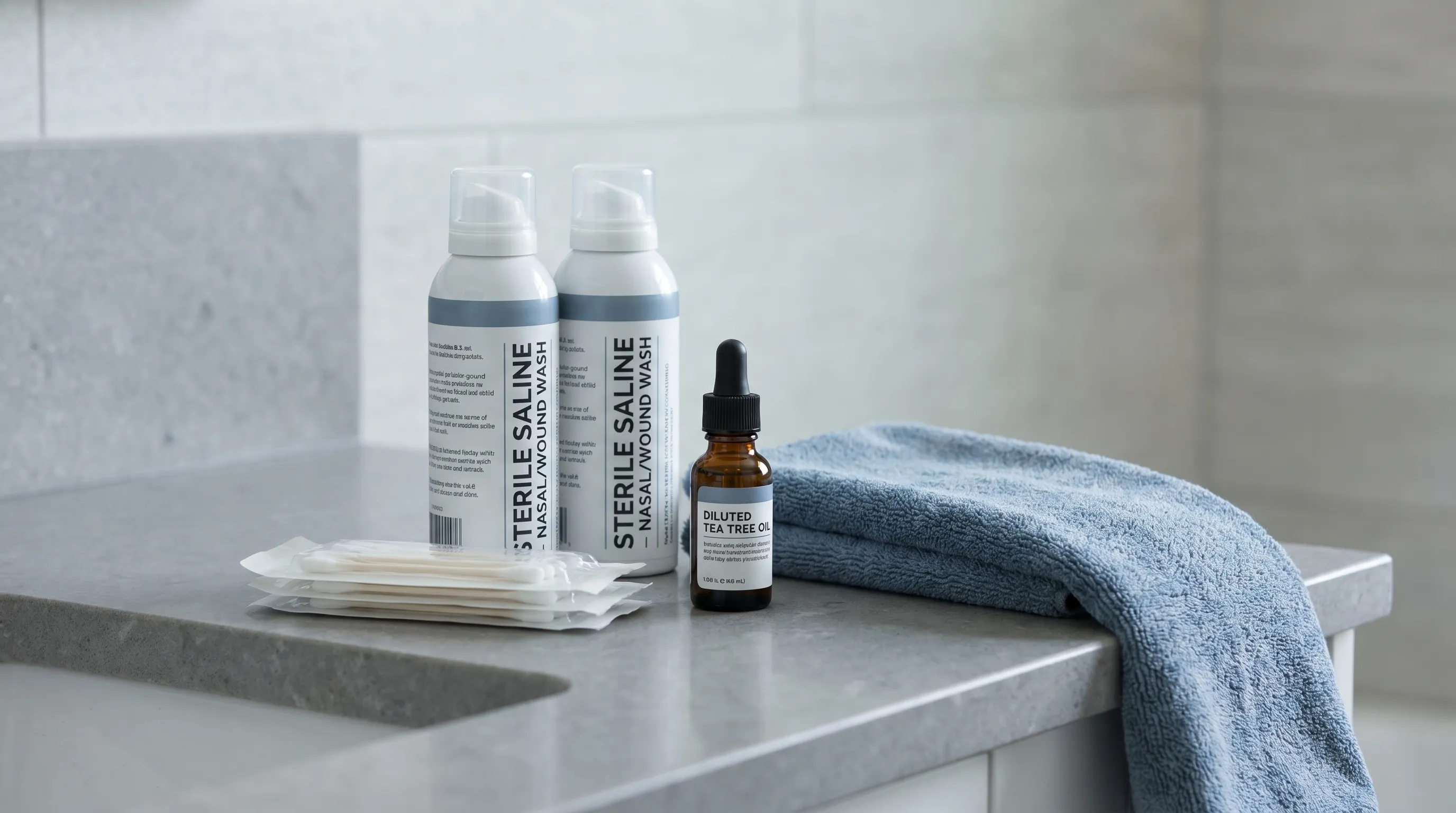
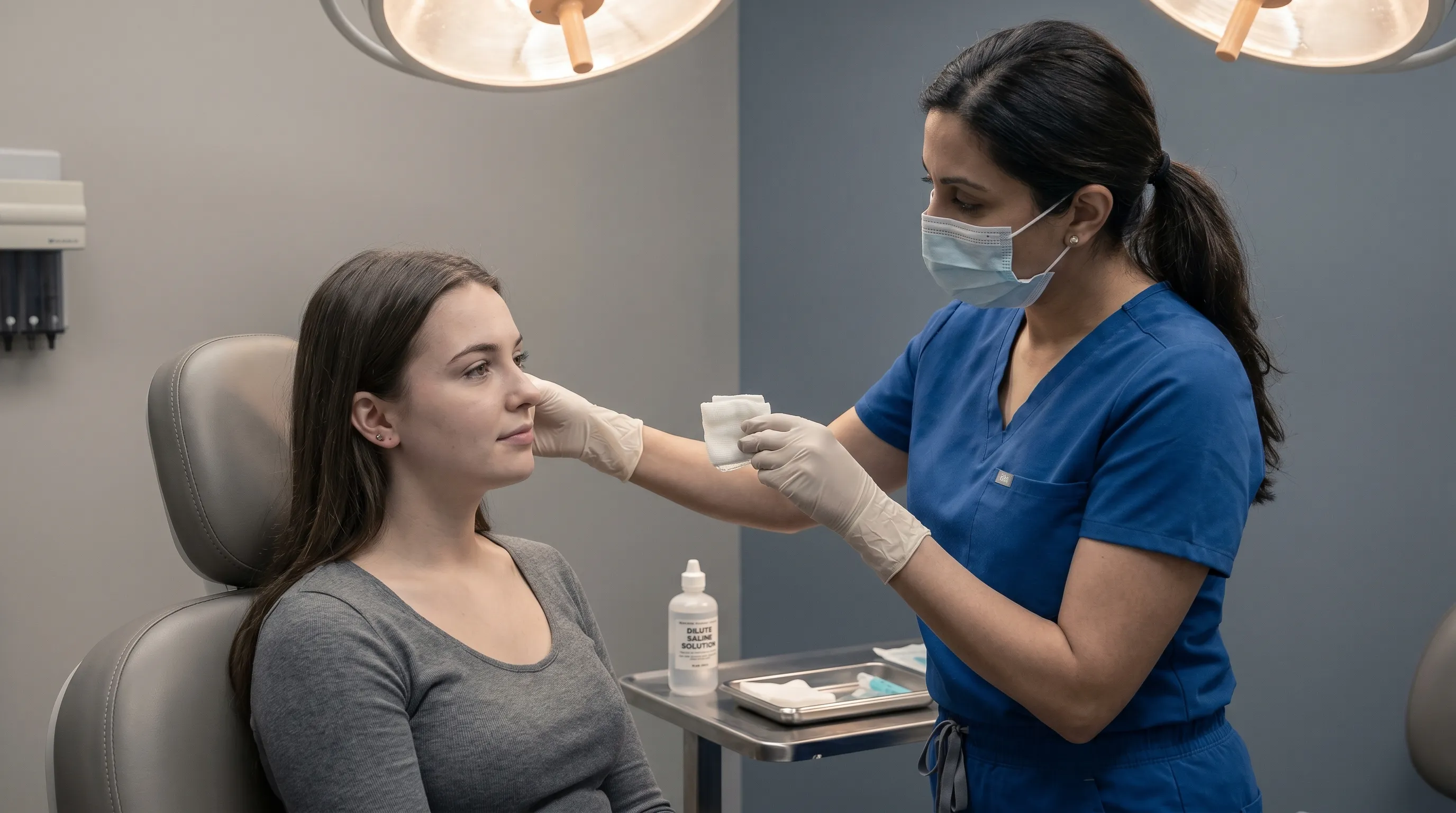
Once your dilution is prepared and your piercing has progressed beyond the initial inflammatory phase, follow a structured application routine to minimize contamination and maximize tissue compatibility. Begin by washing your hands thoroughly with fragrance-free soap and warm water. Prepare sterile gauze pads and a clean cotton applicator. Dampen a small section of sterile gauze with sterile saline and gently wipe the piercing site to remove surface debris and crust. Allow the area to air dry completely before introducing any oil-based solution. Using a fresh cotton swab, collect a minimal amount of the diluted piercing tea tree mixture and gently apply a thin layer along the entrance and exit points of the jewelry, avoiding aggressive rubbing or deep penetration into the tract. Allow the mixture to absorb naturally for ten to fifteen minutes before moving around or replacing jewelry. Limit application to once daily or every other day, monitoring closely for any signs of increased sensitivity. Always store prepared dilutions in the refrigerator and discard after two weeks to prevent oxidation and microbial growth within the carrier oil.
What to Avoid When Using Essential Oils on Fresh Piercings
Understanding contraindications is equally important as following positive guidelines. Avoid combining piercing tea tree with alcohol, hydrogen peroxide, witch hazel, or commercial antiseptic mouthwashes, as overlapping chemical exposures strip lipids from the stratum corneum and delay epithelialization. Do not apply undiluted oil to active bleeding sites, deeply embedded dermal anchors, or oral and genital modifications where mucosal absorption significantly increases systemic exposure. Refrain from using cotton balls that shed fibers and become trapped in the healing tract, which can introduce foreign bodies and trigger localized inflammation. Avoid heat application, sauna exposure, or swimming in untreated bodies of water while using any botanical extract on a piercing, as thermal dilation and environmental pathogens compound irritation risk. Most importantly, resist the urge to rotate or twist jewelry during application, as mechanical disruption repeatedly breaks forming epithelial bridges and extends the healing timeline indefinitely.
Comparing Piercing Tea Tree to Standard Aftercare Solutions
Navigating aftercare options requires objective evaluation of efficacy, safety profiles, cost, and ease of use. While essential oils offer compelling historical and botanical narratives, standardized medical solutions have undergone extensive clinical validation for wound management. Understanding how piercing tea tree measures against conventional approaches helps individuals make informed choices aligned with their tissue tolerance and healing stage. The following comparison evaluates key variables that directly impact recovery trajectories and complication rates.
Saline vs. Tea Tree Oil: An Evidence-Based Breakdown
Sterile 0.9% sodium chloride saline remains the universal standard recommended by wound care specialists for daily cleansing. Its osmolarity closely matches human plasma, making it isotonic and non-irritating to exposed dermal tissue. Saline mechanically flushes away exudate, dried blood, and environmental contaminants without altering pH, disrupting the microbiome, or introducing active pharmacological agents. It is shelf-stable, inexpensive, and carries virtually zero risk of sensitization when used as directed. Piercing tea tree, by contrast, introduces pharmacologically active terpenes that require dilution, storage management, and careful monitoring. While it may offer targeted soothing properties for minor localized tenderness, it does not replace the foundational cleansing function of saline. Clinical evidence consistently positions saline as the primary intervention, with essential oils relegated to optional, supplementary use in specific scenarios. The safest approach integrates regular sterile saline rinses with occasional, highly diluted botanical applications only after confirming tissue tolerance through patch testing and professional guidance.
Comparison Table: Aftercare Solutions Overview
| Feature | Sterile 0.9% Saline | Diluted Piercing Tea Tree Oil | Isopropyl Alcohol / Hydrogen Peroxide | Commercial Antibiotic Ointments |
|---|---|---|---|---|
| Primary Function | Mechanical cleansing, hydration maintenance | Targeted antimicrobial, mild anti-inflammatory support | Broad-spectrum microbial elimination | Prescription-grade infection treatment |
| Safety Profile | Excellent, isotonic, non-sensitizing | Good when properly diluted, requires monitoring | Poor, cytotoxic to fibroblasts, delays healing | Variable, risk of occlusion and allergic reaction |
| Recommended Frequency | 2-3 times daily during active healing | 1x daily or every other day, optional | Not recommended for piercings | Only when clinically indicated by a physician |
| Impact on Tissue Regeneration | Neutral, supports natural closure | Minimal interference at low concentrations | Disrupts epithelialization, causes dryness | Creates moisture barrier, traps bacteria |
| Cost and Accessibility | Low cost, widely available pharmacy product | Moderate cost, requires quality verification | Low cost but inappropriate for aftercare | Requires prescription, higher cost |
Potential Risks and Side Effects of Using Piercing Tea Tree
Essential oils are concentrated botanical extracts with potent pharmacological activity, and their interaction with compromised skin introduces unique risk profiles that differ significantly from intact epidermis. Understanding these potential complications helps individuals recognize early warning signs and adjust routines before minor irritation escalates into chronic dermatitis or prolonged healing delays. Responsible use requires acknowledging both the benefits and the limitations of piercing tea tree within a structured aftercare framework.
Allergic Contact Dermatitis and Skin Sensitization
Allergic contact dermatitis remains the most frequently reported adverse reaction to topical tea tree oil application. Sensitization typically develops after repeated exposure, particularly when oxidized preparations or improperly diluted products contact broken skin. The immune system recognizes certain terpene oxidation products as foreign antigens, triggering type IV hypersensitivity reactions characterized by pruritus, erythema, vesiculation, and lichenification over time. Unlike primary irritant contact dermatitis, which appears immediately after exposure, allergic responses can develop days or weeks later, making cause-and-effect relationships difficult to self-diagnose without patch testing. Individuals with pre-existing eczema, atopic dermatitis, or compromised skin barriers face elevated risk profiles. To minimize sensitization potential, always use freshly opened, properly stored oil, maintain strict dilution ratios, and discontinue use immediately if persistent itching or flaking emerges around the piercing site. Switching to sterile saline alone and allowing the skin barrier to recover is the most effective initial management strategy for suspected contact reactions.
When to Stop Use and Consult a Professional
Knowing when to discontinue self-managed aftercare and seek professional evaluation is crucial for preventing long-term tissue damage. Stop applying piercing tea tree immediately if you observe spreading erythema beyond the immediate piercing site, localized warmth that persists longer than expected, purulent discharge with foul odor, or the development of raised, firm tissue masses that do not resolve with gentle care. These symptoms may indicate developing infection, embedded jewelry migration, or granuloma formation requiring clinical assessment. Additionally, if you experience systemic symptoms like fever, chills, or swollen lymph nodes proximal to the modification, seek urgent medical attention. Licensed piercers can assess jewelry compatibility, material allergies, and mechanical irritation sources, while dermatologists or primary care physicians can diagnose secondary infections and prescribe targeted treatments. Self-management using essential oils should never delay professional evaluation when clinical warning signs emerge. Prioritizing tissue health over adherence to a specific botanical protocol ensures safer long-term outcomes and preserves the integrity of your healing modification.
Frequently Asked Questions
Is it safe to use piercing tea tree oil on a brand new piercing?
Fresh piercings are open wounds that require sterile, non-irritating solutions during the initial inflammation phase. Undiluted or improperly applied piercing tea tree oil can cause contact dermatitis and delay tissue repair. Always start with sterile saline and consult a professional piercer before introducing essential oils, typically only after the initial healing phase is well-established. The first two to four weeks are critical for epithelial bridge formation, and introducing volatile compounds during this window can disrupt delicate cellular processes. Waiting until crusting has significantly reduced and tenderness has subsided ensures that botanical support aligns with your body's natural regenerative timeline rather than interfering with it.
How should I dilute piercing tea tree oil before application?
Pure tea tree oil must never be applied directly to pierced skin. A safe starting concentration is 0.1% to 1% dilution, which translates to approximately 1 drop of tea tree oil per tablespoon of carrier oil like fractionated coconut oil, jojoba oil, or squalane. This reduces the risk of irritation while preserving antimicrobial benefits. Always mix in sterilized glass containers, shake thoroughly before each use, and store the preparation away from heat and sunlight. If you notice any stinging, increased redness, or dryness after application, further dilute the mixture or discontinue use entirely. Proper carrier selection matters significantly, as heavier oils can trap bacteria while lighter, non-comedogenic options maintain breathable moisture balance.
Can piercing tea tree oil replace sterile saline solution?
No. Sterile 0.9% sodium chloride saline remains the clinical gold standard for wound cleansing because it matches the body's natural osmolarity and gently rinses away debris without disrupting the healing matrix. Piercing tea tree oil can serve as an occasional supplementary support but should never replace regular sterile saline rinses during the primary healing window. Saline provides essential mechanical cleansing that essential oils cannot replicate, and removing the foundational cleansing step increases the likelihood of crust entrapment and localized irritation. Think of piercing tea tree as an optional adjunct rather than a primary intervention.
What signs indicate I should stop using piercing tea tree oil?
Discontinue use immediately if you notice persistent redness, burning, itching, blistering, flaking, or increased swelling around the piercing site. These are classic indicators of allergic contact dermatitis or chemical irritation. Switch to plain sterile saline rinses only, avoid touching the area, and seek evaluation from a licensed piercer or dermatologist if symptoms worsen. Do not attempt to mask irritation with thicker moisturizers or alternative botanicals, as layering multiple active compounds complicates diagnosis and delays recovery. Allowing the skin barrier to reset with minimal intervention is often the fastest path back to comfortable healing.
How often can I safely apply piercing tea tree oil during healing?
For established, partially healed piercings, applying a properly diluted solution once daily or every other day is generally sufficient. Over-application can compromise the moisture barrier and trigger inflammatory responses. Consistency with gentle cleansing, adequate hydration, and avoiding trauma to the site will yield better results than frequent essential oil use. Healing timelines vary by placement, individual physiology, and lifestyle factors, so adjust frequency based on how your tissue responds rather than adhering to rigid schedules. When in doubt, reduce frequency and prioritize observation over intervention.
Key Takeaways
Integrating piercing tea tree oil into your aftercare routine requires a careful balance between botanical wellness principles and clinical wound management standards. The antimicrobial and anti-inflammatory properties of Melaleuca alternifolia offer genuine potential for symptom relief when applied correctly, but they cannot replace the foundational cleansing provided by sterile 0.9% saline solutions. Proper dilution, strict hygiene practices, and realistic expectations are essential for avoiding sensitization, contact dermatitis, and delayed tissue regeneration. Always prioritize professional guidance during the initial healing phase, reserve essential oils for established tracts experiencing minor localized tenderness, and remain vigilant for signs of adverse reactions that warrant immediate discontinuation. By respecting tissue biology, adhering to evidence-based protocols, and avoiding the pitfalls of over-application or chemical layering, you can support clean, comfortable healing without compromising long-term skin barrier integrity. Thoughtful, informed aftercare remains the most reliable pathway to successful, lasting body modifications.
How we work
Researched and drafted with AI assistance, then reviewed by a human editor against the cited sources.
This article is general health information, not medical advice. Consult a qualified healthcare professional about your own situation.