Lump on Sole of Foot: Causes, Symptoms, Diagnosis, and Evidence-Based Treatments
Discovering an unexpected bump or nodule beneath your arch can immediately trigger concern, especially when every step brings discomfort or alters your natural stride. A lump on sole of foot is a surprisingly common clinical complaint that affects individuals across all age groups, activity levels, and foot structures. While many assume it is simply a harmless callus or a transient blister, the reality encompasses a wide spectrum of anatomical possibilities, ranging from benign soft-tissue growths and localized inflammatory responses to structural adaptations and, in rare instances, more complex underlying conditions. The foot is a remarkable biomechanical system composed of twenty-six bones, thirty-three joints, and an intricate network of muscles, ligaments, tendons, nerves, and fascial planes. When any of these structures develop an abnormal mass, it can significantly alter your gait, compromise balance, interfere with daily activities, and trigger compensatory pain in the knees, hips, or lower back. Understanding the precise nature of the mass is essential not only for symptom relief but also for preventing long-term musculoskeletal complications. Whether you have recently noticed a firm, painless nodule beneath your arch or a tender, inflamed growth that makes walking increasingly difficult, this comprehensive guide will walk you through every potential cause, diagnostic pathway, and evidence-based treatment option available. By exploring the latest medical research and podiatric best practices, we aim to equip you with actionable knowledge to address your symptoms safely, make informed healthcare decisions, and restore pain-free mobility. Remember, while targeted self-care strategies can provide meaningful relief, professional clinical evaluation remains the cornerstone of accurate diagnosis and lasting recovery.
Understanding What a Lump on Sole of Foot Could Mean
The plantar surface of the foot endures tremendous mechanical stress during daily weight-bearing activities. With each step, forces equivalent to one to two times your body weight travel through the arch, heel, and forefoot. Over time, repetitive stress, microtrauma, genetic predispositions, or localized infections can trigger abnormal tissue proliferation. A lump on sole of foot essentially represents the body's structural or inflammatory response to these stimuli. To accurately identify the underlying issue, clinicians evaluate the mass's consistency, mobility, tenderness, growth rate, and relationship to surrounding anatomical structures. Soft, movable nodules typically indicate benign fatty tissue or fluid-filled cysts, while firm, deeply anchored masses often suggest fibrotic tissue or bone-related abnormalities. Surface changes, such as hyperkeratosis, black pinpoint dots, or skin ulceration, point toward dermatological or viral origins like plantar warts. Understanding these foundational differences empowers patients to recognize warning signs and seek timely intervention before secondary complications arise. The foot's complex architecture means that even a small mass can disrupt the kinetic chain, leading to altered pressure distribution, compensatory muscle tension, and progressive discomfort if left unaddressed.
Free calculatorLab Values Reference ChartComplete reference chart for medical lab valuesOpen the calculatorAnatomy of the Sole and Why Lumps Develop
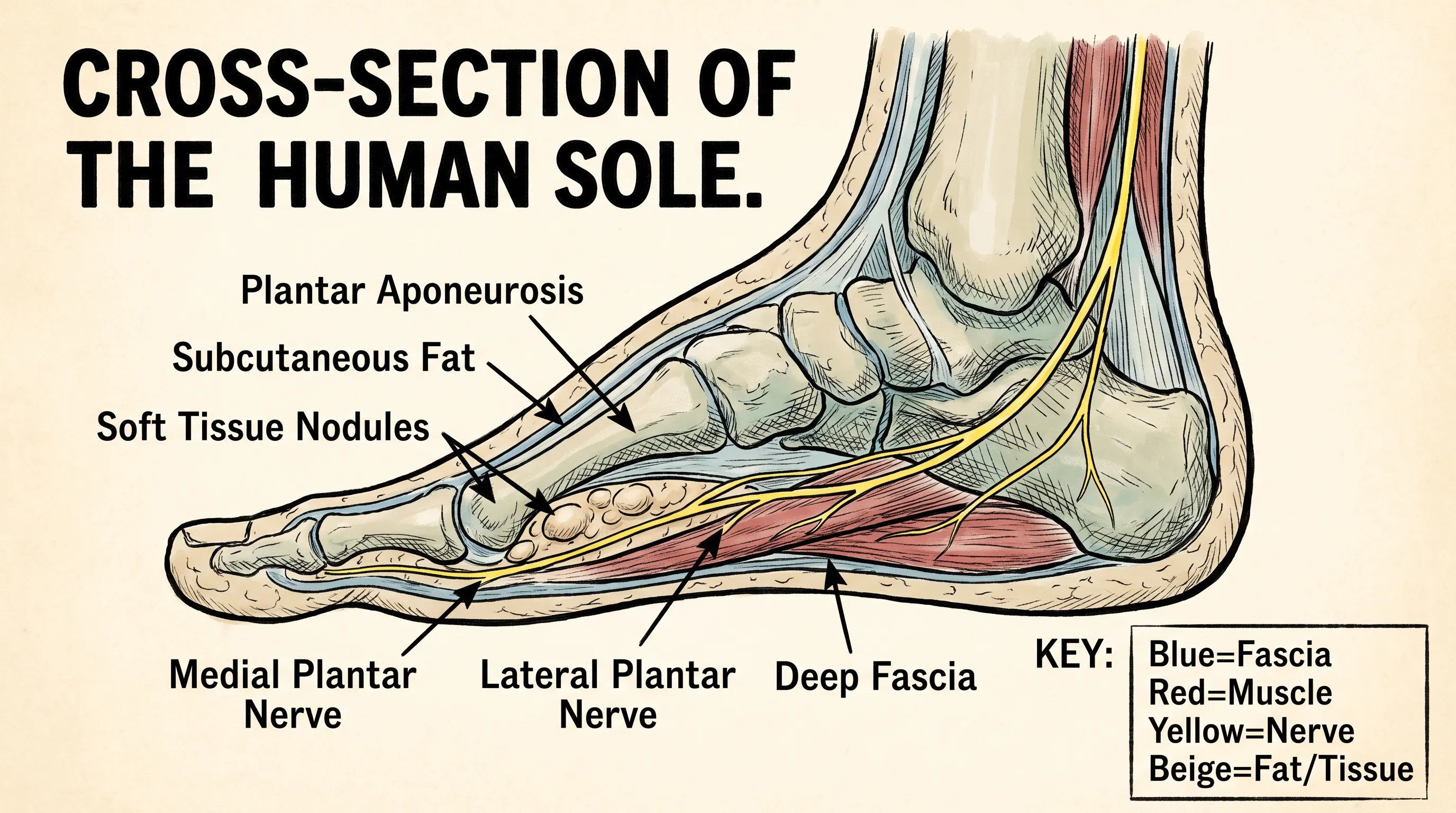
The sole of the foot is structurally engineered to absorb impact, maintain stability, and propel the body forward during locomotion. At its core lies the plantar fascia, a thick band of connective tissue that spans from the calcaneus to the metatarsal heads. Beneath it resides an intricate matrix of intrinsic foot muscles, fat pads, neurovascular bundles, and synovial sheaths. When mechanical overload, repetitive friction, or systemic inflammatory processes occur, the body initiates repair mechanisms that can sometimes overcorrect. Excessive collagen deposition, localized fluid accumulation, or abnormal cellular proliferation results in palpable masses. Genetic factors also play a significant role in tissue response patterns. For instance, individuals with a family history of Dupuytren's contracture or Ledderhose disease exhibit higher fibroblast activity, predisposing them to nodular plantar fascial thickening. Similarly, compromised circulation, diabetes-related neuropathy, or autoimmune conditions can impair normal tissue turnover, allowing benign growths to persist or expand. The plantar fat pads, which normally cushion high-impact zones, may undergo fibrotic changes or atrophy, further altering load distribution and creating focal areas of tissue stress. Recognizing these anatomical vulnerabilities highlights why certain individuals develop recurrent lumps while others remain unaffected despite similar activity levels.
Common Causes of a Lump on Sole of Foot
Clinical experience and peer-reviewed research consistently identify a core group of conditions responsible for plantar masses. Differentiating between these entities requires careful observation of symptom patterns, location, and progression. While many patients attempt self-diagnosis using online images, the clinical presentation of plantar masses frequently overlaps, making professional assessment indispensable. The following conditions represent the most frequently diagnosed causes of subcutaneous and superficial plantar growths, each with distinct pathophysiology, characteristic features, and targeted management approaches.
Plantar Fibroma (Ledderhose Disease)
Plantar fibromas are benign, slow-growing nodules that originate within the plantar fascia, most commonly located in the mid-arch region near the navicular bone. These masses consist of dense collagen fibers and fibroblasts that proliferate in response to microscopic fascial tears or chronic tensile overload. Clinically, they present as firm, rubbery, and deeply anchored lumps that may range from pea-sized to several centimeters in diameter. Unlike cystic growths, fibromas rarely fluctuate in size and are typically non-movable upon palpation. Early-stage lesions may be asymptomatic, but as they enlarge, they can cause significant pressure-related pain during weight-bearing, shoe wear, and direct contact with supportive surfaces. Research published by the American Podiatric Medical Association indicates that bilateral involvement occurs in approximately twenty-five percent of cases, and familial clustering suggests a strong genetic component. Conservative management emphasizes offloading, stretching, and anti-inflammatory modalities, while surgical excision is reserved for severe, function-limiting cases due to high recurrence rates.
Plantar Warts (Verruca Plantaris)
Plantar warts are benign epidermal proliferations caused by human papillomavirus (HPV) types one, two, four, and sixty-three. They thrive in warm, moist environments and frequently enter the skin through microscopic abrasions common in barefoot walking, gym floors, or shared shower facilities. A lump on sole of foot caused by HPV typically exhibits a rough, hyperkeratotic surface with interrupted skin lines and characteristic black or dark red dots representing thrombosed capillaries. These lesions are often tender to lateral compression rather than direct pressure, distinguishing them from calluses. The immune system typically clears viral warts within one to two years, but plantar location and constant pressure can delay natural resolution and trigger compensatory thickening. Multiple coalescing warts form mosaic patterns that complicate treatment. Evidence-based management includes salicylic acid keratolysis, cryotherapy, immunotherapy, and pulsed-dye laser therapy, with success heavily dependent on consistent application and immune competence.
Ganglion Cysts and Soft Tissue Masses
Ganglion cysts are fluid-filled sacs that arise from joint capsules or tendon sheaths, most frequently near the ankle or midfoot joints. They contain thick, gelatinous synovial fluid and often fluctuate in size depending on activity levels and joint stress. Unlike fibromas, ganglia are typically smooth, semi-movable, and may transilluminate when exposed to bright light. While they are more common on the dorsal foot, plantar ganglia do occur and can cause sharp, nerve-like pain if they compress adjacent structures such as the medial plantar nerve. Spontaneous rupture provides temporary relief but carries recurrence risk. Conservative approaches include aspiration and corticosteroid injection, though surgical excision remains the definitive treatment for persistent, symptomatic cases. Other benign soft tissue masses include epidermoid cysts, neurofibromas, and hemangiomas, each requiring imaging for accurate characterization.
Lipomas and Epidermoid Cysts
Lipomas are benign tumors composed of mature adipose tissue that typically feel soft, doughy, and easily mobile beneath the skin. They are painless unless they encroach upon cutaneous nerves or grow large enough to create mechanical friction within footwear. Epidermoid cysts, on the other hand, form when keratin-producing cells migrate beneath the skin surface, creating a firm, central punctum, and occasionally emitting a thick, cheesy discharge. Both conditions are overwhelmingly benign and rarely interfere with biomechanics unless situated in high-pressure zones. Observation, protective padding, and elective excision under sterile conditions constitute standard care pathways. Importantly, attempting to puncture or express these masses at home significantly increases infection risk and can cause inflammatory granuloma formation.
Stress Fractures and Bone Spurs
Not all plantar lumps are soft tissue in origin. Chronic repetitive loading, particularly in runners, military personnel, or individuals with biomechanical imbalances, can induce stress fractures in the metatarsals or calcaneus. Callus formation during the healing phase may present as a localized, tender bony prominence. Similarly, chronic plantar fascia traction or altered foot mechanics can stimulate osteophyte development, commonly known as bone spurs. These osseous outgrowths typically form at fascial attachment sites and may create secondary soft tissue irritation. Imaging remains essential to differentiate between calcified soft tissue deposits, healing fractures, and true exostoses. Management focuses on load modification, orthotic support, shock absorption, and targeted rehabilitation to restore proper force distribution.
Less Common but Serious Causes
Although rare, certain plantar masses warrant heightened clinical suspicion. Sarcomas such as synovial sarcoma, clear cell sarcoma, or malignant fibrous histiocytoma may present as rapidly expanding, painful lumps with irregular borders, skin fixation, or ulceration. Metastatic lesions, though exceptionally uncommon in the foot, can occur in patients with advanced malignancies. Persistent, non-healing ulcers in diabetic patients may mimic lumps but represent neuropathic or ischemic tissue breakdown requiring urgent vascular and infectious disease consultation, as outlined in CDC guidelines on diabetic foot complications. Red flags include sudden growth exceeding one centimeter within a month, unexplained weight loss, night pain unresponsive to rest, and systemic inflammatory markers. Any mass exhibiting these characteristics demands immediate advanced imaging and multidisciplinary evaluation.
Recognizing Symptoms and When to Seek Medical Care
Symptom presentation varies dramatically depending on the underlying pathology, yet certain patterns reliably guide clinical decision-making. A lump on sole of foot rarely exists in isolation; it typically triggers a cascade of mechanical and neurological responses that manifest as localized tenderness, altered gait, radiating discomfort, or progressive shoe discomfort. Early recognition of symptom clusters enables timely intervention, preventing chronic pain cycles and compensatory musculoskeletal dysfunction. Patients should document onset, progression, pain triggers, and any associated neurological symptoms such as tingling, numbness, or burning sensations, as these details significantly expedite accurate diagnosis.
Red Flags That Require Immediate Attention
Certain clinical features demand urgent podiatric or emergency evaluation. Rapid enlargement, spontaneous bleeding, skin breakdown, foul drainage, or unrelenting night pain suggest potential malignancy or severe infection. Fever, chills, spreading erythema, and localized warmth indicate cellulitis or abscess formation, particularly in immunocompromised or diabetic individuals. Nerve compression symptoms such as progressive foot drop, muscle atrophy, or severe paresthesias require prompt neurological assessment to prevent permanent damage. Additionally, lumps that completely restrict weight-bearing or cause mechanical locking warrant immediate structural evaluation to rule out tendon entrapment or joint instability. Ignoring these warning signs can result in irreversible tissue damage, chronic disability, or systemic complications.
Differentiating Between Painful and Painless Lumps
Pain characteristics provide crucial diagnostic clues. Fibromas typically cause dull, aching discomfort during direct pressure or prolonged standing, while warts produce sharp, localized pain with lateral squeezing. Cysts and lipomas are frequently asymptomatic until they reach critical size or impinge upon neurovascular structures. Bone-related masses often elicit deep, throbbing pain that worsens with impact and improves with rest. Neuropathic lesions generate burning, shooting, or electric shock-like sensations that may radiate along the plantar nerve distribution. Pain that disrupts sleep, persists at rest, or progressively intensifies despite conservative measures indicates advancing pathology requiring advanced intervention. Tracking pain patterns using a structured journal helps clinicians identify mechanical stressors and tailor treatment protocols effectively.
Diagnostic Process and Medical Evaluation
Accurate diagnosis of a plantar mass relies on a systematic clinical approach that integrates thorough history-taking, targeted physical examination, and advanced imaging when indicated. Self-diagnosis remains unreliable due to overlapping clinical presentations and the limitations of visual inspection alone. Podiatrists and orthopedic specialists utilize evidence-based diagnostic algorithms to differentiate benign proliferations from potentially serious conditions, ensuring appropriate and timely management.
Physical Examination Techniques
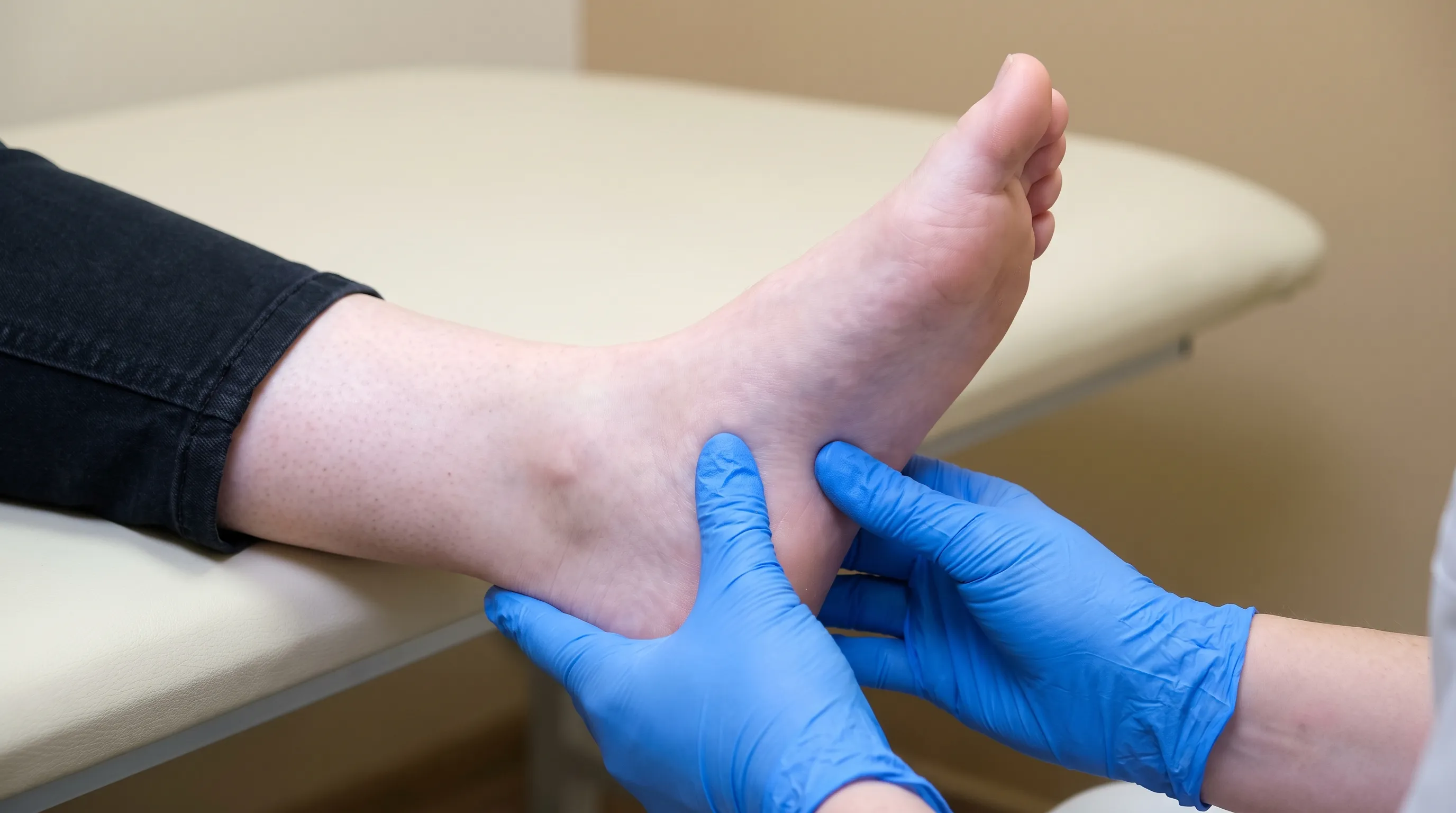
The clinical examination begins with visual inspection under optimal lighting, assessing skin integrity, color changes, vascular patterns, and lesion morphology. Palpation determines consistency, mobility, tenderness, and depth relative to underlying structures. The transillumination test helps differentiate fluid-filled cysts from solid masses. Gait analysis and pressure mapping reveal compensatory movement patterns and high-stress zones that may contribute to lesion formation. Neurological screening evaluates sensation, reflexes, and muscle strength, while vascular assessment checks pulse quality, capillary refill, and temperature differentials. Special tests, such as compression versus direct pressure differentiation for warts, or Mulder's sign adaptation for interdigital neuromas, refine the diagnostic process before advancing to imaging studies.
Imaging and Laboratory Tests
When physical examination yields ambiguous results, diagnostic imaging provides definitive structural information. High-frequency ultrasound is the preferred initial modality due to its cost-effectiveness, dynamic assessment capabilities, and ability to differentiate cystic, fibrotic, and vascular lesions. Magnetic resonance imaging (MRI) offers unparalleled soft tissue contrast, revealing fascial involvement, nerve compression, and marrow edema associated with stress injuries. Computed tomography (CT) scans excel at characterizing bony abnormalities, calcifications, and complex osteochondral pathologies. Laboratory tests may include inflammatory markers, rheumatological panels, or metabolic screening if systemic conditions like rheumatoid arthritis, gout, or diabetic complications are suspected. In persistent atypical cases, image-guided fine needle aspiration or core biopsy provides histopathological confirmation to rule out malignancy.
Biopsy Considerations
Biopsy is indicated when imaging suggests aggressive features, when lesions fail to respond to appropriate conservative therapy, or when clinical suspicion for malignancy remains elevated. Excisional biopsy removes the entire mass for comprehensive pathological review, while incisional or needle biopsies sample representative tissue in high-risk cases. Pathological analysis evaluates cellular architecture, mitotic activity, collagen organization, and vascular patterns, providing definitive diagnosis and guiding surgical planning. Patients should discuss risks such as scarring, recurrence, nerve injury, and wound healing delays with their treating specialist prior to proceeding.
Evidence-Based Treatment Options
Treatment strategies for a lump on sole of foot are meticulously tailored to the specific diagnosis, symptom severity, functional impact, and patient health profile. The overarching goal is to alleviate pain, restore biomechanical efficiency, prevent recurrence, and minimize invasive intervention when possible. Current clinical guidelines emphasize a stepwise approach that prioritizes conservative management, escalates to procedural interventions as needed, and reserves surgery for refractory or structurally compromising cases.
Conservative and At-Home Management Strategies
Conservative therapy forms the foundation of plantar mass management. Custom-fitted orthotics with strategic cutouts or silicone padding effectively offload pressure from nodular growths, reducing friction and inflammatory response. Plantar-specific stretching protocols targeting the Achilles tendon, calf musculature, and intrinsic foot muscles alleviate fascial tension and improve tissue elasticity. Cross-friction massage therapy, applied carefully and progressively, helps break down fibrotic adhesions and improve local circulation. Anti-inflammatory measures including ice therapy, topical NSAIDs, and activity modification provide symptomatic relief during acute exacerbations. Footwear optimization involves selecting shoes with adequate depth, flexible yet supportive midsoles, and rocker-bottom geometries that reduce forefoot and midfoot stress. Consistent implementation of these strategies over eight to twelve weeks often yields significant functional improvement, particularly in early-stage fibromas and non-complicated cystic lesions, aligning with Mayo Clinic recommendations for conservative foot care.
Medical Interventions and Procedures
When conservative measures prove insufficient, procedural interventions offer targeted symptom control. Corticosteroid injections reduce localized inflammation and temporarily shrink fibrotic tissue, though repeated use risks fascia weakening or fat pad atrophy. Cryotherapy effectively treats superficial viral warts by destroying infected keratinocytes, while topical immunomodulators like imiquimod stimulate localized immune clearance. Extracorporeal shockwave therapy (ESWT) has demonstrated promising results in disrupting fibrotic collagen matrices and promoting tissue regeneration in chronic plantar pathologies. Laser therapies, particularly pulsed-dye and Nd:YAG systems, target abnormal vasculature within warts and hemangiomas, accelerating resolution with minimal collateral damage. Radiofrequency ablation and radiotherapy may be utilized in select recurrent fibromatosis cases to inhibit fibroblast proliferation. All procedural treatments require precise anatomical targeting, sterile technique, and structured post-procedure rehabilitation to optimize outcomes and prevent complications.
Surgical Options and Recovery
Surgical excision remains definitive for large, painful, or functionally limiting plantar masses that resist non-invasive therapy. Plantar fibroma resection involves careful fascial layer dissection, complete nodule removal, and meticulous wound closure to preserve arch integrity. Wide excision margins reduce recurrence but increase postoperative instability risk, necessitating structured rehabilitation and prolonged orthotic use. Ganglion and epidermoid cyst removal requires complete sac excision, including the stalk connection to joint capsules or tendons, to prevent fluid reaccumulation. Postoperative protocols emphasize immobilization, non-weight-bearing protection, progressive range-of-motion exercises, and gradual load reintroduction. Full recovery typically spans four to twelve weeks depending on procedure complexity, tissue quality, and patient compliance with rehabilitation guidelines. Surgical consultation with a board-certified foot and ankle specialist ensures appropriate risk-benefit analysis and individualized treatment planning.
Prevention and Long-Term Foot Health
While genetic predisposition and systemic conditions cannot be altered, proactive foot care significantly reduces the risk of abnormal plantar tissue proliferation and mechanical overload injuries. Long-term prevention relies on biomechanical optimization, consistent maintenance routines, environmental modifications, and timely intervention of early warning signs.
Footwear Recommendations and Orthotics
Proper footwear selection represents the single most impactful preventive measure. Shoes should feature contoured arch support, cushioned midsoles, adequate toe box depth, and firm heel counters to stabilize the rearfoot and distribute plantar pressures evenly. Individuals with recurrent lumps benefit from custom orthotic devices prescribed by a podiatrist, featuring metatarsal pads, fascial release zones, and dynamic shock absorption materials. Regular shoe rotation prevents repetitive stress accumulation, while replacing worn footwear every six to eight months maintains structural integrity. Avoiding prolonged barefoot walking on hard surfaces minimizes direct plantar trauma and reduces fascial strain. Sizing should be verified later in the day when feet naturally swell, ensuring comfortable clearance during weight-bearing activities.
Stretching, Strengthening, and Foot Care Routines
Daily mobility and strengthening exercises maintain fascial elasticity and intrinsic muscle balance, reducing compensatory tension that contributes to nodule formation. Towel curls, marble pickups, and toe-spreading exercises enhance neuromuscular coordination and arch stability. Calf stretches, both straight-knee and bent-knee variations, alleviate posterior chain tightness that excessively loads the plantar fascia. Regular foot hygiene, thorough drying between digits, and antifungal powder application in high-moisture environments prevent secondary infections that complicate lesion healing. Self-massage using a frozen golf ball or textured roller promotes tissue mobilization and inflammatory resolution. Consistent monitoring for early skin changes, persistent tenderness, or abnormal thickening enables prompt professional evaluation before conditions progress to advanced stages.

Frequently Asked Questions
Is a lump on sole of foot always cancerous?
No, the vast majority of lumps on the sole are benign. Common causes include plantar fibromas, warts, ganglion cysts, and lipomas. Malignant growths are extremely rare and usually present with rapid growth, severe pain, skin ulceration, or systemic symptoms. Any new, persistent, or changing mass should be evaluated by a podiatrist or dermatologist.
How long does it take for a plantar fibroma to go away without surgery?
Plantar fibromas typically do not resolve completely on their own because they consist of dense collagenous tissue. Conservative management such as stretching, orthotics, massage therapy, and anti-inflammatory measures can significantly reduce pain and slow progression over several months, but complete elimination usually requires medical or surgical intervention.
Can I treat a lump on the bottom of my foot at home?
Yes, mild lumps like superficial warts or callus-related nodules often respond to over-the-counter salicylic acid treatments, proper padding, and supportive footwear. However, deep, painful, or rapidly growing masses require professional diagnosis. Avoid cutting, draining, or applying unverified home remedies, as these can lead to infection or permanent tissue damage.
What type of doctor should I see for a lump on my foot arch?
Start with a podiatrist, a specialist trained in diagnosing and treating foot and ankle conditions. If the mass shows unusual characteristics, your podiatrist may refer you to a dermatologist, orthopedic surgeon, or oncologist for advanced imaging, biopsy, or specialized care.
Will wearing insoles help prevent or reduce foot lumps?
Custom orthotics and supportive insoles do not prevent the initial formation of lumps like fibromas or cysts, but they play a crucial role in offloading pressure, improving biomechanical alignment, and significantly reducing pain. Proper arch support can prevent secondary complications and improve overall foot function while undergoing treatment.
Conclusion
Navigating the complexities of a lump on sole of foot requires patience, accurate information, and a proactive approach to musculoskeletal health. The plantar surface endures continuous mechanical stress, making it highly susceptible to benign proliferations, inflammatory responses, and structural adaptations. By understanding the distinct characteristics of common conditions like plantar fibromas, viral warts, and cystic growths, patients can recognize early warning signs, implement targeted conservative strategies, and know precisely when professional evaluation becomes necessary. Evidence-based diagnostics, ranging from dynamic ultrasound to advanced MRI, ensure accurate differentiation between benign nodules and rare aggressive pathologies. Treatment pathways prioritize functional restoration through orthotic optimization, structured rehabilitation, and procedural interventions when conservative measures fall short. Long-term prevention relies on biomechanical awareness, appropriate footwear selection, and consistent tissue maintenance routines that minimize repetitive stress and support natural tissue resilience. Most importantly, persistent or worsening symptoms should never be ignored. Consulting a qualified podiatrist or foot and ankle specialist provides access to precise diagnostics, personalized treatment protocols, and ongoing monitoring that safeguard mobility and quality of life. With informed decision-making and disciplined self-care, individuals can effectively manage plantar masses, prevent functional decline, and maintain active, pain-free lifestyles for years to come.
How we work
Researched and drafted with AI assistance, then reviewed by a human editor against the cited sources.
This article is general health information, not medical advice. Consult a qualified healthcare professional about your own situation.