Left Shoulder Blade Pain in Women: Causes, Relief Strategies, and Expert Care Guidelines

Experiencing persistent discomfort in your upper back can be deeply unsettling, especially when it interferes with daily routines, sleep, and overall well-being. When you notice shoulder blade pain left side woman symptoms emerge, it often signals an underlying musculoskeletal imbalance, postural strain, or occasionally, a referred systemic issue that warrants careful attention. The left scapular region houses a complex network of muscles, ligaments, and nerve pathways that work in tandem to stabilize the upper back and facilitate arm movement. Understanding why this discomfort occurs, how to accurately identify its root cause, and which evidence-based interventions deliver sustainable relief is essential for restoring comfort and preventing recurrence. This comprehensive guide explores the anatomy, common etiologies, gender-specific factors, diagnostic pathways, and practical management strategies tailored specifically to female patients navigating scapular discomfort (Mayo Clinic: Back Pain Overview).
Understanding the Anatomy of the Left Scapula
To effectively address shoulder blade pain left side woman patients experience, it is crucial to first understand the intricate anatomical structures that comprise the posterior upper torso. The scapula, or shoulder blade, is a flat, triangular bone that serves as the critical link between the arm and the axial skeleton. It is anchored by over seventeen distinct muscles, including the trapezius, rhomboids, levator scapulae, serratus anterior, and various rotator cuff attachments (Cleveland Clinic: Scapula Anatomy). These muscles work synergistically to control upward and downward rotation, protraction, retraction, and elevation of the scapula. Any disruption in this finely tuned coordination can manifest as localized aching, burning, or sharp discomfort near the medial border of the left scapula.
Free calculatorBMI CalculatorCalculate Body Mass IndexOpen the calculatorThe thoracic spine provides the foundational support for the scapulae, with the left scapula typically resting over the T2 to T7 vertebrae. Nerve supply to this region originates from the cervical plexus and dorsal rami of the cervical and upper thoracic spinal nerves. When cervical discs degenerate or nerve roots become compressed, pain frequently refers downward along the dorsal rami, settling precisely in the left shoulder blade area. Additionally, the thoracic fascia and myofascial chains create continuous tension pathways that connect the scapula to the cervical spine, rib cage, and even the diaphragm. This interconnected network explains why respiratory changes, digestive disturbances, or prolonged sitting can trigger or exacerbate left-sided scapular symptoms. Recognizing this anatomical complexity allows patients and clinicians to move beyond symptomatic band-aids and address the true mechanical or neurological drivers of discomfort.

Common Causes of Shoulder Blade Pain Left Side Woman Experiences
The etiology of scapular discomfort is rarely singular. Most cases involve a convergence of biomechanical stressors, lifestyle habits, and physiological vulnerabilities. Women, in particular, frequently encounter overlapping triggers that make accurate self-diagnosis challenging without professional guidance. Below is a detailed breakdown of the primary mechanisms responsible for this prevalent complaint.
Musculoskeletal and Postural Triggers
The most frequent culprit behind shoulder blade pain left side woman patients report is prolonged poor posture, particularly during desk work, driving, or extended smartphone use. Forward head posture, rounded shoulders, and thoracic kyphosis place excessive eccentric load on the rhomboids and middle trapezius while chronically shortening the pectoralis minor and anterior shoulder capsule. This postural imbalance forces the left scapula to wing or protrude abnormally, leading to muscular fatigue, microtears, and localized inflammation. Over time, trigger points develop within the affected musculature, creating referred pain patterns that mimic deeper organ discomfort.
Repetitive strain injuries also play a significant role. Women engaged in occupations requiring repetitive overhead reaching, typing, or lifting frequently develop chronic tension in the levator scapulae and upper trapezius. When combined with inadequate recovery periods, this repetitive loading leads to tendinopathy, bursitis, and myofascial pain syndrome. Clinical studies indicate that over 65 percent of women with chronic scapular pain demonstrate measurable scapular dyskinesia, an abnormal movement pattern that compromises joint stability and accelerates tissue degeneration (NIH: Musculoskeletal Pain & Posture).
Cervical and Thoracic Spine Involvement
Degenerative changes in the cervical spine frequently manifest as referred shoulder blade pain. Cervical disc herniations, osteophyte formation, and facet joint arthropathy at the C5-C7 levels compress nerve roots that innervate the medial scapular border. Patients often describe this pain as deep, electric, or burning, sometimes accompanied by numbness or tingling radiating into the left arm or fingers. Thoracic spine dysfunction, including joint hypomobility or costovertebral joint irritation, similarly contributes to localized scapular discomfort. Reduced thoracic extension limits scapular mobility during overhead activities, forcing compensatory strain into the surrounding musculature.
Spondylosis and spinal stenosis in the upper back can further restrict nerve conduction and reduce blood flow to paraspinal tissues. Magnetic resonance imaging frequently reveals disc desiccation or bulging in asymptomatic individuals, suggesting that mechanical posture and dynamic loading patterns play a more decisive role in symptom generation than structural findings alone. Conservative interventions targeting spinal mobility and neural gliding typically yield superior outcomes compared to imaging-driven approaches.
Referred Pain from Internal Organs
Unlike typical musculoskeletal pain, referred discomfort originates from visceral organs sharing spinal segmental innervation with the left scapular region. The heart, stomach, pancreas, and left lung all send afferent signals through the C3-T4 dermatomes, which can be misinterpreted by the central nervous system as shoulder blade pain. Gastroesophageal reflux disease (GERD) and peptic ulcers frequently cause burning mid-back pain that worsens after meals or when lying flat. Pancreatitis typically presents with intense, boring pain that radiates directly through to the left scapula, often accompanied by nausea and abdominal tenderness.
Cardiac conditions, including angina and myocardial infarction, frequently present atypically in women. Rather than classic substernal pressure, female patients may experience isolated left shoulder blade pain, jaw discomfort, unexplained fatigue, or diaphoresis. Pulmonary embolism, pleurisy, and pneumothorax also refer pain to the scapular region, particularly when deep breathing exacerbates symptoms. Understanding these referral patterns is essential for triaging patients safely and preventing missed diagnoses (CDC: Heart Disease Warning Signs in Women).
Why Women Are More Susceptible to Scapular Pain
Gender-specific physiological and sociocultural factors significantly influence the prevalence and presentation of scapular discomfort. Research consistently demonstrates that women report higher rates of chronic musculoskeletal pain compared to men, with shoulder and upper back complaints leading disability statistics across multiple age brackets.
Hormonal and Physiological Factors
Estrogen and progesterone fluctuations directly impact musculoskeletal tissue integrity, pain perception thresholds, and inflammatory responses. During menstruation, perimenopause, and menopause, declining estrogen levels reduce collagen synthesis and decrease joint lubrication, making the scapulothoracic articulation more vulnerable to microtrauma. Additionally, hormonal shifts alter central pain processing, lowering the nociceptive threshold and amplifying discomfort from otherwise minor muscular fatigue (NIH: Sex Differences in Pain & Hormones).
Pregnancy introduces substantial biomechanical changes that predispose women to left scapular pain. As the uterus expands, the center of gravity shifts forward, increasing lumbar lordosis and compensatory thoracic kyphosis. Relaxin and progesterone soften ligamentous structures to accommodate fetal growth, simultaneously reducing joint stability and increasing muscular demand for spinal support. Postpartum breastfeeding positions, which often involve prolonged forward rounding of the shoulders while cradling an infant, further strain the left rhomboids and upper trapezius, creating chronic tension patterns that persist for months if unaddressed.
Biomechanical and Lifestyle Differences
Women generally possess smaller bone mass, lower muscle cross-sectional area, and different shoulder kinematics compared to men. These anatomical differences mean that repetitive overhead tasks, heavy lifting, or prolonged computer use generate proportionally higher stress on the scapular stabilizers. Fashion and occupational attire, such as restrictive bras, tight shoulder straps, and poorly fitted backpacks, can mechanically impinge the brachial plexus or restrict scapular glide.
Stress and psychological factors also disproportionately affect women's musculoskeletal health. Chronic anxiety activates the sympathetic nervous system, increasing baseline muscle tone in the upper trapezius and levator scapulae. This subconscious tension, often termed "armoring," creates sustained ischemia in the scapular musculature, leading to trigger point formation and persistent aching. Mind-body interventions that address both physical and psychological stressors consistently demonstrate superior long-term outcomes in female populations (WHO: Musculoskeletal Health Guidelines).
Recognizing Warning Signs and When to Seek Immediate Care
While most shoulder blade pain left side woman cases are benign and musculoskeletal in origin, certain clinical presentations demand urgent medical evaluation. Differentiating between self-limiting strain and potentially life-threatening pathology requires careful symptom analysis and awareness of systemic red flags.
Red Flags That Require Emergency Evaluation
Immediate emergency services should be contacted if scapular pain is accompanied by chest pressure, left arm or jaw radiation, sudden shortness of breath, diaphoresis, nausea, dizziness, or a sense of impending doom. These symptoms strongly suggest acute coronary syndrome, particularly in women who may not experience classic chest pain. Sudden, tearing pain between the shoulder blades that radiates to the abdomen warrants immediate evaluation for aortic dissection.
Fever, chills, unexplained weight loss, or night sweats accompanying scapular discomfort may indicate malignancy, osteomyelitis, or systemic infection. Progressive neurological deficits, including left hand weakness, difficulty gripping objects, or bowel/bladder dysfunction, suggest severe spinal cord compression or cauda equina involvement, requiring emergent neurosurgical consultation.
Differentiating Benign vs. Serious Etiologies
Musculoskeletal pain typically worsens with specific movements, improves with rest or positional changes, and responds predictably to heat, ice, or gentle stretching. Visceral or vascular pain often remains constant regardless of posture, intensifies during exertion or deep breathing, and lacks localized tenderness upon palpation. Keeping a detailed symptom diary noting pain onset, duration, aggravating factors, and accompanying symptoms significantly aids clinical differentiation. Early consultation with a primary care provider or physical therapist ensures appropriate triage and prevents delayed diagnosis of serious underlying conditions.
Diagnostic Pathways and Clinical Assessment
Accurate diagnosis of shoulder blade pain left side woman patients experience relies on a systematic approach that integrates patient history, physical examination, and targeted diagnostic testing. Clinicians typically begin with a comprehensive musculoskeletal evaluation, assessing cervical and thoracic range of motion, scapular kinematics, muscle strength, and neurological integrity.
Special tests such as the Spurling maneuver, shoulder impingement tests, and scapular dyskinesia observation help isolate structural versus functional contributors. Palpation of trigger points, costovertebral joints, and myofascial bands reveals areas of hypertonicity and referred pain generation. When red flags are present or conservative management fails, imaging studies including plain radiographs, magnetic resonance imaging (MRI), or computed tomography (CT) scans evaluate for spinal pathology, disc herniation, or bony abnormalities (Cleveland Clinic: Cervical Radiculopathy & Diagnostics). Electrodiagnostic studies, such as electromyography (EMG) and nerve conduction velocity (NCV) testing, confirm radiculopathy or peripheral nerve compression.
| Condition | Typical Symptoms | Recommended Diagnostic Test | First-Line Management |
|---|---|---|---|
| Myofascial Pain Syndrome | Dull aching, palpable knots, referred discomfort | Physical examination, trigger point mapping | Stretching, dry needling, posture correction |
| Cervical Radiculopathy | Burning pain, tingling, arm weakness | MRI cervical spine, EMG/NCV studies | Cervical traction, nerve glides, NSAIDs |
| Scapular Dyskinesis | Winging, abnormal scapular movement | Dynamic observation, ultrasound | Scapular stabilization, resistance training |
| Gastroesophageal Referral | Burning mid-back, worsens postprandially | Endoscopy, pH monitoring | Dietary modification, antacids, elevation |
| Cardiac Ischemia | Pressure-like, exertional, associated nausea | ECG, troponin, echocardiogram | Emergency cardiac care, secondary prevention |
Evidence consistently supports conservative management as the cornerstone of treatment for non-urgent scapular pain. Physical therapy interventions focusing on neuromuscular re-education demonstrate the highest long-term success rates, reducing recurrence by addressing root biomechanical deficits rather than masking symptoms temporarily.
Evidence-Based Treatment Strategies for Lasting Relief
Sustainable recovery from shoulder blade pain left side woman patients experience requires a multidisciplinary approach that addresses mechanical, inflammatory, and lifestyle factors. Treatment protocols should progress from acute symptom management to functional restoration and preventive conditioning.
Physical Therapy and Targeted Exercises
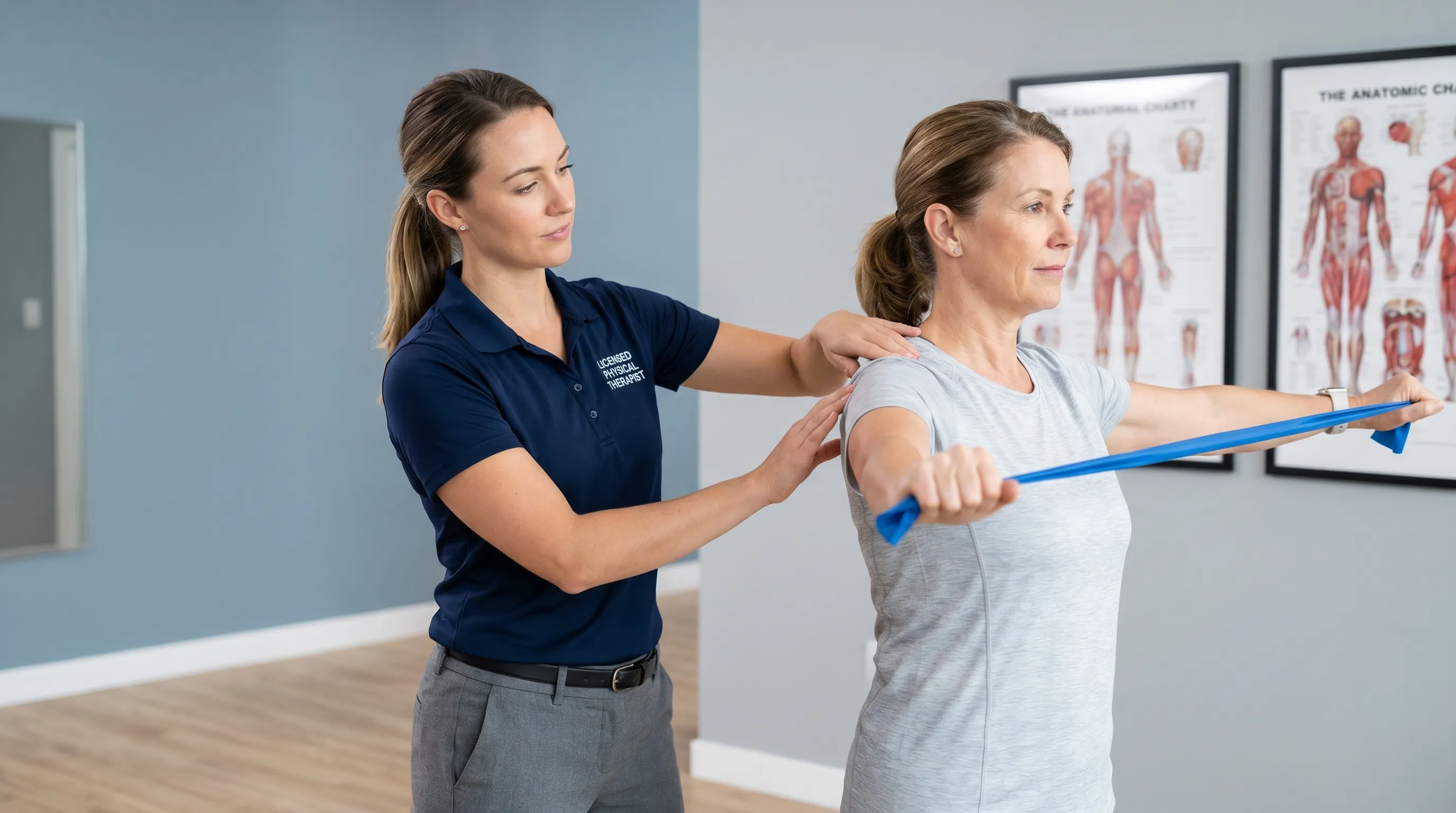
A structured rehabilitation program forms the foundation of long-term scapular health. Therapists begin by restoring thoracic spine extension using foam roller mobilizations and seated extension drills. Once mobility improves, patients progress to scapular stabilization exercises including prone Y-T-W raises, serratus anterior punches, and band pull-aparts. These movements retrain the rhomboids, middle/lower trapezius, and serratus anterior to work in proper firing sequence, eliminating compensatory overactivity of the upper trapezius and levator scapulae (Mayo Clinic: Physical Therapy for Back Pain).
Neuromuscular re-education emphasizes scapular rhythm and postural endurance. Patients learn to maintain neutral spine alignment during functional tasks, integrating core activation with diaphragmatic breathing. Consistent home programming, performed 3 to 4 times weekly, typically yields measurable improvements within 4 to 6 weeks. Progressive overload and functional movement integration ensure lasting tissue adaptation and prevent future strain.
Pain Management and Pharmacological Options
During acute phases, pharmacological interventions provide necessary relief to facilitate active rehabilitation. Nonsteroidal anti-inflammatory drugs (NSAIDs) reduce local inflammation and interrupt pain cycles, while muscle relaxants temporarily decrease hypertonicity and improve sleep quality. Topical analgesics containing menthol, lidocaine, or diclofenac offer localized relief without systemic side effects. For neuropathic components, gabapentinoids or serotonin-norepinephrine reuptake inhibitors (SNRIs) modulate central pain processing.
Interventional options such as trigger point injections, dry needling, or corticosteroid administration may be indicated for refractory cases. However, clinical guidelines emphasize that injections should complement, not replace, active movement rehabilitation. Passive modalities provide temporary window for tissue loading and exercise compliance.
Lifestyle Modifications and Ergonomic Adjustments
Long-term success depends heavily on environmental optimization. Workstation ergonomics must align with natural anatomical positioning: monitor at eye level, elbows at 90 degrees, feet flat on the floor, and wrists neutral. Ergonomic chairs with adjustable lumbar support reduce thoracic flexion and scapular protraction. Regular movement breaks every 30 to 45 minutes prevent sustained muscle shortening and promote tissue perfusion (CDC: Ergonomics & Musculoskeletal Disorders).
Sleep hygiene and stress management directly influence pain perception. Mindfulness practices, progressive muscle relaxation, and diaphragmatic breathing reduce sympathetic tone and decrease baseline muscle guarding. Nutrition also plays a supporting role; adequate hydration, omega-3 fatty acid intake, and magnesium-rich foods support neuromuscular function and tissue repair.
Home Remedies and Self-Care Practices
Daily self-care routines significantly accelerate recovery and prevent symptom recurrence. Thermal therapy alternation, using heat for chronic stiffness and ice for acute inflammation, optimizes local circulation and reduces muscle spasm. Gentle stretching targeting the pectoralis minor, levator scapulae, and upper trapezius restores tissue length and improves scapular glide.
Self-myofascial release using lacrosse balls or massage tools applied to the paraspinal region releases adherent fascial restrictions. Patients should apply moderate pressure, holding tender points for 30 to 60 seconds while taking deep diaphragmatic breaths to facilitate parasympathetic relaxation. Postural awareness drills, such as setting phone reminders to reset shoulder position, reinforce neuromuscular patterns throughout the day. Consistency in these low-effort, high-yield practices builds resilient tissue architecture and reduces dependency on passive interventions.
Frequently Asked Questions
What causes sudden left shoulder blade pain in women?
Sudden left shoulder blade pain often stems from acute muscle strain, prolonged poor posture, cervical disc irritation, or referred visceral discomfort. Women are particularly vulnerable due to hormonal fluctuations that affect tissue elasticity and pain sensitivity. A comprehensive evaluation distinguishes musculoskeletal triggers from systemic conditions requiring specialized care.
Can shoulder blade pain left side woman be a sign of a heart attack?
Yes, cardiovascular events frequently present atypically in women. Left scapular pain may occur alongside shortness of breath, nausea, jaw discomfort, or profound fatigue rather than classic chest pressure. Immediate emergency evaluation is critical when these symptoms co-occur, as prompt intervention significantly improves outcomes and reduces myocardial damage.
How long does musculoskeletal scapular pain typically last?
Mild strains generally resolve within 2 to 6 weeks with appropriate rest, stretching, and posture modification. Chronic or nerve-related cases may persist longer but typically respond well to structured physical therapy within 8 to 12 weeks. Consistency in rehabilitation exercises determines recovery speed and prevents recurrent flare-ups.
What sleeping position is best for reducing left shoulder blade pain?
Sleeping supine with a cervical contour pillow and knee support maintains spinal neutrality and reduces scapular strain. If side-sleeping is preferred, resting on the right side with a supportive pillow cradling the left arm prevents shoulder elevation and overnight muscle tension. Avoid stomach sleeping, which forces cervical rotation and thoracic compression.
When should a woman see a doctor for left shoulder blade pain?
Seek professional evaluation if pain persists beyond 14 days despite self-care, worsens progressively, limits daily function, or accompanies neurological deficits, systemic symptoms, or chest discomfort. Early clinical assessment prevents chronic pain development, identifies underlying pathology, and establishes a personalized treatment roadmap aligned with evidence-based guidelines.
Key Takeaways
Left shoulder blade discomfort in women rarely stems from a single isolated factor. Instead, it typically reflects a convergence of postural habits, hormonal influences, biomechanical vulnerabilities, and sometimes, visceral referral patterns. Understanding the complex anatomy of the scapulothoracic region empowers patients to recognize early warning signs, differentiate benign strain from serious pathology, and implement proactive lifestyle modifications. Evidence consistently demonstrates that active rehabilitation, ergonomic optimization, and consistent home care outperform passive treatments in both short-term relief and long-term prevention. By prioritizing spinal mobility, scapular stabilization, and stress management, women can restore comfortable movement patterns and safeguard their musculoskeletal health against future episodes. Always consult a qualified healthcare professional for personalized diagnosis and treatment planning, especially when symptoms persist, intensify, or present with systemic warning signs.
How we work
Researched and drafted with AI assistance, then reviewed by a human editor against the cited sources.
This article is general health information, not medical advice. Consult a qualified healthcare professional about your own situation.