How to Choose the Best Nebulizer Machine for Respiratory Health
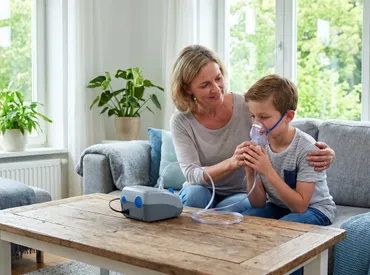
Breathing comfortably is a fundamental aspect of daily life, yet millions of individuals navigate chronic respiratory conditions that require consistent, targeted medication delivery. For those managing asthma, chronic obstructive pulmonary disease, cystic fibrosis, or recurrent bronchitis, selecting the best nebulizer machine is not merely a purchasing decision; it is a critical healthcare investment that directly impacts treatment efficacy, medication absorption, and overall quality of life. Unlike metered-dose inhalers that require precise coordination and specific inspiratory flow rates, nebulizers transform liquid prescription medications into a breathable aerosol mist that can be inhaled passively over an extended period. This makes them particularly invaluable for pediatric patients, elderly individuals, and anyone experiencing acute respiratory distress. Understanding the clinical mechanics, technological variations, and maintenance protocols associated with these devices empowers patients and caregivers to make informed choices that align with medical recommendations and lifestyle requirements, such as those outlined by the National Heart, Lung, and Blood Institute (NHLBI). In this comprehensive guide, we will explore the evidence-based criteria for evaluating respiratory delivery systems, ensuring that your therapy remains safe, efficient, and clinically effective.
Understanding How Nebulizers Work
To appreciate why certain devices outperform others, it is essential to first understand the physiological and physical principles that drive aerosolized medication delivery. The human respiratory system is a highly efficient filtration network designed to protect the lungs from environmental contaminants. However, this same protective mechanism presents a challenge for therapeutic agents: particles that are too large become trapped in the oropharynx and are swallowed, while particles that are too small may be exhaled before deposition occurs. The goal of nebulizer therapy is to produce an aerosol with a mass median aerodynamic diameter (MMAD) between one and five microns. Particles within this optimal range successfully navigate the upper airways and deposit directly into the bronchial tree and alveolar regions where absorption and bronchodilation occur. When evaluating the best nebulizer machine for your specific condition, always verify that the manufacturer provides clinically validated MMAD ratings and respiratory drug delivery percentages that align with prescribing guidelines established by pulmonology associations and regulatory bodies.
Free calculatorDosage CalculatorCalculate medication dosageOpen the calculatorThe Science Behind Aerosolization and Lung Deposition
Aerosol generation relies on fundamental fluid dynamics. In traditional systems, compressed air or oxygen is forced through a narrow orifice, creating a high-velocity jet that disrupts liquid medication into fine droplets. Larger droplets collide with baffles, fragment into smaller particles, and fall back into the reservoir, while appropriately sized droplets exit through the mouthpiece or mask. This continuous recirculation process determines treatment duration, medication waste percentage, and overall therapeutic consistency. Advanced respiratory engineering has significantly reduced residual volume—the amount of medication left unused in the cup after treatment—by incorporating tapered cup designs and optimized baffle geometries. Patients using a best nebulizer machine will notice reduced treatment times and more consistent medication dosing per session, minimizing the financial burden of prescription refills while maximizing clinical outcomes. Research published in peer-reviewed respiratory journals consistently demonstrates that proper particle sizing and minimal residual volume directly correlate with improved peak expiratory flow measurements and reduced exacerbation frequency in chronic airway diseases.
Compressor, Mesh, and Ultrasonic Technology Compared
The market offers three primary technological platforms, each engineered for specific clinical scenarios and patient demographics. Compressor-based systems utilize an electric motor to generate continuous airflow, offering unmatched durability, consistent output, and broad medication compatibility, including viscous antibiotics and hypertonic saline. Mesh nebulizers employ a vibrating piezoelectric element and a micro-perforated screen to produce an ultra-fine aerosol without generating heat, making them exceptionally quiet, battery-efficient, and ideal for protein-sensitive medications. Ultrasonic nebulizers generate high-frequency vibrations to create mist but are largely phased out for prescription respiratory therapy due to thermal degradation risks and inconsistent particle sizing for certain compounds. Understanding these distinctions ensures that patients and caregivers select technology aligned with their prescribed regimen. For comprehensive safety and regulatory guidelines regarding device classification and medication compatibility, consult authoritative resources provided by the FDA and the Mayo Clinic.
| Technology Type | Primary Mechanism | Typical MMAD Range | Noise Level | Best Use Case | Medication Compatibility |
|---|---|---|---|---|---|
| Compressor (Jet) | Compressed air via baffle system | 1-5 microns | Moderate to High (50-70 dB) | Home therapy, pediatrics, chronic conditions | Broad spectrum, viscous medications, antibiotics |
| Vibrating Mesh | Piezoelectric vibration through micro-perforations | 1-4 microns | Very Low (10-25 dB) | Travel, workplace, acute symptom management | Most solutions, temperature-sensitive biologics |
| Ultrasonic | High-frequency sound waves creating cavitation | Variable, often >5 microns | Low to Moderate | Limited modern clinical use | Avoid proteins, lipids, and suspensions |
Key Features to Evaluate Before Purchasing
Selecting a respiratory delivery device requires careful evaluation of engineering specifications that directly influence therapeutic consistency and patient adherence. Manufacturers prioritize different metrics, but clinical efficacy remains the ultimate benchmark. Patients navigating chronic airway inflammation must look beyond marketing claims and focus on measurable performance indicators, including particle size distribution, airflow velocity, medication residual volume, and power consumption. The best nebulizer machine will balance portability, durability, and consistent aerosol output while accommodating your prescribed treatment schedule and environmental constraints. Ignoring technical specifications in favor of aesthetics or price can result in subtherapeutic dosing, prolonged treatment sessions, and frequent device malfunctions that disrupt care continuity.
Power Source, Battery Specifications, and Travel Compliance
Energy delivery systems determine whether a device suits stationary home use or mobile lifestyles. Compressor units typically operate on standard alternating current and deliver uninterrupted therapy, making them reliable for daily morning and evening regimens. However, patients with active occupations or frequent travel requirements benefit significantly from lithium-ion battery architectures. When evaluating portable options, verify battery capacity measured in milliampere-hours (mAh), expected runtime per charge, and charging duration. Modern rechargeable models should sustain at least thirty consecutive minutes of continuous operation without voltage drop that compromises aerosol quality. Additionally, travelers must confirm Federal Aviation Administration (FAA) compliance, as airline regulations restrict devices with specific battery chemistries or power outputs. The best nebulizer machine for mobile patients will feature removable, replaceable battery packs and universal voltage adapters to accommodate international travel without treatment interruption. Always carry a backup power solution when venturing into remote areas or during extended trips.
Medication Cup Capacity, Flow Rates, and Particle Size Ratings
The medication reservoir directly influences dosing accuracy and treatment efficiency. Standard home units accommodate two to six milliliters, sufficient for most prescribed bronchodilators and corticosteroid combinations. High-capacity chambers benefit patients requiring extended antibiotic therapies or saline irrigation sessions but may increase residual waste if the internal baffles are poorly designed. Flow rate, measured in liters per minute, dictates how quickly medication is aerosolized; however, higher flow rates do not necessarily equate to better therapy. Optimal aerosolization occurs between six and eight liters per minute, ensuring particles remain within the one-to-five-micron range without excessive turbulence that causes upper airway impaction. When reviewing product specifications, prioritize devices that publish independent laboratory testing confirming consistent MMAD distribution and low residual volume. The best nebulizer machine will include clearly marked fill lines, graduated measurement indicators, and tapered interiors that guide medication toward the aerosolization zone, minimizing waste and ensuring complete dose delivery.
Noise Reduction Engineering and Comfort Accessories
Acoustic output significantly impacts treatment adherence, particularly in pediatric households or shared living environments. Traditional compressor motors generate operational noise ranging from fifty to seventy decibels, comparable to standard conversational speech or background traffic. Prolonged exposure to loud devices can cause anxiety in young patients and disrupt nighttime therapy schedules. Modern engineering addresses this through brushless motors, vibration-dampening housings, and acoustic insulation materials that reduce operational volume to twenty-five decibels or lower. Comfort accessories, including adjustable silicone headbands, hypoallergenic pediatric animal masks, and flexible corrugated tubing, enhance usability and reduce skin irritation during extended sessions. The best nebulizer machine will prioritize ergonomic design, offering interchangeable interfaces that accommodate facial contours without creating seal gaps that compromise aerosol delivery. Patients with sensitive airways or claustrophobic tendencies benefit from open-face designs and lightweight mouthpieces that minimize oral fatigue and encourage relaxed, diaphragmatic breathing throughout the treatment cycle.
Matching the Right Device to Your Clinical Needs
Respiratory conditions manifest differently across age groups and disease severities, requiring customized equipment configurations. A device optimized for geriatric chronic obstructive pulmonary disease management will differ substantially from one engineered for acute pediatric bronchiolitis episodes. Clinical guidelines emphasize matching aerosol delivery characteristics to airway anatomy, patient cooperation levels, and prescribed medication viscosity. Caregivers must consult prescribing physicians to verify that selected equipment aligns with therapeutic objectives and insurance coverage parameters. Evaluating the best nebulizer machine requires honest assessment of daily treatment frequency, mobility requirements, and household environmental constraints. Overcomplicating therapy with unnecessarily advanced features can increase operational confusion, while selecting underspecified models risks inadequate medication penetration and suboptimal clinical outcomes.
Optimizing Chronic Home Therapy
Individuals requiring daily maintenance treatments for asthma, bronchiectasis, or advanced emphysema benefit from robust, high-duty-cycle compressor systems. These units are engineered for continuous operation, featuring reinforced motor assemblies, heat-dissipating chassis, and replaceable air intake filters that extend equipment lifespan. Home-focused models typically include extended warranty coverage, manufacturer technical support, and compatibility with standardized replacement parts readily available through medical supply distributors. Patients managing multiple prescriptions should verify that their chosen device accommodates varying medication viscosities without clogging or aerosol inconsistency. The best nebulizer machine for chronic therapy will maintain consistent output during back-to-back sessions and include clearly labeled dosage markings to prevent accidental overdosing or underdosing. Proper placement on stable, elevated surfaces away from direct sunlight and humidity sources further preserves motor integrity and prevents electrical malfunctions during extended use cycles.
Pediatric Considerations and Child-Friendly Designs
Administering respiratory therapy to young children requires specialized engineering that prioritizes comfort, distraction, and secure interface fitting. Pediatric respiratory anatomy features narrower airways and higher respiratory rates, necessitating precise particle sizing and gentle aerosol flow to prevent airway irritation. Manufacturers address these requirements through brightly colored, animal-themed masks that reduce treatment anxiety, along with lightweight materials that minimize facial pressure during extended sessions. Parents should select devices with rapid startup times to maintain attention spans and quiet operation to prevent startling infants or toddlers. The best nebulizer machine for pediatric care will include soft, medical-grade silicone interfaces that conform to delicate facial structures without creating uncomfortable pressure points. Caregivers must practice proper mask sealing techniques and monitor children closely during therapy to prevent medication leakage around the edges. For detailed pediatric administration guidelines and developmental breathing strategies, refer to comprehensive clinical resources provided by the National Institutes of Health and pediatric pulmonology networks.

On-the-Go Portability and Airport Regulations
Active lifestyles and occupational demands frequently require uninterrupted respiratory therapy outside the home environment. Travelers must balance device compactness with clinical performance, ensuring that miniaturized components do not compromise aerosol quality or medication delivery efficiency. Modern handheld mesh nebulizers achieve pocket-friendly dimensions while maintaining laboratory-validated particle distributions suitable for emergency bronchodilator administration. Users must verify that portable units include secure medication caps to prevent leakage during transit, along with carrying cases that protect delicate screens and battery terminals from impact damage. The best nebulizer machine for mobile professionals will integrate seamlessly into daily routines, featuring one-touch operation, rapid treatment cycles, and compliant power specifications that clear international security checkpoints. Patients should always carry original packaging, prescription documentation, and manufacturer compliance certificates to streamline airport screening processes and avoid treatment delays during transit.
Step-by-Step Operation and Breathing Techniques
Proper device utilization determines therapeutic success just as significantly as equipment quality. Many patients experience suboptimal outcomes due to incorrect assembly, rushed breathing patterns, or improper medication preparation. Clinical studies consistently demonstrate that diaphragmatic breathing techniques, combined with standardized operational protocols, significantly enhance medication deposition and reduce upper airway impaction. Patients and caregivers must establish consistent routines that prioritize accuracy, hygiene, and physiological optimization throughout every treatment session. Mastering these foundational techniques transforms a simple aerosol device into a powerful clinical intervention that effectively manages chronic symptoms and prevents acute exacerbations.
Proper Posture and Breathing Cadence
Respiratory therapy effectiveness correlates directly with patient positioning and inhalation rhythm. Sitting upright with shoulders relaxed allows the diaphragm to descend fully, maximizing lung expansion and facilitating deeper medication penetration into lower airways. Patients should avoid slouching or reclining, as these positions compress the thoracic cavity and restrict tidal volume. During treatment, slow, deliberate inhalations followed by two-to-three-second breath holds optimize alveolar deposition by allowing suspended particles to settle before exhalation. Rapid, shallow breathing forces aerosolized medication to impact the trachea and bronchial bifurcations, where it is subsequently coughed out or cleared by mucociliary transport. The best nebulizer machine will deliver consistent mist that encourages relaxed, rhythmic breathing rather than labored gasping. Patients experiencing dizziness or lightheadedness should pause therapy, resume normal respiration, and consult their pulmonologist if symptoms persist across multiple sessions.
Medication Preparation and Dosage Accuracy
Prescription accuracy remains the cornerstone of safe respiratory therapy. Patients must carefully measure liquid medications using sterile oral syringes rather than household spoons, which lack precision and introduce contamination risks. Always verify medication concentration, expiration dates, and compatibility with your specific device before loading the reservoir. Some formulations require refrigeration or light protection, and improper storage degrades therapeutic efficacy before administration. When combining multiple medications, follow prescribed sequencing guidelines, as incompatible compounds can crystallize within the medication cup or alter aerosol particle distribution. The best nebulizer machine will feature transparent reservoir chambers that allow visual confirmation of medication volume and mist generation consistency. Never exceed prescribed dosages or extend treatment duration without physician authorization, as overmedication increases the risk of systemic absorption, tachycardia, and tremors associated with beta-agonist therapies.
Maximizing Treatment Efficiency with Timing
Synchronization between device operation and physiological state significantly impacts medication absorption. Bronchodilators are typically administered before corticosteroids to dilate constricted airways, facilitating deeper penetration of anti-inflammatory agents during subsequent sessions. Patients with productive coughs may benefit from brief coughing spells prior to therapy to clear accumulated mucus, ensuring that medication reaches unobstructed alveolar tissue rather than coating thickened secretions. Treatment should continue until the reservoir is empty or mist production ceases entirely, ensuring complete dose delivery. The best nebulizer machine will maintain consistent output throughout the entire cycle, preventing premature treatment termination that results in partial dosing. After completion, patients should rinse their mouths thoroughly to prevent oral candidiasis from residual corticosteroids and monitor peak flow measurements to track therapeutic response over time, as recommended by Cleveland Clinic specialists.
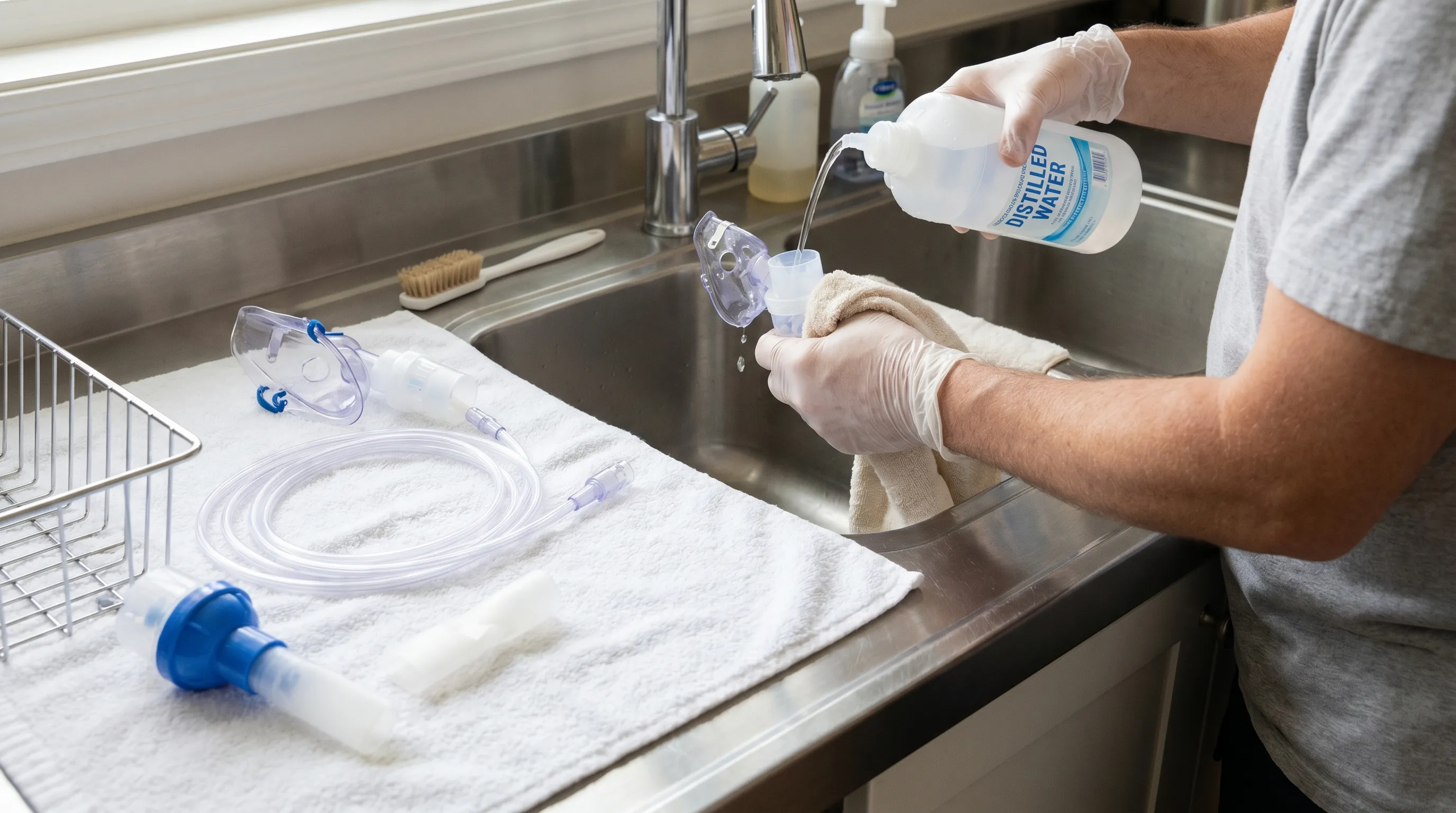
Comprehensive Cleaning, Disinfection, and Maintenance
Respiratory therapy devices operate in high-moisture environments that naturally promote microbial proliferation. Neglecting standardized cleaning protocols introduces pathogenic bacteria, fungal spores, and biofilm accumulation that compromise equipment functionality and endanger pulmonary health. Healthcare-associated respiratory infections frequently originate from contaminated delivery systems, emphasizing the critical importance of rigorous hygiene practices. Following evidence-based CDC cleaning guidelines helps transform routine maintenance into a vital preventive healthcare practice that extends equipment lifespan and safeguards respiratory wellness.
Daily Rinsing vs Weekly Sanitization Protocols
Daily maintenance focuses on removing medication residue and preventing crystallization within internal components. Immediately following each session, disassemble the medication cup, mask, mouthpiece, and baffle system. Rinse thoroughly under warm, sterile water to remove liquid traces, then allow components to air-dry completely on a clean, lint-free surface. Never reassemble damp components, as trapped moisture accelerates bacterial colonization and mineral deposit formation. Weekly sanitization requires deeper cleaning to eliminate established biofilms and environmental contaminants. Prepare a solution of one part white vinegar to three parts sterile water, submerging detachable components for thirty minutes. Follow with thorough sterile water rinsing and complete air-drying. This dual-approach maintenance schedule ensures that the best nebulizer machine operates in a sterile environment, preventing cross-contamination between daily treatments and preserving aerosol purity.
Filter Replacement Schedules and Air Quality Management
Air intake filters serve as the primary defense against dust, pollen, and environmental particulates that compromise motor longevity and aerosol consistency. Foam or paper filters should be inspected monthly and replaced when visibly discolored, compressed, or resistant to airflow. Neglected filters force the compressor motor to work harder, increasing operational temperature, reducing aerosol output, and accelerating mechanical wear. Patients residing in high-pollution areas or households with smokers, pets, or active ventilation systems must replace filters more frequently to maintain optimal performance. Always verify compatibility before installing replacement components, as improperly sized filters create seal gaps that bypass filtration systems entirely. The best nebulizer machine will include easily accessible filter compartments and manufacturer-recommended replacement intervals printed directly on housing surfaces, streamlining maintenance routines and preventing oversight.
Preventing Cross-Contamination and Bacterial Growth
Respiratory devices must remain dedicated to individual patients to prevent pathogen transmission. Sharing medication cups, masks, or tubing between household members introduces direct routes for viral and bacterial exchange, particularly dangerous for immunocompromised individuals or young children. When multiple patients require therapy within the same residence, maintain completely separate equipment sets stored in distinct, clearly labeled containers. Never immerse motor housings or electrical components in water, as moisture penetration creates short-circuit hazards and irreversible internal damage. Store disassembled components in ventilated cases rather than sealed plastic bags, which trap humidity and accelerate microbial growth. Following these stringent protocols ensures that your respiratory therapy remains a safe, controlled medical intervention rather than a potential infection vector.
Troubleshooting Common Performance Issues
Even high-quality respiratory devices experience operational fluctuations due to environmental stressors, component wear, or improper handling. Recognizing early warning signs allows patients to implement corrective measures before complete system failure disrupts treatment continuity. Most performance anomalies resolve through systematic inspection of filters, tubing integrity, and medication preparation techniques. Understanding standard troubleshooting procedures empowers caregivers to maintain uninterrupted therapy while identifying situations requiring professional servicing or equipment replacement.
Low Mist Output and Clogging Solutions
Diminished aerosol production typically indicates airflow obstruction or medication cup malfunction. Inspect the intake filter for dust accumulation and replace if compromised. Verify that all tubing connections remain secure and free from kinks, bends, or internal condensation that restricts airflow. Clogged mesh screens or damaged baffles require gentle cleaning with sterile water and specialized manufacturer-approved brushes. Never use compressed air, needles, or chemical solvents to clear obstructions, as these methods permanently damage precision-engineered components and void equipment warranties. If mist output remains insufficient after completing standard maintenance protocols, the internal compressor or piezoelectric element may require professional calibration.
Excessive Vibration and Unusual Operational Noises
Abnormal acoustic output or structural vibration signals mechanical imbalance or deteriorating mounting components. Loose housing screws, worn motor bearings, or cracked plastic mounts generate resonance that amplifies operational noise and accelerates component fatigue. Tighten accessible fasteners according to manufacturer torque specifications and inspect rubber dampening pads for compression loss or tearing. Devices placed on uneven or resonant surfaces will transmit structural vibrations that amplify perceived noise. The best nebulizer machine will include isolation pads and balanced motor assemblies that minimize operational disturbance during extended treatment cycles.
When to Replace vs Repair Your Unit
Economic and safety considerations determine whether maintenance or replacement remains the optimal choice. Minor component replacements, including filters, tubing, and medication cups, restore functionality at minimal cost and should be prioritized for recently purchased equipment. However, devices exceeding five years of service, exhibiting recurring motor failures, or lacking replacement part availability require full replacement. Aging compressors degrade in output consistency, delivering subtherapeutic aerosol distributions that compromise clinical efficacy. Upgrading to modern, laboratory-validated systems ensures that patients receive accurate medication dosing, improved battery efficiency, and enhanced safety certifications aligned with contemporary medical device standards.
Frequently Asked Questions
What is the difference between jet, mesh, and ultrasonic nebulizers?
Jet nebulizers use compressed air to aerosolize liquid medication into a fine mist and are highly durable but louder. Mesh nebulizers use a vibrating membrane to create microscopic droplets, offering quiet operation, rapid treatment, and battery efficiency. Ultrasonic nebulizers utilize high-frequency sound waves but can degrade protein-based medications and are less common for prescription respiratory therapy.
How often should I clean and replace my nebulizer mask and tubing?
The medication cup and mask should be rinsed after every use and air-dried completely. A full disinfection using white vinegar and sterile water is recommended once weekly. Tubing should generally be replaced every three to six months, while filters should be checked monthly and replaced when visibly dirty or discolored to maintain optimal airflow and prevent contamination.
Can I use tap water to clean my nebulizer parts?
No. Always use sterile, distilled, or previously boiled and cooled water for cleaning nebulizer components. Tap water contains minerals, bacteria, and microorganisms like Pseudomonas aeruginosa that can colonize the device and cause serious respiratory infections when inhaled during subsequent treatments.
Are portable mesh nebulizers as effective as traditional home units?
Modern portable mesh nebulizers produce consistent particle sizes between 1 and 5 microns, which effectively reach the lower airways and alveoli. While they excel in portability and quiet operation, they may have smaller medication capacities and require specific charging protocols. For daily high-volume home therapy, compressor units remain the clinical standard, but mesh devices provide equivalent efficacy for routine dosing when selected correctly.
Why does my nebulizer produce less mist than when I first bought it?
Reduced mist output typically indicates a clogged filter, worn mesh screen, or damaged tubing. Air filters lose permeability as they trap particulate matter, while mesh membranes can degrade with repeated cleaning. Replacing disposable filters and inspecting internal components usually restores performance. If mist remains inconsistent after maintenance, professional servicing or device replacement may be necessary to ensure proper medication delivery.
Conclusion
Navigating respiratory health requires consistent, well-managed therapy that depends heavily on selecting equipment aligned with clinical guidelines and individual lifestyle demands. The best nebulizer machine balances technological innovation, proven aerosol engineering, and user-friendly maintenance protocols to deliver reliable, therapeutic results across diverse patient demographics. By prioritizing verified particle sizing, proper cleaning routines, and accurate breathing techniques, patients and caregivers can maximize medication absorption while minimizing treatment complications. Always collaborate with licensed healthcare providers when evaluating device specifications, medication compatibility, and insurance coverage parameters, in alignment with WHO global respiratory recommendations. Investing time into understanding operational mechanics and maintenance requirements transforms a simple medical device into a powerful tool for sustained respiratory wellness and improved daily function.
How we work
Researched and drafted with AI assistance, then reviewed by a human editor against the cited sources.
This article is general health information, not medical advice. Consult a qualified healthcare professional about your own situation.