How Long Does a Sore Throat From Allergies Last? Evidence-Based Guide to Relief and Duration

Waking up with a scratchy, irritated throat can immediately disrupt your day, but not every sore throat signals a viral or bacterial infection. If you frequently experience throat discomfort during certain seasons or in specific environments, allergens are likely the underlying culprit. Understanding exactly how long a sore throat from allergies last, why it occurs, and how to effectively manage it is essential for restoring your daily comfort and preventing chronic inflammation. Unlike infectious conditions that naturally resolve within a predictable timeframe, allergy-driven throat irritation operates on an entirely different biological timeline. It hinges entirely on your exposure to environmental triggers, your individual immune sensitivity, and the consistency of your management strategies. In this comprehensive, evidence-based guide, we will explore the precise mechanisms behind allergic throat irritation, break down realistic duration timelines based on exposure patterns, differentiate allergy symptoms from common infections, and provide clinically validated treatment protocols to accelerate your recovery. Whether you are navigating spring tree pollen, summer grass exposure, or year-round indoor allergens, this resource equips you with the medical knowledge and practical steps needed to take control of your respiratory health.
The Pathophysiology of Allergic Throat Irritation
To fully grasp the duration and management of an allergic sore throat, it is crucial to understand what happens biologically when your immune system encounters an otherwise harmless substance. The respiratory tract, from the nasal passages down to the pharynx, is lined with delicate mucous membranes equipped with specialized immune defenses. When sensitive individuals inhale or ingest airborne allergens, their immune systems mistakenly identify these particles as dangerous pathogens. This triggers a cascade of immunological events, primarily involving immunoglobulin E (IgE) antibodies and mast cells residing in the respiratory mucosa, as detailed by the National Institute of Allergy and Infectious Diseases.
Free calculatorBMI CalculatorCalculate Body Mass IndexOpen the calculatorHistamine Release and Mucosal Inflammation
Upon allergen exposure, mast cells rapidly degranulate, releasing a flood of inflammatory mediators, most notably histamine. Histamine binds to H1 and H2 receptors throughout the nasal and pharyngeal tissues, causing vasodilation, increased vascular permeability, and localized edema. This inflammatory response directly irritates nerve endings in the throat, producing the characteristic scratchy, raw, or mildly painful sensation associated with allergies. The inflammation also stimulates goblet cells and submucosal glands to produce excessive mucus as a protective mechanism to flush out the perceived threat. While mucus is beneficial in trapping particles, overproduction in allergic rhinitis creates a cycle of irritation that heavily influences how long a sore throat from allergies lasts.
Postnasal Drip: The Primary Driver
Postnasal drip is universally recognized by otolaryngologists and allergists as the leading cause of allergy-induced throat discomfort (Mayo Clinic). As the nasal mucosa produces excess mucus in response to allergens, gravity pulls this viscous fluid down the posterior pharyngeal wall. Unlike the naturally thin, clear saliva that continuously lubricates the throat, allergy-related mucus is often thicker, more abundant, and contains inflammatory proteins and enzymes. As this fluid continuously coats the sensitive throat tissues, it triggers a persistent tickle, frequent throat clearing, and mild to moderate soreness. The longer this drip continues unchecked, the more the throat tissues become macerated and inflamed, directly prolonging symptom duration.
Mouth Breathing and Tissue Desiccation
Allergic nasal congestion frequently forces individuals to breathe through their mouths, particularly during sleep. The nasal passages are designed to filter, warm, and humidify inhaled air. When nasal breathing is obstructed by swollen turbinates and inflamed tissues, unconditioned, dry air enters directly through the oral cavity. This bypasses the natural humidification process, rapidly evaporating the protective mucosal layer that coats the pharynx and larynx. The resulting tissue desiccation leads to micro-abrasions, burning sensations, and exacerbated soreness. Nighttime mouth breathing is a significant factor in why many allergy sufferers wake up with a severely dry and painful throat, which may gradually improve as hydration and daytime swallowing resume.

Duration Timelines and Exposure Dynamics
One of the most pressing questions patients bring to allergy clinics is how long a sore throat from allergies lasts. The answer is not fixed to a specific number of days but is entirely dependent on allergen exposure, environmental control, and the initiation of targeted therapies. Unlike acute pharyngitis caused by rhinoviruses or streptococcal bacteria, which follow a self-limiting 5 to 10 day course regardless of intervention, allergic symptoms are reactive and persistent.
Short-Term Pollen Spikes
When individuals encounter a brief, isolated exposure to a high concentration of allergens—such as walking through a heavily pollinated park on a windy day or visiting a home with a shedding pet—the immune system launches a temporary response. In these acute scenarios, throat irritation typically peaks within a few hours and, provided the individual removes themselves from the exposure zone and practices immediate decontamination (such as showering and changing clothes), symptoms generally resolve within 1 to 2 days. The mucosal inflammation subsides rapidly once the triggering particles are cleared from the respiratory tract and histamine levels normalize.
Seasonal Allergy Phases
For individuals with seasonal allergic rhinitis, the timeline extends significantly. Tree pollen, which dominates early spring, grass pollen prevalent in late spring and summer, and weed pollen like ragweed that peaks in late summer and fall, can maintain continuous immune activation for months. During these extended seasons, how long a sore throat from allergies last is directly tied to daily pollen counts, weather conditions, and the consistency of allergy management. Without daily prophylactic medication and environmental controls, the sore throat can persist for weeks or even the entire duration of the pollen season, often fluctuating in severity based on daily atmospheric conditions.
Year-Round Indoor Allergies
Perennial allergies present a different clinical picture. Dust mites, pet dander, indoor mold spores, and cockroach droppings do not adhere to seasonal cycles. Consequently, individuals sensitive to these indoor triggers may experience a chronic, low-grade sore throat that persists year-round. Symptoms often wax and wane depending on humidity levels, heating system activation, time spent indoors, and the presence of pets. Without proper indoor air management and medical intervention, this type of allergic pharyngitis can last indefinitely, leading to chronic throat irritation that significantly impacts quality of life and sleep architecture.
When to Expect Symptom Resolution
The medical consensus is clear: once allergen exposure is effectively eliminated and appropriate anti-inflammatory or antihistamine therapies are initiated, patients typically notice marked improvement within 24 to 48 hours. Nasal corticosteroids may take several days to a week to reach peak anti-inflammatory effect, while second-generation oral antihistamines often provide symptom relief within 1 to 3 hours. Saline irrigation offers immediate mechanical clearance of allergens and mucus, often reducing throat discomfort within minutes. Therefore, understanding how long a sore throat from allergies last ultimately comes down to controlling the exposure-environment equation and consistently applying evidence-based relief strategies.
Clinical Differentiation: Allergies vs. Infections
Accurately identifying the root cause of throat pain is critical for selecting the right treatment. Misdiagnosing an allergic sore throat as a bacterial infection can lead to unnecessary antibiotic use, while assuming a severe streptococcal infection is merely allergic can delay essential medical intervention (Cleveland Clinic). Below is a comprehensive clinical comparison to help distinguish between these conditions.
| Feature | Allergies | Common Cold / Flu | Strep Throat |
|---|---|---|---|
| Duration | Weeks to months (exposure-dependent) | 5-10 days (self-limiting) | 3-10 days (with antibiotics) |
| Fever | Rarely or absent | Common (especially influenza) | Common (>101°F) |
| Nasal Discharge | Clear, watery, profuse | Initially clear, thickens to yellow/green | Variable, often absent |
| Itchy Eyes/Nose | Very common hallmark sign | Rare | Rare |
| Body Aches & Fatigue | Rare or mild fatigue | Common and prominent | Sometimes present |
| Symptom Onset | Sudden, directly after exposure | Gradual over 1-3 days | Sudden and severe |
| Throat Sensation | Scratchy, itchy, mild pain | Painful, raw | Severe pain, white/gray patches, swollen tonsils |
| Response to Antihistamines | Rapid improvement | Minimal to none | No improvement |
Key Diagnostic Clues
Beyond the table above, several clinical indicators strongly point toward an allergic etiology. The presence of allergic shiners (dark circles under the eyes), Dennie-Morgan lines (creases under the lower eyelids), and a transverse nasal crease (from frequent upward nose rubbing) are classic physical signs of chronic allergic rhinitis. Additionally, allergy sore throats rarely cause significant swallowing difficulty or complete loss of appetite, whereas streptococcal and viral infections often make swallowing excruciating. If your symptoms consistently align with environmental triggers, improve with antihistamines, and lack systemic signs of infection like high fever and profound myalgia, the underlying cause is almost certainly allergic in nature.
Evidence-Based Relief and Treatment Protocols
Effective management of allergy-induced throat irritation requires a multi-modal approach targeting the source, the inflammatory cascade, and the symptomatic discomfort. Relying solely on throat lozenges will not address the underlying postnasal drip or histamine-driven inflammation. Below is a clinically validated treatment framework.
Pharmacological Interventions
Second-Generation Antihistamines: Medications such as cetirizine (Zyrtec), loratadine (Claritin), and fexofenadine (Allegra) are first-line treatments. They competitively block H1 receptors, preventing histamine from triggering vasodilation, mucus hypersecretion, and nerve irritation. Unlike first-generation antihistamines, these formulations do not cross the blood-brain barrier significantly, minimizing sedation and anticholinergic side effects (Mayo Clinic).
Nasal Corticosteroids: Fluticasone (Flonase), budesonide (Rhinocort), and triamcinolone (Nasacort) directly target the nasal mucosa, reducing inflammatory cell infiltration and decreasing postnasal drip at its source. Consistent daily use is required for maximum efficacy, as these medications modulate gene expression related to inflammatory cytokine production.
Decongestants: Oral pseudoephedrine or topical oxymetazoline can temporarily shrink swollen nasal tissues, restoring nasal breathing and reducing mouth-induced throat dryness. Topical decongestants should not be used for more than three consecutive days to avoid rebound congestion (rhinitis medicamentosa).
Clinically Supported Home Remedies
Home-based strategies play a vital supportive role in accelerating throat tissue recovery. Gargling with a warm saline solution (1/2 teaspoon of salt dissolved in 8 ounces of warm water) creates an osmotic gradient that draws excess fluid from inflamed pharyngeal tissues, reducing swelling and temporarily rinsing away irritants and allergen-coated mucus. Maintaining optimal hydration thins mucus, making it less likely to pool and irritate the posterior throat.
Using a cool-mist humidifier to maintain indoor humidity between 40-50% prevents mucosal desiccation from dry heating systems or air conditioning. For individuals who experience immediate relief from warm liquids, caffeine-free herbal teas with honey provide a soothing demulcent effect that coats irritated tissues. Adults can utilize honey for its mild antimicrobial and wound-healing properties, though it must never be given to infants under one year old due to botulism risk.
Saline nasal irrigation using a sterile squeeze bottle or neti pot mechanically flushes allergens, pollen, and thick mucus from the nasal cavities and sinuses, significantly reducing the volume of postnasal drip. It is critical to use distilled, sterile, or previously boiled and cooled water to prevent rare but serious infections like Naegleria fowleri, per CDC safety guidelines.
Long-Term Medical Interventions
For patients whose symptoms persist despite optimal environmental control and daily medication, allergen immunotherapy offers a disease-modifying solution. Administered via subcutaneous injections or sublingual tablets/drops, immunotherapy gradually desensitizes the immune system to specific allergens by shifting the T-cell response from a Th2-dominated (allergic) profile to a Th1 or regulatory T-cell profile (NIAID). Over a 3 to 5 year course, this therapy can fundamentally alter how long a sore throat from allergies lasts, often resulting in years of symptom remission even after natural allergen exposure.
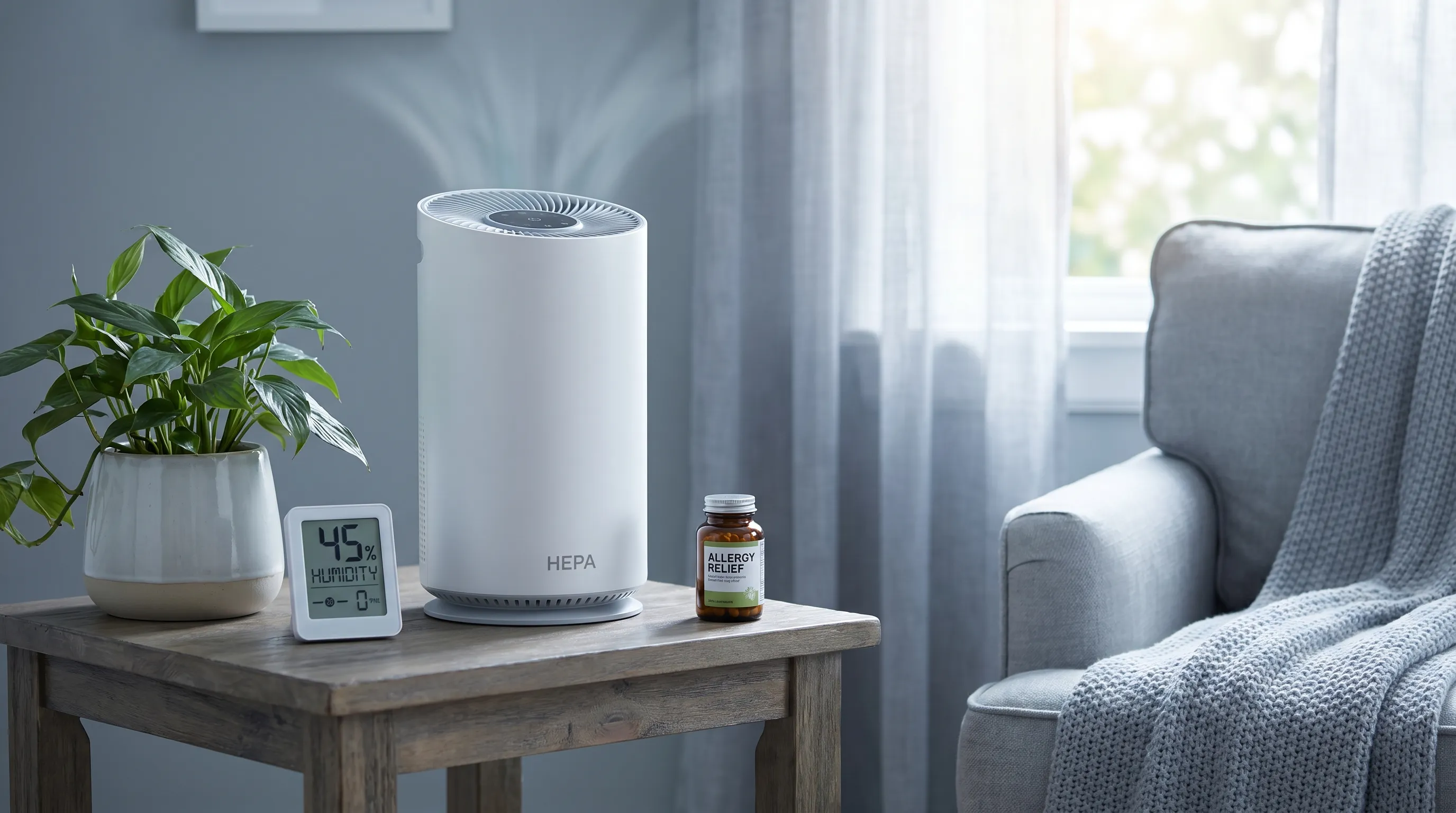
Environmental Control and Prevention Strategies
Pharmacological and medical treatments achieve optimal results when paired with rigorous environmental control. Since allergic reactions are exposure-dependent, minimizing contact with triggers directly reduces the frequency and duration of throat irritation.
Indoor Air Quality Optimization
The home environment is often the primary source of perennial allergens. Installing certified HEPA filters in HVAC systems and portable air purifiers captures 99.97% of airborne particles down to 0.3 microns, effectively removing pollen, dust mite feces, mold spores, and pet dander. Maintaining indoor humidity below 50% using a dehumidifier or air conditioning inhibits dust mite reproduction and mold growth. Washing bedding weekly in hot water (at least 130°F or 54°C), using allergen-impermeable mattress and pillow encasements, and removing carpets from bedrooms are foundational steps in reducing nocturnal allergen exposure.
Outdoor Exposure Management
Seasonal allergy sufferers must adopt strategic outdoor habits. Monitoring local pollen forecasts and staying indoors during peak counts (typically 10 AM to 4 PM) can significantly reduce exposure. Keeping windows and doors closed during high pollen seasons, running car and home air conditioning on recirculate mode, and wearing a pollen mask during yard work provide substantial protection. Immediately after returning indoors, changing clothes, showering to rinse pollen from skin and hair, and avoiding drying laundry outdoors on lines prevents allergens from being transported into living and sleeping spaces.
Red Flags: When to Seek Medical Evaluation
While allergy-related throat irritation is generally manageable at home, certain symptoms warrant prompt professional medical assessment. Understanding how long a sore throat from allergies lasts is only half the equation; recognizing when symptoms deviate from the typical allergic pattern is crucial for safety.
You should schedule an appointment with a healthcare provider or board-certified allergist if your sore throat persists for more than two weeks despite strict allergen avoidance and consistent use of over-the-counter therapies. Seek immediate care if you develop a fever above 101°F (38.3°C), experience severe pain that interferes with eating or swallowing, notice white or yellow exudate on your tonsils, develop swollen or tender cervical lymph nodes, or experience breathing difficulties, wheezing, or stridor (Mayo Clinic). These signs strongly suggest a secondary bacterial infection, peritonsillar abscess, or acute viral illness requiring targeted medical intervention. Additionally, if you experience adverse reactions to allergy medications such as palpitations, severe dizziness, or paradoxical worsening of symptoms, discontinue use and consult a physician.
A specialist can perform comprehensive allergy testing via skin prick or serum-specific IgE assays to precisely identify your triggers. This data allows for highly personalized avoidance strategies, optimized medication regimens, and appropriate referral for immunotherapy if indicated.
Frequently Asked Questions
How long does a sore throat from allergies last without medication?
Without pharmacological intervention, an allergy-induced sore throat will persist as long as you remain exposed to the triggering allergen. Once exposure is completely removed, symptoms typically resolve within 24 to 48 hours as histamine levels drop and mucosal inflammation naturally subsides. During peak seasonal pollen periods, continuous exposure can cause symptoms to linger for several weeks or months.
What is the most effective way to stop postnasal drip quickly?
Combining a second-generation oral antihistamine with daily saline nasal irrigation provides the fastest relief. The saline flush mechanically removes mucus and allergens, while the antihistamine halts further inflammatory mediator release. Adding a prescription or OTC nasal corticosteroid spray addresses underlying tissue swelling, creating a synergistic effect that rapidly reduces drip volume and throat irritation.
Can drinking water actually help an allergy sore throat?
Yes. Adequate hydration maintains the viscosity of respiratory mucus, preventing it from becoming thick and sticky. Thin mucus flows more easily and clears faster via the natural mucociliary escalator, reducing pooling in the posterior pharynx. Drinking plenty of water also prevents mucosal desiccation, particularly when mouth breathing due to nasal congestion is unavoidable.
Why does my allergy sore throat feel worse in the morning?
Nighttime mouth breathing bypasses the nasal humidification system, drying out throat tissues overnight. Additionally, lying flat allows gravity to pool postnasal drip directly against the pharyngeal lining without the frequent swallowing that occurs during waking hours. This combination of tissue desiccation and mucus pooling typically results in pronounced morning throat soreness and frequent throat clearing.
How do I know if I need allergy shots or immunotherapy?
Immunotherapy is recommended for patients with moderate-to-severe seasonal or perennial allergies that do not respond adequately to avoidance strategies and medications, or for those who experience intolerable side effects from daily antihistamines. A board-certified allergist will evaluate your symptom frequency, quality of life impact, and specific IgE testing results to determine if you are an ideal candidate for this long-term, disease-modifying treatment.
Are there natural supplements that help with allergy sore throats?
While no natural supplement replaces FDA-approved allergy medications, certain compounds show supportive clinical data. Quercetin, a flavonoid found in apples and onions, may stabilize mast cells and inhibit histamine release. Butterbur (Petasites hybridus) has demonstrated efficacy in reducing allergic rhinitis symptoms in some trials, though it must be PA-free to avoid liver toxicity. Always consult a healthcare provider before starting supplements, as quality and interactions vary significantly.
Conclusion
Navigating the frustrating reality of allergy-driven throat irritation becomes significantly easier when you understand exactly how long a sore throat from allergies last and the biological mechanisms driving your discomfort. Unlike infectious pharyngitis that follows a rigid viral or bacterial timeline, allergic throat symptoms are fundamentally reactive. They persist only as long as allergens continue to trigger histamine release, mucus hypersecretion, and postnasal drip. By implementing rigorous environmental controls, utilizing targeted pharmacological therapies like second-generation antihistamines and nasal corticosteroids, and maintaining optimal indoor air quality, you can dramatically shorten symptom duration and prevent recurrence. Remember that consistent management, rather than reactive treatment, is the cornerstone of long-term respiratory comfort. If your symptoms exceed two weeks despite intervention, worsen significantly, or present with alarming systemic signs, prompt medical evaluation ensures you receive the precise diagnosis and advanced care you deserve. Empowered with evidence-based strategies and clear clinical expectations, you can reclaim your daily comfort and breathe easy through every season.
Medical Disclaimer: This article is intended for informational purposes only and does not constitute medical advice, diagnosis, or treatment. Always seek the guidance of a qualified healthcare professional for any health concerns or before initiating new treatment protocols.
How we work
Researched and drafted with AI assistance, then reviewed by a human editor against the cited sources.
This article is general health information, not medical advice. Consult a qualified healthcare professional about your own situation.