Does Releasing Sperm Affect Muscle Growth? A Scientific Look

Key points
- Resistance Training: Lifting weights creates micro-tears in muscle fibers.
- Muscle Protein Synthesis: During recovery, the body repairs these fibers, making them thicker and stronger.
- Proper Nutrition: Protein provides amino acids (the building blocks of muscle), while carbohydrates and fats supply energy and support hormone function.
- Rest and Sleep: Muscles grow during rest, not in the gym. Sleep is critical for releasing growth hormone and facilitating repair.
- Hormonal Support: Anabolic hormones like testosterone, growth hormone, and IGF-1 promote muscle building.
It’s a persistent question in fitness circles: does releasing sperm through ejaculation hinder muscle growth? This idea, rooted in centuries-old beliefs about conserving "vital energy," has been revitalized by modern trends like NoFap and semen retention, which claim that abstinence boosts testosterone and muscle mass.
This article separates myth from reality, examining the science behind ejaculation, testosterone, and muscle hypertrophy to determine if your sex life is impacting your gains. We will delve into the endocrine mechanisms at play, review the clinical literature, and provide evidence-based guidance for athletes, bodybuilders, and fitness enthusiasts who want to optimize their training without sacrificing a healthy sexual life.
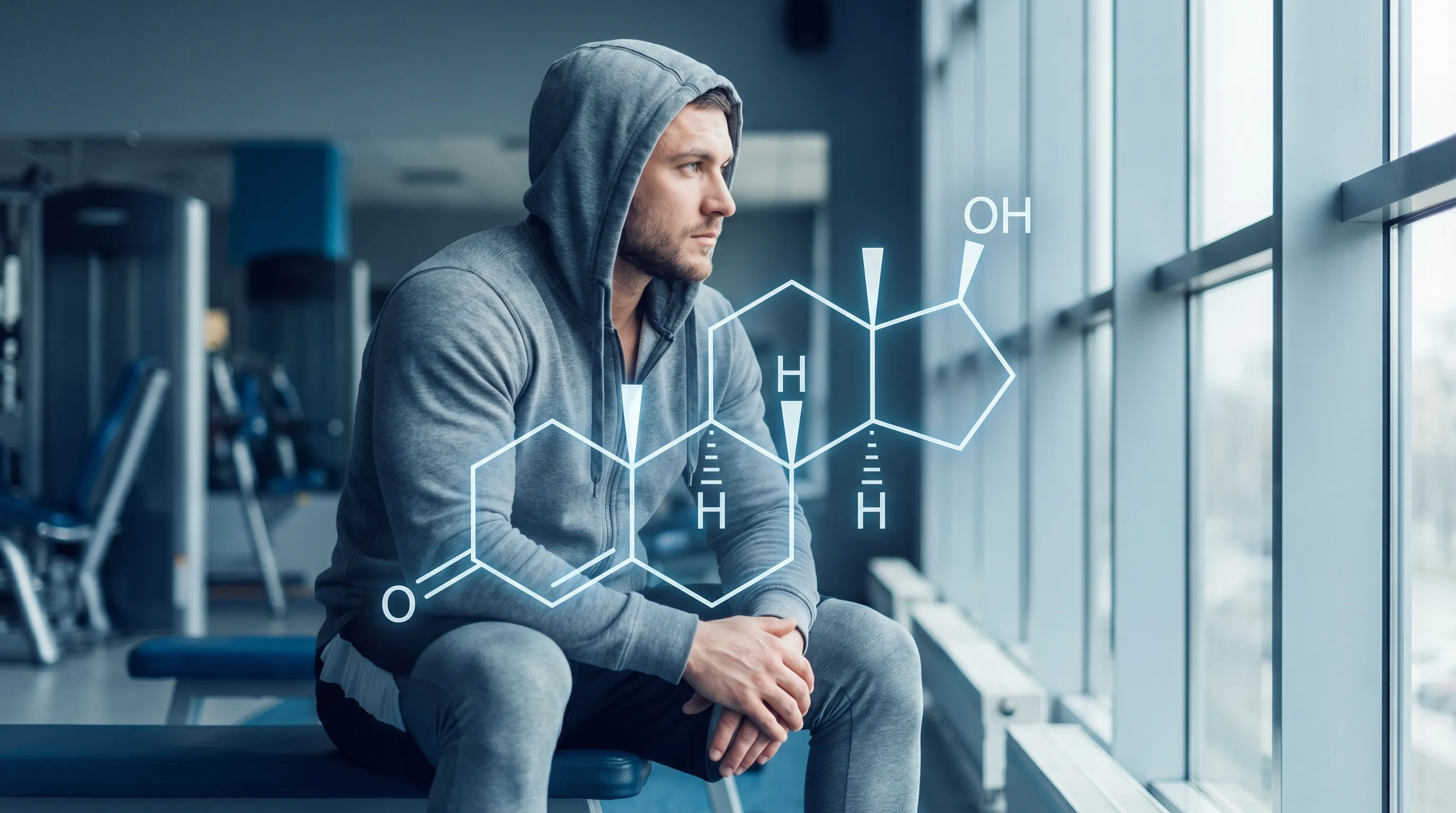
Understanding the Myth's Origin
The belief that sexual activity depletes strength is an old one. Ancient athletes and modern boxers have practiced abstinence before competitions, famously captured by the line "Women weaken legs!" in the movie Rocky. The core assumption is that ejaculation reduces testosterone or drains vital energy, thereby compromising physical performance. But to verify this, we must first understand how muscles actually grow.
Free calculatorBMI CalculatorCalculate Body Mass IndexOpen the calculatorThis concept isn't merely Hollywood dramatization; it traces back to ancient medical traditions. Traditional Chinese Medicine and various Ayurvedic practices historically emphasized the conservation of "Jing" or "Ojas," vital essences believed to be heavily concentrated in semen. In these frameworks, frequent ejaculation was thought to deplete life force, leading to fatigue, weakened immunity, and diminished physical prowess. During the Victorian era, Western medicine adopted similar anxieties under the guise of "spermatorrhea," a fabricated medical diagnosis pathologizing masturbation and nocturnal emissions. This era spawned extreme (and often dangerous) interventions designed to curb sexual release, cementing the cultural link between semen retention and vitality.
Fast-forward to the modern fitness community, and these historical anxieties have morphed into "bro-science." The rapid exchange of information on social media, bodybuilding forums, and fitness podcasts often strips complex physiological concepts down to oversimplified mantras. When athletes experience a subjective dip in motivation after intense sexual activity, they frequently misattribute it to hormonal depletion rather than transient parasympathetic nervous system activation or temporary sleep disruption. This cognitive bias reinforces the myth, creating a feedback loop where anecdotal experiences are presented as biological facts. Understanding the historical and psychological roots of this belief helps separate cultural tradition from evidence-based sports physiology.
How Muscle Growth (Hypertrophy) Works
Muscle growth is a cycle of stress, repair, and adaptation. It primarily depends on:
- Resistance Training: Lifting weights creates micro-tears in muscle fibers.
- Muscle Protein Synthesis: During recovery, the body repairs these fibers, making them thicker and stronger.
- Proper Nutrition: Protein provides amino acids (the building blocks of muscle), while carbohydrates and fats supply energy and support hormone function.
- Rest and Sleep: Muscles grow during rest, not in the gym. Sleep is critical for releasing growth hormone and facilitating repair.
- Hormonal Support: Anabolic hormones like testosterone, growth hormone, and IGF-1 promote muscle building.
For ejaculation to affect muscle growth, it would need to significantly disrupt one of these key processes, most likely the hormonal environment.
To fully appreciate why ejaculation doesn't derail hypertrophy, it's essential to look at the cellular mechanics of muscle adaptation. Resistance training triggers a cascade of intracellular signaling pathways, most notably the mechanistic target of rapamycin complex 1 (mTORC1). This pathway acts as a master regulator for protein synthesis, translating mechanical tension and metabolic stress into genetic instructions for muscle repair and enlargement. Concurrently, resistance exercise activates satellite cells—quiescent myoblasts that donate their nuclei to existing muscle fibers, increasing the fibers' capacity for protein production.
Nutritional periodization plays an equally critical role. While the infamous "anabolic window" has been largely debunked as an ultra-short timeframe, consistent daily protein intake (typically 1.6–2.2 grams per kilogram of bodyweight for resistance-trained individuals) ensures a steady supply of leucine and other essential amino acids to fuel mTORC1 signaling. Carbohydrates are vital for replenishing glycogen stores, which dictate training volume and intensity. Dietary fats, particularly monounsaturated and saturated fats in moderation, serve as precursors for steroid hormone synthesis, maintaining a stable endocrine environment.
Recovery architecture cannot be overstated. Deep, slow-wave sleep facilitates the largest pulses of human growth hormone (HGH) and optimizes cortisol management. Chronic sleep deprivation or severe stress elevates glucocorticoids, which can directly inhibit mTORC1 and promote muscle protein breakdown. Therefore, any activity—including sexual activity—that improves sleep quality or lowers psychological stress will indirectly support hypertrophy. Conversely, only activities that chronically disrupt sleep, severely deplete caloric reserves, or push the nervous system into prolonged overtraining states will meaningfully hinder muscle growth.
The Role of Testosterone in Muscle Development
Testosterone is crucial for muscle protein synthesis, strength gains, and bone density. While clinically low testosterone can impede muscle growth, minor, short-term fluctuations within the normal healthy range (roughly 300 to 1,000 ng/dL) have a negligible effect on your ability to build muscle. Muscle hypertrophy is a long-term process that relies on your average hormone levels over time, not temporary spikes or dips from daily activities.
It's important to distinguish between total testosterone and free (bioavailable) testosterone. Approximately 98% of circulating testosterone is bound to sex hormone-binding globulin (SHBG) or albumin, rendering it inactive at the tissue level. Only free and loosely albumin-bound testosterone can readily cross cell membranes and bind to androgen receptors (ARs) in muscle tissue. Individual variations in AR density and receptor sensitivity play a far more significant role in anabolic response than minor serum testosterone shifts. Two individuals with identical total testosterone levels can experience vastly different hypertrophic outcomes based on their genetic receptor profiles and training consistency.
Furthermore, the endocrine system operates within a tightly regulated feedback loop known as the hypothalamic-pituitary-gonadal (HPG) axis. The hypothalamus secretes gonadotropin-releasing hormone (GnRH), stimulating the anterior pituitary to release luteinizing hormone (LH) and follicle-stimulating hormone (FSH). LH then signals the Leydig cells in the testes to produce testosterone. When testosterone levels rise, negative feedback mechanisms signal the hypothalamus and pituitary to reduce GnRH, LH, and FSH production, bringing levels back to an individualized set point. This homeostatic regulation means that the human body is exceptionally resilient to transient hormonal fluctuations caused by normal physiological events like exercise, digestion, or ejaculation.
What Happens When You Ejaculate?
Ejaculation triggers a complex series of hormonal and physiological changes that are mostly temporary.
- Hormonal Changes: During orgasm, the brain releases pleasure-inducing dopamine, followed by oxytocin and prolactin, which promote relaxation and sleepiness. Some studies suggest testosterone may briefly dip immediately after ejaculation before quickly returning to baseline levels.
- Energy and Nutrient Loss: The idea that ejaculation "wastes" protein and vital nutrients is a significant exaggeration. A typical ejaculate contains only 5-25 calories and about 200-300 milligrams of protein—a nutritionally insignificant amount that is easily replenished with a balanced diet.
Source: The nutrient content of semen, including its minimal protein and zinc levels, is detailed in scientific literature. A review of this data confirms that the loss is too small to impact muscle-building nutrition.
- Nutrient Composition of Human Semen - NIH - This study provides data on the zinc, protein, and other mineral content in semen, showing the amounts are minimal in the context of daily nutritional needs.
The post-ejaculatory refractory period is largely governed by neuroendocrine shifts. The surge in prolactin acts as a natural counterweight to dopamine, inducing satiety and reducing sexual arousal temporarily. Prolactin also interacts with the dopaminergic system to promote parasympathetic dominance, which is why many individuals feel calm, relaxed, or sleepy afterward. This shift can be highly beneficial for recovery, as parasympathetic activation supports digestive processes, tissue repair, and heart rate variability (HRV) optimization.
Regarding nutrient loss, let's break down the composition more granularly. Semen is roughly 1–2% spermatozoa and 98–99% seminal plasma, which includes fructose (energy source for sperm), citric acid, enzymes like prostate-specific antigen (PSA), and electrolytes. A typical volume of 3–5 mL contains roughly 20–50 mg of zinc, 0.1–0.2 g of protein, and trace amounts of calcium, magnesium, and vitamin C. While zinc is important for testosterone synthesis, the Recommended Dietary Allowance (RDA) for men is 11 mg/day. The zinc lost per ejaculation would take less than a single bite of lean beef or a few oysters to replace completely. The metabolic cost of producing a single ejaculate is roughly equivalent to walking up two flights of stairs—nowhere near enough to induce a catabolic state or require specialized dietary compensation.
Does Ejaculation Lower Testosterone Levels?
The central concern—that ejaculation depletes testosterone—is not supported by long-term data.
- Short-Term Effects: Any dip in testosterone post-ejaculation is brief, with levels returning to normal within hours.
- Effects of Abstinence: A frequently cited 2003 study found that testosterone levels peaked after seven days of abstinence, but they returned to baseline levels afterward, even with continued abstinence. This suggests the body regulates itself and doesn't allow testosterone to climb indefinitely. This temporary spike is not sustained long enough to create a significant muscle-building advantage.
Source: Scientific studies have examined the hormonal effects of ejaculation and abstinence, concluding that long-term baseline testosterone is unaffected by normal sexual activity.
- Testosterone Levels and Sexual Activity - Mayo Clinic - This article reviews the science and confirms that while temporary fluctuations can occur, masturbation does not cause a long-term decrease in testosterone.
- A research on the relationship between ejaculation and serum testosterone level in men - NCBI - The 2003 study detailing the temporary testosterone peak after 7 days of abstinence.
The 2003 Jiang et al. study, which showed a 145.7% increase in serum testosterone on day 7 of abstinence, is often cherry-picked to support semen retention claims. However, the researchers noted that this spike was an isolated statistical anomaly that quickly normalized. The body's HPG axis operates on negative feedback loops; sustained suppression of ejaculation does not result in continuously climbing testosterone because the body recognizes that excessive androgen levels without physiological demand could be harmful. Subsequent meta-analyses and repeated-measures studies have failed to replicate any clinically meaningful, sustained increase in testosterone from long-term abstinence.
Moreover, acute testosterone fluctuations from sexual activity or abstinence are dwarfed by the chronic hormonal adaptations induced by heavy compound resistance training, optimal body composition management, and consistent sleep hygiene. Chronic stress, high body fat percentages (which increase aromatase enzyme activity, converting testosterone to estrogen), micronutrient deficiencies (like severe vitamin D or zinc insufficiency), and anabolic-endocrine disorders are the true drivers of suppressed testosterone. Focusing on ejaculation frequency as a primary lever for optimizing testosterone is akin to rearranging deck chairs on the Titanic while ignoring the iceberg of lifestyle fundamentals.
Semen Retention and "NoFap": A Scientific Reality Check
Movements like semen retention and "NoFap" claim that avoiding ejaculation boosts energy, focus, and muscle growth. While some individuals report psychological benefits like increased motivation (often from breaking a compulsive habit or a placebo effect), there is no robust scientific evidence that retaining semen physiologically enhances muscle building. The nutrients in semen are reabsorbed, but in quantities too small to make a difference.
Source: Fitness and health publications often tackle trending topics like semen retention, consulting experts to separate hype from science.
- Will 'Semen Retention' Actually Help You Build More Muscle? - Men's Health - Experts in this article debunk the myth that retaining semen provides any physiological advantage for muscle growth, attributing perceived benefits to psychological factors.
The subjective "energy boost" often reported by practitioners can largely be explained by dopamine receptor resensitization and psychological priming. Individuals who previously engaged in compulsive sexual behavior or excessive pornography consumption may experience significant improvements in motivation, focus, and mood when they abstain. This is due to the normalization of dopaminergic signaling pathways and the removal of a potential source of shame or anxiety. When people feel more driven, they naturally train harder, eat more consistently, and prioritize recovery. This behavioral shift creates a powerful placebo and nocebo dynamic, but it's important to attribute the muscle gains to the resulting discipline, not the retention of seminal fluid.
Additionally, prolonged voluntary abstinence can occasionally backfire. For some men, sexual frustration increases sympathetic nervous system tone, elevating cortisol and disrupting sleep. Elevated cortisol is catabolic and can directly interfere with muscle protein synthesis and immune function. A healthy, moderate frequency of sexual activity or masturbation can actually lower cortisol, improve cardiovascular health through mild aerobic exertion, and promote emotional regulation. The key is balance and intentionality rather than rigid restriction based on unverified physiological claims.
Sexual Activity and Athletic Performance
The long-standing myth that sex before a competition hinders performance has also been largely debunked by research.
A systematic review of studies found that sexual activity the night before an athletic event had no significant negative impact on strength, endurance, or power. The only potential downside is if it leads to lack of sleep or physical fatigue from a particularly vigorous session. In fact, for some, the relaxing effects of sex can reduce pre-competition anxiety and improve sleep.
Video: For a visual summary of the research on this topic, this animated video explains the findings from various studies.
- Does SEX Affect Athletic Performance? - PictureFit on YouTube - This video breaks down scientific studies on sexual activity and sports performance, concluding there's no consistent negative effect.
Sports scientists have examined this question through the lens of neuromuscular readiness, cardiovascular strain, and psychological arousal. The 1995 study by McGlone and Shrier, often referenced in this context, concluded that sexual activity up to 24 hours prior to competition does not negatively affect VO2 max, grip strength, or reaction time. The physiological stress of intercourse typically ranges between 2–3 METs (metabolic equivalents) when measured in a supine position—comparable to a light walk. Unless the activity is unusually intense, prolonged, or occurs at the expense of 7–9 hours of sleep, it will not deplete muscle glycogen or impair anaerobic capacity.
From a psychological standpoint, the impact varies by individual. Some athletes report feeling more relaxed, confident, and mentally clear after sexual intimacy, which can enhance motor coordination and decision-making under pressure. Others may experience heightened distraction or anxiety if they view sexual activity as a violation of their pre-competition routine. The critical variable here isn't the act itself, but rather sleep disruption and individual psychological conditioning. Coaches often advise athletes to maintain their normal routines to avoid unnecessary cognitive load. If sex is part of your regular routine and doesn't compromise sleep, it won't hurt performance. If it's novel, disruptive, or cuts into rest, it's best saved for post-competition recovery.
Expert Opinions
Health and fitness professionals are largely in agreement on this topic. Urologists and certified trainers emphasize that normal sexual activity is a healthy part of life and does not interfere with long-term fitness goals.
Dr. Ryan Berglund, a urologist at Cleveland Clinic, states that masturbation and sex in moderation won’t deplete testosterone or harm muscle gains, noting that any hormonal changes are temporary and won't affect one's ability to build muscle.
Source: Reputable health institutions provide information to dispel common health myths.
- Masturbation: Health Benefits and Risks - Cleveland Clinic - This article features a urologist debunking myths about masturbation causing weakness, confirming it's a normal and healthy activity.
Endocrinologists frequently encounter patients who anxiously monitor their sexual frequency, fearing it will sabotage their hormonal profiles. The consensus across clinical guidelines is that the endocrine system is highly adaptive. Chronic elevations or suppressions of sex hormones are typically the result of pathological conditions (e.g., hypogonadism, pituitary adenomas, severe obesity, or eating disorders), not behavioral patterns like normal ejaculation. Sports dietitians reinforce this perspective by highlighting that energy balance and macronutrient distribution are the true determinants of body composition changes. When an athlete consumes adequate protein, maintains a slight caloric surplus for hypertrophy (or deficit for fat loss), and manages recovery stressors, the physiological impact of ejaculation is functionally zero.
Furthermore, mental health professionals point out that obsessive tracking of sexual activity or adherence to rigid abstinence protocols can sometimes cross into orthorexic or anxiety-driven behaviors. A balanced approach to wellness recognizes that sexual health is a component of overall physiological regulation. Stress reduction, emotional intimacy, and healthy sexual expression contribute positively to autonomic nervous system balance, which indirectly supports optimal training adaptation. Medical professionals advocate for listening to your body: if you feel energized, focused, and physically capable, your current frequency is working. If you experience persistent fatigue, low motivation, or training plateaus, look to sleep quality, dietary adherence, and periodization programming before scrutinizing sexual habits.
Conclusion: Focus on What Matters
The verdict is clear: releasing sperm has no significant negative impact on muscle growth. The foundation of building muscle rests on proven principles:
- Consistent, challenging workouts (progressive overload).
- A diet rich in protein and sufficient calories.
- Adequate rest and quality sleep.
A healthy sex life can actually support these goals by reducing stress and improving sleep. Instead of worrying about unfounded myths, focus your energy on the factors that truly drive progress in the gym.
Optimizing muscle hypertrophy and athletic performance requires a systematic, evidence-based approach. Prioritize compound movements that recruit multiple muscle groups, ensure you're hitting your daily protein targets (distributed across 3–5 meals to maximize muscle protein synthesis spikes), and structure your deload weeks to prevent central nervous system fatigue. Manage life stress through mindfulness, proper work-life boundaries, and consistent circadian rhythm alignment. Track your progress through measurable metrics like strength progression, body composition changes, and recovery markers (HRV, resting heart rate, and subjective energy levels) rather than relying on anecdotal rules about sexual activity.
If you're training hard, eating intentionally, and sleeping deeply, your hormonal environment will naturally support anabolism. Sexual activity, when enjoyed in moderation and without sleep disruption, integrates seamlessly into this framework. Let go of the archaic constraints and pseudoscientific claims, and channel your discipline into the variables that have decades of rigorous research backing them up. Your physique, your performance, and your overall well-being will thank you.
Frequently Asked Questions
Does frequent masturbation lower free testosterone levels enough to impact muscle gains?
No, frequent masturbation does not cause clinically meaningful reductions in free testosterone. While acute, transient fluctuations may occur within a narrow window post-ejaculation, they normalize rapidly and remain well within the physiological range required for muscle protein synthesis. Long-term hypertrophy is governed by chronic hormonal baselines, genetic receptor sensitivity, and consistent training stimuli, not by short-term dips in circulating androgens. As long as you are not experiencing pathological hypogonadism or chronic sleep deprivation, your sexual frequency will not dictate your muscle-building potential.
Should bodybuilders practice semen retention during bulking or cutting phases?
There is no physiological advantage to semen retention during any phase of training. During a caloric surplus (bulking), the body has ample resources to support both tissue repair and reproductive functions. During a deficit (cutting), hormonal fluctuations like decreased testosterone or leptin are driven by energy deficit and increased cortisol, not by ejaculation frequency. Retaining semen will not alter your metabolic rate, preserve lean mass, or accelerate fat loss. Instead, focus on maintaining high protein intake, resistance training intensity, and nutrient timing to preserve muscle during a cut or optimize it during a bulk.
How does the post-ejaculatory prolactin surge affect workout recovery?
Prolactin spikes after orgasm and works alongside oxytocin to activate the parasympathetic nervous system, which promotes relaxation, lowers heart rate, and can facilitate sleep onset. This neuroendocrine state is highly conducive to recovery, as tissue repair, glycogen replenishment, and central nervous system downregulation primarily occur during rest. Unless you require immediate, maximal-output athletic performance within 15–30 minutes of sexual activity, the prolactin-mediated relaxation phase generally supports, rather than hinders, the physiological environment needed for muscle growth and nervous system recovery.
Can excessive sexual activity lead to overtraining symptoms?
Sexual activity itself is not a primary driver of overtraining syndrome. However, if sexual activity consistently compromises sleep duration, disrupts circadian rhythms, or replaces essential recovery practices like proper nutrition and mobility work, it can contribute to systemic fatigue. Overtraining is characterized by prolonged performance decrements, mood disturbances, elevated resting heart rate, and immunosuppression. These are typically the result of inadequate recovery relative to training volume, not sexual behavior. If you notice persistent fatigue, ensure you are prioritizing 7–9 hours of quality sleep, adequate caloric intake, and structured deload periods.
Is there an optimal time of day for sexual activity to maximize training benefits?
Timing is highly individual and depends largely on your chronotype and training schedule. For most individuals, sexual activity in the evening can enhance sleep quality, which indirectly boosts next-day recovery and anabolic hormone secretion during slow-wave sleep. Morning activity generally has minimal impact on afternoon or evening training sessions due to the body's natural diurnal cortisol and testosterone rhythms (both of which peak in the early morning hours anyway). The "optimal" time is simply whenever it fits your schedule without sacrificing sleep, nutrition, or training consistency. Listen to your energy levels and adjust accordingly rather than adhering to rigid, unverified timing protocols.
How we work
Researched and drafted with AI assistance, then reviewed by a human editor against the cited sources.
This article is general health information, not medical advice. Consult a qualified healthcare professional about your own situation.