Back of Ears Smell: Medical Causes, Effective Treatments, and Prevention

Many people experience an unpleasant odor originating from the postauricular region, yet rarely discuss it openly. When a back of ears smell develops, it can be both socially uncomfortable and physically concerning, prompting questions about underlying hygiene habits, skin health, or potential medical conditions. The area behind the ears is uniquely susceptible to odor accumulation due to its dense concentration of sebaceous glands, constant exposure to sweat and environmental debris, and frequent occlusion by hair, glasses, headphones, and sleep positions. Understanding the physiological mechanisms, microbiological interactions, and dermatological conditions that drive this phenomenon is the first step toward effective management. This comprehensive guide examines the anatomical foundations, primary causes, clinical associations, evidence-based treatments, and long-term prevention strategies to help you eliminate and permanently prevent a back of ears smell through scientifically supported methods.
Understanding the Anatomy and Physiology of the Postauricular Region
The skin behind the ears differs significantly from the epidermis on other facial or scalp regions, making it uniquely prone to odor retention and microbial colonization. To effectively address a persistent back of ears smell, one must first understand the complex biological landscape that operates continuously in this confined anatomical space.
Free calculatorSun Protection GuideSPF guide and sun protection recommendationsOpen the calculatorGlandular Distribution and Secretory Functions
The postauricular skin houses a remarkably high density of both eccrine and apocrine sweat glands, alongside an extensive network of sebaceous glands (understand how sweat glands function via the Mayo Clinic). Sebaceous glands secrete sebum, a lipid-rich substance composed of triglycerides, wax esters, squalene, and free fatty acids. Unlike eccrine glands that primarily produce watery sweat for thermoregulation, sebaceous glands operate holocrinally, meaning they rupture and release their entire cellular contents into the hair follicle or onto the skin surface. Sebum serves critical physiological roles: it maintains epidermal hydration, forms an antimicrobial lipid barrier, and prevents excessive transepidermal water loss. However, when sebum oxidation occurs, the lipids undergo autoxidation upon exposure to atmospheric oxygen, generating volatile aldehydes, ketones, and short-chain fatty acids. These chemical byproducts possess distinct, often pungent, odors that contribute significantly to the development of a back of ears smell. Additionally, apocrine glands, which become active during puberty, secrete a thicker fluid rich in proteins and lipids that bacteria readily metabolize into odoriferous compounds.
The Skin Microbiome and Natural Defense Mechanisms
Healthy skin is not sterile; it hosts a diverse, dynamic ecosystem of commensal microorganisms including Cutibacterium acnes, Staphylococcus epidermidis, Corynebacterium species, and Malassezia yeast (NIH research highlights the critical role of skin microbiome homeostasis). In the postauricular region, temperature regulation and occlusion create a warm, humid microclimate that accelerates microbial reproduction. The microbiome normally exists in homeostasis with the host, producing antimicrobial peptides and competing with pathogenic organisms. However, disruptions in this equilibrium—triggered by excessive sebum, poor ventilation, aggressive cleansing, or hormonal fluctuations—can shift the microbiome toward dysbiosis. When bacterial and fungal populations overproliferate, they enzymatically degrade skin surface lipids and keratinous debris. This metabolic process releases volatile sulfur compounds, ammonia derivatives, and branched-chain fatty acids, all of which intensify the characteristic back of ears smell. Maintaining microbial balance, rather than attempting complete sterilization, remains the cornerstone of effective dermatological care.
Primary Drivers Behind the Back of Ears Smell
While poor hygiene is the most commonly cited reason for unpleasant odors in body crevices, the reality involves a complex interplay of physiological, environmental, and behavioral factors. A persistent back of ears smell rarely stems from a single isolated cause; instead, it emerges from cumulative processes that transform harmless skin secretions into malodorous compounds.
Sebum Oxidation and Keratinocyte Shedding
Human skin continuously undergoes desquamation, a natural process where corneocytes (dead skin cells) are shed from the stratum corneum. In the postauricular area, the skin folds and contours create a natural trap where shed keratinocytes mix with sebum and environmental particulates like dust, pollution, and haircare residues. Over time, this mixture undergoes oxidative degradation. The lipids in sebum become rancid, much like exposed cooking oils left unrefrigerated, producing a distinct, stale, or cheesy odor. This accumulation is particularly pronounced during periods of hormonal fluctuation, such as puberty, menstrual cycles, pregnancy, or stress-induced androgen surges, all of which stimulate increased sebum production. Without regular mechanical removal through gentle washing and mild exfoliation, this keratin-sebum matrix hardens into a biofilm that traps odor-causing bacteria and perpetuates a chronic back of ears smell.
Bacterial Fermentation and Volatile Organic Compounds
The human microbiome includes numerous bacterial species specialized in lipid metabolism. Corynebacterium and Staphylococcus strains produce lipase enzymes that break down triglycerides and wax esters into free fatty acids. Specifically, isovaleric acid and butyric acid—compounds also responsible for the odor of aged cheese and rancid butter—are primary byproducts of this bacterial fermentation. When these acids volatilize at body temperature, they create the unmistakable, sharp, and often unpleasant aroma associated with the area. The rate of fermentation accelerates in environments with elevated humidity and reduced airflow. Individuals who engage in frequent physical activity, live in tropical climates, or experience excessive perspiration due to medical conditions like hyperhidrosis will naturally experience a more pronounced back of ears smell unless they implement targeted cleansing protocols that address both moisture control and bacterial load.
Fungal Proliferation in Moist Environments
Yeast organisms, particularly Malassezia species, thrive on the lipid-rich environment of sebum. These lipophilic fungi are normal skin commensals but can overproliferate under specific conditions, leading to inflammatory responses and metabolic byproducts that alter skin odor. Fungal metabolism produces a distinct, musty, or bread-like scent that differs from bacterial fermentation. When the postauricular region remains damp for extended periods—due to inadequate drying after showers, heavy hair product application, or wearing occlusive headwear—the fungal population expands. This overgrowth not only contributes directly to a back of ears smell but also compromises the skin barrier, increasing susceptibility to secondary bacterial colonization and chronic low-grade inflammation.
External Contaminants and Accumulated Residue
Daily exposure to hair products, fragrances, sunscreens, and environmental pollutants introduces foreign chemical compounds that interact with natural skin secretions. Residual styling gels, hairsprays, and leave-in conditioners often migrate behind the ears during sleep or physical activity. When combined with sebum and sweat, these ingredients form a sticky, occlusive film that prevents proper skin respiration. Fragrances in personal care products may initially mask odors, but as their volatile components evaporate and degrade through oxidation and microbial action, they frequently transform into sour or metallic-smelling compounds. Furthermore, individuals who work in environments with high particulate exposure—such as construction, manufacturing, or culinary arts—may accumulate microscopic debris that accelerates lipid breakdown and intensifies a persistent back of ears smell.
Medical Conditions Linked to Persistent Odor
When standard hygiene improvements fail to resolve a back of ears smell, underlying dermatological or systemic conditions may be contributing factors. These medical entities alter skin physiology, disrupt microbial balance, or generate pathological discharge that intensifies malodor.
Seborrheic Dermatitis and Malassezia Overgrowth
Seborrheic dermatitis is a chronic, inflammatory skin condition characterized by erythema, greasy scaling, and intense pruritus in sebum-rich areas, including the scalp, nasolabial folds, and postauricular skin (learn more about seborrheic dermatitis management from the Cleveland Clinic). Research published by the American Academy of Dermatology indicates that Malassezia yeast plays a central role in disease pathogenesis by metabolizing sebum triglycerides into pro-inflammatory fatty acids. The resulting skin irritation increases desquamation rates, creating an abundant substrate for microbial fermentation. Patients with seborrheic dermatitis frequently report a persistent, musty back of ears smell that correlates with flare-ups. The combination of increased cellular turnover, fungal proliferation, and inflammatory exudate creates a highly odoriferous environment that requires targeted antifungal and anti-inflammatory management rather than conventional cleansing alone.
Atopic Eczema and Chronic Inflammation
Atopic dermatitis compromises the epidermal barrier, leading to increased transepidermal water loss and heightened susceptibility to microbial colonization (see the Mayo Clinic's comprehensive overview of eczema). The postauricular region is particularly vulnerable to lichenification (skin thickening) and fissuring due to frequent scratching and friction from hair or accessories. Compromised skin allows Staphylococcus aureus and other opportunistic pathogens to establish deeper colonization. The metabolic byproducts of these pathogens, combined with serous exudate from inflamed lesions, generate a distinctly foul odor. Unlike simple hygiene-related malodor, the back of ears smell associated with atopic eczema typically persists despite washing and requires barrier-repair therapies, emollients, and sometimes topical corticosteroids or calcineurin inhibitors to resolve.
Contact Dermatitis from Personal Care Products
Allergic or irritant contact dermatitis can develop from repeated exposure to fragrances, preservatives, or metals in eyeglass frames, earrings, or haircare formulations (Cleveland Clinic notes nickel sensitivity is a leading cause). Nickel sensitivity is particularly prevalent and commonly affects the postauricular area where glasses rest or where jewelry contacts the skin. The inflammatory response triggers localized edema, weeping, and crusting. When these exudates mix with ambient bacteria, they undergo rapid decomposition, producing a sharp, ammonia-like odor. Individuals experiencing a back of ears smell after switching skincare products, wearing new accessories, or using medicated shampoos should consider contact dermatitis as a primary differential diagnosis. Patch testing and elimination of suspected irritants often provide rapid symptom resolution.
Infected Epidermoid Cysts and Fistulas
Epidermoid cysts form when keratin-producing cells migrate deeper into the dermis and establish a sac-like structure that continuously fills with desquamated material and sebum. When these cysts become secondarily infected or rupture, the trapped contents leak into surrounding tissues, provoking a robust immune response and bacterial invasion. The resulting drainage often carries a profoundly foul, cheesy, or rancid odor that unmistakably signals cyst involvement (NIH MedlinePlus provides detailed guidance on skin cysts). Patients may notice a palpable nodule, localized tenderness, and intermittent discharge that dramatically worsens the back of ears smell. Surgical excision remains the definitive treatment, as topical therapies cannot penetrate the cyst capsule or eliminate the keratin-producing epithelial lining.
Effective Treatment and Management Strategies
Eliminating a persistent back of ears smell requires a systematic approach that addresses microbial load, barrier integrity, and underlying pathological conditions. Evidence-based protocols emphasize gentle cleansing, targeted active ingredients, and consistent maintenance to prevent recurrence.
Targeted Cleansing Protocols
Daily hygiene must extend beyond superficial rinsing to include mechanical removal of sebum-keratin biofilms and microbial reduction without compromising the acid mantle. A pH-balanced, fragrance-free cleanser (pH 5.5) should be massaged gently behind both ears using circular motions for at least 30 seconds, followed by thorough rinsing with lukewarm water. Hot water strips essential lipids and triggers rebound sebum production, exacerbating the problem. After cleansing, the area must be completely dried using a soft, clean microfiber towel or paper towel to eliminate residual moisture that fuels microbial growth. For individuals with heavy buildup or thick skin, incorporating a mild chemical exfoliant containing salicylic acid (BHA) or lactic acid (AHA) 2-3 times weekly helps dissolve intercellular lipid bonds, accelerating keratinocyte shedding and preventing biofilm formation (Mayo Clinic recommends consistent, gentle skin care routines). Physical scrubs should be avoided, as micro-abrasions can introduce pathogens and worsen inflammation.
Pharmacological Interventions and Prescription Therapies
When over-the-counter approaches prove insufficient, dermatological prescription therapies target the root pathophysiology of a chronic back of ears smell. Antifungal shampoos containing ketoconazole 2% or ciclopirox 1% can be applied as a leave-on wash behind the ears, effectively reducing Malassezia populations and mitigating seborrheic dermatitis-related odor. Topical corticosteroids like hydrocortisone 1% or desonide 0.05% suppress localized inflammation and pruritus, interrupting the itch-scratch cycle that perpetuates barrier damage. For bacterial overgrowth, topical clindamycin or mupirocin may be prescribed, though prolonged use requires monitoring to prevent antimicrobial resistance. In severe, recalcitrant cases of cyst-related malodor or deep-seated infections, oral antibiotics or corticosteroid injections into inflamed nodules may be necessary under strict medical supervision.
Natural and Adjunctive Home Remedies
Complementary approaches can support clinical treatments when selected carefully and applied with evidence-based rationale. Diluted tea tree oil (Melaleuca alternifolia) at 5% concentration demonstrates broad-spectrum antimicrobial and anti-inflammatory properties (the National Center for Complementary and Integrative Health reviews its safety and efficacy), making it effective for reducing microbial fermentation. Apple cider vinegar, when diluted 1:10 with distilled water, helps restore the skin's natural acidic pH, creating an inhospitable environment for odor-causing bacteria and fungi. Aloe vera gel provides soothing, barrier-repairing hydration without occlusive heaviness, particularly beneficial for eczema-prone skin. However, natural does not equate to universally safe; patch testing on a small area of the forearm for 48 hours is mandatory before applying any adjunctive treatment to the sensitive postauricular region.
When to Seek Professional Medical Evaluation
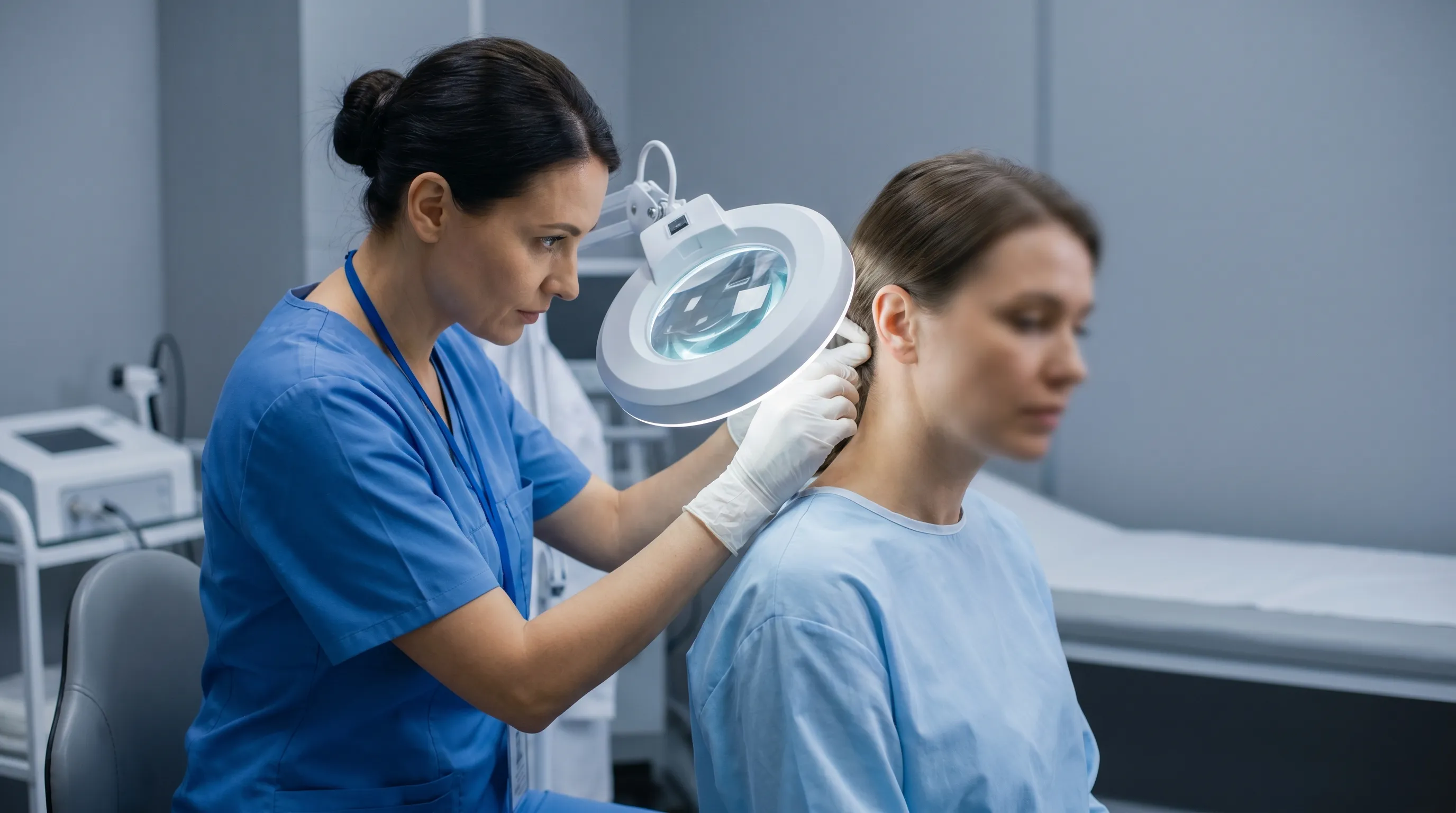
Self-management has clear boundaries. Persistent malodor unresponsive to four weeks of consistent hygiene and OTC interventions warrants clinical assessment. Red flags requiring immediate dermatological consultation include: purulent or foul-smelling drainage, rapidly expanding erythema, localized warmth or fever, painful indurated nodules, crusting that bleeds when disturbed, and concurrent hair loss or systemic symptoms like fatigue or joint pain (CDC guidelines emphasize early intervention for worsening skin infections). Early diagnosis prevents complications such as abscess formation, cellulitis, or permanent scarring. Dermatologists may perform bacterial or fungal cultures, skin scrapings, or ultrasonic imaging to identify atypical pathogens or deep-seated cysts, enabling precision-targeted therapy that resolves the back of ears smell at its origin.
Prevention and Long-Term Maintenance
Sustained odor control requires proactive lifestyle modifications and consistent skincare habits. Prevention focuses on minimizing sebum accumulation, maintaining optimal skin pH, reducing occlusion, and supporting the natural microbiome.
Daily Hygiene Routines for Ear Care
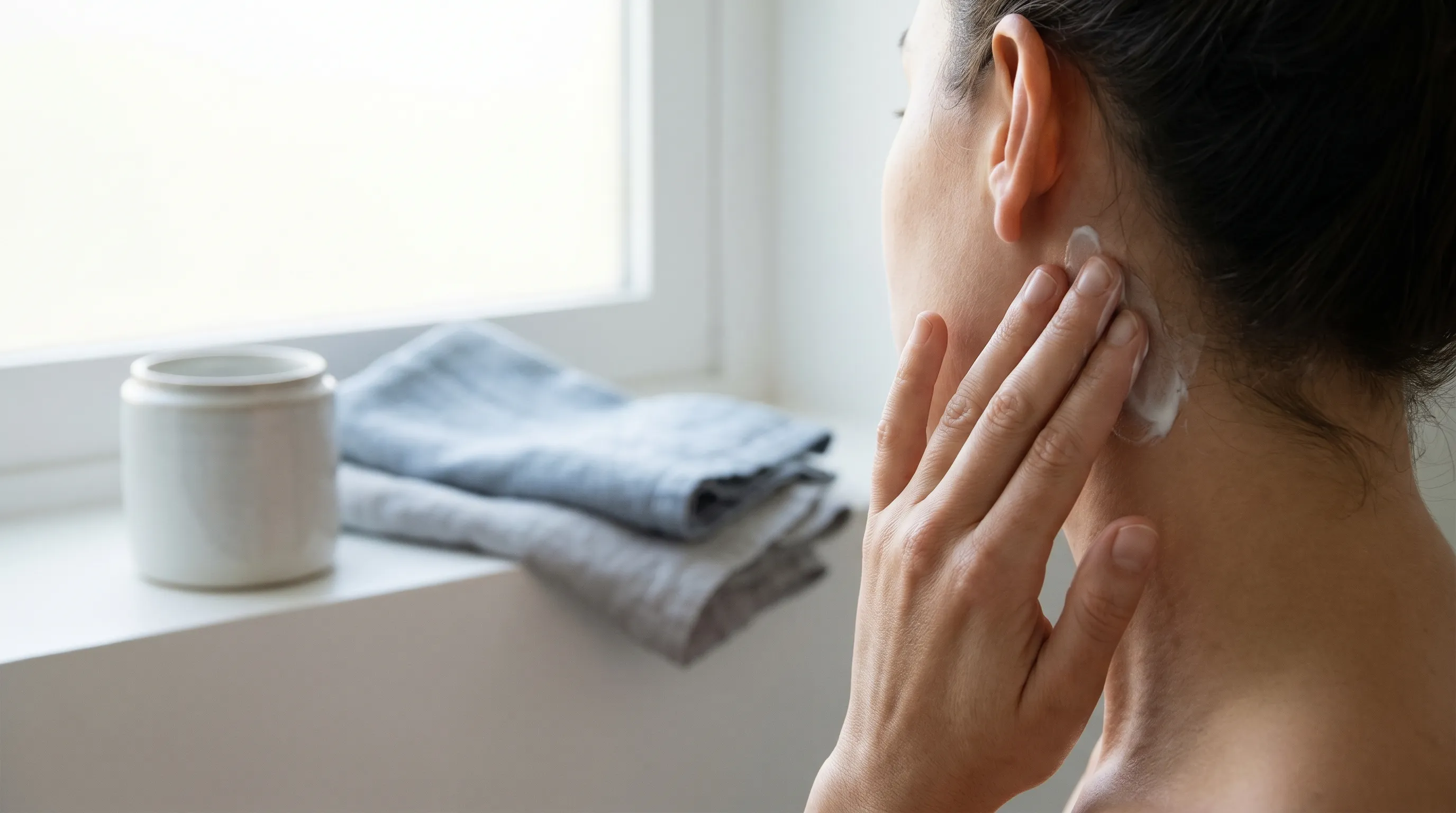
Establish a structured postauricular care regimen integrated into your morning and evening routines. Use a soft, clean washcloth or silicone cleansing brush dedicated solely to the ear area to prevent cross-contamination with facial acne bacteria or body pathogens. Apply a lightweight, non-comedogenic moisturizer containing ceramides or niacinamide immediately after cleansing to reinforce barrier function and regulate sebum production. Avoid applying heavy occlusive ointments, petroleum-based products, or fragranced lotions behind the ears, as these trap moisture and accelerate lipid oxidation. Change pillowcases twice weekly using fragrance-free, hypoallergenic detergents to reduce environmental transfer of dead skin and microbial colonies.
Managing Accessories: Glasses, Headphones, and Hearing Aids
Daily contact with personal accessories significantly impacts postauricular odor development. Eyeglass frames should be cleaned daily with alcohol-free wipes or mild soap and water, paying particular attention to the nose pads and temple tips that rest directly behind the ears. For individuals using hearing aids or earbuds, follow manufacturer guidelines for daily disinfection of earpieces and wax filters. Remove devices for at least one hour daily to allow skin respiration and natural sebum clearance. Consider alternating between over-ear and in-ear headphones to distribute pressure and prevent prolonged occlusion. Store accessories in clean, ventilated cases rather than sealed pouches that encourage humidity buildup.
Environmental Controls and Humidity Management
Ambient temperature and humidity directly influence microbial proliferation rates. In high-humidity climates, increase cleansing frequency slightly and ensure thorough post-shower drying. Use breathable, moisture-wicking headbands during exercise to divert sweat away from the postauricular region. Avoid prolonged use of tight-fitting hats or helmets without interior padding; if occupational requirements mandate headgear, clean interior liners weekly with antimicrobial solutions and allow complete drying between uses. Air purifiers and dehumidifiers in living and sleeping spaces reduce environmental particulate load and maintain optimal skin conditions, indirectly minimizing the metabolic substrates that fuel a back of ears smell.
Special Populations and Considerations
Demographic, physiological, and occupational variables influence susceptibility to postauricular odor. Tailoring prevention and treatment strategies to individual contexts optimizes outcomes and minimizes adverse skin reactions.
Pediatric Populations and Developmental Factors
Children frequently experience a back of ears smell due to underdeveloped hygiene awareness, increased physical activity, and higher sebum production during hormonal milestones. Pediatric skin is thinner and more permeable, requiring milder cleansers and reduced frequency of active ingredient application (NIH pediatric health guidelines stress age-appropriate skin care). Parents should model and supervise gentle cleansing routines, avoiding harsh scrubs or adult-strength antiseptics. School-age children who wear protective gear for sports or musical instruments should practice post-activity drying and disinfection routines to prevent microbial trapping. Early education establishes lifelong habits that prevent chronic odor development and reduce dermatological complications in adolescence.
Age-Related Physiological Shifts in Adults
As individuals age, sebaceous gland activity gradually declines, but skin barrier function also diminishes due to reduced ceramide production and delayed desquamation. Older adults may paradoxically experience odor accumulation not from excess sebum, but from delayed clearance of keratinous debris and reduced mobility affecting thorough cleansing. Additionally, polypharmacy can alter skin microbiome composition or cause drug-induced xerosis, prompting compensatory sebum production that disrupts normal homeostasis. Geriatric skincare protocols should emphasize barrier restoration, gentle enzymatic exfoliation, and assisted hygiene techniques when mobility or dexterity limitations exist. Monitoring for medication-related skin changes ensures that a back of ears smell is not misattributed to poor hygiene when it actually stems from pharmacological or physiological aging processes.
Impact of Climate and Seasonal Variations
Environmental conditions dramatically influence postauricular microbial dynamics. Summer months increase sweat production and sebum fluidity, accelerating bacterial metabolism and intensifying odor. Winter conditions, characterized by indoor heating and dry air, compromise the epidermal barrier, triggering reactive sebum overproduction and delayed desquamation. Transitioning skincare seasonally maintains equilibrium: incorporate lightweight, humectant-rich formulations during humid periods and switch to ceramide-dominant barrier creams during cold, dry months. Traveling to significantly different climates requires temporary adjustment of cleansing frequency and moisturizer density to prevent sudden shifts in the postauricular microbiome that could trigger a persistent back of ears smell.
| Clinical Factor | Primary Symptoms | Recommended Intervention | Expected Resolution Timeline |
|---|---|---|---|
| Sebum Oxidation & Keratin Buildup | Greasy residue, mild cheesy odor, no inflammation | pH-balanced cleanser + BHA 2x/week | 1-2 weeks with consistent use |
| Bacterial Dysbiosis | Sharp isovaleric odor, slight erythema, itching | Antimicrobial wash + 5% tea tree oil (diluted) | 2-3 weeks |
| Malassezia Overgrowth | Musty scent, flaky yellow scales, moderate redness | 2% Ketoconazole shampoo applied topically 3x/week | 3-4 weeks |
| Infected Epidermoid Cyst | Foul rancid discharge, palpable lump, pain, warmth | Dermatological evaluation + potential excision + antibiotics | Immediate drainage relief; 1-2 weeks post-procedure |
| Contact Dermatitis | Sour metallic odor, weeping, crusting, localized swelling | Discontinue irritant + hydrocortisone 1% BID + barrier repair | 1-3 weeks after allergen removal |
Frequently Asked Questions
Why does the back of ears smell even after showering?
The area behind the ears contains a high concentration of sebaceous glands that continuously produce sebum. If not thoroughly cleansed, sebum combines with dead skin cells, sweat, and environmental debris. Bacteria and fungi on the skin surface break down these lipids into volatile organic compounds like isovaleric acid, creating a persistent odor that survives superficial washing.
Is a bad smell behind the ear a sign of infection?
It can be, particularly if accompanied by redness, swelling, warmth, pain, crusting, or purulent drainage. Common infectious causes include infected epidermoid cysts, bacterial folliculitis, or fungal infections. However, isolated odor without inflammatory signs is typically due to microbial fermentation of accumulated sebum and keratin rather than an active infection.
How often should you clean the back of your ears?
For most individuals, gentle cleansing of the postauricular area twice daily during regular showers is sufficient. Those prone to excessive sebum production, heavy sweating, or dermatological conditions may benefit from targeted cleansing with a mild, pH-balanced wash once or twice daily. Avoid aggressive scrubbing, which can disrupt the skin barrier and worsen odor long-term.
Can glasses or hearing aids cause a back of ears smell?
Yes. The frames of eyeglasses and the earpieces of hearing aids create constant friction and occlude airflow behind the ears. This traps sweat, dead skin, and skincare products, creating an ideal microenvironment for bacterial proliferation. Regular disinfection of device components and mindful placement adjustments significantly reduce odor development.
When should I see a doctor for a persistent smell behind my ears?
Consult a dermatologist or primary care physician if the odor persists despite strict hygiene routines, or if you notice scaling, bleeding, open sores, localized swelling, pain, hair loss in the area, or a palpable lump. These symptoms may indicate seborrheic dermatitis, psoriasis, an infected cyst, or a contact allergic reaction requiring prescription treatment.
Conclusion
A back of ears smell is far more than a simple hygiene oversight; it is a complex physiological phenomenon driven by sebaceous activity, microbial metabolism, environmental occlusion, and occasionally underlying dermatological pathology. By understanding the intricate relationship between skin biology and the postauricular microbiome, individuals can implement targeted, evidence-based strategies that address odor at its source rather than merely masking it. Consistent, gentle cleansing protocols, strategic use of antimicrobial and barrier-supporting ingredients, mindful management of daily accessories, and timely medical intervention for persistent cases collectively provide a comprehensive roadmap to lasting relief. Prioritizing skin health through informed, sustainable practices ensures that this often-overlooked anatomical region remains clean, balanced, and odor-free. When approached with clinical understanding and disciplined self-care, the challenge of managing a back of ears smell transforms into an opportunity to cultivate comprehensive dermatological wellness and long-term skin vitality.
How we work
Researched and drafted with AI assistance, then reviewed by a human editor against the cited sources.
This article is general health information, not medical advice. Consult a qualified healthcare professional about your own situation.