Organic Moringa Leaf Powder: Science-Backed Benefits, Dosage & Safety Guide
Key points
- Thyroid Medication Users: Moroga may influence thyroid hormone absorption. Individuals on levothyroxine or other thyroid regulators should separate supplementation by at least 4 hours and monitor TSH levels with their prescribing physician.
- Blood Pressure & Diabetic Medication Interactions: Because moringa supports glycemic and vascular regulation, combining it with prescription glucose-lowering or antihypertensive drugs may amplify effects, potentially causing hypoglycemia or hypotension. Routine monitoring and clinician guidance are essential.
- Pregnancy & Fertility: While leaves are generally considered safe, traditional texts warn against concentrated root, bark, or seed extracts due to uterine-stimulating alkaloids. Pregnant individuals should exclusively consult their obstetric provider before initiating any new supplement.
- Surgical Preparation: Given its mild blood sugar-modulating and potential antiplatelet properties, discontinuing moringa supplementation at least 14 days prior to elective surgery is standard precautionary practice.
For millennia, ancient healers across Egypt, Greece, Rome, and the Indian subcontinent revered a remarkably resilient tree for its profound restorative properties. Today, that same botanical treasure—scientifically classified as Moringa oleifera—has experienced a remarkable resurgence in the global wellness marketplace. Commonly dubbed the "miracle tree" or "drumstick tree," Moringa oleifera thrives in arid, drought-prone regions where most crops fail. While every component of the plant serves a traditional purpose, the leaves, when carefully harvested, dried at controlled temperatures, and milled into a fine, earthy-green powder, have captured the attention of modern nutritionists, researchers, and health-conscious consumers alike. Yet, amid soaring popularity, the internet is saturated with sensationalized marketing claims that often overshadow the actual scientific evidence. As interest in plant-based supplementation continues to evolve, understanding the realistic nutritional impact, clinically observed health effects, proper dosing protocols, and critical safety considerations surrounding organic moringa leaf powder becomes essential. This comprehensive guide cuts through the marketing hype to deliver an evidence-based, medically grounded exploration of what the research truly says about integrating this nutrient-dense botanical into your daily wellness routine, how to navigate recent safety alerts, and how to use it responsibly for long-term health optimization.
Understanding the Botanical and Historical Roots of Moringa
Native to the southern foothills of the Himalayan Mountains in northern India, Moringa oleifera has adapted over thousands of years to survive extreme environmental stressors, including intense heat, prolonged droughts, and nutrient-poor soils. This remarkable ecological resilience translates directly into the plant’s biochemical composition. When a plant must survive harsh conditions, it typically synthesizes higher concentrations of protective phytochemicals, including flavonoids, polyphenols, carotenoids, and essential vitamins. These secondary metabolites, which defend the plant from ultraviolet radiation, oxidative damage, and microbial pathogens, are precisely the compounds that confer potential human health benefits.
Free calculatorA1C CalculatorA1C to average blood glucoseOpen the calculatorHistorically, nearly every part of the tree was utilized in traditional medicinal systems. Ancient Egyptian civilizations applied moringa bark extracts for inflammatory joint conditions and used the leaves for wound healing and digestive support. Greek and Roman traders documented its use as a general tonic, while Ayurvedic practitioners classified it as a Rasayana—a rejuvenating herb believed to promote longevity, vitality, and systemic balance. Over time, the most sustainable and nutritionally concentrated form emerged as the dried leaf powder. Harvesting the leaves during their peak maturity phase, followed by shade-drying or low-temperature dehydration, preserves heat-sensitive nutrients that would otherwise degrade under high heat or direct sun exposure. The resulting powder is then milled to a fine consistency, ensuring optimal bioavailability when consumed.
Choosing an organic variant matters significantly. Because Moringa oleifera is highly absorbent, conventionally grown crops may retain pesticide residues or soil contaminants if cultivated in non-certified regions. Organic certification guarantees that the trees are grown without synthetic fertilizers, herbicides, or pesticides, and that processing facilities adhere to strict cross-contamination protocols. This distinction ensures that the final product delivers pure phytonutrients without introducing unwanted toxicological burdens, making organic moringa leaf powder a safer, more reliable dietary addition.
Nutritional Breakdown & Debunking Superfood Myths
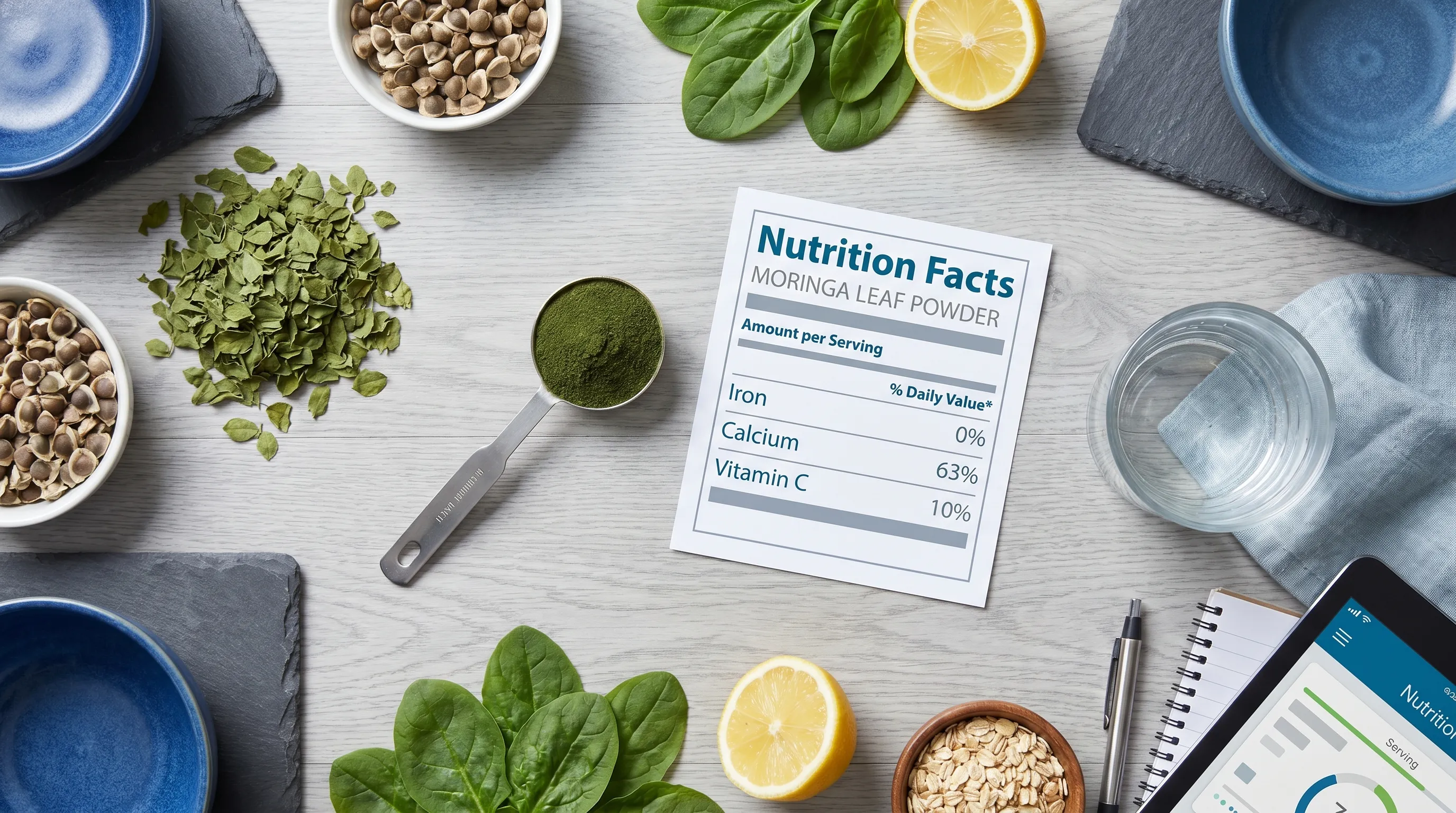
When evaluating any dietary supplement, grounding expectations in verified nutritional data is crucial. According to the United States Department of Agriculture (USDA), one cup of fresh, chopped moringa leaves provides a surprisingly modest yet highly synergistic nutritional profile: approximately 13 calories, 2 grams of complete plant protein, 2 grams of carbohydrates, 0.5 grams of dietary fiber, 39 milligrams of calcium, 9 milligrams of magnesium, 71 milligrams of potassium, 79 micrograms of vitamin A, 11 milligrams of vitamin C, and 1 milligram of non-heme iron. The boiled moringa pods, often consumed like green beans in tropical cuisines, offer a different but complementary profile with higher fiber, potassium, and vitamin C content.
Despite these solid baseline numbers, viral marketing campaigns have heavily distorted public perception by comparing raw, dry weight concentrations of moringa powder to fresh, water-heavy whole foods. This methodological mismatch has fueled widespread exaggeration. Dr. Michael Greger of NutritionFacts.org thoroughly dismantles these inflated claims by contextualizing realistic serving sizes. When you consume approximately one tablespoon of dried organic moringa leaf powder, the nutrient yield translates to roughly the vitamin A equivalent of a quarter of one baby carrot, about one one-hundredth the vitamin C of a medium orange, half the calcium of a cup of milk, a quarter of the potassium in a single banana, and approximately a quarter cup’s worth of iron from fresh spinach.
| Nutrient | Realistic Yield (1 Tbsp Powder) | Viral Exaggeration Debunked | Equivalent Whole Food Comparison |
|---|---|---|---|
| Vitamin A | ~19 μg | "10x more than carrots" | ¼ of a baby carrot |
| Vitamin C | ~2.7 mg | "12x more than oranges" | 1/100th of one orange |
| Calcium | ~9.4 mg | "17x more than milk" | ½ cup of milk |
| Potassium | ~17 mg | "9x more than bananas" | ¼ of a banana |
| Iron | ~0.24 mg | "25x more than spinach" | ¼ cup of fresh spinach |
The takeaway is not that moringa lacks value, but rather that its strength lies in consistent, whole-food synergy rather than miraculous single-serving doses. As registered dietitian Julia Zumpano, RD, LD, from the Cleveland Clinic accurately notes, moringa leaves fall squarely into the "phenomenal leafy green category," similar to spinach, kale, or Swiss chard. When consumed regularly as part of a diverse, plant-forward diet, the cumulative micronutrient and phytochemical intake contributes meaningfully to metabolic regulation, cellular protection, and systemic homeostasis.
Evidence-Based Health Benefits
While historical reverence and marketing hype should always be viewed critically, peer-reviewed clinical research and observational studies cataloged by the National Institutes of Health (NIH) have identified several legitimate physiological mechanisms through which Moringa oleifera influences human health. The most rigorously documented benefits revolve around oxidative stress modulation, glycemic regulation, skeletal support, and hepatic detoxification pathways.
Rich in Antioxidants & Inflammation Control
Oxidative stress occurs when an imbalance exists between free radical production and the body’s endogenous antioxidant defense systems. Over time, unneutralized free radicals damage cellular membranes, mitochondrial DNA, and vascular endothelial tissue, creating a cascade that drives chronic inflammation. This inflammatory state is a recognized foundational driver of metabolic syndrome, cardiovascular disease, neurodegenerative conditions, and certain malignancies. Moringa leaves contain a robust array of antioxidant compounds, including quercetin, chlorogenic acid, beta-carotene, and various polyphenols. These molecules donate electrons to stabilize free radicals, interrupting the oxidative chain reaction. Clinical nutrition experts emphasize that while no single food can "cure" inflammation, regularly incorporating antioxidant-dense botanicals like organic moringa leaf powder into a balanced dietary pattern helps establish a protective baseline against environmental and metabolic stressors.
Supports Healthy Bones & Joint Integrity
Maintaining optimal bone mineral density requires more than calcium alone; it demands a synergistic interplay of magnesium, phosphorus, vitamin K, and trace minerals. Magnesium facilitates calcium absorption into the bone matrix rather than allowing it to deposit in soft tissues, while vitamin K2 activates osteocalcin, a protein essential for bone mineralization. Moringa naturally provides these cofactors alongside anti-inflammatory flavonoids that may reduce age-related bone resorption. Although moringa cannot reverse advanced osteoporosis, its consistent use alongside weight-bearing exercise and adequate protein intake may serve as a supportive nutritional strategy for maintaining structural integrity over decades.
Promotes Healthy Eyesight & Retinal Protection
Vision deterioration, particularly age-related macular degeneration (AMD) and cataract formation, is heavily influenced by cumulative oxidative damage to the retinal pigment epithelium. The high carotenoid content in moringa, specifically lutein, zeaxanthin, and provitamin A (beta-carotene), accumulates selectively in the macula, acting as a natural blue-light filter and neutralizing retinal free radicals. Combined with its systemic antioxidant capacity, regular dietary inclusion of this botanical supports microvascular circulation to the optic nerve and may help delay the onset of degenerative visual changes.
Blood Sugar Regulation (Most Promising Clinical Area)
Among all researched parameters, glycemic modulation demonstrates the strongest human clinical validation. A landmark human trial evaluating the effects of approximately one tablespoon of moringa powder daily over a three-month period observed significant reductions in fasting blood glucose levels among prediabetic participants, moving them from consistently elevated ranges (>100 mg/dL) toward normoglycemic baselines. The proposed mechanism involves isothiocyanates and flavonoid derivatives that enhance insulin receptor sensitivity, modulate hepatic glucose output, and slow intestinal carbohydrate absorption. Systematic reviews published in peer-reviewed nutrition journals and indexed by the National Center for Complementary and Integrative Health (NCCIH) consistently rank blood sugar regulation as "the most promising" application of moringa supplementation. Individuals with prediabetes or insulin resistance should view this as an adjunctive lifestyle strategy, not a replacement for medical therapy.
Anti-Inflammatory Effects & Hormonal Balance
Chronic low-grade inflammation frequently disrupts endocrine signaling, particularly in conditions like benign breast hyperplasia and polycystic ovary syndrome (PCOS). Emerging research suggests that the anti-inflammatory phytochemicals in moringa may help modulate cytokine production, reducing tissue irritation and supporting healthier hormonal metabolism. Some observational data indicate potential benefits for women with benign breast disease, a condition associated with heightened long-term breast cancer risk. While not a standalone treatment, integrating anti-inflammatory botanicals into a whole-food dietary framework supports systemic equilibrium.
Anticancer Activity & Glucosinolates
Preclinical laboratory studies utilizing petri-dish models and rodent cell lines have demonstrated that moringa extracts exhibit selective cytotoxicity against malignant cells, including breast, lung, skin, and fibrosarcoma lineages, while sparing healthy fibroblast and epithelial cells. These findings, while biologically fascinating, remain strictly preclinical. No large-scale human oncology trials have validated moringa as a therapeutic intervention for active malignancies. Importantly, moringa contains glucosinolates—sulfur-rich compounds historically exclusive to cruciferous vegetables like broccoli, kale, and Brussels sprouts. Upon chewing or grinding, glucosinolates convert into isothiocyanates, which upregulate phase II liver detoxification enzymes (such as glutathione S-transferase). These enzymes facilitate the safe elimination of environmental toxins, metabolic waste products, and potential carcinogens, making moringa a unique botanical bridge between leafy greens and cruciferous detoxification pathways.
Optimal Dosage, Integration & Acceptability Guidelines
Translating clinical research into sustainable daily habits requires understanding realistic dosing thresholds, tolerability profiles, and practical consumption methods. A pivotal 2025 peer-reviewed study published in Preventive Medicine Reports (PMC11986971) by researchers from the University of California, Berkeley, evaluated the real-world acceptability of organic moringa leaf powder in a cohort of 52 healthy adults in California. Participants were randomized to consume 1 teaspoon (2.4g), 2 teaspoons (4.8g), or 3 teaspoons (~7.2g) daily for seven consecutive days.
The results demonstrated exceptional compliance, with a 96% completion rate and a median consumption of 7 out of 7 days across all groups. This high adherence rate suggests strong palatability and ease of integration into routine diets. Notably, while participants in the highest dose group reported increased mild gastrointestinal symptoms—such as temporary bloating, mild cramping, or altered bowel frequency—these effects were consistently transient and resolved without intervention. The researchers concluded that daily supplementation between 1 and 3 teaspoons is highly tolerable for the general adult population, with GI discomfort primarily emerging only at sustained doses exceeding 7 grams daily. For long-term safety, clinical dietary guidelines from the Mayo Clinic recommend capping daily intake at the equivalent of 70 grams of raw leaves, or approximately 11 teaspoons of concentrated powder.
To maximize absorption and minimize digestive discomfort, consider these evidence-based integration strategies:
- Start Low, Scale Gradually: Begin with half a teaspoon daily for the first week, monitoring individual tolerance before increasing to 1–2 teaspoons.
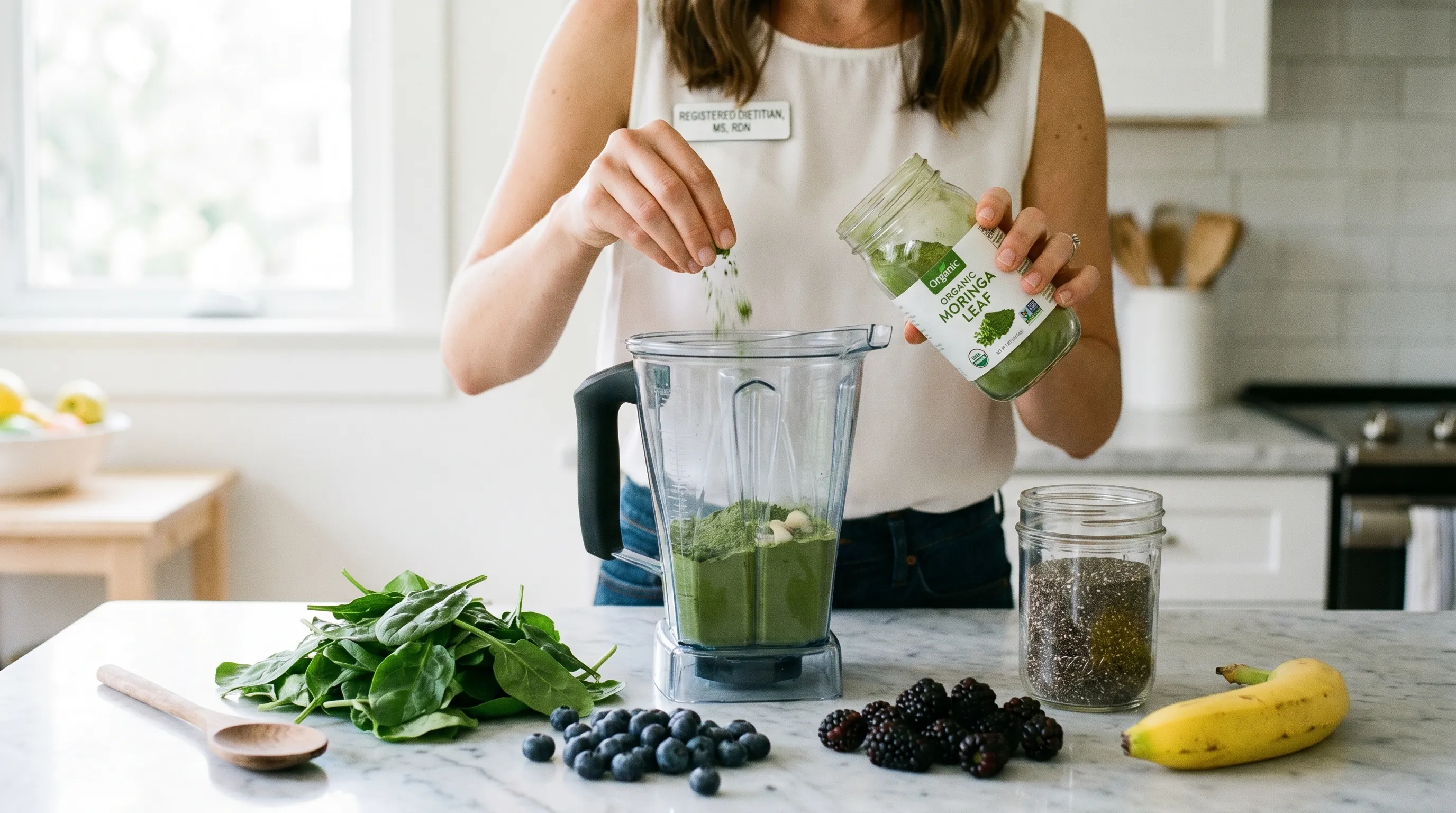
- Pair with Dietary Fat: Many fat-soluble vitamins and carotenoids in moringa require lipid co-factors for optimal intestinal absorption. Blending the powder into smoothies containing avocado, nut butters, or full-fat dairy/plant milks significantly enhances bioavailability.
- Incorporate into Warm Liquids Wisely: While traditional moringa tea is popular, exposing the powder to boiling water degrades heat-sensitive enzymes and vitamin C. Instead, steep it in warm (not boiling) water or mix it into room-temperature beverages.
- Strategic Timing: Consuming moringa alongside a balanced meal containing complex carbohydrates and protein stabilizes postprandial glucose spikes and prevents sudden digestive shifts.
- Culinary Versatility: Beyond smoothies, organic moringa leaf powder can be seamlessly incorporated into salad dressings, oatmeal, energy balls, baked goods, or mixed directly into soups and stews after cooking to preserve nutrient integrity.
Safety Profile, Critical Recall Alerts & Contraindications
While botanical supplementation offers numerous wellness advantages, international health authorities like the World Health Organization (WHO) emphasize that transparency regarding product safety, quality control, and recent public health alerts remains non-negotiable. In January 2026, the Centers for Disease Control and Prevention (CDC) issued a public health notification regarding a multistate Salmonella outbreak directly linked to contaminated dietary supplements containing moringa leaf powder. As of late January, 65 individuals across 28 states reported confirmed infections. The implicated product was identified as "Why Not Natural Organic Moringa Green Superfood capsules," specifically lot #A25G051, with an expiration date of July 2028. Products were distributed through major online retailers and regional health stores nationwide.
The CDC explicitly advised consumers to immediately discontinue use, discard or return the affected supplements, and thoroughly sanitize storage surfaces, shaker bottles, and preparation utensils with hot, soapy water. Recognized symptoms of Salmonella infection typically emerge 6 hours to 6 days post-exposure and include profuse watery diarrhea, high fever, severe abdominal cramping, nausea, and dehydration. Vulnerable populations—particularly young children, elderly adults, pregnant individuals, and immunocompromised patients—face heightened risks of severe systemic complications. Anyone experiencing persistent symptoms should seek prompt medical evaluation rather than attempting home management alone.
Beyond acute contamination events, the broader safety profile of moringa leaf powder remains exceptionally favorable when sourced responsibly. Extensive human trials evaluating leaf extracts have reported zero severe adverse events, confirming that the plant’s natural flavonoid matrix aligns closely with dietary safety parameters established for whole-food consumption. However, specific populations must exercise caution:
- Thyroid Medication Users: Moroga may influence thyroid hormone absorption. Individuals on levothyroxine or other thyroid regulators should separate supplementation by at least 4 hours and monitor TSH levels with their prescribing physician.
- Blood Pressure & Diabetic Medication Interactions: Because moringa supports glycemic and vascular regulation, combining it with prescription glucose-lowering or antihypertensive drugs may amplify effects, potentially causing hypoglycemia or hypotension. Routine monitoring and clinician guidance are essential.
- Pregnancy & Fertility: While leaves are generally considered safe, traditional texts warn against concentrated root, bark, or seed extracts due to uterine-stimulating alkaloids. Pregnant individuals should exclusively consult their obstetric provider before initiating any new supplement.
- Surgical Preparation: Given its mild blood sugar-modulating and potential antiplatelet properties, discontinuing moringa supplementation at least 14 days prior to elective surgery is standard precautionary practice.
To mitigate contamination risks, always purchase from manufacturers who publish third-party Certificates of Analysis (COA), utilize current Good Manufacturing Practice (cGMP) certified facilities, and provide transparent batch testing for heavy metals, microbial pathogens, and pesticide residues. Organic certification further reduces the likelihood of synthetic agricultural chemical contamination.
Frequently Asked Questions
How much organic moringa leaf powder should I take daily?
Clinical acceptability studies and expert dietary guidelines consistently recommend starting with 1 teaspoon (approximately 2.4 grams) daily. Most healthy adults tolerate doses between 1 and 3 teaspoons without issue. Exceeding 11 teaspoons daily or consuming equivalent leaf weights above 70 grams increases the likelihood of transient gastrointestinal discomfort and is not recommended for long-term use.
Does moringa leaf powder really lower blood sugar?
Human clinical trials demonstrate that consistent daily consumption of roughly 1 tablespoon can significantly reduce fasting blood glucose levels in individuals with prediabetes or mild insulin resistance over a three-month period. It should be viewed as a supportive lifestyle intervention alongside dietary fiber intake, physical activity, and medical supervision, not as a replacement for prescribed glycemic medications.
Is organic moringa leaf powder safe during pregnancy?
While the leaves themselves are nutritionally similar to spinach and generally recognized as safe, concentrated herbal supplements require caution during pregnancy due to limited clinical data on hormonal interactions. Traditional medicine systems advise against moringa root, bark, and seed preparations entirely. Always consult your prenatal care provider before adding concentrated botanical powders to your pregnancy diet.
Can moringa powder cause digestive side effects?
Yes, particularly at higher doses. The 2025 UC Berkeley acceptability trial found that participants consuming 3 teaspoons daily reported slightly increased mild gastrointestinal symptoms, such as temporary bloating or loose stools. These effects are typically transient and resolve as the digestive system adapts. Taking the powder with meals and gradually titrating the dose minimizes discomfort.
How do I avoid contaminated or recalled products?
The January 2026 CDC Salmonella outbreak highlighted the importance of rigorous quality control. Only purchase from reputable brands that openly display third-party laboratory testing results, utilize cGMP-certified manufacturing, and maintain organic certification. Verify lot numbers against official FDA and CDC recall databases before use, and store your powder in a cool, dry, airtight container to prevent moisture-related microbial growth.
Conclusion
The resurgence of organic moringa leaf powder in modern wellness culture is not merely a fleeting trend rooted in exoticism or marketing hyperbole; it is a scientifically substantiated botanical resource with legitimate nutritional and physiological merit. When stripped of exaggerated viral claims and evaluated through the lens of peer-reviewed research, moringa emerges as what registered dietitians and clinical researchers describe it to be: a highly nutritious, antioxidant-rich leafy green supplement that supports glycemic regulation, cellular protection, bone mineralization, and hepatic detoxification pathways. The recent UC Berkeley acceptability study confirms that doses between 1 and 3 teaspoons daily are highly tolerable and seamlessly integrable into diverse dietary patterns, while the 2026 CDC recall serves as a critical reminder to prioritize third-party tested, transparently sourced products.
Incorporating organic moringa leaf powder into your routine does not require extreme dietary overhauls or unrealistic expectations. It thrives when treated as what it truly is—a complementary, nutrient-dense addition to a foundation of whole foods, consistent movement, adequate hydration, and preventive medical care. By approaching supplementation with evidence-based literacy, respecting dosing thresholds, and selecting rigorously vetted products, you can harness centuries of botanical wisdom alongside modern nutritional science to cultivate sustainable, long-term vitality.
Frequently Asked Questions
What is the best time of day to take moringa powder?
There is no universally optimal timing, but many users report better tolerance and nutrient absorption when consuming it alongside breakfast or lunch. Taking it with a meal containing healthy fats enhances the bioavailability of fat-soluble vitamins and carotenoids.
Can I take moringa powder if I am on blood thinners?
Moringa contains vitamin K and may exhibit mild antiplatelet properties in high doses. If you are taking anticoagulant or antiplatelet medications, consult your physician before adding concentrated moringa to your regimen to ensure your INR and clotting parameters remain stable.
How should I store organic moringa leaf powder?
Store the powder in an opaque, airtight container away from direct sunlight, heat, and humidity. Exposure to moisture and UV radiation accelerates lipid oxidation and degrades heat-sensitive antioxidants. A cool, dry pantry or refrigerator is ideal for long-term freshness.
Does cooking or baking destroy the nutrients in moringa?
High heat above 180°F (82°C) gradually degrades vitamin C, certain B-vitamins, and delicate polyphenols. To preserve maximum nutritional integrity, add the powder to recipes after cooking has finished, or use it in no-bake preparations, cold smoothies, and room-temperature beverages.
Are there any signs of low-quality or adulterated moringa powder?
Low-quality products often appear brownish or grayish rather than vibrant green, indicating excessive heat exposure, prolonged oxidation, or filler adulteration. Authentic organic moringa should have a mildly earthy, slightly grassy aroma and blend smoothly into liquids without leaving excessive gritty sediment. Always verify third-party testing before purchase.
How we work
Researched and drafted with AI assistance, then reviewed by a human editor against the cited sources.
This article is general health information, not medical advice. Consult a qualified healthcare professional about your own situation.