How Long Does Tirzepatide (Mounjaro) Last in the Fridge?

Key points
- Maintaining Potency: Extreme temperatures, both hot and cold, can cause the protein molecules in tirzepatide to break down or change shape. This degradation can render the medication less effective, leading to poor blood sugar control. When peptide chains denature, they lose their precise folding configuration, which is essential for binding to GIP and GLP-1 receptors on pancreatic beta cells, adipose tissue, and central nervous system pathways. Even partial degradation can reduce the amount of active drug delivered to your system, potentially causing unexpected glucose spikes, diminished satiety signals, and stalled progress toward therapeutic goals. Over time, consistent use of a degraded product may give the false impression of medication non-response, prompting unnecessary dose escalations or treatment switches.
Tirzepatide, sold under the brand name Mounjaro, is a once-weekly injectable medication highly effective for managing type 2 diabetes and widely recognized for its significant impact on weight loss. As with many biologic medications, its effectiveness is closely tied to how it's stored. Proper storage is crucial for ensuring the drug's potency and your safety.
In recent years, the demand for glucose-regulating and weight-management therapies has surged, bringing tirzepatide to the forefront of metabolic medicine. However, its peptide-based nature makes it fundamentally different from traditional oral pills like metformin. Biologics are complex, large-molecule drugs that rely on precise three-dimensional structures to function correctly within the human body. When exposed to environmental stressors such as temperature fluctuations, light, or agitation, these delicate protein structures can unfold or aggregate. Understanding the science behind these molecules is the first step in appreciating why storage protocols exist. Patients and caregivers frequently ask whether refrigeration is mandatory, how to handle travel logistics, and what happens when the power goes out. This growing curiosity underscores the need for clear, medically accurate, and comprehensive guidance.
This guide provides a comprehensive overview of how to store tirzepatide, answering the key question: "How long does it last in the fridge?" We'll cover official storage guidelines, what to do if it's left out, travel tips, and frequently asked questions. By diving deep into pharmaceutical stability standards, manufacturer recommendations, and real-world best practices, you'll gain the confidence needed to preserve the full therapeutic value of every dose. Whether you are newly prescribed, switching from another GLP-1 therapy, or simply looking to optimize your medication management routine, this resource is designed to keep your treatment safe, effective, and uninterrupted.
What is Tirzepatide (Mounjaro)?
Tirzepatide is an injectable prescription medicine that helps improve blood sugar (glucose) in adults with type 2 diabetes. It is the first and only dual GIP (glucose-dependent insulinotropic polypeptide) and GLP-1 (glucagon-like peptide-1) receptor agonist. By mimicking these two natural hormones, tirzepatide helps the body release insulin when blood sugar is high, slows down digestion, and reduces appetite, which contributes to both blood sugar control and weight loss.
Free calculatorDosage CalculatorCalculate medication dosageOpen the calculatorThe dual-receptor mechanism represents a significant advancement in endocrinology. While GLP-1 receptor agonists have been used clinically for over a decade, the addition of GIP receptor activation creates a synergistic effect that enhances insulin secretion, suppresses glucagon release, and improves lipid metabolism. This dual action not only lowers hemoglobin A1c levels more effectively than many older agents but also promotes substantial and sustained weight reduction by acting on appetite centers in the brain and delaying gastric emptying. Clinical trials have consistently demonstrated that patients using tirzepatide experience meaningful improvements in cardiovascular risk factors, including reductions in systolic blood pressure and triglycerides.
It is administered once a week via a subcutaneous injection using a pre-filled, single-use pen. Given its protein-based structure, tirzepatide is sensitive to temperature extremes, making proper storage essential. Unlike small-molecule synthetic drugs, which often remain stable across a wide range of environmental conditions, peptide therapeutics like tirzepatide require strict thermal management. The active pharmaceutical ingredient is suspended in a carefully balanced aqueous solution containing excipients designed to maintain pH stability, prevent oxidation, and inhibit microbial growth. However, these stabilizers can only do so much if the drug is repeatedly subjected to suboptimal storage environments. Patients should understand that the convenience of once-weekly dosing must be paired with disciplined medication handling to avoid compromising its clinical efficacy.
Why Proper Storage of Tirzepatide Matters
Storing tirzepatide correctly is vital for several reasons:
Maintaining Potency: Extreme temperatures, both hot and cold, can cause the protein molecules in tirzepatide to break down or change shape. This degradation can render the medication less effective, leading to poor blood sugar control. When peptide chains denature, they lose their precise folding configuration, which is essential for binding to GIP and GLP-1 receptors on pancreatic beta cells, adipose tissue, and central nervous system pathways. Even partial degradation can reduce the amount of active drug delivered to your system, potentially causing unexpected glucose spikes, diminished satiety signals, and stalled progress toward therapeutic goals. Over time, consistent use of a degraded product may give the false impression of medication non-response, prompting unnecessary dose escalations or treatment switches.
Ensuring Safety: If the medication freezes, it can form clumps or particles, making it unsafe for injection. Similarly, exposure to high heat can alter its chemical composition. Freezing causes ice crystal formation within the liquid formulation, which can mechanically damage the peptide structure and destabilize the suspension. Once thawed, the solution may contain microscopic aggregates that are not only biologically inactive but could also trigger local injection site reactions, inflammation, or rare immune-mediated responses. Proper temperature control eliminates these risks and ensures a smooth, sterile administration experience.
Preventing Waste: Mounjaro is a costly medication. Improper storage can lead to spoilage, forcing you to discard expensive pens and disrupt your treatment schedule. Given the ongoing supply constraints and high out-of-pocket expenses many patients face, wasting a single pen due to storage errors can have significant financial and emotional consequences. Many insurance plans impose strict limits on replacement pens, requiring prior authorizations or imposing mandatory waiting periods before issuing a new supply. By treating storage as a non-negotiable component of your care routine, you protect both your health and your healthcare budget.
Consistency of Treatment: To get the full benefits, you need to take a full, effective dose every week. Using a spoiled dose is like missing one entirely, which can negatively impact your health management plan. Type 2 diabetes and metabolic syndrome require steady therapeutic intervention. Gaps in effective dosing can lead to glycemic variability, increased oxidative stress, and long-term complications such as neuropathy, retinopathy, or nephropathy. Consistent potency ensures that your blood work, weight trends, and symptom logs accurately reflect your body's response to the medication, allowing your healthcare provider to make informed, data-driven adjustments when necessary.
Beyond these core principles, proper storage also supports accurate clinical monitoring. When you and your care team know that the medication has been handled correctly, you can confidently attribute changes in your A1c, fasting glucose, or body weight to physiological factors, lifestyle modifications, or appropriate dose adjustments rather than hidden stability issues.
How Long Does Tirzepatide Last in the Fridge?
When stored correctly in the refrigerator, a Mounjaro (tirzepatide) pen is safe and effective to use until the expiration date printed on the pen and its carton.
According to the manufacturer, Eli Lilly, and the FDA-approved prescribing information, the following guidelines are crucial for long-term storage:
Temperature Range: Store unused pens in the refrigerator between 36°F to 46°F (2°C to 8°C). This narrow window is carefully calibrated to slow down chemical degradation pathways while preventing the formation of ice crystals. Most household refrigerators naturally fluctuate slightly throughout the day, so maintaining an average within this range is critical. Avoid storing the pens in the door shelves, where temperatures frequently rise above 46°F due to repeated opening and closing. Instead, place the medication on a middle or bottom shelf toward the back, where cooling is most consistent. Consider investing in a small digital refrigerator thermometer with an external display to monitor real-time conditions without opening the door.
Original Packaging: Keep the pens in their original carton to protect them from light, which can degrade the medication over time. The opaque cardboard packaging is specifically engineered to block ultraviolet and visible light that can catalyze oxidative reactions in peptide solutions. Removing the pen from its box and leaving it exposed on a bathroom counter or kitchen shelf accelerates photodegradation. Even indirect sunlight through a window or bright fluorescent lighting over several weeks can compromise molecular integrity. Always return the pen to its carton immediately after removing it for use, and keep the entire supply box intact until you are ready to administer your weekly dose.
Do Not Freeze: Never freeze tirzepatide. If a pen freezes, it must be discarded, even if it thaws. To prevent this, avoid placing pens in the back of the fridge near the cooling element or in the freezer compartment. Modern frost-free refrigerators sometimes drop below freezing in specific zones, particularly in the rear vents or crisper drawer areas. If your refrigerator runs particularly cold or lacks consistent temperature distribution, you can place the medication inside a designated medicine bin or insulated container to buffer against sudden temperature drops. Additionally, never attempt to speed-warm a chilled pen by placing it in warm water, near a stove, or in direct sunlight, as rapid temperature shifts can cause thermal shock and destabilize the formulation.
Always check the expiration date on your medication when you receive it from the pharmacy and before each use. If the date has passed, dispose of the pen properly. It is also important to distinguish between the manufacturer's printed expiration date and the pharmacy-dispensed "use-by" date. Pharmacists sometimes apply a conservative beyond-use date (often one year from dispensing or the manufacturer's date, whichever is earlier) based on state board of pharmacy regulations. Both dates are binding, and the earlier of the two should dictate when the medication is retired from use. Keep your medication log or calendar updated to track these timelines proactively.
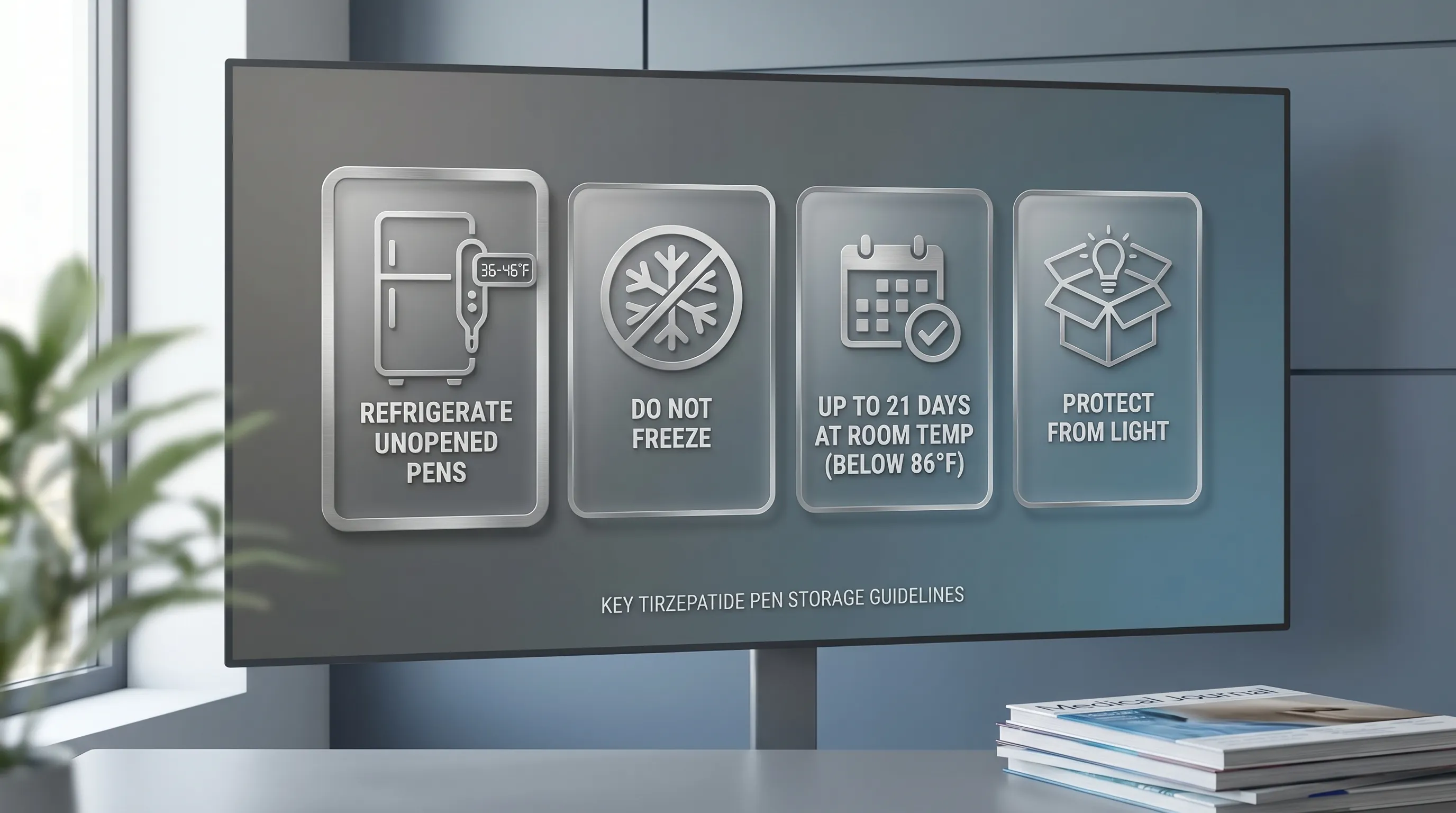 Caption: Follow these key tips to ensure your tirzepatide remains safe and effective.
How Long Can Tirzepatide Be Kept Out of the Fridge?
While refrigeration is best for long-term storage, there are situations, like travel or a temporary power outage, where you might need to keep tirzepatide at room temperature.
The manufacturer states that an individual Mounjaro pen can be stored unrefrigerated for a total of up to 21 days at a temperature not exceeding 86°F (30°C).
Here are the key rules for room temperature storage:
21-Day Limit: Once a pen is stored outside the refrigerator, you must use it or discard it within 21 days. Do not return it to the refrigerator after this period. This 21-day window is cumulative, not a resettable clock. If you remove the pen, leave it out for three days, return it to the fridge for a week, and then take it out again, the total unrefrigerated time across all intervals cannot exceed 21 days. The clock starts ticking the moment the temperature rises above 46°F. This strict limit exists because prolonged exposure to warmer environments accelerates hydrolysis and oxidation of the peptide bonds, even if the changes aren't immediately visible. Once the 21-day threshold is crossed, the risk of subtherapeutic potency outweighs any perceived benefit of continued use.
Avoid High Heat: Keep the pen away from direct sunlight and heat sources. Never leave it in a hot car, where temperatures can quickly rise above the safe limit. Interior vehicle temperatures can soar past 140°F (60°C) within minutes, even on moderately warm days. If you must transport the medication by car during summer months or in hot climates, keep it inside the passenger cabin with the air conditioning running, rather than in the glove compartment or trunk. Heat sources in the home, such as radiators, ovens, space heaters, or sunny windowsills, should also be avoided. Consistent room temperature, ideally between 68°F and 77°F (20°C to 25°C), is optimal for short-term storage outside the refrigerator.
Track the Time: If you take a pen out for travel, it's helpful to write the date on the carton so you can track how long it has been unrefrigerated. You can also set a recurring calendar alert on your smartphone or use a medication tracking app that includes environmental monitoring features. Some patients find it useful to maintain a simple logbook that records the date removed from refrigeration, ambient temperature conditions, and the administration date. This practice not only prevents accidental use beyond the 21-day limit but also provides valuable documentation if you ever need to discuss storage incidents with your pharmacist or prescribing physician. Clear communication and accurate record-keeping are your best defenses against medication waste and therapeutic disruption.
What to Do If Tirzepatide Is Not Stored Properly
Accidents can happen. Here’s how to handle common storage mistakes:
If It Gets Too Warm: If a pen is left at room temperature (below 86°F) for less than 21 days, it is still safe to use. If it was exposed to temperatures above 86°F, it may have lost potency and should not be used. When in doubt, contact your pharmacist or Eli Lilly at 1-800-LillyRx (1-800-545-5979). Thermal excursions are common, especially during mail-order deliveries or unexpected weather events. If you suspect your medication experienced a significant heat event, evaluate the circumstances carefully. For example, a package sitting on a porch for 48 hours during a 95°F heatwave likely requires disposal, whereas a pen briefly left on a counter during a dinner party is generally fine. Your pharmacist can help assess the risk based on duration, ambient temperature, and packaging integrity. Never attempt to "salvage" a compromised pen by refrigerating it later or using it at a higher dose to compensate.
If It Freezes: As stated, a frozen pen is no longer safe or effective. Discard it immediately and use a new one. Freezing alters the physical chemistry of the formulation irreversibly. Even if the liquid appears normal after thawing, microscopic structural damage has likely occurred. Attempting to inject a previously frozen solution can result in unpredictable dosing, increased injection site pain, or localized tissue irritation. Place the frozen pen directly into a sharps disposal container without trying to drain or manipulate it. Document the incident for insurance replacement requests, as most payers have specific protocols for covering medications lost or damaged due to verified storage failures.
If the Solution Looks Different: Before every injection, inspect the medication through the pen's viewing window. According to the Mounjaro Medication Guide, the solution should be clear and colorless to slightly yellow. Do not use the pen if the liquid is cloudy, discolored, or contains any particles. Cloudiness may indicate protein aggregation, microbial contamination, or precipitation of excipients. Particulates, flakes, or a milky appearance are absolute contraindications to use. Minor yellowing is normal and often results from natural oxidation of trace components, but a dramatic color shift toward brown or dark amber suggests advanced degradation. Always perform this visual check under good lighting and compare the pen to a fresh, unopened unit if possible. If you observe any anomalies, stop use immediately and seek guidance from your healthcare team or the manufacturer's medical information line.
Beyond these immediate steps, consider implementing preventive measures to reduce the likelihood of storage errors. This includes setting up a dedicated medication storage zone in your home, investing in temperature-indicating labels for your fridge, and establishing a household protocol for handling temperature-sensitive prescriptions. Education and routine are the most effective safeguards against preventable medication loss.
Tips for Traveling with Tirzepatide
Traveling with an injectable medication requires planning.
Use a Cooler: For long trips or travel to warm climates, use an insulated medical travel bag with cold packs. Ensure the pen does not directly touch the frozen packs to prevent freezing. High-quality medical coolers are designed with phase-change materials that maintain a stable temperature range between 36°F and 46°F for extended periods, often 24 to 48 hours depending on external conditions. Always place a buffer layer, such as a clean cloth or foam insert, between the medication and the cold pack to avoid localized freezing. Avoid using standard camping coolers or grocery-store ice packs for long-term storage, as they lack the precision and insulation needed for biologic medications. Regularly test your cooler's performance before departure by monitoring its internal temperature over a 12-hour period.
Carry-On Luggage: Always pack your medication in your carry-on bag when flying. Checked luggage can be exposed to extreme temperatures and pressure changes or may get lost. The Transportation Security Administration (TSA) allows prescription medications and associated supplies (like cooling packs) through security checkpoints. Inform the TSA officer that you are carrying temperature-sensitive injectable medication and cooling packs. You are legally entitled to keep your medication with you, even if liquid volume exceeds the standard 3.4-ounce limit. Carry a printed copy of your prescription, a doctor's note if traveling internationally, and keep all original pharmacy labels intact. If you require multiple doses for an extended trip, divide them between two carry-on bags in case one is temporarily misplaced.
Plan for Your Destination: Once you arrive, place the medication in a refrigerator as soon as possible. Verify the hotel or rental accommodation has a functioning refrigerator with adjustable temperature controls. Avoid using mini-bars, which often lack precise cooling and may be turned off by staff during cleaning. If a reliable refrigerator is unavailable, store the medication in your insulated cooler with fresh ice packs, checking the temperature every few hours. When traveling across multiple time zones, consult your healthcare provider about adjusting your injection schedule. While tirzepatide has a long half-life that provides some scheduling flexibility, consistency remains key for optimal glycemic control and weight management outcomes. Set alarms aligned with your destination's local time to maintain your weekly routine seamlessly.
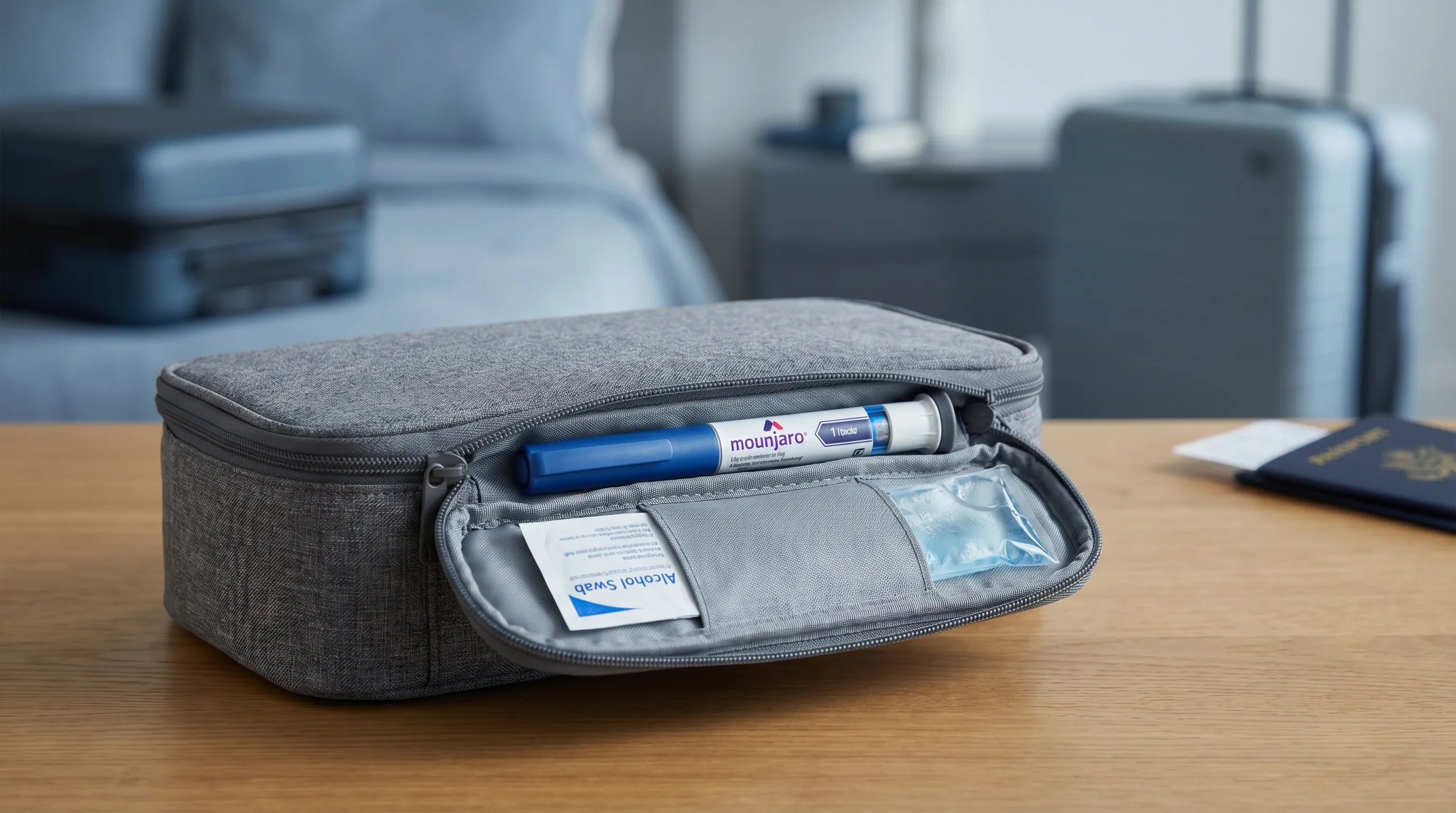 Caption: An insulated travel cooler helps maintain a safe temperature for tirzepatide when you're on the go.
Frequently Asked Questions About Tirzepatide Storage
Q1: Does tirzepatide have to be taken straight from the fridge?
No. In fact, injecting cold medicine can be uncomfortable. It is recommended to take the pen out of the refrigerator 15 to 30 minutes before your injection to allow it to warm to room temperature. Allowing the solution to reach ambient temperature reduces viscosity, making the injection smoother and less likely to cause stinging or tissue irritation. Warming the medication does not compromise its stability, as long as the pen remains out for less than the 21-day unrefrigerated limit and stays below 86°F. Do not attempt to heat the pen using external methods like hot water bottles, hairdryers, or microwaves. Passive room-temperature warming is sufficient and safest. After removing the cap for injection, use it promptly and dispose of it properly, as the needle should never be reused or left exposed to the environment.
Q2: Can I use tirzepatide if it was left out of the fridge overnight?
Yes, this is generally safe. An overnight period is well within the 21-day window for room temperature storage, as long as the ambient temperature did not exceed 86°F (30°C). You can place it back in the fridge or continue storing it at room temperature, but remember to track the total time it has been unrefrigerated. Most homes maintain nighttime temperatures between 65°F and 75°F, which poses no stability risk. Simply log the removal date, continue your normal weekly injection schedule, and return the pen to proper cold storage once convenient. The cumulative tracking rule still applies, so avoid repeatedly cycling the medication in and out of the fridge without documentation, as this can lead to confusion and potential expiration mismanagement.
Q3: How should I dispose of used or expired tirzepatide pens?
Used, damaged, or expired pens should be disposed of in an FDA-cleared sharps disposal container. Do not throw them in the household trash. Follow your community's guidelines for disposing of the full sharps container. For more information, refer to the CDC guidelines on safe sharps disposal. When your sharps container reaches three-quarters full, seal it tightly according to the manufacturer's instructions. Many pharmacies, hospitals, and municipal waste facilities offer free or low-cost sharps take-back programs. Never recycle medication packaging that has been in direct contact with the drug or needles, as residual medication poses environmental and contamination risks. Proper disposal protects sanitation workers, family members, and pets from accidental needle sticks or exposure to pharmaceutical compounds.
Q4: Are the storage rules for Mounjaro different from other GLP-1 drugs like Ozempic?
The storage requirements are very similar but have slight differences. For example, once in use, an Ozempic pen can be stored at room temperature or in a refrigerator for up to 56 days. Trulicity can be stored at room temperature for up to 14 days. Tirzepatide's room temperature limit is 21 days. Always follow the specific instructions for the medication you are prescribed. These variations stem from differences in peptide sequencing, formulation buffers, stabilizer concentrations, and multi-dose versus single-dose delivery mechanisms. Tirzepatide pens are single-use, pre-filled devices designed for one injection only, which eliminates concerns about post-puncture microbial contamination but still requires strict thermal management of the unadministered product. Confusing storage guidelines across different brands can lead to premature discarding or unintended use of degraded medication. Always keep each medication's official prescribing information readily accessible and never assume interchangeability of storage protocols without verifying with your pharmacist.
Q5: What happens if my refrigerator loses power for several days?
Power outages are a common concern for patients relying on temperature-sensitive biologics. If your refrigerator loses power, keep the door closed as much as possible. A well-sealed, full refrigerator can maintain safe temperatures for approximately 4 to 6 hours. If the outage extends beyond this window, transfer your tirzepatide pens to an insulated cooler packed with fresh ice packs. Monitor the internal temperature closely using a digital thermometer. If you cannot guarantee that the temperature stayed between 36°F and 46°F during the outage, treat the medication as potentially compromised once power is restored. You can safely keep pens at room temperature for the remaining days in your 21-day allowance, provided ambient conditions remain cool. Contact your pharmacy promptly if you suspect significant thermal excursion, as some insurers offer emergency replacement coverage under documented power failure circumstances.
Q6: Can I store tirzepatide in a dedicated medication refrigerator?
Yes, a dedicated mini-fridge is an excellent option for patients managing multiple temperature-sensitive medications. However, ensure the unit is specifically designed for pharmaceutical or cosmetic storage rather than beverage cooling. Many standard mini-fridges run too warm or lack the consistent temperature distribution required for biologics. Choose a model with a digital thermostat, alarm system, and validated temperature mapping capabilities. Position it in a climate-controlled room away from windows, vents, or direct sunlight. Regularly calibrate the thermometer and clean the interior to prevent dust buildup or moisture accumulation, which can affect cooling efficiency. A dedicated fridge eliminates cross-contamination with food items and provides a stable, predictable storage environment tailored to your treatment needs.
**Video Caption:** This official video from Eli Lilly provides step-by-step instructions on how to use the Mounjaro pen, including preparation and injection technique.Conclusion
Proper storage is a simple but critical part of your treatment with Tirzepatide (Mounjaro). To summarize the most important points:
- In the refrigerator (36°F–46°F), tirzepatide lasts until its expiration date.
- At room temperature (up to 86°F), it lasts for a maximum of 21 days.
- Never freeze the medication or use a pen that has been frozen.
By following these guidelines, you ensure that every dose you take is safe, potent, and effective in helping you manage your health. Understanding the science behind peptide stability, implementing consistent tracking habits, and preparing for real-world scenarios like travel or power outages empowers you to take full control of your metabolic health journey. Medication storage is not merely a logistical detail; it is a foundational pillar of therapeutic success. When handled correctly, tirzepatide delivers the consistent, predictable results you and your healthcare provider expect.
Remember that you are never alone in navigating these protocols. Pharmacists, diabetes educators, and your prescribing physician are valuable resources for troubleshooting storage questions, replacement procedures, and long-term management strategies. Stay informed, maintain open communication with your care team, and treat your medication with the same precision and care that went into developing it. Your commitment to proper storage directly supports your overall wellness, treatment adherence, and quality of life. If you ever have questions or concerns about your medication, consult your pharmacist or healthcare provider without delay.
How we work
Researched and drafted with AI assistance, then reviewed by a human editor against the cited sources.
This article is general health information, not medical advice. Consult a qualified healthcare professional about your own situation.